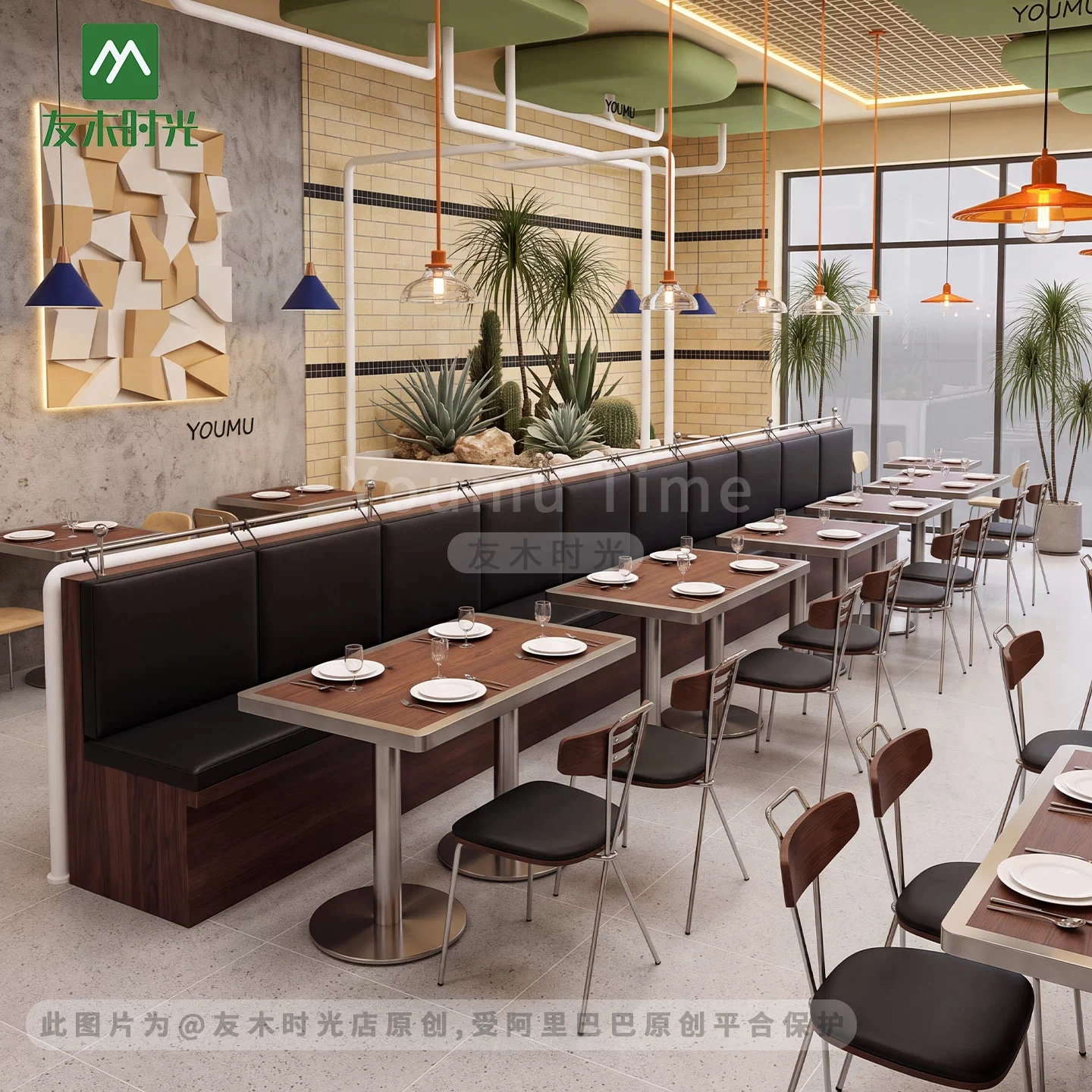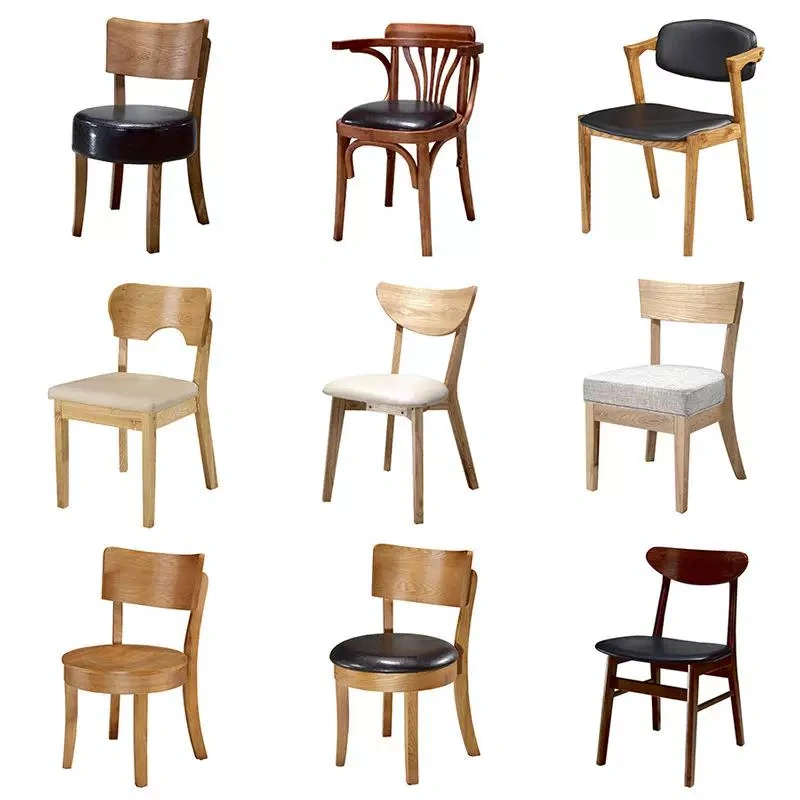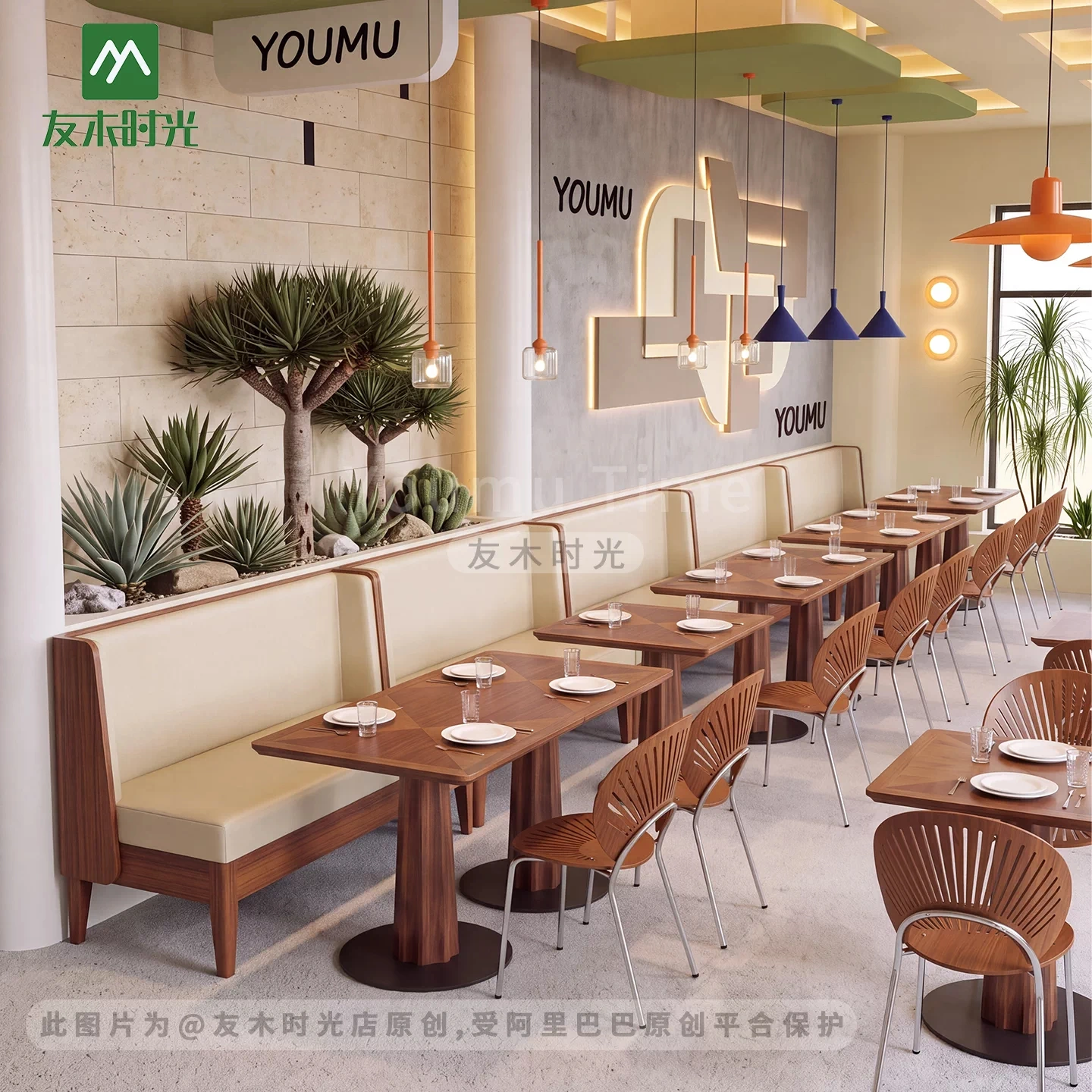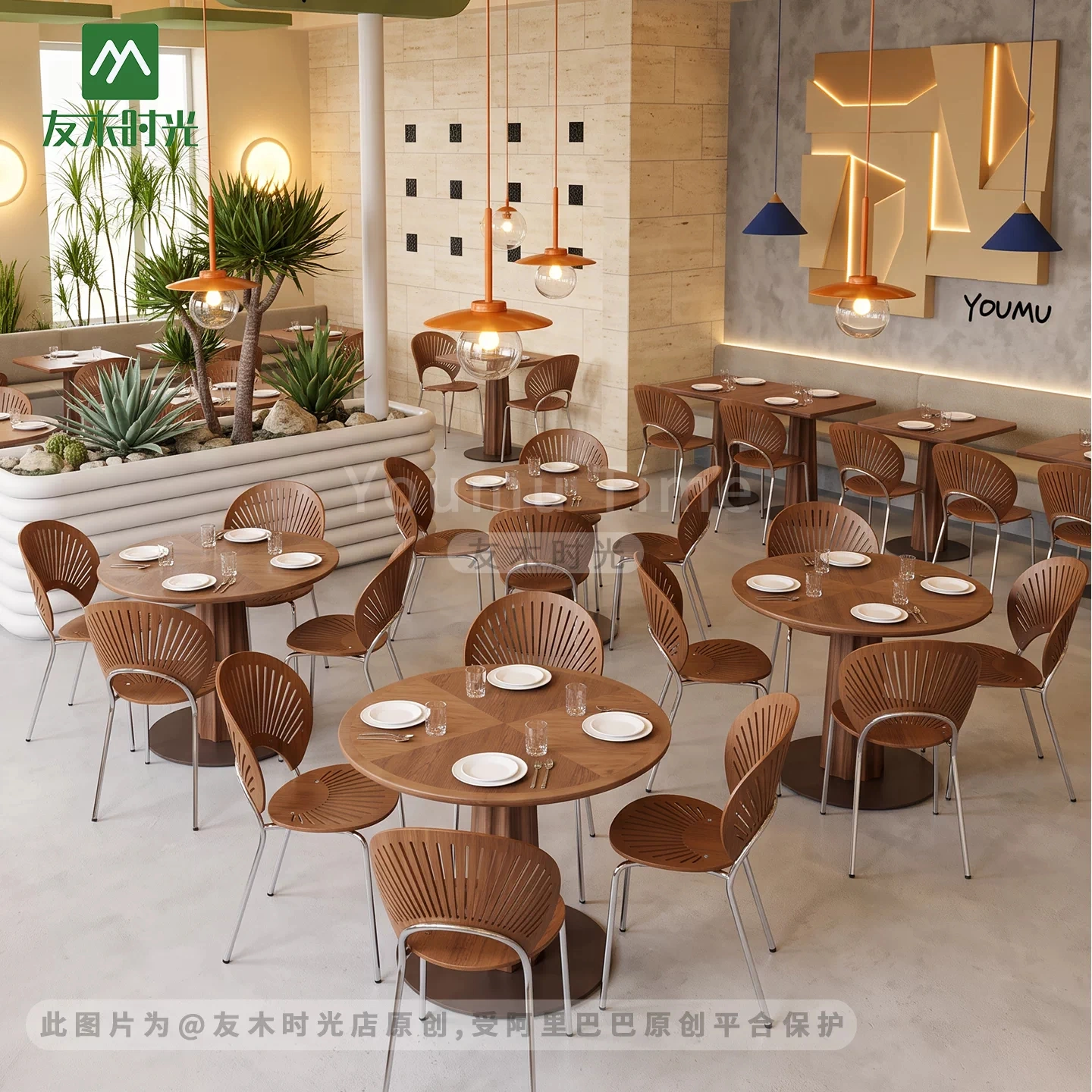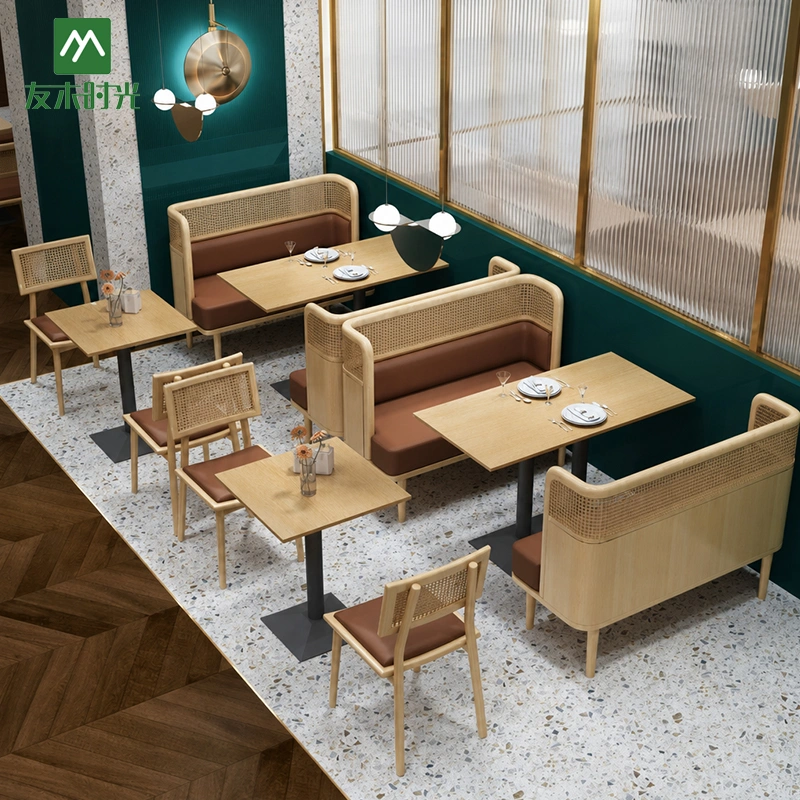
Choosing the right restaurant table bases is an important part of creating a functional, comfortable, and durable commercial dining environment. While tabletops often receive the most attention, table bases determine stability, legroom, seating flexibility, and long-term performance.
For restaurant owners, hotel operators, furniture distributors, and project buyers, understanding different table base designs and materials can help reduce maintenance problems and improve furniture purchasing decisions.
As a professional restaurant furniture manufacturer, we explore common table base types, material options, and key factors to help wholesalers, distributors, and restaurant buyers choose the right commercial table solutions for their projects.
1. What Are Restaurant Table Bases and Why Do They Matter?
Restaurant table bases are the supporting structures beneath tabletops. Their primary function is to distribute weight, maintain stability, and provide a secure foundation for daily commercial use.
Unlike residential dining furniture, commercial restaurant tables experience frequent movement, continuous customer use, and regular cleaning. As a result, their bases must be designed to withstand repeated loading and everyday wear.
A typical pedestal-style restaurant table base consists of three main components:
- Mounting Plate: Connects the tabletop to the supporting structure and helps distribute the load.
- Support Column: Transfers the tabletop load to the lower base while maintaining the required table height.
- Base Plate or Supporting Feet: Provides contact with the floor and helps prevent wobbling or tipping.
For commercial buyers, a well-matched table base can improve customer comfort, simplify furniture maintenance, and extend the useful life of restaurant tables.
2. Common Types of Restaurant Table Bases
Different restaurant layouts require different table base structures. The most suitable design depends on tabletop size, seating arrangement, available floor space, and interior style.
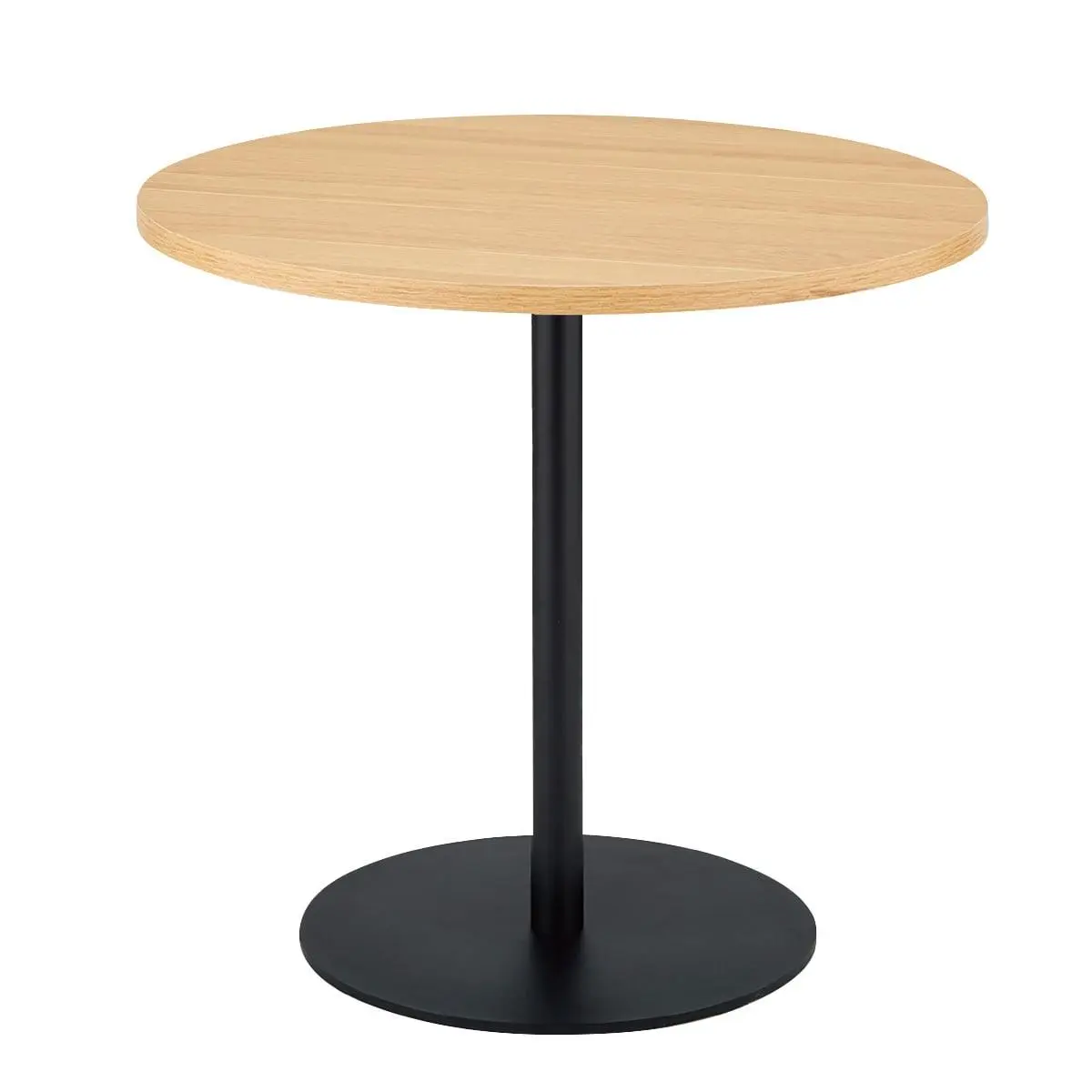
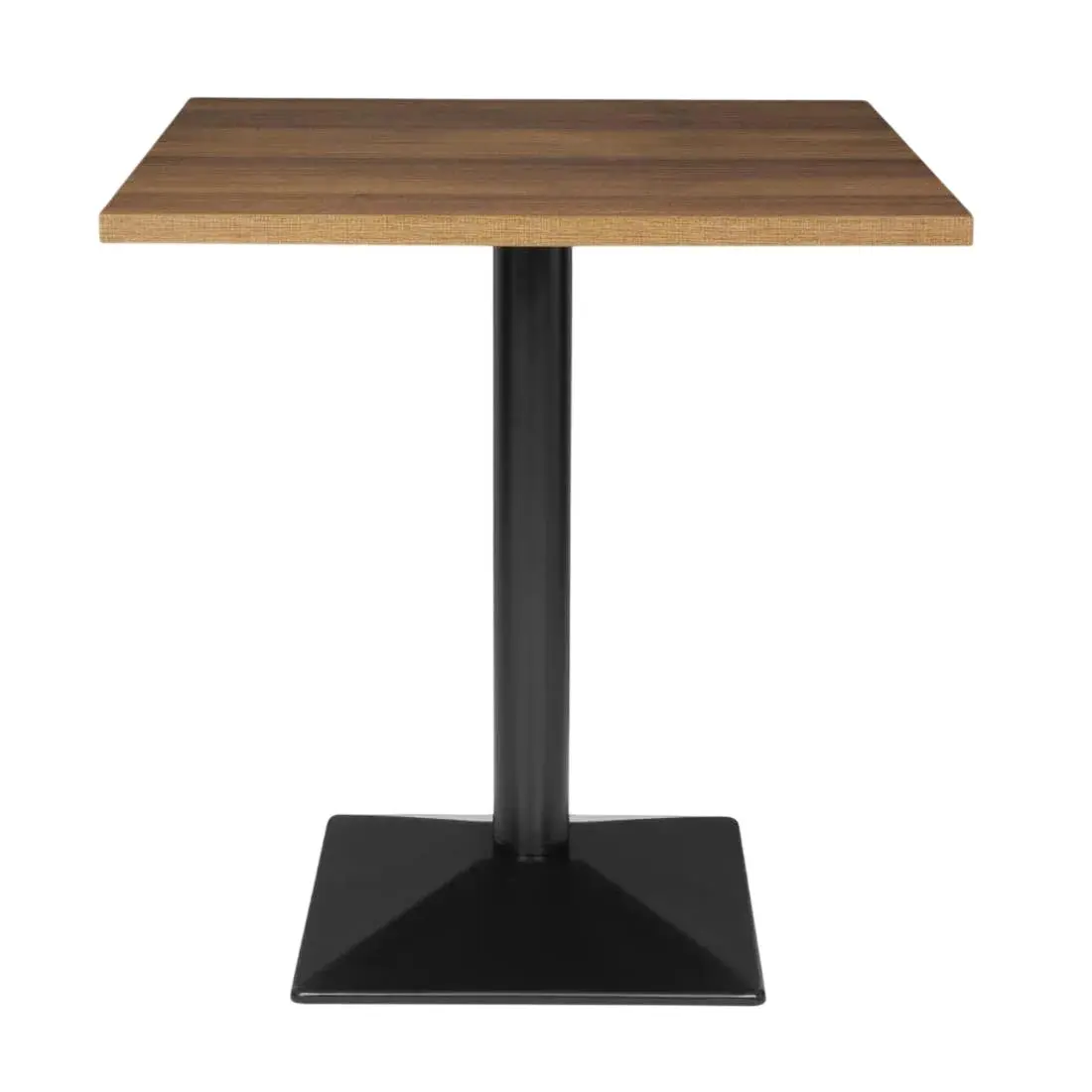
Pedestal Table Bases
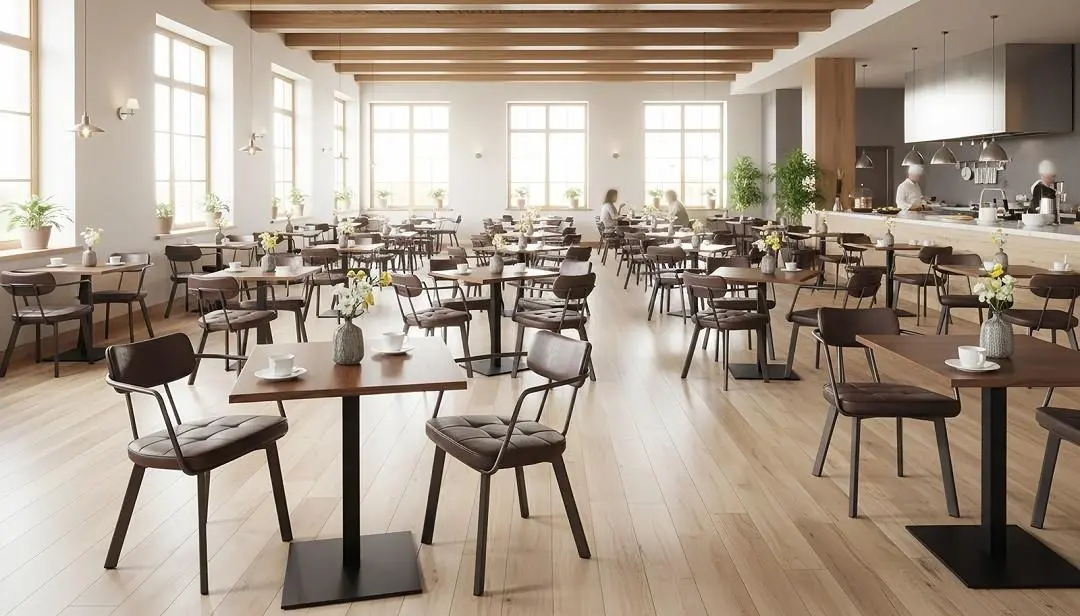
Pedestal table bases feature a central supporting column connected to a round or square floor plate. Their compact design reduces interference from traditional corner legs and provides more flexibility for chair placement.
They are commonly used in cafés, bistros, hotel dining areas, and restaurants with small round or square tables. However, the base footprint and weight must be properly matched to the tabletop to ensure stability.
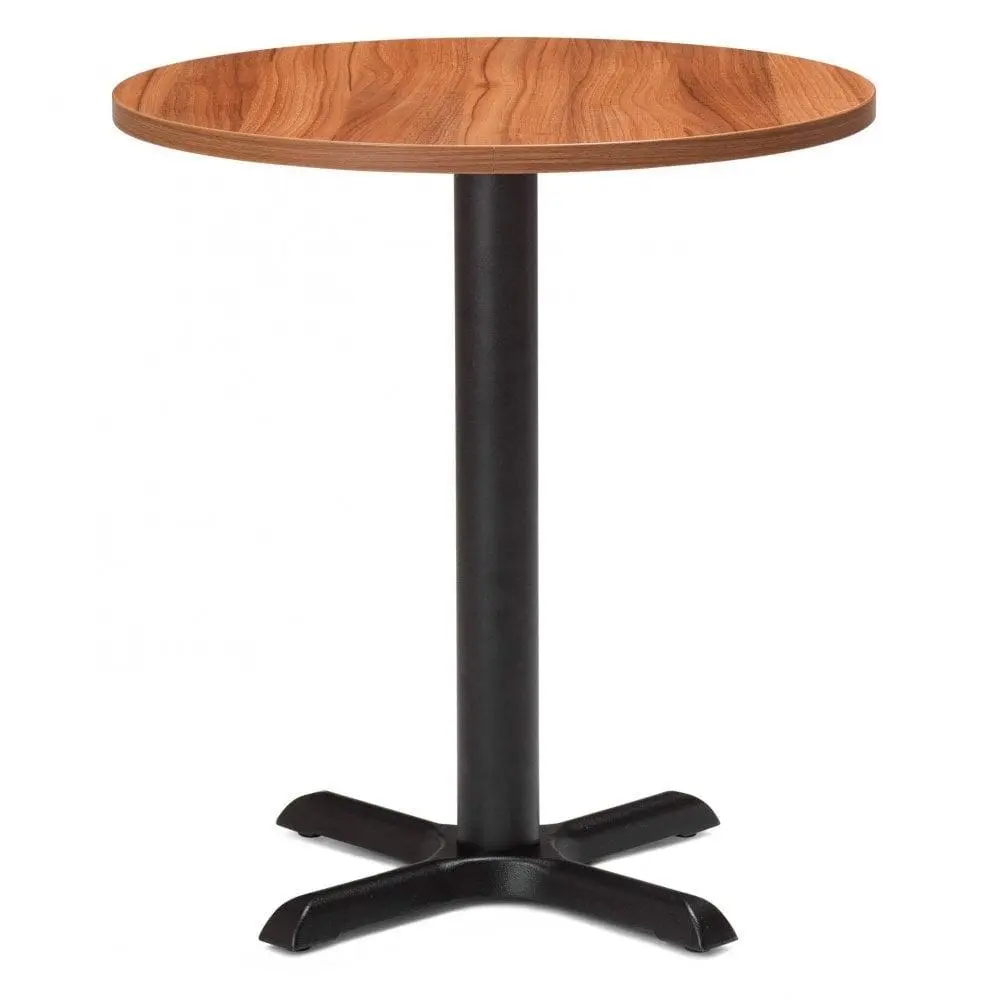
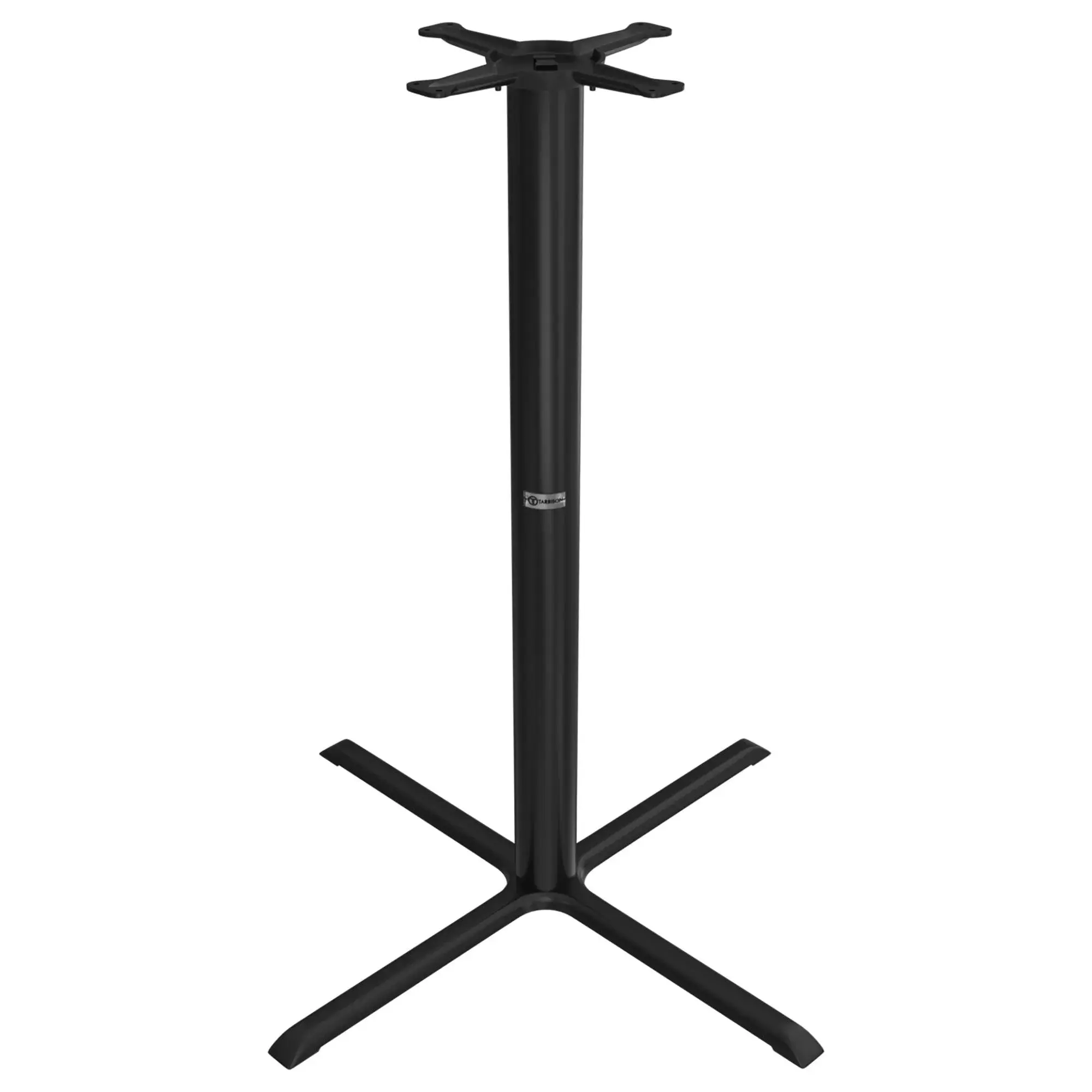
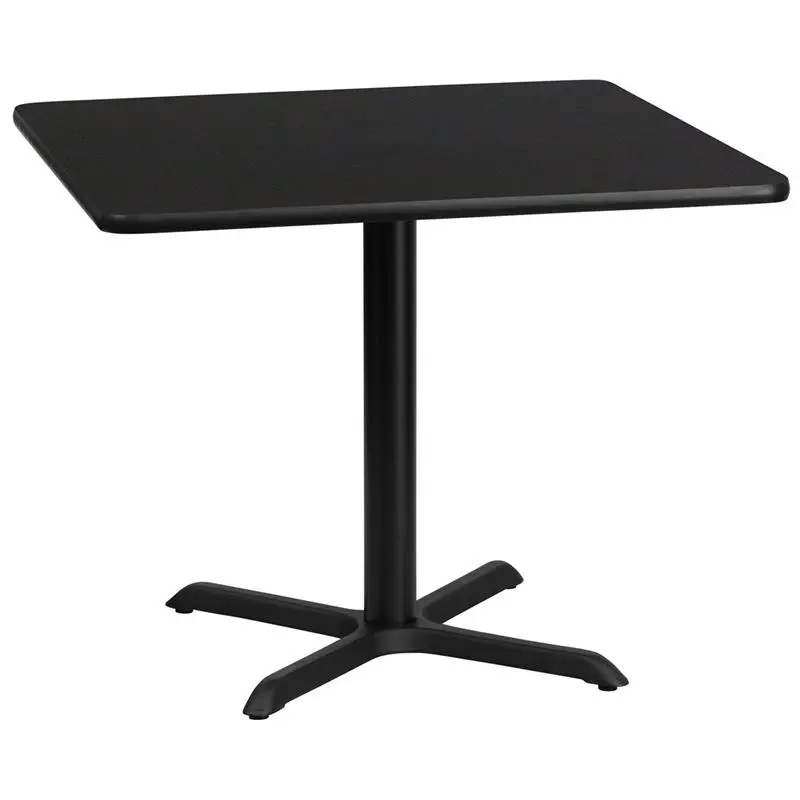
Cross-Shaped Table Bases
Cross-shaped restaurant table bases use four supporting arms extending from a central column. This design offers distributed floor contact and can work well with compact square or round tabletops.
Cross bases are popular in casual dining restaurants, coffee shops, and commercial dining spaces where simple design and flexible seating arrangements are priorities.
T-Shaped Table Bases
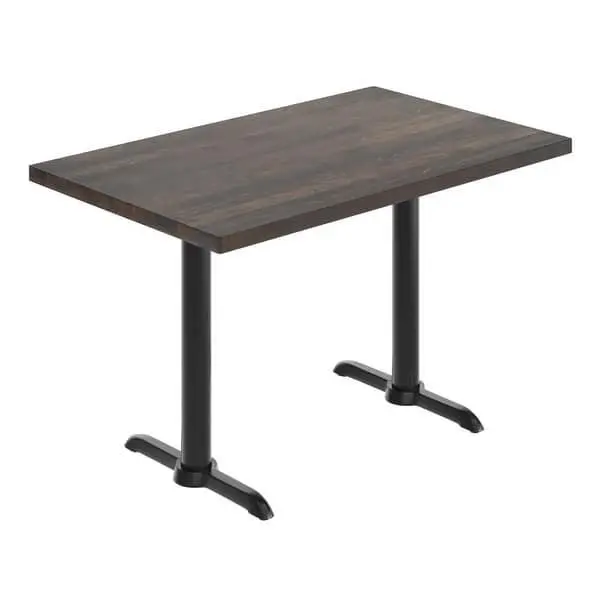
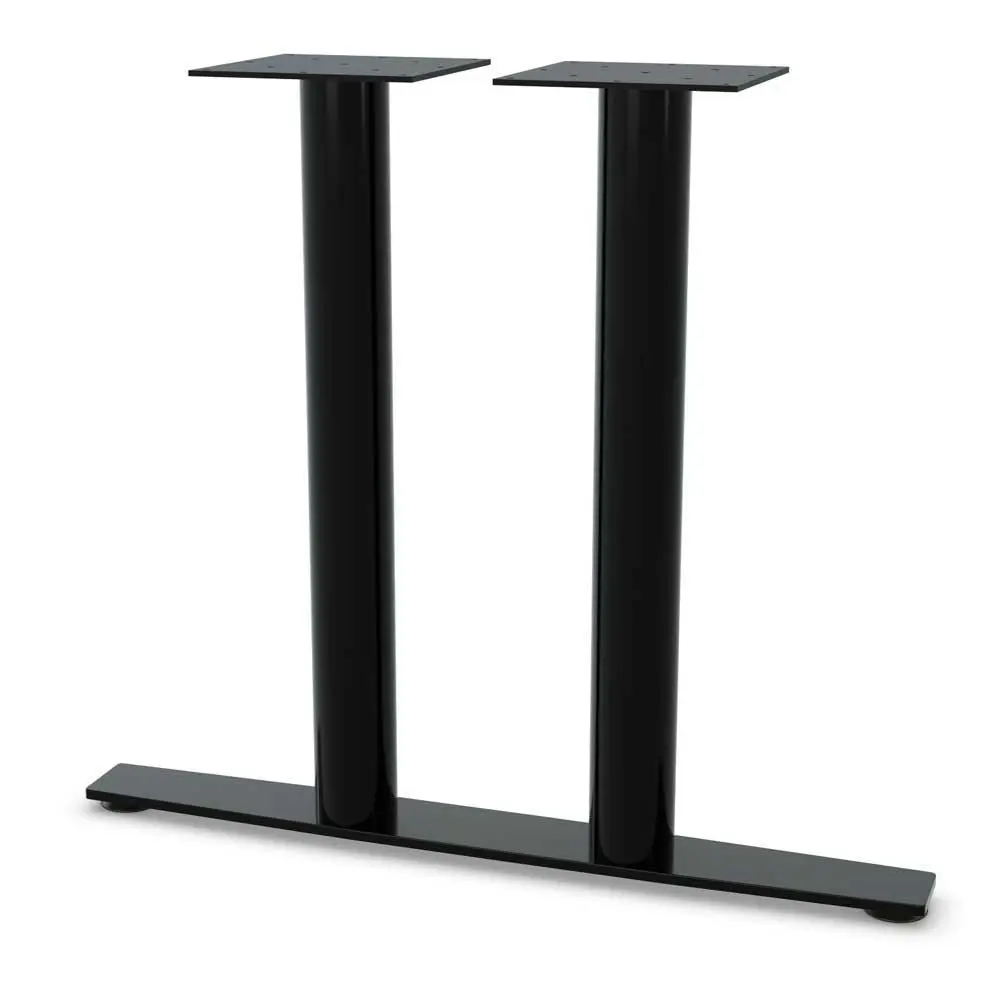
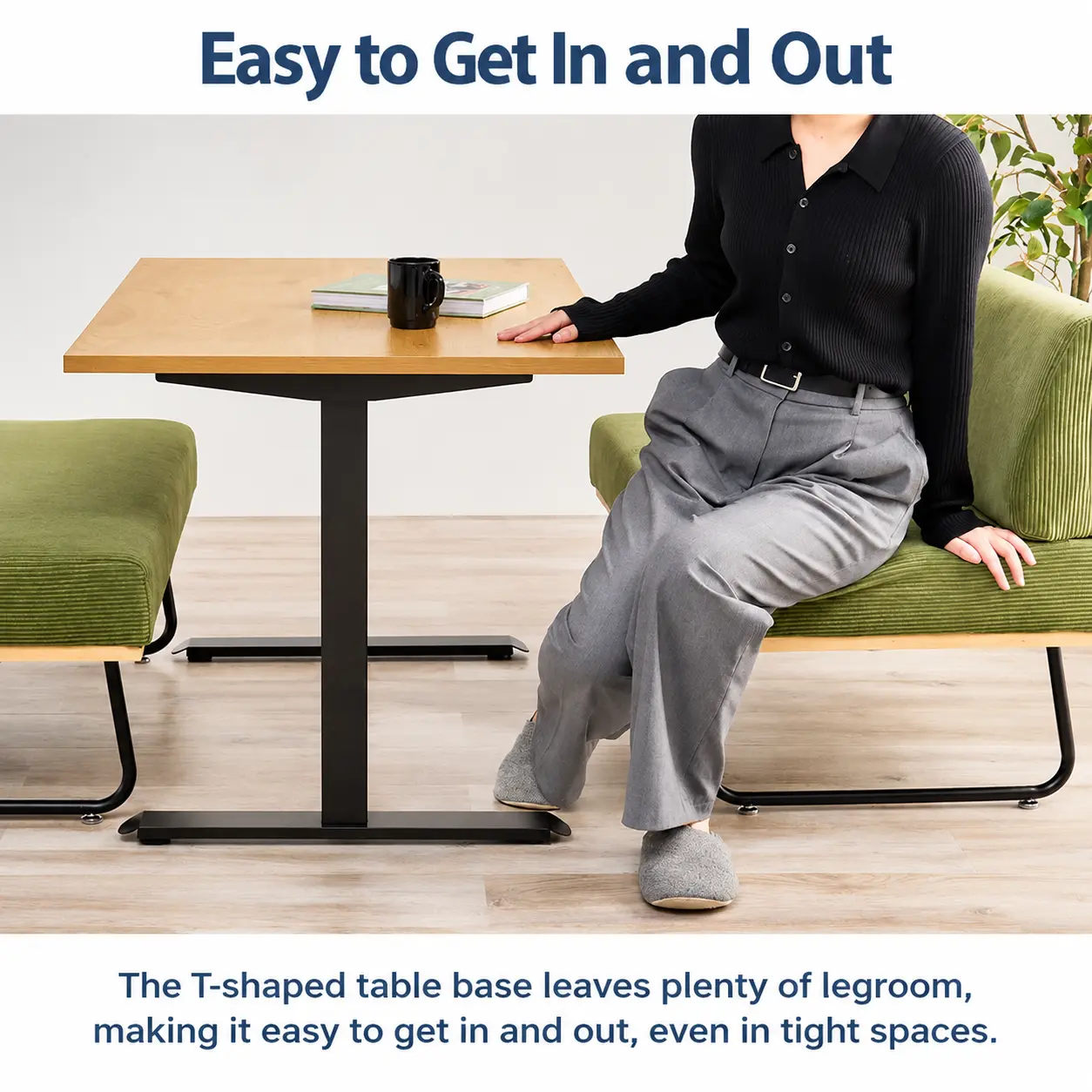
T-shaped table bases are commonly used beneath rectangular tabletops. Two supporting structures can be positioned along the table length to distribute the load and reduce interference with seating along the sides.
They are suitable for restaurant booths, hotel dining areas, and group dining tables. For longer tabletops, buyers should verify support spacing and the permitted tabletop dimensions.
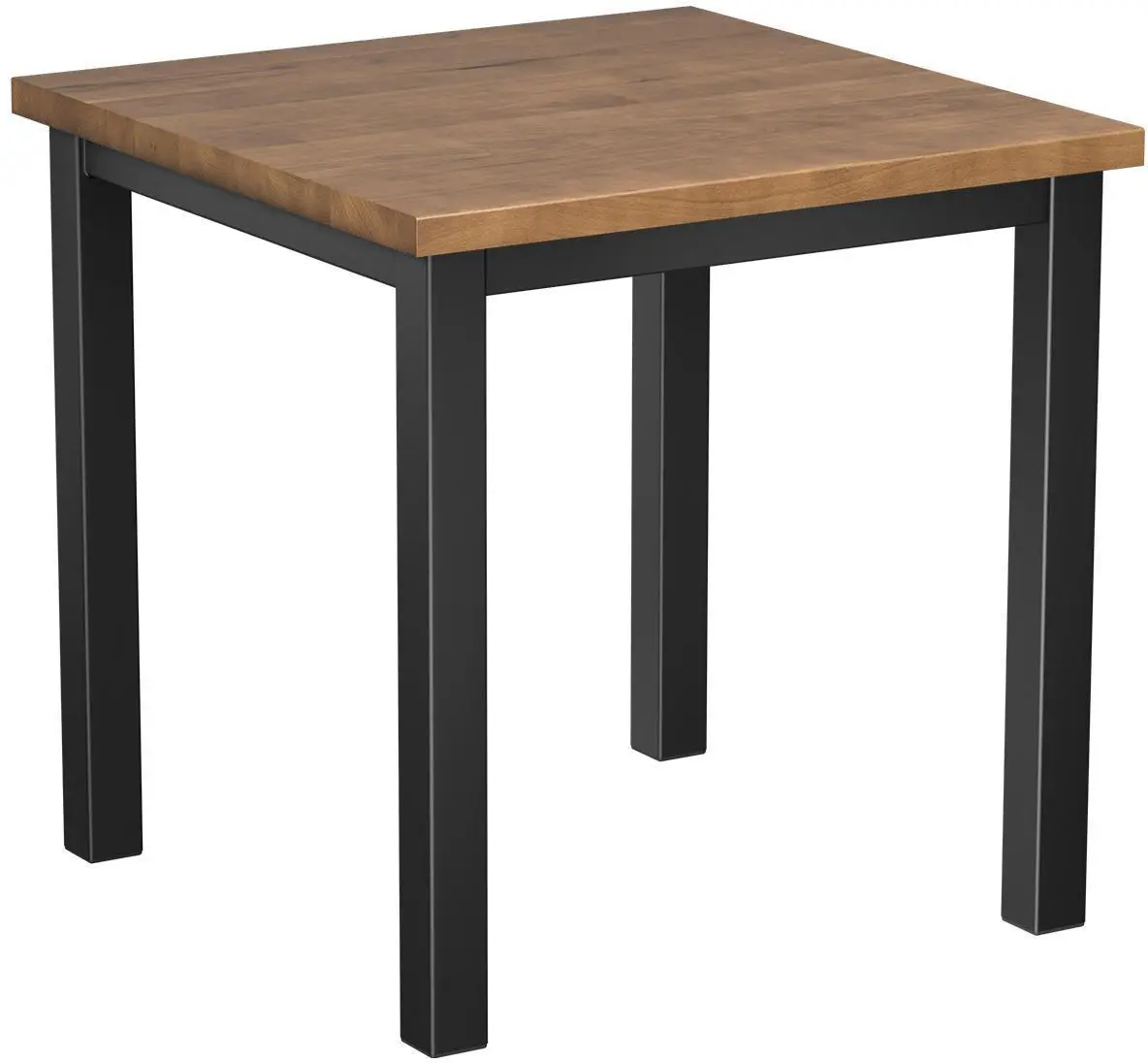
Four-Leg Table Bases
Four-leg table designs use individual legs positioned beneath the tabletop. They are commonly found in modern restaurants, casual dining spaces, and hospitality interiors.
Depending on the frame construction, they can provide distributed support for larger tabletops. Buyers should pay attention to leg placement, floor contact, and available space for dining chairs.
3. Best Materials for Commercial Restaurant Table Bases
Material selection affects the strength, appearance, maintenance requirements, and suitability of restaurant table bases for different environments.
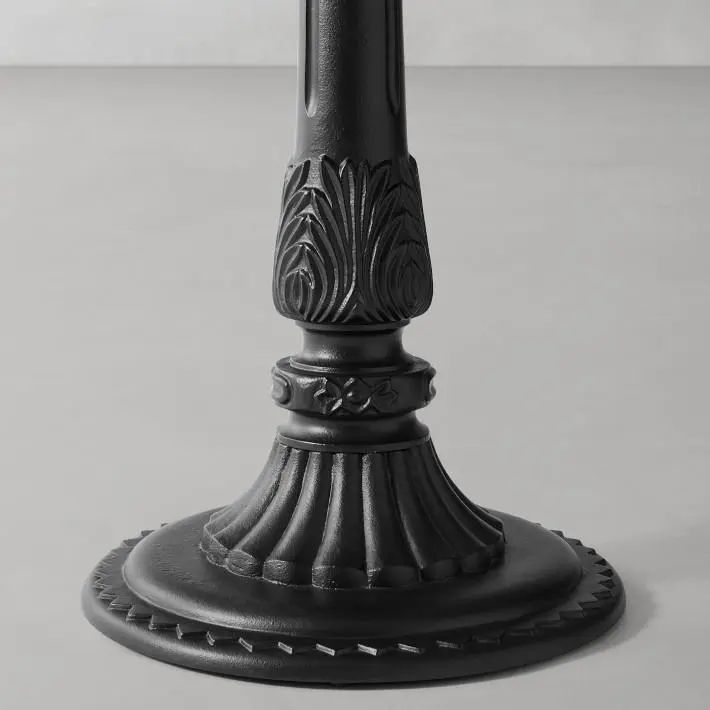
Cast Iron Table Bases
Cast iron is widely used in commercial pedestal and cross-shaped bases because of its weight and rigidity. It is particularly suitable for indoor dining tables that require substantial floor-level support.
However, cast iron can be relatively heavy to move and may require protective coatings to reduce corrosion in humid environments.
Steel Table Bases
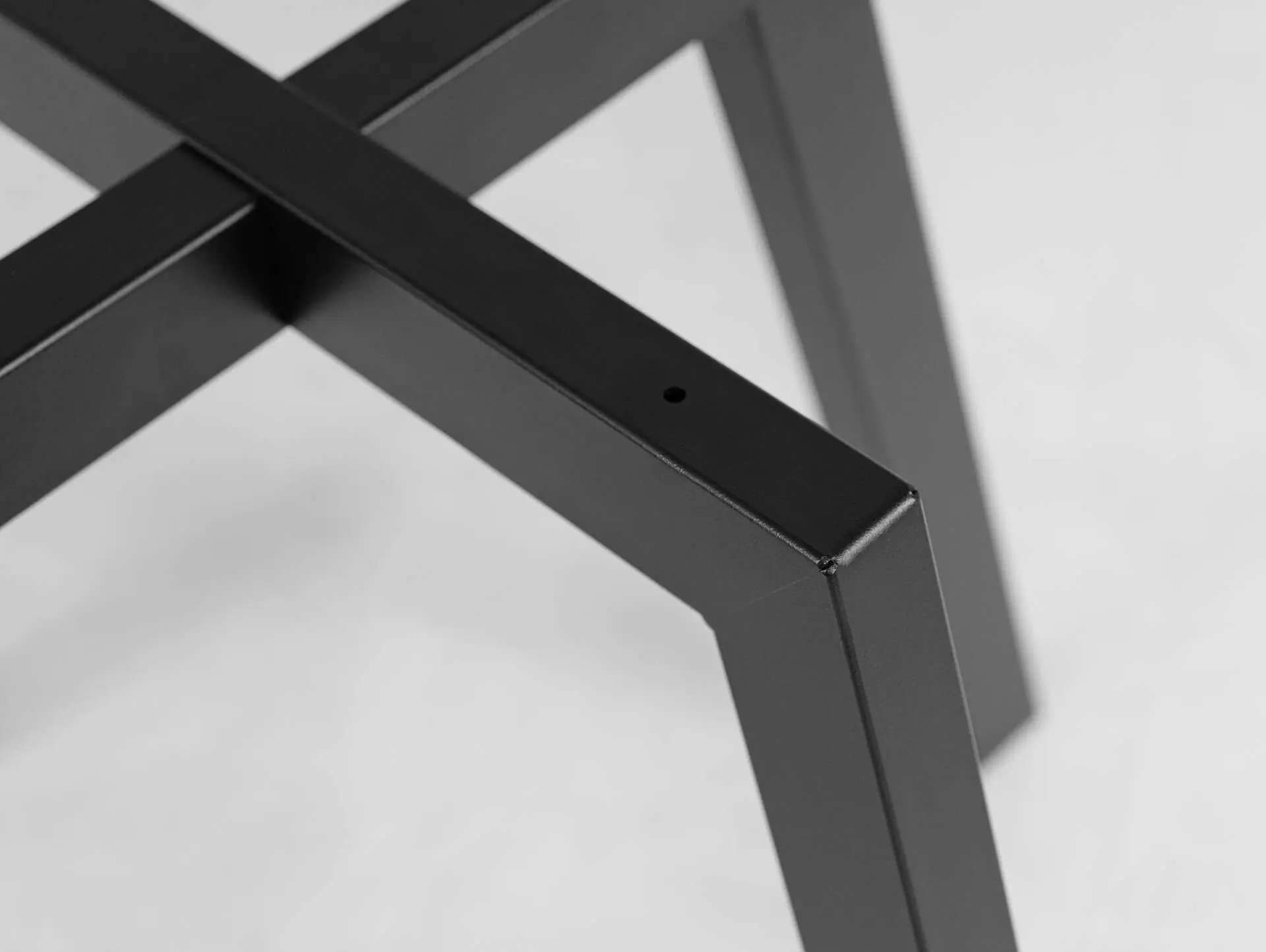
Steel is a versatile material for restaurant table bases, supporting various shapes, welded structures, and customized designs. Powder-coated steel is commonly selected for contemporary restaurant interiors.
For commercial projects, buyers should evaluate steel thickness, weld quality, surface finishing, and corrosion protection rather than selecting products based only on appearance.
Stainless Steel Table Bases
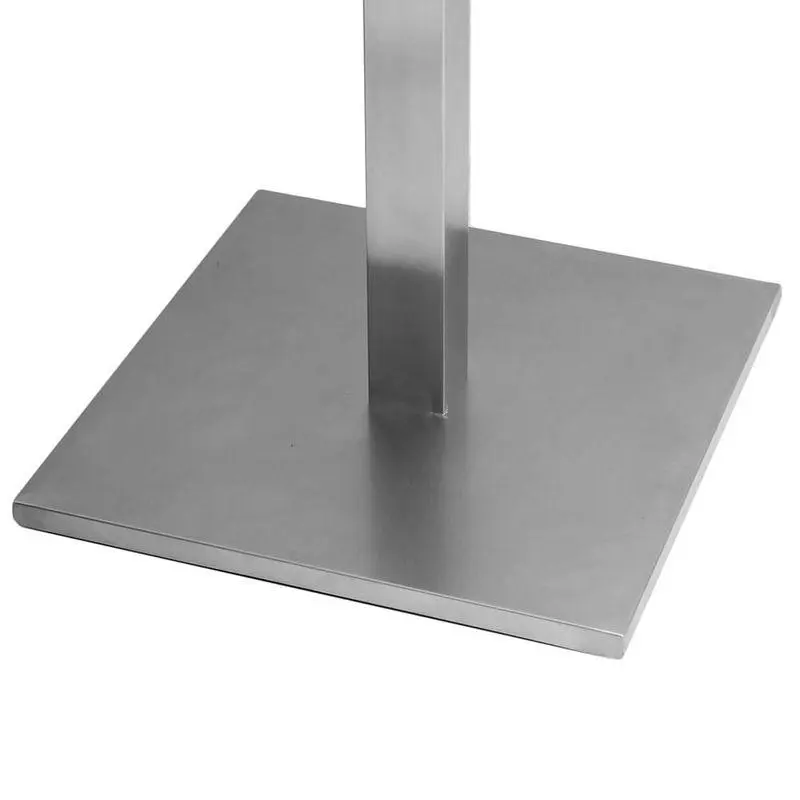
Stainless steel offers a clean, modern appearance and is valued for its corrosion resistance and ease of cleaning. It is often selected for hotel restaurants, modern cafés, and dining areas where frequent cleaning is required.
For outdoor or coastal environments, buyers should confirm the stainless steel grade, surface treatment, and suitability for local exposure conditions.
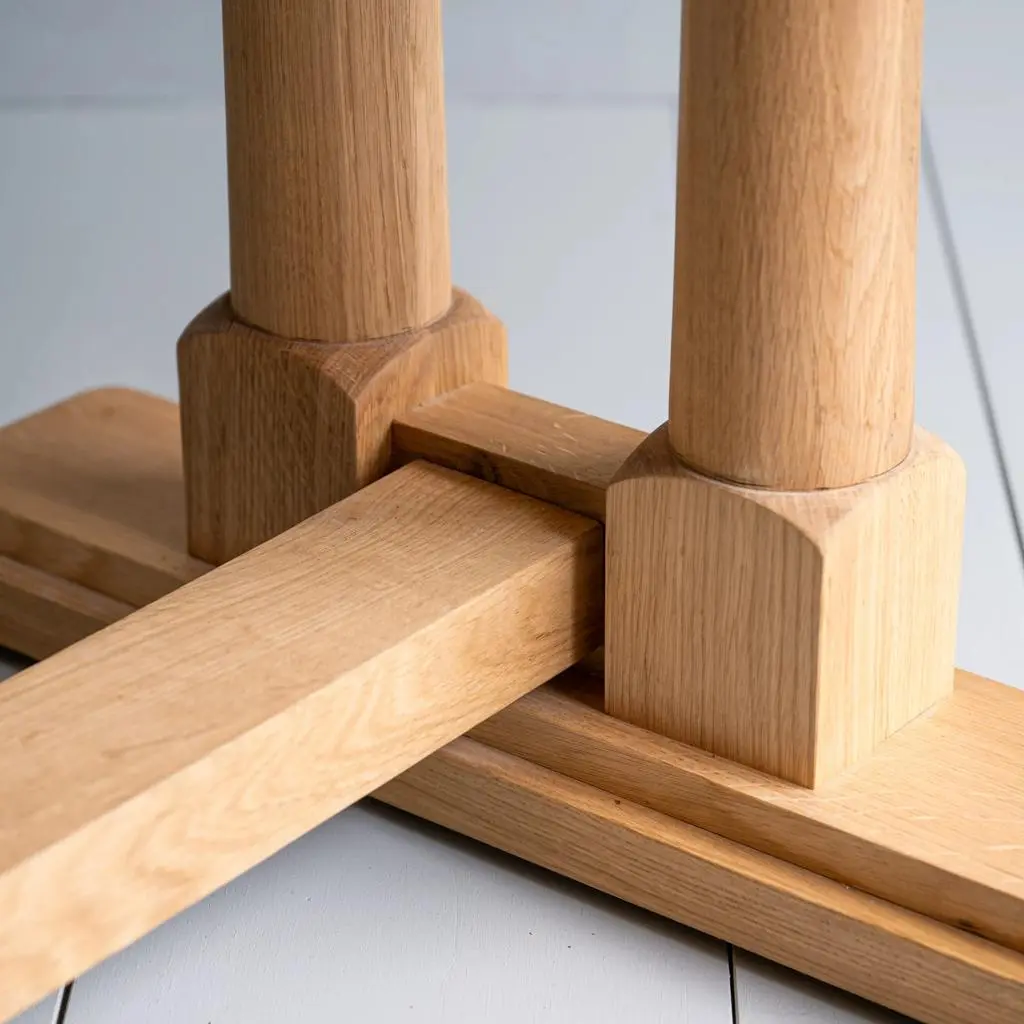
Wooden Table Bases
Wooden table bases bring natural warmth to restaurant interiors and are particularly suitable for cafés, boutique hotels, and restaurants with contemporary, Scandinavian, or traditional design concepts.
Solid wood and engineered wooden structures may be used depending on the design. Commercial buyers should consider joint strength, moisture protection, finishing quality, and compatibility with the tabletop.
4. How to Choose the Right Restaurant Table Base
Selecting the correct restaurant table bases involves more than matching a table’s appearance. Buyers should evaluate the complete table structure and actual usage requirements.
Match the Base to the Tabletop
Larger and heavier tabletops require appropriately designed support structures. Solid wood, sintered stone, and other heavy tabletop materials may need wider base footprints, reinforced connections, or multiple supporting points.
A reliable restaurant table manufacturer should evaluate tabletop dimensions, material weight, connection methods, and stability before recommending a suitable base configuration.
Consider Seating Comfort and Legroom
Table bases should not interfere with customers’ knees, feet, or chair movement. A central pedestal may offer more seating flexibility for compact tables, while T-shaped bases can be useful for longer rectangular dining tables.
When choosing tables for restaurant booths, buyers should also consider how the table base interacts with fixed seating and the available entry space.
Check Stability and Floor Conditions
Uneven restaurant floors can cause tables to wobble even when the structure itself is properly manufactured. Adjustable leveling feet can help compensate for small differences in floor height.
For commercial projects, it is important to confirm the base’s stability under normal dining use, especially when using large tabletops or tall bar tables.
Evaluate Maintenance and Cleaning
Restaurant furniture must support daily cleaning operations. Simple base shapes, accessible floor areas, durable finishes, and replaceable components can help reduce maintenance work.
5. Matching Restaurant Table Bases to Different Dining Spaces
Different commercial dining environments have different requirements for furniture stability, style, and layout flexibility.
Cafés and Coffee Shops
Compact pedestal or cross-shaped bases are practical for small café tables. They allow flexible seating arrangements and help maintain a clean, uncluttered interior.
Restaurants with Booth Seating
T-shaped bases or appropriately designed pedestal bases can support rectangular tabletops while preserving access to fixed booth seating.
Hotel Restaurants
Hotel dining areas often require coordinated furniture designs. Steel, stainless steel, and wooden bases can be selected to match the hotel’s interior concept and table materials.
Large Restaurants and Chain Restaurants
Standardized table base designs can simplify bulk purchasing, installation, replacement, and future restaurant expansion.
For multi-location restaurant projects, consistent table base specifications are particularly valuable. Using coordinated materials, dimensions, and finishes helps maintain a recognizable furniture style across different locations.
6. Key Considerations When Buying Restaurant Tables in Bulk
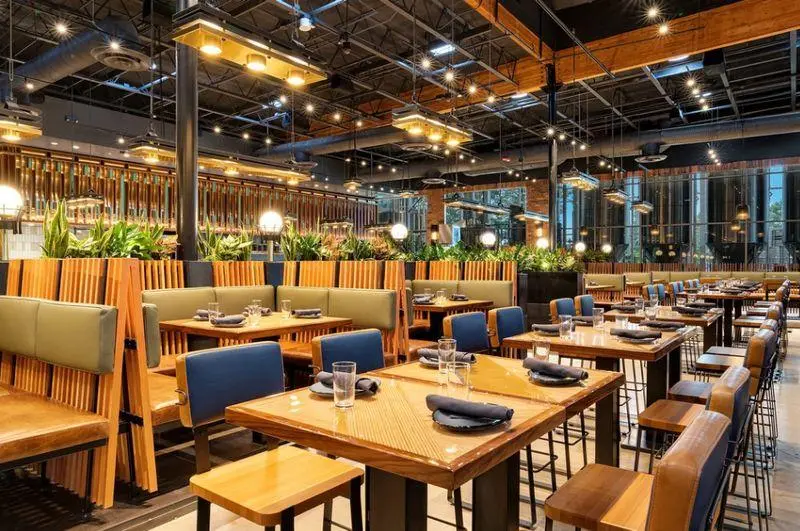
For furniture distributors, restaurant chains, hospitality contractors, and project buyers, sourcing restaurant tables involves additional considerations beyond individual product selection.
Product Consistency
For bulk restaurant furniture orders, consistent tabletop dimensions, base finishes, connection systems, and overall appearance help simplify installation and maintain a unified dining environment.
Customization Options
Different restaurant projects may require custom table sizes, base shapes, colors, or materials. Working with a manufacturer that offers OEM and ODM support provides greater flexibility for restaurant brands and commercial furniture buyers.
Coordinated Furniture Supply
Purchasing tables and chairs from separate sources can create challenges in matching furniture heights, finishes, and design styles.
Sourcing wholesale restaurant tables and chairs from a coordinated furniture supplier can help buyers achieve consistent designs, simplify purchasing communication, and manage project furniture requirements more efficiently.
Packaging and Delivery
Commercial furniture buyers should confirm whether table bases are delivered assembled or disassembled, how the components are packaged, and whether installation instructions and necessary hardware are included.
For international shipments, suitable export packaging can help protect table bases and surface finishes during transportation.
7. Why Source Restaurant Tables and Chairs from Youmu Shiguang?
As a restaurant table manufacturer, Youmu Shiguang provides commercial furniture solutions for restaurants, cafés, hotels, furniture distributors, and hospitality projects.
Rather than focusing on individual tables alone, we help buyers coordinate dining tables, chairs, booths, and other restaurant furniture according to their project requirements.
Our Restaurant Furniture Supply Advantages
- Coordinated Restaurant Furniture Solutions: Source dining tables, restaurant chairs, and upholstered booths with consistent styles and finishes for complete commercial dining spaces.
- OEM & ODM Customization: Support customization of table dimensions, tabletop materials, base designs, colors, and furniture finishes according to project requirements.
- Flexible Project Purchasing: Support furniture sourcing for different project scales, including independent cafés, restaurants, hotels, and multi-location dining businesses.
- Factory-Direct Communication: Work directly with a restaurant furniture manufacturer to discuss product specifications, matching furniture collections, customization requirements, and bulk orders.
Whether you are sourcing restaurant tables for a new dining space, updating existing furniture, or planning furniture purchases across multiple locations, selecting the right table bases is an important step toward a more practical and durable dining environment.
Looking for a reliable restaurant table manufacturer?
Contact Youmu Shiguang to explore custom restaurant tables, matching chairs, upholstered booths, and factory-direct furniture supply solutions for your next commercial dining project.