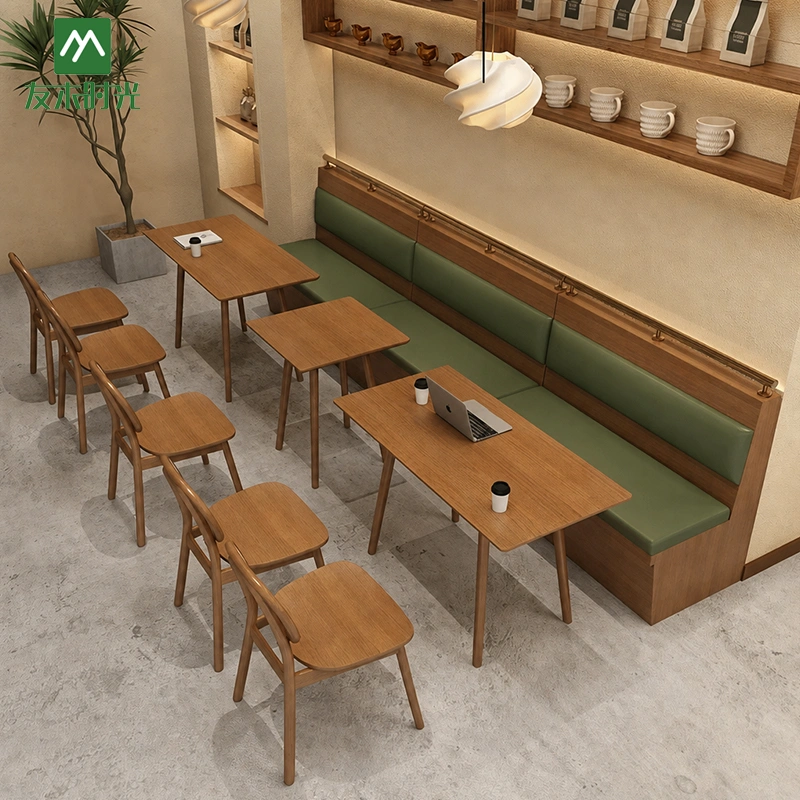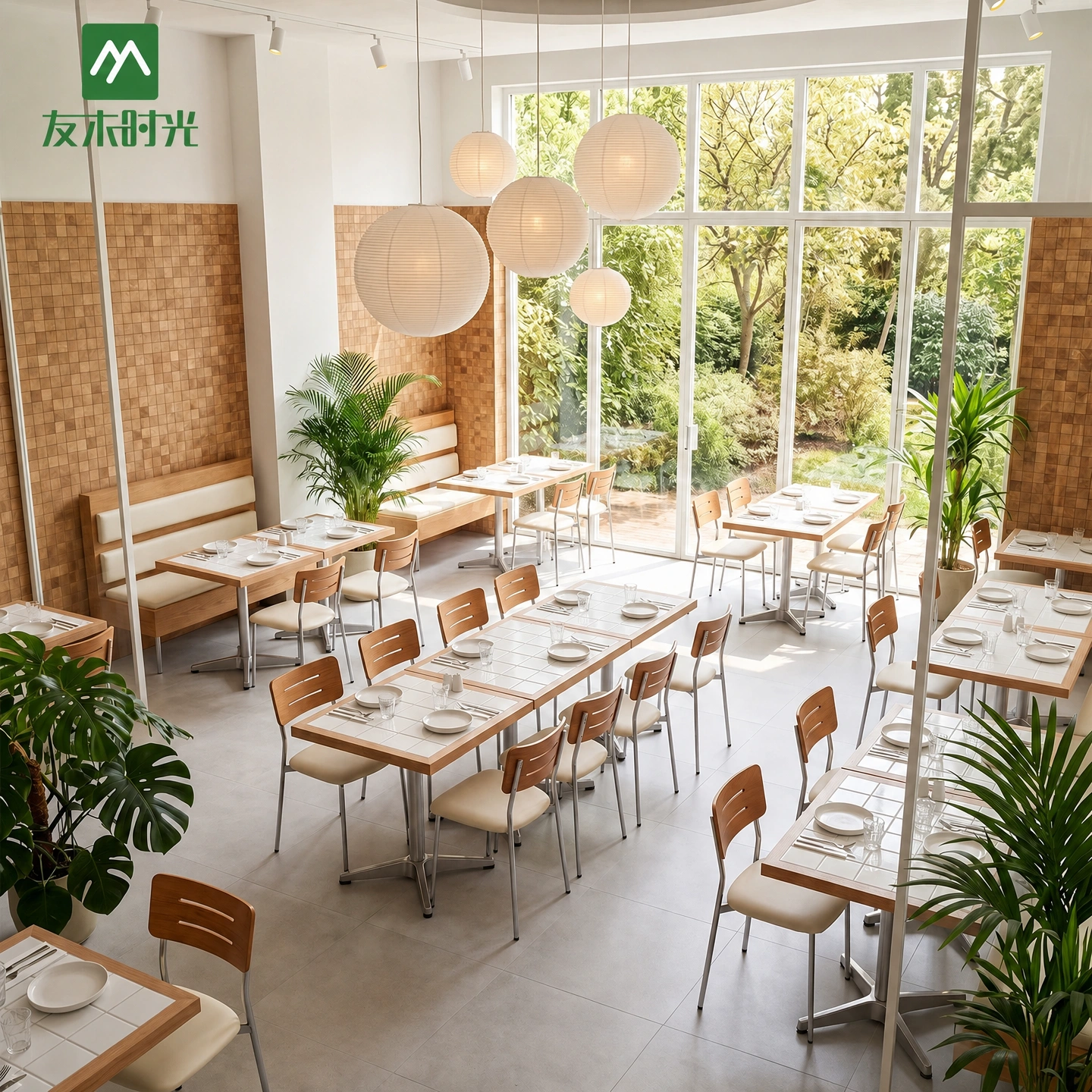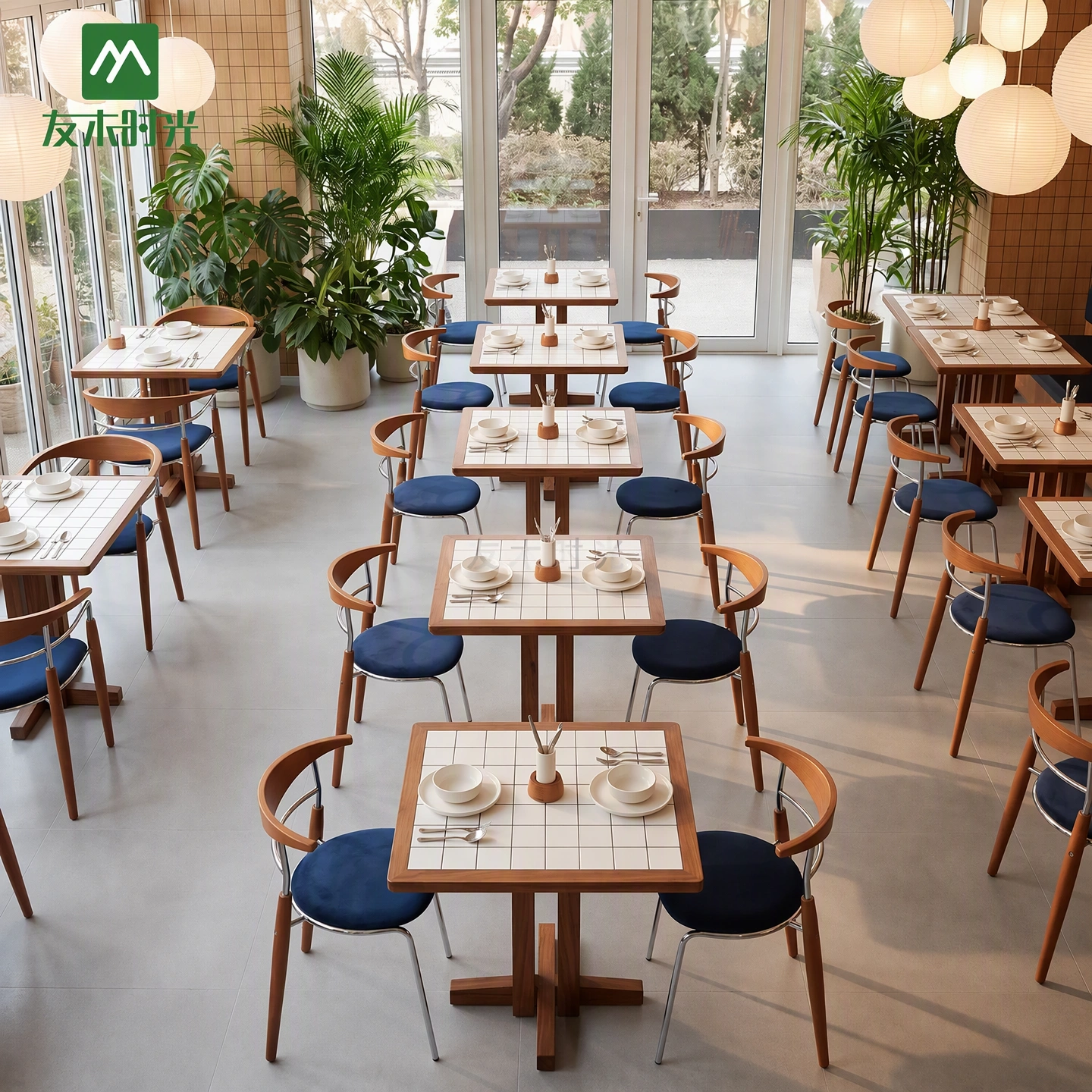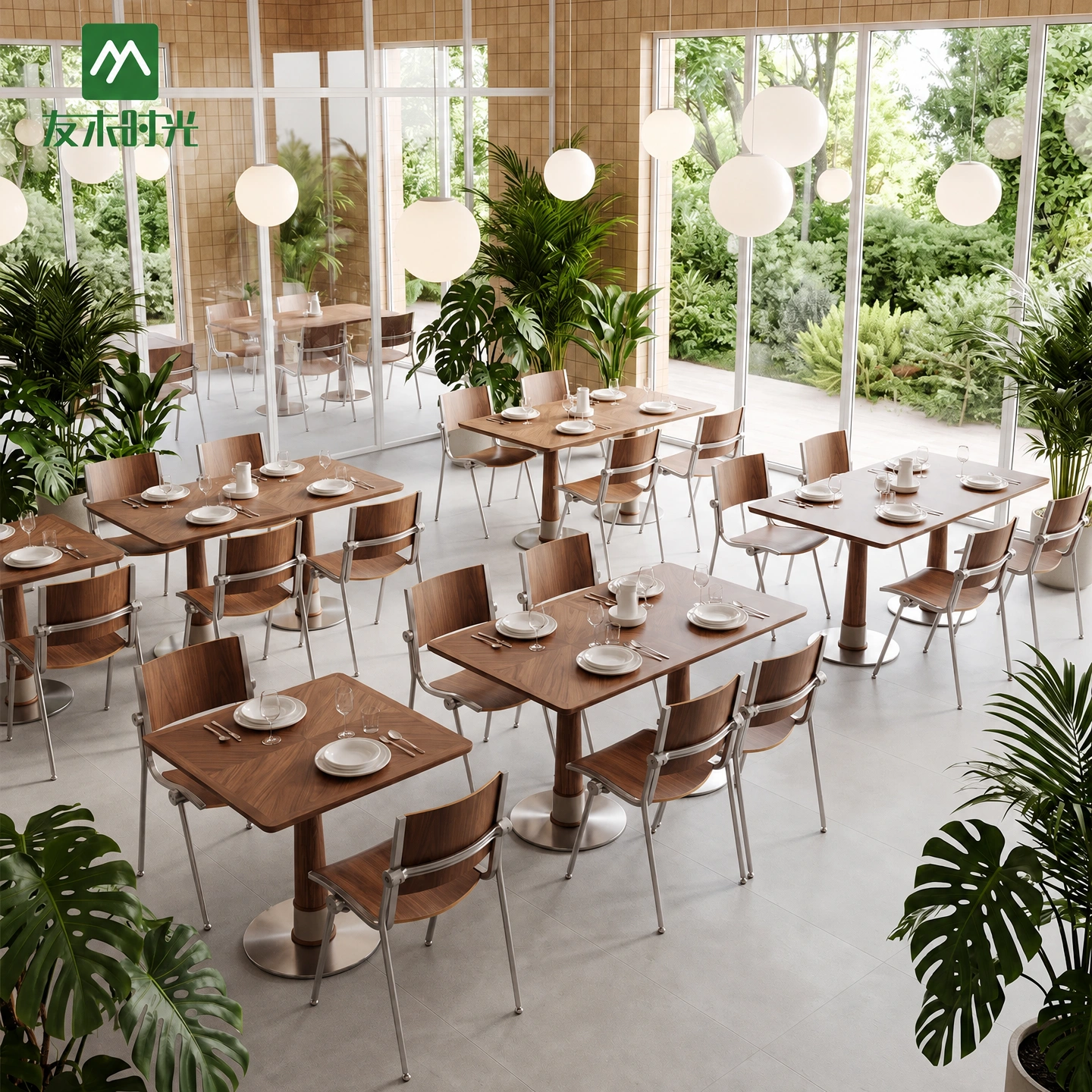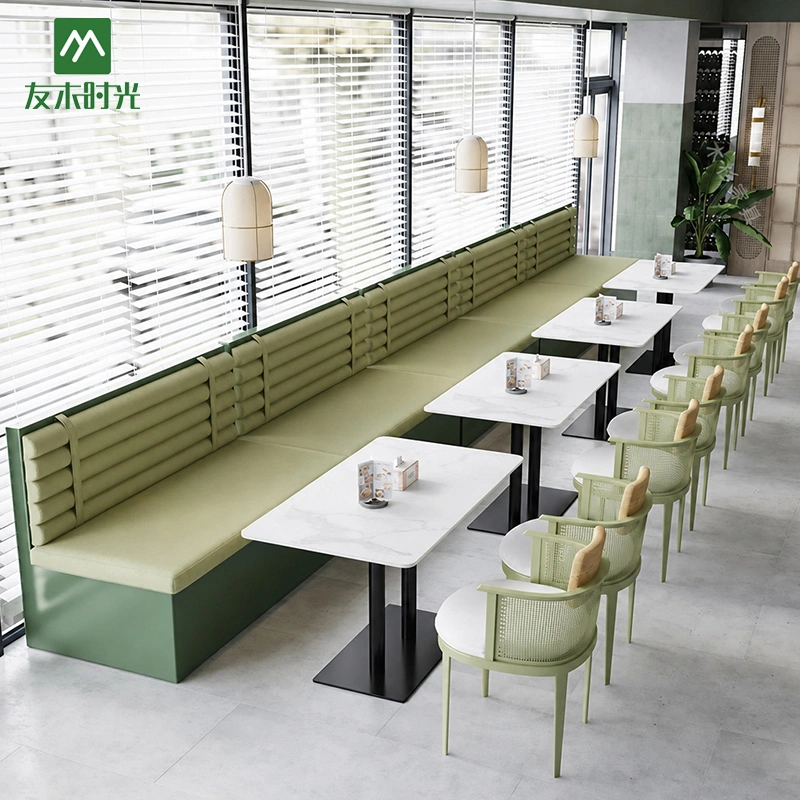
Restaurant sofas face constant daily wear and tear. Customers sit, slide, lean back, and occasionally spill coffee, wine, sauces, or oil-based foods. Choosing the wrong upholstery fabric can result in faded appearances, difficult maintenance, and costly replacements within a short period.
Among commercial restaurant furniture, genuine leather, PU leather, and linen-look fabric are the three most popular upholstery options. Each offers different advantages in terms of appearance, comfort, durability, and maintenance.
So which one is right for your restaurant?
The answer depends on your dining concept, customer turnover rate, cleaning requirements, and budget.
Why Fabric Selection Matters for Restaurant Sofas
A restaurant sofa is more than just a place for customers to sit. The upholstery material directly impacts:
- Customer comfort and dining experience
- Interior design and brand image
- Cleaning efficiency and labor costs
- Long-term maintenance expenses
- Furniture lifespan and replacement frequency
Before selecting a fabric, restaurant owners should consider three key factors:
- Daily customer traffic
- Frequency of food and beverage spills
- Desired restaurant style and atmosphere
Let’s compare the strengths and weaknesses of the three most common restaurant sofa fabrics.
Genuine Leather: Luxury Appearance with Premium Comfort
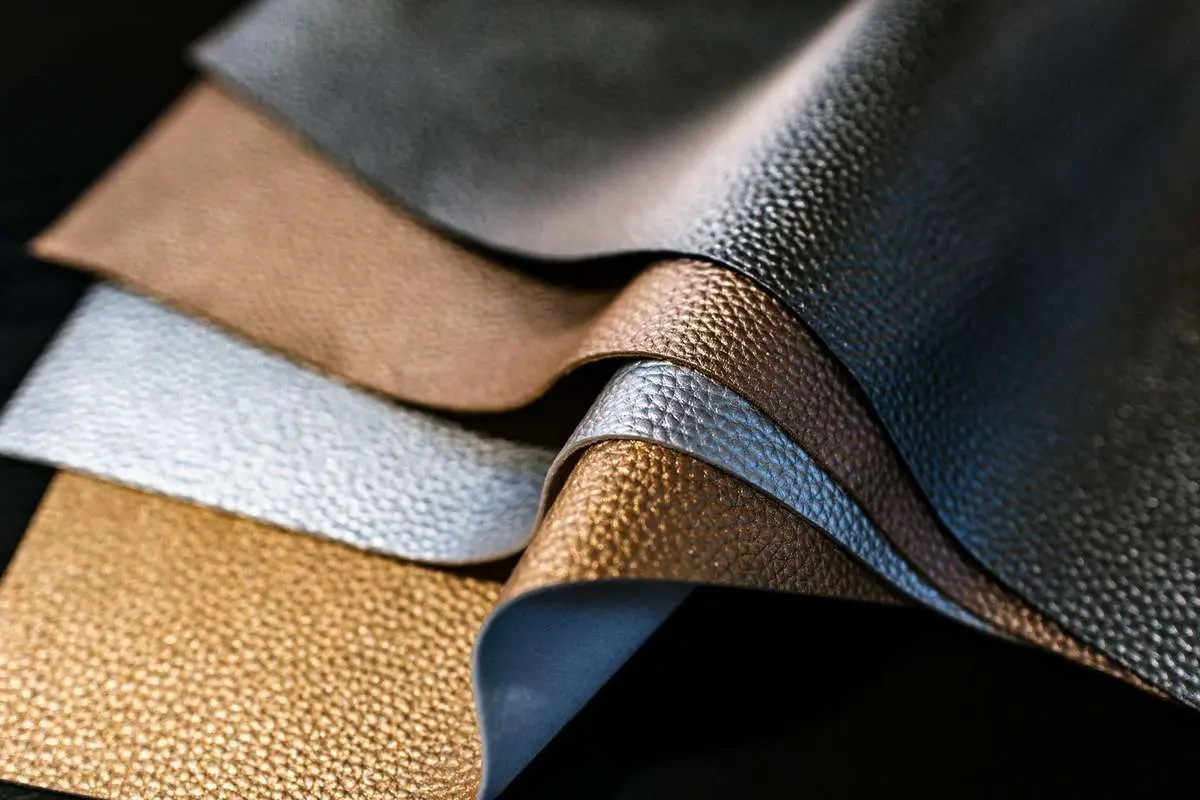
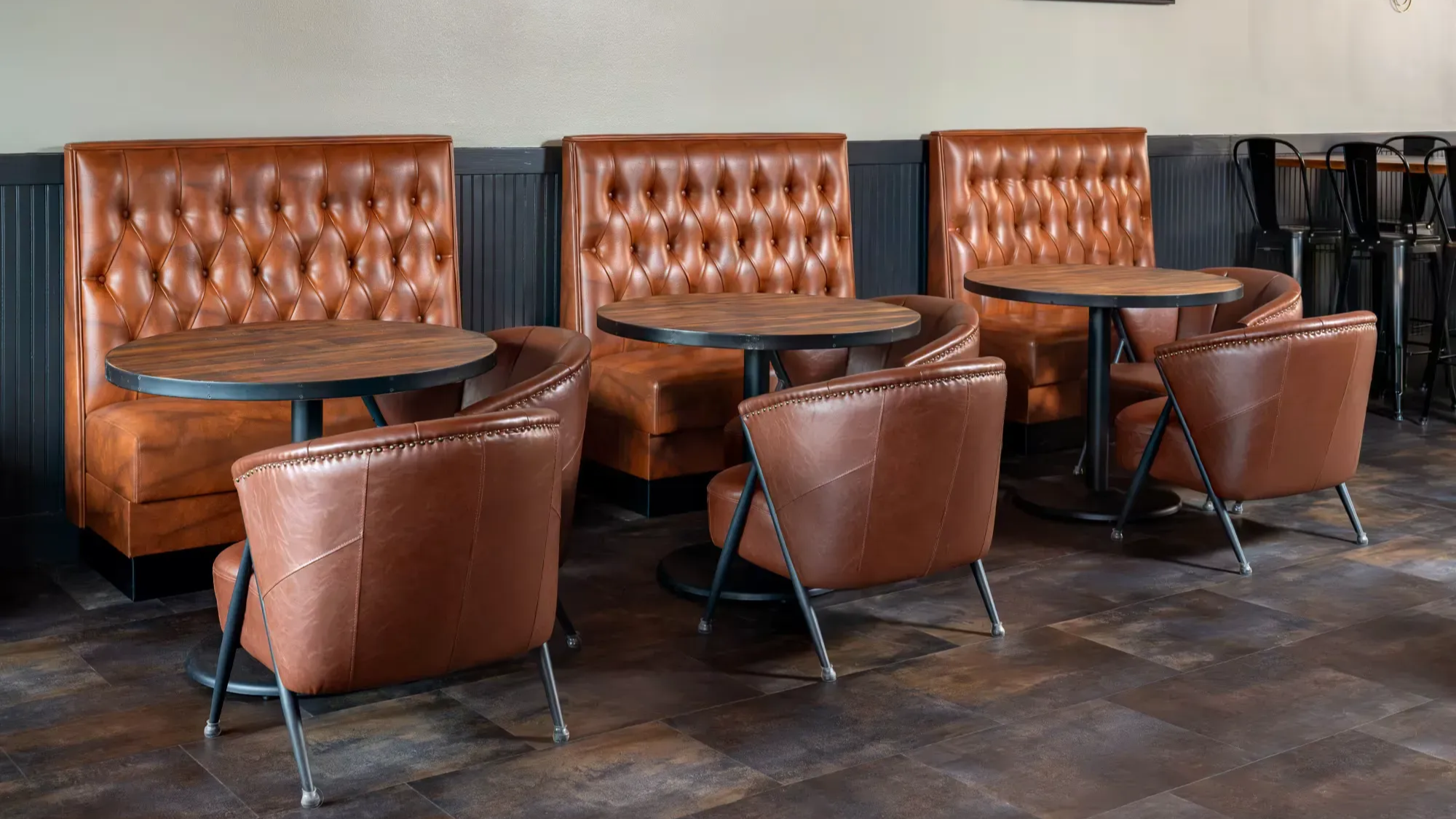
Genuine leather, especially top-grain cowhide, is often regarded as the highest-end upholstery material for restaurant seating. Its natural texture, soft touch, and excellent breathability create a refined dining environment that synthetic materials cannot fully replicate.
Advantages of Genuine Leather
- Elegant and luxurious appearance
- Natural grain and unique texture
- Excellent breathability and seating comfort
- Strong brand-enhancing effect for upscale restaurants
- Long service life when properly maintained
Limitations
While genuine leather looks impressive, it requires regular care. Liquids such as wine, coffee, soy sauce, and cooking oils can penetrate the surface if not cleaned promptly. Sharp objects, belt buckles, and fingernails may also leave visible scratches.
To maintain its appearance, leather conditioners and protective treatments should be applied regularly.
Best Applications
Genuine leather is ideal for:
- Fine dining restaurants
- Private dining rooms
- Japanese restaurants
- Executive lounges
- Boutique hotels
- High-end hospitality projects
Stain Resistance
Moderate
For commercial environments, semi-aniline leather with scratch-resistant and stain-resistant treatments is recommended, as it offers better durability than untreated leather while retaining a premium appearance.
PU Leather: Practical, Durable, and Easy to Maintain
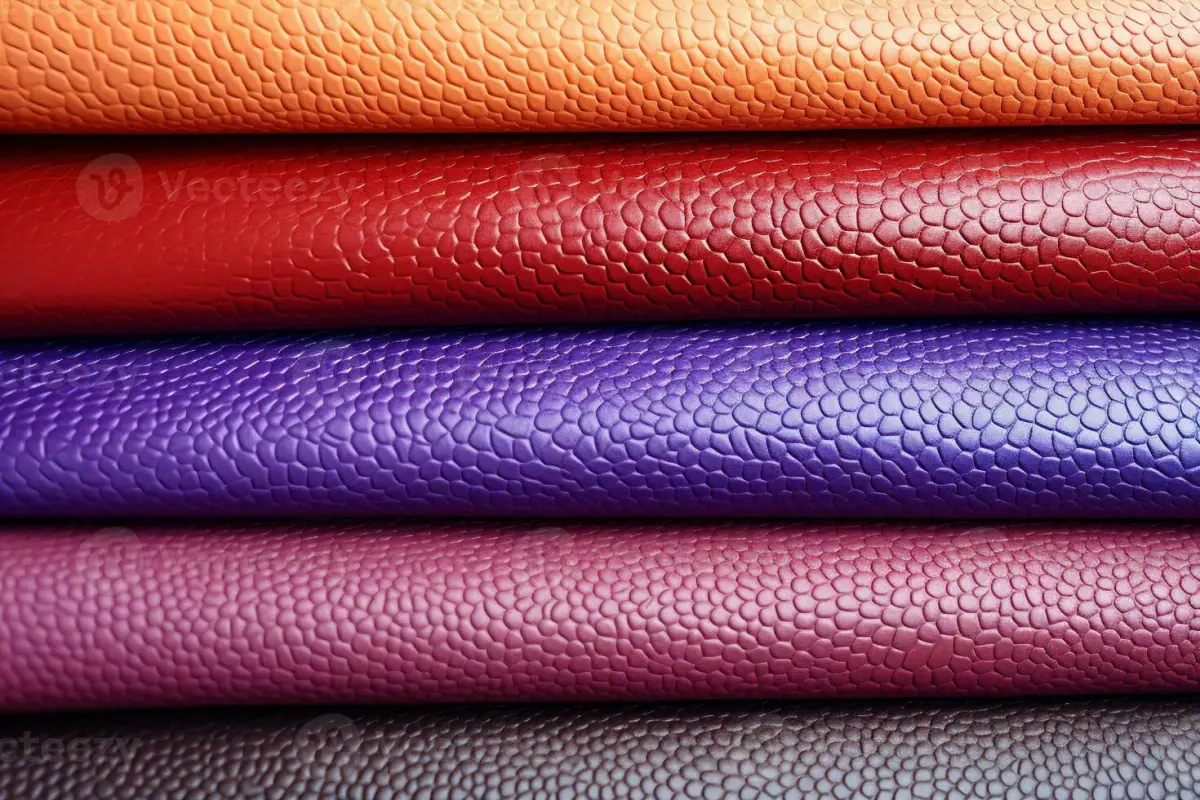
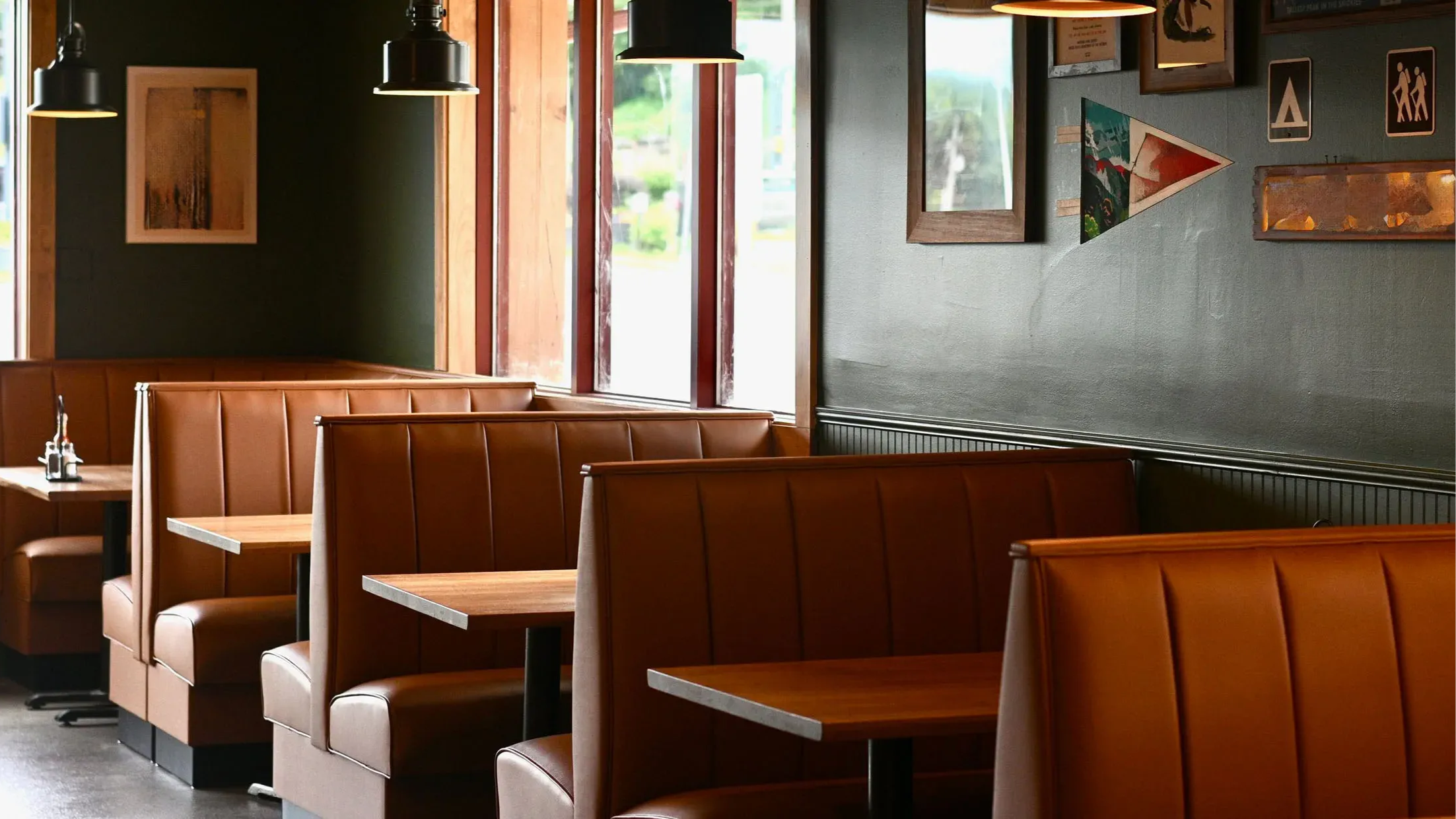
PU (Polyurethane) leather has become one of the most widely used upholstery materials in commercial restaurant furniture. Modern PU can closely mimic the texture and appearance of genuine leather while offering significant advantages in maintenance and cost efficiency.
Advantages of PU Leather
- Excellent stain resistance
- Water-resistant surface
- Easy daily cleaning
- Lower cost than genuine leather
- Wide range of colors and textures
- Consistent appearance across large projects
Most spills, including ketchup, coffee, sauces, and beverages, can be removed quickly with a damp cloth, reducing cleaning time and labor costs.
Limitations
PU leather is less breathable than genuine leather. In hot climates or during long dining sessions, customers may experience a warmer seating surface.
Lower-quality PU materials may crack, peel, or deteriorate after several years of heavy commercial use.
Best Applications
PU leather is highly recommended for:
- Fast-food restaurants
- Hot pot restaurants
- Milk tea shops
- Casual dining chains
- Bars and pubs
- Food courts
- High-traffic restaurant environments
Stain Resistance
Excellent
For commercial use, always choose thickened, wear-resistant PU leather. Commercial-grade PU offers significantly better durability and longevity than residential-grade alternatives.
Linen-Look Fabric: Warm, Comfortable, and Naturally Inviting
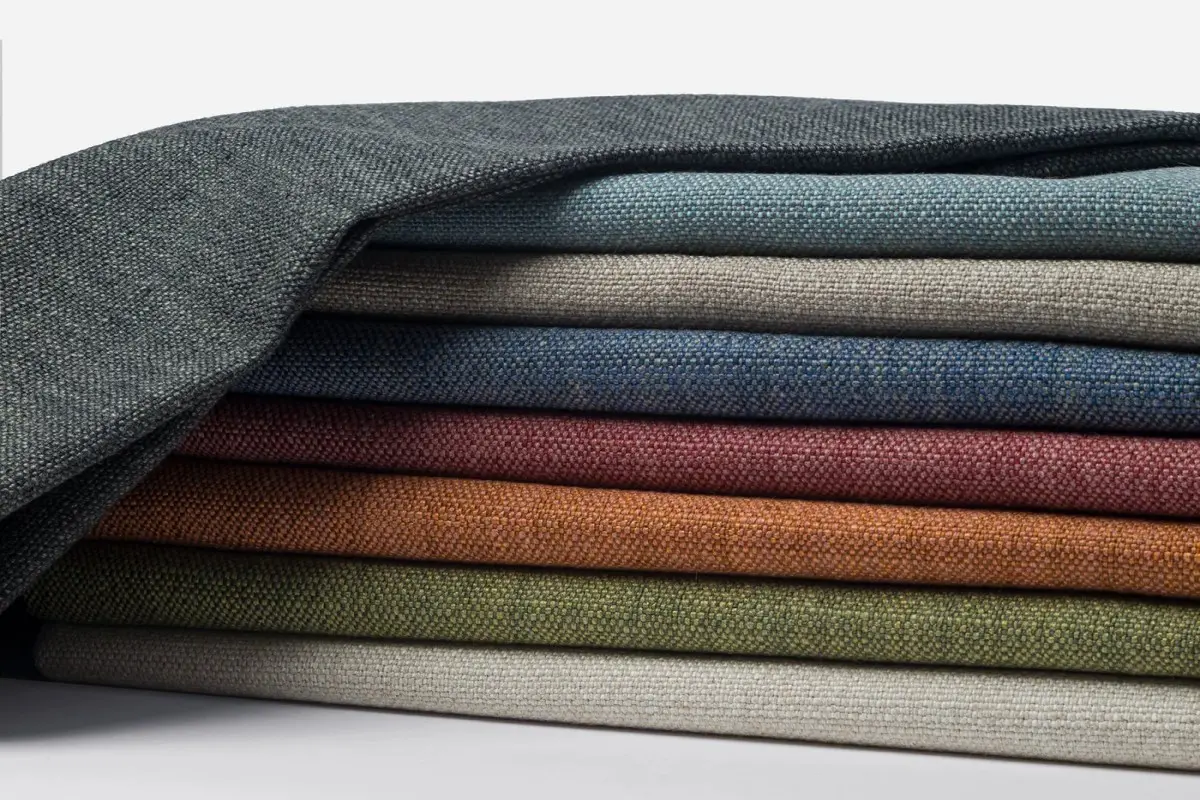
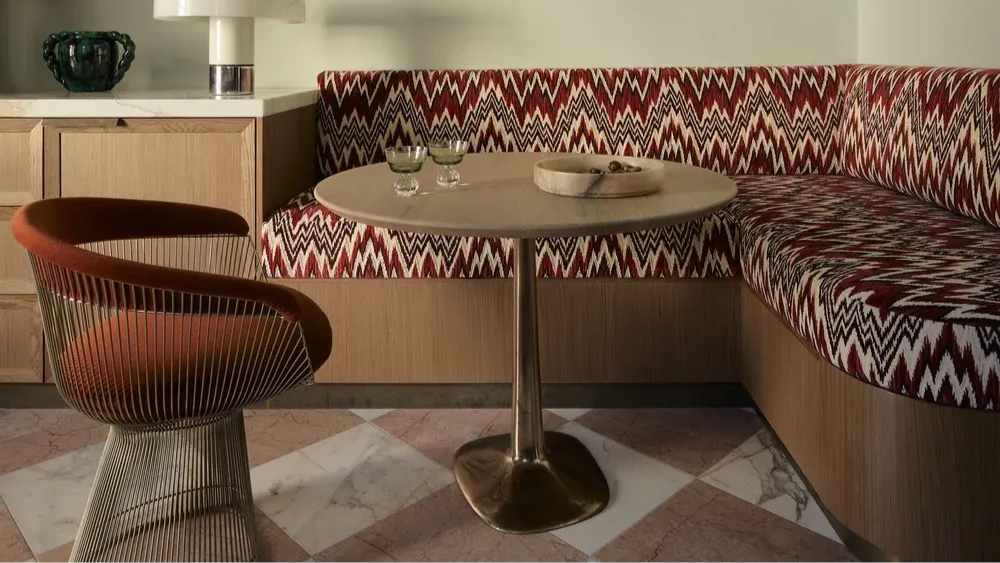
Linen-look fabrics are typically made from polyester blends or cotton-linen composite materials designed to replicate the appearance of natural linen. They create a relaxed and welcoming atmosphere that aligns with many modern hospitality concepts.
Advantages of Linen-Look Fabric
- Soft and comfortable texture
- Excellent breathability
- Warm and inviting appearance
- Ideal for Scandinavian, Japanese, and minimalist interiors
- Available in a variety of colors and woven textures
Unlike leather surfaces, linen-look fabrics remain comfortable during extended seating periods and contribute to a cozy dining environment.
Limitations
The primary challenge is stain management. Coffee, wine, soy sauce, and oil-based liquids can easily penetrate the fabric fibers, making complete stain removal difficult.
Fabric upholstery generally offers lower abrasion resistance than commercial-grade PU leather.
Best Applications
Linen-look fabrics are best suited for:
- Cafés
- Coffee shops
- Tea houses
- Bookstores
- Dessert shops
- Boutique hospitality spaces
- Low-turnover dining environments
Stain Resistance
Low to Moderate
For commercial projects, fabrics with three-proof treatment are highly recommended:
- Water-resistant
- Oil-resistant
- Stain-resistant
Removable and washable cushion covers can also significantly simplify maintenance.
Quick Comparison: Which Fabric Is Right for Your Restaurant?
| Factor | Genuine Leather | PU Leather | Linen-Look Fabric |
|---|---|---|---|
| Appearance | Premium & Luxurious | Modern & Versatile | Warm & Natural |
| Comfort | Excellent | Good | Excellent |
| Breathability | Excellent | Moderate | Excellent |
| Stain Resistance | Moderate | Excellent | Low |
| Maintenance | High | Low | Moderate |
| Durability | High | High | Moderate |
| Cost | Highest | Most Cost-Effective | Mid-Range |
| Best For | Fine Dining & Hotels | High-Traffic Restaurants | Cafés & Leisure Spaces |
Recommendations Based on Restaurant Type
Choose Genuine Leather If:
- You operate a high-end restaurant or boutique hotel.
- Brand image and customer perception are priorities.
- Customer turnover is relatively low.
- Professional maintenance is available.
Choose PU Leather If:
- You need maximum durability and easy cleaning.
- Customer traffic is high.
- Food spills occur frequently.
- You want the best balance between performance and cost.
Choose Linen-Look Fabric If:
- You want to create a warm and relaxing atmosphere.
- Customers typically stay for extended periods.
- Oil and sauce exposure is limited.
- Interior design is a key selling point.
The Real-World Answer
There is no perfect upholstery fabric—only the fabric that best matches your restaurant’s operational needs.
If your restaurant experiences more than five table turnovers per day, commercial-grade PU leather is often the most practical choice due to its durability, stain resistance, and low maintenance requirements.
If customers tend to stay for hours, such as in cafés, tea houses, or bookstores, linen-look fabric can create a more comfortable and welcoming experience.
For premium dining venues where luxury and brand image are essential, genuine leather remains the benchmark for high-end restaurant seating.
Need Help Choosing the Right Sofa Fabric?
As a professional restaurant furniture manufacturer, we provide custom restaurant sofas upholstered in genuine leather, PU leather, and linen-look fabrics. Based on your restaurant concept, expected customer traffic, and maintenance requirements, our team can recommend the most suitable upholstery solution for your project.
We also offer custom sampling services and free material samples, allowing you to evaluate colors, textures, durability, and maintenance performance before production.
Contact us today to discuss your custom restaurant furniture project and find the perfect balance between aesthetics, comfort, and practicality.