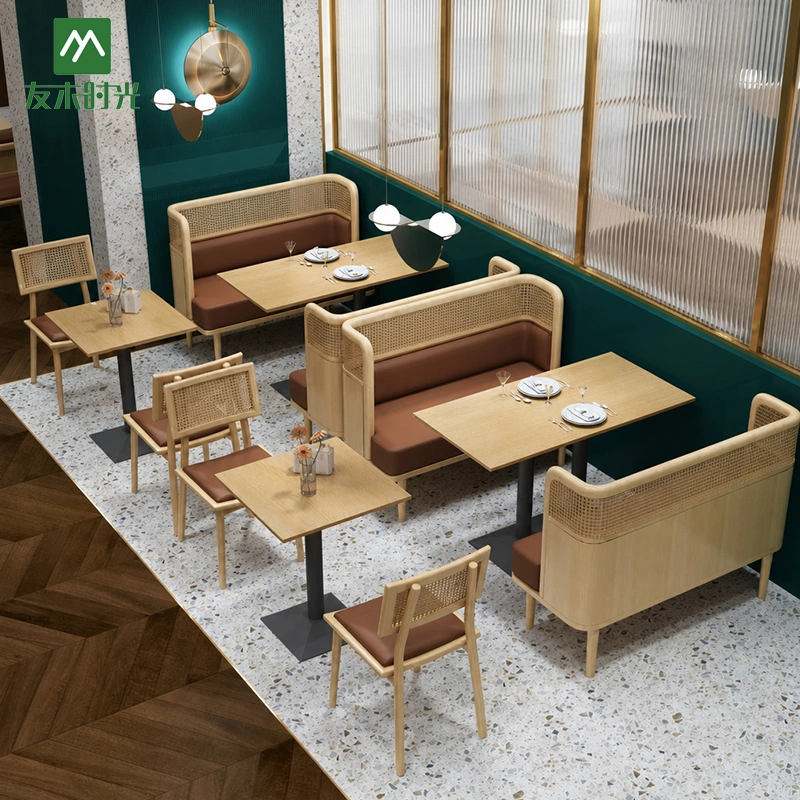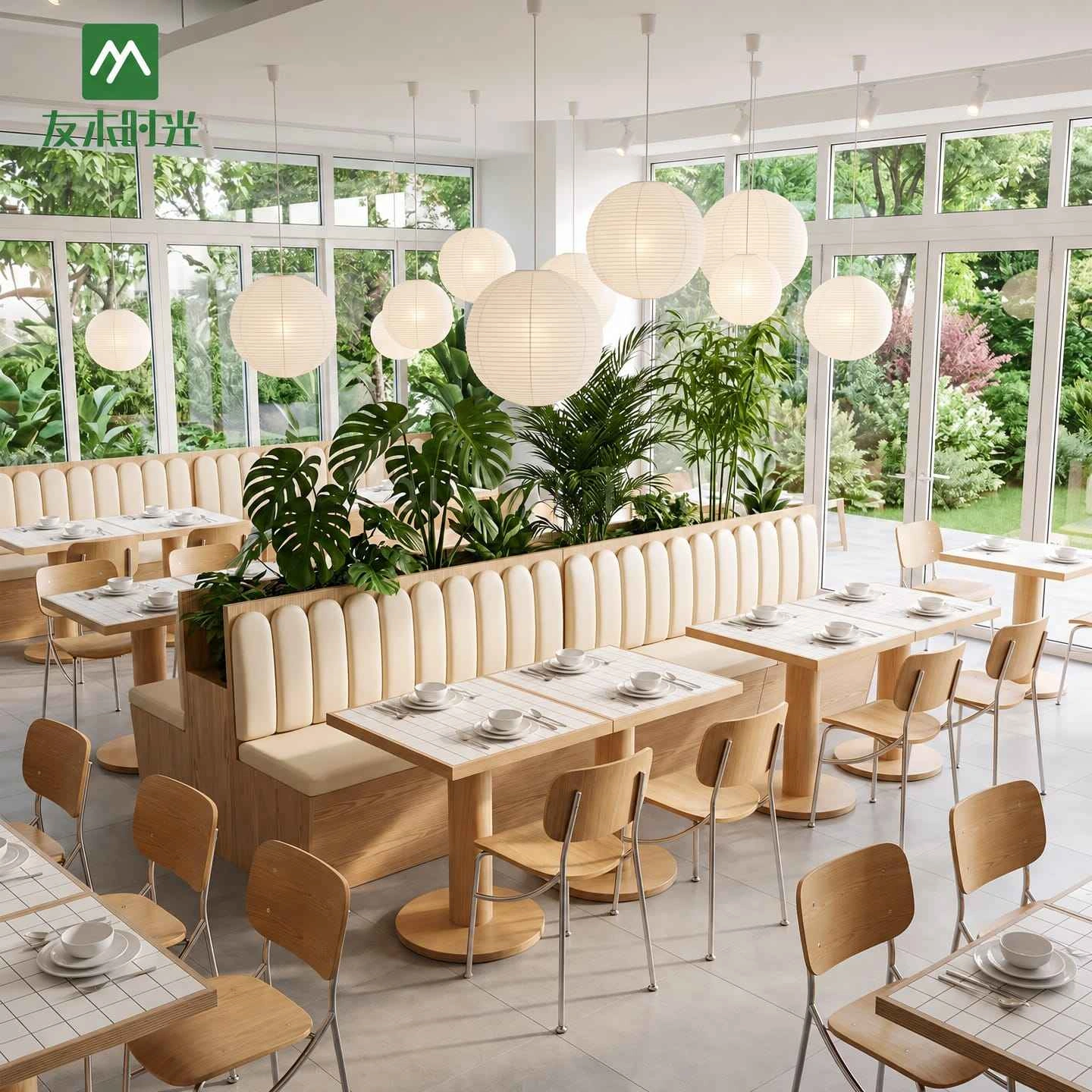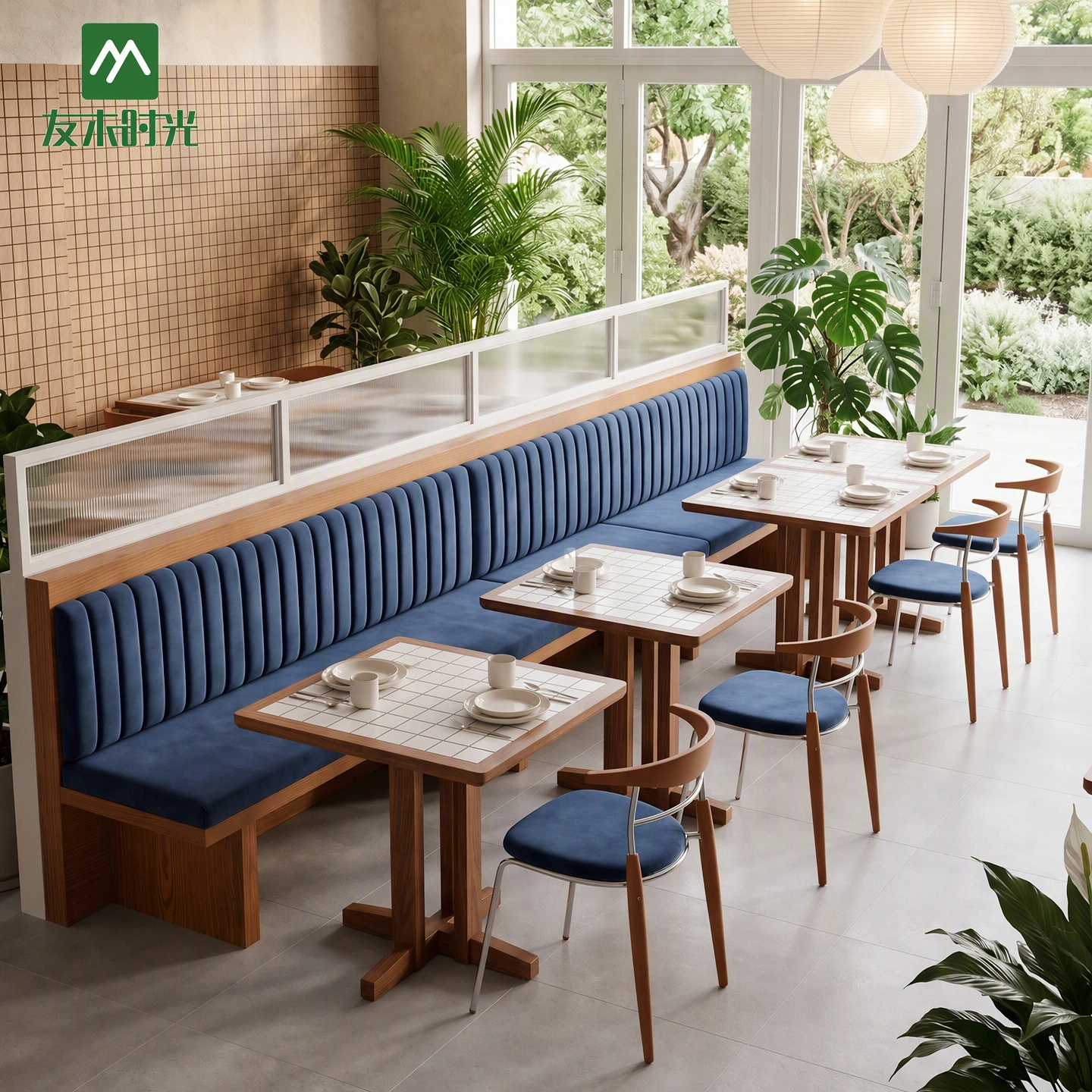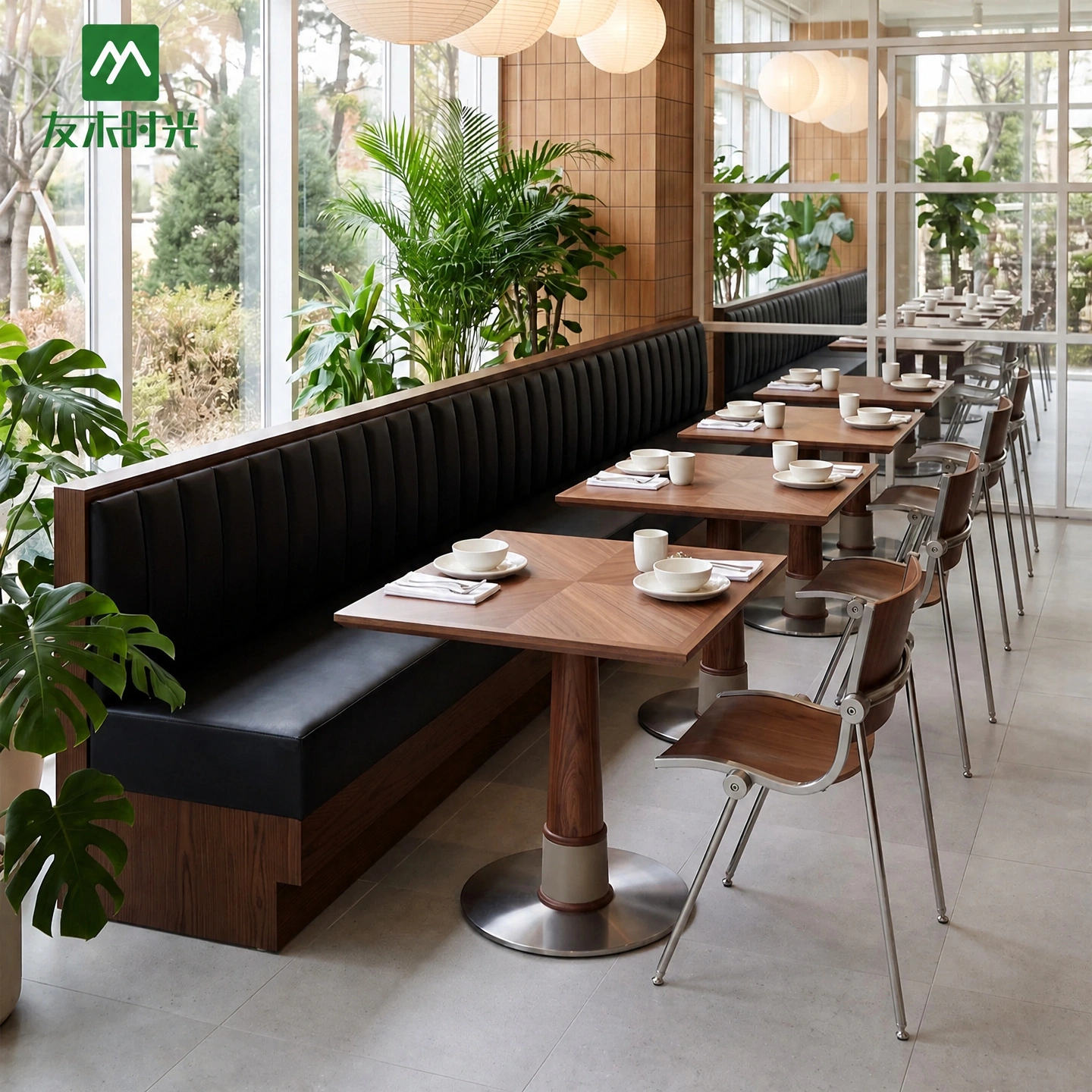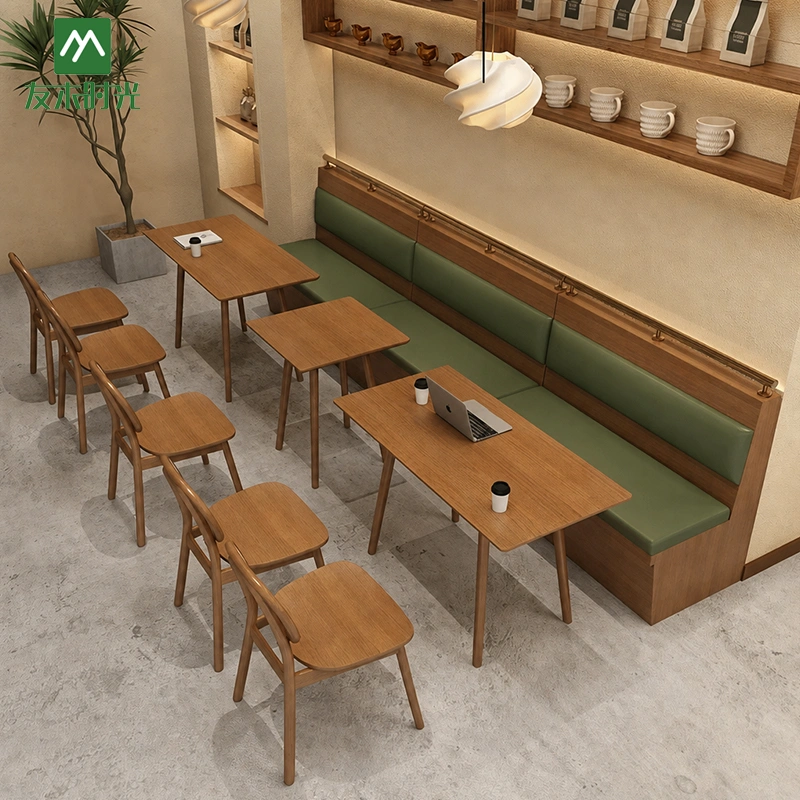
Restaurant experience refers to the complete feeling and impression customers receive throughout their entire dining journey. It includes every interaction and detail that influences how customers perceive a restaurant, from the moment they see the entrance to the moment they leave.
A great restaurant experience is not created by food alone. While delicious dishes are essential, customers also pay attention to many other elements, including service quality, staff appearance, interior design, space layout, table setting, Restaurantmöbel, lighting, music, and overall atmosphere.
In other words, restaurant experience is the combination of everything customers see, hear, touch, and feel during their visit.
A complete restaurant experience is created by multiple elements, including:
Food quality and presentation: The taste, freshness, and visual appeal of dishes.
Staff uniforms and professional appearance: The way employees represent the restaurant brand.
Interior design and atmosphere: The colors, materials, decorations, and overall style of the restaurant space.
Space planning and seating arrangement: How the restaurant layout affects customer comfort, movement, and interaction.
Table setting and tableware presentation: How plates, cutlery, glasses, and decorations create a specific dining mood.
Restaurant furniture and seating comfort: How tables, chairs, and booths influence customer comfort and dining satisfaction.
Lighting, music, and sensory details: The elements that create emotional connections and shape customer feelings.
Today, customers are no longer choosing restaurants only because of food. They are looking for places where they can enjoy comfortable moments, create memories, and experience a unique atmosphere.
A successful restaurant does not simply serve meals — it creates experiences that customers want to remember and share.
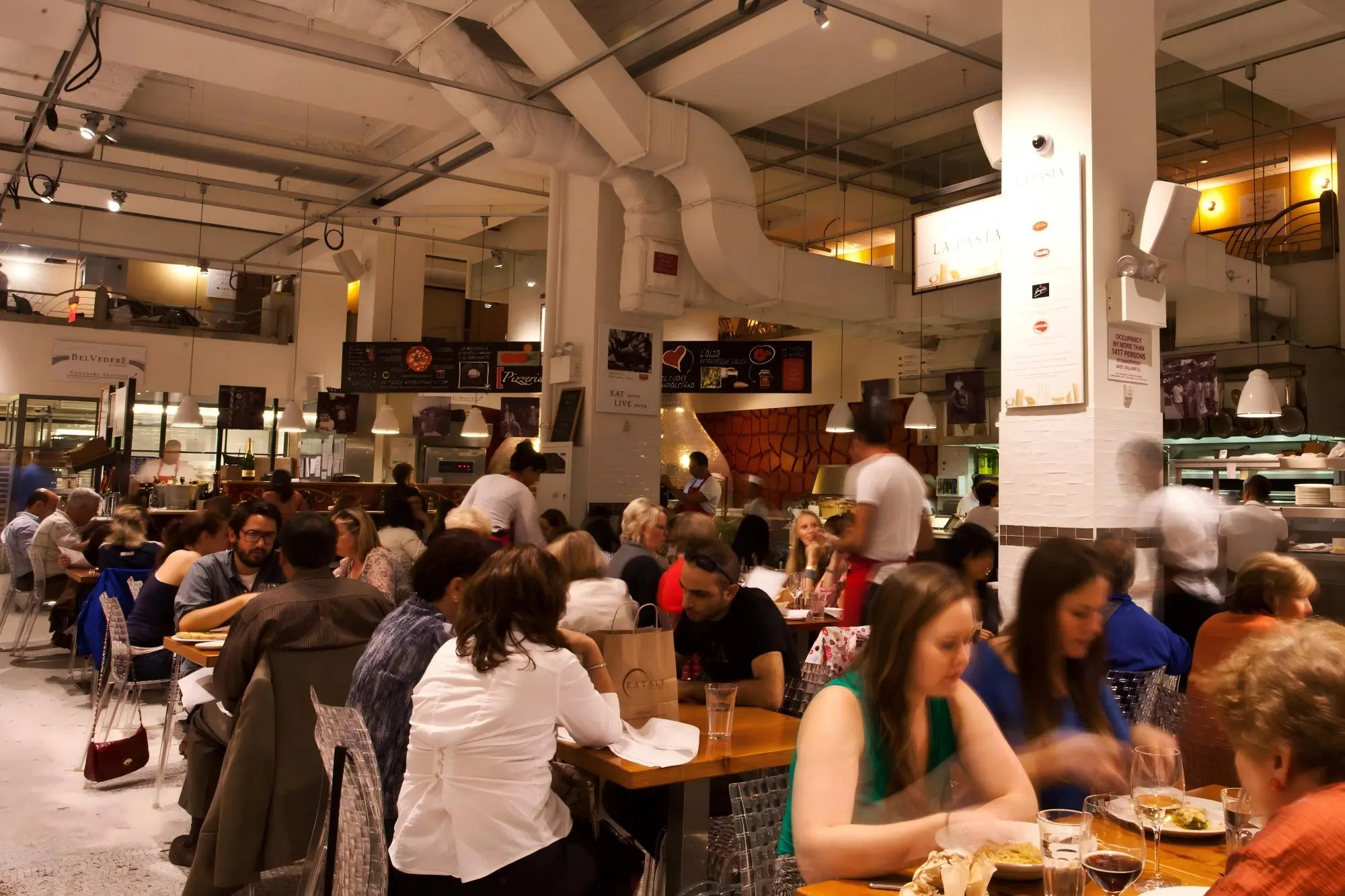
Restaurant Experience Is More Than a Meal: It Is an Emotional Connection
Modern restaurant competition is no longer only about who offers the best food. Many restaurants now compete through emotions, atmosphere, and memorable experiences.
A customer may forget the exact dishes they ordered, but they are more likely to remember how the restaurant made them feel.
They remember:
- Whether the restaurant felt comfortable and welcoming.
- Whether the staff provided friendly and professional service.
- Whether the environment matched their expectations.
- Whether the overall experience made them feel special.
For example, a restaurant may have excellent food, but if customers sit on uncomfortable chairs, experience poor service, or feel the space is crowded, the overall impression may become negative.
On the other hand, a restaurant with thoughtful design, comfortable seating, beautiful table settings, and attentive service can create a stronger emotional connection.
This emotional connection is one of the main reasons customers return. When people associate a restaurant with positive feelings, they are more likely to become loyal customers and recommend it to friends and family.
Therefore, restaurant experience is not only about satisfying hunger — it is about creating a complete journey that connects with customers emotionally.
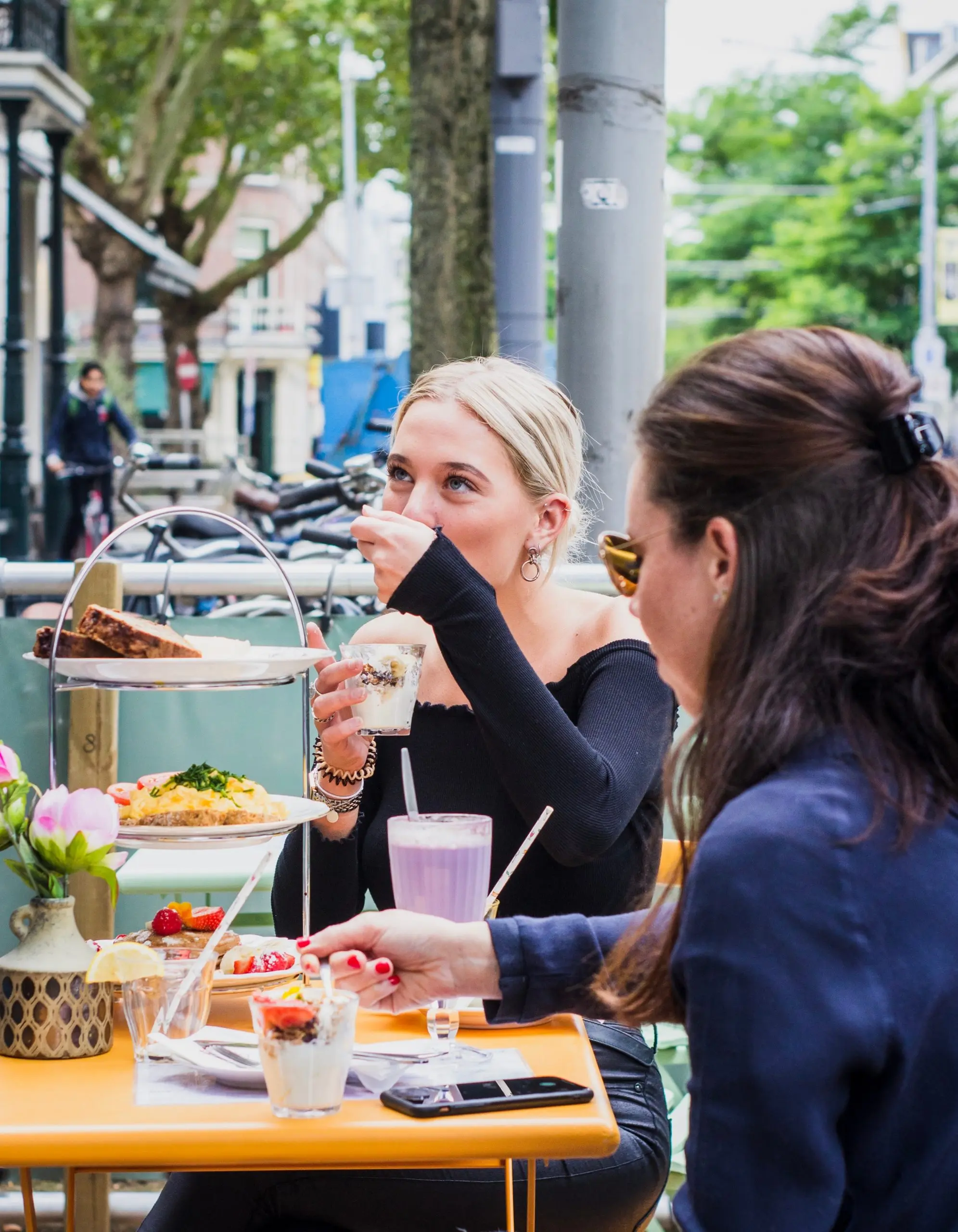
The First 30 Seconds: How Restaurant Design Shapes Customer Expectations
The restaurant experience begins before customers even sit down or taste the food. The first few moments after entering a restaurant can strongly influence their expectations and overall impression.
Customers naturally evaluate a restaurant through visual and sensory signals. They quickly form opinions based on what they see, hear, and feel when entering the space.
Exterior Appearance and Entrance Design
The entrance is the first physical connection between customers and the restaurant brand. A well-designed entrance can immediately communicate the restaurant’s style, positioning, and atmosphere.
Elements such as exterior colors, signage, doors, windows, and decorations all influence the customer’s first impression.
For example, a luxury restaurant may use elegant materials and refined details to create a premium feeling, while a casual cafe may focus on warmth and simplicity to make customers feel relaxed.
Simple Tips for Better Exterior Design:
- Make the restaurant concept clear at first glance: The storefront should help customers quickly understand whether it is a cafe, fine dining restaurant, hot pot restaurant, or casual dining space.
- Keep signage simple and easy to recognize: A clear restaurant name and attractive logo design can improve brand recognition.
- Create a welcoming entrance: The entrance should be easy to find and make customers feel comfortable walking inside.
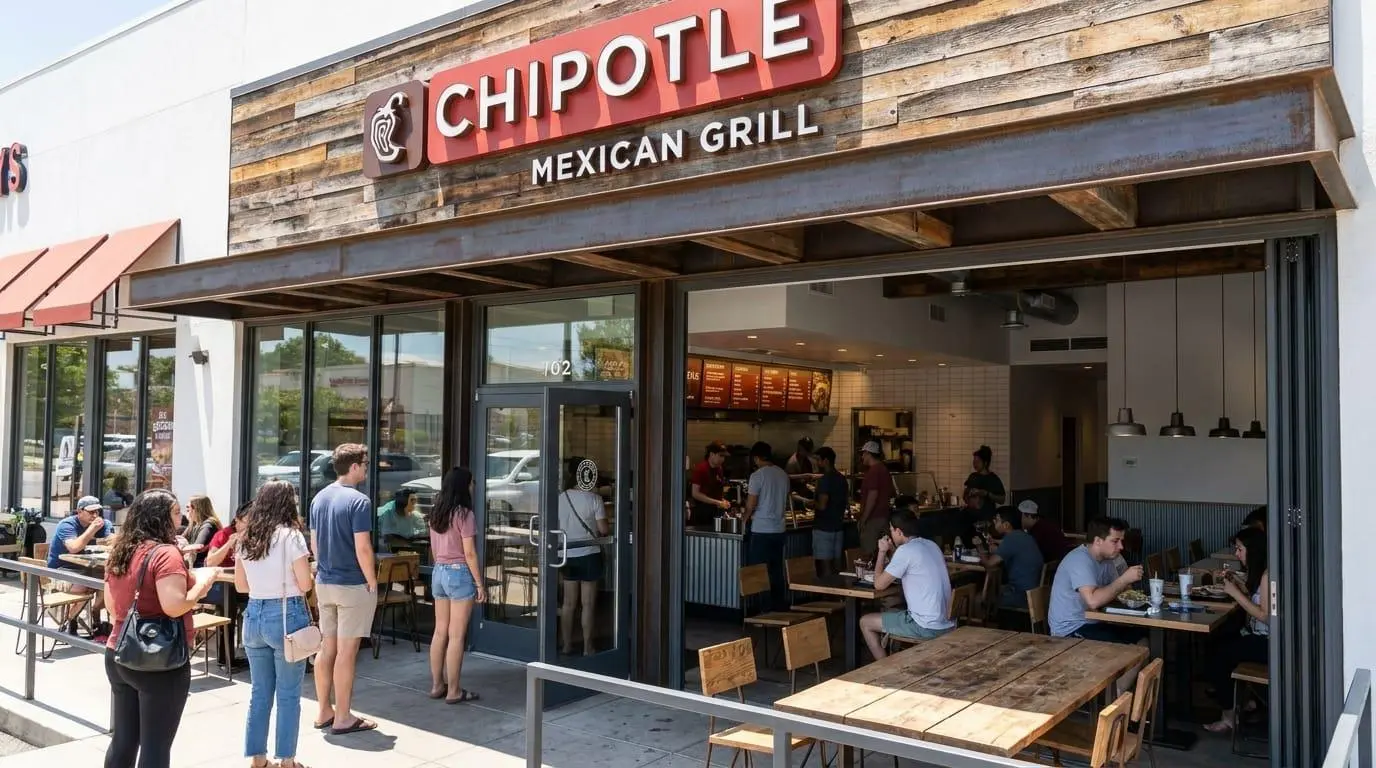
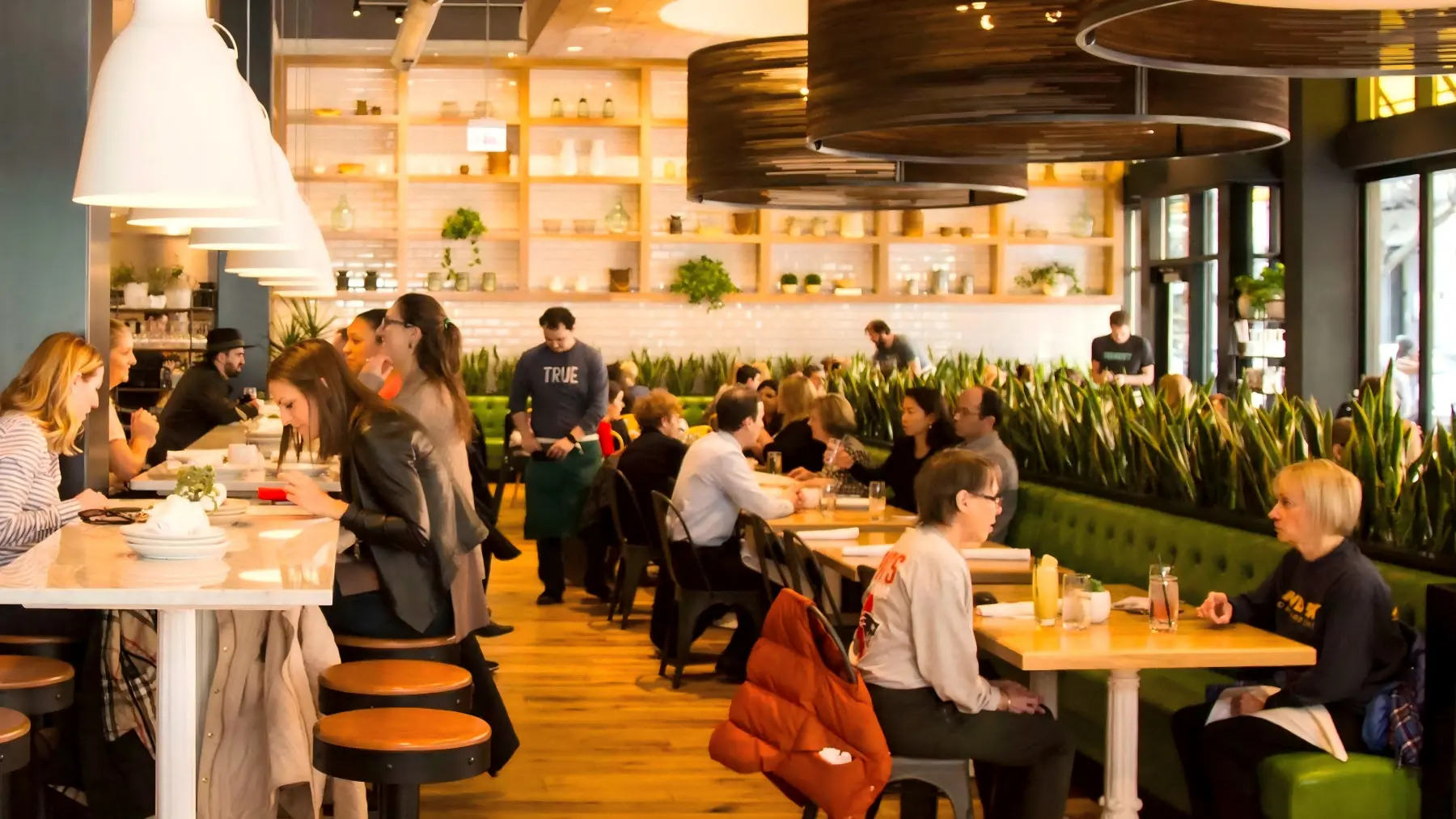
Interior Design and Restaurant Atmosphere
Once customers enter the restaurant, the interior environment becomes one of the most important factors shaping their experience.
Interior design includes many elements, such as:
- Color combinations
- Wall materials
- Decorative elements
- Furniture styles
- Lighting effects
A consistent interior design helps customers understand the restaurant concept and creates a stronger connection with the brand.
For example, natural wood materials can create a warm and comfortable atmosphere, while metal and concrete elements can create a modern industrial style.
Simple Tips for Better Interior Design:
- Match the design style with the restaurant concept
- Avoid overly dark lighting
- Balance decoration and functionality
Staff Appearance and Service Image
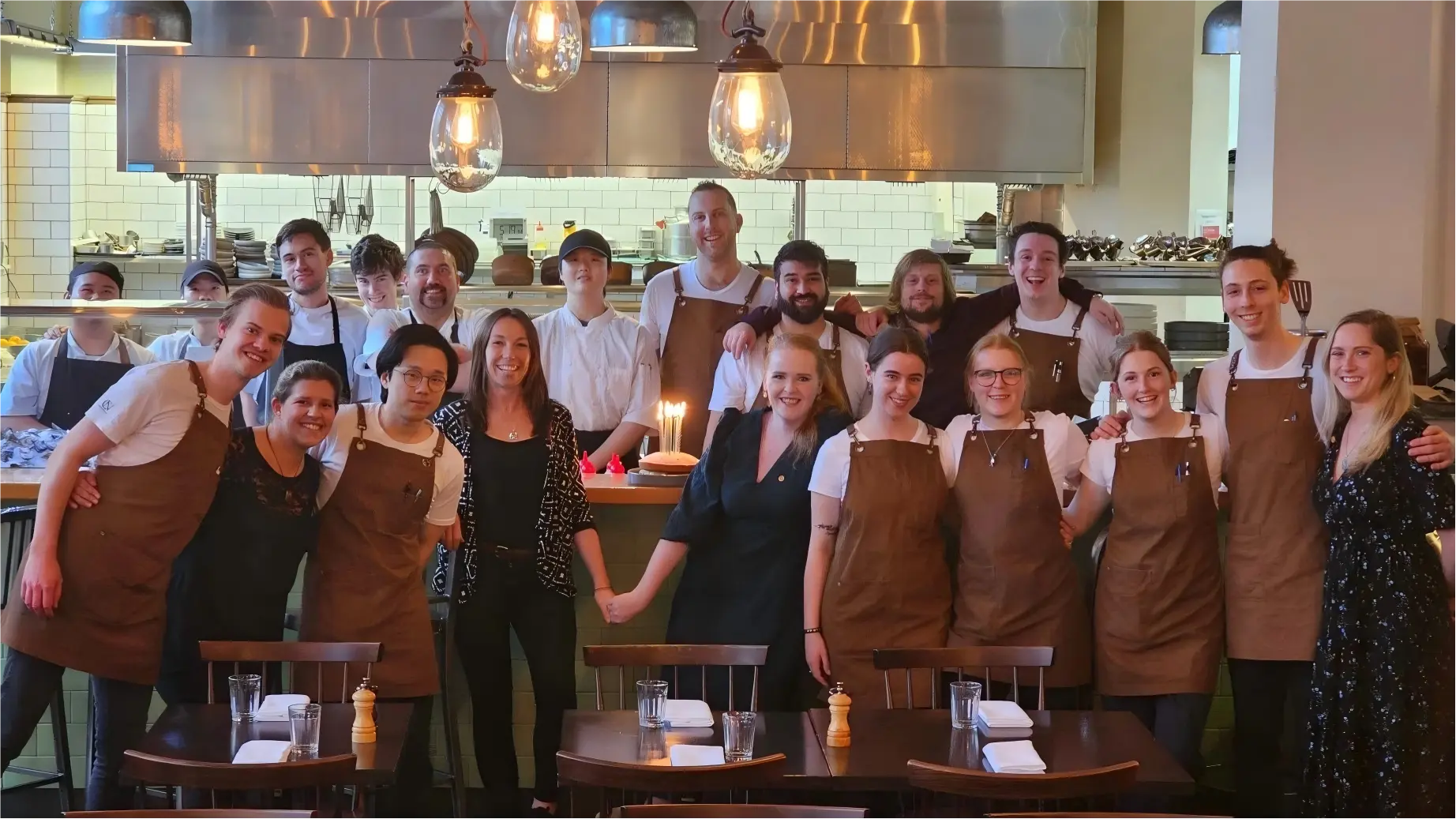
Employees are an important part of restaurant experience because they directly interact with customers throughout the dining process.
Staff uniforms, appearance, and behavior influence how professional and trustworthy the restaurant feels.
A fine dining restaurant may use elegant uniforms to create a premium image, while a casual restaurant may choose simple and friendly clothing to create a relaxed atmosphere.
Every detail, from the staff’s greeting to their service attitude, contributes to the overall restaurant experience.
Simple Tips for Better Staff Experience:
- Use uniforms that match the restaurant style: Staff clothing should support the overall brand image.
- Keep staff appearance clean and professional: A neat appearance helps customers feel more confident about the restaurant.
- Focus on friendly communication: A warm greeting and attentive service can create a positive first impression.
Every Detail Matters: The Hidden Elements Behind Great Restaurant Experiences
A memorable restaurant experience is often created by small details that customers may not consciously notice but can strongly feel.
These details include table settings, seating arrangements, lighting, music, decorations, and even the way customers move through the restaurant.
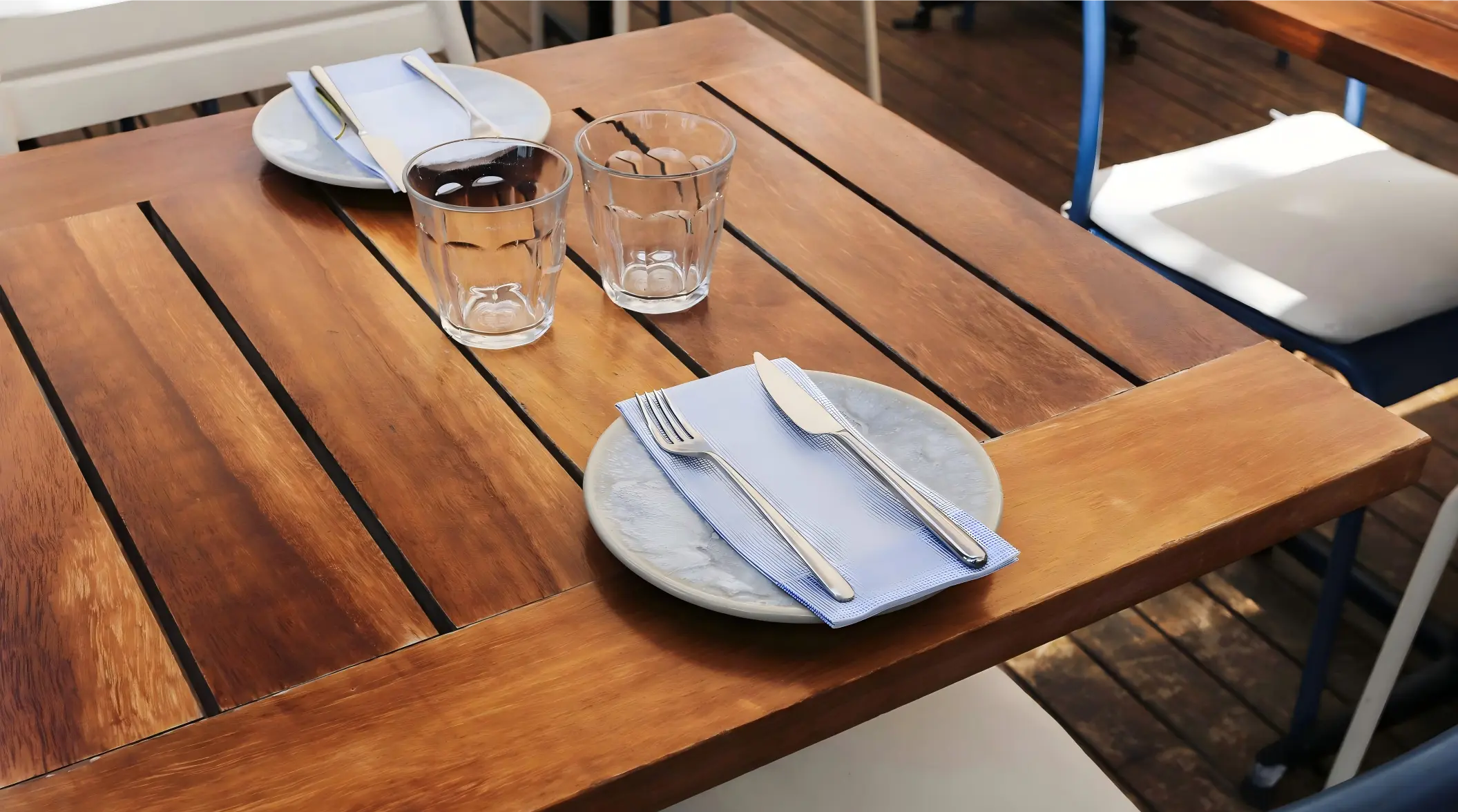
Table Setting Creates the Dining Mood
Table setting is one of the first details customers experience after sitting down. A carefully arranged table can immediately improve the perceived value of a restaurant.
A complete table setting may include:
- Plates and bowls arrangement
- Cutlery placement
- Glassware selection
- Napkin design
- Table decorations
In fine dining restaurants, elegant tableware and carefully arranged settings create a sense of luxury and attention to detail.
In casual restaurants, simple and practical table settings can create a comfortable and approachable dining environment.
The table is not only a place where food is served — it is part of the customer’s overall dining experience.
Simple Tips for Better Table Setting:
- Keep table settings clean and organized: A neat arrangement creates a sense of quality and professionalism.
- Choose tableware that matches the restaurant style: Luxury restaurants may use elegant tableware, while casual restaurants may focus on simplicity and practicality.
- Avoid overcrowding the table: Customers should have enough space to enjoy their meals comfortably.
Space Layout Determines Comfort and Customer Flow
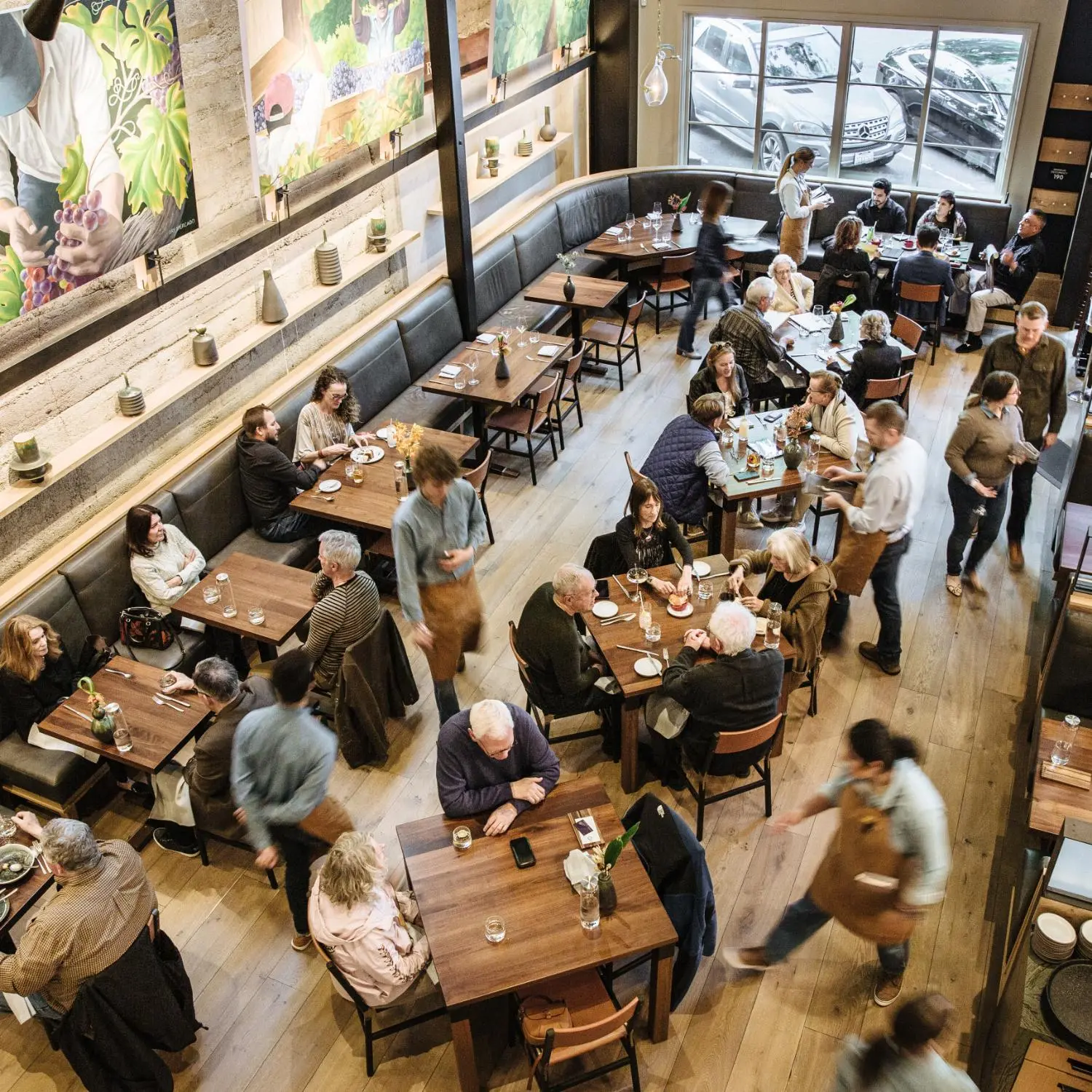
A restaurant’s layout has a direct impact on customer comfort, privacy, and movement efficiency.
A good restaurant layout should balance customer experience and business needs.
Important factors include:
- Distance between tables
- Walking paths for customers and staff
- Private and open seating areas
- Waiting and reception areas
If tables are placed too closely, customers may feel uncomfortable and lose their sense of privacy.
If the layout is too spacious, the restaurant may lose efficiency and create an empty feeling.
A successful layout creates a natural flow where customers can enjoy their meals comfortably while restaurants maximize space usage.
Simple Tips for Better Space Planning:
- Keep enough space between tables: Proper spacing improves comfort and privacy.
- Create smooth customer and staff pathways: Good traffic flow prevents congestion during busy hours.
- Use different seating options: Combining booths, tables, and chairs can meet different customer needs.
Lighting and Music Influence Customer Emotions
Restaurants use lighting and music to create specific emotions and experiences.
Warm lighting can make a restaurant feel cozy and intimate, while brighter lighting can create an energetic and casual atmosphere.
Music also influences customer mood, dining speed, and overall perception of the restaurant.
A carefully designed sensory environment helps customers feel more connected to the restaurant.
Simple Tips for Better Atmosphere:
- Use lighting that matches the restaurant style: Warm lighting can create a cozy feeling, while brighter lighting suits casual and energetic spaces.
- Avoid lighting that is too dark: Customers should feel comfortable reading menus and enjoying their food.
- Choose suitable background music: Music volume and style should support conversation and match the restaurant atmosphere.
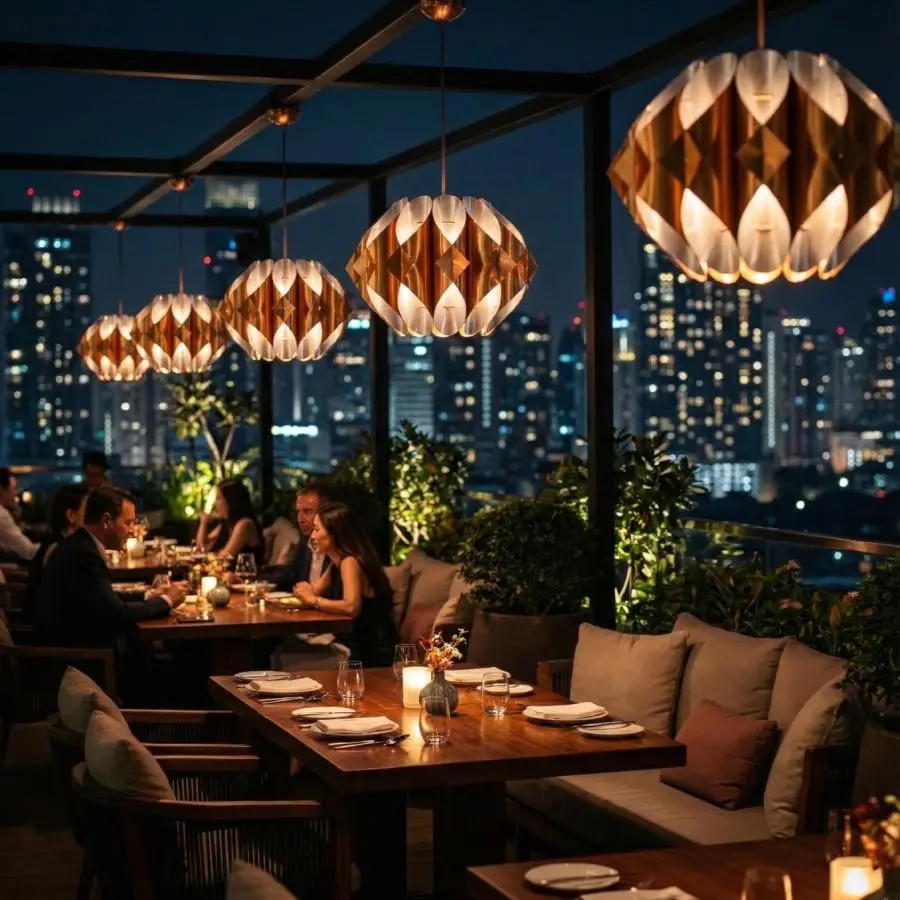
How Restaurant Furniture Shapes the Dining Experience
Restaurant furniture is often considered a functional element, but in reality, it plays a much deeper role in shaping customer experience.
Customers spend most of their dining time interacting with furniture. The comfort of a chair, the height of a table, and the privacy of a booth can directly influence how customers feel during their visit.
A well-designed restaurant should not only choose furniture based on appearance but also consider comfort, durability, functionality, and brand style.
Comfort Determines Customer Satisfaction
Comfortable seating is one of the most important factors affecting dining satisfaction.
Customers who feel comfortable are more likely to relax, enjoy their meals, and spend more time in the restaurant.
Important furniture considerations include:
- Ergonomic chair design
- Proper seat height and depth
- Comfortable back support
- Durable materials for commercial use
Recommendation:
Restaurants should choose seating based on customer usage scenarios.
Zum Beispiel:
- Fine dining restaurants may prioritize upholstered chairs with premium materials.
- Coffee shops may need comfortable chairs suitable for longer stays.
- Fast casual restaurants may focus on durable and easy-maintenance furniture.
Space Planning: How Furniture Layout Influences Customer Experience
Furniture selection is only one part of restaurant design. How furniture is arranged inside the space is equally important.
A good furniture layout can improve customer flow, increase seating efficiency, and create a comfortable environment.
Important layout considerations include:
Table Distance
Customers need enough personal space to enjoy conversations and meals comfortably.
Seating Variety
Different customers have different needs.
Restaurants can combine:
- Two-person tables
- Large group tables
- Sitzplätze in den Kabinen
- Bar seating
Customer Flow
The layout should allow customers and staff to move easily without disturbing each other.
Recommendation:
Before selecting furniture, restaurants should analyze:
- Target customer groups
- Average dining time
- Restaurant size
- Expected customer volume
Different Restaurant Types Create Different Experiences
Different restaurant concepts require different approaches to customer experience.
Fine Dining Restaurant Experience
Fine dining restaurants focus on elegance, personalization, and premium experiences.
Key experience elements:
- Sophisticated interior design
- Professional service
- Premium table settings
- Comfortable seating
Coffee Shop Experience
Coffee shops are not only places for drinks but also social and working spaces.
Customers often stay longer, so comfort becomes especially important.
Recommended furniture:
- Cafe tables
- Lounge chairs
- Bar seating
Recommendation:
Coffee shops should provide different seating options to support different customer behaviors.
Zum Beispiel:
- Small tables for quick visits
- Comfortable chairs for working
- Lounge seating for social interaction
Hot Pot Restaurant Experience: Creating Social and Interactive Dining Spaces
Hot pot restaurants create a unique dining experience because customers do not simply eat — they participate in the cooking process, communicate with friends and family, and spend more time together.
Unlike traditional restaurants, hot pot restaurants require more attention to functionality, space planning, and furniture durability.
Important experience factors include:
- Enough table space for ingredients and cooking equipment
- Comfortable seating for longer dining times
- Easy-to-clean furniture materials
- Efficient customer and staff movement
For hot pot restaurants, furniture should balance comfort and practicality.
Recommended Furniture:
- Large restaurant tables for group dining
- Durable restaurant chairs
- Booth seating for private gatherings
Recommendation:
Choose furniture materials that can handle frequent cleaning, heat, and daily commercial use.
A successful hot pot restaurant experience is not only about delicious food but also about creating a comfortable space where people enjoy spending time together.
Theme Restaurant Experience: Creating an Immersive Brand Story
Theme restaurants create experiences by combining food with storytelling, design, and unique visual elements.
Customers visit theme restaurants not only for meals but also for entertainment, photography, and memorable moments.
Key experience elements include:
- Unique interior design
- Creative decorations
- Themed furniture
- Consistent brand atmosphere
Zum Beispiel:
A tropical restaurant may use natural materials, green plants, and wooden furniture to create a vacation feeling.
A Japanese restaurant may focus on minimalist design, natural colors, and simple furniture to create a calm atmosphere.
Recommendation:
Every design element should support the restaurant story, from wall decoration to furniture selection.
How Restaurant Owners Can Create a Memorable Restaurant Experience
Creating a great restaurant experience requires careful planning of every customer touchpoint.
Understand Your Target Customers
The first step is understanding who your customers are and what type of experience they expect.
Different customer groups have different needs:
- Families may need comfortable and spacious seating.
- Young customers may prefer stylish and Instagram-friendly environments.
- Business customers may value privacy and professional service.
Create a Consistent Restaurant Concept
A strong restaurant experience requires consistency between all elements.
The following should work together:
- Menu style
- Interior design
- Staff appearance
- Furniture style
- Table setting
A restaurant with a clear identity is easier for customers to remember.
Design Every Customer Touchpoint
Customer experience is created throughout the entire journey.
Important touchpoints include:
Before Entering
- Exterior design
- Exterior signage
During Seating
- Comfortable chairs
- Table arrangement
During Dining
- Service quality
- Food presentation
- Atmosphere
After Leaving
- Overall memory
- Willingness to return
Balance Beauty, Comfort, and Functionality
A beautiful restaurant design is important, but it should also support daily operations.
Restaurant owners should consider:
- Is the furniture comfortable?
- Is it durable enough for commercial use?
- Is it easy to maintain?
- Does it maximize space efficiency?
Recommendation:
Do not choose restaurant furniture only based on appearance. The best choices combine design, comfort, durability, and practicality.
Conclusion: Restaurant Experience Is Created by Every Detail
Restaurant experience is not created by one single element. It is the result of food, service, design, atmosphere, and countless small details working together.
From the arrangement of tableware to the comfort of seating, every detail influences how customers feel and how they remember the restaurant.
A successful restaurant creates a complete experience where customers feel comfortable, connected, and willing to return.
For restaurant owners, improving customer experience means paying attention to every part of the dining journey — from interior design and service quality to furniture selection and space planning.
By creating a thoughtful and consistent restaurant environment, businesses can build stronger customer loyalty and stand out in a competitive market.