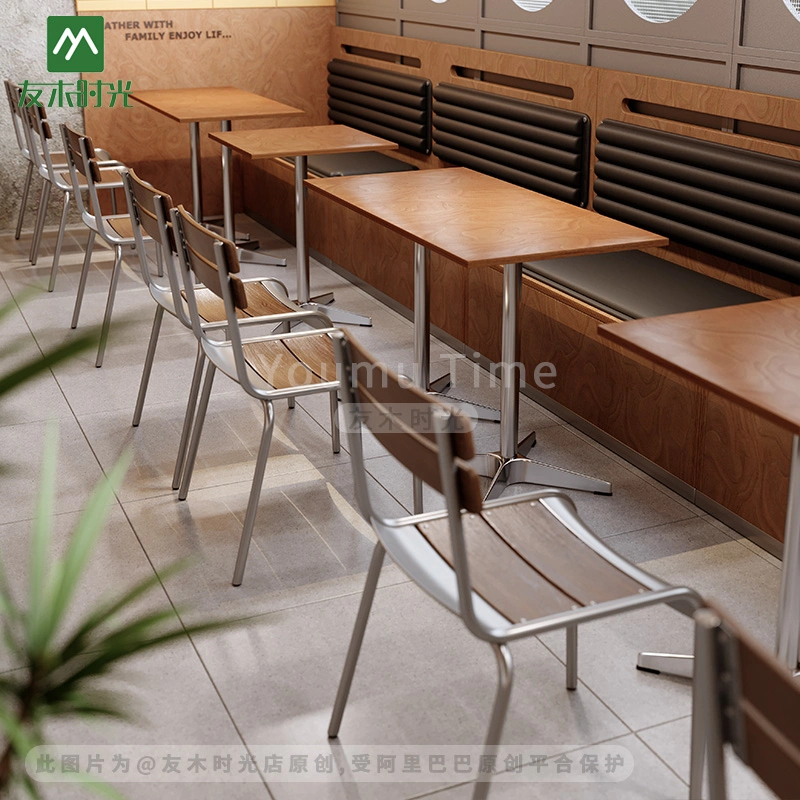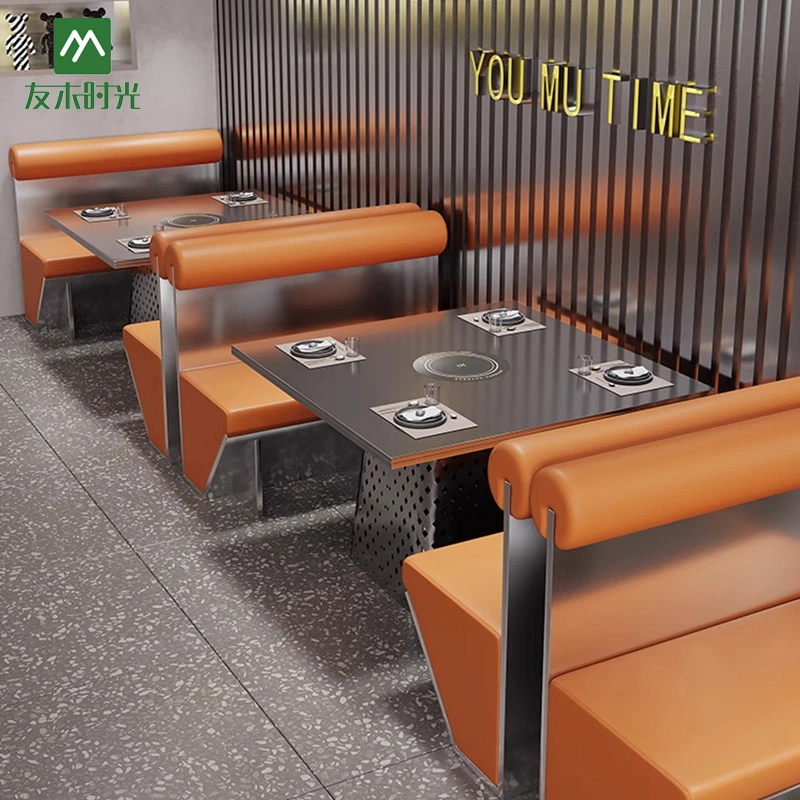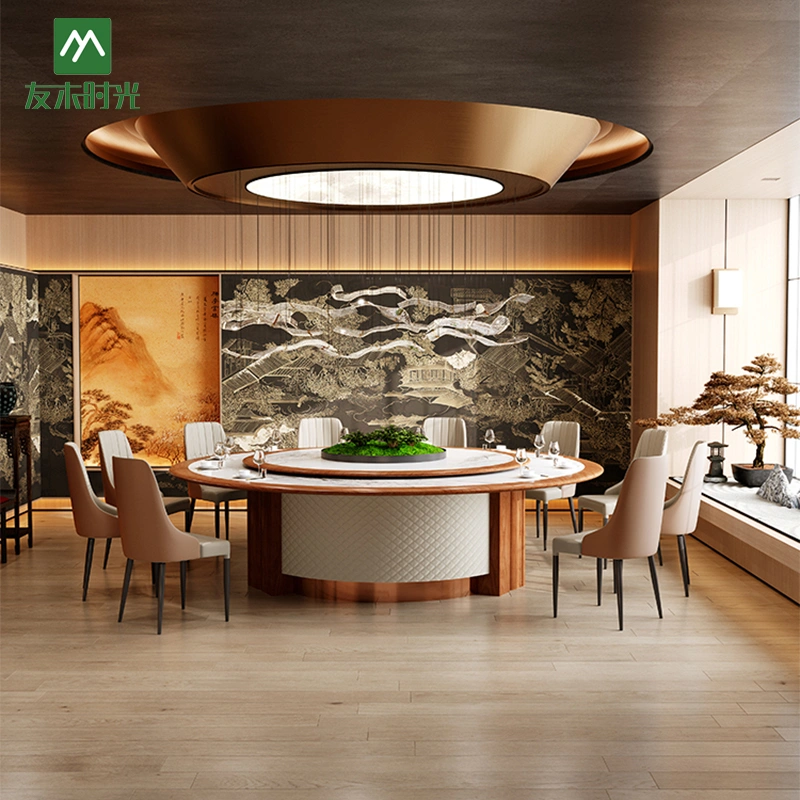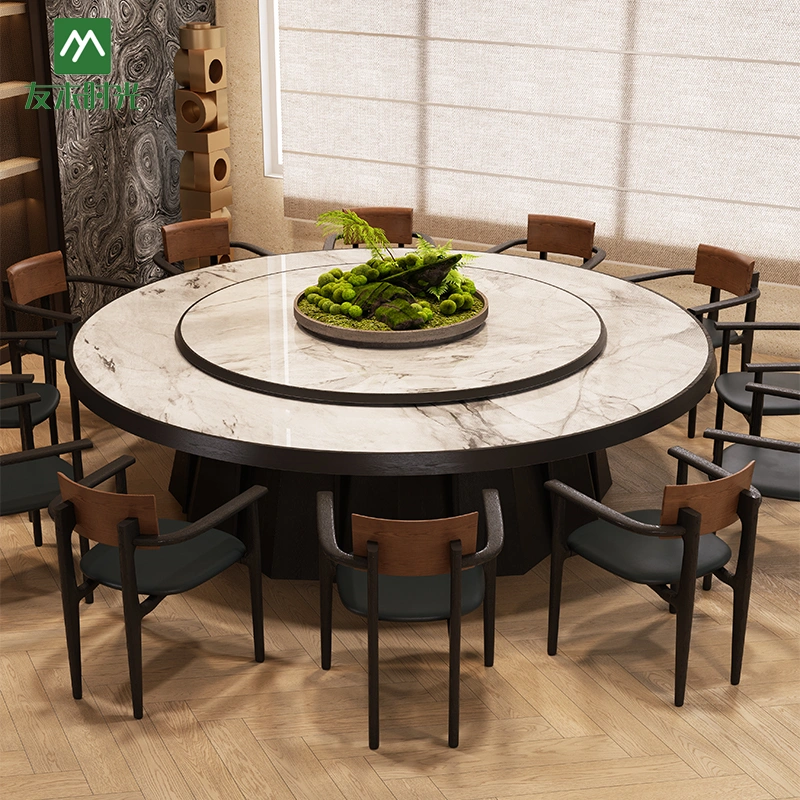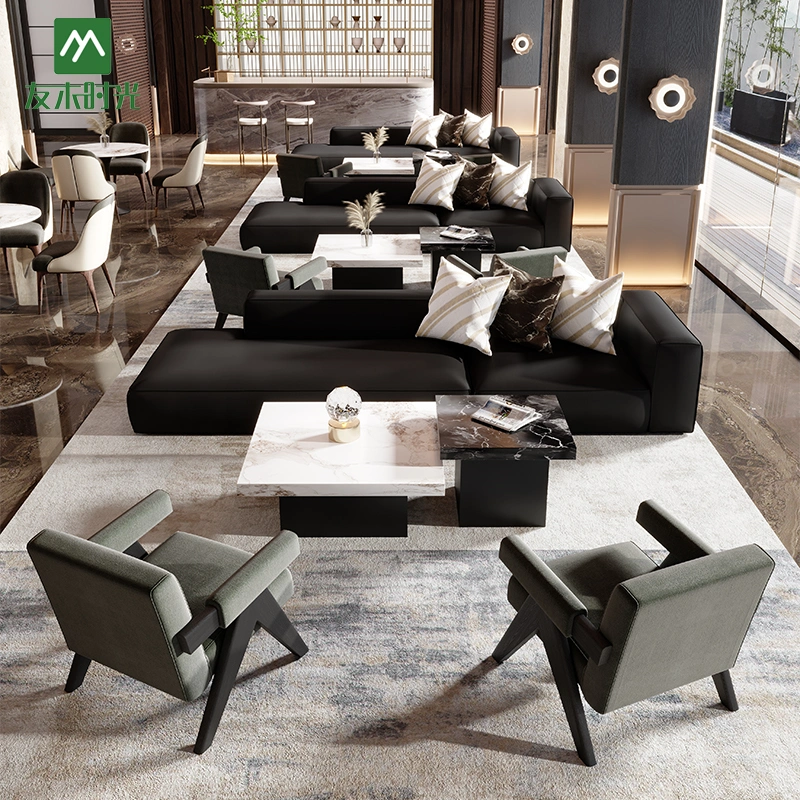
Jeder Quadratmeter eines Restaurants trägt die Last von Miete, Arbeitskosten und Ansprüchen. Wenn der Kundenverkehr an seine Grenzen stößt, wird eine bessere Raumnutzung (Umsatz pro Quadratmeter) überlebenswichtig. Viele konzentrieren sich auf Speisekarten und Marketing, übersehen aber oft die grundlegendste physische Einheit - dieMöbel.
Ein wissenschaftlich konzipiertes Möbelsystem ist wie ein stiller, aber effizienter “Betriebsassistent” in der Lage, den Raumwert systematisch in drei Dimensionen zu optimieren und Verschwendung in Gewinn zu verwandeln.
Die Diagnose: Leidet Ihr Restaurant unter diesen vier Arten von “verschwendetem Platz”?
Bitte nehmen Sie vor der Optimierung eine Selbsteinschätzung vor:
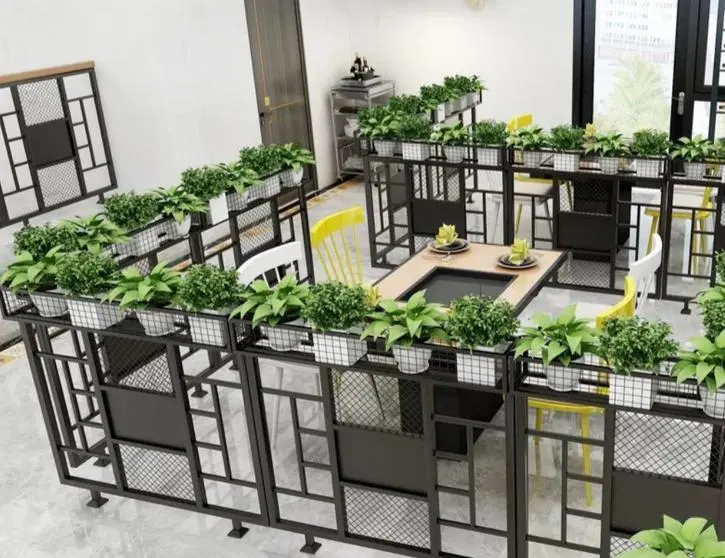
“Starre Abfälle” aus festen Trennwänden
Schwere Kabinen und feste Bildschirme unterteilen den Raum in nicht verstellbare “Kabinen”, die sich nicht an die dynamischen Veränderungen der Kundenströme zwischen Wochentagen und Wochenenden oder zwischen Haupt- und Nebensaison anpassen können.
“Flächenverschwendung” durch ineffiziente Gänge
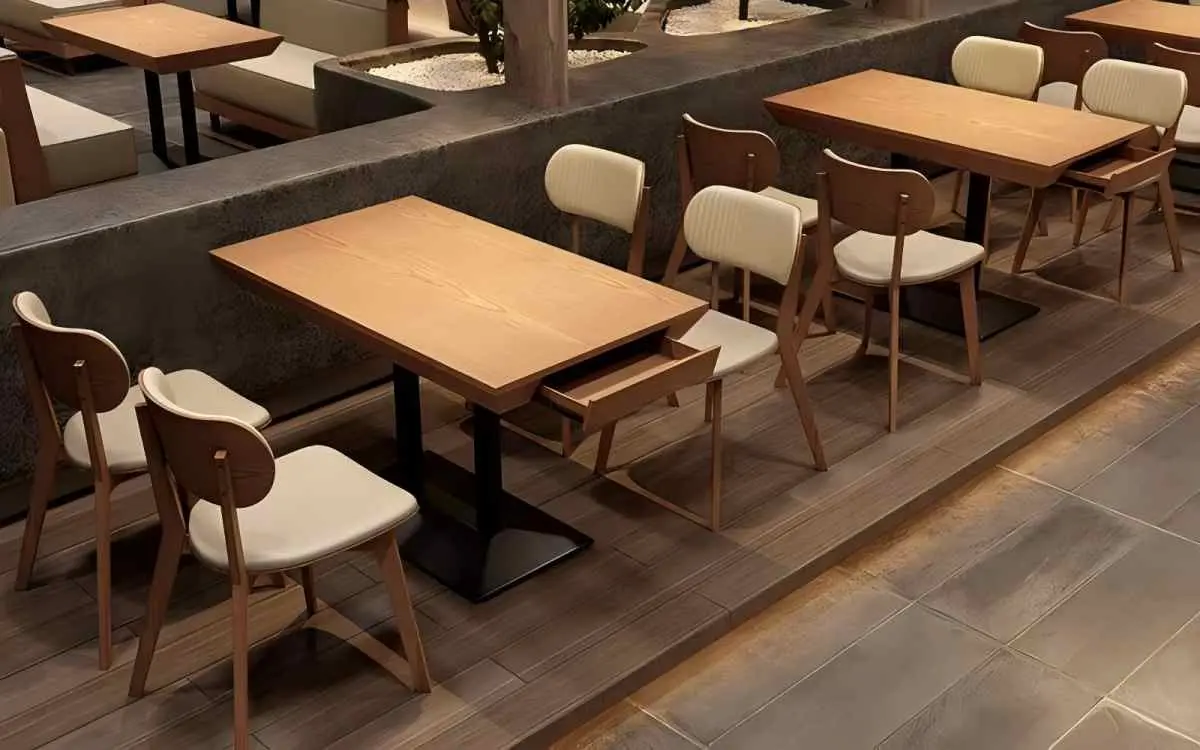
Um die Auszugsmaße und den Durchgangsbedarf traditioneller Esszimmerstühle unterzubringen, müssen die Gänge breiter werden, was dazu führt, dass wertvolle Geschäftsfläche “ungenutzt” bleibt.”

“Szenenabfall” aus der Einzelfunktionalität
Ein Esstisch wird nur zum Essen benutzt; der Platz unter dem Tisch und an den Wänden wird nicht genutzt, was zu einer extrem niedrigen “Wertdichte” des Möbels führt.
“Zeitverschwendung” durch übermäßigen Komfort
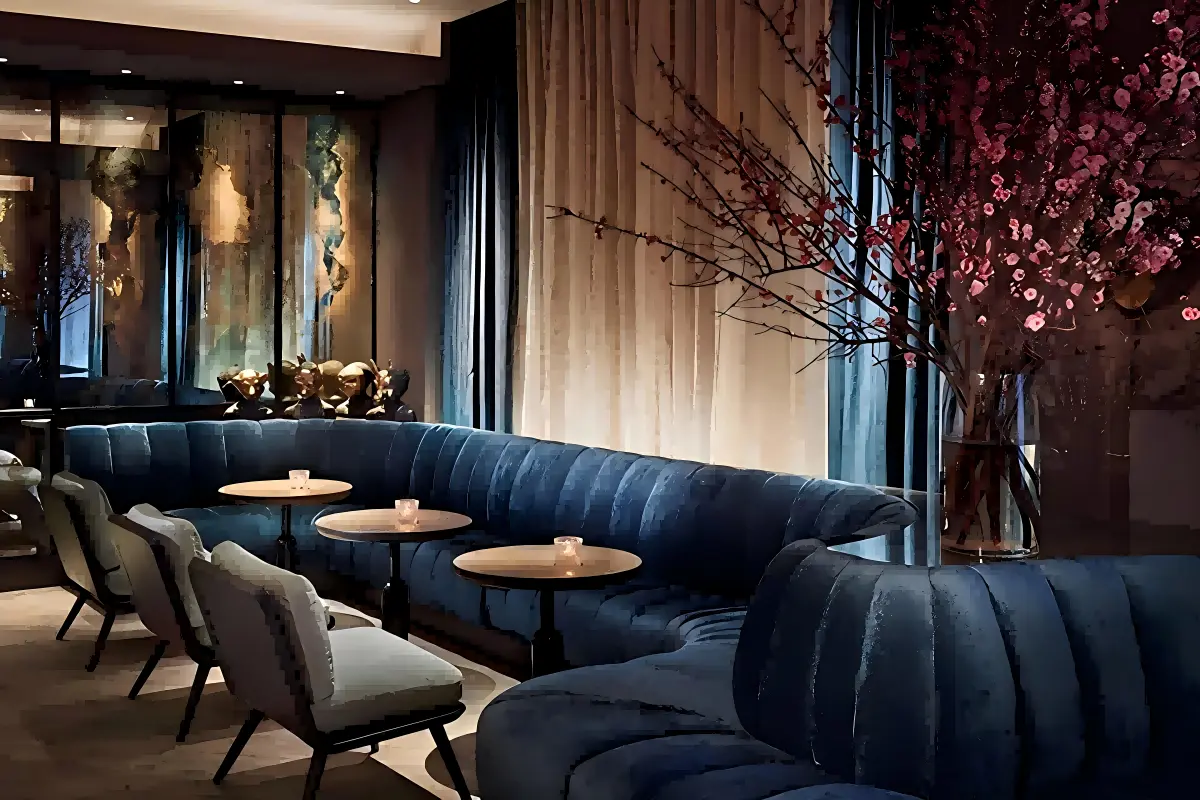
Zu bequeme Sofas verleiten die Kunden dazu, ihren Aufenthalt ungewollt zu verlängern, was den Sitzplatzumsatz während der Stoßzeiten verringert.
Lösung: Drei Kerndimensionen eines effizienten Möbelsystems
Wirklich gute Möbel tragen durch die folgende dreidimensionale Gestaltung aktiv zur Betriebsoptimierung bei.
Dimension Eins: Layout-Optimierung - Sitzplatzplanung wie Verkehrsplanung
Der Kern eines effizienten Layouts ist “Flexibilität und Gleichgewicht der Dichte”.”
- Beweglich und modular:
Tische und Stühle mit einem einheitlichen Untergestell (z. B. alle Stühle passen problemlos unter den Tisch) erleichtern eine schnelle Neuanordnung.
Zwei-Personen-Tische können schnell zu Vier-Personen-Tischen oder langen Sechs-Personen-Tischen kombiniert werden, um unerwartete Gruppen von Gästen unterzubringen. - Eingebaute Kabinen und Wandverwendung:
Maßgeschneiderte flache Kabinen entlang der Wand sparen mindestens 20% mehr Platz als unabhängige Esszimmerstühle.
Der Raum darüber kann mit Regalen oder Dekorationen kombiniert werden und verwandelt die Wand in eine wertvolle Fläche. - Berechnung von wissenschaftlichen Dimensionen:
Berechnen Sie genau, wie groß der Sicherheitsabstand zwischen Esstischen und Gängen sein muss. Die Wahl von Möbeln mit schlanken Beinen zum Beispiel schafft einen offeneren optischen Raum und spart Platz.
Dimension zwei: Funktionsintegration - Jedes Möbelstück muss vielseitig einsetzbar sein
Die Erhöhung der “Funktionsdichte” von Möbeln ist gleichbedeutend mit einer unsichtbaren Erweiterung des Raums.
- Integrierte Sitzgelegenheiten und Stauraum
Der Sockel der Kabinenbestuhlung ist als Stauraum mit großem Fassungsvermögen und aufklappbarem Deckel konzipiert, der zusätzliche Stauräume oder überfüllte Vorbereitungsschränke ersetzt und Verbrauchsmaterialien wie Servietten und Besteck aufnimmt. - Erweiterbare Tischplatte
Ausgestattet mit einziehbaren oder klappbaren Tischplatten, die bei Nichtgebrauch Platz sparen und sich für den Einsatz in Stoßzeiten erweitern lassen, was eine flexible Anpassung der Sitzplatzkapazität ermöglicht. - Integration an den Grenzen
Kombiniert die Funktionen eines Bartresens, einer Trennwand und einer Vitrine.
Ein langer Bartresen dient als Servierbereich, als Kassentheke und als freundlicher Sitzbereich für Einzelgäste.
Dimension Drei: Gestaltung des Verkehrsflusses - Verlegung der “Autobahn” für Effizienz
Die Anordnung der Möbel bestimmt die Effizienz der Bewegungen von Mitarbeitern und Kunden.
- Optimierung des Dienstleistungsflusses
Stellen Sie sicher, dass die Anordnung der Tische und Stühle einen klaren, geschlossenen Servicekanal schafft, der Umwege, Querverkehr oder Rückwege für die Bedienungen während der Essensausgabe vermeidet. - Leitender Kundenfluss
Durch eine geschickte Einfriedung und Lenkung mit Möbeln werden die Kunden auf natürliche Weise zu den verschiedenen Bereichen geleitet, wodurch ein übermäßiger Andrang am Eingang vermieden wird, während tiefe Sitzplätze frei bleiben. - Einfache Reinigung und Wartung
Die Verwendung von leichten, leicht zu bewegenden Möbeln und fugenlosen, leicht zu reinigenden Oberflächenmaterialien kann die Zeit für das Abräumen und Reinigen der Tische erheblich verkürzen und den Tischumsatz direkt beschleunigen.
Fallstudie: “Flächeneffiziente Transformation” einer Gemeinde
Hintergrund
In einem 80 Quadratmeter großen Gemeinschaftsrestaurant gab es lange Wartezeiten für das Abendessen, aber das monatliche Wachstum der Flächeneffizienz stagnierte.
Kernproblem
Die vorhandenen schweren Möbel führten zu einem starren Layout, einer festen Sitzplatzkapazität und einem langsamen Tischwechsel.
Transformationsmaßnahmen (in Zusammenarbeit mit uns durchgeführt)
- Reorganisation des Layouts
Feste Trennwände wurden entfernt und durch leichte, modulare Esstische aus Massivholz und eingebaute Sitzgelegenheiten mit schmaler Rückenlehne ersetzt. - Funktionales Upgrade
Alle Sitzplätze in den Kabinen wurden mit Stauraum ausgestattet; eine multifunktionale Insel in der Mitte wurde eingerichtet, um Auslage, Essenszubereitung und Barplätze zu integrieren. - Neugestaltung des Verkehrsflusses
Der Grundriss wurde so umgestaltet, dass ein kreisförmiger Hauptgang entstand, in dem Tische und Stühle flexibel angeordnet werden konnten.
Ergebnisse der Renovierung
- Erhöhte Sitzplatzkapazität
Bei gleichbleibendem Komfort wurde die effektive Sitzplatzzahl von 42 auf 51 erhöht. - Verbesserte Tischumschlagshäufigkeit
Aufgrund des optimierten Verkehrsflusses und der einfacheren Reinigung stieg die Tischumschlagrate während der Hauptabendessenszeiten um 0,8 Runden. - Erhöhte Einnahmen pro Quadratmeter
Bei im Wesentlichen unveränderten durchschnittlichen Kundenausgaben stieg der monatliche Umsatz pro Quadratmeter um 22%.
Schlussfolgerung: Möbel sind ein stilles strategisches Gut
Wenn sich Möbel von passiven “Einrichtungsgegenständen” in aktive “Betriebsunterstützung” verwandeln, werden sie zum grundlegendsten Effizienz-Betriebssystem eines Restaurants. Sie produzieren nicht direkt Gerichte, aber sie bestimmen, ob der Raum den Service, das Erlebnis und den Umsatz auf die effizienteste Weise unterstützen kann.
Der wahre Wert professioneller Restaurantmöbel liegt nicht in ihrem Stückpreis, sondern in ihrer Fähigkeit, höhere Einnahmen zu erzielen “pro Quadratmeter, pro Stunde” für Sie.
Daten in umsetzbaren Raumwert verwandeln
Wir glauben, dass Daten der beste Übersetzer für räumliche Werte sind.
Wenn Sie das genaue Potenzial Ihrer Restaurantfläche kennenlernen möchten, können wir Ihnen eine [Diagnosebericht zur Freiraum-Effizienz]. Stellen Sie uns einfach Ihren Grundriss und die grundlegenden Betriebsdaten zur Verfügung, und wir präsentieren Ihnen eine professionelle Bewertung, einschließlich einer Simulation der idealen Sitzplatzkapazität, einer Verkehrsflussanalyse und Lösungen zur Aufrüstung des Mobiliars.
Lassen Sie uns gemeinsam daran arbeiten, jeden Zentimeter Raum in greifbaren Gewinn zu verwandeln.
Über Youmu Shiguang
Youmu Shiguang ist ein professioneller Hersteller von Restaurantmöbeln. Unser Unternehmen ist auf die Entwicklung, Herstellung und Lieferung hochwertiger Möbel für Restaurants, Cafés, Bars, Hotels und andere gewerbliche Einrichtungen spezialisiert.
Die wichtigsten Vorteile
- Großserienfertigung & Direktlieferung ab Werk
Youmu Shiguang besitzt eigene Fabriken auf über 10.000 m² mit spezialisierten Produktionsbereichen für Massivholz-, Metall-, Platten- und Rattanmöbel. Dieses Modell der Direktproduktion macht Zwischenhändler überflüssig und senkt die Kosten bei gleichbleibend hoher Qualität. - Umfassende Erfahrung und globale Reichweite
Das Unternehmen verfügt über mehr als 20 Jahre Erfahrung in der Möbelbranche und hat bereits über 3.000 Restaurant- und Gewerbeprojekte in mehr als 200 Städten weltweit betreut. - Breite Produktpalette und individuelle Anpassung
Wir bieten eine große Auswahl an kommerziellen Möbeln - darunter Tische, Stühle, Kabinen, Themensets und Hot-Pot- oder Cafe-spezifische Stücke - sowie starke OEM/ODM-Anpassung (Materialien, Größen, Ausführungen, Branding).