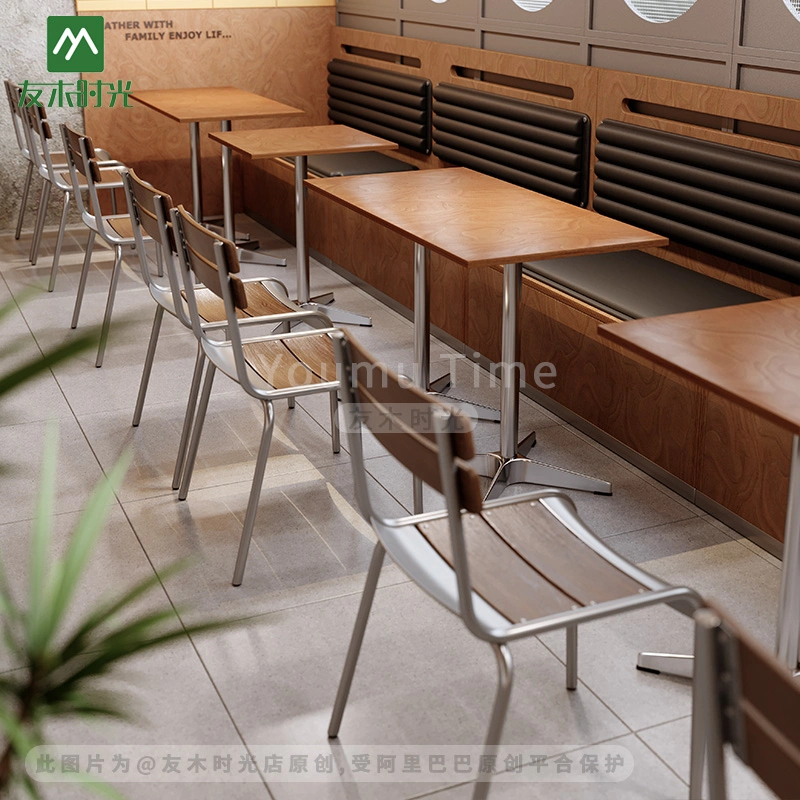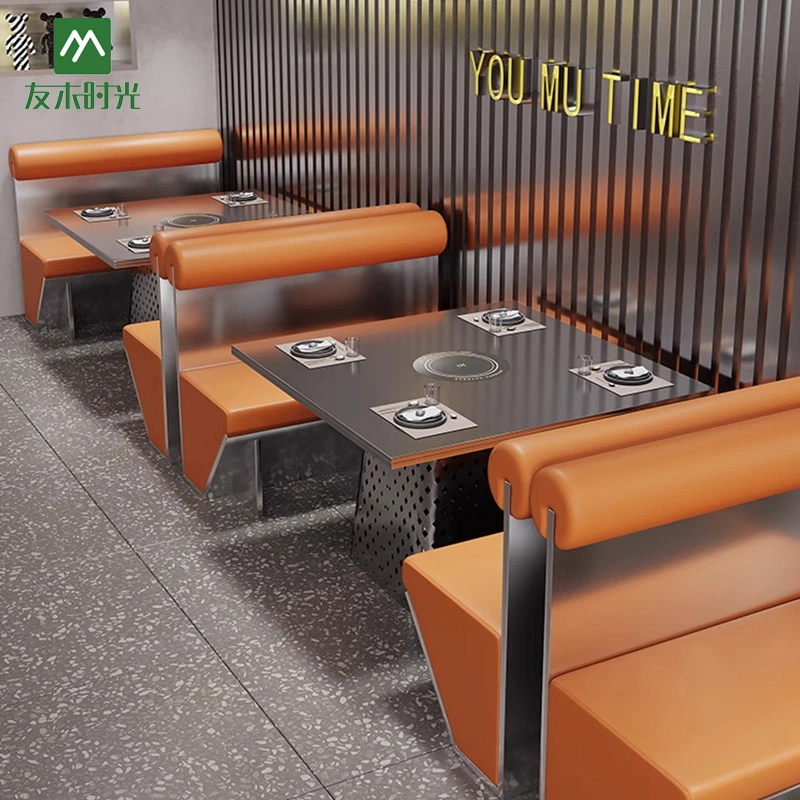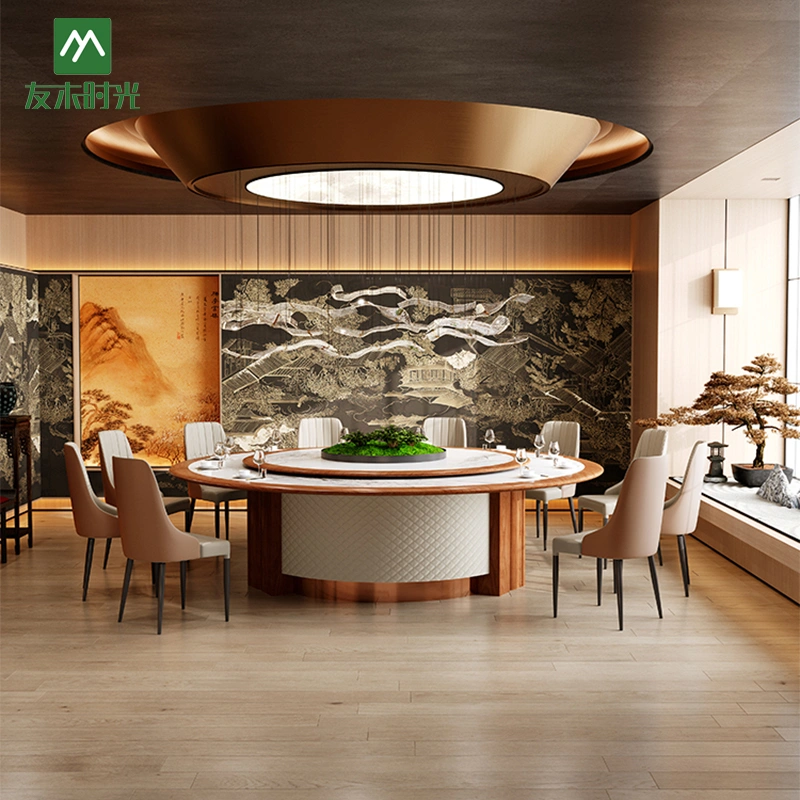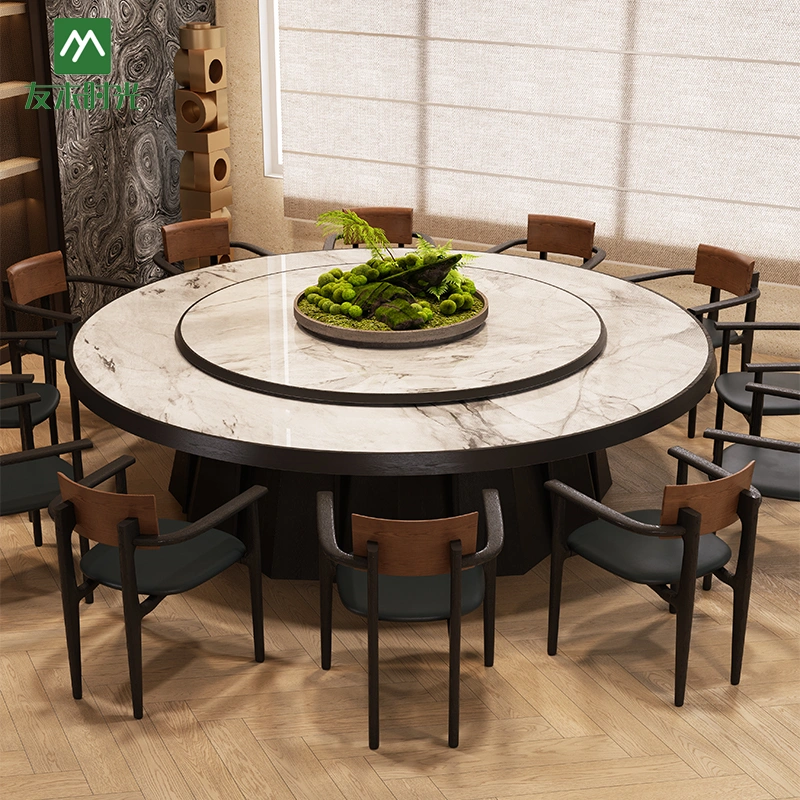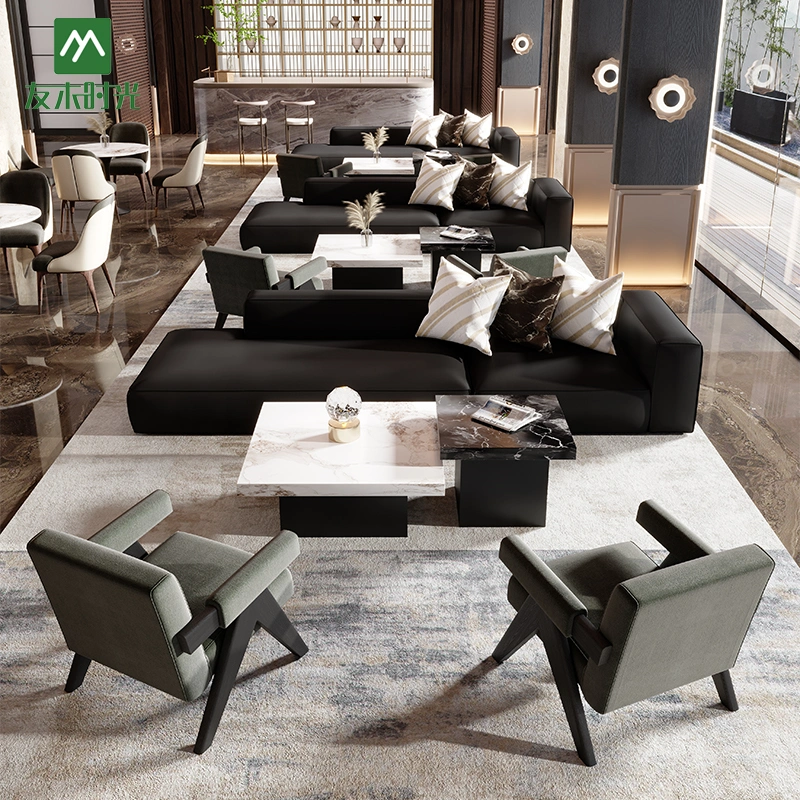
En el sector de la restauración, cuando los ingresos se estancan, la primera reacción de muchos propietarios suele ser cambiar el menú, ofrecer descuentos o poner en marcha campañas de marketing. Sin embargo, un restaurante con solera de un centro comercial de barrio eligió un camino aparentemente sencillo pero preciso: sustituir sistemáticamente sólo un lote de muebles viejos, mesas, sillas y el mostrador de la barra. Sorprendentemente, tras esta ’cirugía mínimamente invasiva“, su valor medio de transacción aumentó silenciosamente en 20% en tres meses, según nuestros clientes.
Esto no era magia, Muebles Youmu Shiguang sino una inversión precisa basada en un profundo conocimiento del consumidor. Los muebles viejos de un restaurante no son solo objetos desgastados; son un “asesino silencioso” que afecta a la rentabilidad del restaurante y merma el valor de la marca.
Hoy, como fabricante líder de mobiliario comercial para restaurantes, analizaremos este caso para desvelar cómo las mesas y las sillas se convirtieron en el punto de apoyo de oro para revitalizar un viejo restaurante y lograr un salto de valor.
El Consumo Invisible: Cómo el viejo mobiliario de un restaurante “se come” sus beneficios
Antes de hablar de las mejoras, primero debemos diagnosticar los “activos negativos” que aporta el mobiliario antiguo de los restaurantes:
- Fatiga de experiencia y valor diluido: Los estilos anticuados, las superficies desgastadas y los asientos incómodos transmiten directamente a los clientes una sensación de “envejecimiento” y “obsolescencia”. Al igual que un hotel tiene problemas por la falta de adecuación entre el estilo y la demanda de los consumidores, lo mismo le ocurre a un restaurante. Los clientes no están dispuestos a pagar más por un entorno anticuado, lo que suprime indirectamente el potencial de aumentar el valor medio de la transacción.
- Retraso funcional y pérdida de eficacia: Las mesas y sillas voluminosas e inamovibles limitan la flexibilidad de la distribución espacial, lo que dificulta la optimización en función del tráfico de clientes y las situaciones de consumo (como grandes reuniones o cenas en solitario). Esta disposición rígida puede provocar una baja utilización de los asientos en las horas punta, lo que dificulta la rotación de las mesas.
- El “contragolpe económico” del desajuste: Muchos negocios ya establecidos invierten mucho en mobiliario resistente que puede no encajar con la estética actual (como grandes mesas de madera maciza) cuando abren. Sin embargo, si los fondos están inmovilizados en estos activos “del pasado”, no pueden invertirse en áreas que mejoren directamente la experiencia y la eficiencia actuales.
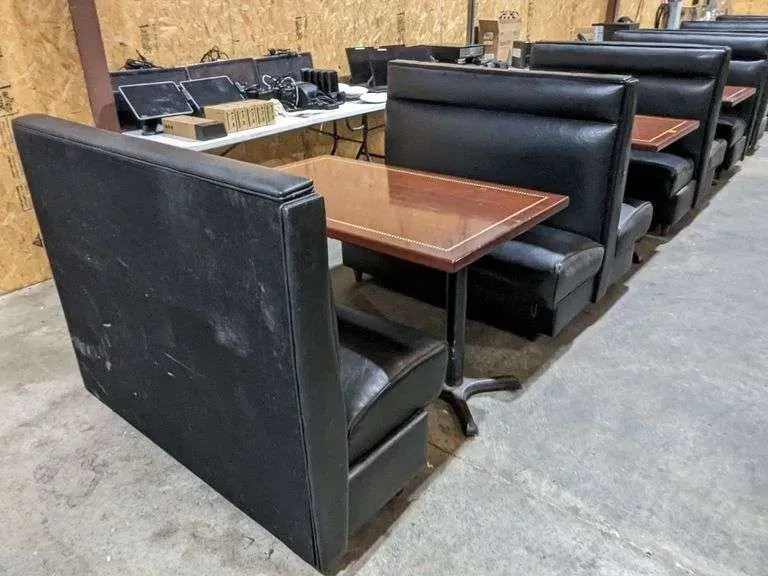
Por lo tanto, sustituir ese mobiliario es mucho más que simplemente cambiar lo viejo por lo nuevo; es una reorganización estratégica de recursos: ”reutilizar el dinero que se está desperdiciando en cosas menos importantes”.”
Descifrar un caso de renovación: tres claves para aumentar el valor medio de las transacciones
¿Qué hizo bien exactamente esa tienda comunitaria establecida que logró un aumento de 20% en el valor medio de las transacciones? La clave está en comprender tres transformaciones fundamentales:
La primera clave: Del “Comedor individual” al “Aumento del valor de la escena”
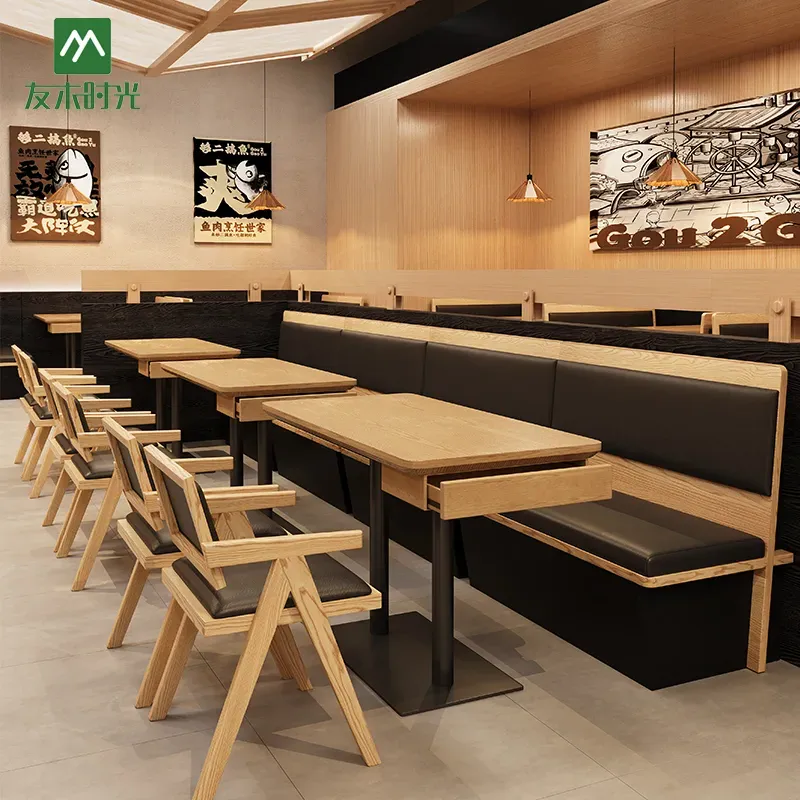
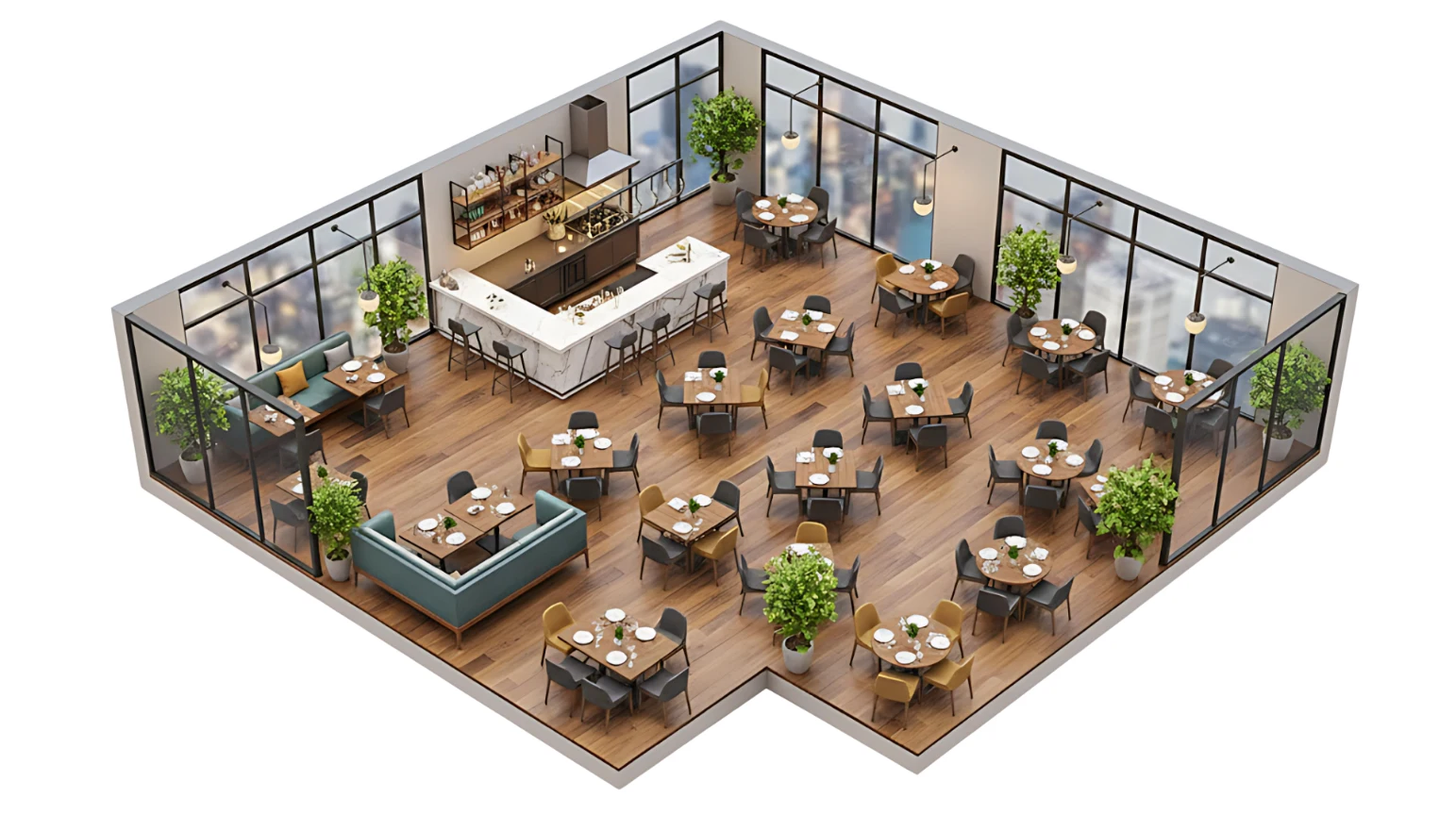
El establecimiento abandonó las monótonas mesas cuadradas para cuatro personas e introdujo tres nuevas combinaciones de muebles:
- Mesas largas multifuncionales y cabinas sociales: Proporcionar un entorno más cohesionado para las reuniones con amigos y familiares. En los casos de renovación de hoteles, añadir una zona de minibar mejora el atractivo social de las habitaciones; esta lógica también se aplica a los restaurantes.
- Refinados asientos de bar individuales/dobles: Atendiendo a la creciente demanda de cenas en solitario o comidas rápidas. Se inspira precisamente en el modelo actual de “comida rápida en mostrador”. Los asientos compactos de la barra no solo mejoran el aprovechamiento del espacio, sino que también tienen un valor añadido intrínseco gracias a su formato único.
- Mesas y sillas modulares flexibles: Las mesas y sillas ligeras y móviles permiten a los comercios combinarlas libremente en mesas de 2, 4 ó 6 personas para satisfacer diferentes necesidades durante el desayuno, la comida y la cena, maximizando el valor de cada centímetro de espacio.
Resultados: La segmentación de la experiencia gastronómica orienta naturalmente las mejoras del consumo. Las parejas están más dispuestas a elegir un reservado con un ambiente acogedor y pedir un menú fijo, mientras que los comensales solitarios pueden añadir más cómodamente un tentempié en los cómodos asientos de la barra. El mobiliario define la escena, y la escena crea el motivo del consumo.
Segunda llave: Del “mobiliario pasivo” al “motor de experiencias”
El nuevo mobiliario del restaurante incorpora proactivamente detalles que mejoran la experiencia:
- Diseño ergonómico: Utilizando curvas de respaldo y cojines de asiento que se adaptan mejor a las posturas modernas al sentarse, se amplía significativamente el tiempo que los clientes pasan cómodamente. Los datos muestran que el diseño ergonómico de las mesas de comedor puede prolongar significativamente el tiempo de permanencia de los clientes de 42 a 98 minutos.
- Materiales e interacción: Los tableros de las mesas utilizan materiales nuevos, fáciles de limpiar y cálidos al tacto, y algunos modelos incluso integran carga inalámbrica. Estos pequeños pero cuidados detalles mejoran directamente la calidad percibida y el valor para los clientes.
- Refresco visual y comunicación de marca: Los nuevos estilos de mobiliario (como las mezclas de inspiración industrial y la estética oriental) transforman al instante la imagen anticuada del local. Al igual que los hoteles refrescan su identidad visual principal rediseñando la zona de recepción y la iluminación, los restaurantes consiguen una actualización silenciosa de la imagen de marca a través del mobiliario.
Resultados: La mejora de la experiencia se refleja directamente en el comportamiento de los consumidores. Una estancia más cómoda anima a realizar compras adicionales, como bebidas y postres; un entorno más elegante estimula el deseo de los clientes de hacer fotos y compartirlas, con una tasa de compartición en redes sociales 63% que aporta exposición de tráfico gratuito a la tienda. La experiencia se convierte en la justificación más directa del aumento de precios.
La tercera clave: De los “activos estáticos” al “centro de eficiencia”
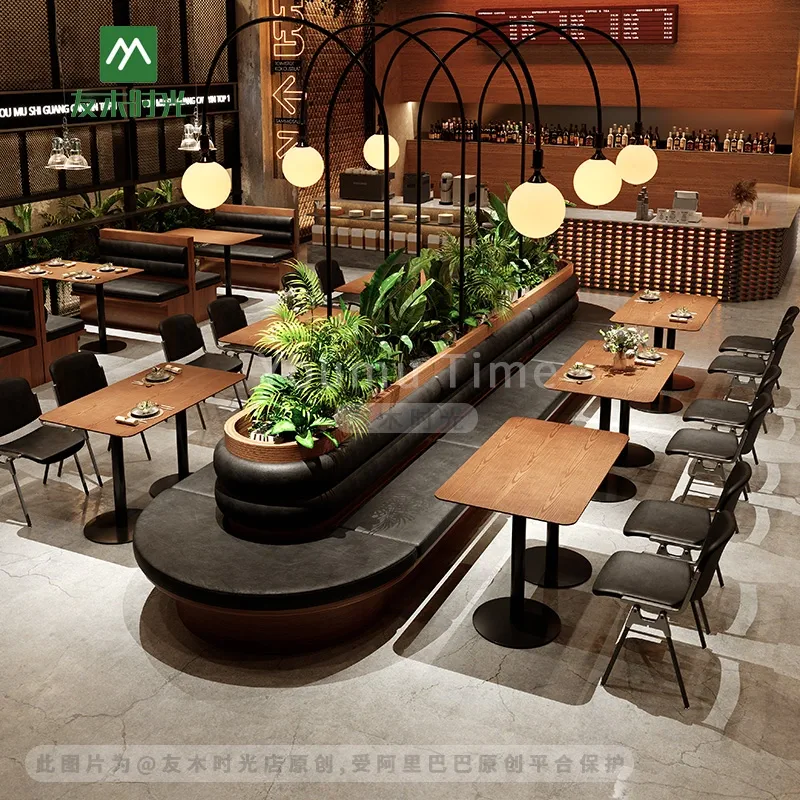
La disposición del mobiliario del nuevo restaurante, meticulosamente calculada, optimizó directamente el flujo operativo:
- Rutas de servicio optimizadas: La disposición de las mesas garantiza pasillos de servicio sin obstáculos, lo que reduce los viajes de ida y vuelta de los camareros. Del mismo modo que el ’modelo front-of-house“ adelanta el proceso de cocinado, eliminando el reparto de comida y mejorando la eficiencia, una distribución del mobiliario bien planificada también acorta el radio de servicio.
- Mayor potencial de rotación de asientos: Al establecer un espacio más razonable entre las mesas y combinaciones flexibles de asientos, el establecimiento puede acomodar de forma más eficiente a distintos números de clientes durante las horas punta, sentando las bases físicas para aumentar la rotación de las mesas. Algunas marcas de comida rápida han visto cómo su rotación de mesas aumentaba en 1 o 2 rondas tras implantar la distribución optimizada.
Resultados: Mejorar la eficiencia operativa significa atender a más clientes en el mismo tiempo, o estabilizar el tráfico de clientes existente con una calidad de servicio más relajada. La mejora de la eficiencia ofrece una sólida garantía operativa para aumentar el valor medio de los pedidos, en lugar de crear expectativas poco realistas.
“Renovación ”al estilo de la cirugía estética": Inversión precisa, rendimiento rápido
El éxito de este caso sigue esencialmente una lógica de transformación “al estilo de la cirugía estética”. No se trata de derribarlo todo a ciegas y empezar de cero, sino más bien, como un médico profesional que realiza un “chequeo completo” del antiguo establecimiento, seguido de precisas “mejoras mínimamente invasivas”:
- Conservación: Se conservan intactos los suelos y las robustas estructuras de los muros.
- Renovación: El sistema central de mobiliario, que tiene un contacto directo y prolongado con los clientes, se actualiza a fondo como objetivo clave.
- Objetivo: Conseguir el salto más significativo en la experiencia del cliente con unos costes de intervención mínimos y el ciclo de renovación más corto (potencialmente sólo unos días).
Los beneficios de este modelo son claramente visibles: repercute directamente en las “arterias principales” de los ingresos del restaurante: el valor medio de las transacciones y la eficiencia del espacio. De este modo, el periodo de recuperación de la inversión es relativamente controlable y predecible.
Conclusión
Para un restaurante establecido, la sustitución de un viejo conjunto de muebles de restaurante es esencialmente una profunda autorreinvención. No solo cambia el espacio físico, sino también la propuesta de valor del local, sus métodos de comunicación con los clientes y su eficiencia operativa interna. Cuando los clientes están dispuestos a pagar por un nuevo entorno, están pagando una prima por una mejor experiencia, escenarios más diversos y mayor comodidad.
En el cada vez más competitivo sector de la restauración actual, donde la competencia gira en torno a la “experiencia integral”, el mobiliario, como “esqueleto” y “piel” de un restaurante, nunca ha tenido tanto valor. Una renovación precisa puede revitalizar un establecimiento antiguo, dándole una energía juvenil que atraiga tanto a clientes como a consumidores.
Acerca de Youmu Shiguang Furniture
Youmu Shiguang Furniture es una fabricante líder de mobiliario comercial para restaurantes ofrecer un servicio completo solución integral de mobiliario para restaurantes del concepto a la producción y venta al por mayor de mobiliario comercial. Como proveedor directo de fábrica, combinamos una sólida capacidad de fabricación con flexibilidad de diseño, lo que permite a las marcas plasmar su identidad visual en espacios de comedor funcionales.
Nuestro equipo explora activamente nuevos materiales, estructuras y acabados para apoyar conceptos distintivos en lugar de diseños estándar. Con la producción integrada y la coordinación de proyectos, ofrecemos una ejecución fiable al tiempo que damos a las marcas de restauración la libertad de innovar con confianza.