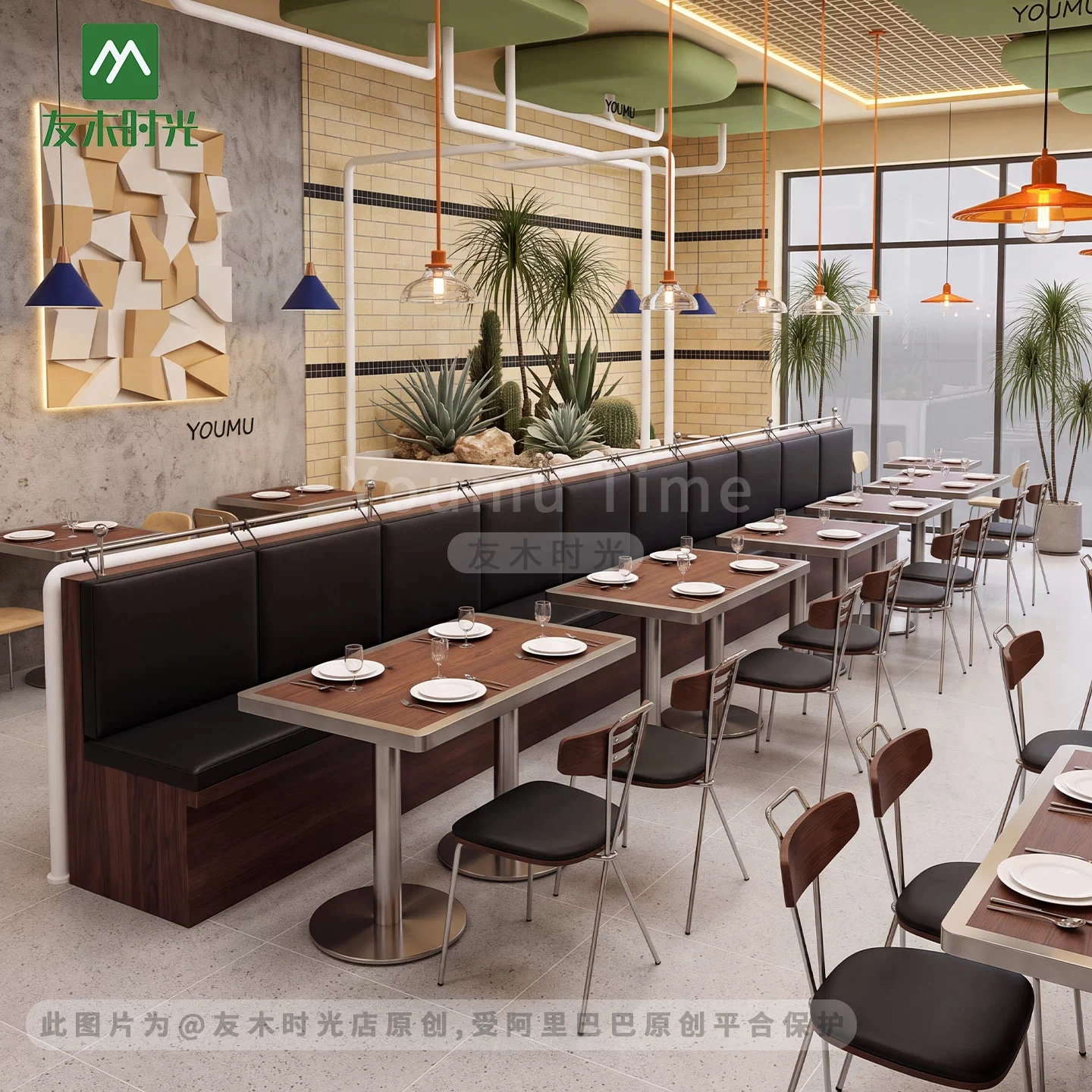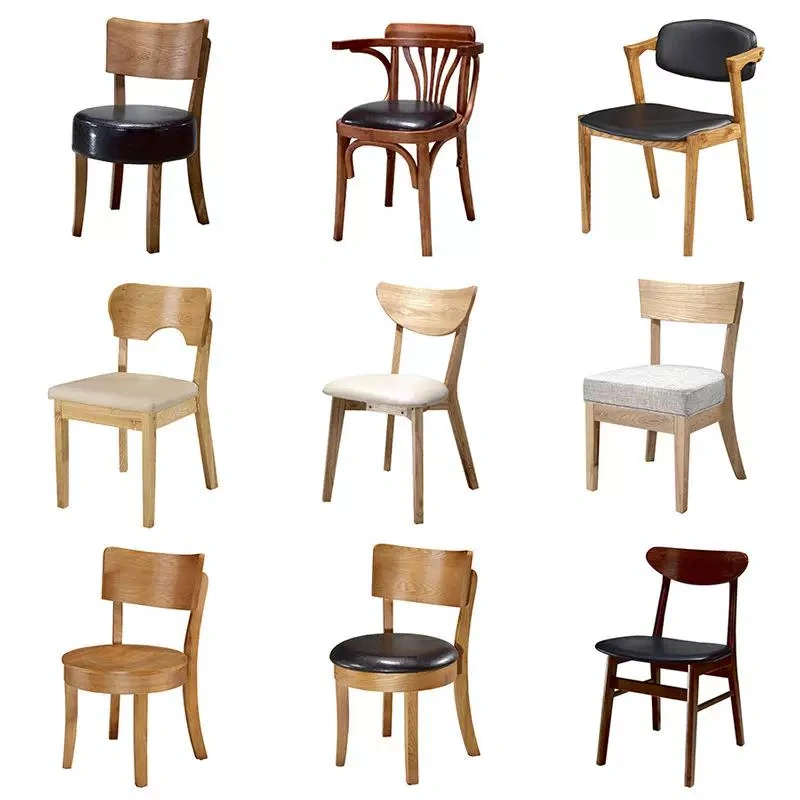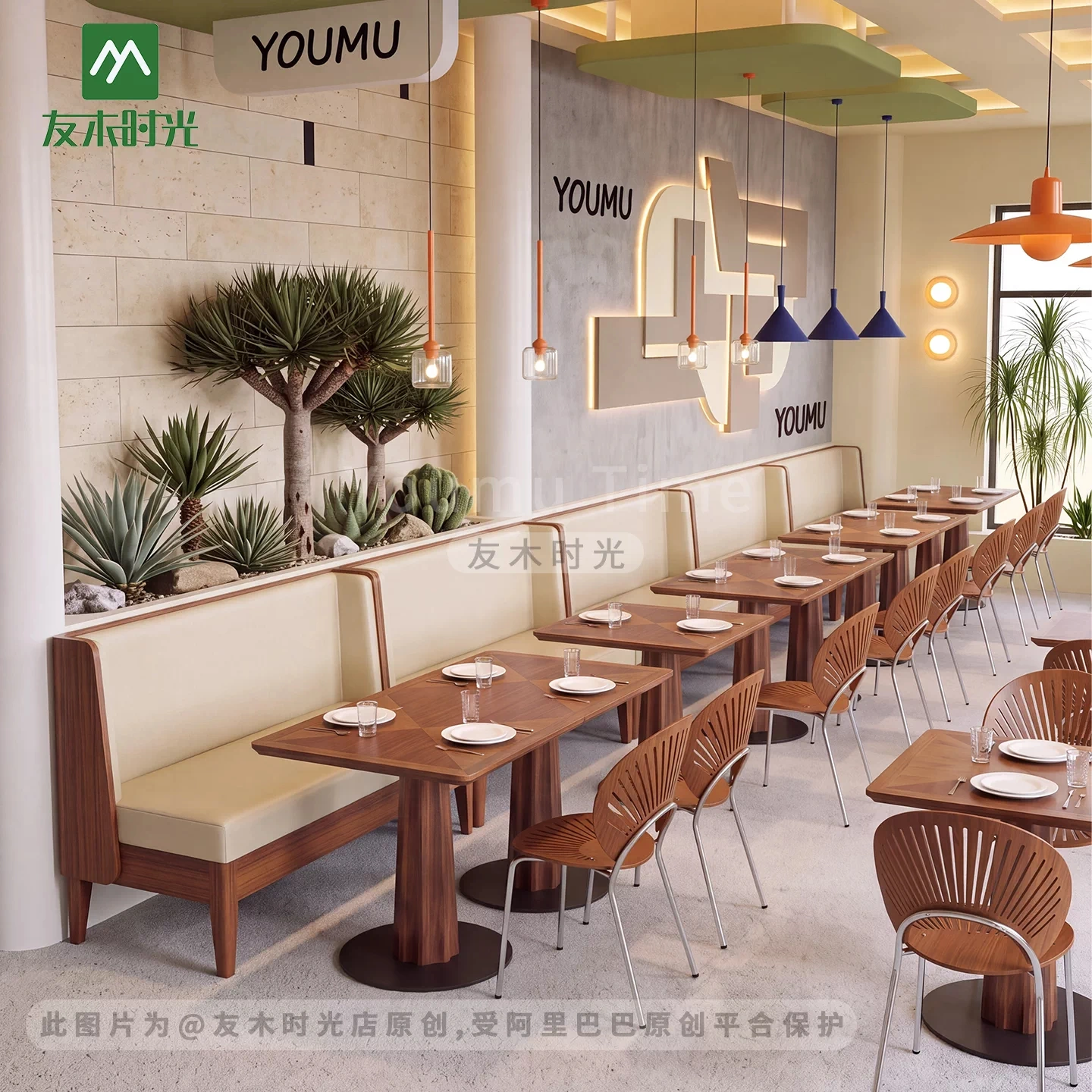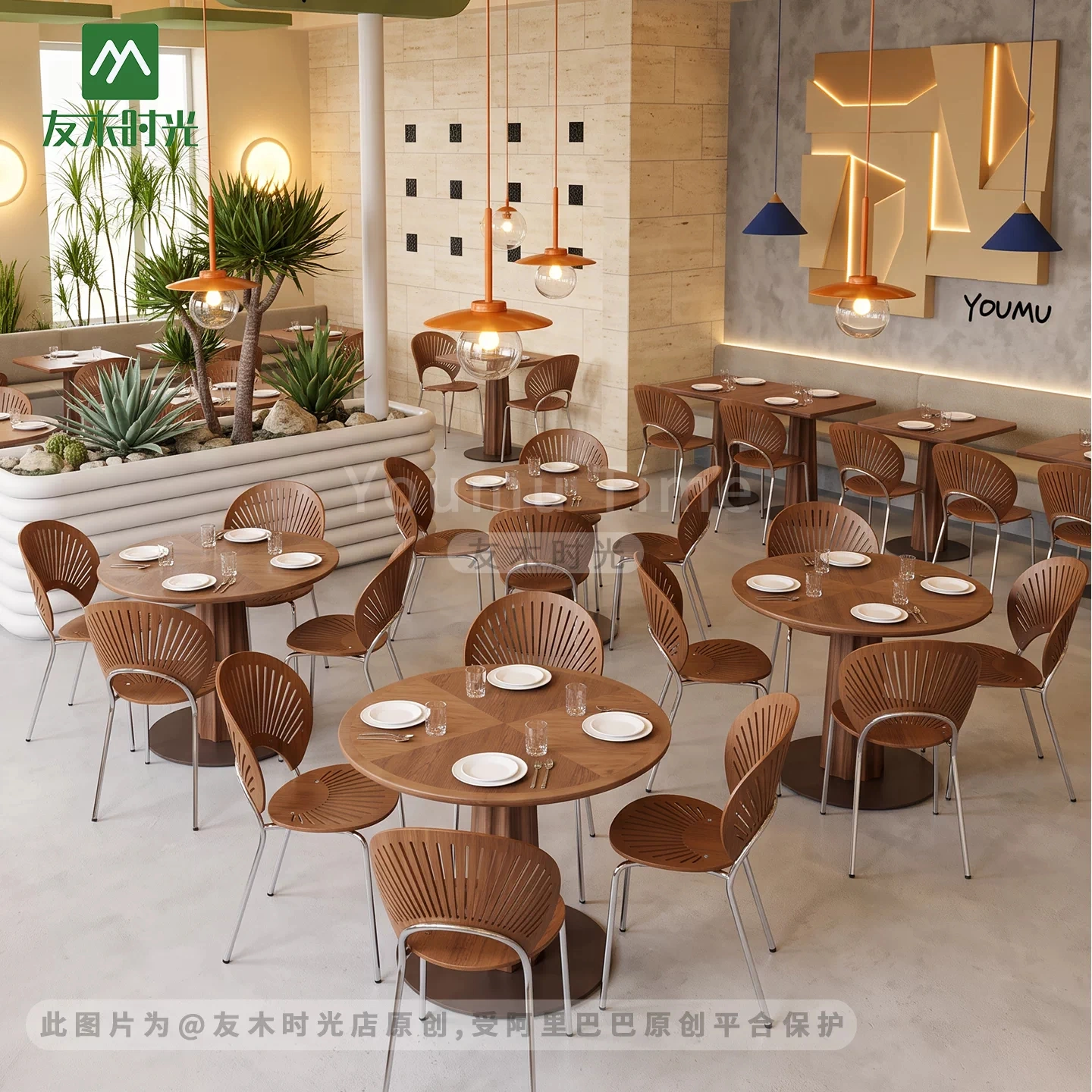
Upholstered restaurant booths are widely used in restaurants, cafés, hotels, and commercial dining spaces because they combine seating comfort with flexible interior design. However, choosing the right upholstery material involves more than appearance. Commercial seating must withstand frequent use, food and beverage spills, regular cleaning, and long-term wear.
For restaurant owners, furniture distributors, and hospitality project buyers, selecting suitable materials can directly affect maintenance costs, customer experience, and furniture lifespan. As a professional restaurant furniture manufacturer, Youmu Shiguang provides customized booth seating solutions with different upholstery materials, colors, and structural options to meet various commercial requirements.
En tant que professionnel fabricant de mobilier de restaurant en gros, we provide insights into common upholstery materials, their advantages and limitations, and the key factors buyers should consider when sourcing upholstered restaurant booths for commercial projects.
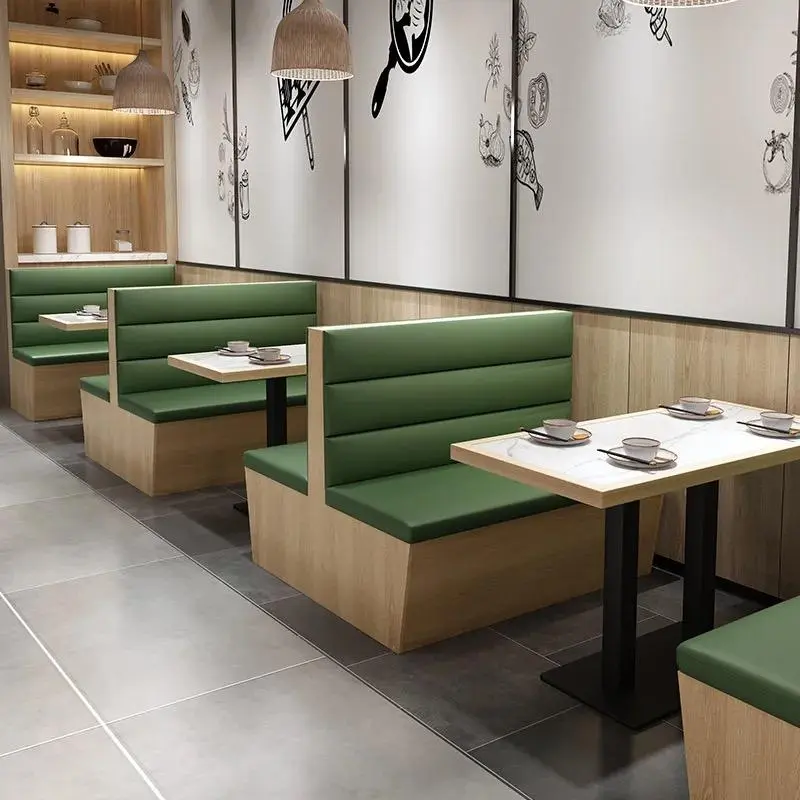
1. Why Upholstery Material Matters for Commercial Restaurant Booths
Upholstery material plays an important role in the performance and appearance of restaurant booth seating. Unlike residential furniture, commercial restaurant booths are exposed to repeated customer use, frequent cleaning, and different types of stains throughout the day.
Choosing an unsuitable material may result in premature cracking, fading, surface damage, or difficult maintenance. For restaurants with high customer turnover, these problems can increase replacement costs and affect the overall dining environment.
The right upholstery material should balance several important factors:
- Durabilité : The surface should withstand repeated sitting, friction, and daily commercial use.
- Easy Cleaning: Materials should allow staff to remove common food stains and beverage spills efficiently.
- Stain Resistance: Resistance to oil, liquids, and everyday dirt helps maintain a clean appearance.
- Confort : Suitable texture, cushioning, and breathability contribute to a better dining experience.
- Design Flexibility: Different colors, textures, and finishes allow restaurant owners to match their interior design.
For buyers sourcing upholstered restaurant booths in bulk, material selection should be considered alongside frame construction, foam density, and overall furniture quality.
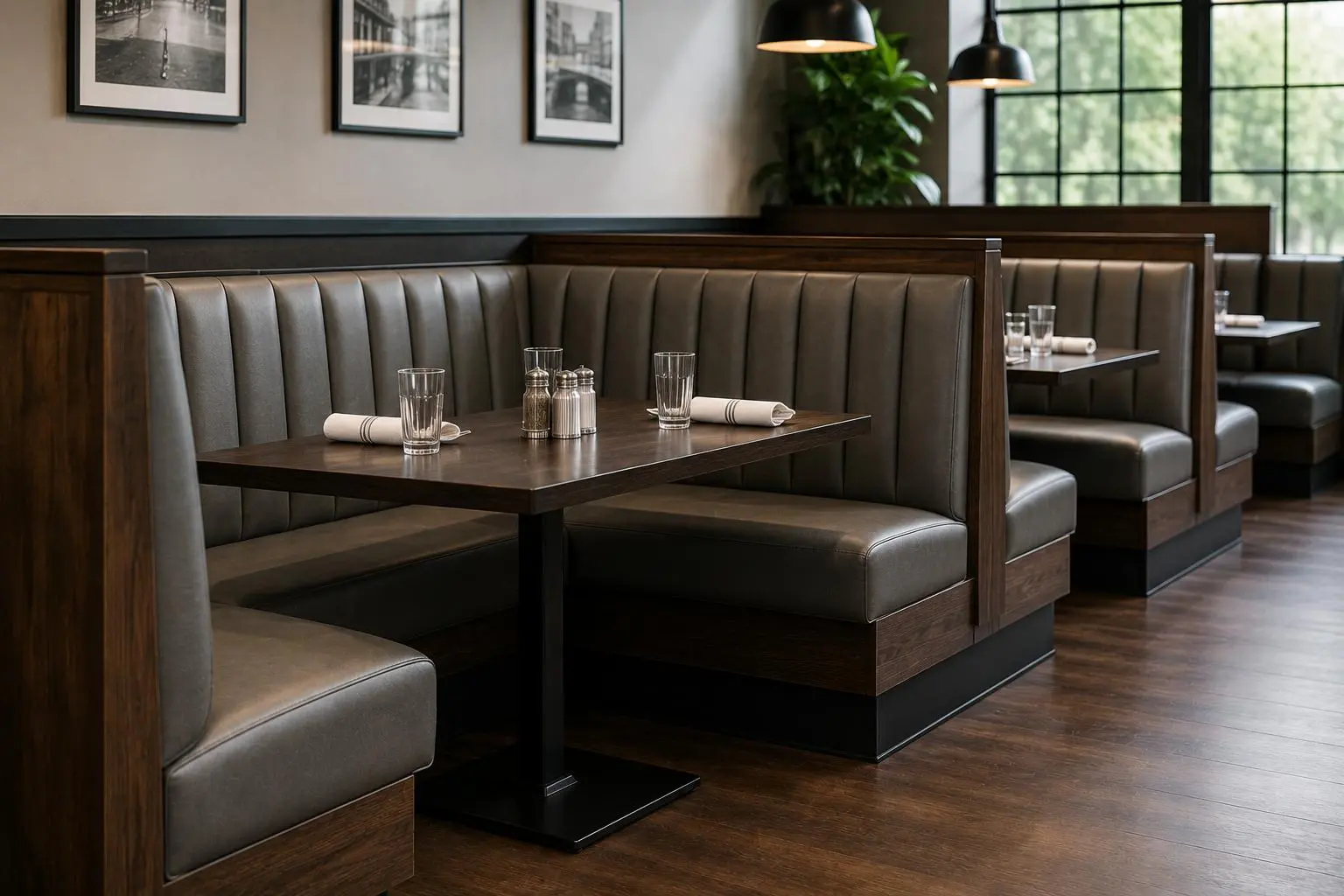
2. Common Upholstery Materials for Restaurant Booths
Different upholstery materials offer different levels of durability, maintenance convenience, comfort, and visual appeal. Understanding their characteristics helps buyers select suitable materials for their restaurant concepts and operating conditions.
2.1 PU Leather: Practical for Everyday Commercial Use
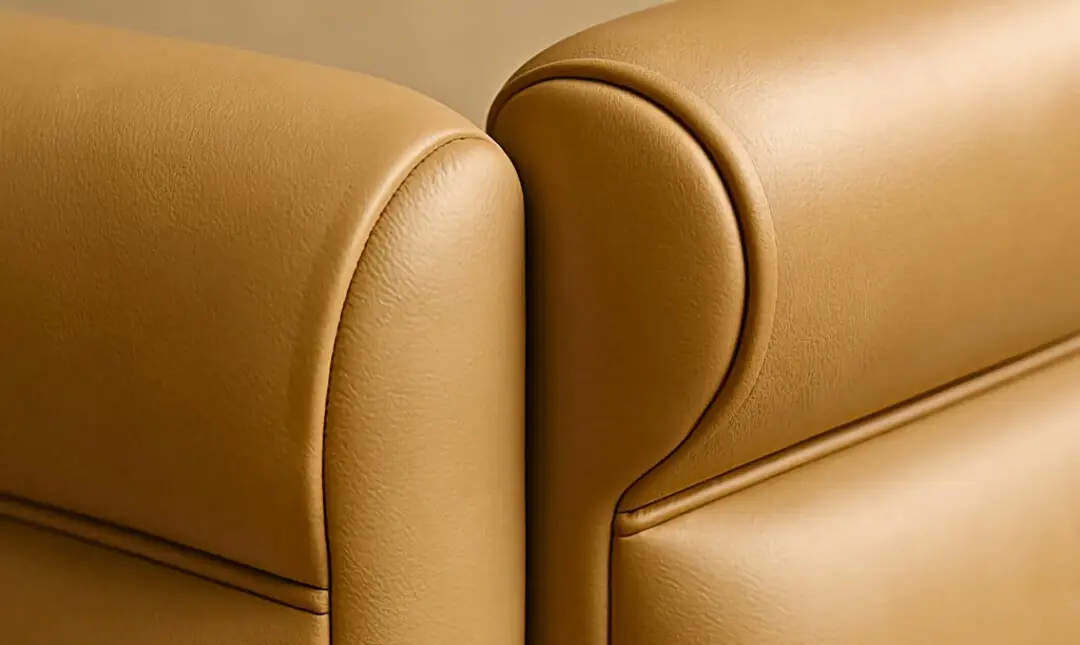
PU leather is a popular choice for upholstered restaurant booths because it offers a leather-like appearance with a relatively smooth surface. It is available in various colors and finishes, making it suitable for modern restaurants, cafés, and casual dining spaces.
Its smooth surface makes routine cleaning relatively simple. Staff can usually wipe away light spills and everyday dirt with a soft cloth and an appropriate cleaning solution.
However, the quality of PU leather varies depending on its coating, backing fabric, and manufacturing process. Lower-grade materials may crack, peel, or deteriorate faster under intensive use.
Idéal pour : Casual restaurants, cafés, fast-casual dining spaces, and projects that require practical maintenance and flexible color options.
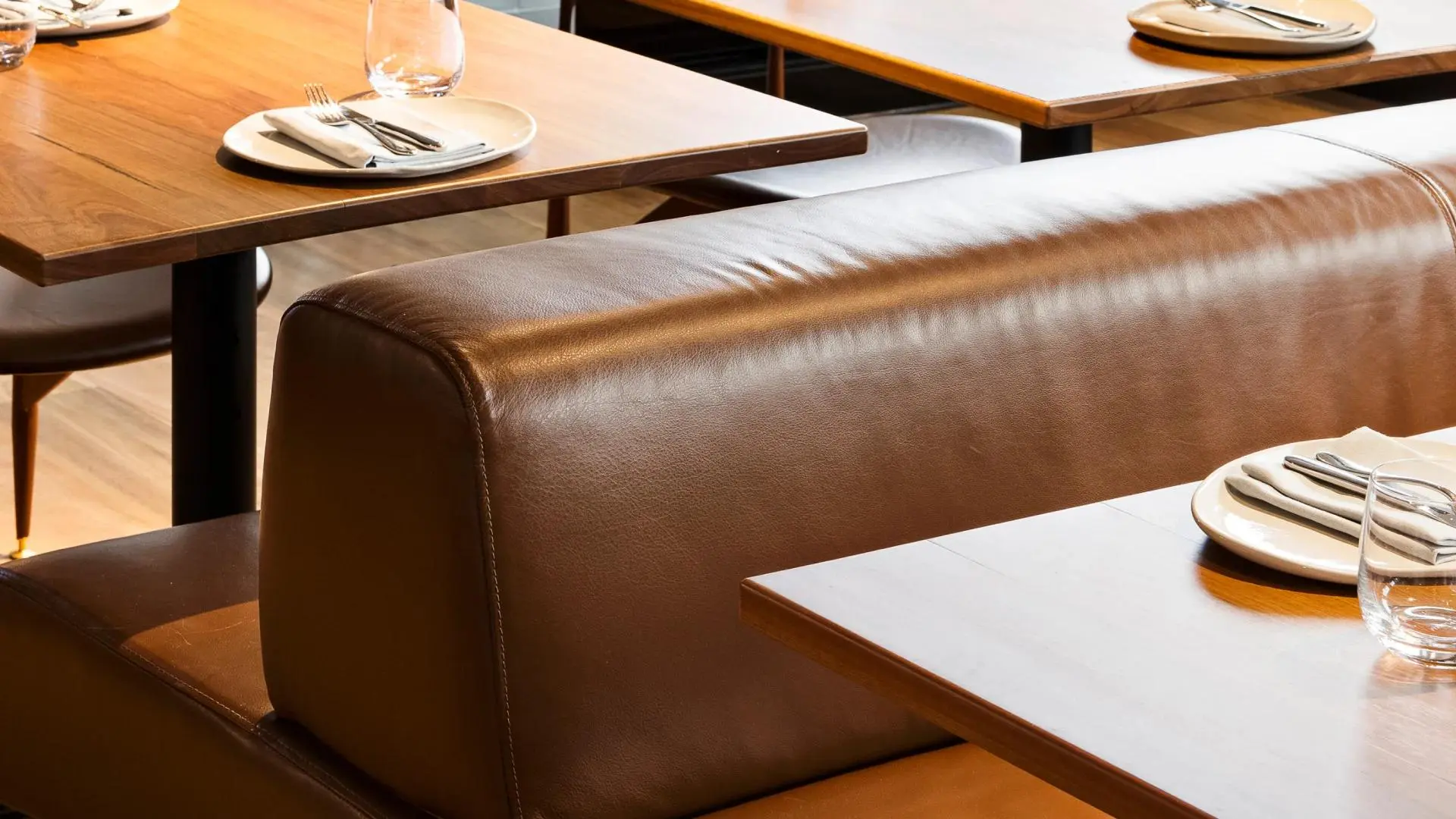
2.2 PVC Leather: Easy Maintenance and Cost Control
PVC leather is another common option for commercial booth seating. Its coated surface provides good resistance to everyday moisture and makes routine cleaning convenient.
Compared with some textile upholstery, PVC leather is less likely to absorb liquid spills immediately, making it a practical option for busy dining environments.
It is also available in different colors, patterns, and surface textures. Buyers can select finishes that match restaurant branding and interior decoration.
One consideration is breathability. PVC leather may feel less breathable than fabric, particularly in warm environments. Material thickness and surface quality should also be evaluated before purchasing.
Idéal pour : High-traffic restaurants, food courts, casual dining chains, and commercial projects prioritizing easy maintenance.
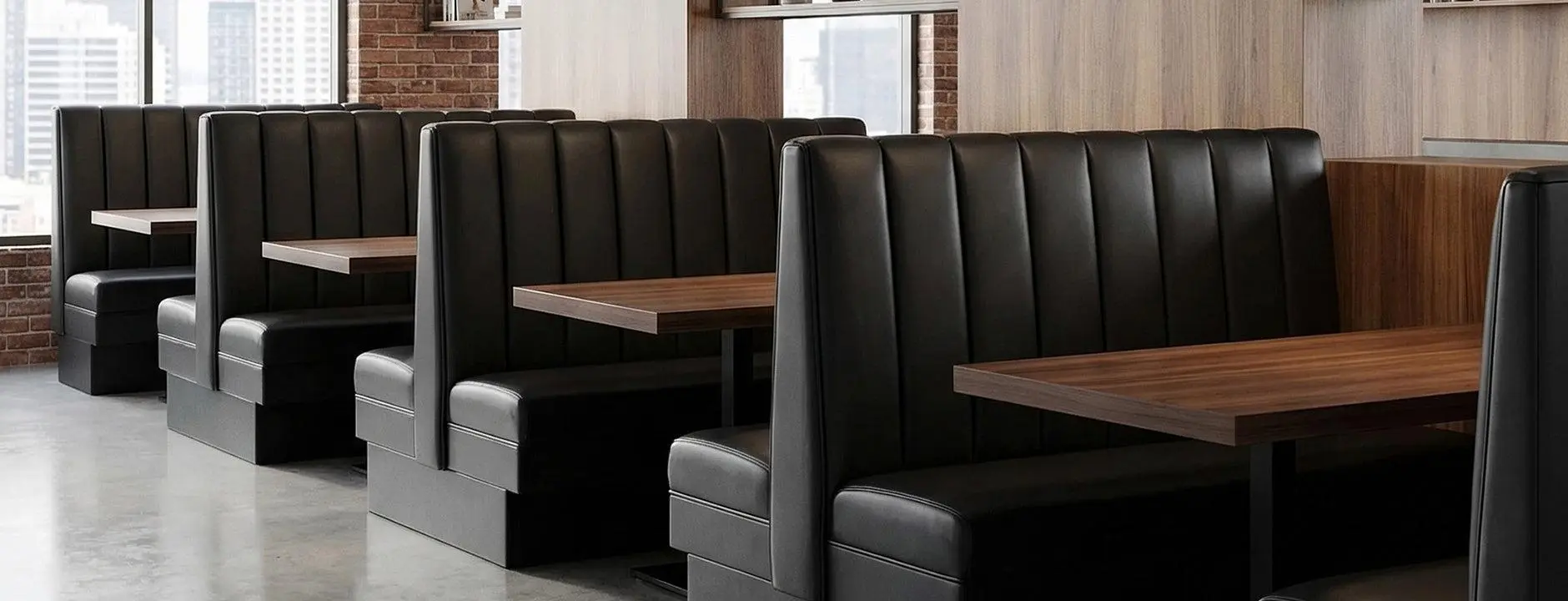
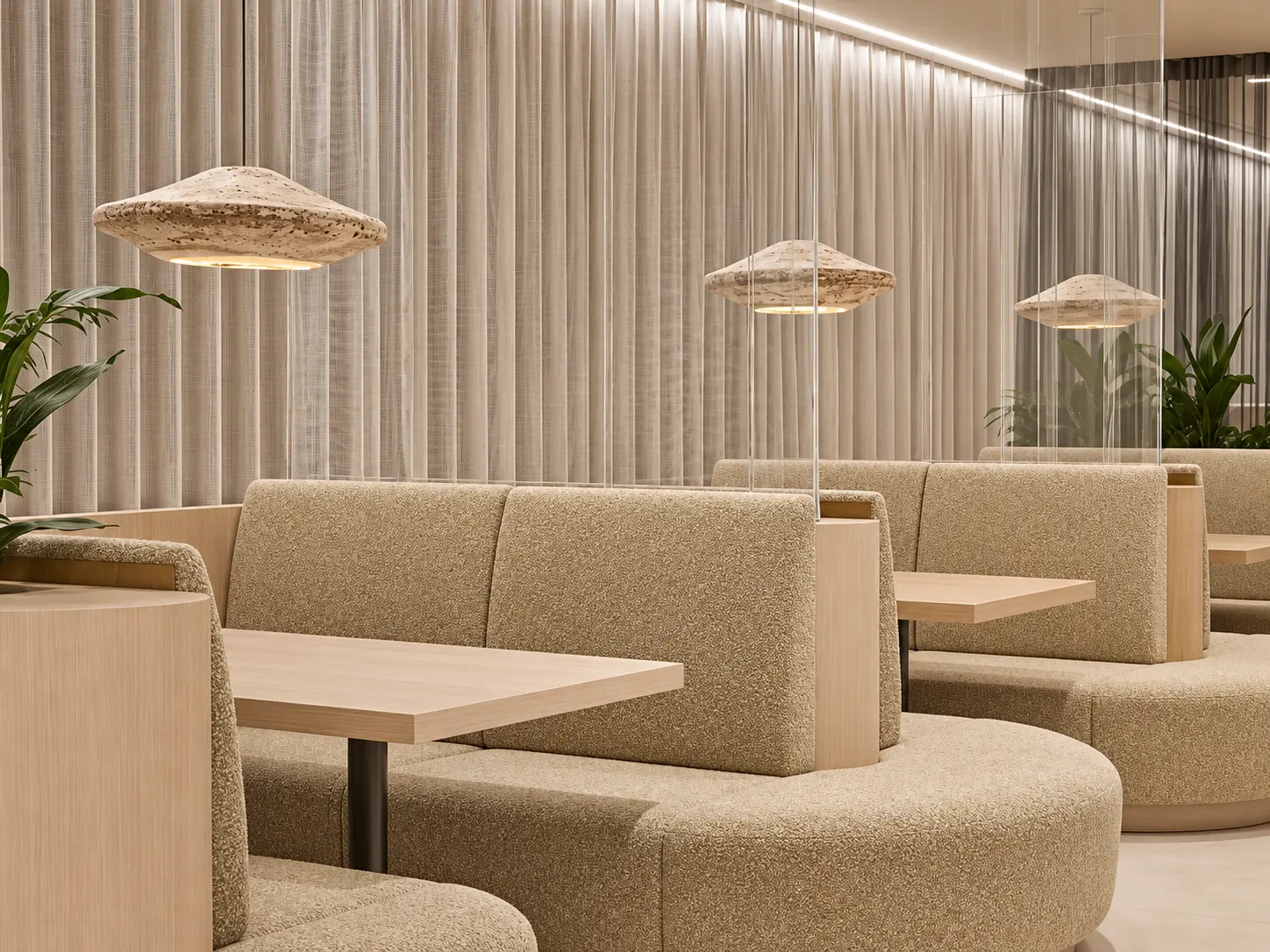
2.3 Fabric Upholstery: Comfort and Design Variety
Fabric upholstery offers a softer texture and a wider range of patterns, colors, and decorative styles. It is suitable for restaurants that want a warm, inviting atmosphere or a more distinctive interior design.
Compared with smooth coated materials, fabric can provide a softer seating experience and a greater variety of textures.
However, ordinary fabric may absorb liquids and trap food particles more easily. For commercial use, buyers should consider tightly woven fabrics, stain-resistant treatments, and materials designed for frequent cleaning.
Idéal pour : Hotels, upscale restaurants, private dining rooms, and cafés where seating comfort and interior aesthetics are important.
2.4 Genuine Leather: A Premium Appearance
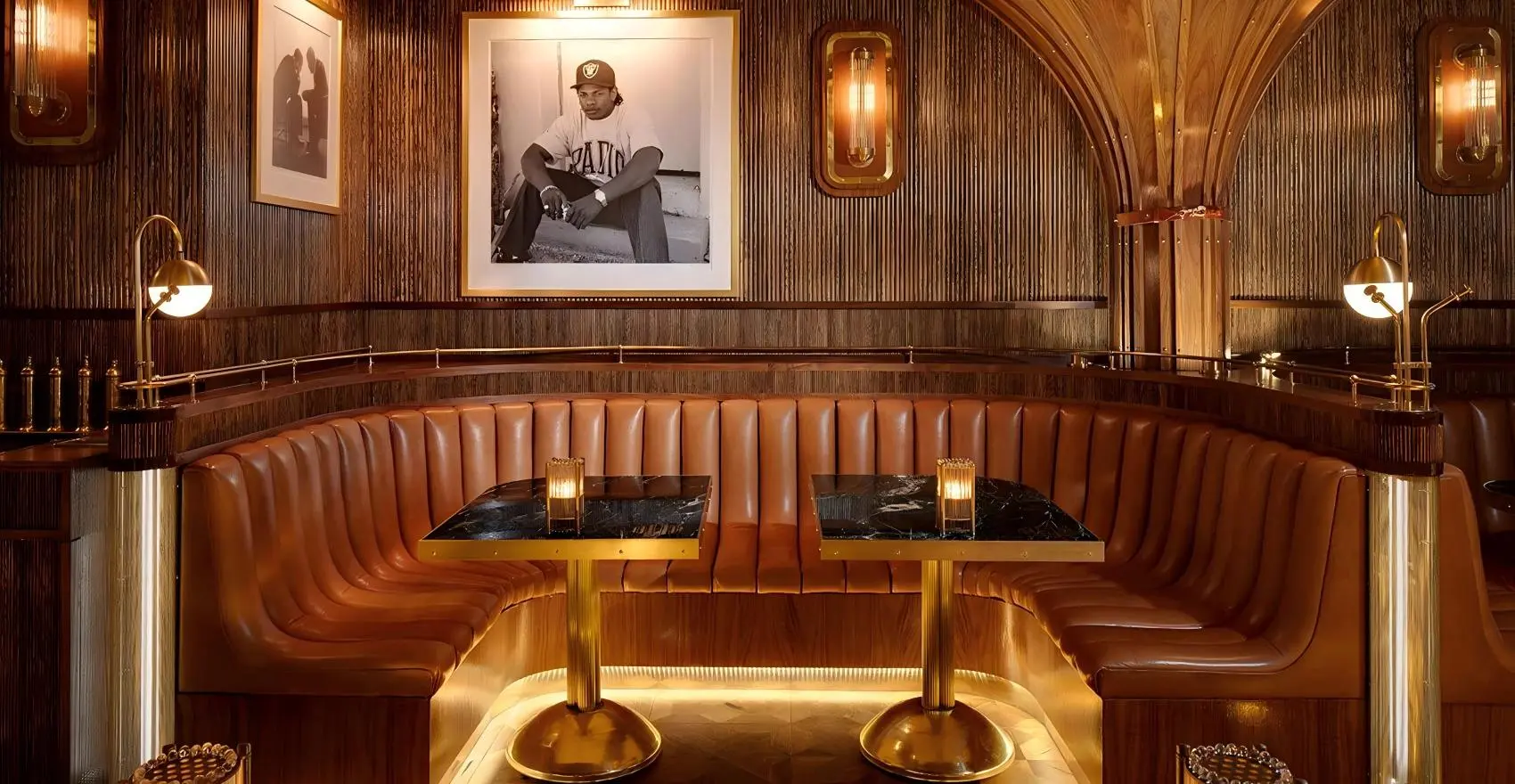
Genuine leather provides a natural texture and an upscale appearance. Its distinctive surface and premium feel make it suitable for luxury restaurants, hotel lounges, and high-end hospitality interiors.
With proper care, quality leather can develop an attractive appearance over time. However, it generally requires a higher purchasing budget and more specialized maintenance.
Buyers should also consider exposure to sunlight, cleaning products, and environmental conditions when selecting genuine leather for commercial seating.
Idéal pour : Luxury dining spaces, premium hotel restaurants, and hospitality projects with higher furniture budgets.
3. PU Leather vs. PVC Leather vs. Fabric: Which Is Better?
There is no single upholstery material that works best for every restaurant. The right choice depends on the dining environment, customer traffic, cleaning requirements, and overall design budget.
The following comparison provides a practical reference for commercial furniture buyers.
| Matériel | Main Advantages | Considerations | Suitable Applications |
|---|---|---|---|
| PU Leather | Smooth appearance, flexible colors, easy routine cleaning | Quality varies; may peel or crack over time | Cafés, casual restaurants |
| PVC Leather | Convenient cleaning, moisture-resistant surface, cost control | Less breathable; quality varies | Food courts, busy restaurants |
| Fabric | Soft texture, design variety, comfortable seating | May absorb spills and require more maintenance | Hotels, upscale dining |
| Genuine Leather | Premium appearance, natural texture | Higher cost and specialized care | Luxury restaurants, hotel lounges |
When evaluating upholstered restaurant booths, buyers should not compare materials based on price alone. Surface quality, abrasion resistance, coating performance, cleaning compatibility, and expected service conditions are equally important.
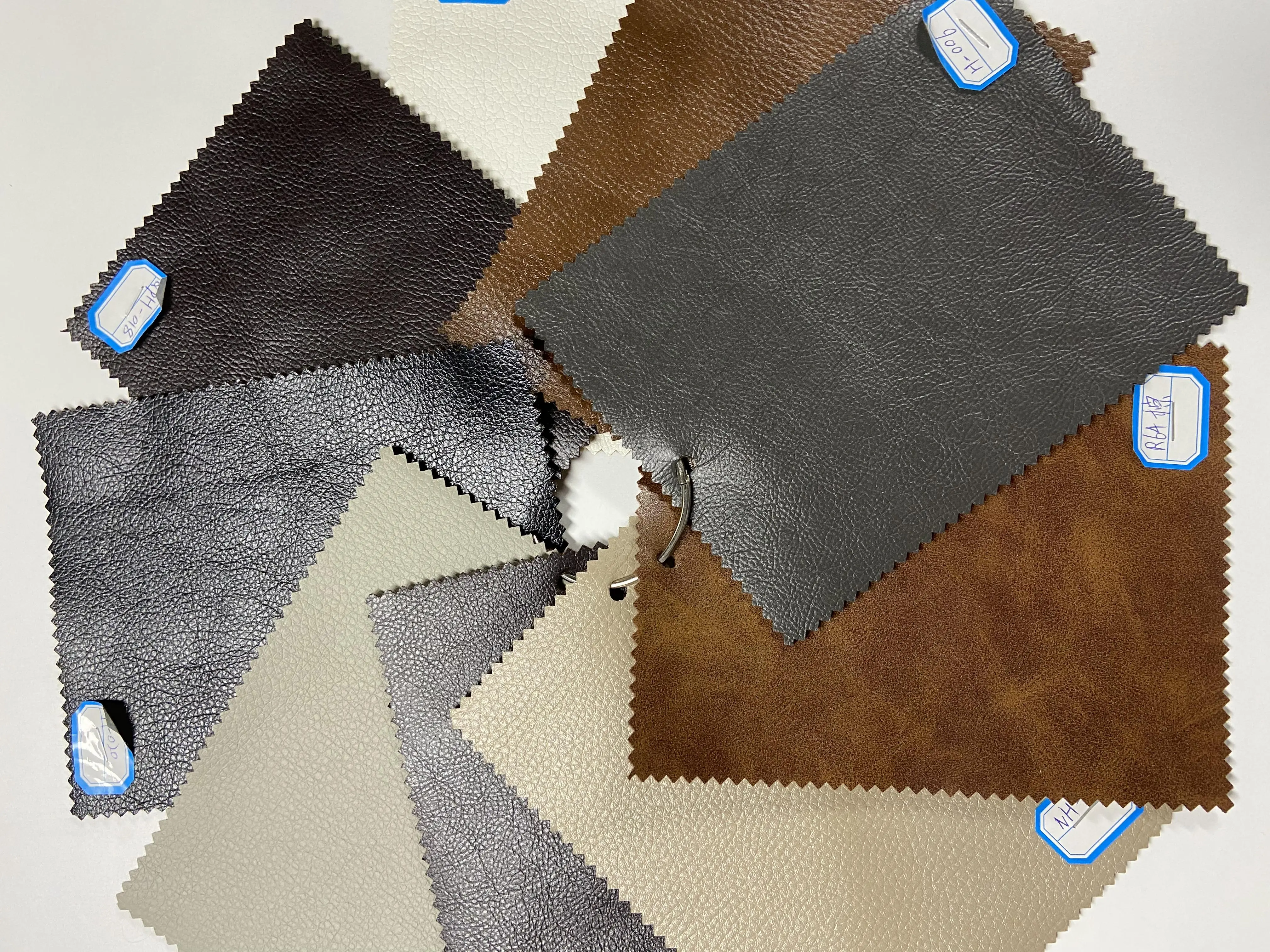
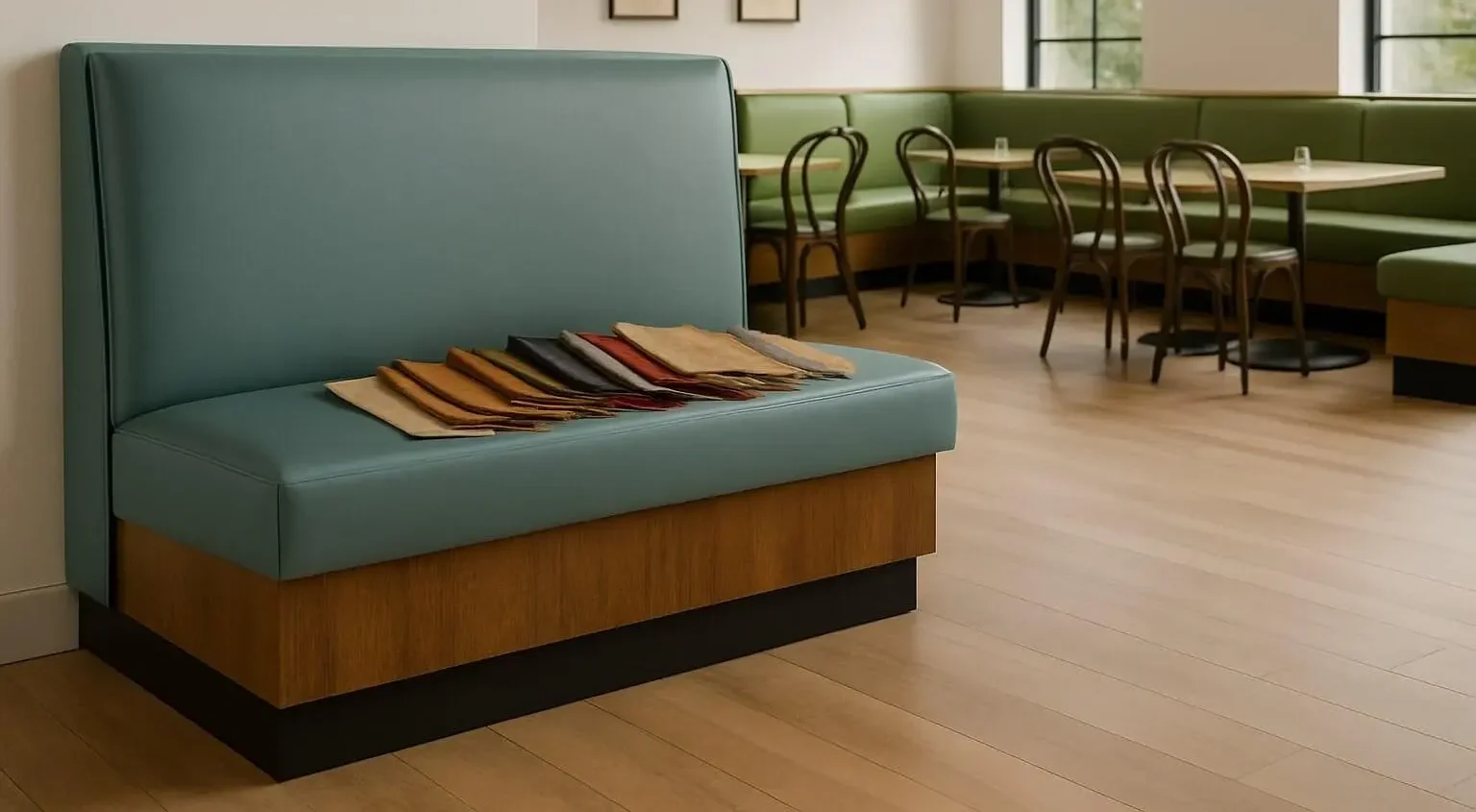
For wholesale restaurant furniture orders, requesting material samples before confirming bulk production is a practical way to evaluate texture, color, and overall quality.
4. Key Performance Factors to Check Before Choosing Upholstery
Beyond the material category, several performance factors determine whether upholstery is suitable for commercial restaurant seating.
Abrasion Resistance
Restaurant booths experience repeated friction from customers sitting down, standing up, and moving across the seating surface. Materials with suitable abrasion resistance are better equipped to handle frequent use.
Buyers can ask suppliers for abrasion test information, such as Martindale or Wyzenbeek results, where applicable. The appropriate performance target depends on the intended application and relevant testing standards.
Stain and Moisture Resistance
Food, coffee, sauces, and other liquids are common sources of upholstery stains. A surface that is easier to clean can help restaurant staff maintain seating appearance with less effort.
For fabric upholstery, ask whether stain-resistant treatments are available. For coated materials, check whether the surface can withstand the cleaning products used in daily operations.
Colorfastness
Restaurant furniture may be exposed to natural light, artificial lighting, and frequent cleaning. Poor colorfastness can lead to fading or uneven appearance over time.
Buyers should consider colorfastness when selecting dark, bright, or customized upholstery colors.
Cushioning and Foam Support
Upholstery performance also depends on the foam underneath the surface material. Foam density, thickness, and resilience affect seating comfort and the ability to maintain its shape.
For commercial applications, buyers should confirm foam specifications rather than evaluating seating quality based only on its external appearance.
5. How to Choose Upholstery for Different Restaurant Environments
Different dining environments have different furniture requirements. Matching upholstery materials to actual operating conditions can help buyers balance appearance, durability, and maintenance.
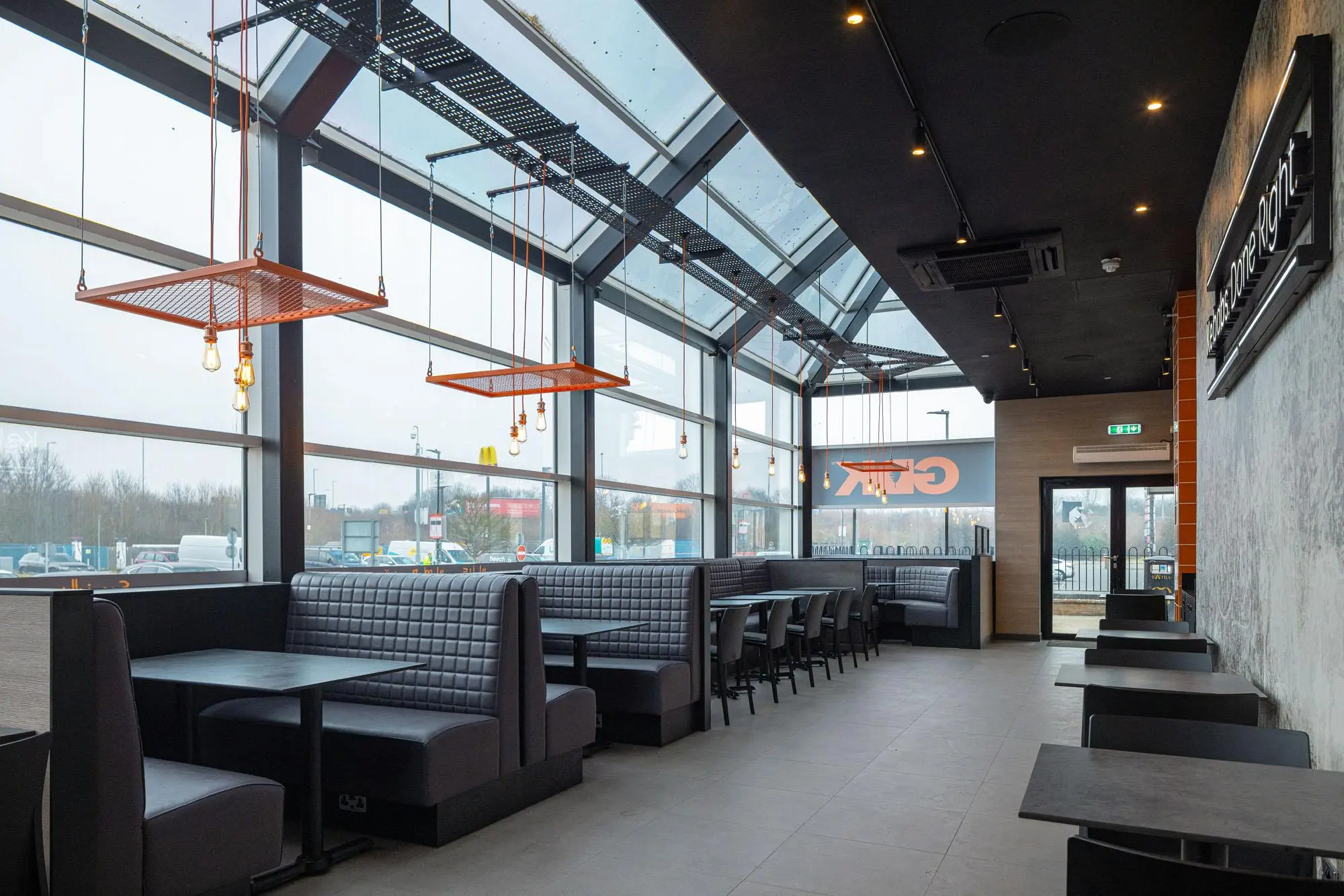
Fast-Casual Restaurants and Food Courts
These environments typically experience high customer turnover and frequent cleaning. PU leather and PVC leather are practical options because their smooth surfaces make routine maintenance easier.
Neutral colors and durable surface finishes can also help maintain a consistent appearance across multiple seating areas.
Cafés and Casual Dining Restaurants
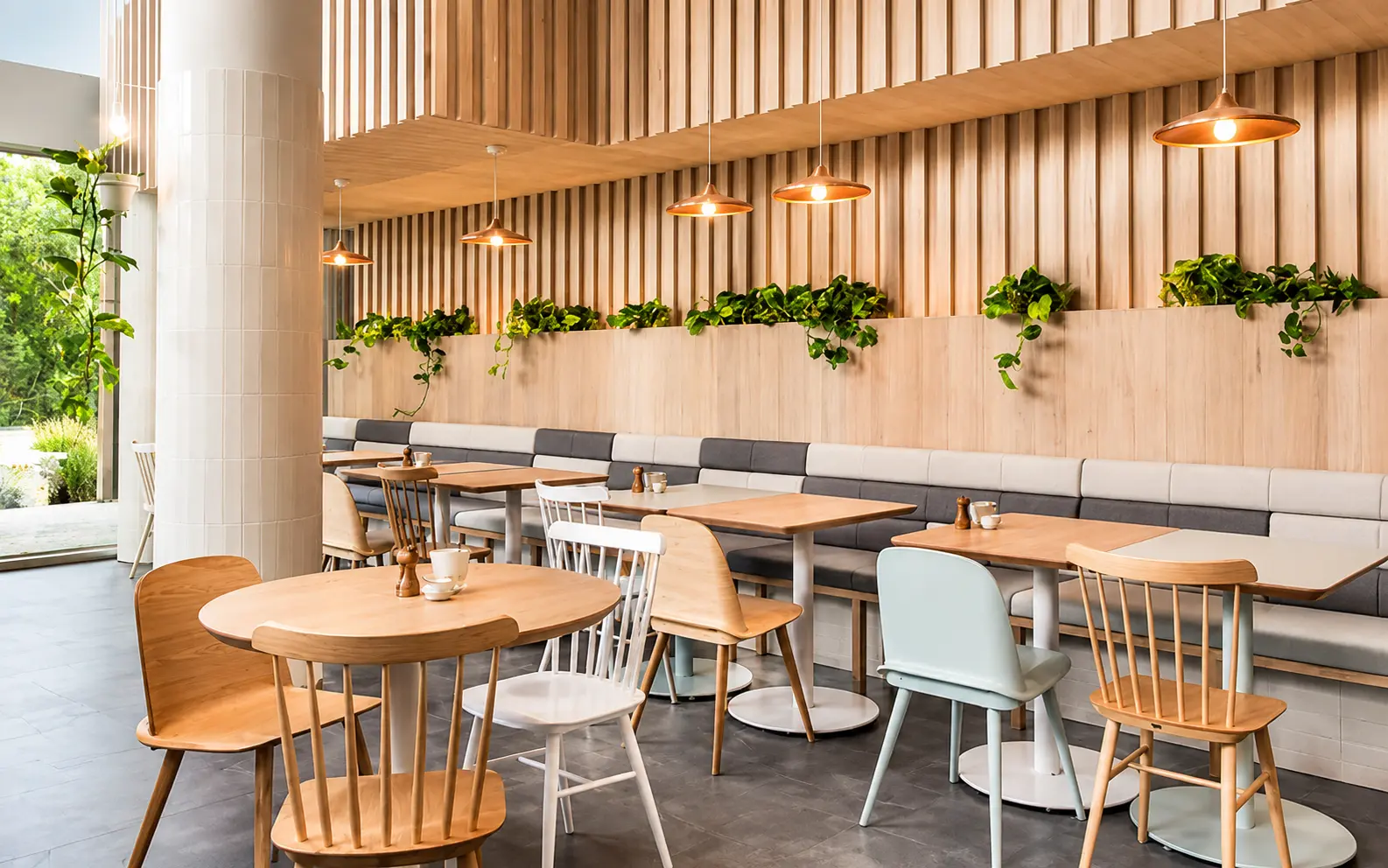
Cafés often prioritize both comfort and visual appeal. PU leather and selected fabric materials can work well depending on the interior style.
Warm colors, textured surfaces, and comfortable cushioning can help create a relaxed dining atmosphere.
Hotels and Upscale Restaurants
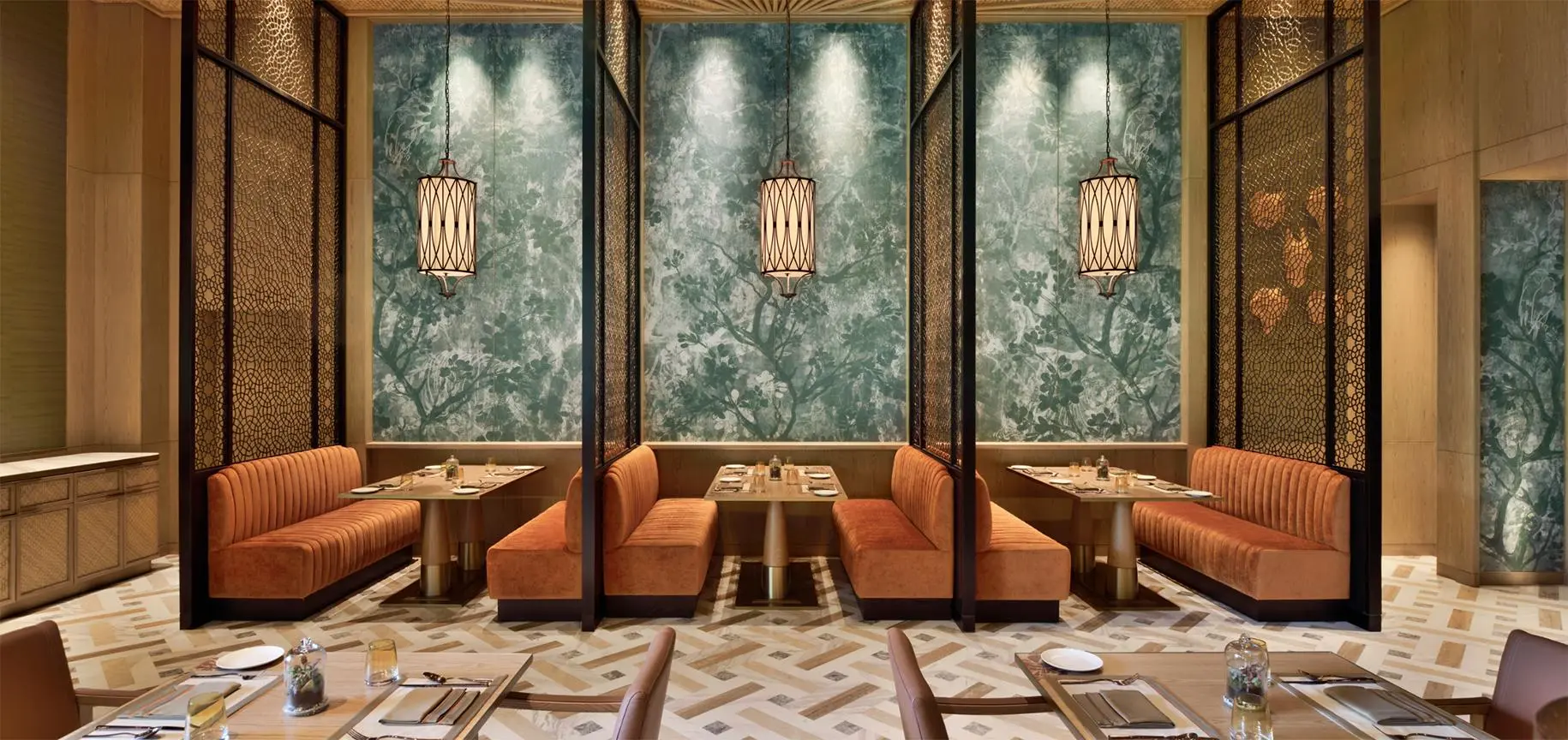
Hotels and premium dining spaces may require a more refined appearance. Fabric upholstery and genuine leather are common choices for projects where texture, comfort, and visual presentation are important.
Custom colors, decorative stitching, and coordinated table finishes can further enhance the overall furniture design.
Family Restaurants
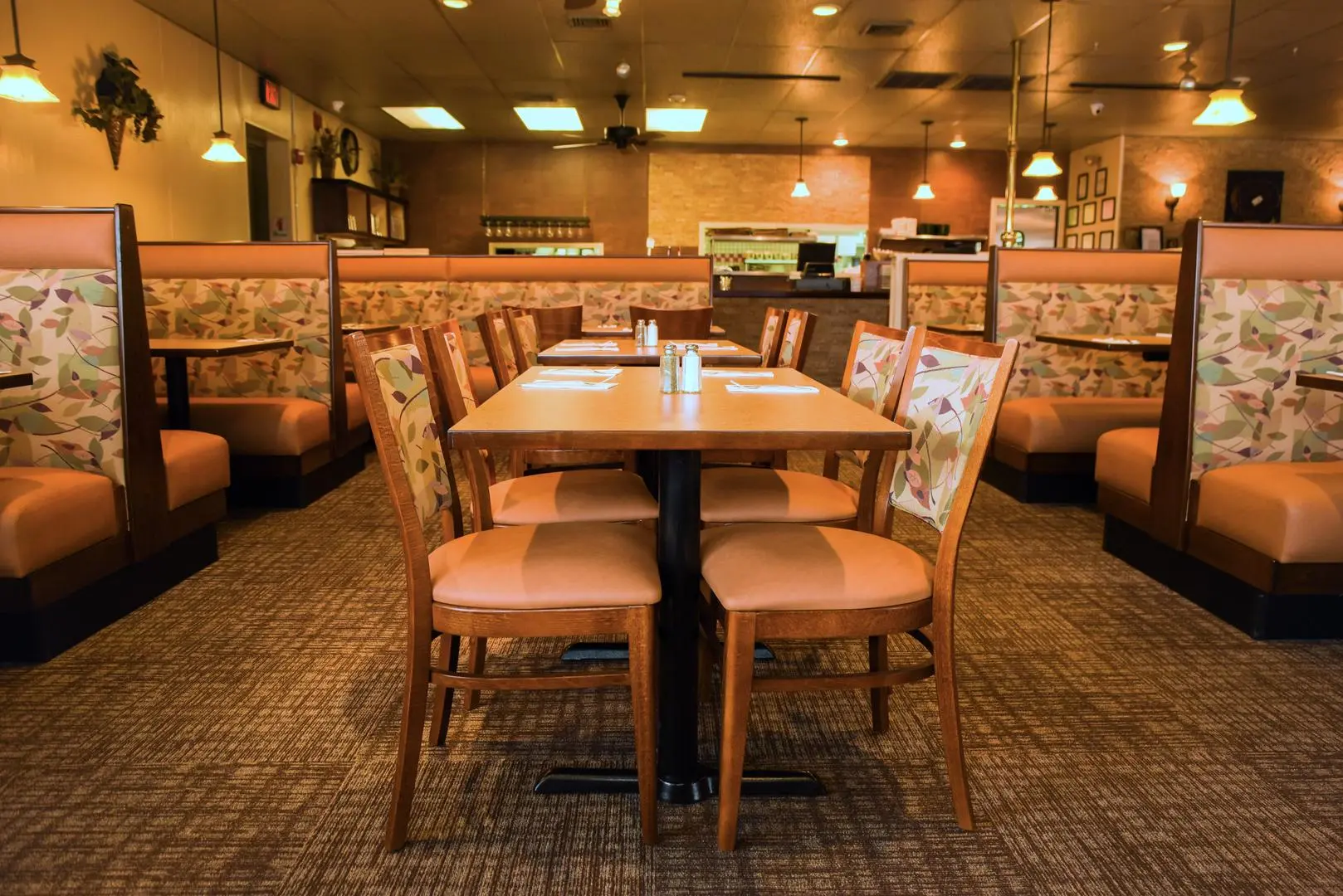
Family-oriented restaurants should consider materials that are easy to maintain and suitable for frequent cleaning. Coated upholstery materials are often practical choices, particularly in areas where spills are more likely.
6. Customization Options for Upholstered Restaurant Booths
For restaurant furniture projects, upholstery selection is often part of a broader customization process. Buyers may need specific dimensions, colors, seating configurations, and finishes to match their floor plans and brand identity.
Working with an experienced restaurant booth manufacturer can make it easier to coordinate these requirements.
Common customization options include:
- Upholstery Material: Choose from PU leather, PVC leather, fabric, and other available upholstery options according to project requirements.
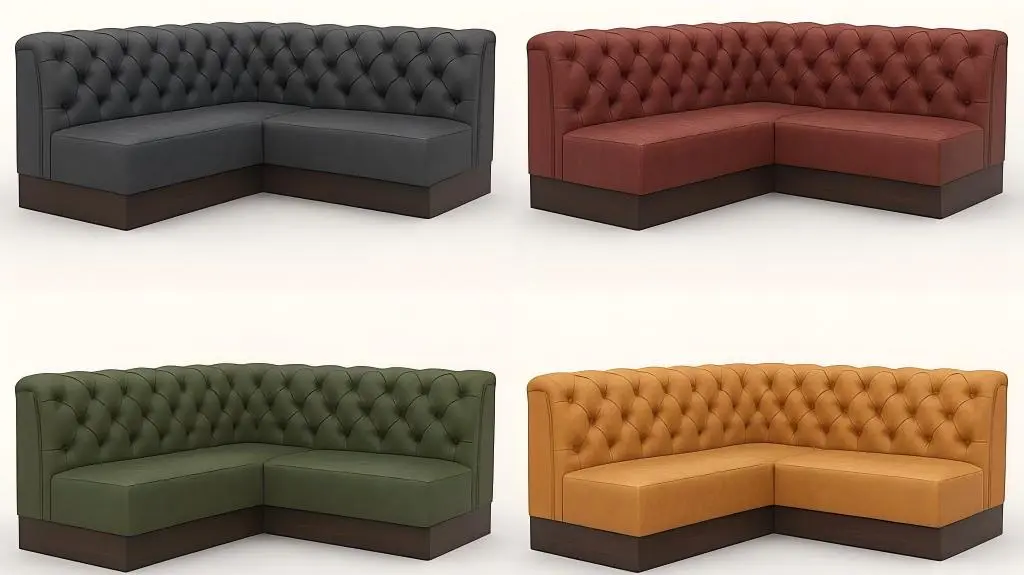
- Custom Colors: Match booth upholstery to restaurant branding, wall finishes, flooring, and interior themes.
- Booth Dimensions: Customize seat height, backrest height, depth, and overall length to suit different dining layouts.
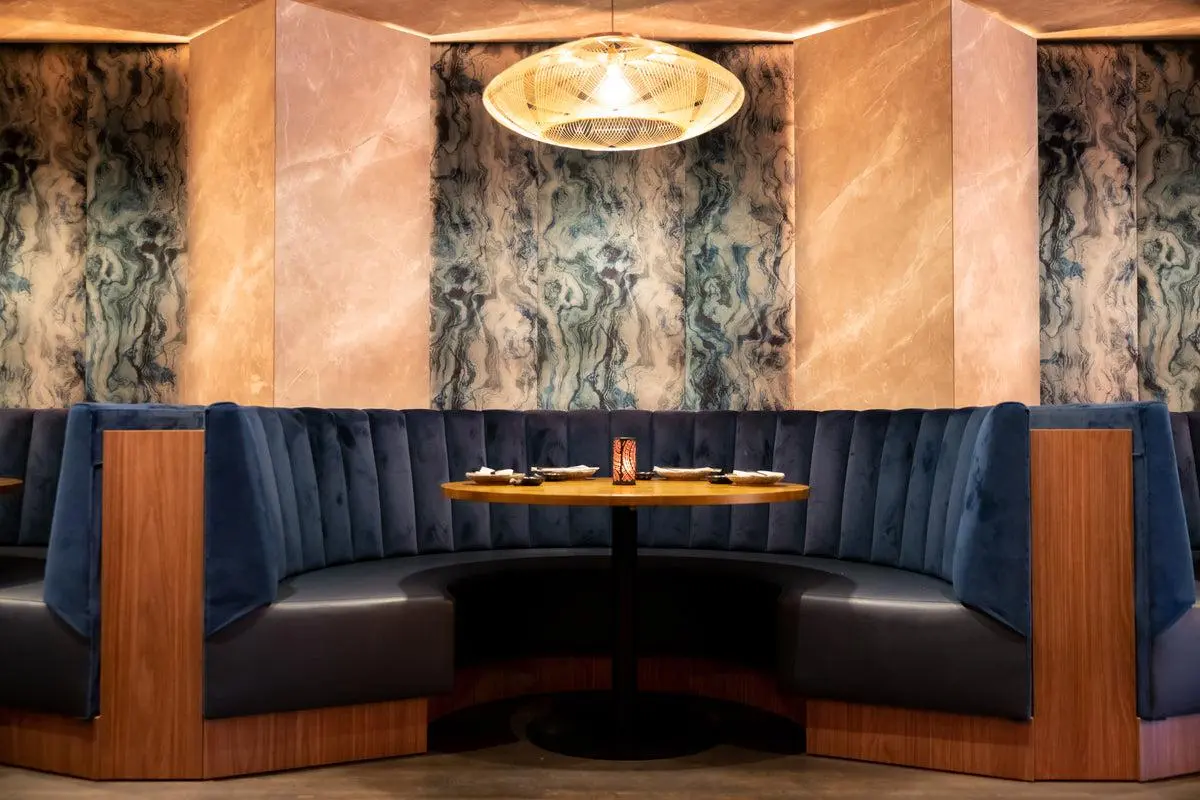
- Seating Configurations: Choose single-sided, double-sided, straight, L-shaped, or curved booth designs.
- Foam and Cushioning: Adjust foam specifications and cushioning thickness to meet comfort and usage requirements.
- Decorative Details: Customize stitching, button tufting, backrest patterns, and other visual elements.
For buyers ordering vente en gros de tables et chaises de restaurant, coordinating booth upholstery with table materials, chair finishes, and overall furniture dimensions helps create a more consistent commercial dining environment.
7. What to Ask a Restaurant Booth Manufacturer Before Ordering
Choosing the right supplier is just as important as choosing the upholstery material. A reliable restaurant booth manufacturer should be able to explain material options, confirm customization details, and maintain consistent production quality.
Before placing an order, commercial buyers should clarify the following questions:
1. What upholstery materials are available?
Ask whether the manufacturer offers PU leather, PVC leather, fabric, and other options. Request samples to compare surface texture, thickness, and color.
2. Can you provide material specifications?
Confirm relevant details such as abrasion resistance, colorfastness, cleaning requirements, and applicable test reports.
3. Can booth dimensions and configurations be customized?
Discuss your floor plan, seating capacity, and required booth shapes before production.
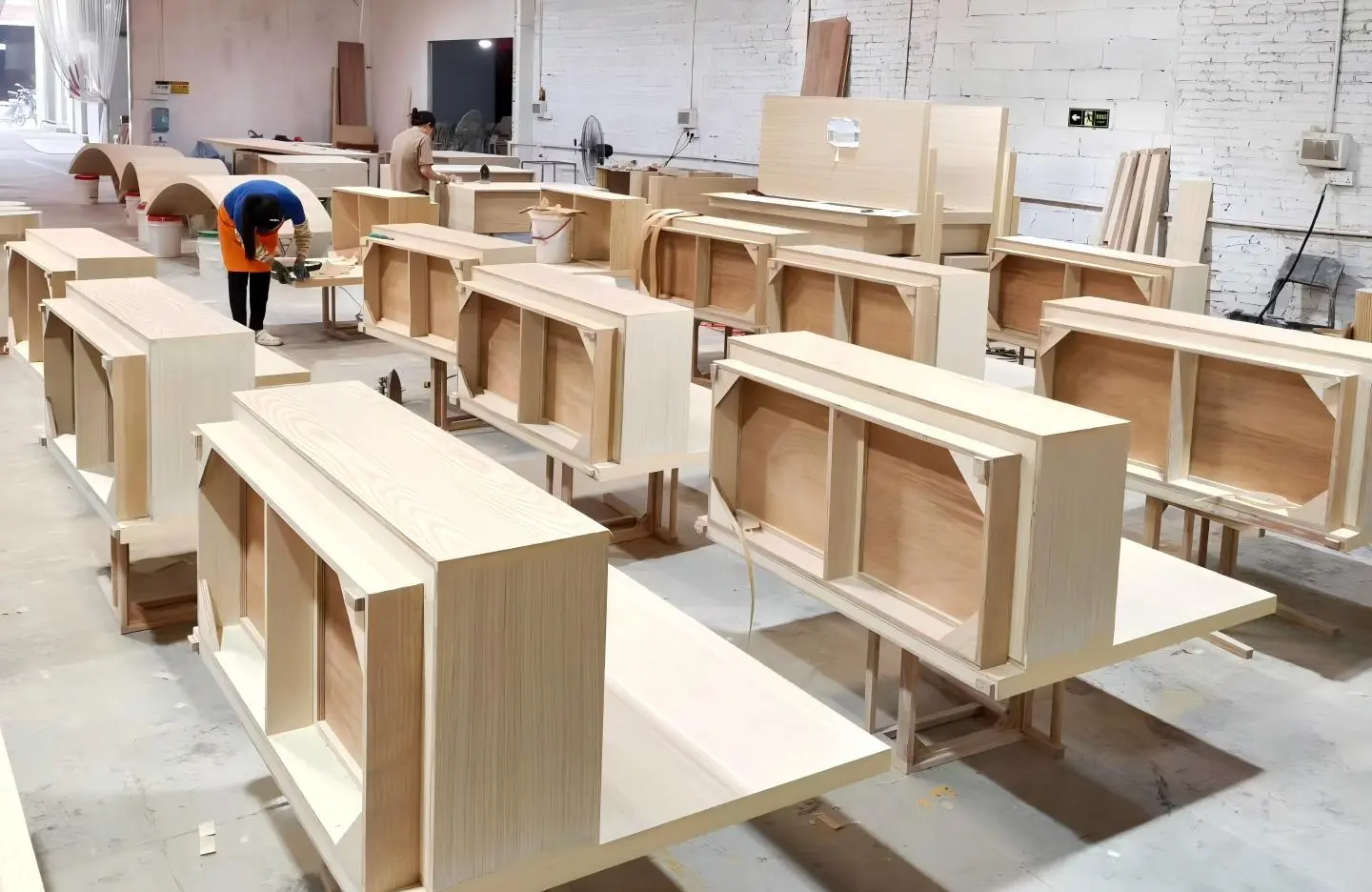
4. How do you control upholstery quality during production?
Ask how the supplier checks material consistency, stitching, surface defects, and finished seating quality.
5. Can booth seating be matched with restaurant tables and chairs?
For complete restaurant projects, coordinated furniture supply can simplify product selection and ensure a consistent design throughout the dining space.
6. What are your MOQ and production lead time?
Confirm minimum order quantities, sample availability, production schedules, packaging, and shipping arrangements before confirming the order.
A manufacturer with practical customization capabilities and clear production processes can help buyers reduce sourcing uncertainty and manage commercial furniture projects more efficiently.
8. Source Custom Upholstered Restaurant Booths from Youmu Shiguang
Selecting the right upholstery material is an important step in creating durable, comfortable, and visually appealing restaurant seating. From easy-to-clean coated materials to decorative fabric upholstery, the best choice depends on your restaurant concept, daily operating conditions, and project budget.
Youmu Shiguang is a restaurant furniture manufacturer specializing in restaurant tables, chairs, and upholstered booth seating for commercial dining spaces. We support furniture customization for restaurants, cafés, hotels, and furniture distributors.
Our services include:
- Custom Booth Designs: Different seating configurations, dimensions, colors, and upholstery options.
- Coordinated Furniture Solutions: Matching restaurant booths with tables and chairs for complete dining spaces.
- CAD Layout Support: Furniture layout planning to help buyers optimize seating arrangements and space utilization.
- Flexible Customization: Custom furniture solutions based on project requirements and design preferences.
- End-to-End Project Support: Assistance from product selection and customization to production and delivery.
Whether you are sourcing individual upholstered restaurant booths or planning a complete commercial dining furniture project, Youmu Shiguang can help you develop furniture solutions that match your functional and design requirements.
Contact Youmu Shiguang to discuss your restaurant booth materials, customization requirements, and wholesale restaurant furniture needs.