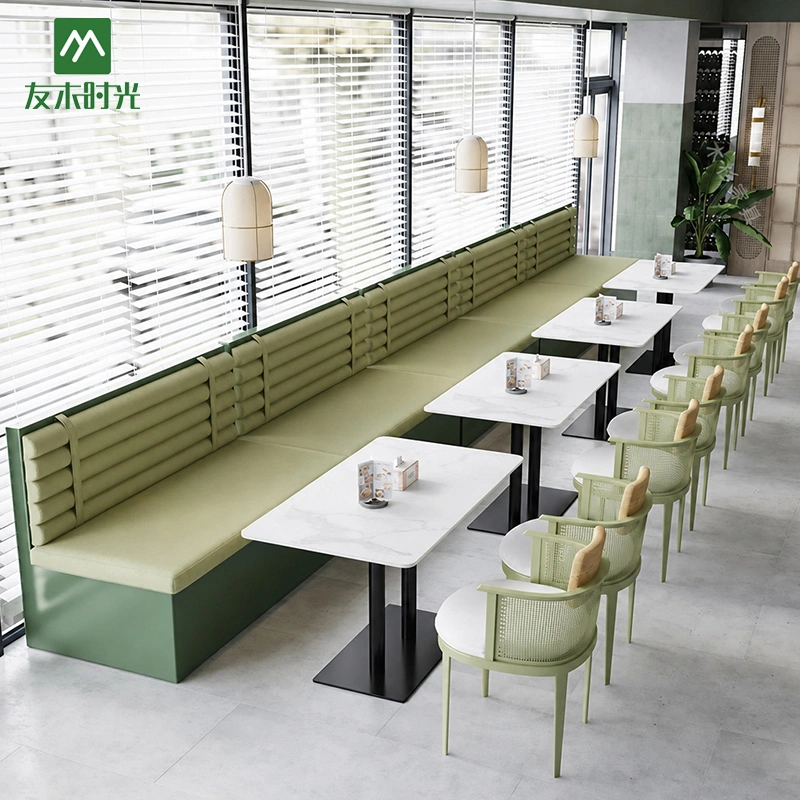
When a hot pot restaurant increases its table turnover rate by 40% through changing its table and chair layout, and when a chain brand frequently goes viral on social media due to its “one store, one theme” concept, the key to success in the competitive restaurant industry has quietly shifted from the kitchen to the front of the house. The restaurant furniture trend is changing.
Space is no longer just a static backdrop for dining, but the primary stage for brand-consumer interaction and a crucial variable driving growth. From our insight as a principal fabricant de mobilier commercial, in 2026, this evolution of space will revolve around the dual axes of “experiential depth” and “operational efficiency.” Is your store design, especially the furniture that forms the spatial framework, ready?
Here, Meubles Youmu Shiguang brings five core restaurant furniture trends and corresponding furniture selection solutions for you.
Trend 1: Emotional Value Reigns Supreme, Space Becomes an “Emotional Supply Station”
Trend Interpretation: Consumers no longer eat merely to satisfy hunger; “food” has become a vehicle for seeking emotions, companionship, and experiences. The corresponding restaurant furniture trends manifest in two seemingly opposite, yet fundamentally similar styles:
- Extreme Immersion and Atmosphere Creation: Creating a “dreamlike” escape from everyday life through light and shadow technology and narrative storytelling. For example, using LED walls to dynamically display flower fields or starry skies allows customers to feel fully immersed.
- Anti-refined “Grungy Chic” and Urban Vibe: Deliberately aged concrete walls, vintage objects, and handwritten slogans create a nostalgic atmosphere and relaxed social environment with a “simple” appearance, directly appealing to young people’s pursuit of individuality and authenticity.
Core Furniture Selection Solution: Atmospheric Props and Comfort Anchors
- Materials: Be bold in your choices. When paired with light and shadow technology, choose matte, dark, or finely textured furniture (such as frosted metal or dark solid wood) to avoid reflections that disrupt the immersive experience; in the “grungy chic” style, use aged solid wood, vintage leather, and metal rivets to reinforce the rough and authentic narrative.
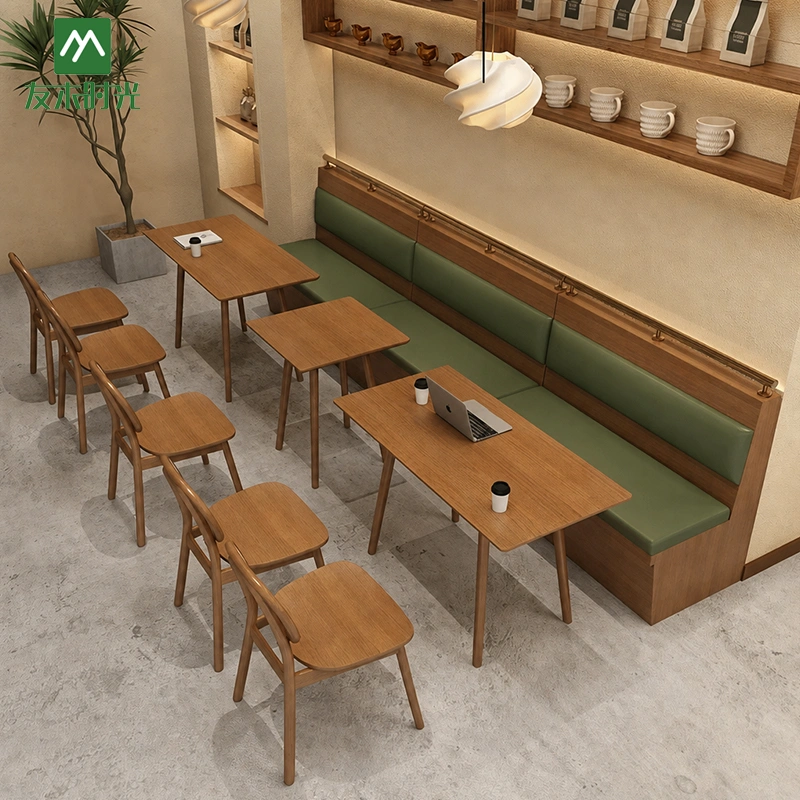
- Design: For immersive spaces, choose furniture with simple shapes and clean lines to ensure the visual focus remains on the environmental narrative; for the urban vibe, incorporate elements such as long benches and custom-designed booths to create a more down-to-earth atmosphere. •
- Comfort: The more you pursue a “relaxed feeling,” the more the seating needs to provide just the right amount of support and comfort, encouraging customers to stay longer, socialize, and translate emotional value into longer spending time.
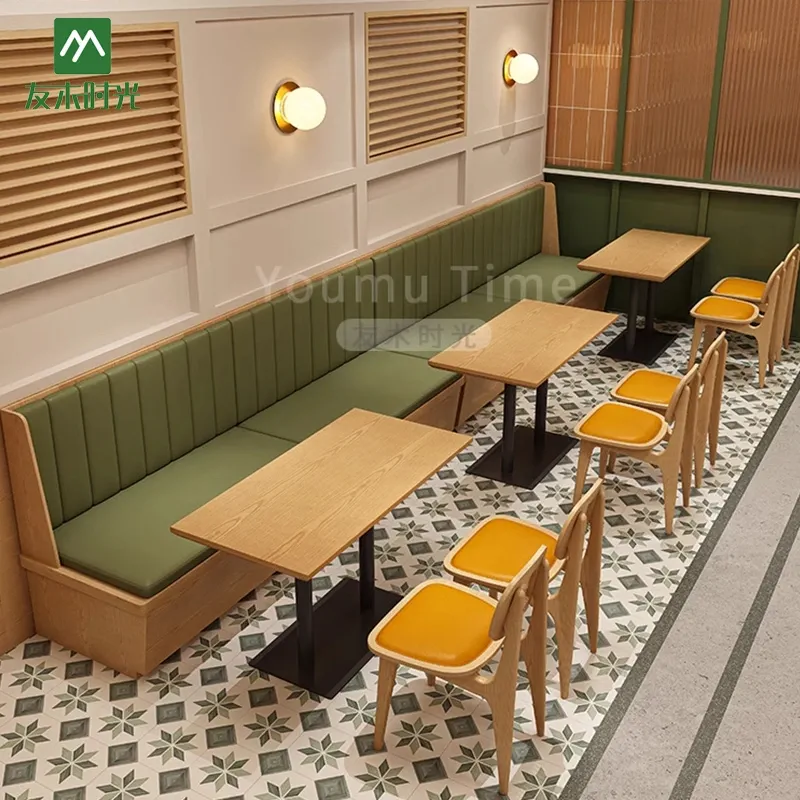
Trend Two: Rapid Scene Iteration, “One Store, One Scene” and Themed Transformations Become the Norm
Trend Interpretation: Standardized decoration is giving way to “high-frequency updates” in experience. Whether it’s Wailaida’s eight theme iterations from industrial style and cyberpunk to a super circus, or chain brands incorporating local cultural elements in different cities for “localization,” the goal of this restaurant furniture trend is to create continuous novelty and satisfy consumers’, especially young people’s, desire for “checking in” and social sharing.
Core Furniture Selection Solution: Modular Systems and Variable Skins
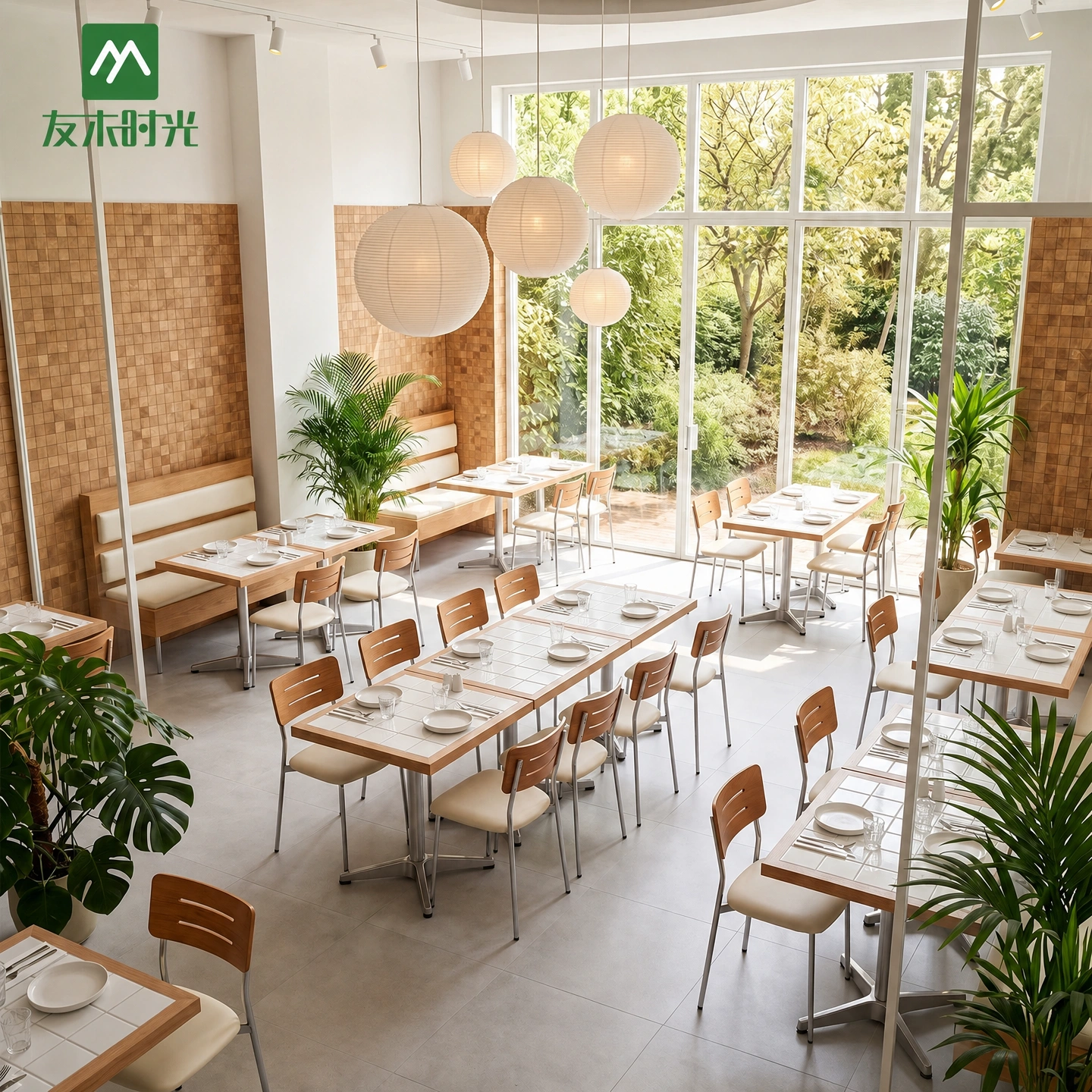
- Flexibility: Invest in modular sofas, connectable dining tables, and easily movable chairs and stools. This allows for quick adaptation to holiday themes or seasonal updates through simple rearrangement, significantly reducing renovation costs.
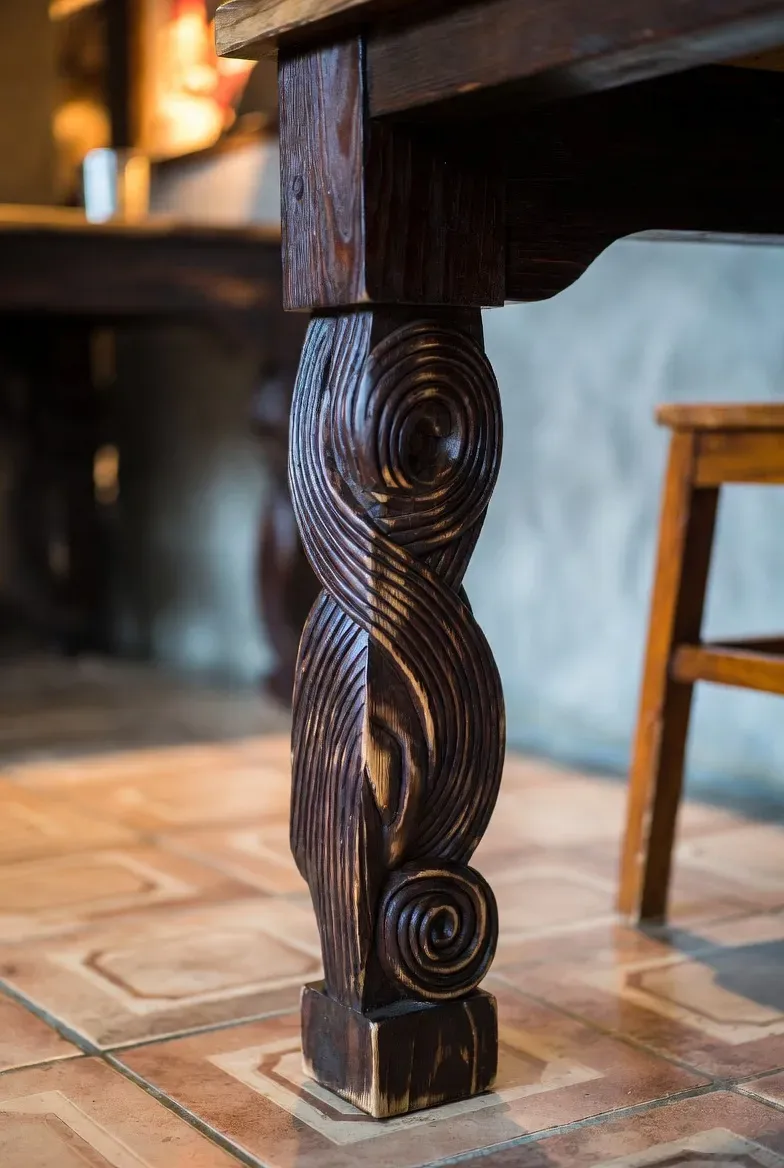
- Cultural Expression: Prepare customizable furniture elements for “localized” design. For example, customize chair backs with Jiangnan window patterns for a restaurant in Wuxi, or match a noodle restaurant in Xi’an with table leg decorations resembling antique noodle shapes.
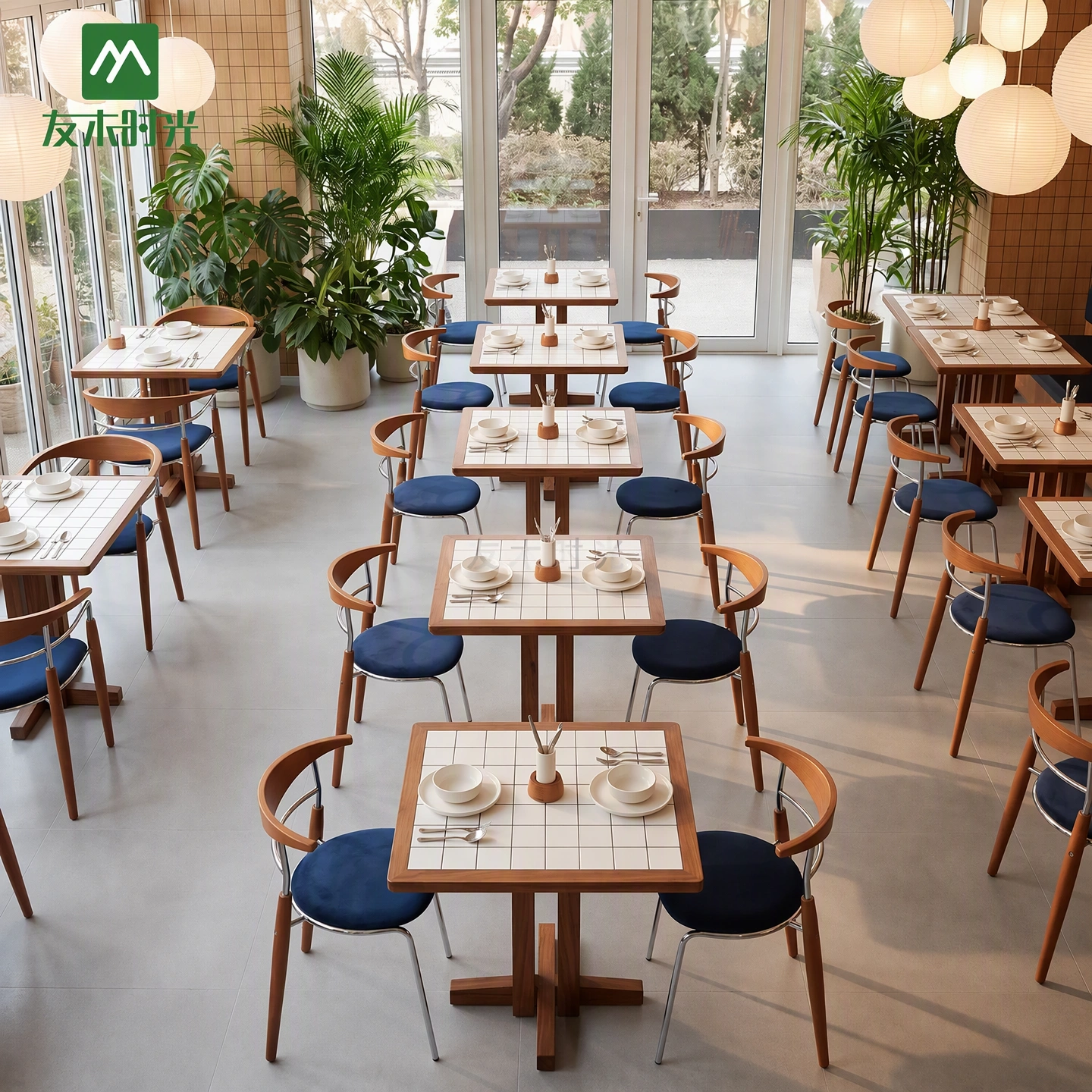
- Lightweight Transformation: Develop easily replaceable “furniture skins,” such as interchangeable chair covers and tabletop panels in various colors and materials. By following this restaurant furniture trend, owners can achieve a dramatic visual transformation at a low cost by simply replacing these components.
Trend Three: Diversified Social Modes, Space Requires Flexibility and Integration
Trend Interpretation: Dining purposes are becoming increasingly diverse, from solo dining for relaxation and intimate dates for two to lively gatherings for multiple people. The space must be flexible enough to adapt to different social scenarios.
Core Furniture Selection Solution: Transformers and Boundary Magic
- Versatile Combinations: Provide foldable, retractable, and connectable dining tables, as well as freely combinable booth units. This allows staff to quickly combine small tables into large ones during peak hours or flexibly divide large spaces during off-peak hours.
- Functional Integration: Design dining tables and sofa armrests with charging ports and small storage compartments to meet both work and leisure needs; use height-adjustable bar stools and dining tables to accommodate various postures, such as standing for conversation and sitting for meals.
- Separation without Disruption: Utilize screens with openwork patterns, movable plant stands, or low bookcases as soft partitions to divide areas. This restaurant furniture trend tells owners to ensure privacy without compromising the overall sense of openness in the space.
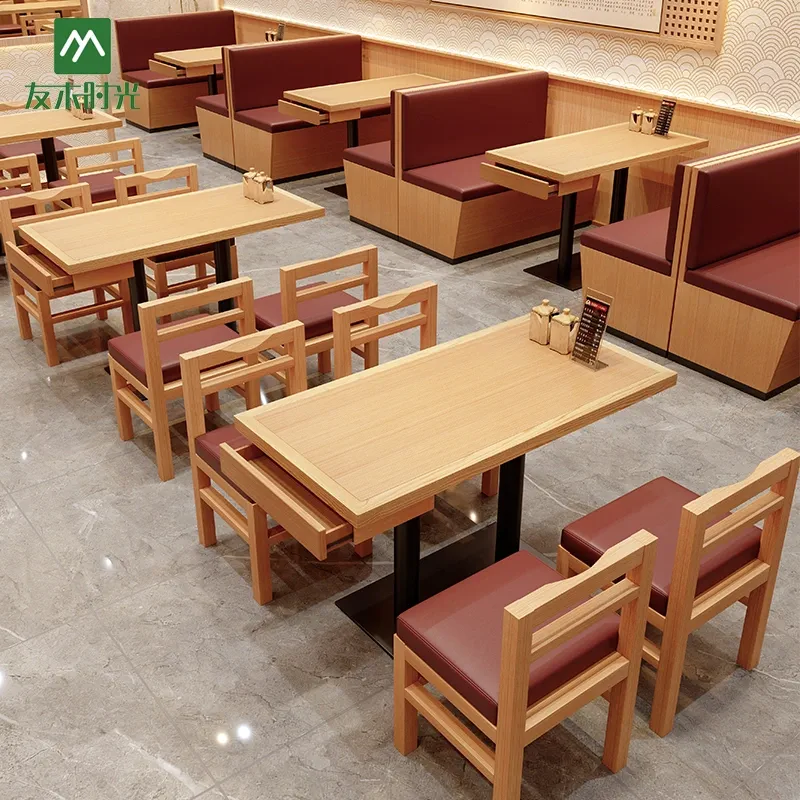
Trend Four: Efficiency and Experience Go Hand in Hand, Technology Empowers Self-Service and Interaction
Trend Interpretation: To cope with rising labor costs and improve efficiency, self-service and intelligent services have become crucial. From “dining on rails” (conveyor belt sushi/hot pot) optimizing movement and manpower, to “alcohol exchanges” using smart wine walls and gamified interaction to attract customers, technology is deeply integrated into the experience. In this restaurant furniture trend, we need to integrate them with technology and convenience.
Core Furniture Selection Answer: Smart Carriers and Movement Engines
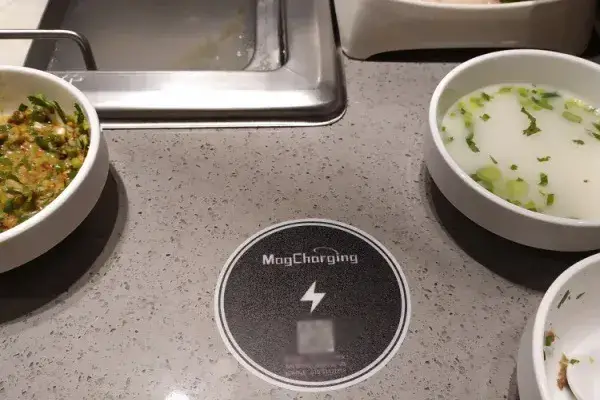
- Integrated Technology: Develop dining tables that can be embedded with wireless charging modules, ordering screens, or call buttons. Design dedicated, ergonomically sound bar counters and seating for self-service wine walls and conveyor belts.
- Optimized Movement: Design specially shaped dining tables that conform to the curved conveyor belts of revolving restaurants. Design dining table layouts for buffet areas that guide traffic and facilitate food retrieval.
- Durable and Easy to Maintain: High-frequency intelligent interactive furniture must use durable, stain-resistant, and easy-to-clean materials, and ensure that the wiring layout is safe, concealed, and easy to maintain.
Trend Five: Sustainability and Health, a Necessary Choice from Concept to Touch
Trend Interpretation: Environmental protection and health are no longer marketing gimmicks, but rather basic expectations of consumers, especially the younger generation. This restaurant furniture trend is reflected in the preference for environmentally friendly materials and higher demands on the sensory health of the space (such as air, light, and noise). The practice of integrating wellness concepts throughout the entire process in hotel design trends is worth learning from.
Core Furniture Selection Answer: Visible Green and Invisible Comfort
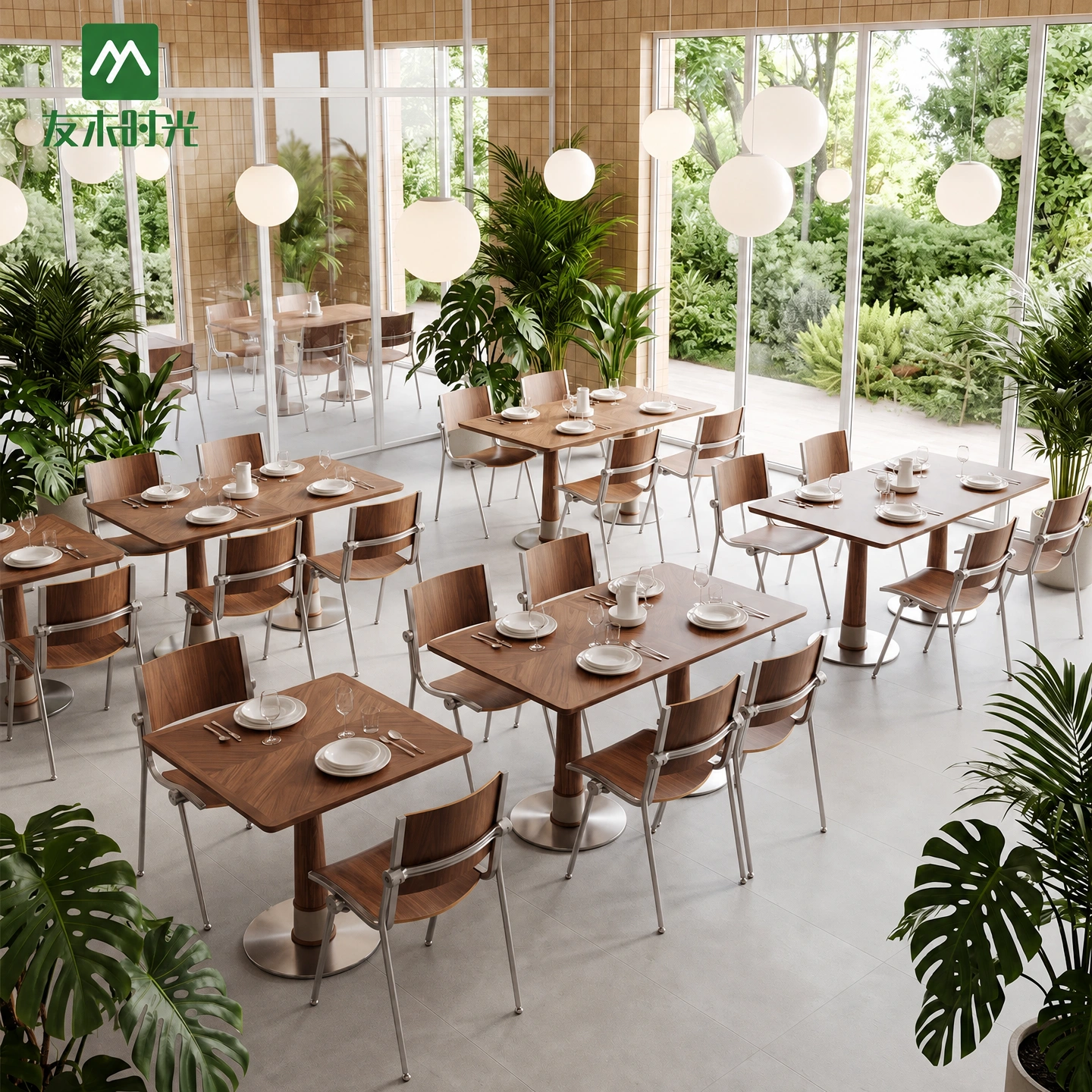
- Material Transparency: Prioritize the use of FSC-certified wood, recycled materials, and water-based paints, and proactively provide environmental certifications. Natural rattan and linen materials will also become more popular.
- Humanized Design: In this restaurant furniture trend, you might focus on ergonomic support for the seats, ensuring comfort even during prolonged sitting; utilize sound-absorbing and noise-reducing materials for soft furnishings to minimize indoor noise; and ensure all edges and corners are rounded and smooth to eliminate safety hazards.
- Easy to Clean: Offers fabric options with antibacterial and stain-resistant coatings, ensuring that health and hygiene are prioritized while also meeting the practical needs of high-intensity cleaning in restaurants.

Conclusion
At the industry forefront in 2026, it is evident that every successful brand relies on a precise grasp of the restaurant furniture trend. Furniture is no longer a mere supporting element; it has become an emotional bridge connecting brands with consumers and a precision component for optimizing operational efficiency.
From immersive designs that evoke emotional resonance to modular systems built for market agility, Youmu Shiguang aligns closely with the international restaurant furniture trend. We seamlessly integrate ‘experiential depth’ with ‘operational efficiency.’ In a hyper-competitive dining landscape, only through scientific furniture selection can a space radiate vitality and interactivity, ensuring a leading edge in an ever-evolving market.