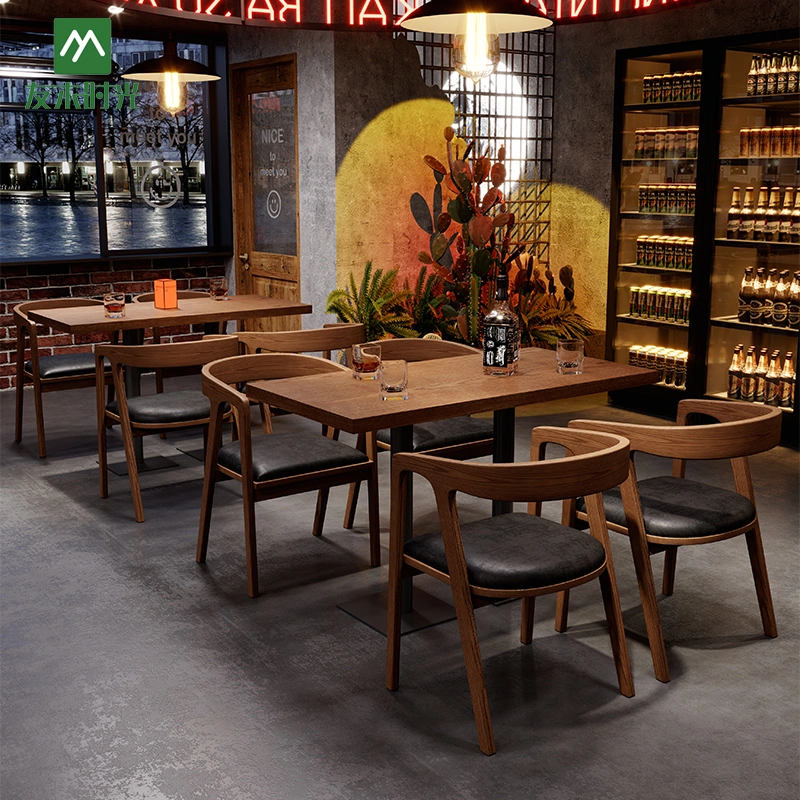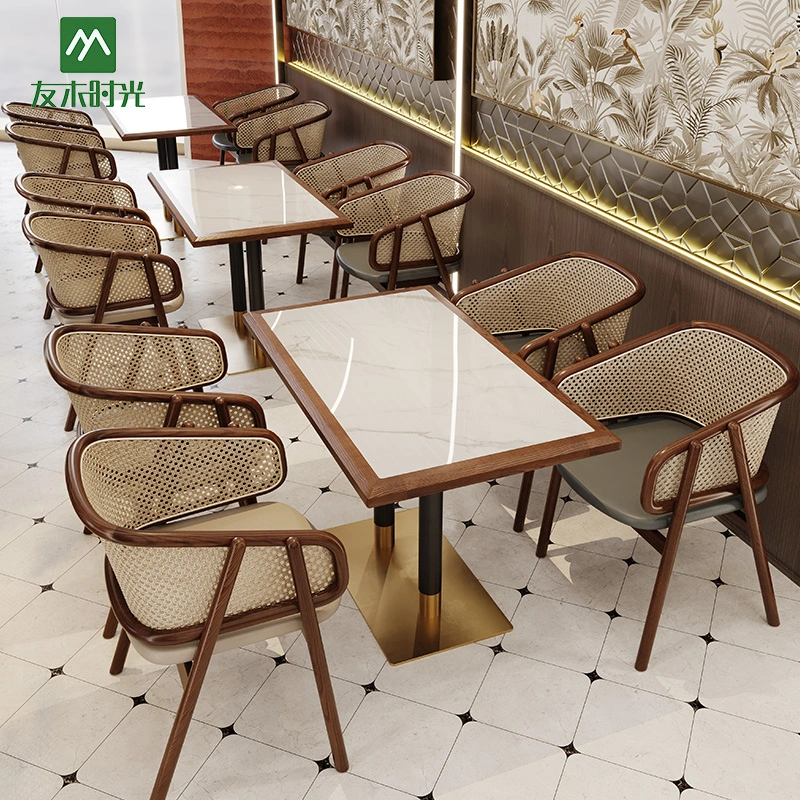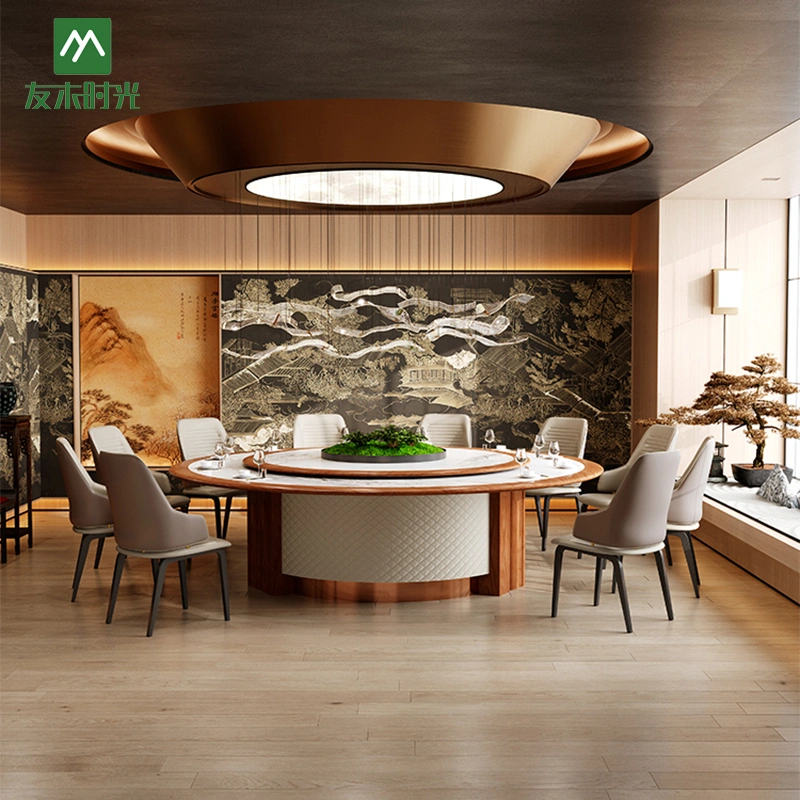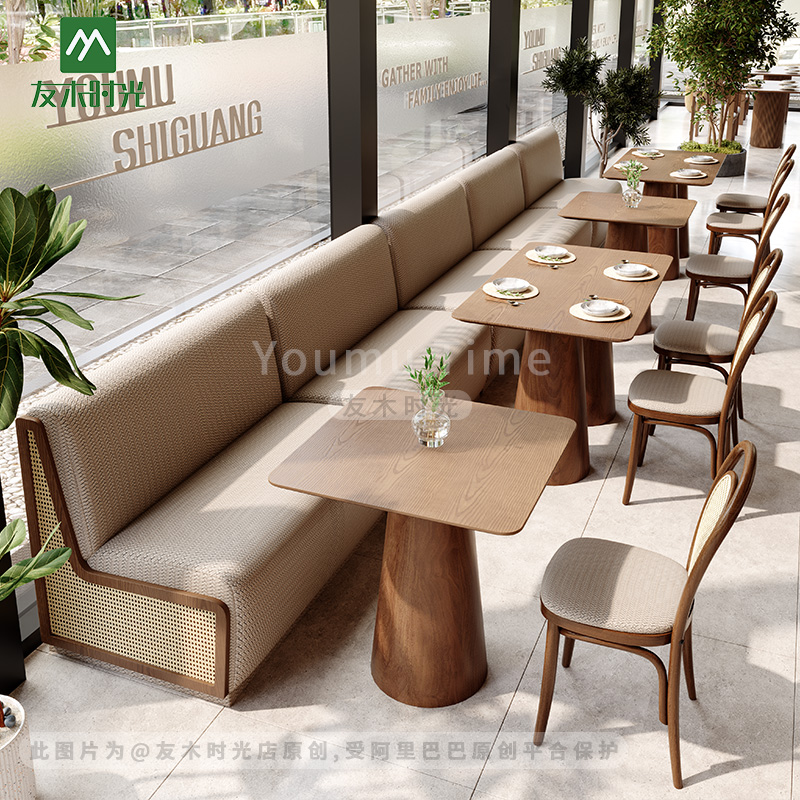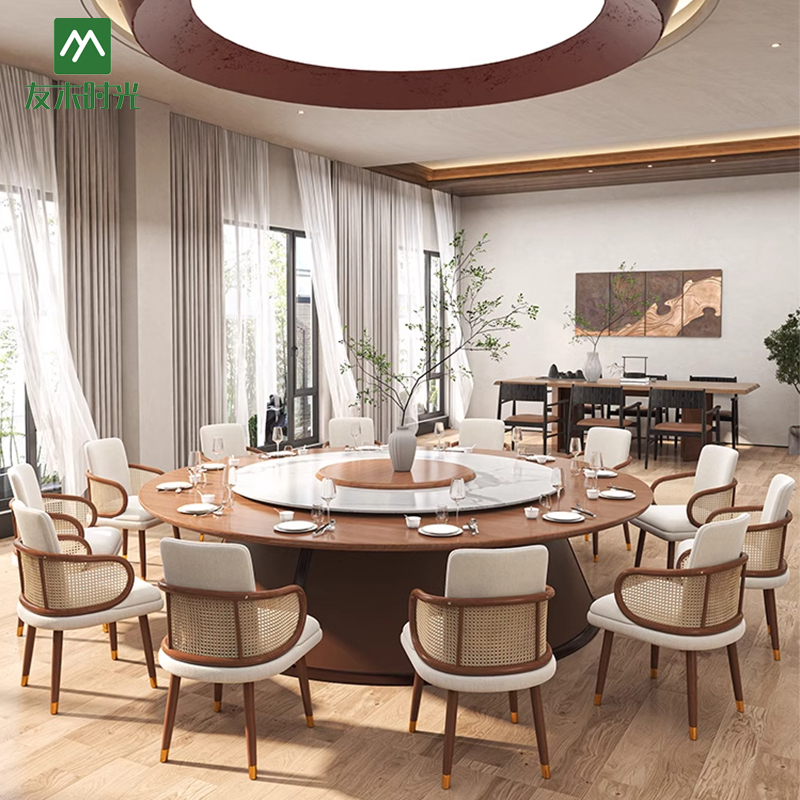
There is a perplexing phenomenon that confuses restaurant owners.
Let Meubles Youmu Shiguang break it down for you with a question: How long do customers typically sit in your restaurant after finishing their meal?
If you’re serving full-service meals, half an hour to an hour is normal; if it’s fast food, 15 to 20 minutes is ideal. But in reality, many owners encounter this dilemma—even though the food is good and the service is attentive, the table turnover rate just won’t improve. On weekends, people wait impatiently in line, but the customers inside are leisurely, finishing their meals and then scrolling through their phones or chatting.
At this point, as a fabricant de mobilier de restaurant, we suggest that the problem is with the restaurant chairs.
The Overlooked “Hidden Customer Drive-Away”
I once saw a fast-food restaurant with mediocre business. The owner spent a lot of effort optimizing the menu and training the staff, but the results were minimal. Later, a simple adjustment was made: all the restaurant chairs, upholstered sofas, were replaced with hard wooden chairs.
The result? The table turnover rate during lunchtime increased by 30%. It’s not that the food has become tastier; it’s that customers are “uncomfortable” after eating.
The principle behind this is actually quite simple: the human body guides behavior.
Sitting on a restaurant soft sofa, the body is relaxed and stretched out, and the subconscious tells you, “I can stay a little longer.”; sitting on a hard bench, the body is tense, and after a while, you’ll unconsciously change positions, the subconscious urging you, “It’s about time to leave this restaurant chair.”
This isn’t some mystical concept; it’s basic common sense in ergonomics.
Different Types of Restaurants Require Different “Sitting Comforts.”
Many restaurant owners, when choosing mobilier de restaurant, only consider whether it looks good and is durable, but they overlook a core question: How long does your business model require customers to stay?
Fast food, snacks, and casual dining restaurants
In this scenario, the goal is “speed”.
The core competitiveness of these restaurants is efficiency. Customers come to quickly finish a meal, and your table turnover rate directly determines your revenue ceiling.
In this case, you need restaurant chairs that are “moderately uncomfortable”—medium firmness, no armrests, and a backrest that isn’t too reclined. Customers won’t feel uncomfortable sitting there, but they also won’t want to sit for long. Eat and leave naturally; seats become available naturally.
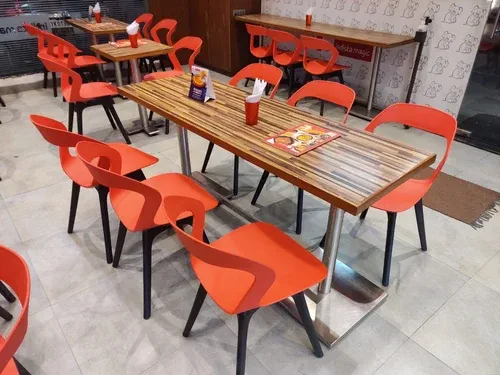
Formal dining and banquet restaurants
At this scene, the restaurant furniture shall help you to “keep customers occupied”.
If you’re catering to business dinners or family gatherings, customers need a complete dining experience. In this case, comfort is a basic requirement.
Large sofas, supportive booths, and a suitable table and chair height ratio allow customers to comfortably finish their meal and even linger to chat. This “customer retention” can actually increase beverage sales and repeat orders.
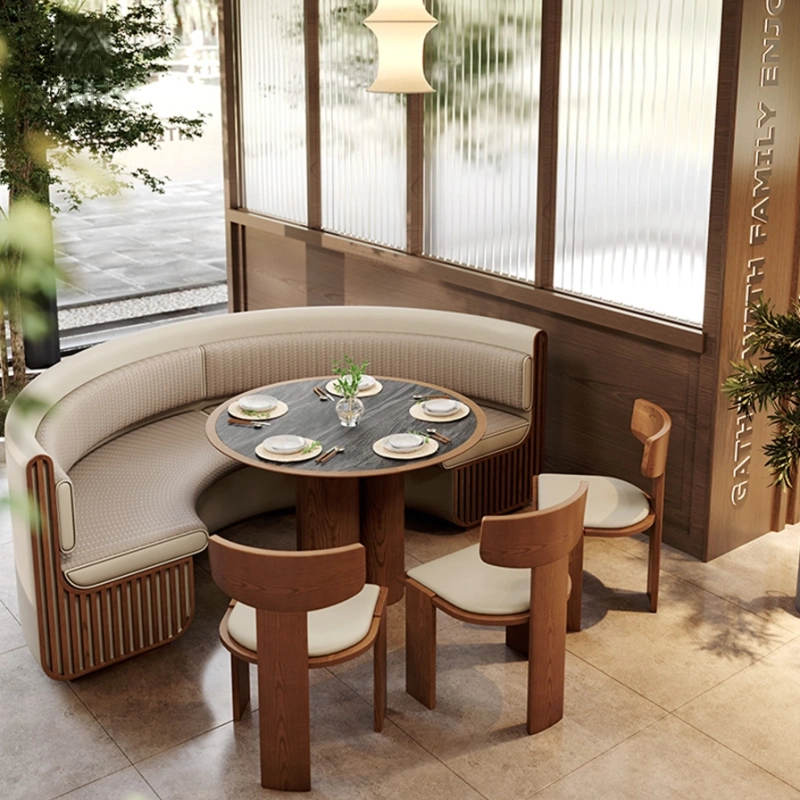
Cafes and afternoon tea establishments
The primary goal of the furniture is to “keep customers lingering”.
The logic for these businesses is different. Customers may order a coffee and sit for an afternoon, seemingly occupying a seat, but if your average order value is high enough and the atmosphere is good enough, this “staying on” is actually what you want.
In this case, you need sofas that “make people sink in”—medium firmness, armrests, and a suitable height—so customers are willing to pay for this comfort.
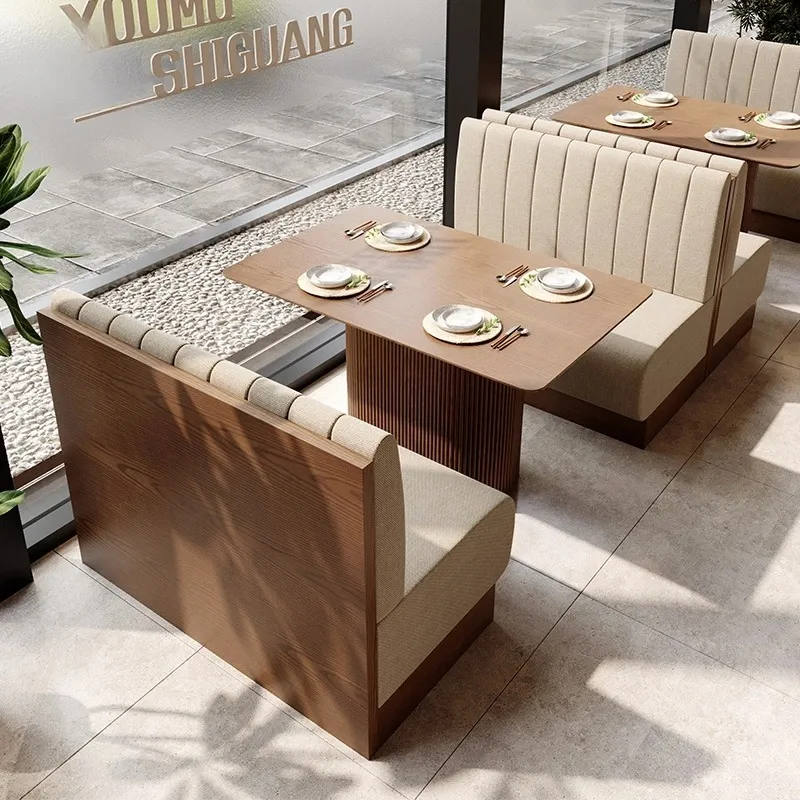
How to Adjust the Table Turnover Rate Using Seating?
If your target market is “high table turnover,” try these practical suggestions about selecting restaurant chairs:
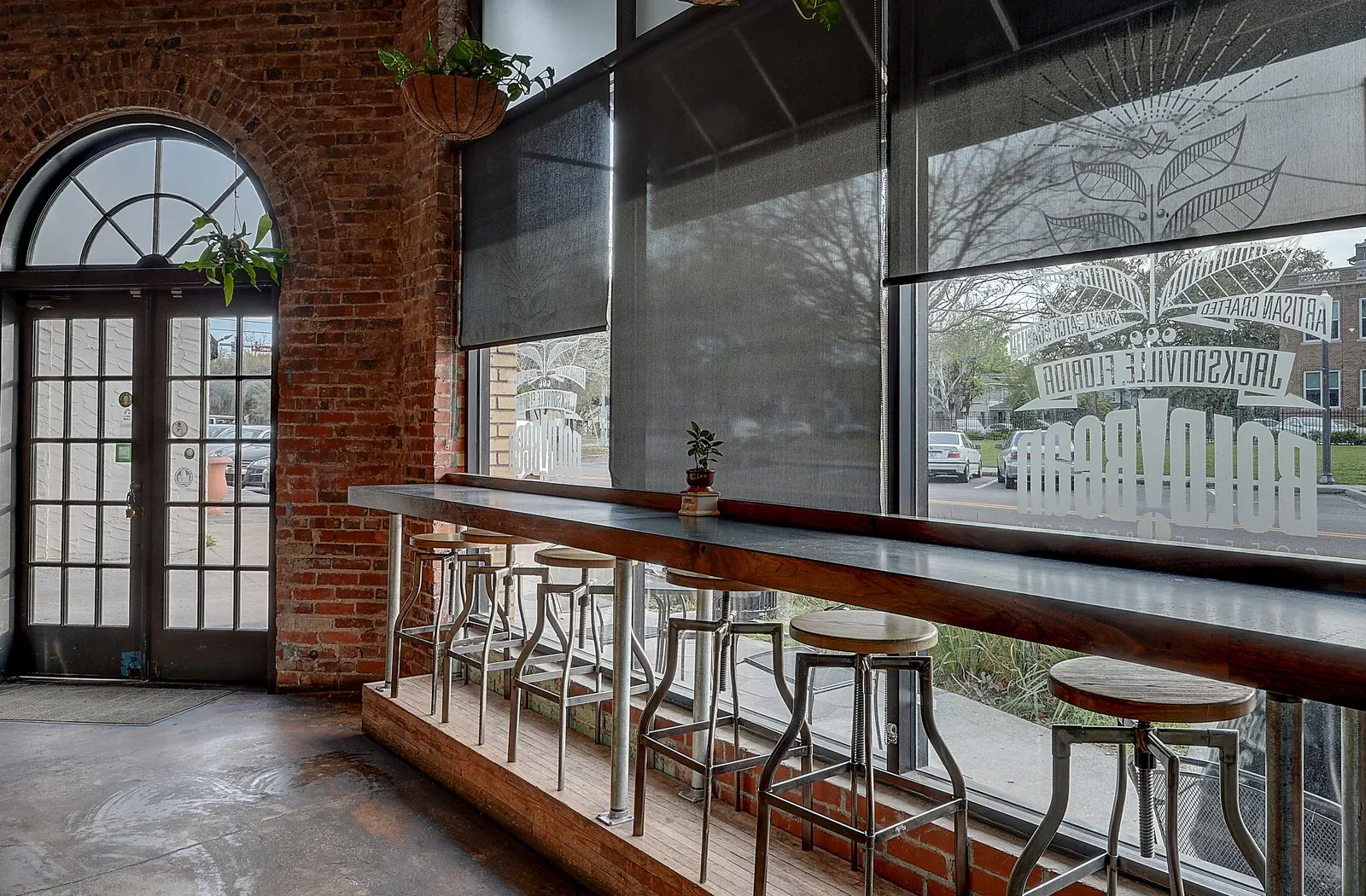
Bar seating and bar stools are key to table turnover.
Single bar seating naturally evokes a “fast-paced” feeling. Sitting on a bar stool facing a wall or window, it’s difficult to feel the urge to linger. Fast food and casual dining restaurants should increase this type of seating to effectively improve table turnover.
Hard chair surfaces + no armrests are a golden combination.
Chairs with armrests make people unconsciously relax and feel supported; armless chairs keep people at a certain level of alertness. Combined with hard chair surfaces (wood, plastic, metal), customers will naturally want to get up after sitting for a while.
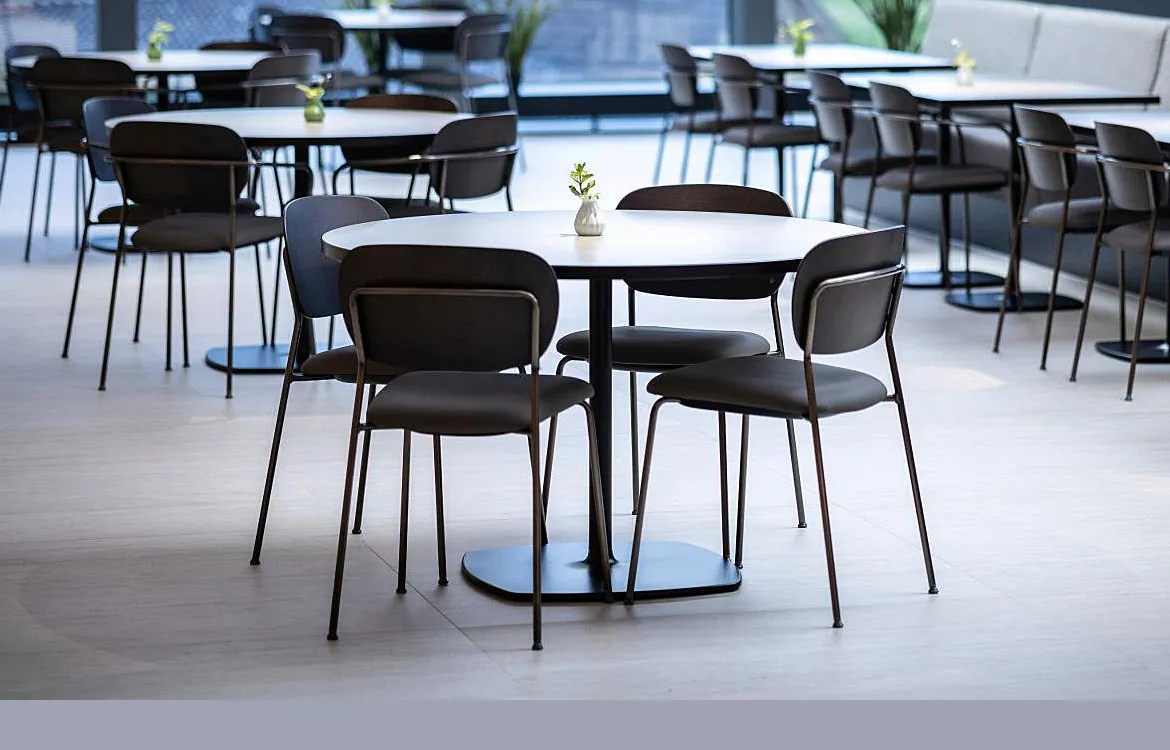
Don’t space tables too far apart.
Want customers to finish their meals and leave quickly? Don’t space tables too far apart. A moderately compact layout creates the psychological suggestion: this is a place for efficient dining, not a place to relax and daydream.
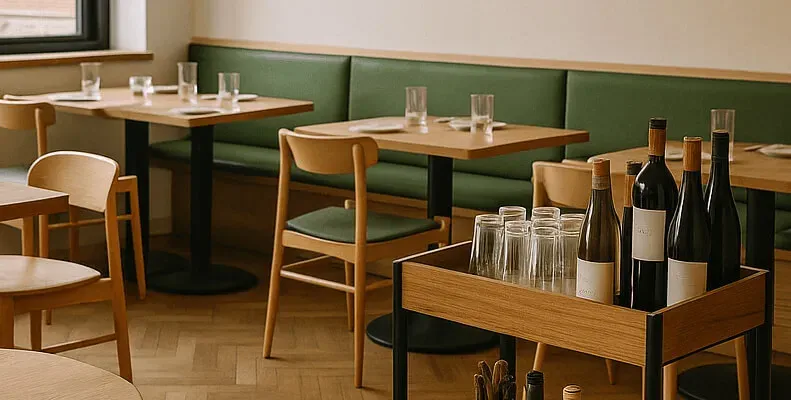
Keep booth seating shallow
If you must use booths and want to increase table turnover, the booth depth should not exceed 50cm. Booths that are too deep make people sink in, while those that are too shallow make it uncomfortable to sit. Find the balance that suits your target market.
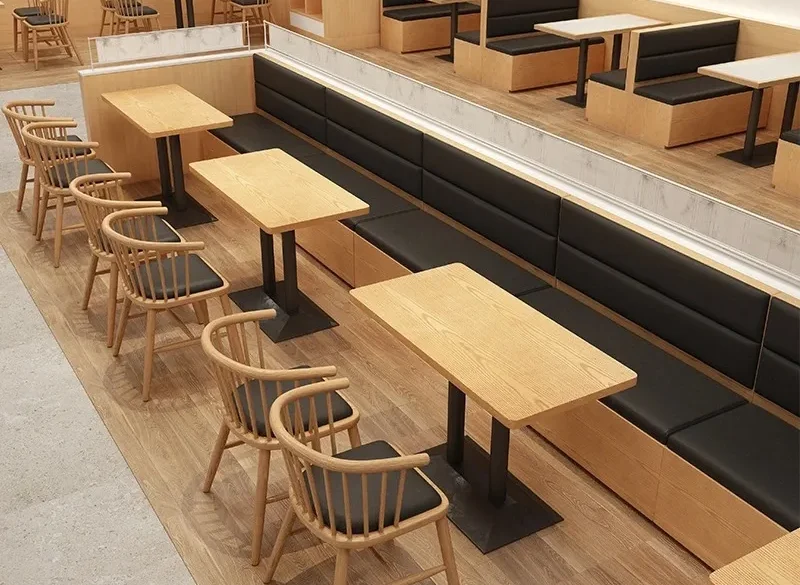
Avoid Extremes: Balancing Comfort and Table Turnover
Of course, I’m not suggesting you replace all the seats in your restaurant with hard, park-like benches.
Uncomfortable chairs might deter customers from even entering, or they might never return. You need to find that “just right” point—making customers willing to come in, willing to leave, and willing to come back.
This balance needs to be adjusted based on your target customer group, average order value, and product mix.
For example, if you’re catering to young white-collar workers’ lunches, who are short on time and have clear needs, you can lean towards a “fast” approach; if you’re catering to families having weekend meals, you should lean towards comfort, as families are very sensitive to “comfortable seating.”
How to Test if Your Chairs are Suitable?
A simple method: Sit down in one, set a timer on your phone, and see how long you can stay.
- If you want to change positions after 5 minutes, it might be too firm and might drive customers away.
- If you can sit for 30 minutes and still feel relaxed, it might be too comfortable and affect table turnover.
- If you start to want to move around after about 15-20 minutes, this is exactly your desired dining time—congratulations, you’ve found the golden balance.
Real Case: A Chair Changes a Store
Last year, I knew a man who ran a mala tang (spicy hot pot) restaurant. His original shop had all upholstered booths, and customers often sat and chatted after eating, resulting in long queues outside and slow turnover inside.
He took advice and switched to a batch of hard plastic restaurant chairs—armless, lightweight, and stackable. In the same area, he turned over tables twice more during lunchtime. At the end of the month, his revenue increased by 25%.
He said something very interesting: “I used to think it was a product problem, but later I realized that the chairs were making the decision for me.”
Final Words
The restaurant business is built on details. Food, service, and ambiance are the visible aspects, but the restaurant tables and chairs—the “silent salespeople”—are often overlooked, yet they constantly influence customer behavior.
If you want to increase table turnover, start with the restaurant chairs. Replacing sofas with hard benches can sometimes have an immediate effect.
Of course, this assumes your business truly requires high table turnover. If you’re serving private dining or upscale banquets, keep the sofas comfortable.
Choose the right restaurant chairs, and let those who want to leave go, and those who want to stay. Business is that simple.
À propos de Youmu Shiguang Furniture
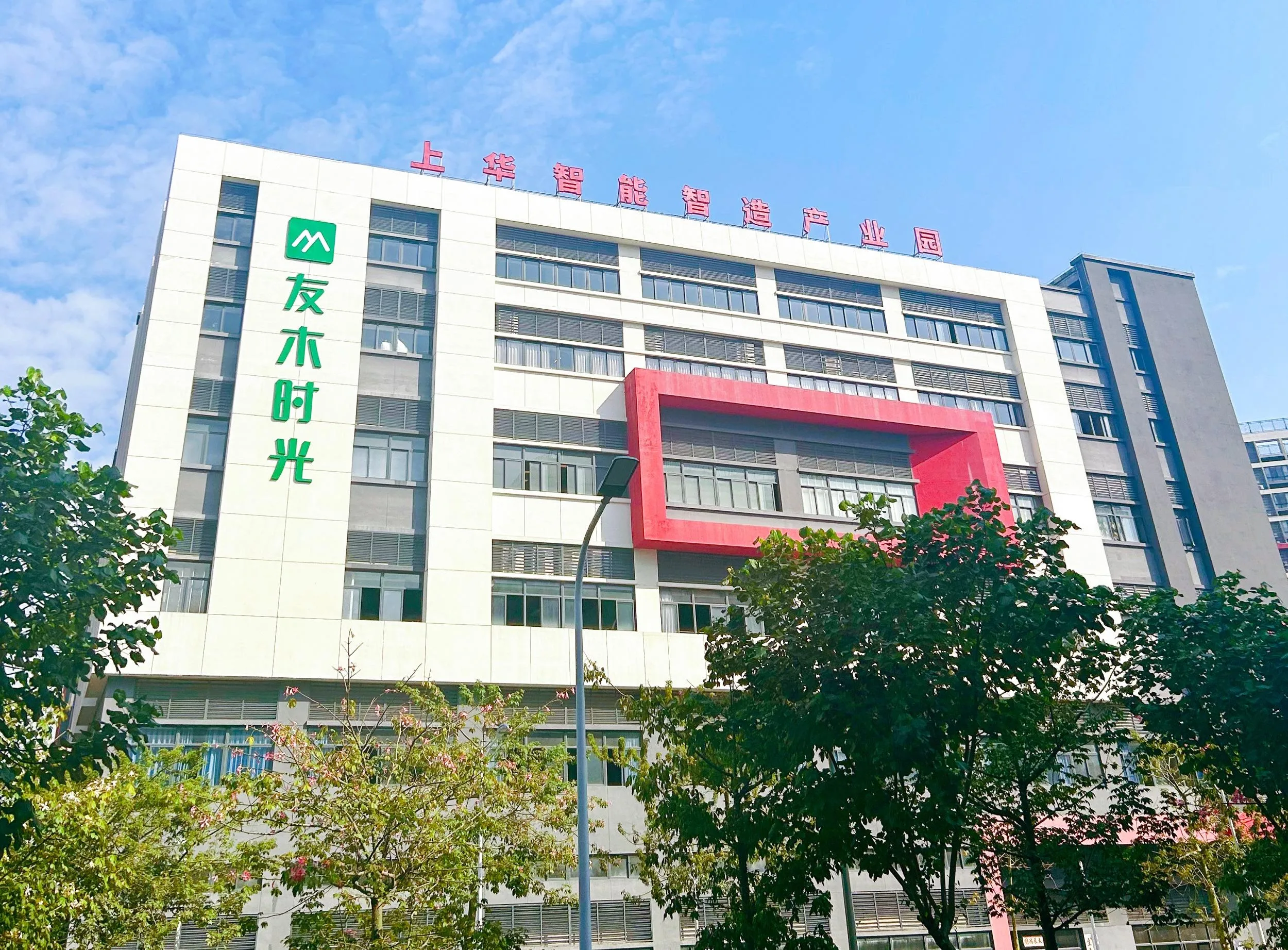
Youmu Shiguang Furniture est une fabricant de mobilier commercial with a focus on structural durability and consistent batch quality. From solid wood dining chairs to stackable plastic seating and upholstered booths, each production run follows standardized material selection and assembly controls to maintain uniform dimensions and load performance.
We provide solutions de mobilier sur mesure pour restaurants, including size adjustments, finish options, upholstery choices, and layout matching. With scalable capacity and stable lead times, Youmu Shiguang supports B2B clients seeking reliable supply and concept-driven furniture solutions.