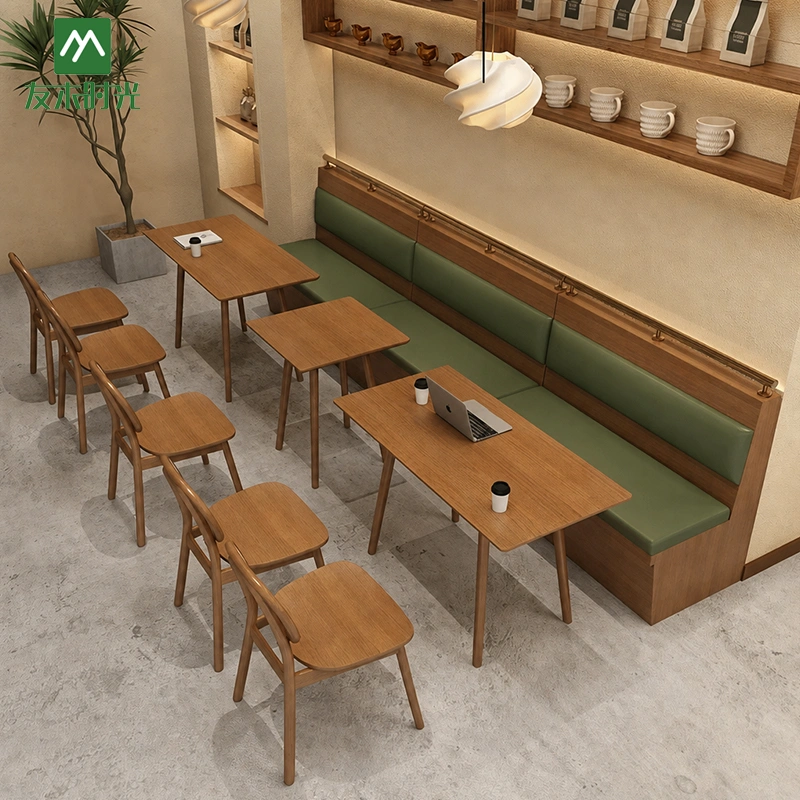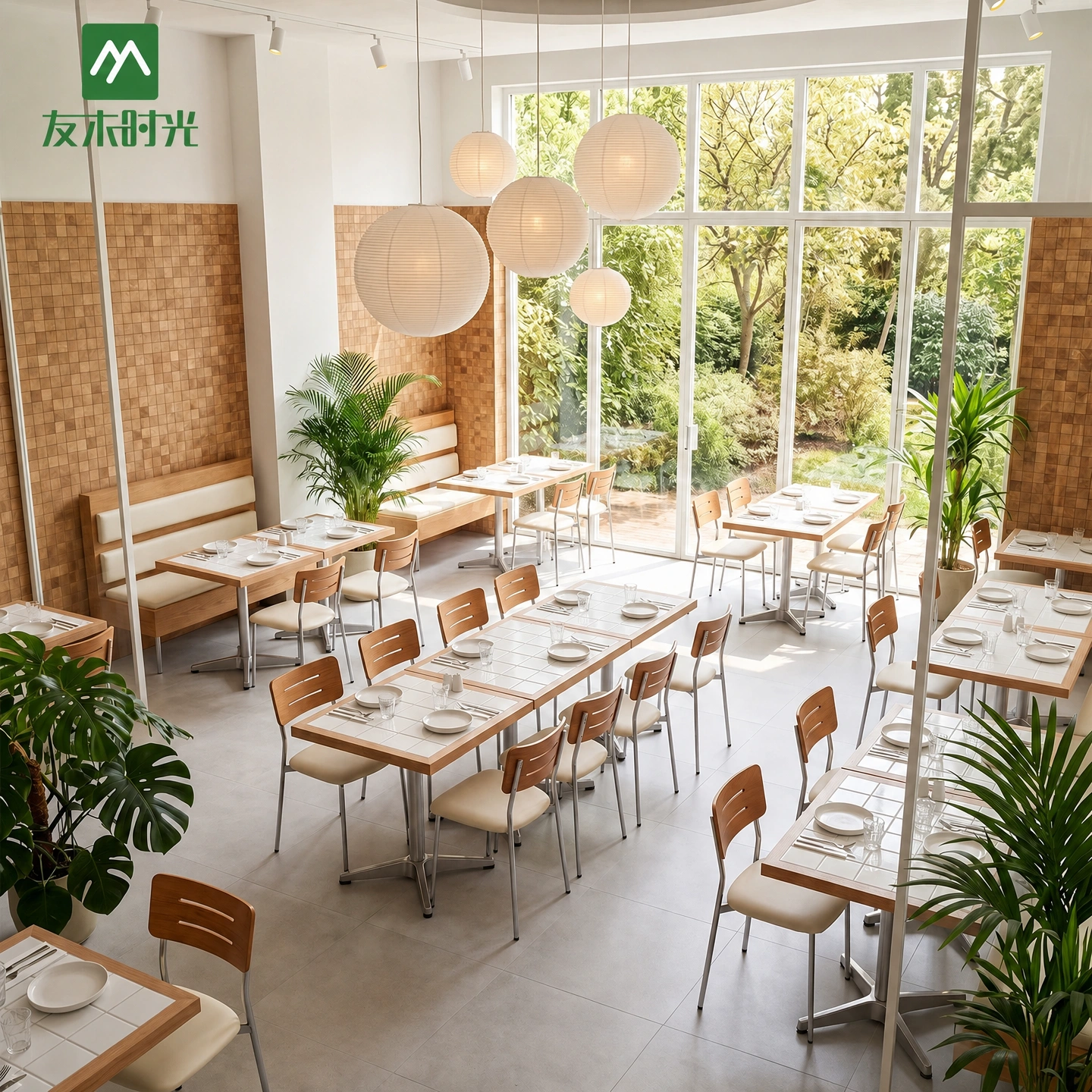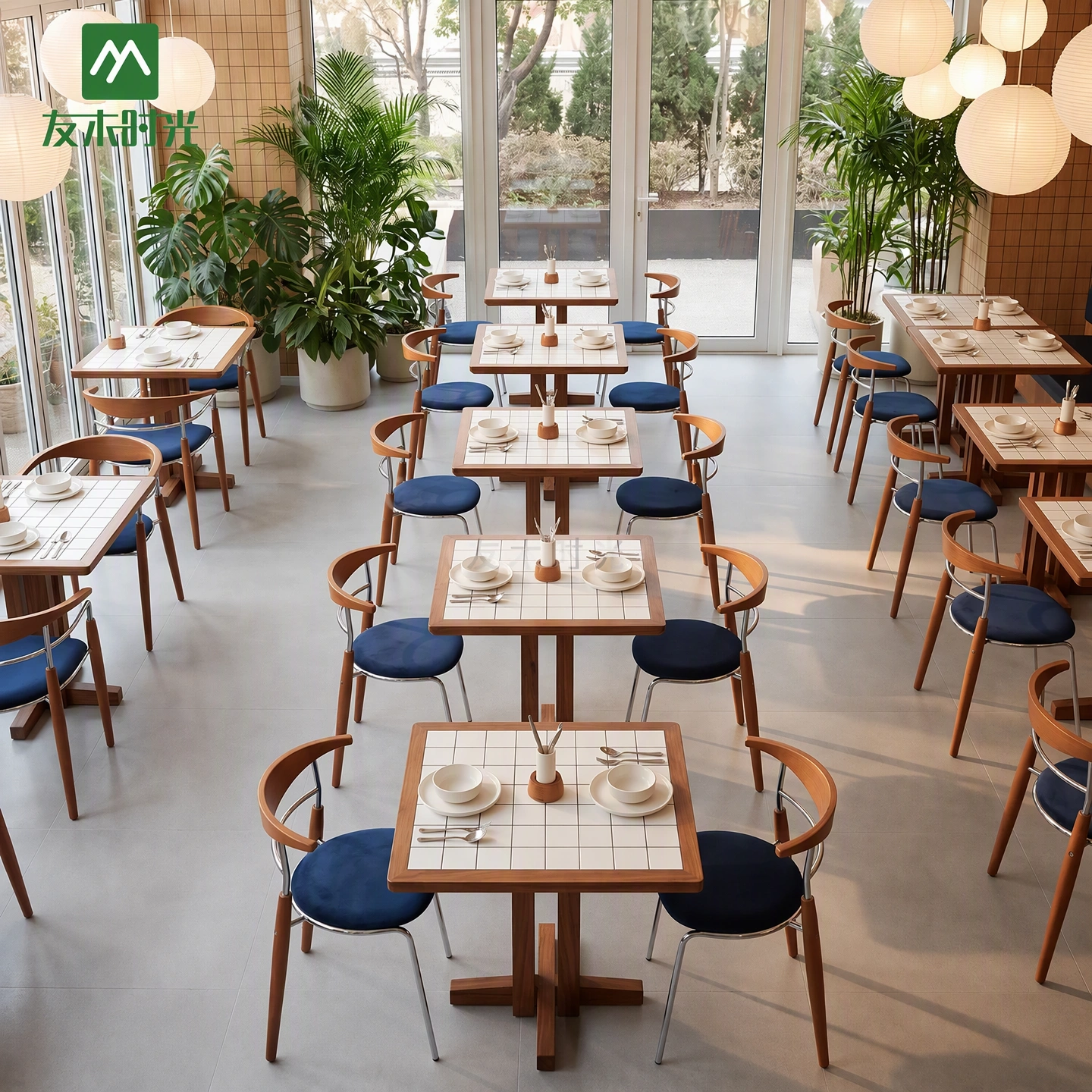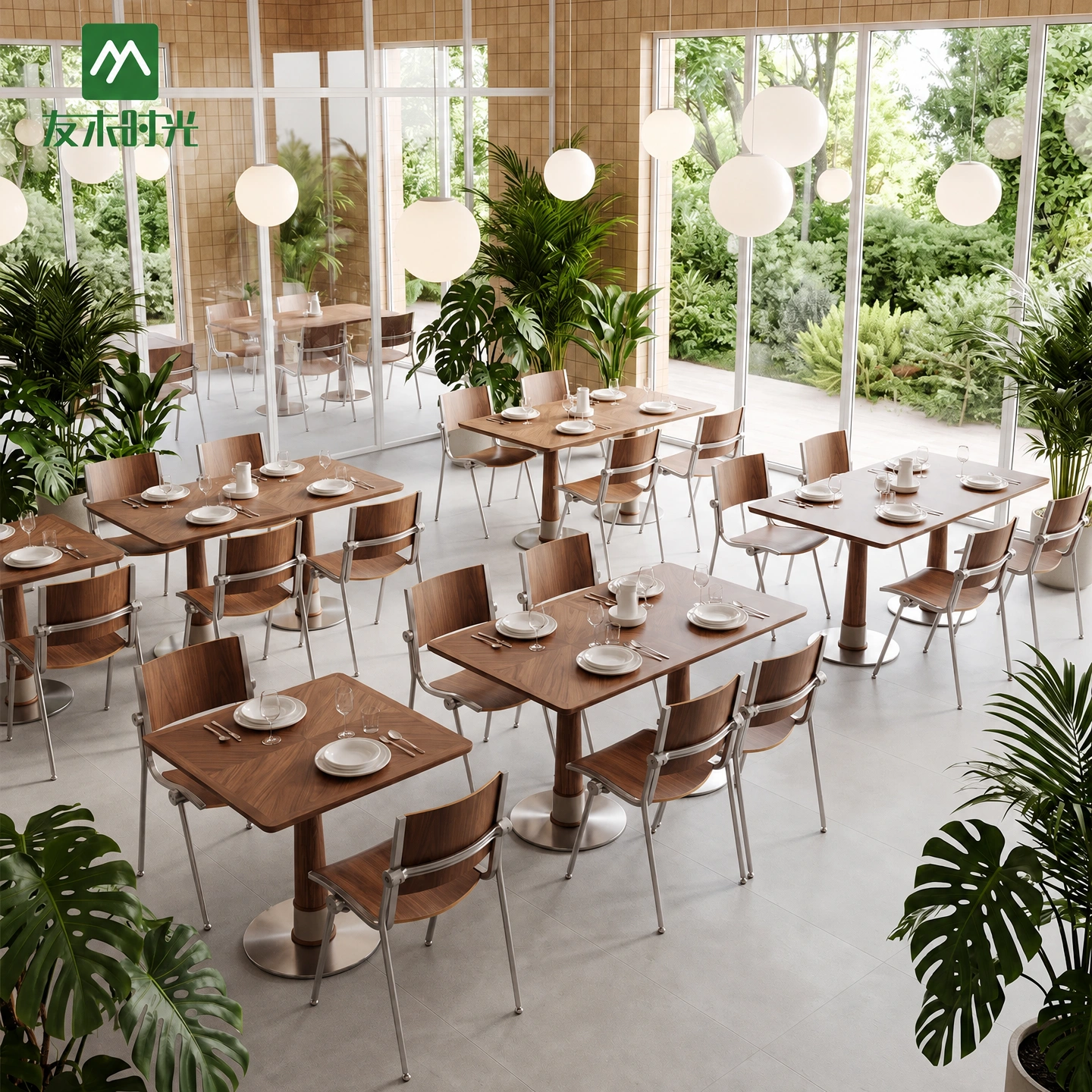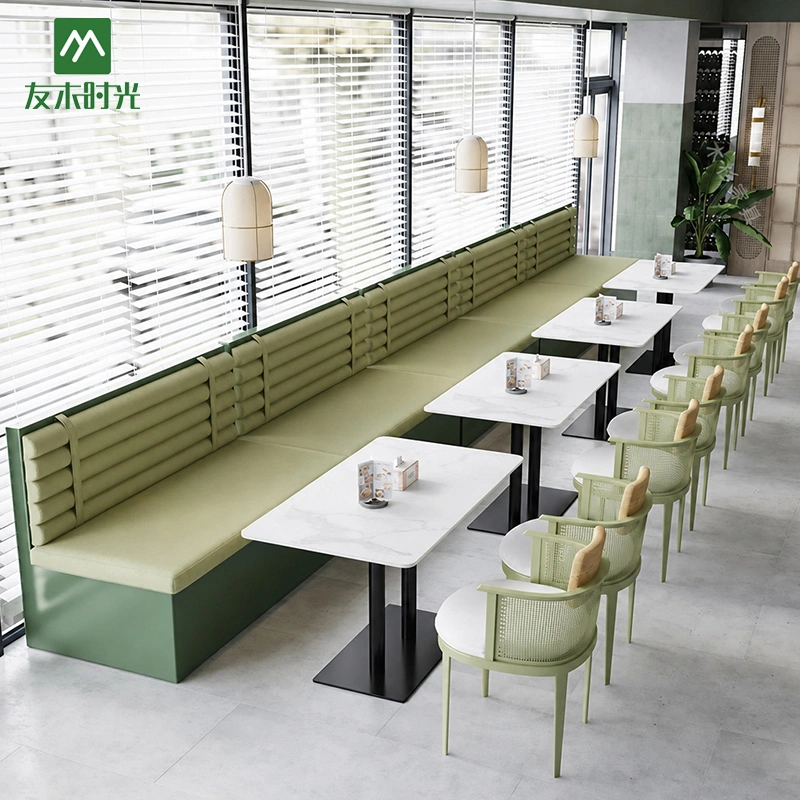
業務用家具のメンテナンス費用は、見過ごされがちな支出です。ホテル、カフェ、レストラン、オフィス、公共スペースにおいては、適切な 業務用家具 適切な選択を行うことで、清掃にかかる時間、修理費、および交換サイクルを大幅に削減できます。.
この記事の中で、ユーム・シグァン・ファニチャーは、次のように述べている。 主要な商業用家具メーカー, では、最初から適切な家具の素材やデザインの特徴を選定することで、総所有コスト(TCO)を削減し、手間をかけずに空間をプロフェッショナルな印象に保つことができると説明しています。.
スタイルよりも素材選びが重要だ
商業用途で長持ちする家具を求める方にとって、価格やデザインだけを基準にした購入決定は信頼性に欠けます。品質の劣る素材で作られた製品は、頻繁な手直しや専門的なクリーニングが必要となり、結果として交換や修理にかかるコストが高くなってしまいます。 一方、丈夫で高品質な素材で作られた業務用家具を選べば、多大な労力を省き、交換部品の供給不足を解消できるだけでなく、生産や納品の中断に関連する問題も最小限に抑えることができます。.
素材は、家具の基本的な構造だと考えてください。素材によって、液体をこぼした際の表面の反応、繰り返しの荷重サイクルに対するフレームの耐久性、そして損傷後の修復のしやすさが決まります。.
手入れが簡単なテーブルトップの素材を選ぶ
テーブルトップは、熱いお皿やカップ、ナイフ、こぼれた液体、そしてテーブルの上を引きずって運ばれるバッグなど、最も酷使される部分です。拭き取りやすく、摩耗に強い素材を選びましょう。.
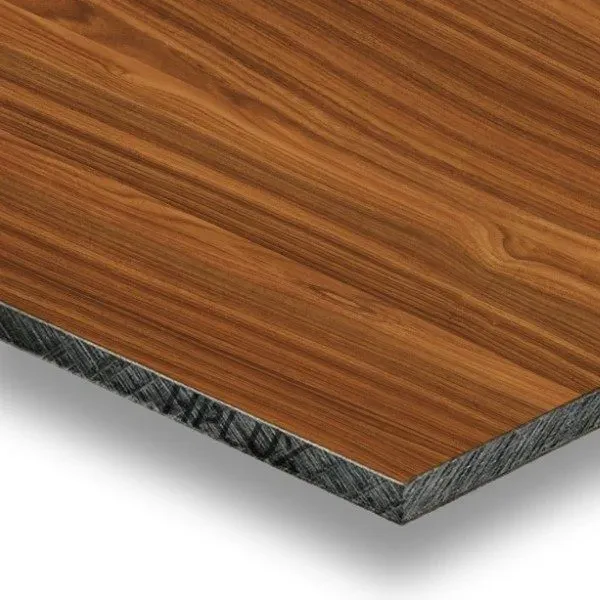
- HPL(高圧ラミネート): 気孔がなく、傷がつきにくく、消毒も簡単です。利用頻度の高いダイニングエリアや学習机に最適です。.
- コンパクトラミネート/ソリッドグレードラミネート: 標準的なHPLよりも厚みがあり、耐久性にも優れており、激しい摩耗や湿気にも耐えます。.
- 焼結石・エンジニアードストーン(クォーツ、デクトン): 汚れや熱に対してほぼ無敵――コストや重量よりも耐久性を重視する高級カフェに最適です。.
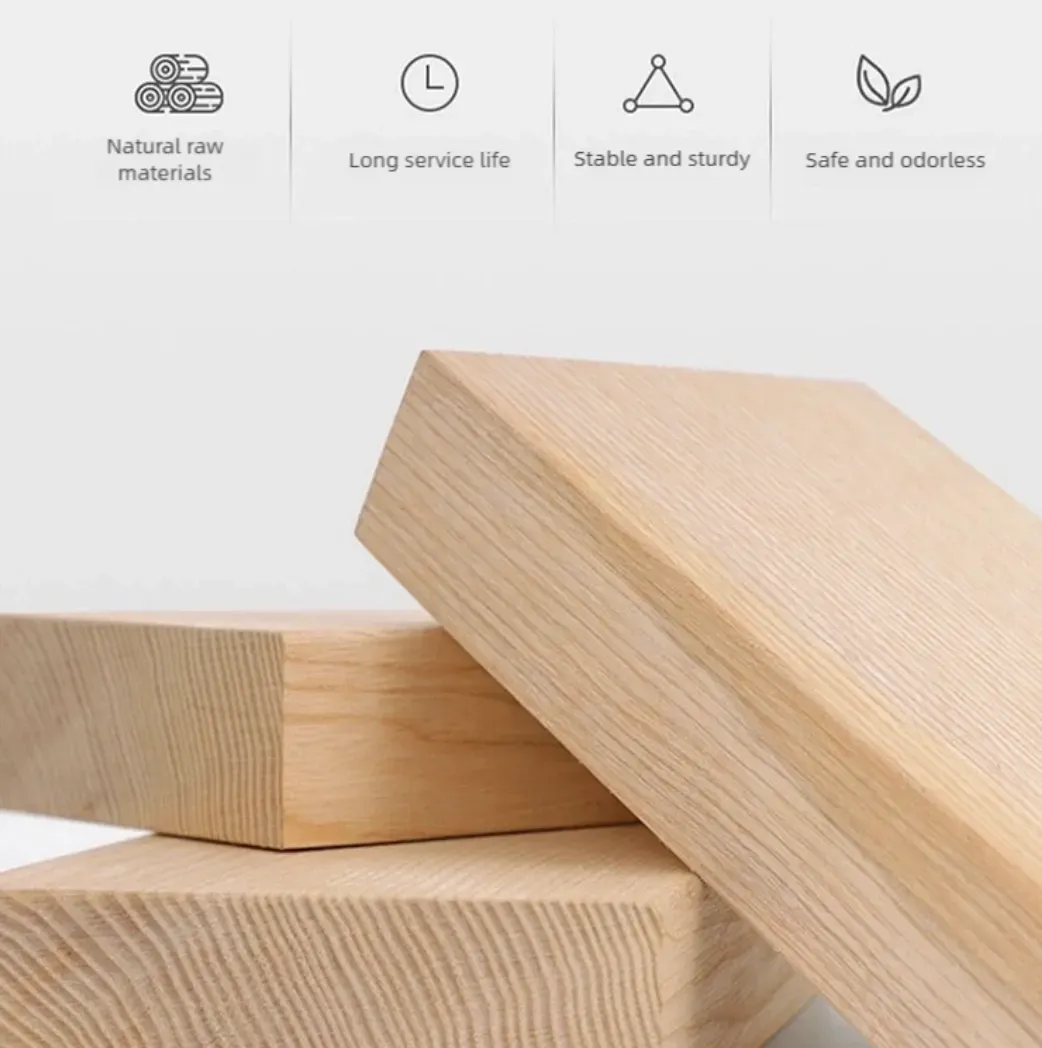
- 無垢材(密封仕上げ): 高級感のある外観を備え、再仕上げも可能ですが、定期的なメンテナンス(オイル塗り・ニス塗り)が必要です。スタイルと耐久性を考慮すれば、定期的な手入れの労力が正当化される場合に適しています。.
実用的なヒント:掃除のしやすさが重要な場所にはHPLやコンパクトラミネートを、耐傷性や見た目を重視する場所には天然石や人工石を使用することをお勧めします。.
構造的な耐久性を重視するなら、金属フレームを選びましょう
フレームの不具合(脚の緩み、ぐらつきなど)は、椅子やテーブルの修理の大部分を占めています。適切な材料の選定と構造設計により、こうした不具合を減らすことができます。.
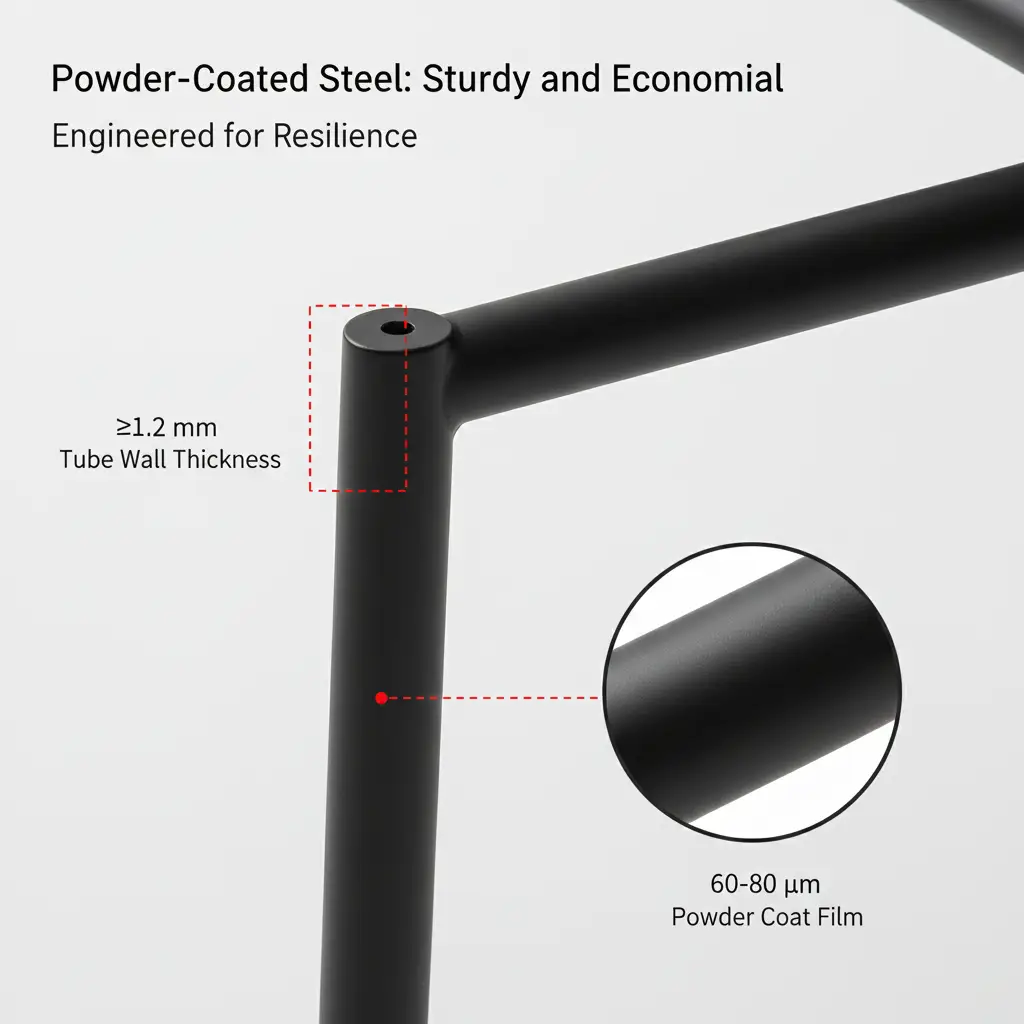
- 粉体塗装鋼板: 頑丈で経済的です。耐久性を高めるため、チューブの肉厚(例:1.2 mm以上)および粉体塗装の膜厚(60~80 μm)を指定してください。.
- ステンレス鋼(304/316): 湿潤環境や沿岸地域では、316は優れた耐食性を発揮します。潮風の影響を受ける場所では、不動態化処理および塩水噴霧試験の結果についてご確認ください。.
- アルミニウム: 軽量で耐食性に優れ、移動も容易です。適切な肉厚が確保されていれば、屋外や屋上の商業用座席として最適です。.
溶接接合部やガセット補強は、ねじ止めやスポット溶接で固定されたフレームよりも長持ちします。サプライヤーの評価にあたっては、溶接部の写真や図面を提出してもらうようにしてください。.
高性能テキスタイルを活用して、クリーニングの頻度を減らす
柔らかい座席やクッションは、頻繁に接触する部分です。適切な生地を選ぶことで、汚れを防ぎ、専門的なクリーニングの必要性を減らすことができます。.
- 溶液染色アクリル生地(例:サンブレラ): 優れた色落ち防止性と防カビ性を備えており、ホースで水洗いしたり、洗濯機で洗ったりするのが簡単です。.
- オレフィン/ポリプロピレン: 速乾性があり、手頃な価格で、漂白剤系洗剤にも強い――外食産業に最適です。.
- 機能性コーティング生地/PUレザー: 人通りの多いロビーや休憩室でも、拭き取りやすく耐久性に優れています。.
マーティンデールまたはワイゼンベークの摩耗耐性等級(頻繁な使用の場合は30,000~40,000回以上)を指定し、可能な限り取り外し可能なクッションカバーを採用して、迅速な洗濯を可能にすること。.
モジュール式で交換可能な設計を採用
モジュール式設計により、業務用家具の稼働停止や交換に伴うコストを大幅に削減できます。天板、滑走部、クッションのいずれかが故障した場合、その部品のみを交換する方が、製品全体を交換するよりも安価で迅速です。.
- 交換可能な天板とスラット: 天板をクリップで留めるタイプや、ネジで取り外せるスラットを採用したデスクやテーブルシステムなら、天板の交換が素早く行えます。.
- 標準的な締結部品: 規格化されたボルト(M8/M10)と汎用スライド部品により、修理が容易になります。.
- 予備部品戦略: ダウンタイムを防ぐため、よく使われる部品(グライド、クッション、ボルトキットなど)を少量在庫として確保しておきましょう。.
予備部品キットと文書化されたリードタイムを義務付けるよう、調達契約を策定する。.
材料選定における状況の考慮
試合 家具の素材 環境への影響を最小限に抑え、摩耗の加速を防ぐために:
- 屋内の人の出入りが激しい場所: コンパクトラミネート、粉体塗装スチール、高性能テキスタイル。.
- 屋外または半屋外: アルマイト処理済みアルミニウム、アルミニウムフレームに張られたPEラタン、速乾性フォーム、耐紫外線性のある生地。.
- 沿岸の地点: ステンレス鋼316、耐食性コーティング、およびマリン用仕上げを施した密閉処理木材。.
サプライヤーにUV試験や塩水噴霧試験の報告書を依頼することは、後々多額の交換費用がかかるのを防ぐための、ささやかな対策です。.
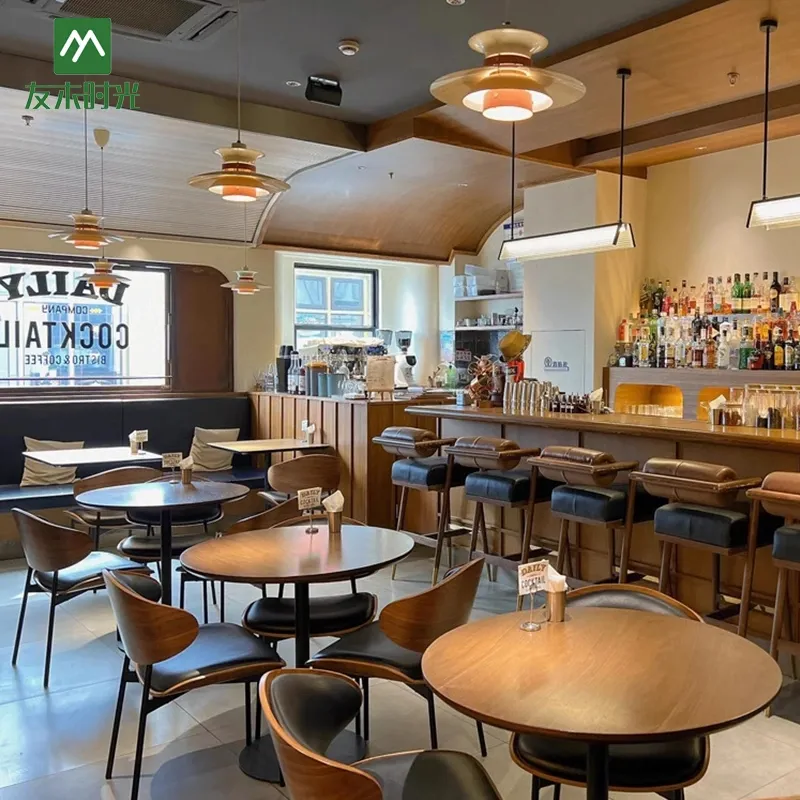
屋内の人の往来が多い場所
洗浄性と耐薬品性:実使用環境を見据えた設計
市販の洗浄剤や消毒剤は刺激が強いものです。チームが使用する洗浄剤に耐性のある素材を指定してください。.
- 非多孔質の表面 (HPL、コンパクトラミネート、石材)は、汚れや微生物の繁殖に強く、耐性があります。.
- コーティング 抗菌加工や指紋防止加工が施されているため、目に見える摩耗を抑えます。.
- サプライヤー向け清掃ガイド 現場で使用されている化学物質に合わせて用意し、それらを用いて試験を行う必要があります。.
一般的な市販の洗浄剤を対象とした、洗浄適合性の認証またはサプライヤーによる保証を義務付ける。.
単価ではなくTCOを算出する
より優れた製品への初期投資額は、わずかに高くなりますが 業務用家具 多くの場合、3~5年でコストを削減できます。以下の方法をご利用ください。 荒い TCOモデル:
TCO = 購入価格 + (年間保守費 + 清掃人件費 + 予備部品費 + ダウンタイムコスト × 発生頻度) × 年数
サプライヤーには、見積書に3~5年間のメンテナンス見通しを盛り込むよう依頼してください。安価だが頻繁に交換が必要な部品と、堅牢でメンテナンスが最小限で済む部品という2つのシナリオを比較検討してください。.

調達チェックリスト:仕様から要求事項へ
入札を募集する際は、定量化可能な項目を含めてください:
- 素材の種類とグレード(天板、フレーム、張り地)
- 表面仕上げおよび被膜厚さ(µm)
- 生地の耐摩耗性評価(マーティンデール/ワイゼンベーク)
- フレームの壁厚および溶接部の詳細写真
- 交換部品リストおよびスペアパーツのリードタイム
- 洗浄時の取り扱いおよびメンテナンスマニュアル
- 保証期間および部品に関するSLA
- 3~5年間のTCO見通し
これらの仕様により、曖昧な約束が契約上の義務となり、貴社の運営予算を保護することになります。.
結論
メンテナンスコストの削減は、家具が実際に設置されるずっと前から始まります。その出発点は、仕様決定の段階です。耐久性に優れた業務用家具の素材、設計性の高いフレーム、高性能なテキスタイル、交換可能な部品、そして環境に配慮した選択肢を優先することで、施設管理者は、空間の機能性と美観を維持しつつ、清掃や修理のコストを大幅に削減できます。素材選びを運営戦略の一環として捉えてください。そうすれば、予算面でもチームにとっても大きなメリットが得られるでしょう。.
幽夢時光家具について

2017年に設立されたYoumu Shiguang Furnitureは、現在では 主要な商業用家具メーカー 世界中のクライアント様からご好評をいただいております。当社の家具デザインには独自の意匠特許が取得されており、これが競争の激しい市場において当社が成長し続けている理由です。.
弊社では、以下のサービスを提供しております。 業務用家具卸売り ~の供給 レストラン, ホテル, カフェ, 、そして パブ. 特別な製品が必要な場合は、当社では カスタム業務用家具ソリューション そのお手伝いをいたします。.
Youmu Shiguang Furnitureでは、以下の納品を行いました:
✅自社工場を保有しているため、業務用家具を大量かつ迅速に供給可能です
✅認定を受けた家具用素材が、優れたユーザー体験を保証します
✅厳格な品質管理
✅専門家からのアドバイス
✅迅速な配送