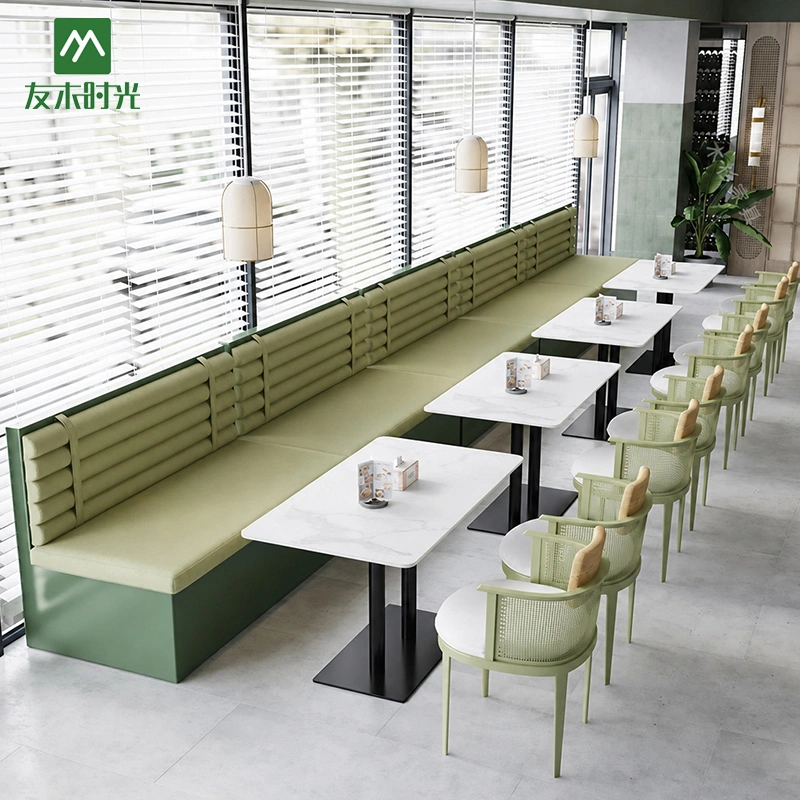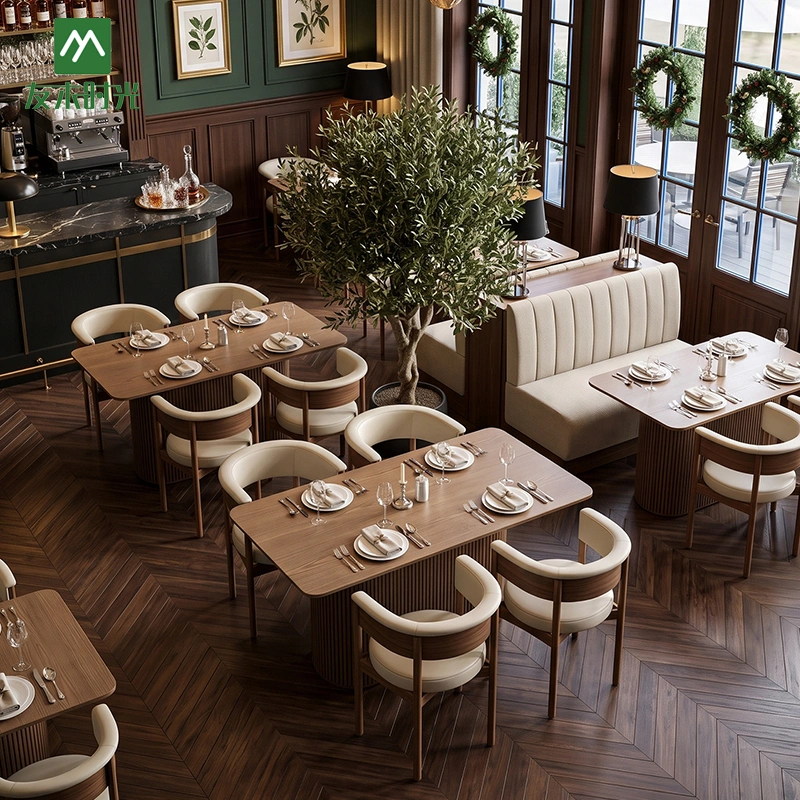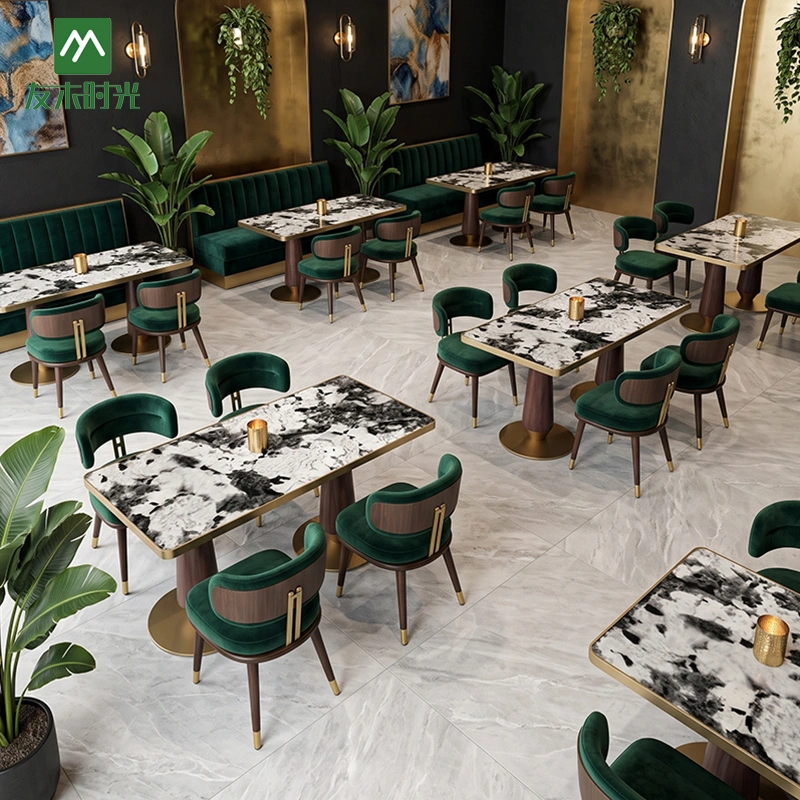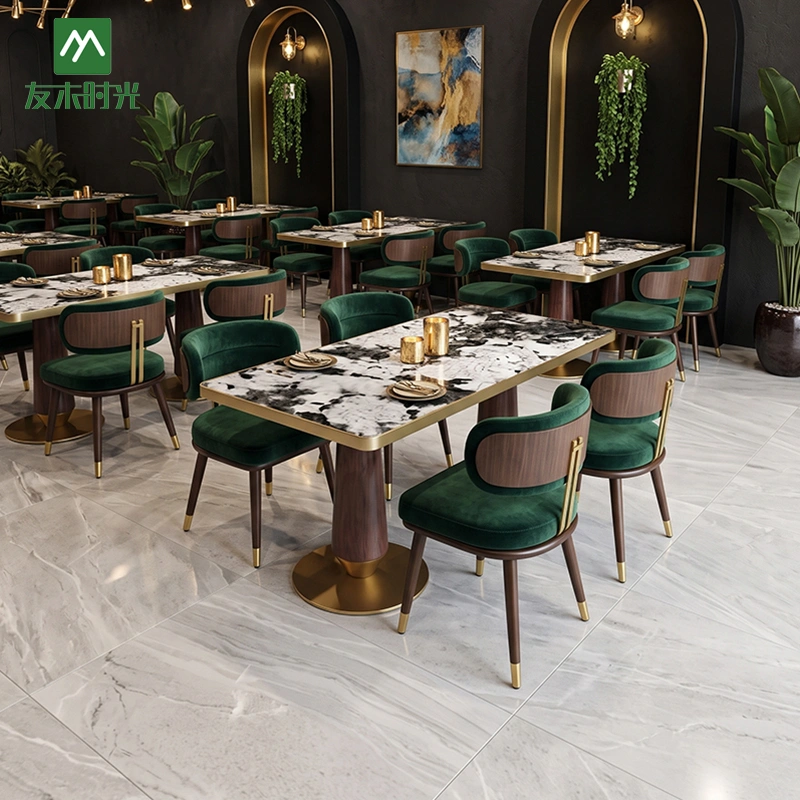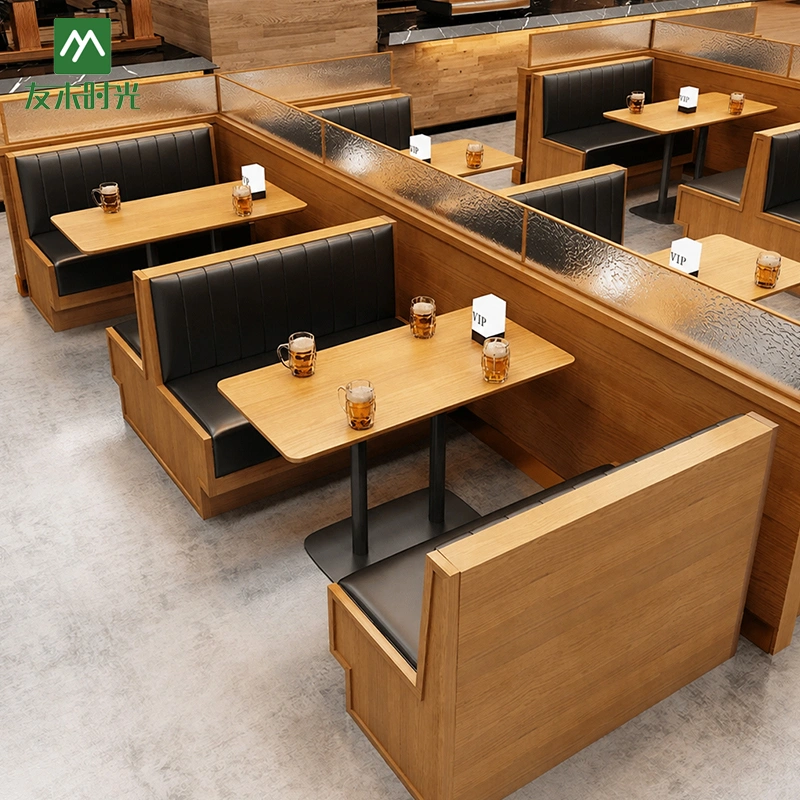
Restaurant furniture plays a far more strategic role in hospitality businesses than simple seating and tables. It directly influences customer experience, brand perception, operational efficiency, and long-term profitability. For restaurants, hotels, cafés, and commercial dining spaces, choosing the right furniture is a critical investment decision that impacts both aesthetics and functionality.
For importers, distributors, and project contractors, sourcing furniture requires a deep understanding of materials, durability standards, customization capabilities, and supplier reliability.
として プロレストランの家具メーカー, I will introduce you to the key factors to consider when selecting restaurant furniture.
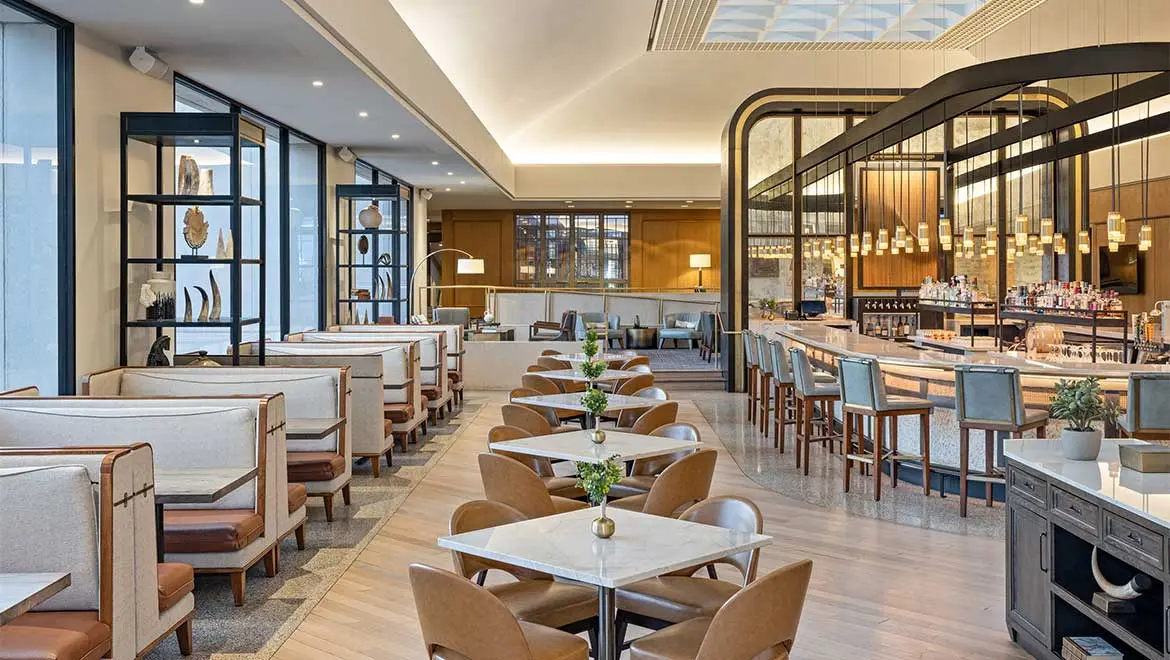
Why Restaurant Furniture Selection Matters in Hospitality
Restaurant furniture is not just decorative—it is part of the operational infrastructure. Poor-quality furniture can lead to:
- Frequent replacement costs
- Negative customer experience
- Safety issues in high-traffic environments
- Inconsistent brand presentation
High-quality furniture, on the other hand, improves:
- Customer comfort and dwell time
- Operational efficiency for staff
- Brand identity and interior storytelling
- Long-term cost savings
For hospitality investors and procurement managers, furniture is a long-term asset rather than a short-term purchase.
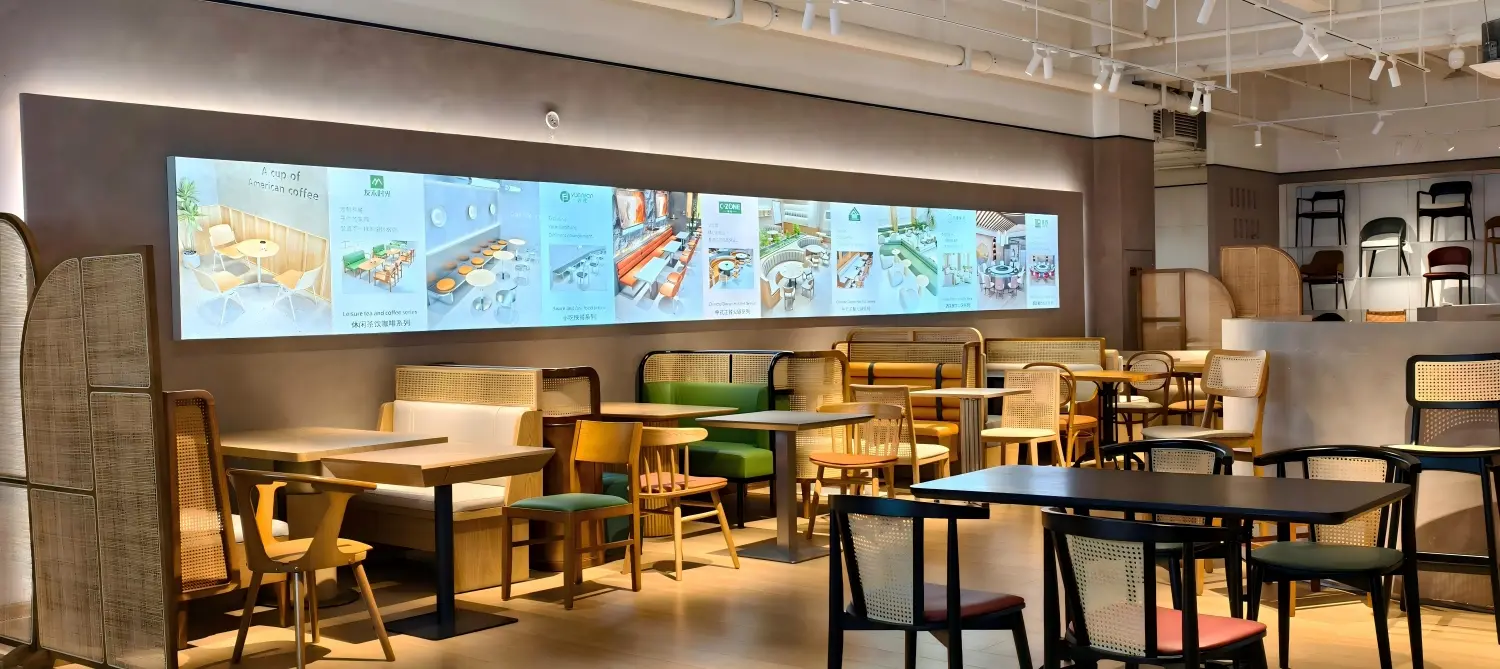
Key Factors in Selecting Restaurant Furniture
Durability and Structural Strength
Restaurant environments are high-traffic, high-frequency-use spaces. Furniture must withstand:
- Continuous seating and movement
- Frequent cleaning and sanitization
- Heavy loads and impact
- Long operational hours
Materials such as solid wood, metal frames, engineered composites, and reinforced joints are commonly used in commercial-grade furniture.
A reliable restaurant furniture manufacturer will typically conduct load-bearing tests and durability simulations to ensure long service life.
Material Selection and Performance
Material selection directly affects durability, maintenance, and aesthetics. Common materials include:
- Solid wood: Premium feel, ideal for fine dining restaurants
- Metal (steel/aluminum): Industrial style, high durability
- Laminate surfaces: Cost-effective and easy to clean
- Upholstery (fabric/leather): Comfort-focused seating solutions
- Outdoor-rated materials: Weather-resistant for patios and terraces
For large-scale hospitality projects, material consistency is essential to maintain a unified interior design concept.
Ergonomics and Customer Comfort
Comfort directly influences customer satisfaction and table turnover rates. Key ergonomic considerations include:
- Seat height and depth
- Backrest angle support
- Table height compatibility
- Cushion density and material softness
Poor ergonomics can reduce customer dwell time or create discomfort during long meals. In contrast, well-designed furniture enhances dining experience and encourages repeat visits.
Design Consistency with Brand Identity
Restaurant furniture must reflect the brand personality. For example:
- Fine dining: Elegant, minimal, premium finishes
- Fast casual: Functional, lightweight, easy-to-clean
- Café culture: Warm, Instagram-friendly aesthetic
- Hotel restaurants: Luxurious and cohesive with interior architecture
Furniture is a key visual storytelling tool. It should align with lighting, wall design, flooring, and tableware.
Many global buyers work with a wholesale restaurant furniture supplier to develop consistent collections across multiple locations.
Space Optimization and Layout Efficiency
Efficient space planning improves revenue per square meter. Furniture dimensions should allow:
- Smooth customer movement
- Efficient staff service flow
- フレキシブルな座席配置
- Compliance with safety regulations
Stackable chairs, modular tables, and foldable systems are often used in high-density dining environments.
A well-planned layout can significantly increase seating capacity without compromising comfort.
Ease of Maintenance and Cleaning
Hospitality environments require strict hygiene standards. Furniture should support:
- Easy surface cleaning
- Resistance to stains and moisture
- Scratch-resistant coatings
- Replaceable components (where possible)
Materials such as laminated wood, powder-coated metal, and waterproof upholstery reduce long-term maintenance costs.
Customization and OEM/ODM Capability
Customization is increasingly important in global hospitality projects. Buyers often require:
- カスタム寸法
- Color matching with brand identity
- Logo engraving or branding
- Unique design development
- Material substitution options
OEM/ODM capability allows hotels and restaurant chains to build distinctive environments that differentiate them from competitors.
A strong [custom restaurant furniture manufacturer] can support concept development from sketch to mass production.
Compliance and Safety Standards
Furniture used in commercial environments must meet safety requirements such as:
- Fire resistance standards
- Structural stability certifications
- Non-toxic material compliance
- Regional import regulations
For international projects, compliance with EU, US, and Middle East standards is often required.
Supplier Reliability and Production Capacity
For importers and project contractors, supplier reliability is crucial. Key evaluation factors include:
- Production scale and lead time
- Quality control systems
- Export experience
- Supply chain stability
- After-sales support
Large hospitality projects require consistent batch production to avoid design inconsistencies.
How Professional Manufacturers Add Value
Working with a professional manufacturing partner provides:
- Engineering support for structural design
- Material optimization for different environments
- Scalable production for global distribution
- OEM/ODM customization capabilities
- Strict quality inspection systems
A trusted restaurant furniture manufacturer becomes a long-term strategic partner rather than just a supplier.
FAQs
What is the most important factor when choosing restaurant furniture?
Durability and material quality are the most important factors, followed closely by ergonomics and design consistency.
What materials are best for restaurant furniture?
Solid wood, metal, and commercial-grade laminates are widely used depending on the restaurant type and usage intensity.
Can restaurant furniture be customized for branding?
Yes, most manufacturers offer OEM/ODM customization including size, color, material, and branding elements.
How long should restaurant furniture last?
High-quality commercial furniture can last 5–10 years or more depending on usage and maintenance.
Why work with a professional furniture manufacturer?
Professional manufacturers ensure quality consistency, customization flexibility, and compliance with international standards.
結論
Selecting restaurant furniture is a strategic decision that impacts brand identity, customer experience, and operational efficiency. Buyers must consider durability, ergonomics, material selection, design consistency, and supplier capability when making procurement decisions.
For global hospitality projects, partnering with a reliable manufacturing expert ensures long-term value and consistent quality across all locations.