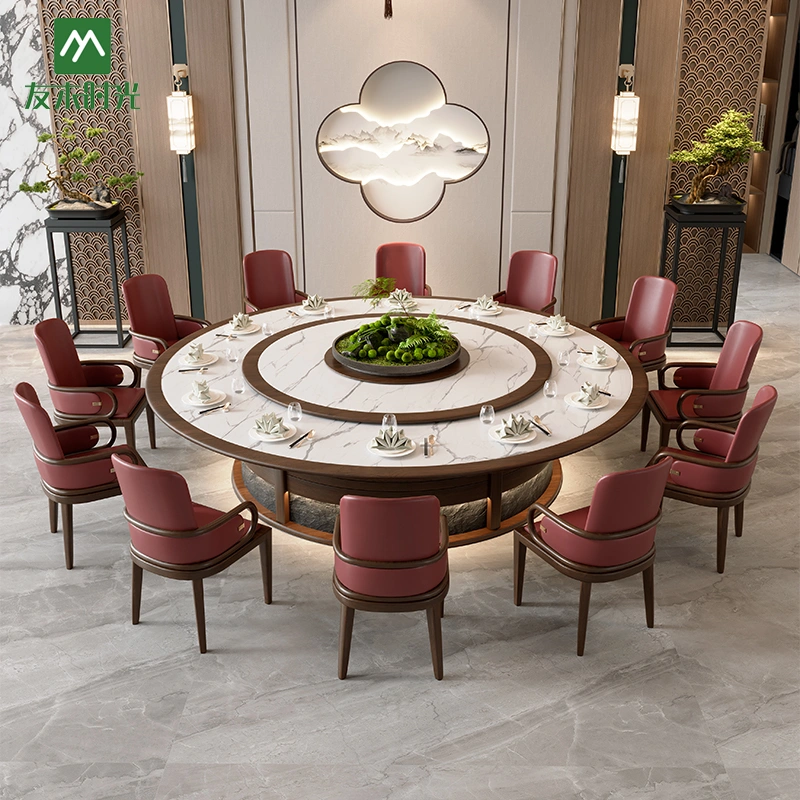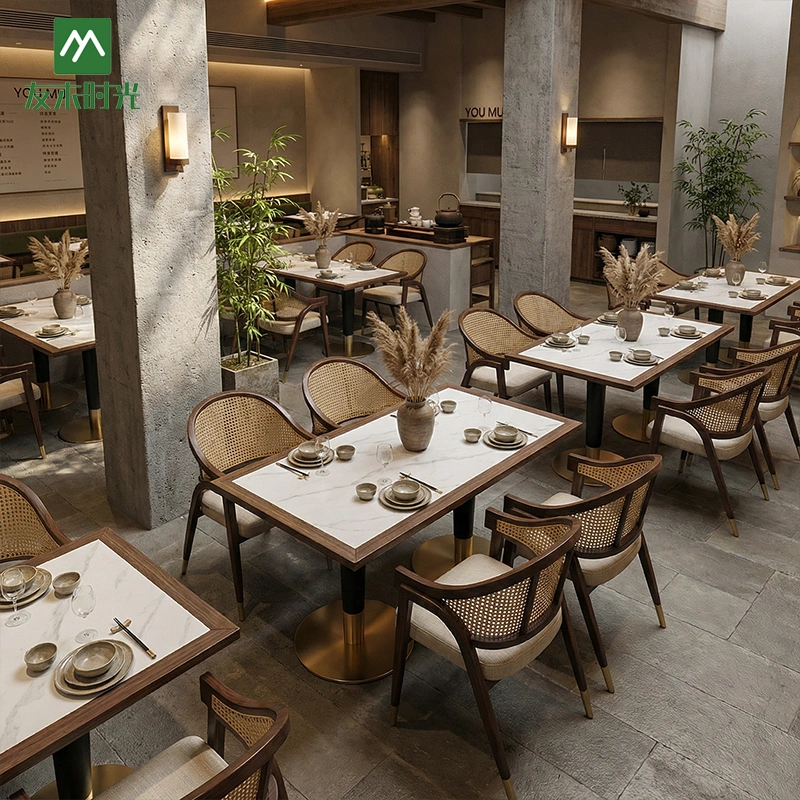
In the modern hospitality industry, restaurant success is no longer defined solely by food quality. While cuisine remains central, the physical dining environment—especially seating and furniture design—plays a powerful psychological role in shaping customer behavior.
From seating comfort and table spacing to materials, lighting interaction, and layout flow, restaurant furniture directly influences how long guests stay, how much they order, and whether they return. For restaurant owners, distributors, and importers, understanding this relationship is essential for optimizing both customer satisfaction and revenue performance.
Como profissional restaurant furniture manufacturer and supplier, we explore how seating design impacts customer psychology and how businesses can strategically choose furniture to enhance dining experiences.
The Psychology Behind Restaurant Seating
Restaurant seating is more than a functional necessity—it is a behavioral trigger. Customers subconsciously interpret furniture as part of the brand experience, which affects emotions, comfort levels, and spending patterns.
Comfort = Dwell Time = Revenue
One of the most well-documented principles in hospitality psychology is:
The more comfortable the seating, the longer customers stay.
Longer dwell time often leads to:
- Higher dessert and beverage orders
- Additional rounds of food
- Increased group spending
- Greater likelihood of repeat visits
However, the relationship is not always linear. Fast-casual restaurants may prefer moderately uncomfortable seating to encourage turnover, while fine dining establishments prioritize comfort to maximize check value.
Spatial Perception and Emotional Comfort
Customers evaluate restaurants within seconds of sitting down. Seating plays a major role in shaping that first impression.
Key psychological triggers include:
- Seat spacing: Crowded layouts increase stress and reduce satisfaction
- Chair height and table ratio: Poor alignment creates physical discomfort
- Privacy perception: Booths and partitions enhance emotional security
- Material texture: Soft materials feel more “premium” and relaxing
These subtle cues influence whether a guest feels rushed, relaxed, or valued.
How Different Seating Types Influence Customer Behavior
Different seating designs trigger different psychological and behavioral responses. Choosing the right mix is critical for restaurant positioning.
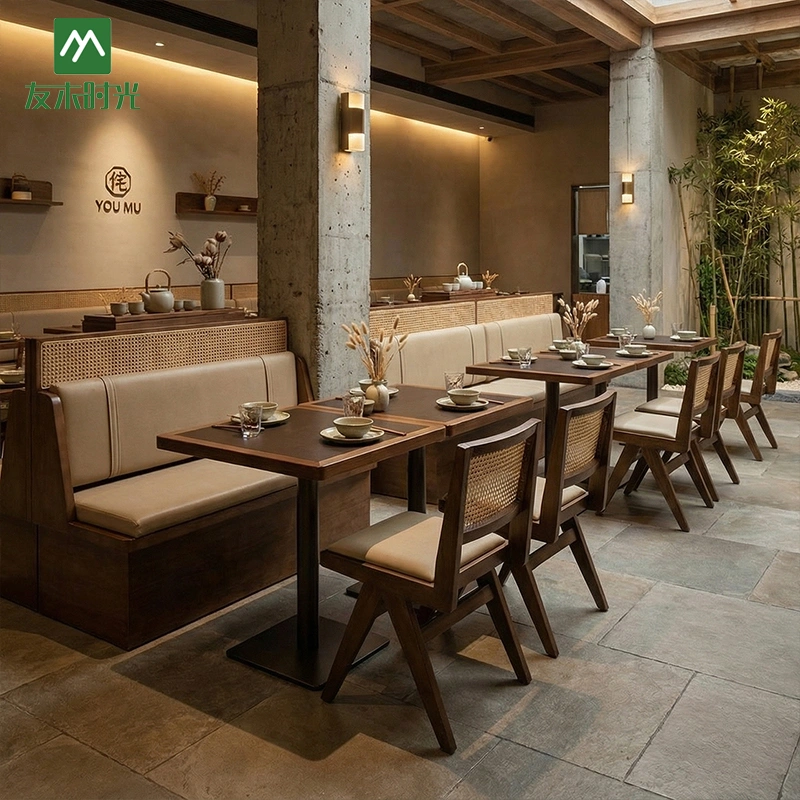
Booth Seating – Privacy and Longer Stays
Booth seating is widely associated with comfort, intimacy, and privacy.
Psychological effects:
- Encourages longer conversations
- Increases emotional comfort
- Enhances perceived dining value
Ideal para:
- Family restaurants
- Casual dining
- American-style diners
Many premium operators work with a custom restaurant furniture manufacturer to design booth seating that matches brand identity while optimizing space efficiency.
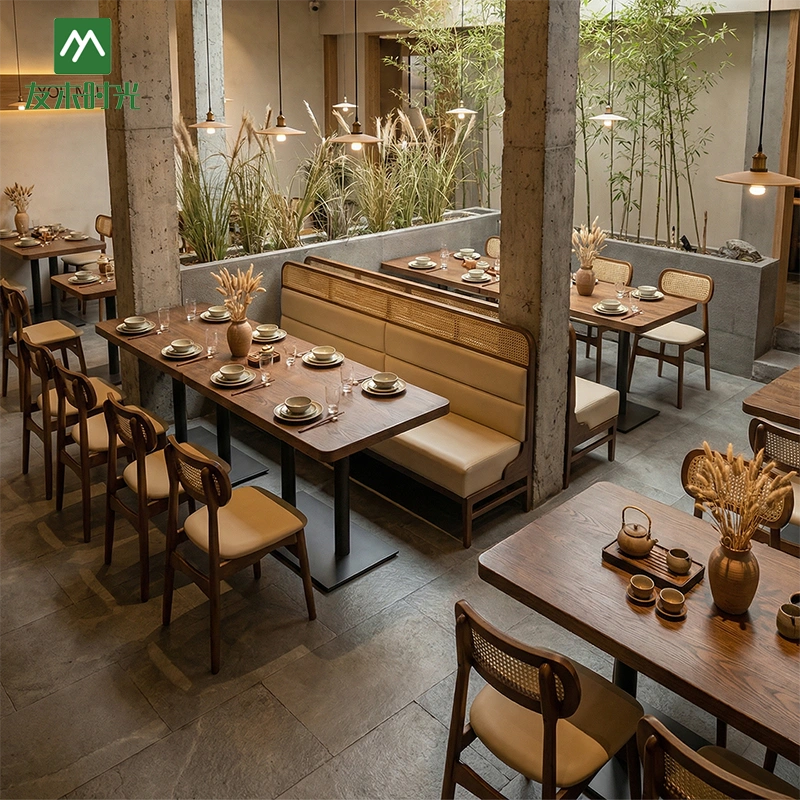
Table-and-Chair Seating – Flexibility and Flow
This is the most common layout in global restaurants.
Psychological effects:
- Neutral comfort level
- Balanced turnover rate
- Flexible for group sizes
Ideal para:
- Cafés
- Mid-range restaurants
- Fast-casual dining
Operators often rely on a fornecedor de mobiliário para restaurantes to provide modular seating solutions that can be easily rearranged during peak hours.
Lounge Seating – Experience-Driven Dining
Lounge-style seating prioritizes comfort over efficiency.
Psychological effects:
- Encourages relaxation and social interaction
- Extends visit duration significantly
- Increases high-margin item consumption (drinks, desserts)
Ideal para:
- Upscale restaurants
- Hotel dining areas
- Brand-driven experiential dining
Material and Design Psychology in Restaurant Furniture
Beyond structure, materials and aesthetics strongly influence subconscious customer perceptions.
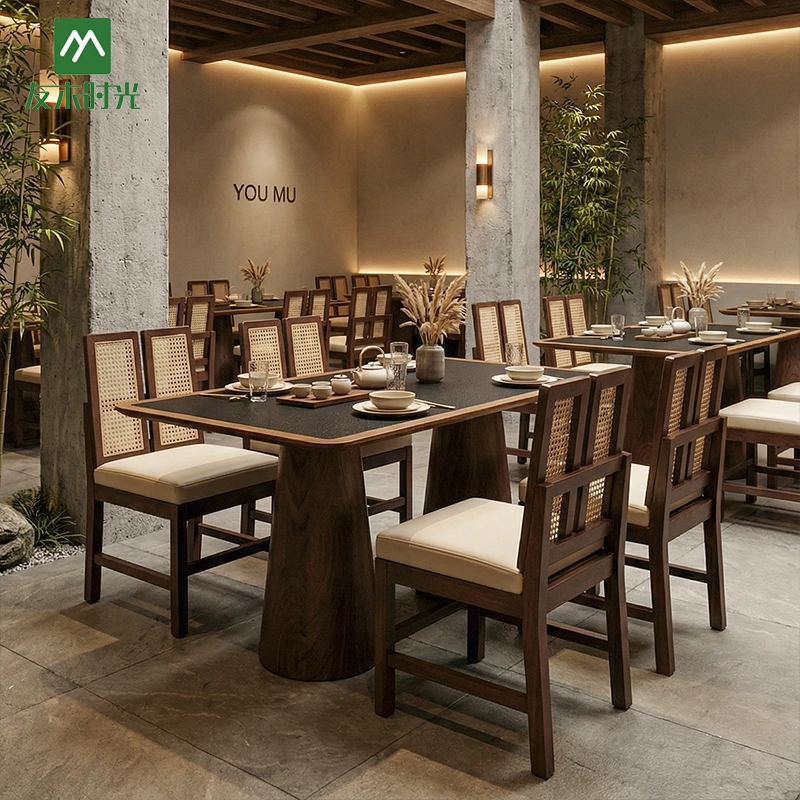
Wood – Warmth and Authenticity
Wooden furniture is associated with:
- Natural comfort
- Authentic dining experience
- Traditional craftsmanship
Wood-texture furniture helps create a strong emotional connection between the customer and the dining concept, reinforcing brand storytelling and enhancing perceived authenticity. It transforms the restaurant space into an experience-driven environment rather than just a place to eat.
Metal – Modernity and Efficiency
Metal furniture signals:
- Industrial aesthetics
- Cleanliness and durability
- Fast service environments
Often used in fast-casual chains and urban dining spaces.
Upholstery – Premium Comfort Perception
Fabric and leather seating increase perceived value:
- Soft seating increases dwell time
- Dark tones enhance luxury perception
- Light colors create openness and freshness
High-end brands often collaborate with a [wholesale restaurant furniture supplier] to ensure consistency across global outlets.
Business Impact of Restaurant Furniture Choices
Seating design is not just aesthetic—it is a revenue strategy.
Impact on Average Order Value
Comfortable seating increases:
- dessert orders
- second drink purchases
- shared dishes
Impact on Table Turnover Rate
Less comfortable seating increases:
- faster dining cycles
- higher daily customer capacity
Brand Positioning
Furniture helps define brand identity:
- Luxury restaurants → premium upholstered seating
- Fast-casual → durable and functional seating
- Café brands → aesthetic Instagram-friendly furniture
Future Trends in Restaurant Furniture and Psychology
The future of restaurant seating is shaped by evolving consumer expectations.
Flexible and Modular Seating
Restaurants increasingly adopt:
- movable seating systems
- reconfigurable layouts
- hybrid dining zones
Experience-Oriented Design
Furniture is becoming part of storytelling:
- themed seating environments
- immersive brand experiences
- Instagram-optimized layouts
Sustainability-Driven Materials
Eco-conscious consumers prefer:
- recycled materials
- low-impact manufacturing
- long-life furniture design
FAQ – Restaurant Furniture and Seating Psychology?
How does restaurant seating affect customer spending?
Comfortable seating increases dwell time, which typically leads to higher order values and additional purchases.
What type of seating is best for fast-casual restaurants?
Harder seating like metal or simple chairs encourages faster turnover, ideal for high-traffic environments.
Why is booth seating popular in restaurants?
Booth seating provides privacy and comfort, encouraging longer stays and higher satisfaction.
Can furniture really influence customer psychology?
Yes. Seating comfort, layout, and material choices directly affect emotions, behavior, and dining decisions.
Should restaurants invest in custom furniture?
Yes. Custom solutions from a fornecedor de mobiliário para restaurantes or manufacturer ensure brand consistency and optimized space usage.
Conclusão
Restaurant furniture is not just a design decision—it is a psychological tool that shapes customer behavior, influences spending, and defines brand identity. Seating choices affect how long customers stay, how comfortable they feel, and how they perceive the overall dining experience.
For restaurant brands, distributors, and importers, investing in well-designed, strategically planned furniture is one of the most effective ways to improve operational performance and customer satisfaction.
Partnering with an experienced restaurant furniture manufacturing expert ensures that every chair, booth, and table contributes to a stronger, more profitable dining environment.