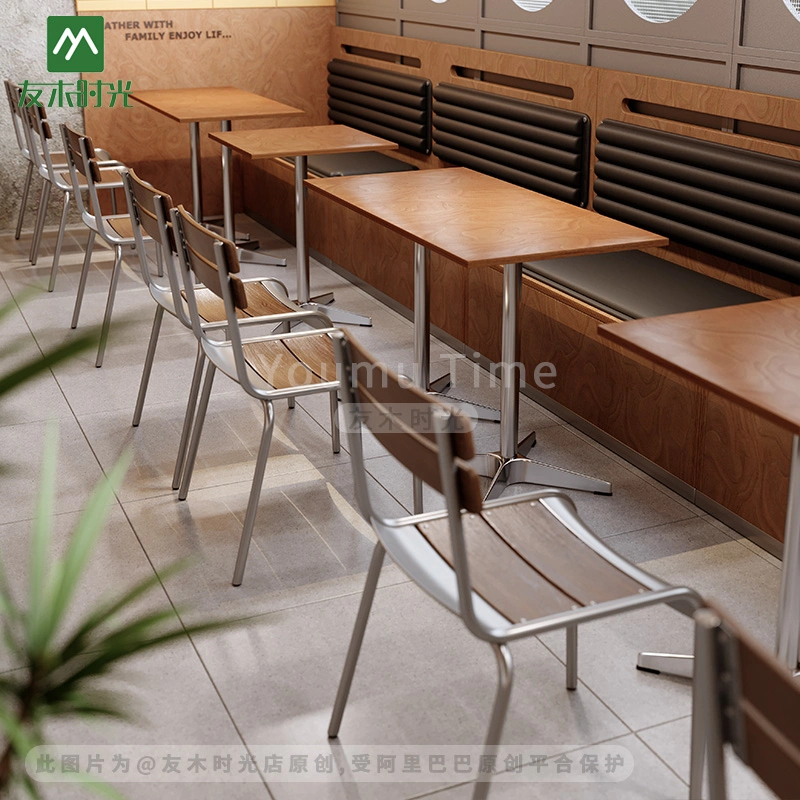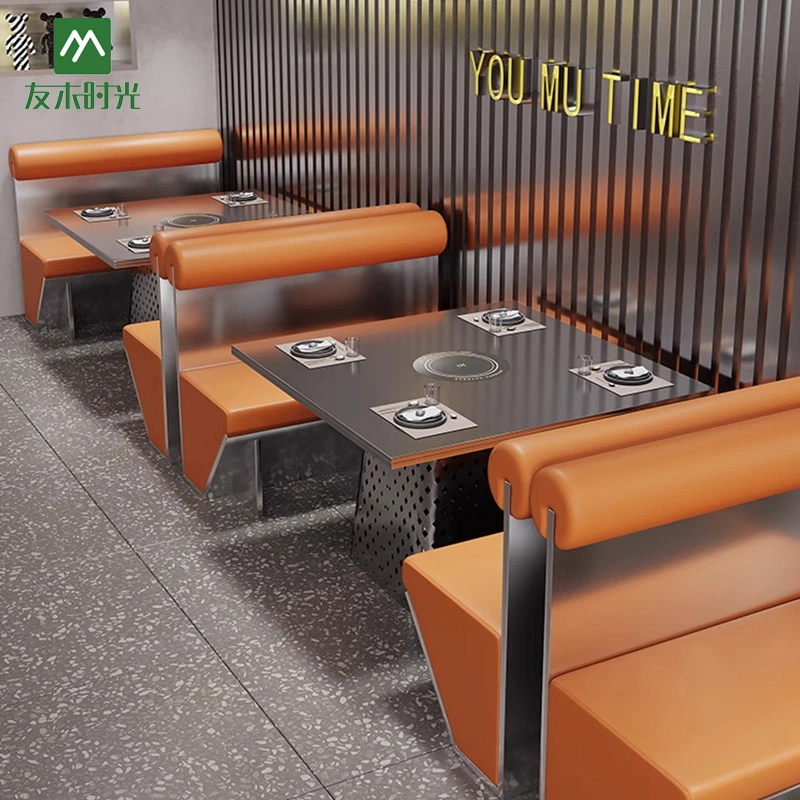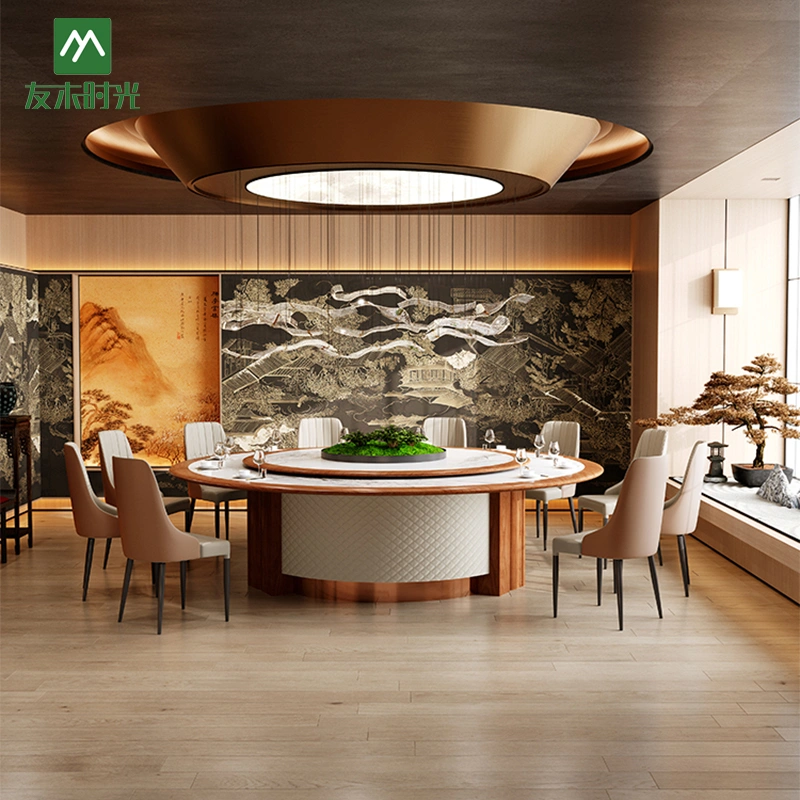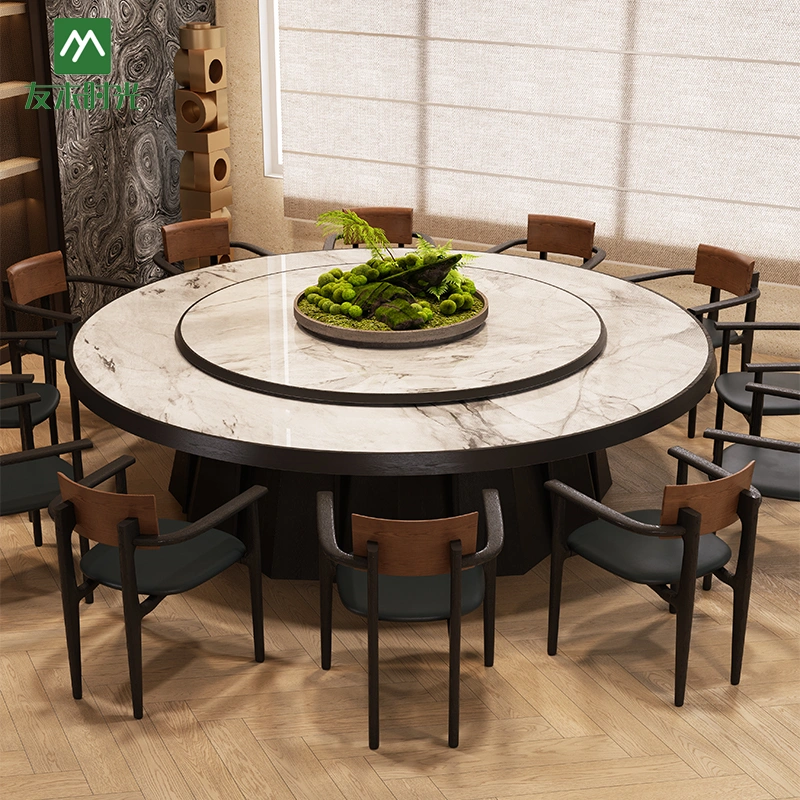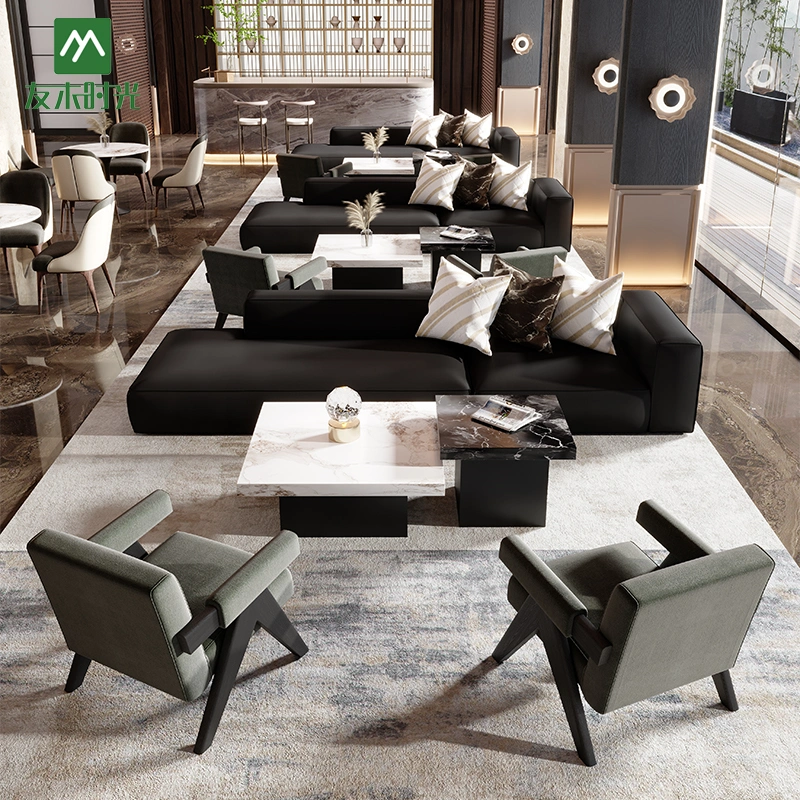
In the catering industry, the “one-size-fits-all” approach to space design simply doesn’t work. A seemingly versatile set of tables and chairs, when used in the wrong setting, can negatively impact customer experience and, in the worst-case scenario, cripple operational efficiency. The cost of choosing the wrong restaurant furniture is far greater than you imagine.
In this article, Youmu Shiguang Furniture, a leading restaurant manufacturer, will delve into the core needs and critical differences in furniture requirements for three typical business types: hot pot restaurants, bakeries, and light meal establishments.
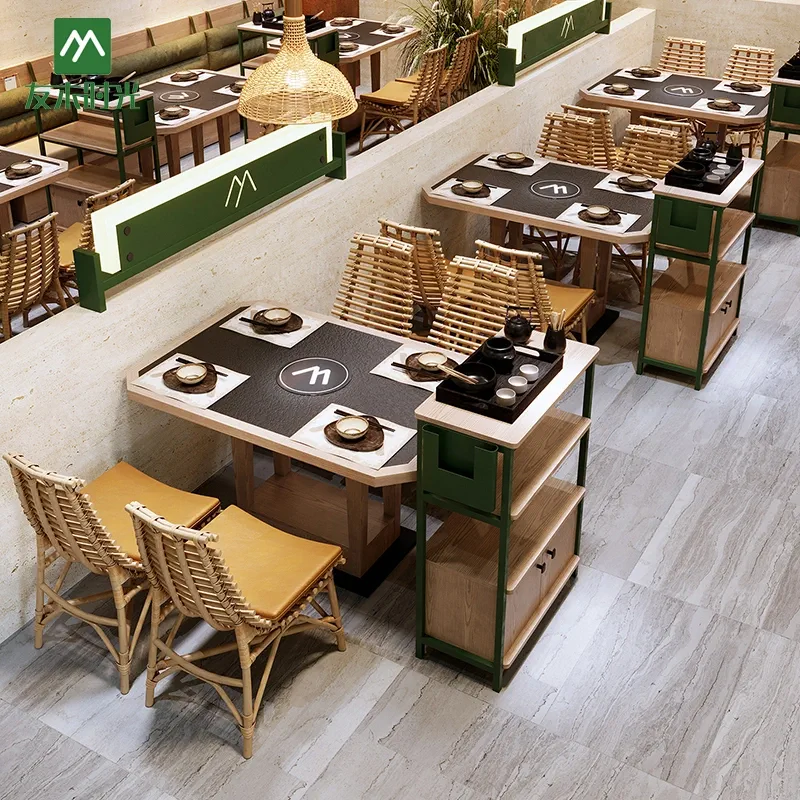
Hot Pot Restaurants Furniture: A Durable Battlefield Against “High Temperatures, Grease, and High Intensity Use”
Hot pot restaurants are the “ultimate testing ground” for restaurant furniture, with the core requirements being extreme durability and super easy cleaning.
Special Challenges:
- Physical Attacks: Frequent movement and bumping of pots; customers frequently getting up to get ingredients and moving chairs back and forth.
- Chemical Attacks: Splashing and penetration of beef tallow and chili oil; repeated scrubbing with strong cleaning agents.
- High-Temperature Environment: Tabletops are constantly exposed to high-temperature pots and steam.
Design Key Points:
- Tabletops: Must use dense, non-porous materials. Thickened sintered stone is the preferred choice, as its impact resistance, high-temperature resistance, and zero permeability far surpass those of natural marble or wood panels. A waterproof and leak-proof edging design is recommended.
- Chairs and Stools: Avoid complex fabric upholstery. Solid wood (such as beech) or high-quality engineered plastic chairs are recommended, with a sturdy structure and smooth, easy-to-clean surface. The chair legs must be fitted with wear-resistant, non-slip metal feet.
- Space Layout: Consider setting up a spacious central preparation counter or mobile food cart to reduce the frequency of customers getting up, thereby reducing wear and tear on tables and chairs.
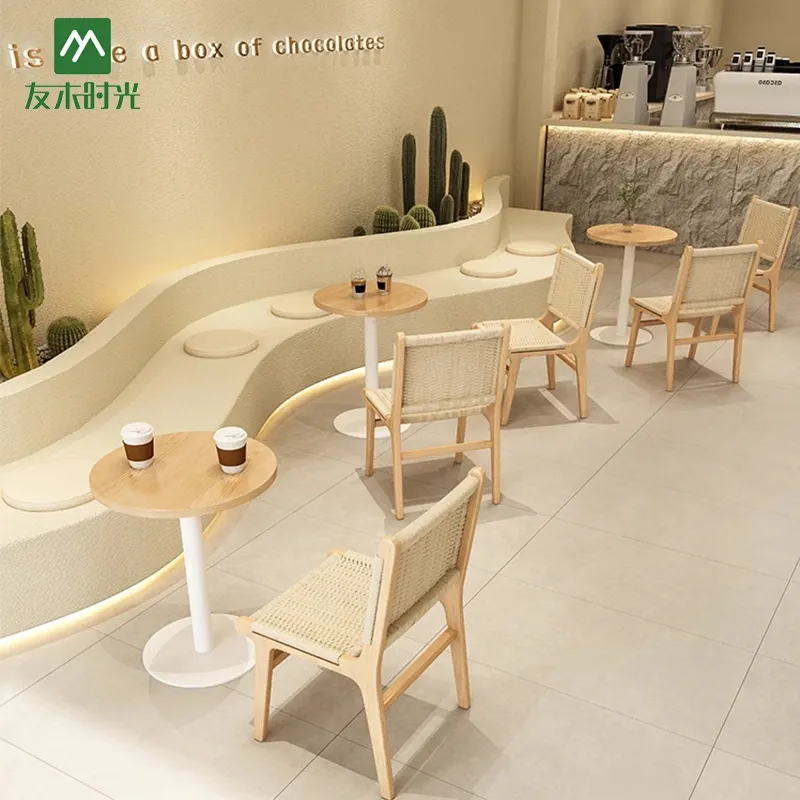
Bakeries/Cafes Furniture: Creating a Social Showcase for “Atmosphere, Staying, and Sharing”
The core of a bakery or cafe is creating an inviting consumption environment that encourages customers to linger and share.
Special Challenges:
- Experience Needs: Customers seek a relaxed and refined environment for socializing, working, or spending time alone.
- Display Needs: The space itself is a core part of the brand image and needs to be aesthetically pleasing and photogenic.
- Time Period Needs: A balance needs to be struck between high turnover during peak hours and encouraging customers to stay during off-peak hours.
Design Highlights:
- Diverse Seating Options: Avoid uniformity. A mix of seating types is recommended:
- Small two-person round tables: To create a sense of intimacy.
- Long tables or bar counters with power outlets: To cater to working customers.
- Comfortable upholstered booths or sofa areas: To enhance comfort and encourage longer stays.
- Materials and Colors: Extensive use of warm materials such as natural wood, rattan, and fabric, paired with low-saturation, soft colors. Tables and chairs can serve as color accents in the space, such as velvet chairs in Morandi colors.
- Flexibility: Some seating (especially in outdoor areas) should be lightweight and easily movable, allowing for flexible layout adjustments during peak hours.
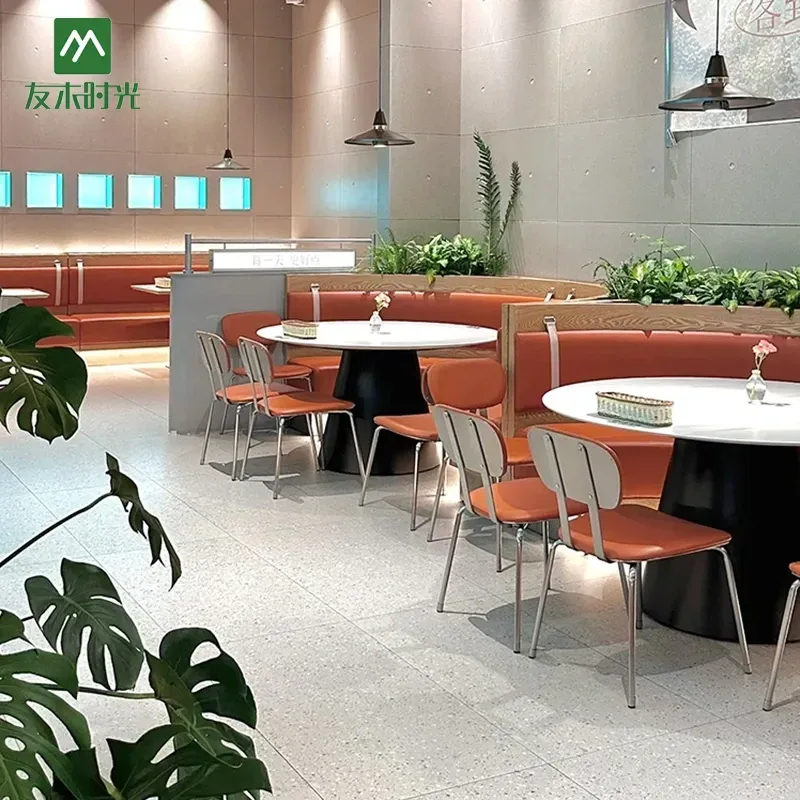
Healthy Food/Salad Restaurant Furniture: Pursuing a Fast-Paced, Efficient, Healthy, and Transparent Environment
The core of a healthy food shop is achieving efficient order flow and conveying a healthy brand image.
Specific Challenges:
- Efficiency Requirements: Average order value is usually low, relying on high table turnover and takeaway orders.
- Brand Image: Needs to convey a “fresh, healthy, and guilt-free” visual impression.
- Spatial Awareness: Store spaces are usually small, requiring avoidance of crowded and oppressive feelings.
Design Highlights:
- Furniture Size: Must be light and slender. Recommended are tables and chairs with thin metal legs (such as steel pipes, aluminum), and tabletops can use light-colored fireproof or eco-friendly boards to visually reduce weight and expand the sense of space.
- Seating Layout: Primarily fast-food style tables, with a small number of single seats against the wall. Tables and chairs must be easy to move and clean quickly to handle rapid turnover and cleaning during peak hours.
- Health Implication: Material selection can emphasize environmental protection, such as using tables and chairs made from recycled materials, or incorporating green plant elements into the design to reinforce brand positioning. Choosing furniture is essentially choosing hardware support for your business model and operational processes. The battleground for hot pot restaurants is cleanliness and durability, the soul of bakeries is the scene experience, and the lifeline of healthy food shops is operational efficiency.
Conclusion
In your store opening budget, furniture should not be considered a simple purchase, but rather a crucial investment in spatial productivity. A truly professional restaurant furniture supplier not only provides products but also becomes a spatial partner in your business success, offering one-stop solutions for your specific business type, from materials and structure to layout.
About Youmu Shiguang Furniture
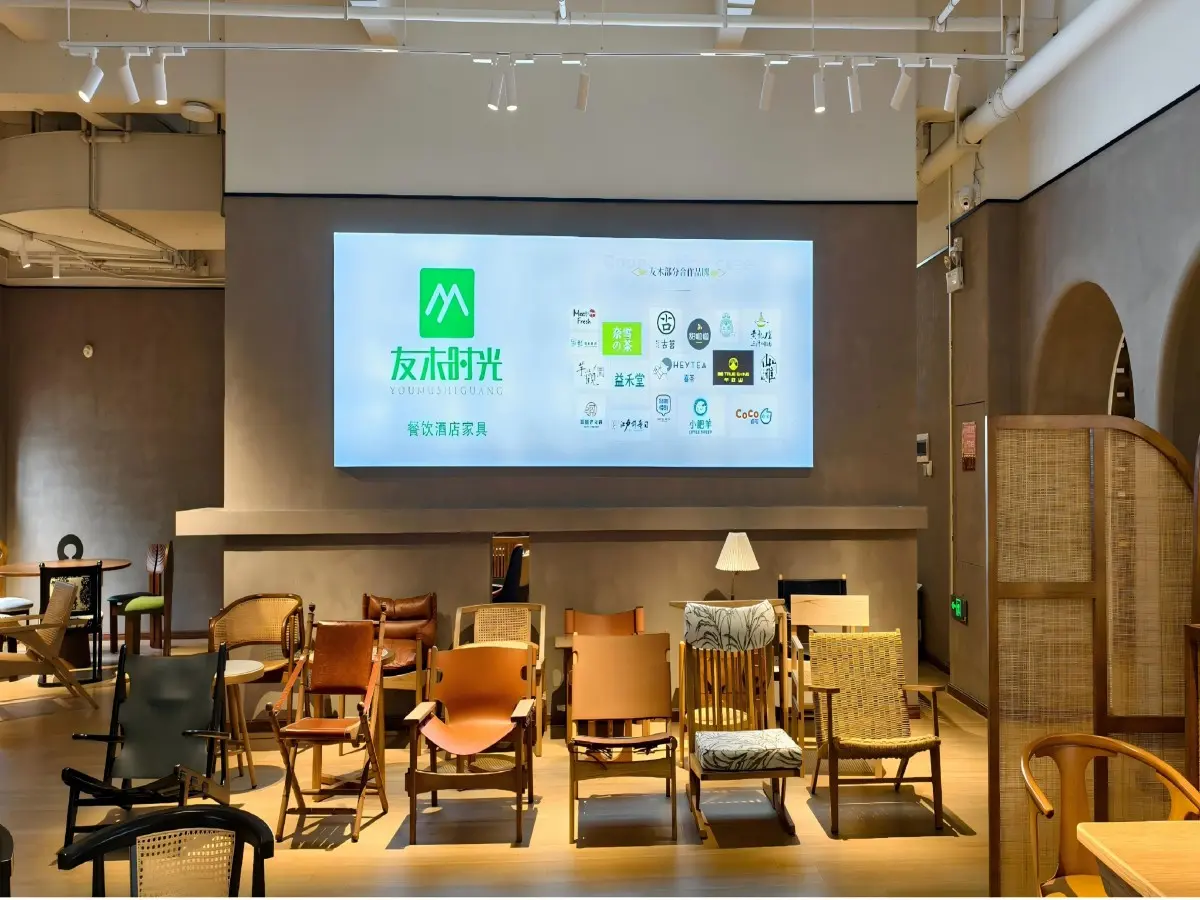
Youmu Shiguang Furniture is a professional restaurant furniture manufacturer serving global B2B buyers with stable production capacity and reliable lead times. From hot pot restaurants to bakeries, cafés, and healthy food chains, we engineer furniture built for real commercial use—heat resistance, stain-proof surfaces, heavy-duty frames, and easy-clean designs.
Our factory provides flexible custom commercial furniture solutions, including custom table sizes, chair structures, materials, colors, and space-matching style solutions. With strict QC and export-ready packaging, we, as a leading commercial furniture manufacturer, help brands, contractors, and distributors scale projects efficiently with consistent quality and long-term supply security.