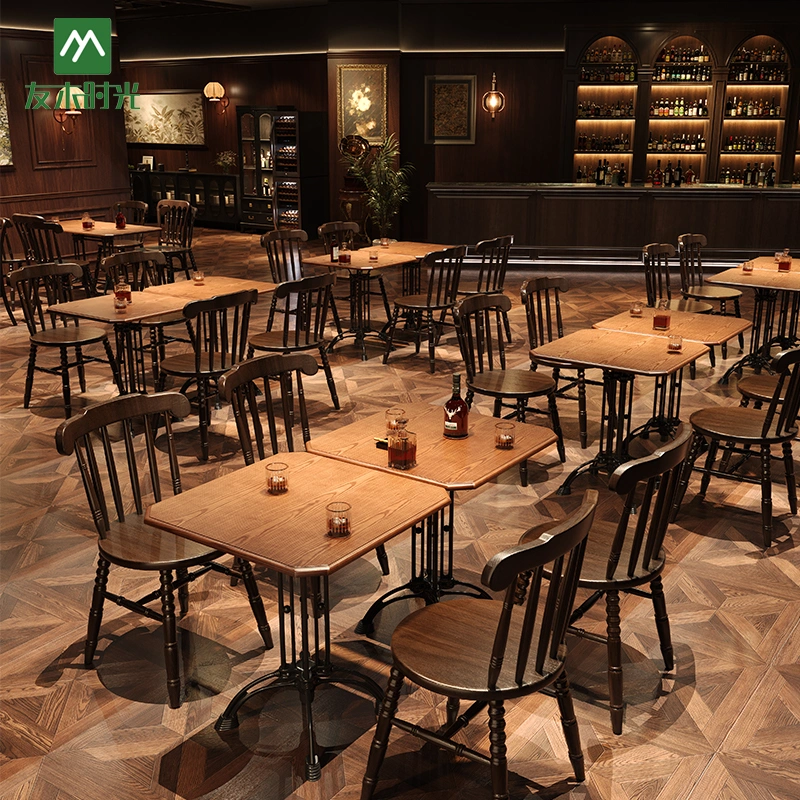
Libraries are heavy-use environments. Students study for hours, staff move book carts across floors, and public programs fill reading rooms. For schools, public libraries, and universities, choosing the right library furniture is a financial and operational decision for facilities managers, not a decorative one. High-quality pieces reduce maintenance, limit downtime, and create comfortable, durable spaces that support learning.
Today, Youmu Shiguang Furniture, a ведущий производитель коммерческой мебели, brings a practical, specification-focused guide that tells you how to judge whether a product is truly commercial-grade and what to demand from suppliers.
Material Durability: Start With What’s Under the Finish
Material choices determine the longevity of library furniture.
- Frames and legs. Prefer steel or structural aluminum for chairs, tables, and shelving. For steel frames, require tube wall thickness ≥ 1.2–1.5 mm or equivalent gauge; powder coat film 60–80 µm for indoor use and thicker for harsher environments. For outdoor or high-moisture areas, specify stainless steel (304 or 316).
- Tabletops and carrels. Commercial options are HPL (high-pressure laminate), compact laminate, engineered plywood cores (≥ 18 mm), or sealed solid wood for premium areas. Avoid thin particleboard and consumer melamine for high-traffic zones.
- Shelving. Steel shelving systems or hardwood with reinforced supports are preferred. Require a per-shelf load capacity (e.g., 40–80 kg per shelf) based on intended book density.
- Upholstery. Use commercial textiles or coated leathers with proven abrasion ratings. Aim for Martindale ≥ 30,000–40,000 rubs for high-use seating; choose solution-dyed fabrics for stain and UV resistance where needed.
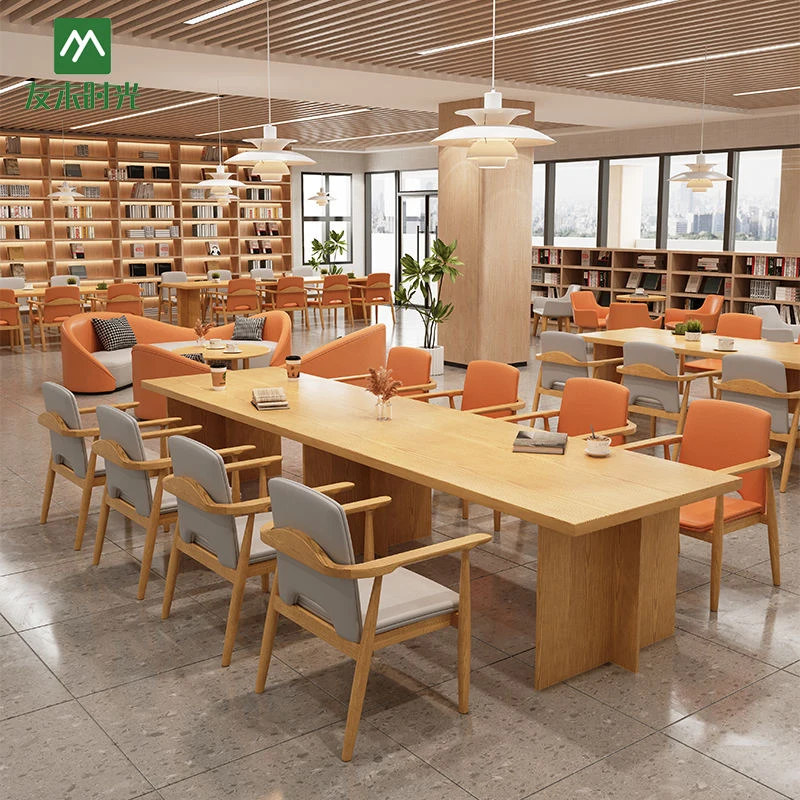
Construction & Engineering: Look Inside the Joints
Good design is invisible—until a weak joint fails.
- Joinery. For wood pieces, mortise-and-tenon, dowel-reinforced joints, or multi-screwplate systems are reliable. For metal, look for welded gussets and welded reinforcements at stress points rather than single-screw assemblies.
- Fasteners & serviceability. Standardize to common fastener sizes (M8/M10) so onsite teams can perform repairs without custom tools. Insist on replaceable glides and leg caps.
- Stability. Tables and tall shelving must resist wobble and tipping. Require cross-bracing or weighted bases for pedestal tables and anti-tip fixtures for tall stacks.
Request construction drawings or close-up photos of welds and joints of the library furniture for major orders.
Verified Testing: Demand Objective Proof
Never accept vague durability claims—insist on test evidence.
- Abrasion tests. For upholstery, request Martindale or Wyzenbeek certificates.
- Load and fatigue tests. Seating and tables should reference EN, ANSI/BIFMA, or equivalent load/fatigue standards.
- Environmental resistance. For outdoor or near-window locations, request UV accelerated aging (Xenon) tests and corrosion/salt-spray (ASTM B117) results where relevant.
- Finish tests. Adhesion, scratch, and chemical resistance tests for surfaces reduce early failure.
Third-party lab reports or accredited factory test documentation should be part of any B2B quote.
Ergonomics & Comfort: Measured, Not Assumed
Comfort increases dwell time and improves user outcomes, but it’s measurable.
- Chair standards. Define seat height (typically 43-48 см for study chairs), seat depth (40–50 cm), and back height ranges. Specify foam density for cushions (HR foam ≥ 30–35 kg/m³ for commercial seating).
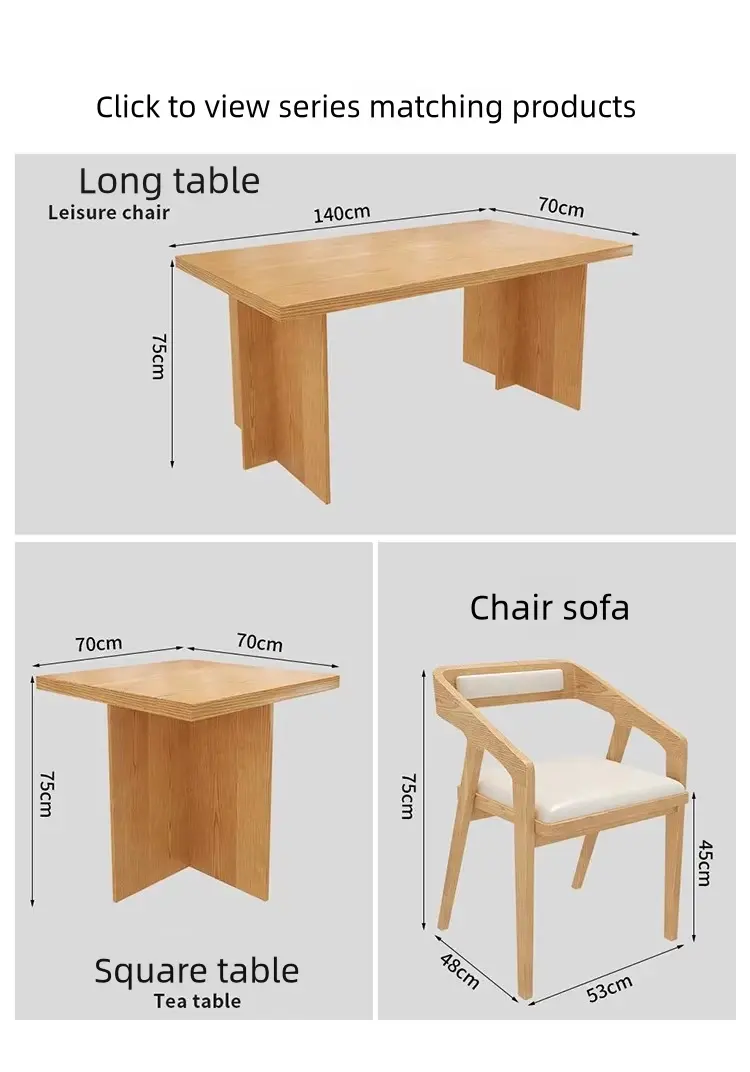
- Table dimensions. Standard study table height 72–75 cm; ensure adequate legroom and knee clearance. Include cable management and modesty/privacy panels for carrels.
- Acoustics & soft seating. In quiet study zones, soft seating should employ acoustic materials and layout that reduce sound propagation.
Require sample sign-offs during procurement so stakeholders can test seating comfort before mass production.
Удобство обслуживания и практичность жизненного цикла
Design for maintenance and repair to minimize lifecycle cost.
- Replaceable parts. Demand removable cushion covers, replaceable tabletops or slats, and spare-part catalogs.
- Cleaning tolerance. Materials must tolerate commercial cleaning agents and frequent disinfection cycles. Specify cleanability requirements in the RFP.
- Maintenance documentation. Every bulk delivery should include a maintenance manual with cleaning schedules and recommended repair procedures.
Include a spare-parts kit with the order or contractual lead-time guarantees for common items.
Safety & Compliance: Reduce Liability
Safety compliance protects users and institutions when those items of library furniture fail.
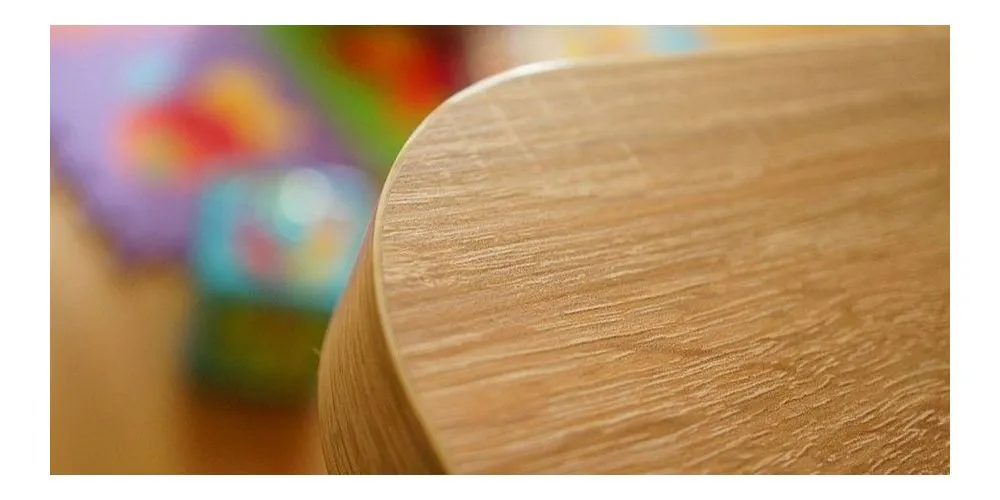
- Anti-tip and rounded edges. Require tested anti-tip geometry for shelving and rounded table edges for high-traffic public spaces.
- Fire and chemical standards. Insist on fire-retardant certifications for upholstery and foam where local codes require them.
- Accessibility. Ensure that selected furniture supports accessible use (clearance for wheelchairs, appropriate heights).
Tie acceptance to the presentation of relevant compliance certificates.
Supplier Capability: Why Manufacturer Matters
A dependable supplier mitigates risk.
- Factory checks. Verify production capacity, QC processes, and sample policies. Look for manufacturers with institutional project experience.
- Traceability & batch control. For multi-site rollouts, require color/finish repeatability metrics (ΔE tolerances for paint/veneer).
- Logistics & aftercare. Confirm lead times, MOQ, palletization standards, and spare-parts SLAs.
Prefer manufacturers who can customize technical drawings and provide case studies for similar projects.
Total Cost of Ownership: The Pragmatic Bottom Line
Compare options on a multi-year basis.
- Model TCO including purchase price, expected maintenance, replacement interval, cleaning labor, and downtime cost. A higher initial investment in robust library furniture usually pays back within 3–5 years through lower replacement and maintenance spend.
- Warranty & support. Longer warranties and clear SLAs materially reduce operating risk.
Ask bidders to provide a simple 3–5 year TCO estimate with their proposals.
Procurement Checklist
When you are purchasing library furniture in bulk, please remind the items below:
- Список материалов с указанием толщины/класса
- Construction drawings or close-up photos of joints/welds
- Third-party test reports (Martindale, BIFMA/EN/ASTM as relevant)
- Образец согласования для обеспечения комфорта и соответствия цвета
- Список заменяемых деталей и сроки поставки запасных частей
- Срок гарантии и SLA на ремонт
- 3–5 year TCO projection included in the quote
Заключение
True commercial-grade library furniture is defined by measurable specifications: the right materials, robust engineering, independent test evidence, ergonomic design, maintainability, verified supplier capability, and realistic TCO calculations. For institutional buyers, the smartest procurement decisions turn subjective impressions into objective requirements—ensuring the library furniture you buy supports teaching, research, and public service for years to come.
О компании «Юму Шигуан Мебель»
Youmu Shiguang Furniture stands at the forefront as a ведущий производитель коммерческой мебели, supplying durable and design-driven solutions for public spaces. Our facility operates under internationally recognized safety and quality standards, ensuring every piece is produced with consistent precision.
Мы предложение wholesale library furniture supply for brands, contractors, and institutional buyers seeking long-lasting tables, shelving systems, seating lines, and study-area fixtures. Every batch is engineered to pass strict third-party testing protocols, from structural stability to material safety.
For specialized needs, our team builds custom library furniture solutions—including tailored dimensions, finishes, modular layouts, and functional upgrades—to help clients shape spaces that are quiet, efficient, and student-friendly. As a trusted partner, we commit to dependable service, punctual delivery, and furniture built to last.