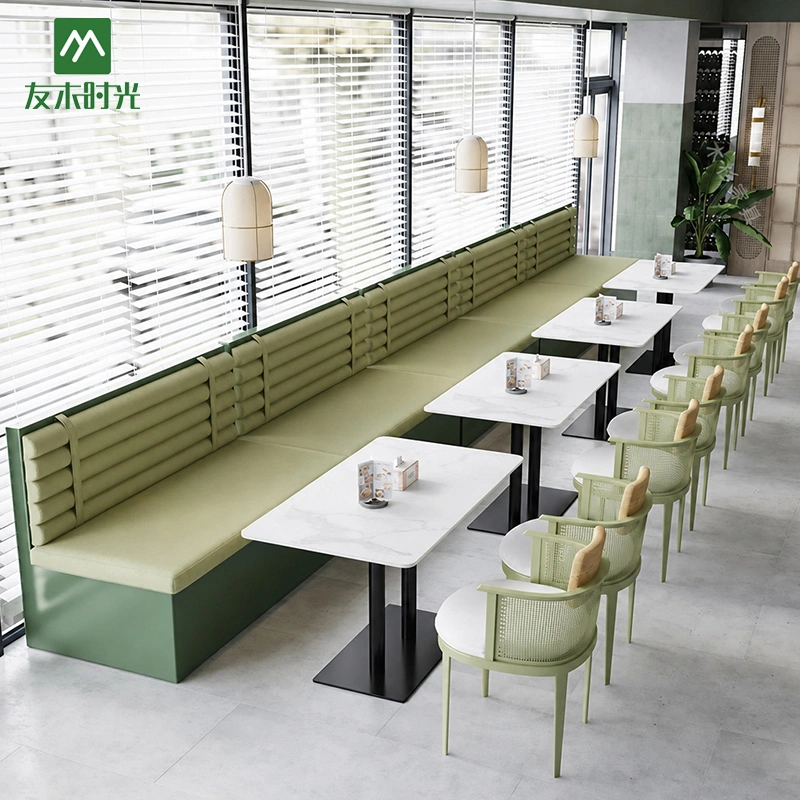
When selecting dining chairs for a restaurant, most owners focus on materials, durability, and comfort. However, one often-overlooked detail can have a significant impact on daily maintenance costs and long-term appearance: the color combination of the seat and backrest.
Should the seat and backrest be the same color, or should they feature contrasting colors? While this may seem like a purely aesthetic decision, it directly affects stain visibility, cleaning efficiency, and overall furniture longevity.
Let’s explore the pros and cons of each option from a practical restaurant operation perspective.
Same-Color Dining Chairs: Clean, Unified, and Timeless
Same-color dining chairs use the same fabric and color for both the seat and backrest, creating a cohesive and uniform appearance. This is one of the most popular choices for restaurants seeking a clean and organized interior design.
Advantages
- Creates a consistent and professional visual appearance.
- Works well with almost any restaurant style.
- Simplifies procurement and inventory management.
- Easier to reupholster during future renovations.
Disadvantages
The stain resistance of the same-color chairs largely depends on the chosen color.
- Dark colors such as black, dark gray, or dark brown effectively conceal everyday dirt and stains.
- Light colors such as beige, cream, light gray, or pastel shades reveal fingerprints, food residue, beverage stains, and wear much more quickly.
As a result, light-colored monochromatic chairs often require frequent cleaning throughout the day to maintain a fresh appearance.
Am besten geeignet für
- Fast-Food-Restaurants
- Cafeterias
- Chain restaurants
- Restaurants with dark interior color schemes
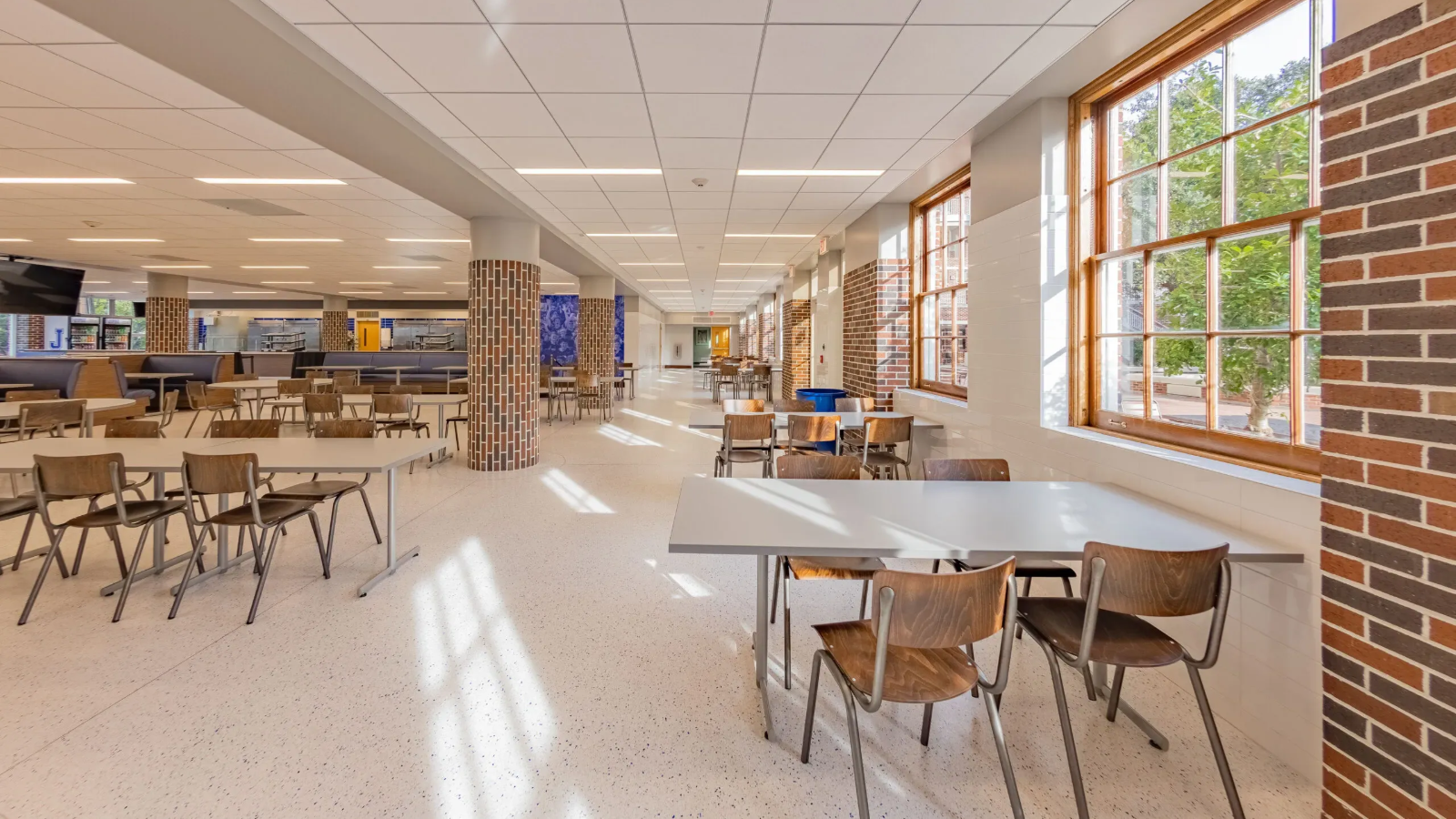
Contrasting-Color Dining Chairs: Stylish and Surprisingly Practical
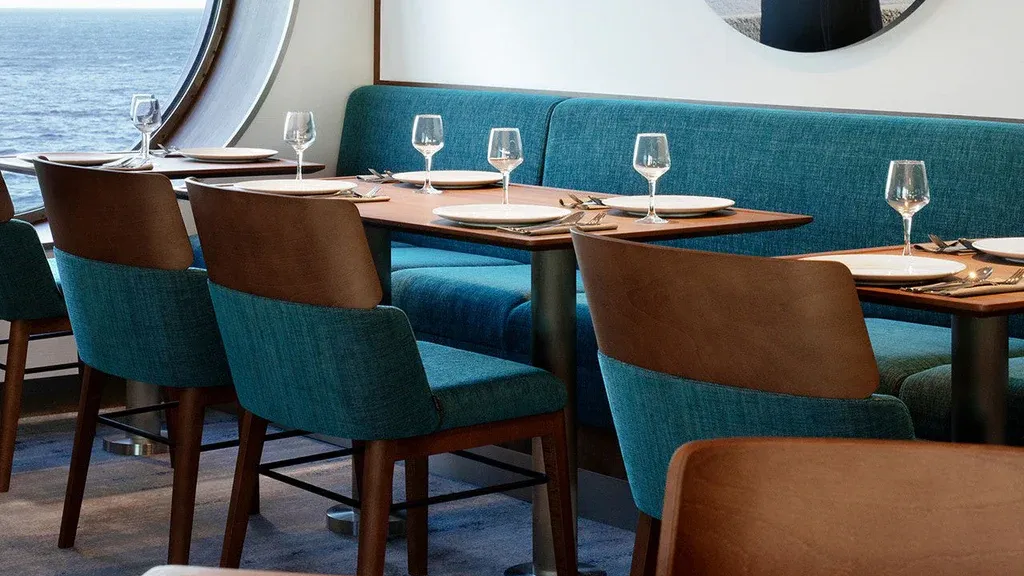
Contrasting-color dining chairs use different colors—or different shades of the same color—for the seat and backrest.
Common combinations include:
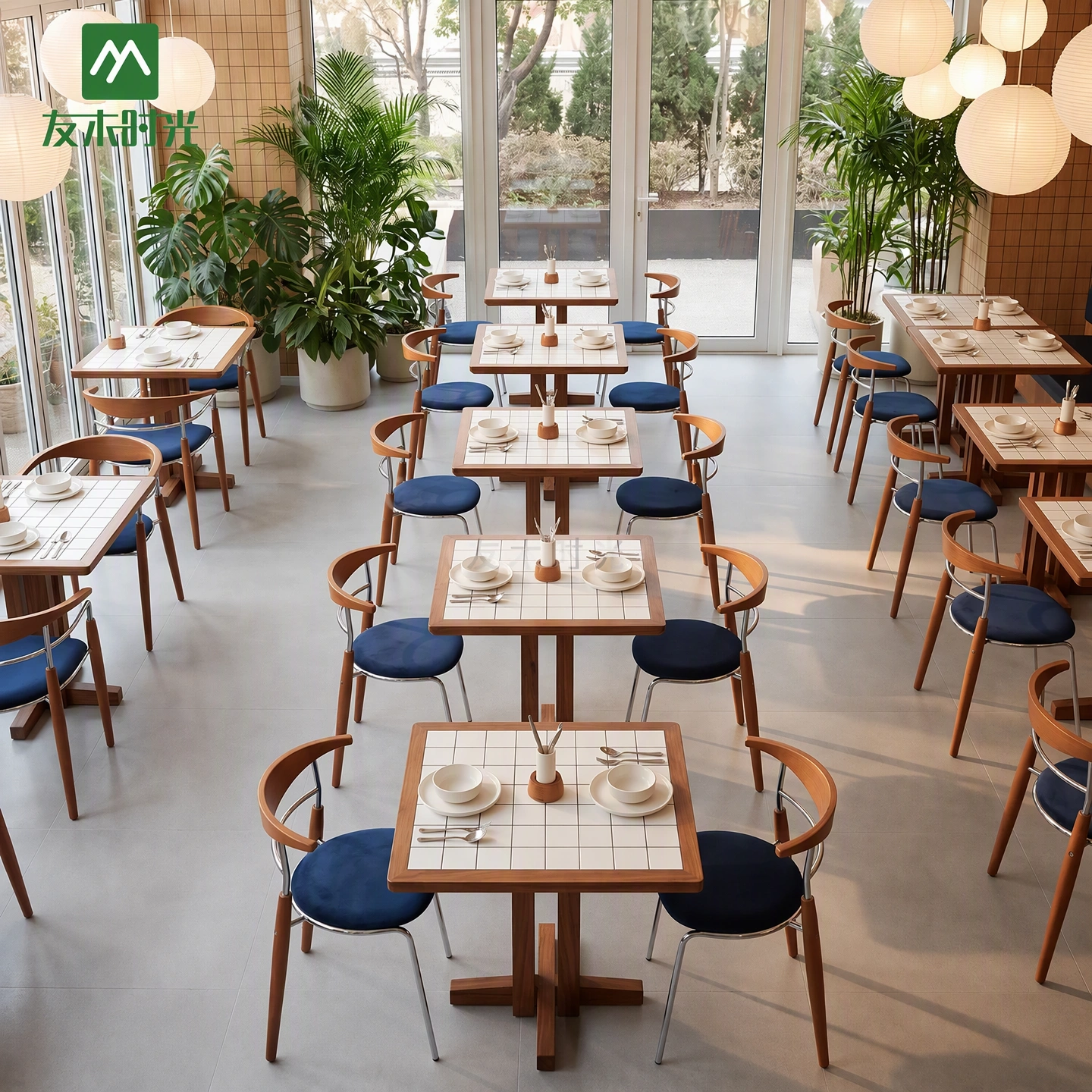
- Dark seat + light backrest
- Dark seat + brand-colored backrest
- Neutral seat + accent-colored backrest
This approach not only creates visual depth but also serves a practical purpose by strategically hiding dirt in high-contact areas.
Why Contrasting Colors Improve Stain Resistance
The seat is the part of the chair that experiences the most wear and contamination. It comes into contact with clothing, spilled food, beverages, shoes, and daily friction.
By choosing a dark-colored seat, restaurants can effectively conceal:
- Oil stains
- Coffee spills
- Sauce splashes
- Dirt and scuff marks
Meanwhile, the backrest generally experiences less direct contact and remains cleaner for longer periods. This makes it suitable for lighter or more decorative colors.
This strategy can be described as a “zoned stain-concealment design.”
Advantages
- Dark seats effectively hide everyday stains.
- Creates a more premium and layered appearance.
- Makes it easier to incorporate brand colors.
- Balances practicality and aesthetics.
Disadvantages
- Requires careful color coordination.
- May involve multiple fabric materials or colors.
- Slightly more complex during refurbishment or reupholstery.
Am besten geeignet für
- Cafés
- Bubble tea stores
- Bars and lounges
- Boutique restaurants
- Designer dining spaces
Which Option Is More Stain-Resistant?
From a practical maintenance perspective, the ranking is clear:
1. Contrasting Colors (Dark Seat + Light or Decorative Backrest)
The most effective solution for minimizing visible stains while maintaining attractive aesthetics.
2. Dark Monochromatic Colors
Simple, practical, and easy to maintain.
3. Light Monochromatic Colors
The least stain-resistant option and the most demanding in terms of daily cleaning.
Quick Recommendation
- Want the least cleaning effort? Choose a dark seat with a contrasting backrest.
- Prefer a minimalist look? Choose a dark monochromatic design.
- Avoid light monochromatic chairs unless your restaurant has dedicated cleaning staff and low table turnover.
How to Choose Different Restaurant Types
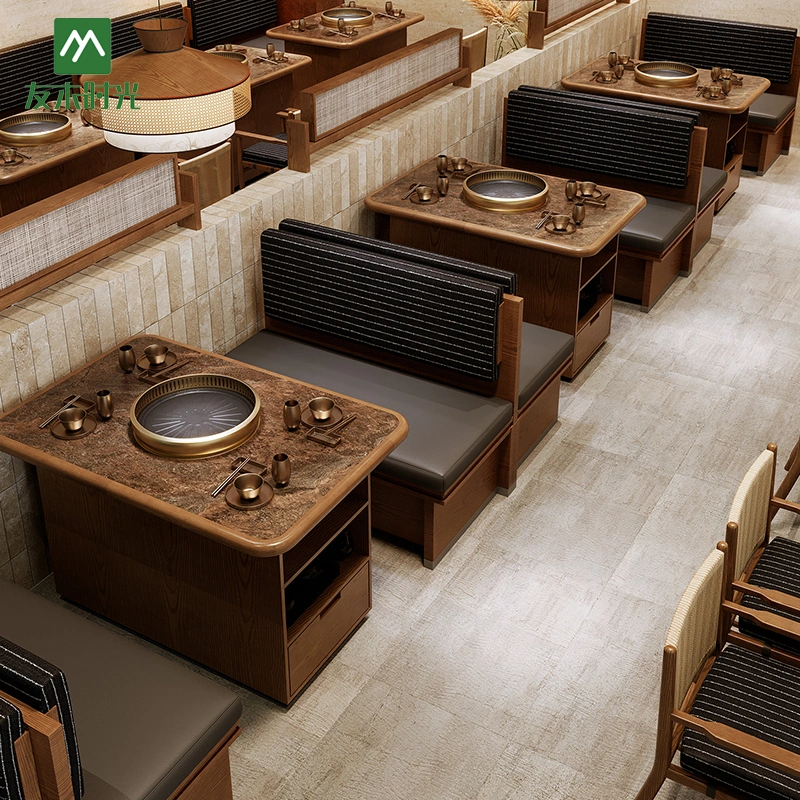
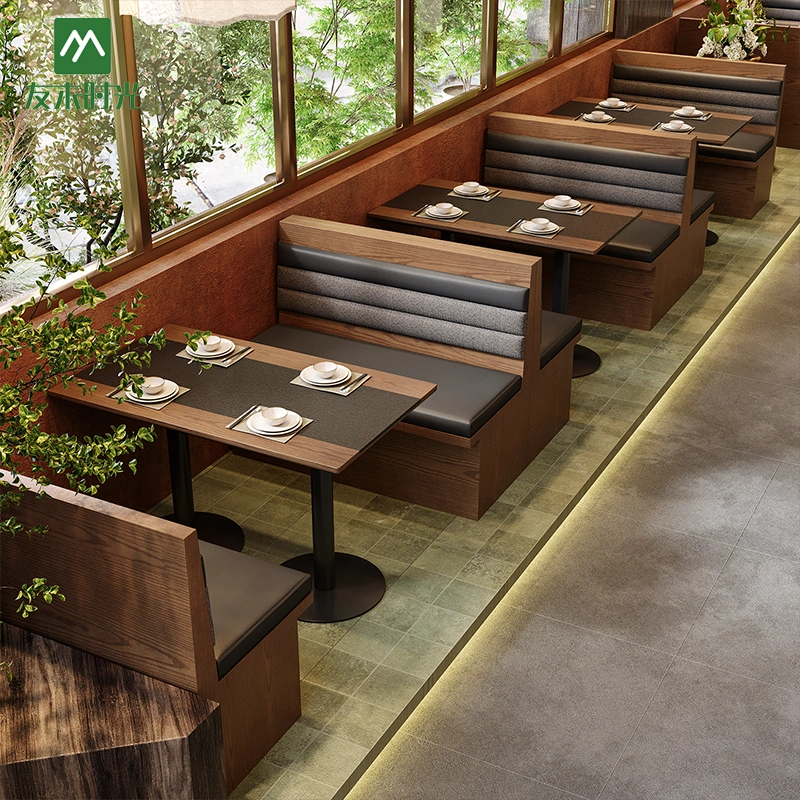
Hot Pot Restaurants, BBQ Restaurants, and Busy Casual Dining Venues
High customer turnover and frequent food spills make stain resistance a priority.
Empfohlen: Black, dark gray, or dark brown PU leather seats paired with a slightly lighter backrest or brand color.
Coffee Shops and Bubble Tea Stores
Customers often take photos and spend more time enjoying the atmosphere.
Empfohlen: Dark, durable seat fabrics combined with beige, light gray, or brand-colored backrests.
This creates a stylish look while maintaining practical stain resistance.
Fast Food Restaurants and Cafeterias
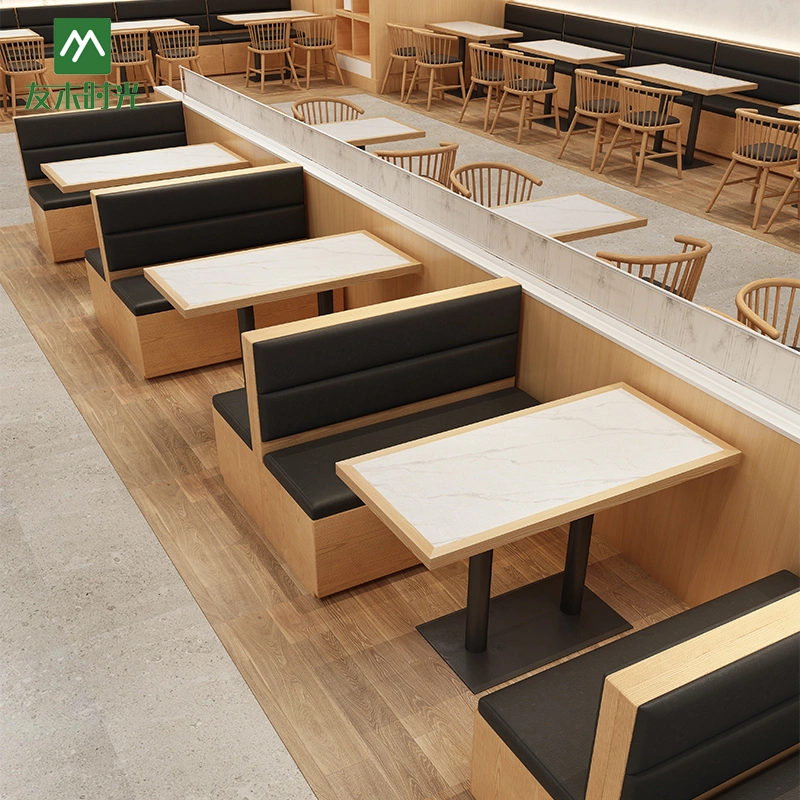
Efficiency and low maintenance are essential.
Empfohlen: Dark monochromatic PU chairs in black or dark gray.
These require the least maintenance and provide the best operational efficiency.
Fine Dining Restaurants and Private Dining Rooms
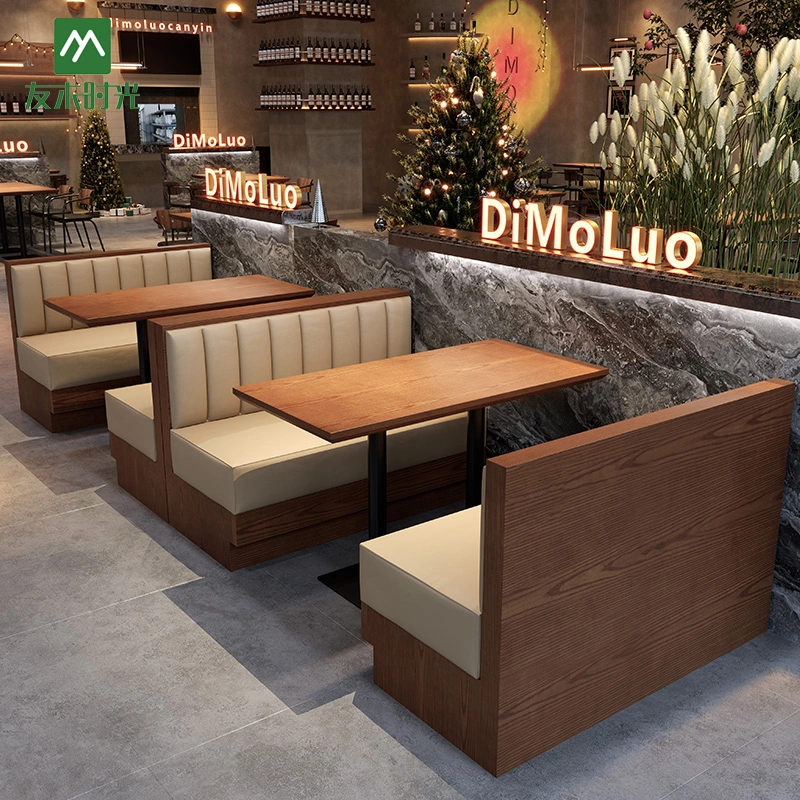
Customer turnover is lower, and aesthetics often take priority over maintenance.
Empfohlen: Sophisticated color-blocking designs or elegant light-colored upholstery, supported by regular cleaning schedules.
A Real-World Example
Two neighboring bubble tea shops purchased the same chair model but selected different color schemes.
Shop A: Light gray seat and light gray backrest.
Shop B: Dark gray seat and light gray backrest.
After three months:
- Shop A’s staff spent approximately 15 minutes daily cleaning visible stains and footprints.
- Shop B only needed a quick wipe-down of the seats.
After six months:
- Shop A paid for professional deep cleaning due to discoloration.
- Shop B continued with routine maintenance and experienced no significant appearance issues.
The difference wasn’t the chair itself—it was the color strategy.
Abschließende Überlegungen
When evaluating Großhandel für Restaurantmöbel, material selection is important, but color design is equally critical.
A dark-colored seat can conceal the vast majority of everyday stains, while a lighter or brand-colored backrest enhances the overall aesthetic without creating additional cleaning burdens.
Contrasting colors are not simply a design trend—they are a practical solution that helps restaurants reduce maintenance costs, improve appearance retention, and extend furniture life.
For most commercial dining environments, a dark seat combined with a contrasting backrest offers the best balance between durability, cleanliness, and visual appeal.
About Restaurant Furniture Manufacturer Youmu Shiguang
Als professional restaurant furniture manufacturer in China, we offer hundreds of upholstery colors and support fully customized seat-and-back color combinations. Whether you need stain-resistant solutions for high-traffic restaurants or designer furniture for premium dining spaces, our team can help you find the perfect balance between practicality and aesthetics.
Contact us today for free color swatches and customized restaurant furniture solutions.