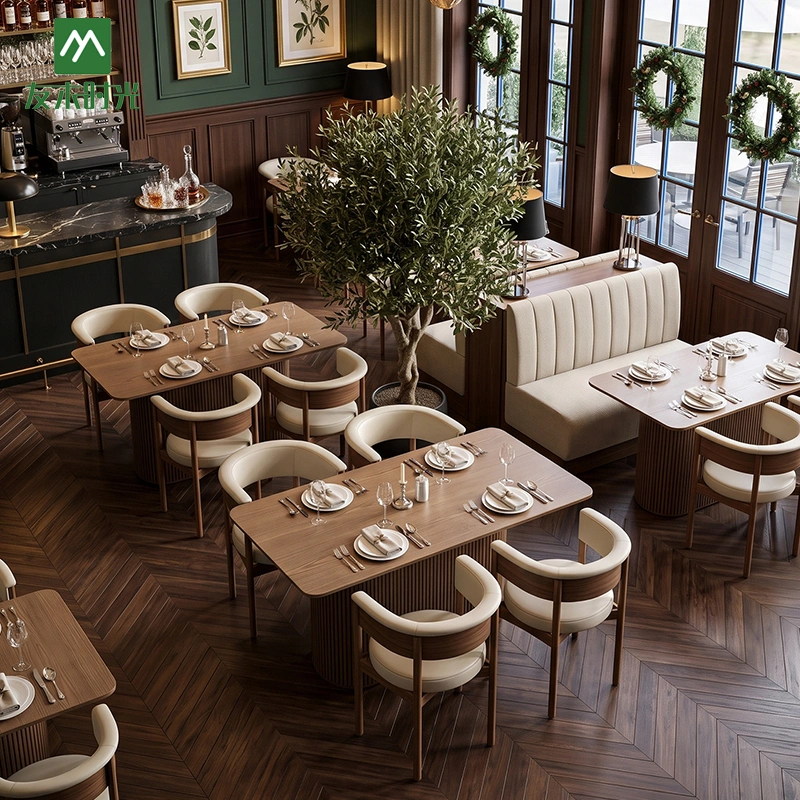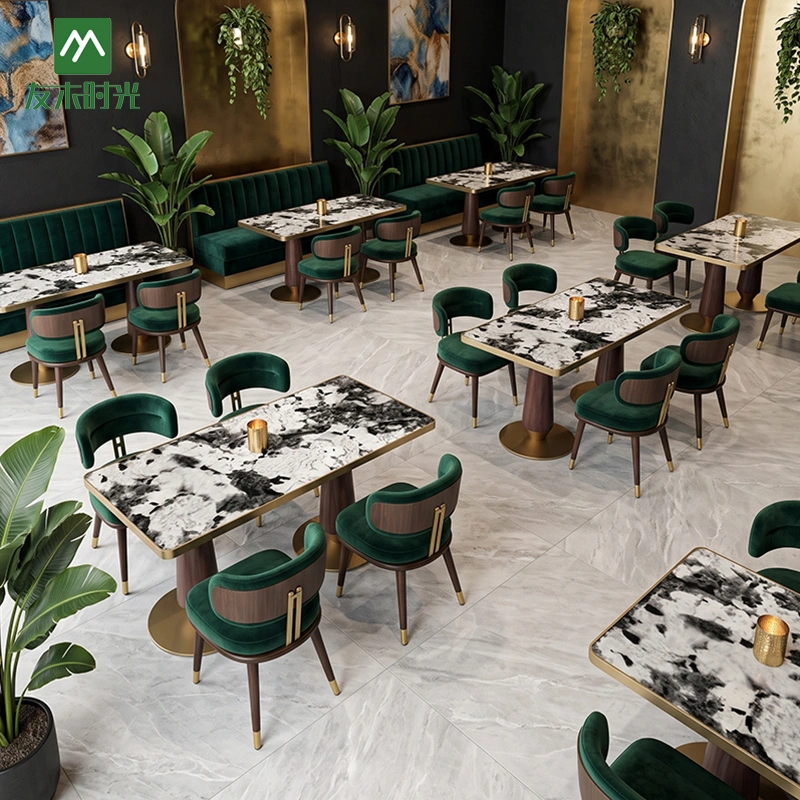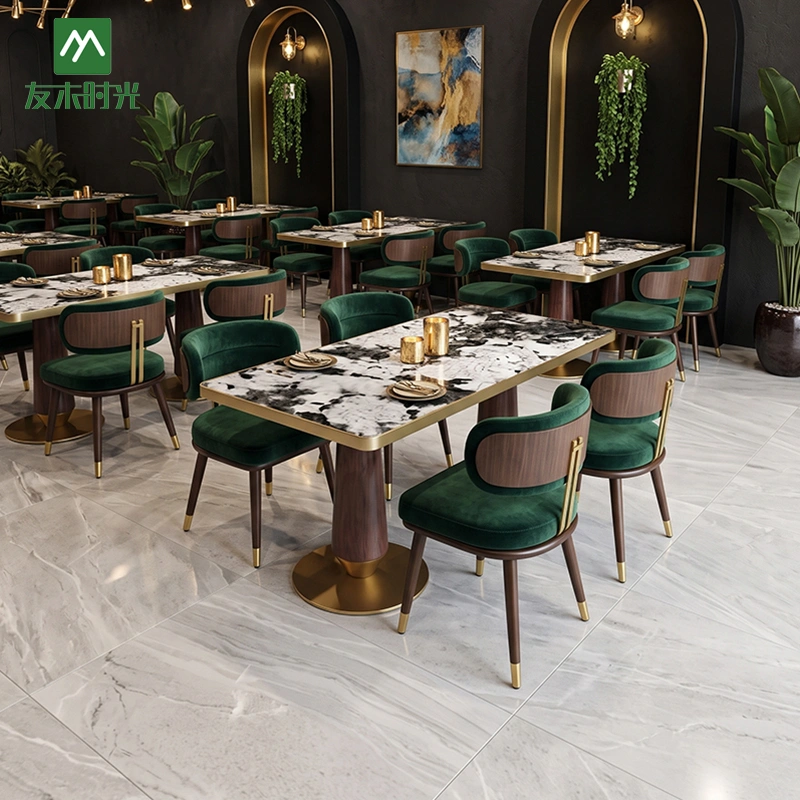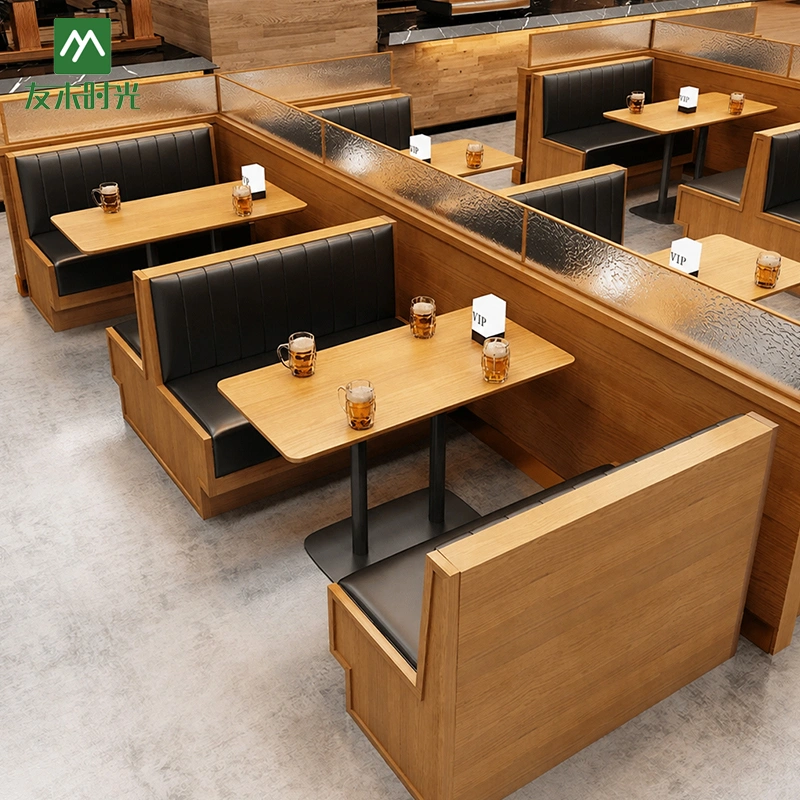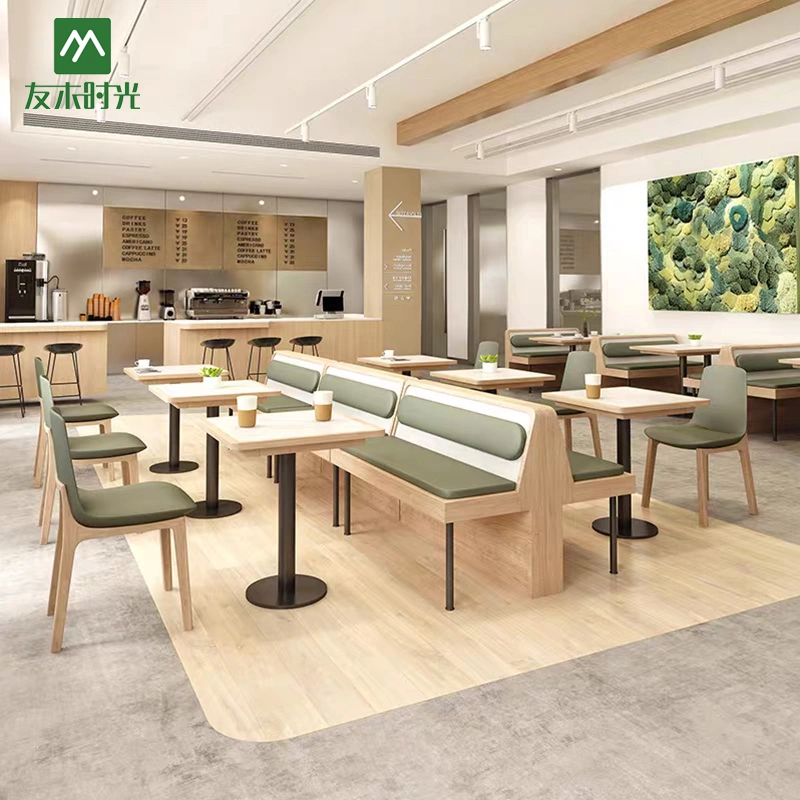
Outdoor dining areas can add valuable seating space to restaurants, cafés, hotels, bars, and resorts. However, choosing tables for an outdoor environment is different from selecting furniture for an indoor dining room. Outdoor restaurant tables need to handle sunlight, rain, humidity, temperature changes, dust, frequent cleaning, and daily commercial use.
For restaurant owners, designers, and purchasing teams, the right choice should balance durability, appearance, comfort, space utilization, maintenance, and budget. As a restaurant furniture manufacturer, we will explain the key factors to consider when choosing restaurant tables for outdoor dining areas.
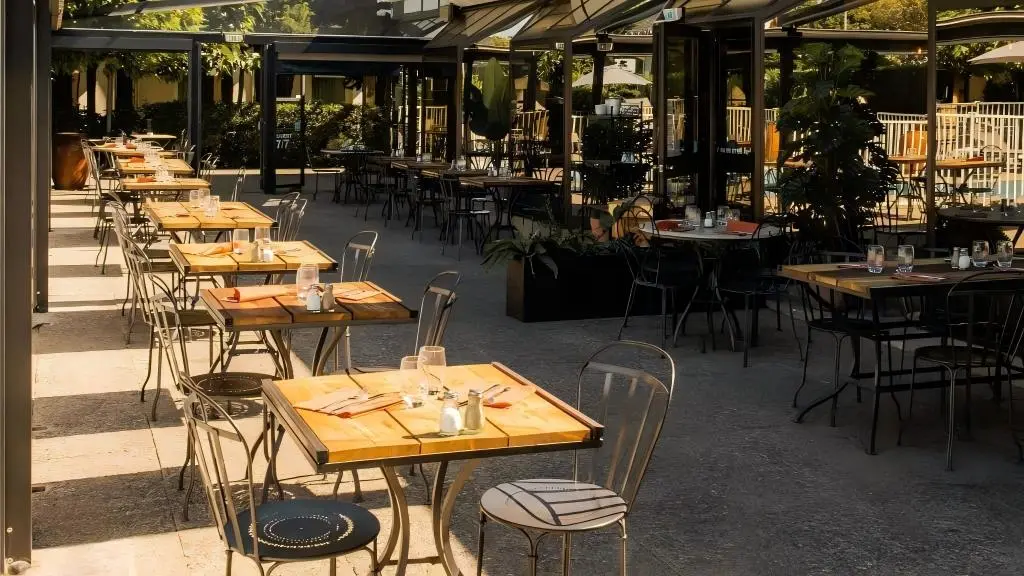
Consider the Outdoor Environment First
Before choosing a table material or design, evaluate the actual outdoor environment where the furniture will be used.
Sun exposure is one important factor. Tables placed in an open patio may receive direct sunlight for several hours every day. Prolonged UV exposure can cause some finishes to fade or deteriorate over time. If the dining area is fully exposed, choose materials and finishes designed for outdoor use.
Rain and humidity are also important. Outdoor tables may be exposed to water regularly, especially in areas without permanent roofing. Materials that are resistant to moisture and corrosion can reduce maintenance requirements and help extend the service life of commercial furniture.
Wind should also be considered. Lightweight tables are convenient to move, but they may be less stable in exposed areas. A suitable table base and strong frame can provide better stability while still allowing staff to rearrange the dining area when necessary.
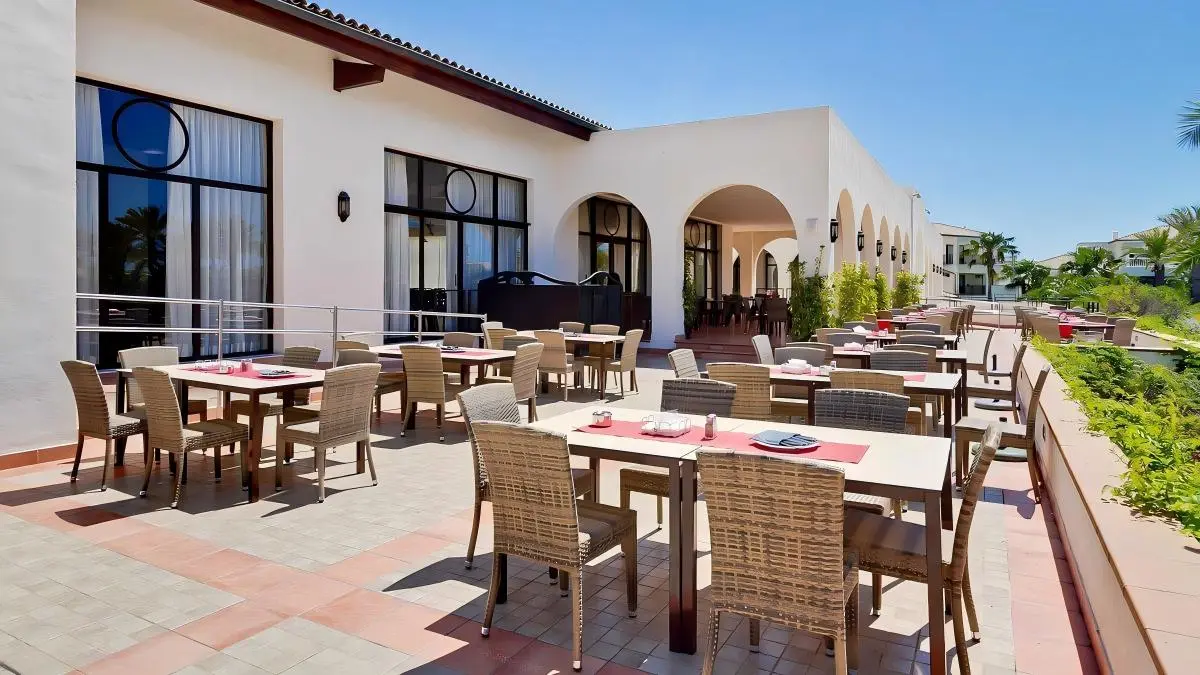
Choose the Right Material for Outdoor Restaurant Tables
Material has a major impact on the durability, appearance, maintenance, and overall cost of outdoor restaurant tables.
Aluminum Restaurant Tables
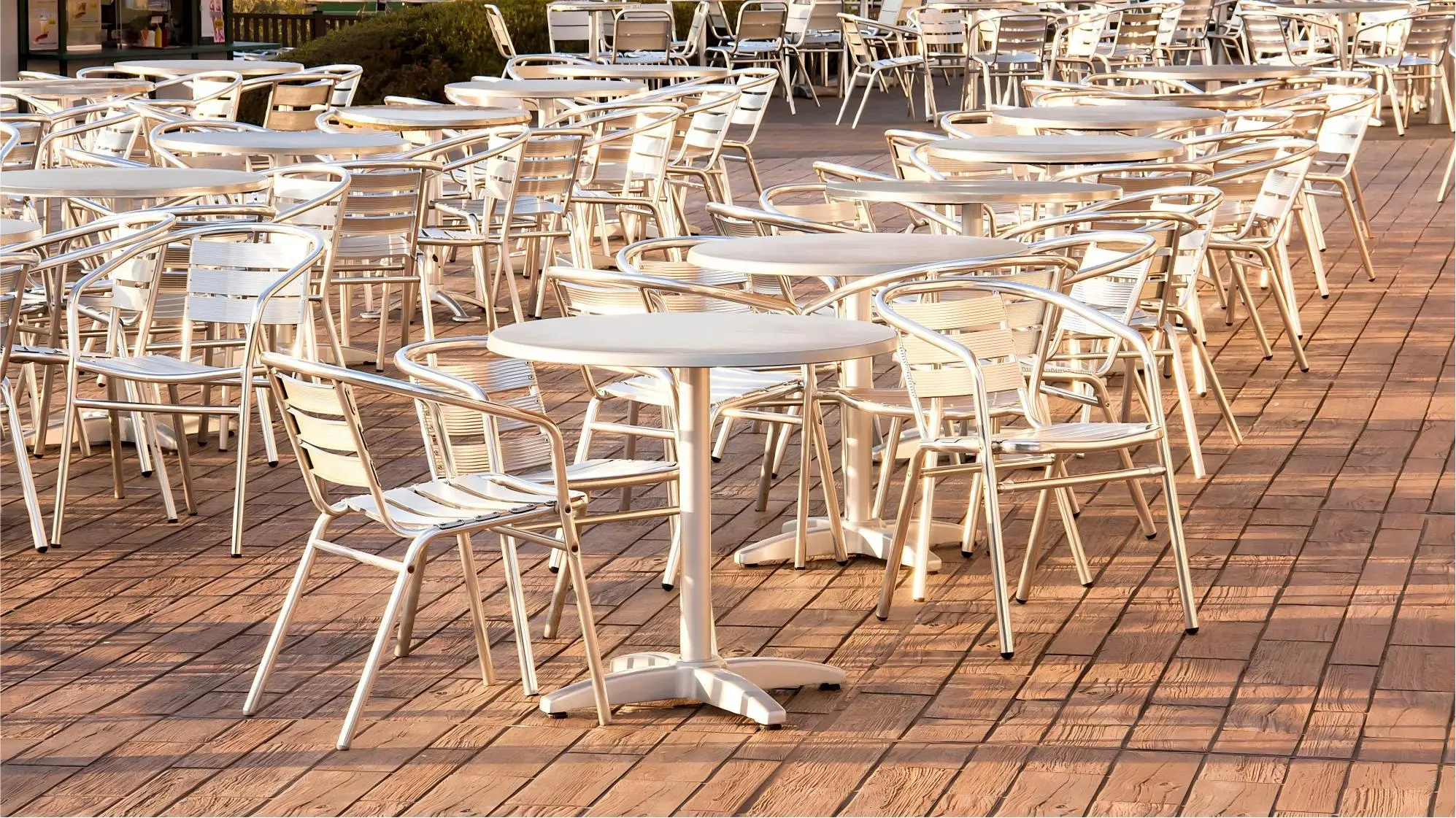
Aluminum is widely used for outdoor commercial furniture because it is relatively lightweight and resistant to corrosion. It is easy for restaurant staff to move and rearrange, making it suitable for patios, cafés, terraces, and flexible outdoor dining areas.
Aluminum tables can also be finished in different colors and styles, allowing them to match modern, casual, or resort-style restaurant designs.
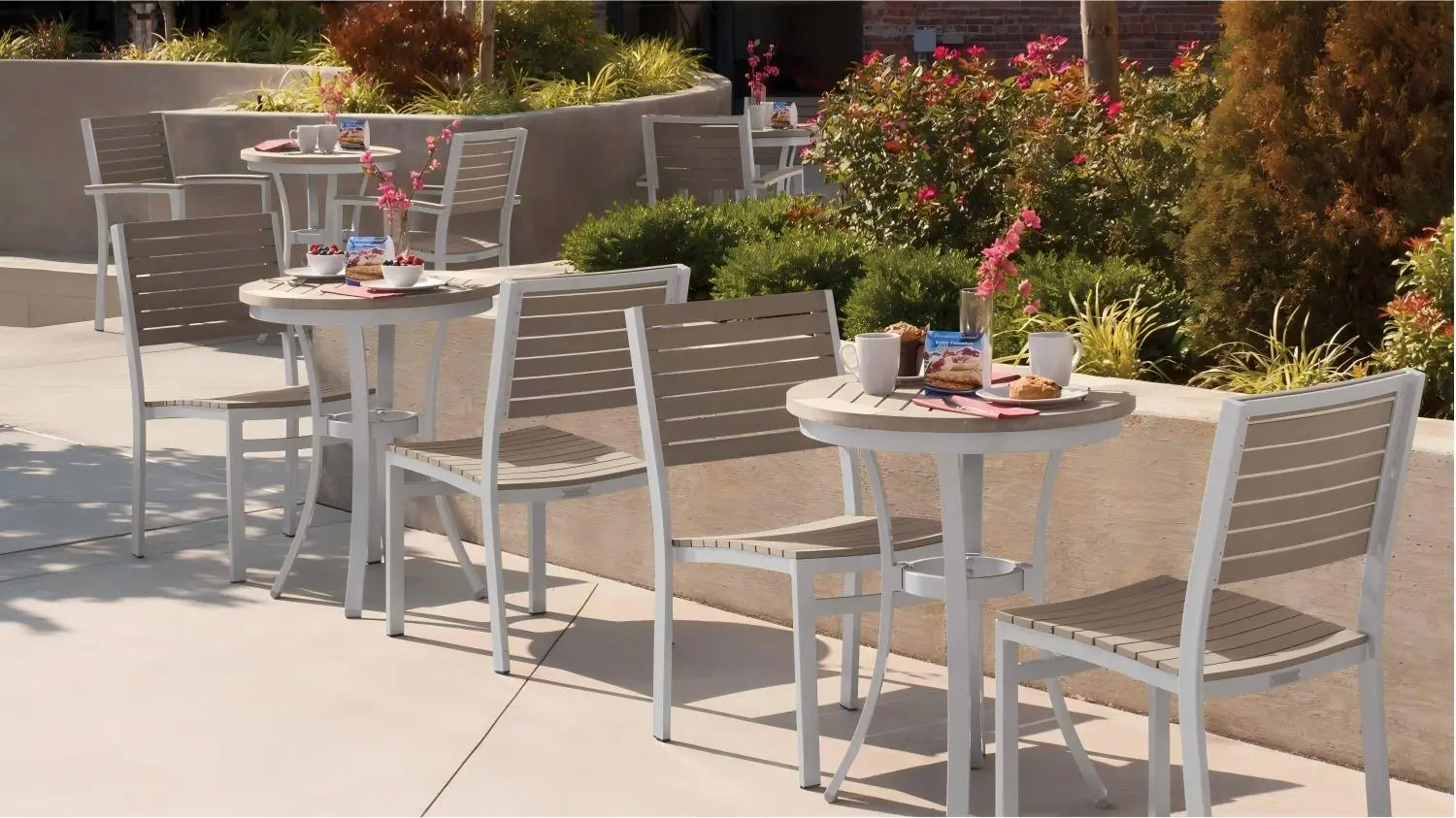
Stainless Steel Restaurant Tables
Stainless steel offers a durable option for commercial environments where frequent cleaning and heavy use are expected. It has good corrosion resistance and a clean appearance, making it suitable for restaurants, cafés, hotel dining areas, and other high-traffic spaces.
When selecting stainless steel furniture, buyers should still consider the specific grade, surface finish, construction quality, and intended environment rather than assuming that every stainless steel table performs in the same way.
Wood and Teak Restaurant Tables
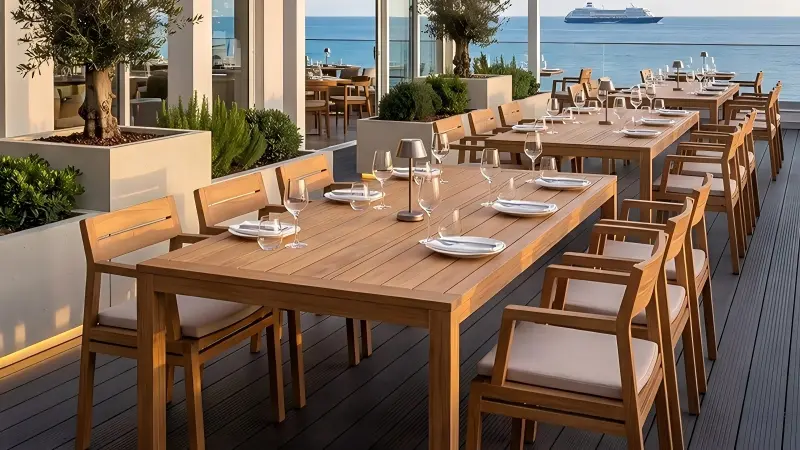
Wooden tables can create a warm and natural atmosphere. Teak is particularly associated with outdoor furniture because of its natural characteristics and appearance.
Wood and teak tables can work well for restaurants, resorts, garden cafés, and outdoor dining spaces that emphasize a natural design. However, buyers should understand the required maintenance and finish treatment before placing wooden furniture in a fully exposed environment.
Sintered Stone and Other Tabletop Materials
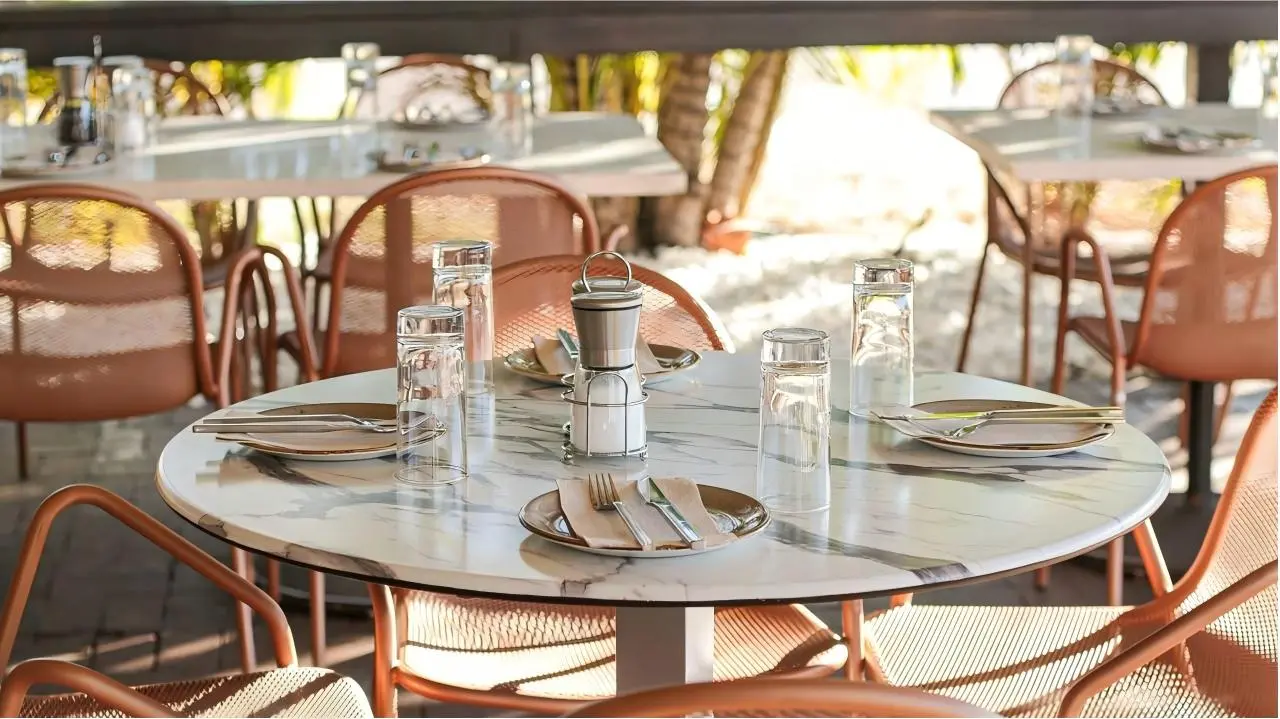
Sintered stone and other engineered tabletop materials can provide a modern appearance while offering practical properties for commercial dining areas. Depending on the specific material and construction, features may include resistance to scratches, heat, and everyday stains.
The tabletop should always be evaluated together with the frame and base. A durable tabletop does not compensate for an unstable or poorly constructed table structure.
Choose the Right Restaurant Table Size
Table size should be based on both the number of diners and the available space.
A two-person table can be useful for couples and small groups, while four-person tables provide a flexible solution for many restaurants. Six-person and larger tables can accommodate families and groups but require more floor space.
For example, a restaurant may use several two-person tables that can be combined when larger groups arrive. This provides greater flexibility than using only large fixed tables.
Do not calculate the required number of tables based only on tabletop dimensions. You also need enough space for chairs, customers, and staff to move comfortably between tables.
Match Table Shapes With Your Outdoor Layout
The shape of the table should match the available space and restaurant layout.
Square tables are flexible and can be arranged individually or combined into larger configurations. They are particularly useful when a restaurant needs to change seating arrangements regularly.
Rectangular tables can make better use of long or narrow outdoor areas. They are also suitable for larger groups and communal dining configurations.
Round tables create a softer visual appearance and can work well in cafés, casual restaurants, terraces, and garden dining areas. They also provide a comfortable arrangement for social dining.
Folding or stackable tables may be useful when the outdoor area needs to change according to the season, weather, or number of customers. They can also simplify storage when outdoor seating is not in use.
Check Stability and Commercial Durability
Outdoor restaurant furniture is exposed to more demanding conditions than typical residential furniture. Tables may be moved repeatedly, cleaned several times a day, and used continuously during busy service periods.
When evaluating a commercial restaurant table, check the strength of the frame, stability of the base, connection points, tabletop construction, and overall weight distribution.
For outdoor use, corrosion resistance is particularly important for metal components. Buyers should also consider surface durability and whether the finish can withstand regular cleaning.
A table that looks attractive in a showroom may not necessarily be suitable for intensive commercial use. Always consider the actual operating conditions of the restaurant.
Consider Cleaning and Maintenance
Outdoor dining furniture is exposed to dust, food stains, rainwater, pollen, and other environmental contaminants. Easy cleaning can therefore have a major effect on daily restaurant operations.
Smooth and easy-to-clean surfaces can reduce the time required for routine maintenance. Restaurants should also understand the manufacturer’s recommended cleaning methods for each material.
For restaurants with high customer turnover, low-maintenance materials can be particularly valuable because staff need to clean tables quickly between customers.
For exposed outdoor areas, a restaurant may also need covers, umbrellas, awnings, or suitable storage arrangements to reduce the impact of extreme weather.
Match Outdoor Tables With Restaurant Chairs
Tables should not be selected independently from chairs. The height of the table needs to match the chair seat height to provide a comfortable dining experience.
Chair width, armrests, table leg position, and available legroom can also affect how many customers can comfortably sit around a table.
For this reason, many restaurant projects consider tables and chairs as part of a complete outdoor restaurant furniture solution. Matching materials, colors, and design details can also create a more consistent visual identity.
What to Ask a Restaurant Furniture Manufacturer Before Ordering
When purchasing outdoor restaurant tables in bulk, restaurants and project buyers should confirm more than the product price.
Ask about:
- Suitable materials for outdoor commercial use
- Available table sizes and shapes
- Surface finishes and color options
- Corrosion and weather resistance
- Customization options
- Minimum order quantity
- Production lead time
- Packaging and shipping
- Replacement parts
- Sample availability
For restaurant projects, working directly with a restaurant furniture manufacturer or experienced supplier can also make it easier to coordinate table sizes, chair styles, colors, packaging, and delivery schedules.
Conclusión
Choosing restaurant tables for an outdoor dining area requires more than selecting a style that looks attractive. The right solution should match the outdoor environment, withstand commercial use, provide comfortable seating, fit the available space, and remain practical to clean and maintain.
By evaluating material, table size, shape, stability, seating capacity, and maintenance requirements together, restaurant owners and purchasing teams can create a more functional outdoor dining area while making better long-term furniture decisions.
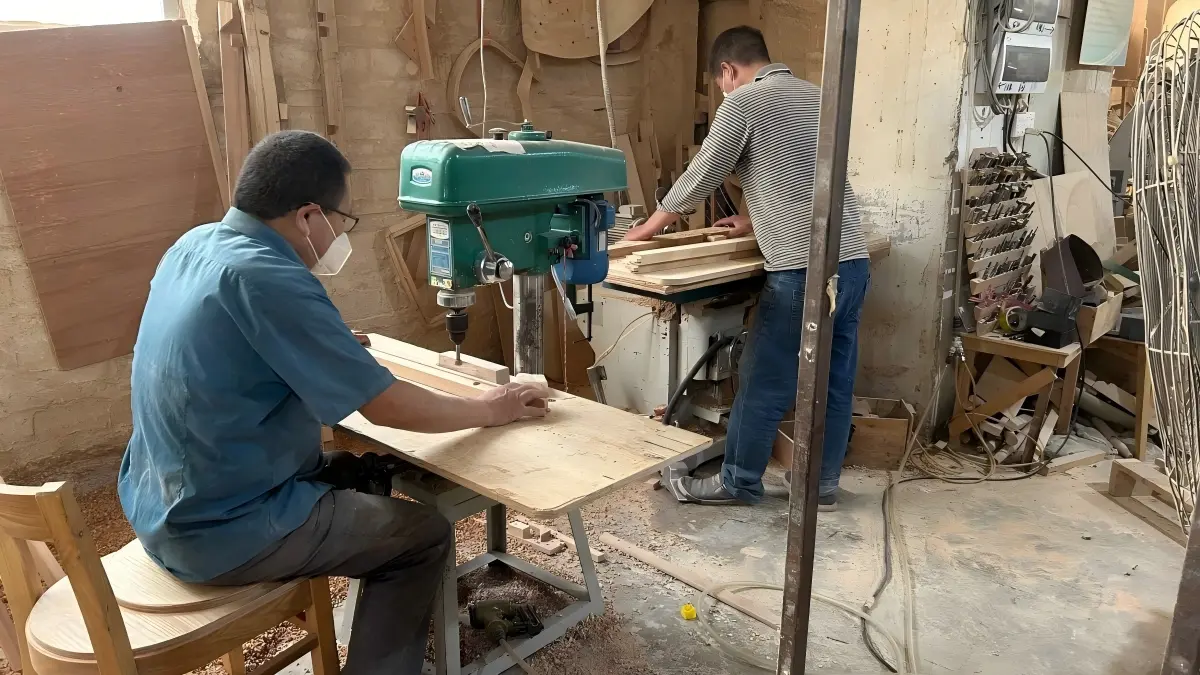
For larger restaurant projects, wholesale purchases, or customized requirements, working with an experienced restaurante la fábrica de muebles can also help coordinate tables and chairs according to the project’s layout, design, quantity, and delivery requirements.