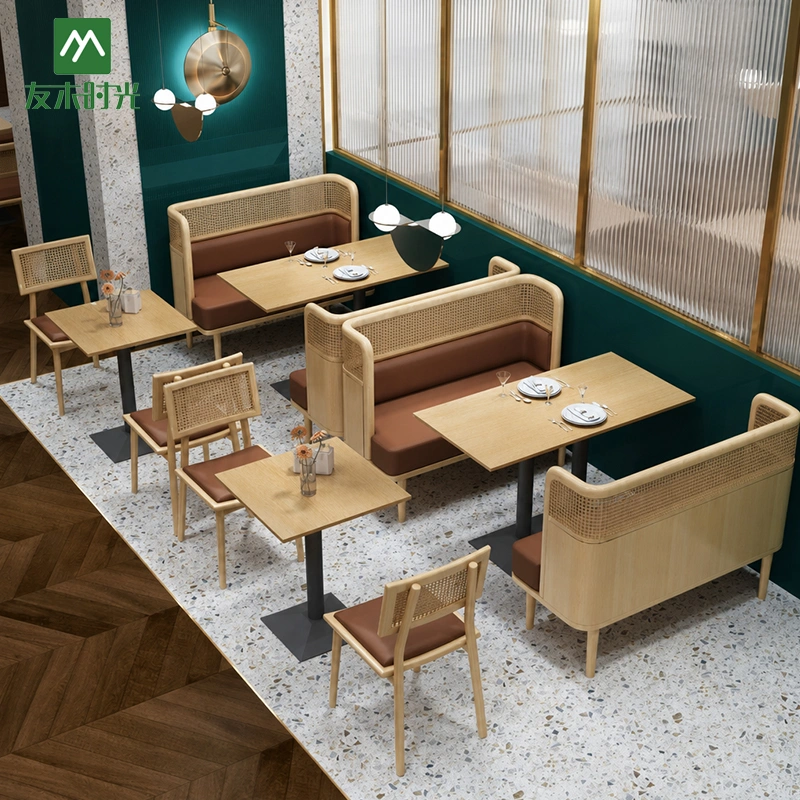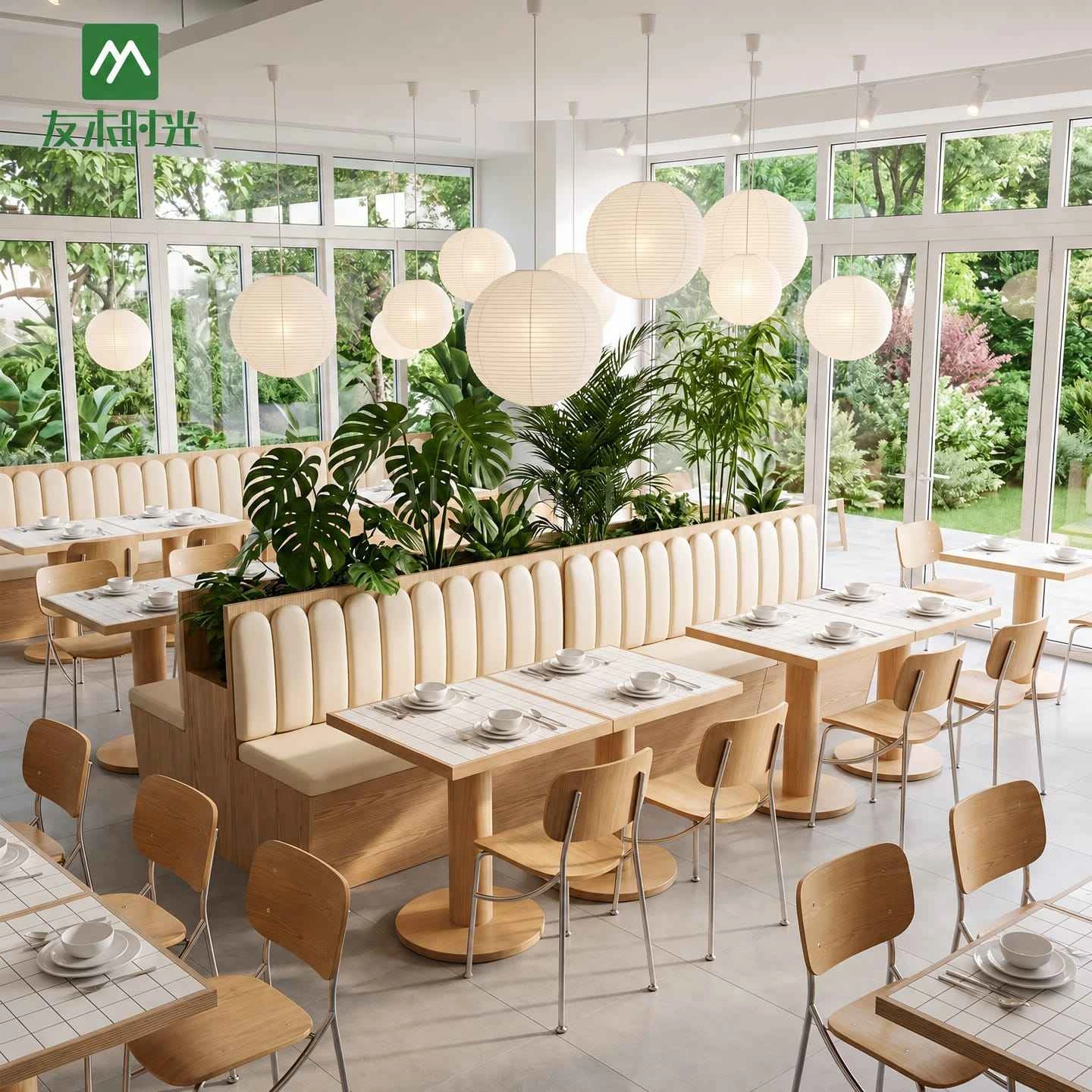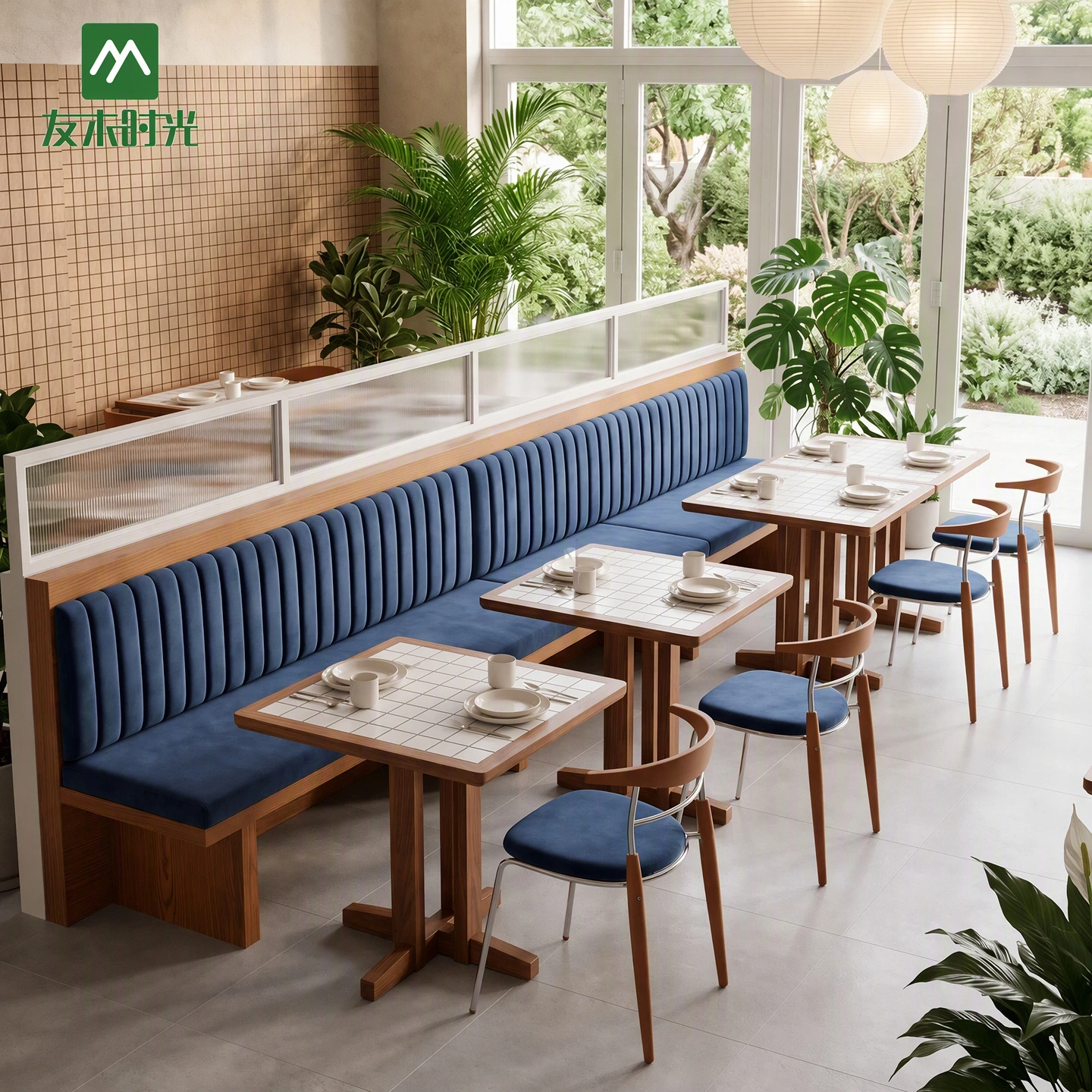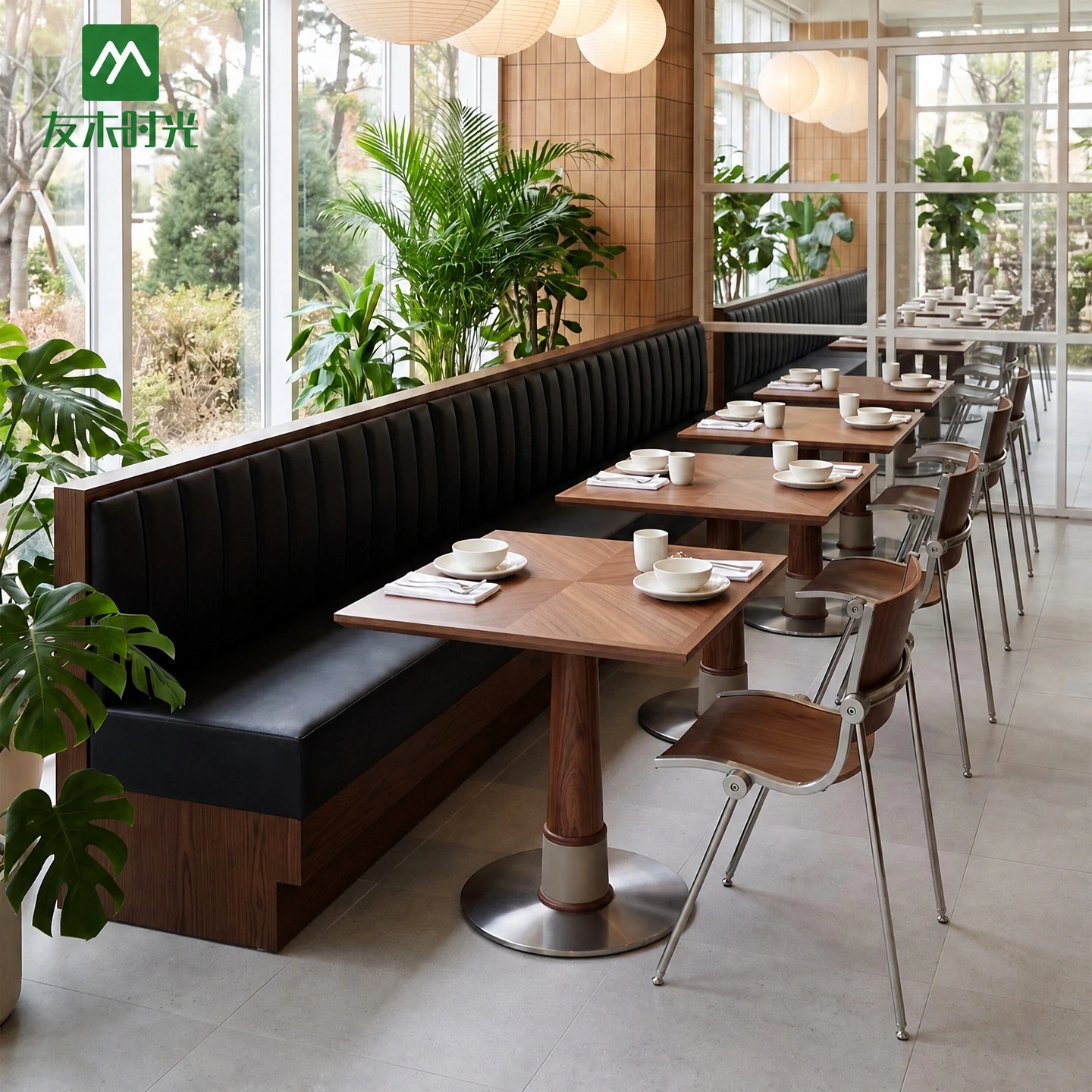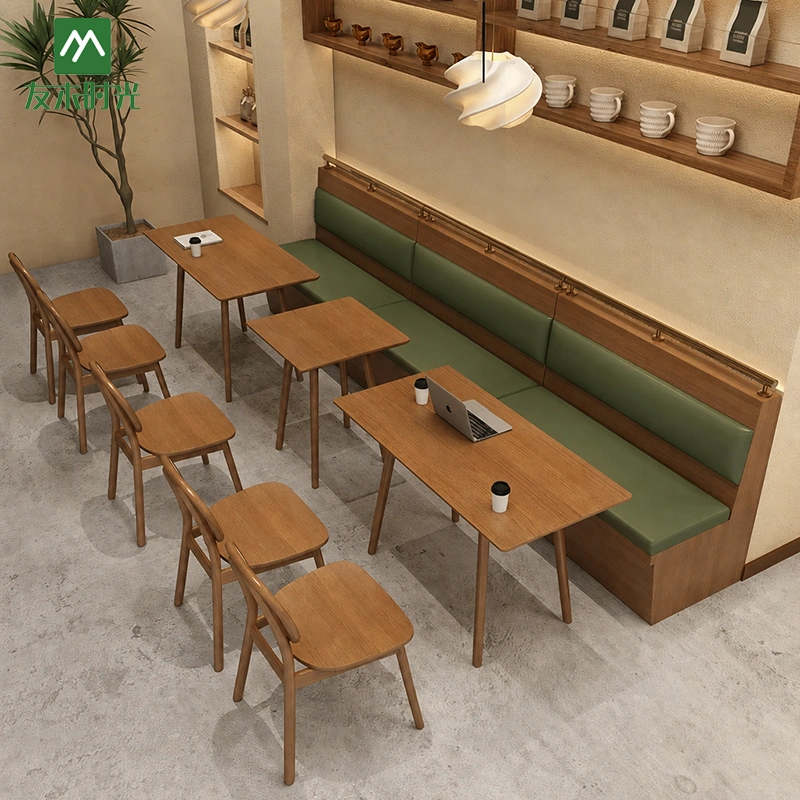
Choosing restaurant chair materials affects more than the appearance of your dining space. The surfaces your guests sit on and touch also influence comfort, cleaning routines, maintenance requirements and the overall cost of keeping your furniture in good condition.
A leather-look chair may suit a contemporary restaurant, while a woven backrest can create a relaxed café atmosphere. However, appearance is only part of the decision. Before ordering commercial restaurant chairs, you also need to consider food spills, frequent cleaning, daily use and future replacement needs.
This guide explains the most common restaurant chair upholstery and surface materials, how they differ, and what to confirm before placing a bulk order.
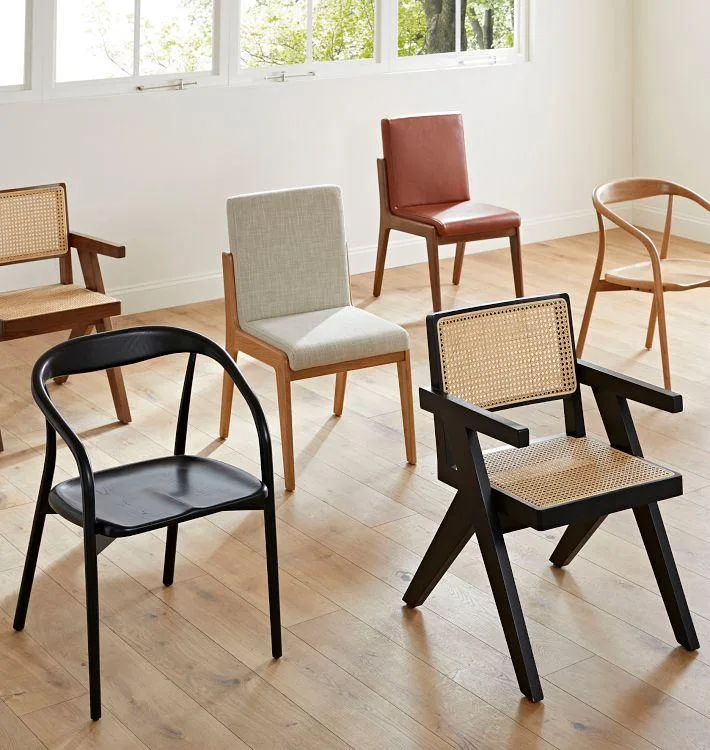
Understanding Restaurant Chair Materials
When comparing restaurant chair materials, it helps to separate the frame from the surfaces that guests come into contact with.
The frame supports the chair and may be made from wood, metal or other structural materials. The seat and backrest can feature upholstery, exposed wood, woven rattan or molded plastic. A single chair may combine several materials—for example, a metal frame, a wood backrest and a PU-upholstered seat.
This article focuses on three main surface categories:
- Upholstered surfaces: PU faux leather, PVC faux leather, microfiber synthetic leather, genuine leather and fabric.
- Wood and molded surfaces: Solid wood, wood veneer and plastic.
- Woven surfaces: Natural rattan and synthetic rattan.
When requesting a quotation, specify both the frame material and the seat or backrest material. Descriptions such as “wood-look chair” or “leather chair” may not provide enough information to compare products accurately.
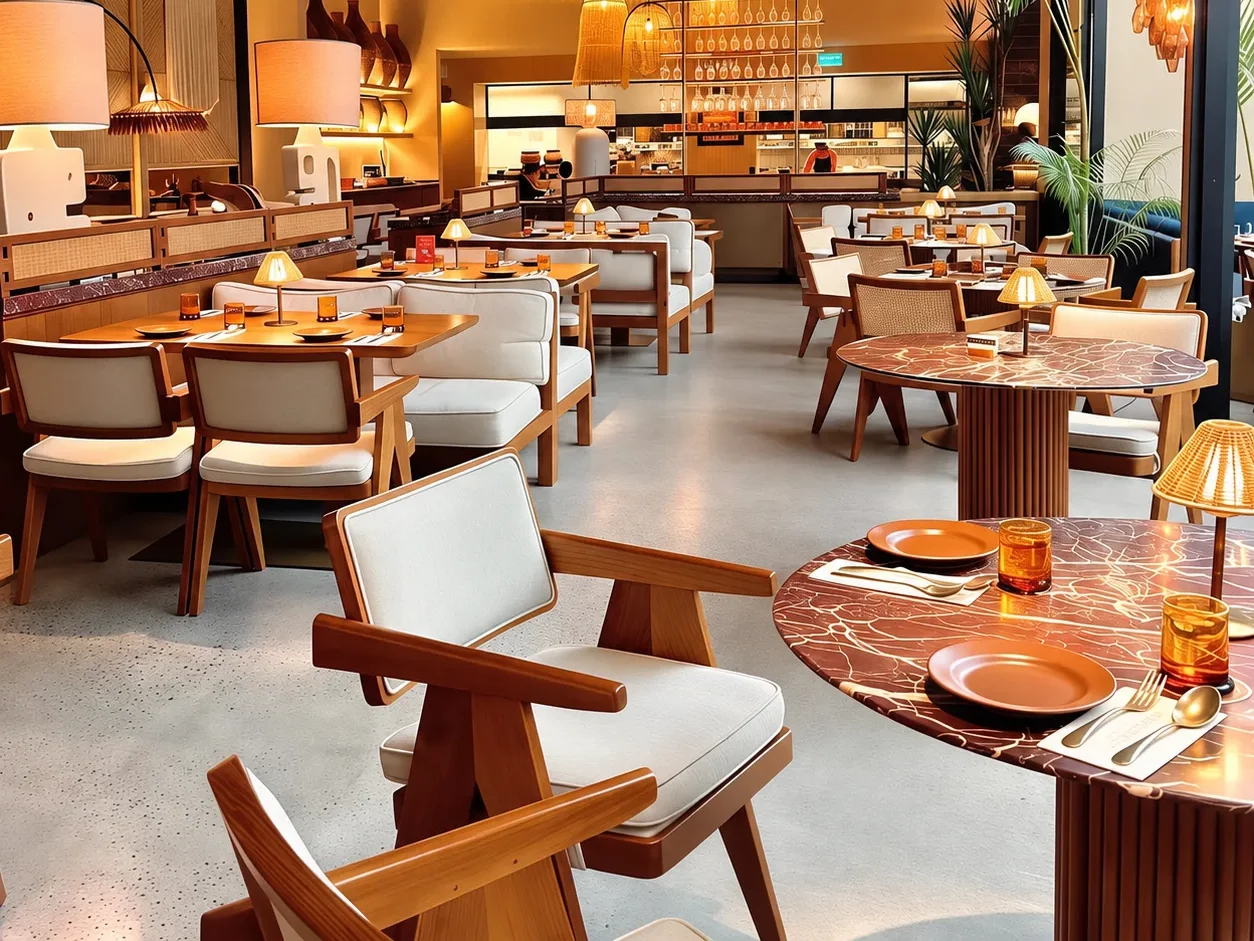
Common Restaurant Chair Upholstery Materiales
Restaurant chair upholstery adds softness, color and texture to a dining space. Its suitability depends on the exact material specification, the chair’s construction and the restaurant’s maintenance routine.
PU Faux Leather
PU faux leather is a synthetic upholstery material with a polyurethane surface. It is available in many colors, grain patterns and finishes, making it a flexible option for coordinating chairs with restaurant booths and other furniture.
For restaurant operators, one practical advantage is the ability to wipe everyday spills from the surface, following the material supplier’s care instructions. This can simplify cleaning between services.
However, PU materials vary considerably. A sample that feels soft and looks attractive does not necessarily indicate how it will perform after repeated use. Buyers should ask about abrasion resistance, hydrolysis resistance and compatibility with their intended cleaning products.
When comparing faux leather restaurant chairs, confirm:
- Material specification: The exact upholstery type and reference code.
- Appearance options: Available colors, textures and surface finishes.
- Performance information: Relevant test results for the selected material.
- Cleaning requirements: Approved cleaning methods and products.
- Future availability: Matching material for repairs or repeat orders.
PU faux leather is worth considering for restaurants that want a coordinated leather-like appearance with a straightforward daily cleaning routine.
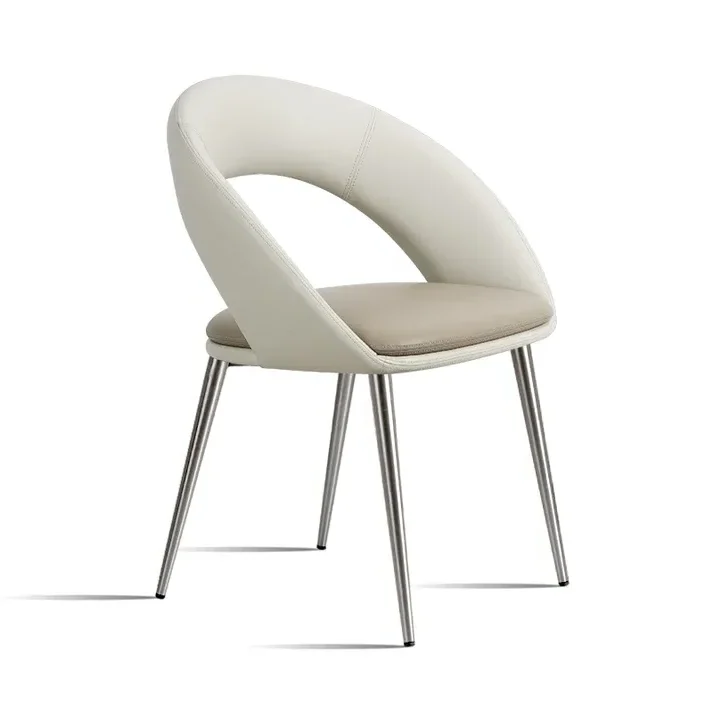
PU Faux Leather Chair
PVC Faux Leather
PVC faux leather, often called vinyl upholstery, is another option for restaurant seating. It offers a broad choice of colors and textures and can be used on dining chairs, bar stools and booth seating.
A smooth PVC surface can make routine wiping convenient. Its feel, flexibility and performance depend on its formulation and construction, so buyers should compare actual samples rather than assume all vinyl behaves the same way.
Pay attention to the seat edges, seams and areas around the backrest. These details affect both the finished appearance and how easily staff can remove food debris.
For a bulk purchase, ask whether the proposed PVC material is suitable for the expected level of use and the cleaning routine at your restaurant. Any specific performance or compliance requirement should be confirmed for the selected material.
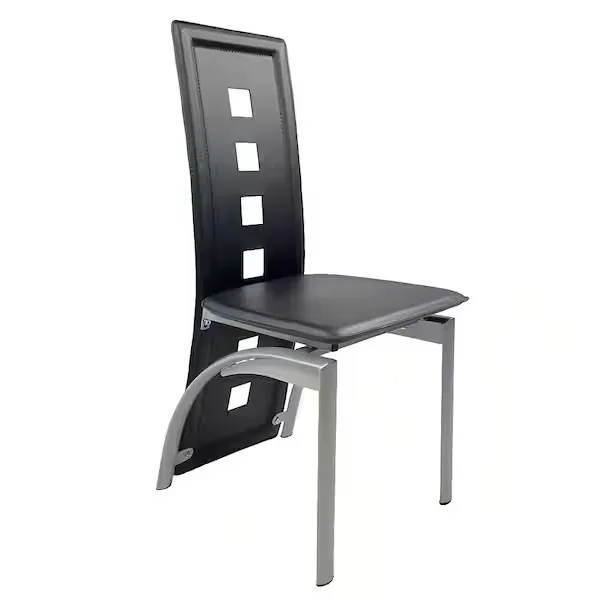
PVC Faux Leather Chair
Microfiber Synthetic Leather
Microfiber synthetic leather generally uses a fine-fiber backing combined with a synthetic surface, commonly polyurethane. It can offer a leather-like appearance and a soft touch, depending on the product.
It may appeal to buyers looking for a more refined upholstery finish for hotel dining areas, contemporary restaurants or branded hospitality projects.
The term “microfiber leather” alone is not a complete specification. Ask the supplier to identify the material construction and provide relevant performance information. It is also useful to compare its price, feel and maintenance requirements directly with other PU options.
Para commercial restaurant chairs, the most useful question is whether the particular material meets the needs of your project.
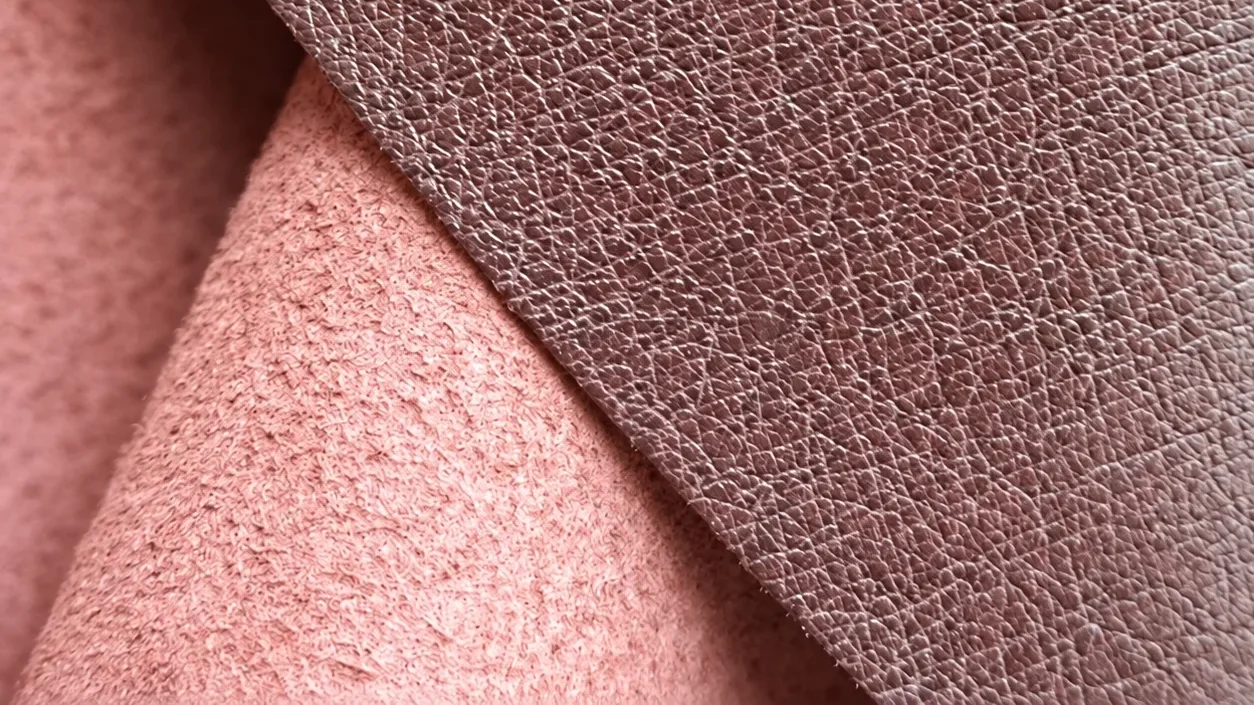
Microfiber Synthetic Leather
Genuine Leather
Genuine leather provides natural texture and visual variation. It can complement premium dining interiors, especially where the furniture is intended to contribute to a distinctive guest experience.
Leather performance and care requirements vary with the leather type and surface finish. A more heavily protected finish may behave differently from a less coated surface, particularly when exposed to spills.
Before choosing genuine leather, confirm:
- Leather type: The specific leather and protective finish being supplied.
- Natural variation: The acceptable range of color and grain differences.
- Spill treatment: Instructions for handling food and drink spills.
- Maintenance: Suitable cleaners and care products.
- Repair options: How damaged upholstery can be repaired or replaced.
For large projects, approve a representative range of samples. Natural variation may be part of the desired appearance, but the acceptable range should be understood before production.
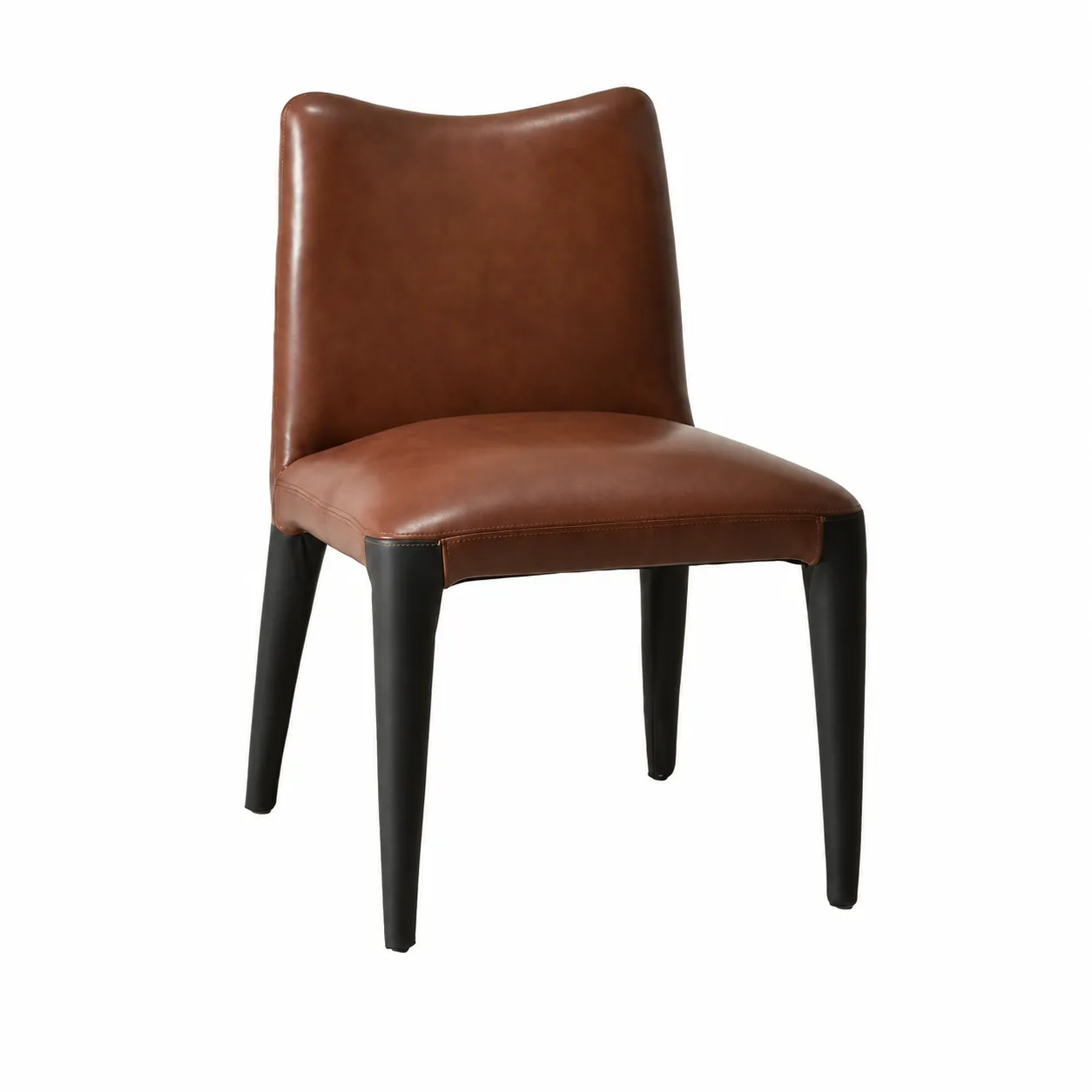
Genuine Leather Chair
Fabric Upholstery
Restaurant chair fabric offers extensive design flexibility. Woven textures, subtle patterns and velvet-style surfaces can introduce warmth and help connect the seating with curtains, wall finishes and other interior details.
Fabric can be particularly appealing in cafés and restaurants where customers spend longer periods seated. Nevertheless, comfort also depends on the cushion, seat dimensions and backrest design.
For commercial use, look beyond color and texture. Ask about abrasion resistance, pilling, colorfastness and cleaning methods. If a fabric is described as stain-resistant or easy-clean, request the specific care instructions and understand the limits of those claims.
Prompt attention to spills still matters. For example, Sunbrella’s upholstery care guidance recommends removing dirt before it becomes embedded and addressing spills soon after they occur. The cleaning procedure must match the selected fabric.
When choosing restaurant chair fabric, consider how your team will handle both small spills during service and deeper cleaning outside operating hours.
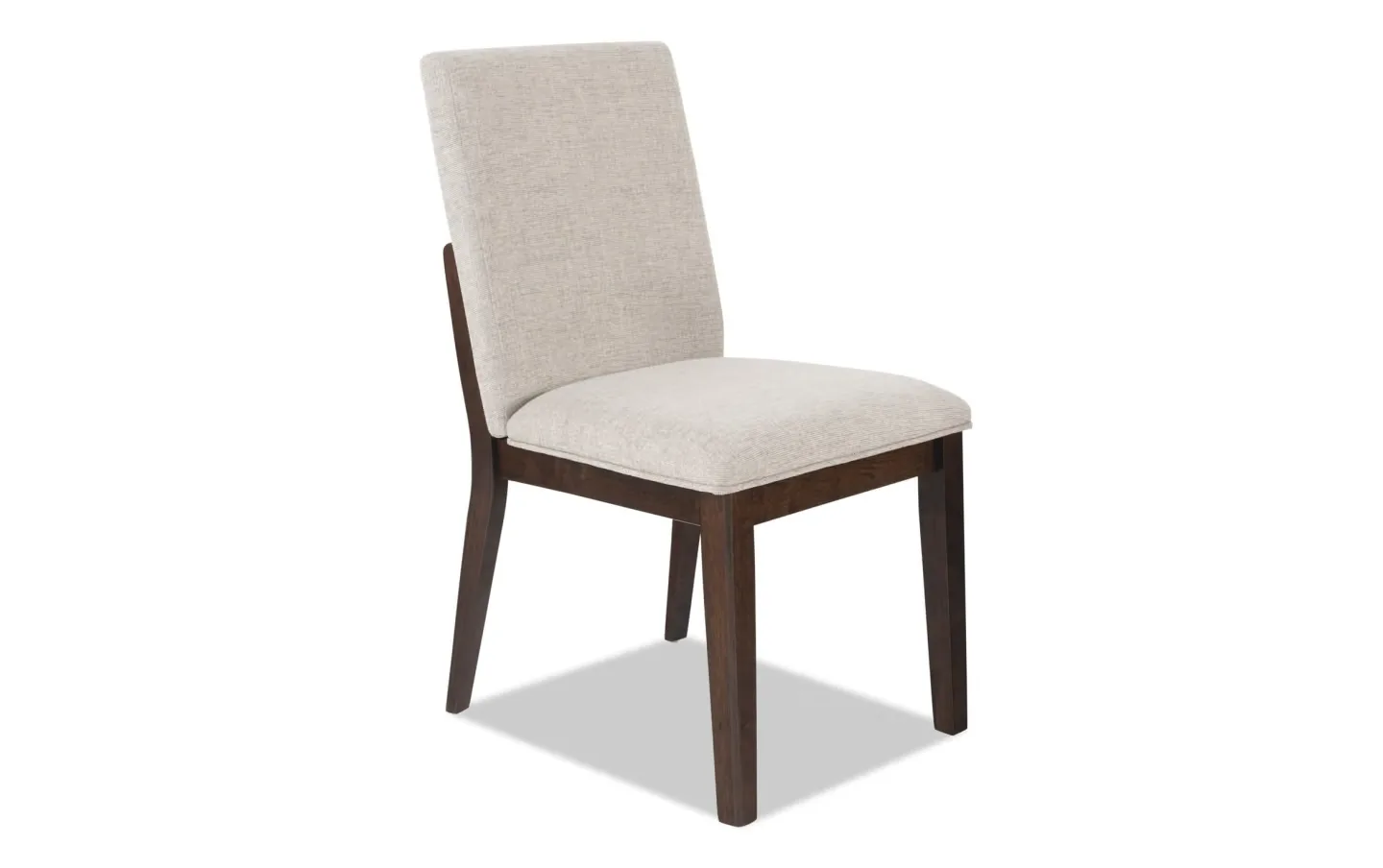
Fabric Upholstery Chair
Common Non-Upholstered Restaurant Chair Surfaces
Non-upholstered seating offers a different balance of appearance, cleaning and maintenance. These surfaces can also be combined with upholstered seats to create more varied designs.
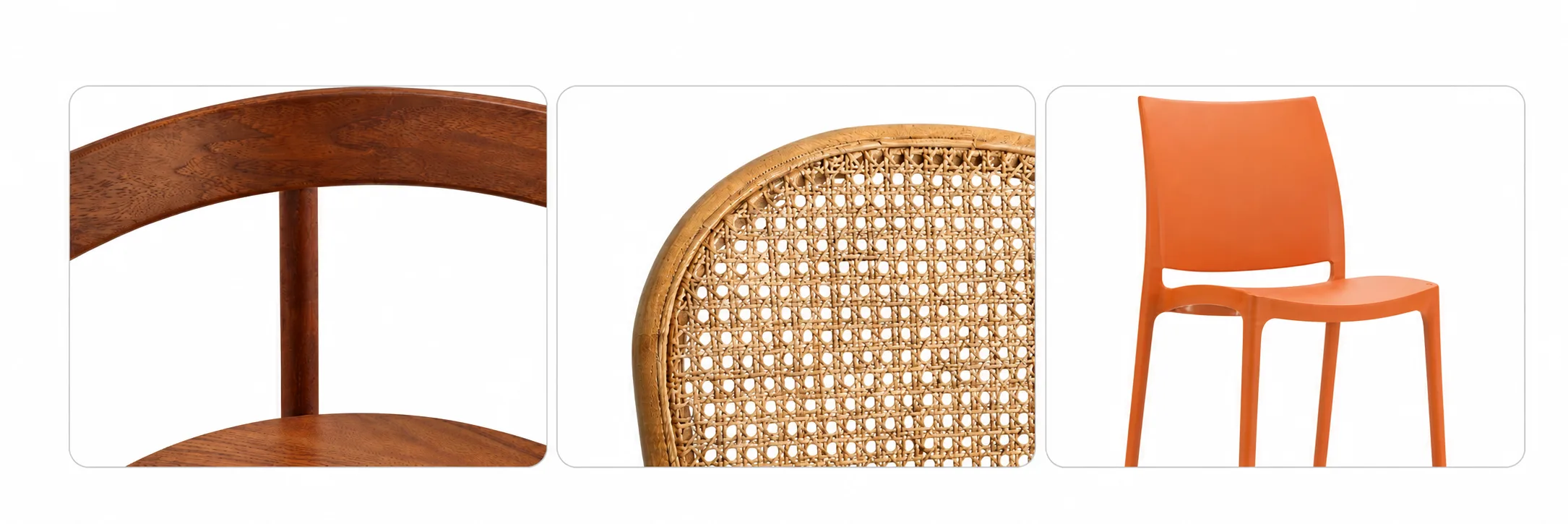
Solid Wood and Wood Veneer
Wood restaurant chairs bring natural grain and warmth to dining interiors. They can work across many styles, from traditional restaurants to modern cafés.
However, a wood appearance does not always mean solid wood construction. A chair may use solid wood, molded plywood, wood veneer or a wood-effect finish. Ask the manufacturer to identify the material used in each component.
For exposed wood seats and backrests, pay attention to:
- Edge finishing: Smooth edges and comfortable contours.
- Surface consistency: An agreed standard for the finished appearance.
- Coating care: Cleaning and maintenance requirements for the finish.
- Practical details: Areas where liquids or food debris may collect.
- Natural variation: Acceptable differences in wood grain and color.
The finish is an important part of the specification. Two wood restaurant chairs with a similar appearance may require different maintenance because their coatings differ.
A wood backrest combined with an upholstered seat can also be useful when you want visible wood grain and a softer seating surface.
Natural Rattan
Rattan restaurant chairs introduce woven detail and an open appearance. They can complement relaxed cafés, vintage interiors and dining spaces built around natural textures.
When reviewing a sample, examine the weave, its attachment to the frame and the finishing around the edges. Ask about maintenance and repair options, particularly if the woven section forms the seat.
Natural rattan should not automatically be treated as suitable for every outdoor location. Confirm the intended environment and care requirements for the finished chair.
For buyers who like the woven look but want a padded seat, a rattan backrest with an upholstered seat may provide a suitable combination.
Synthetic Rattan
Synthetic rattan creates a woven appearance using manufactured strands. Outdoor furniture commonly uses this type of material, but its suitability depends on the complete product specification.
For outdoor or semi-outdoor projects, ask about UV exposure, temperature conditions, cleaning and storage. The frame, fasteners and cushions also need to suit the intended environment.
When comparing natural and synthetic rattan restaurant chairs, request a clear material description. Product photos alone may not reveal which material has been used.
Plastic
Plastic seats and backrests offer a wide range of shapes and colors. They can suit casual dining areas and restaurants seeking a consistent, uncomplicated seating design.
A molded surface may be convenient to wipe, although textures, joints and recesses can affect cleaning. Buyers should also consider visible scratches, color consistency and comfort.
For outdoor use, confirm that the exact chair is intended for that purpose. Indoor suitability does not establish resistance to prolonged sunlight or outdoor weather.
Restaurant Chair Materials Compared
The table below provides a starting point for comparing surface options. Actual performance depends on the selected grade, finish and chair construction.
| Material | Appearance | Cleaning and Maintenance | Buyer Checks |
|---|---|---|---|
| PU faux leather | Leather-like, with many colors and grains | Approved wiping methods and surface care | Abrasion and hydrolysis performance |
| PVC faux leather | Smooth or textured, with varied finishes | Cleaning compatibility, seams and edges | Material specification and commercial suitability |
| Microfiber synthetic leather | Leather-like, often with a soft touch | Care requirements for the selected surface | Construction, test information and sample quality |
| Genuine leather | Natural grain and variation | Spill response and appropriate maintenance | Leather type, finish and acceptable variation |
| Fabric | Wide choice of textures and patterns | Stain removal and periodic deeper cleaning | Abrasion, pilling and cleaning instructions |
| Wood | Natural grain and warm tones | Coating care and prompt spill removal | Solid wood, veneer or other construction |
| Natural rattan | Organic woven texture | Weave care and suitable environment | Attachment, repair options and intended use |
| Synthetic rattan | Woven appearance | Cleaning between strands and exposure conditions | Outdoor suitability where required |
| Plastic | Consistent colors and molded shapes | Surface cleaning and visible wear | Material specification and intended environment |
No single material is the best choice for every project. The right choice should fit the restaurant’s design, service pattern, cleaning resources and budget.
How to Choose Materials for Your Restaurant
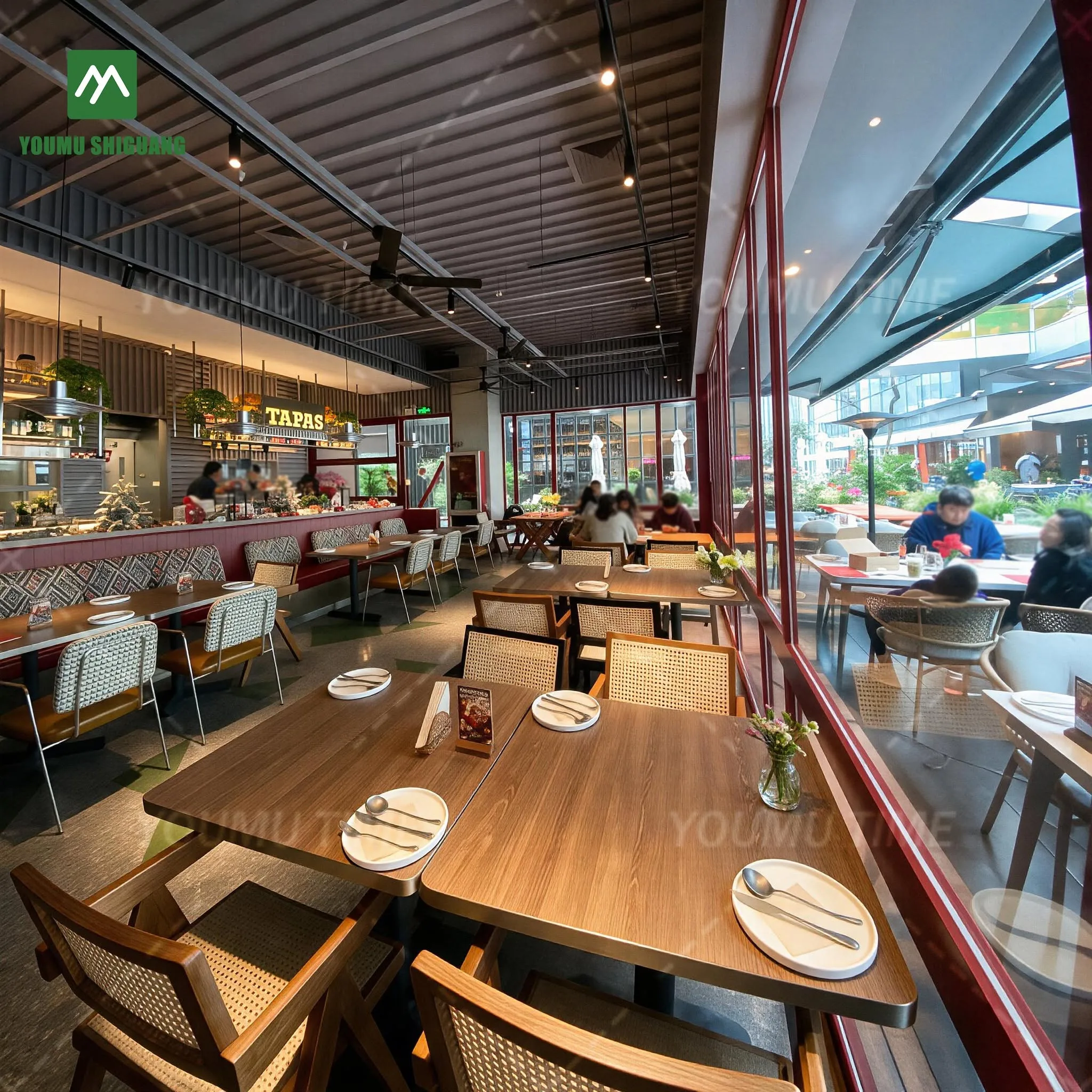
Start with Your Service Style
Busy restaurants with frequent table changes need surfaces that staff can clean quickly. Cafés may prioritize upholstery texture and comfort, while fine-dining restaurants may focus on material character and detailing.
Choose restaurant chair materials by considering where spills occur, which seats receive the most use and how much time your team has for cleaning.
Match the Material to the Dining Area
Different areas can use different materials. Consider easy-wipe upholstery for the main dining area, textured fabric for a lounge and suitable outdoor chairs for the terrace.
A shared color palette or frame design can keep your commercial restaurant chairs coordinated while meeting each area’s practical needs.
Evaluate the Whole Chair for Comfort
Restaurant chair upholstery is only one part of comfort. Seat height, seat depth, cushion support and backrest angle also matter.
Before ordering in bulk, test a sample chair with your intended table. Check movement space and whether armrests fit beneath the tabletop. Material swatches cannot replace testing the finished chair.
Consider Long-Term Costs
Look beyond the initial quotation to cleaning labor, repairs, replacement upholstery and future matching orders.
A lower-priced material may meet your needs, while a more expensive option may offer benefits that justify the investment. Compare specifications and maintenance requirements rather than judging by material names or price alone.
Find the Right Restaurant Chair Materials with Youmu Shiguang
Choosing restaurant chair materials becomes easier when you begin with your restaurant’s needs: the atmosphere you want to create, how guests use the space, how staff clean the furniture and what you expect from your budget.
At Youmu Shiguang, we help restaurant buyers discuss chair styles, surface materials and customization options as part of their furniture selection. Whether you are considering faux leather restaurant chairs, wood restaurant chairs o rattan restaurant chairs, sharing your project requirements gives us a clearer starting point for a suitable proposal.
Send us your preferred designs, restaurant concept, intended use and order quantity. Contact Youmu Shiguang to discuss material options, confirm sample arrangements and request a factory quotation for your restaurant furniture project.
Explore our wholesale restaurant furniture products →