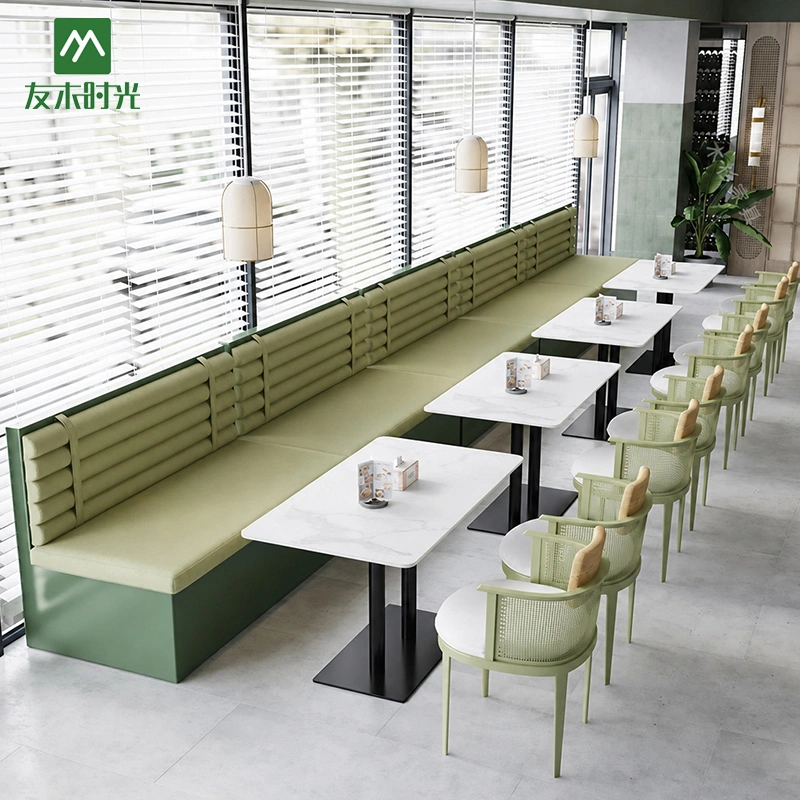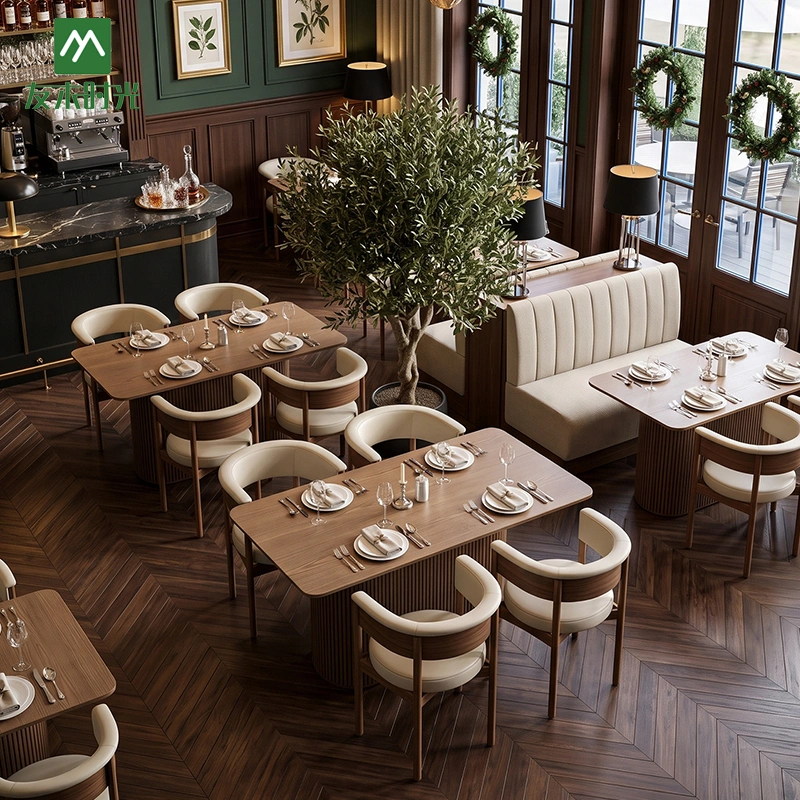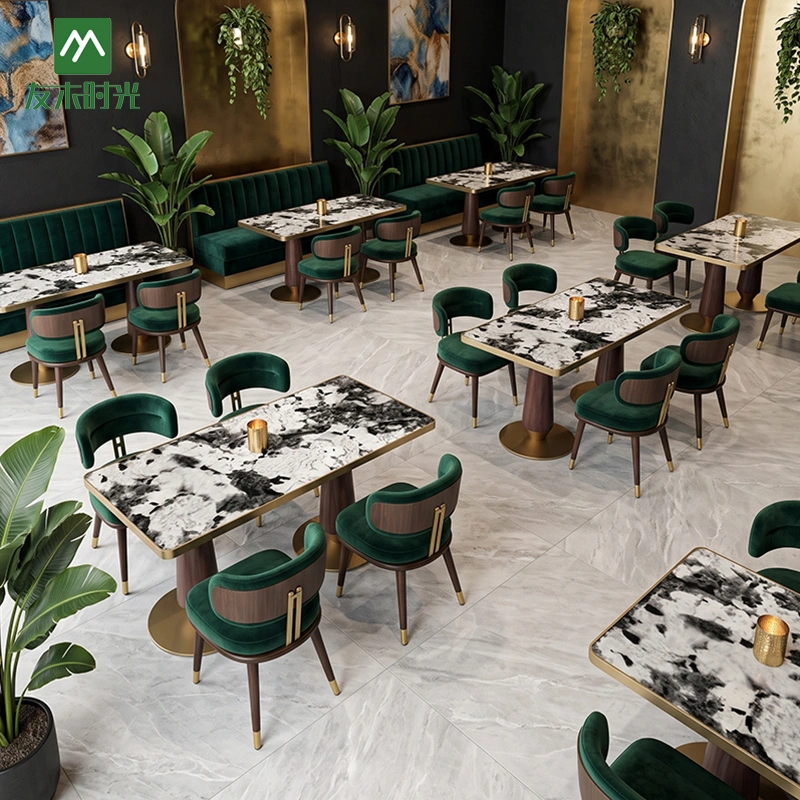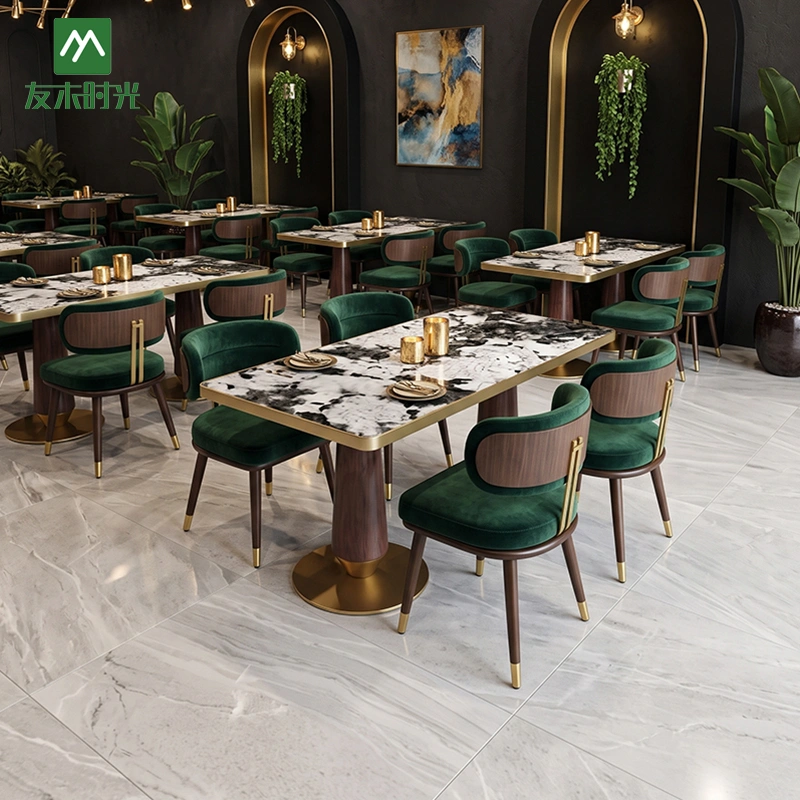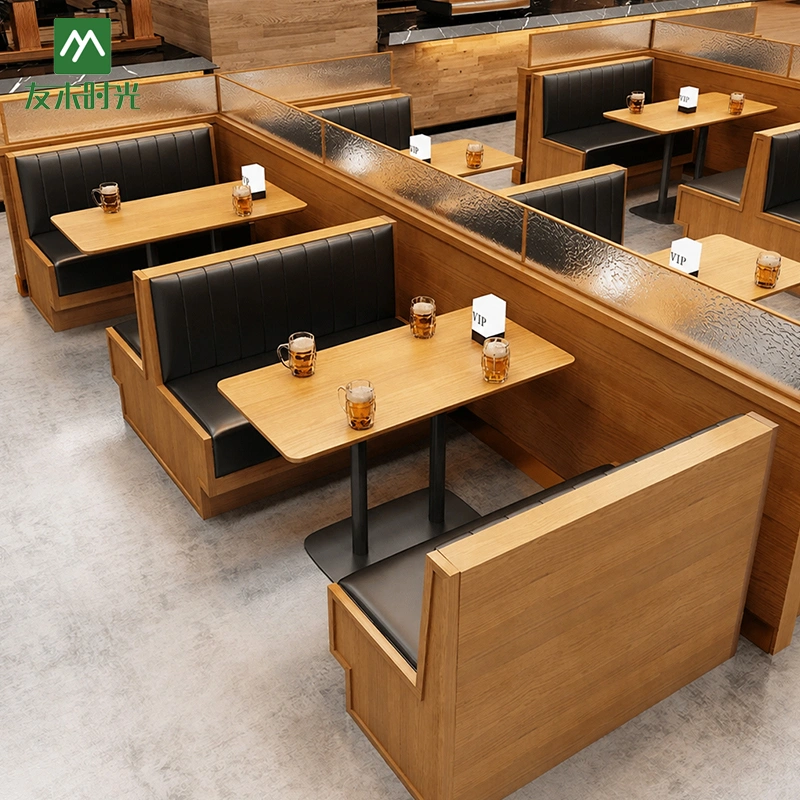
多くのレストラン経営者は、適切なテーブルや椅子を選ぶために多額の費用を費やしていますが、閉店後の扱いに気を配っている人はほとんどいません。実際には、日々の保管方法が不適切だと、しばしば損傷の原因となります。 レストラン家具 顧客の利用ペースよりも速い。.
5年間使用できるように設計された椅子でも、わずか3年でぐらついたり不安定になったりする可能性があります。これは製造品質が悪いからではなく、毎晩の取り扱い方や保管方法が適切でないためです。.
以下に、飲食店が犯しがちな保管上のミスの代表例と、テーブル、椅子、ブース席を長年にわたり良好な状態に保つための正しい方法をご紹介します。.
レストランの家具保管でよくある3つの間違い
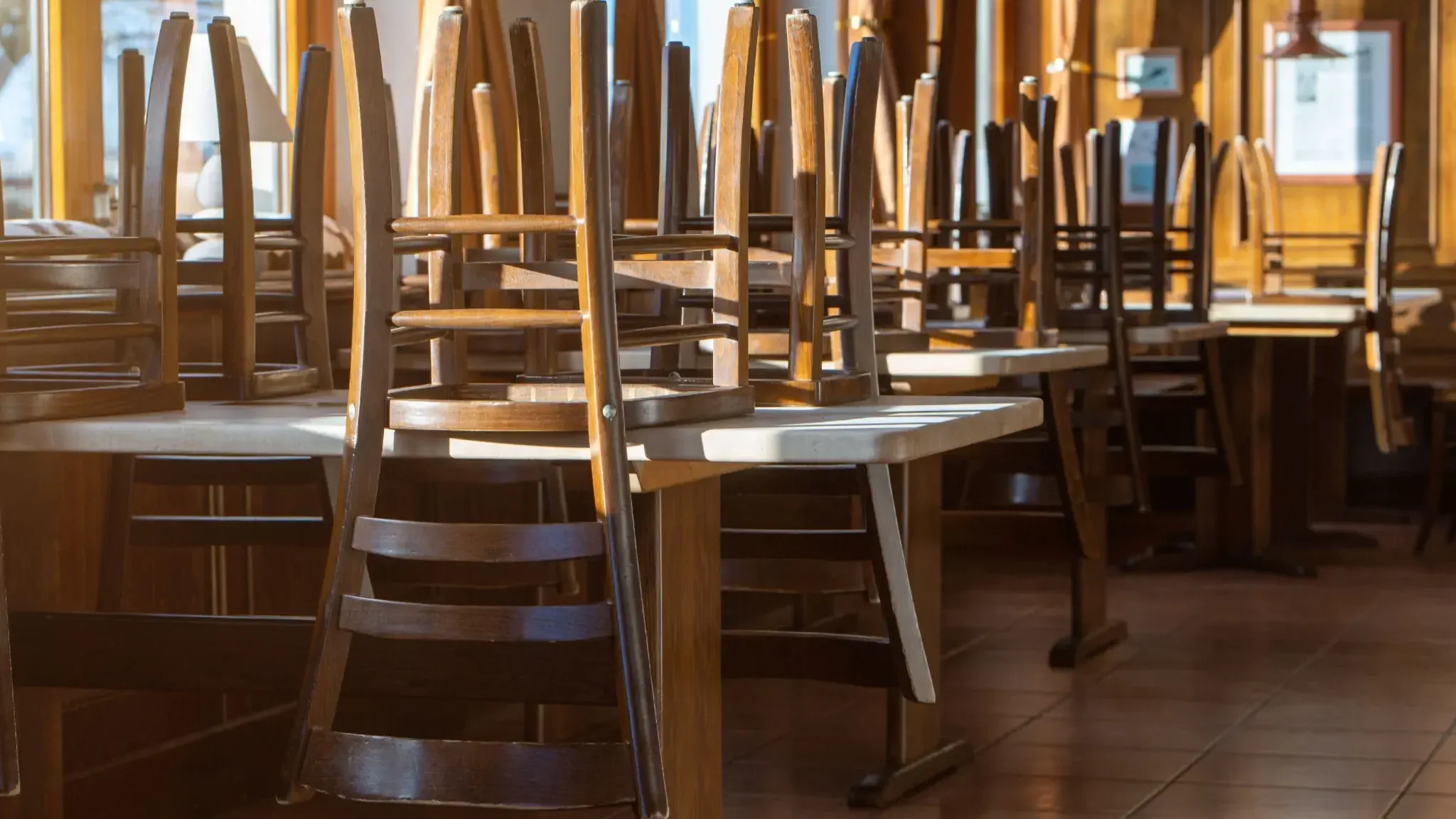
間違いその1:椅子の積み方が間違っている
多くのレストランでは、閉店後に椅子を直接積み重ねています。上の椅子の脚が、下の椅子の座面や木製の表面に直接押し付けられることになります。.
時間が経つにつれて、これにより次のような事態が生じます:
- シートクッションが変形する
- 木製の表面の傷について
- 金属塗装の塗膜が剥がれる
- 椅子のフレームがぐらつき始めています
この問題は、特に金属製のフレームを持つダイニングチェアや、布張りのレストラン用椅子によく見られます。.
正しい方法
椅子を積み重ねる際は:
- 上の椅子の脚が、下の椅子のサイドフレームまたは背もたれにしっかり乗っていることを確認してください
- 座面への直接的な圧力を避けてください
- その椅子の設計上、高い積み重ねが特に想定されている場合を除き、椅子を3脚以上積み重ねないでください。
椅子に安全に積み重ねられるような設計がされていない場合は、代わりに壁際にきちんと並べておくほうがよいでしょう。.
適切に積み重ねることで、構造物にかかる圧力や表面の損傷を大幅に軽減することができます。.
間違いその2:テーブルを床の上を引きずること
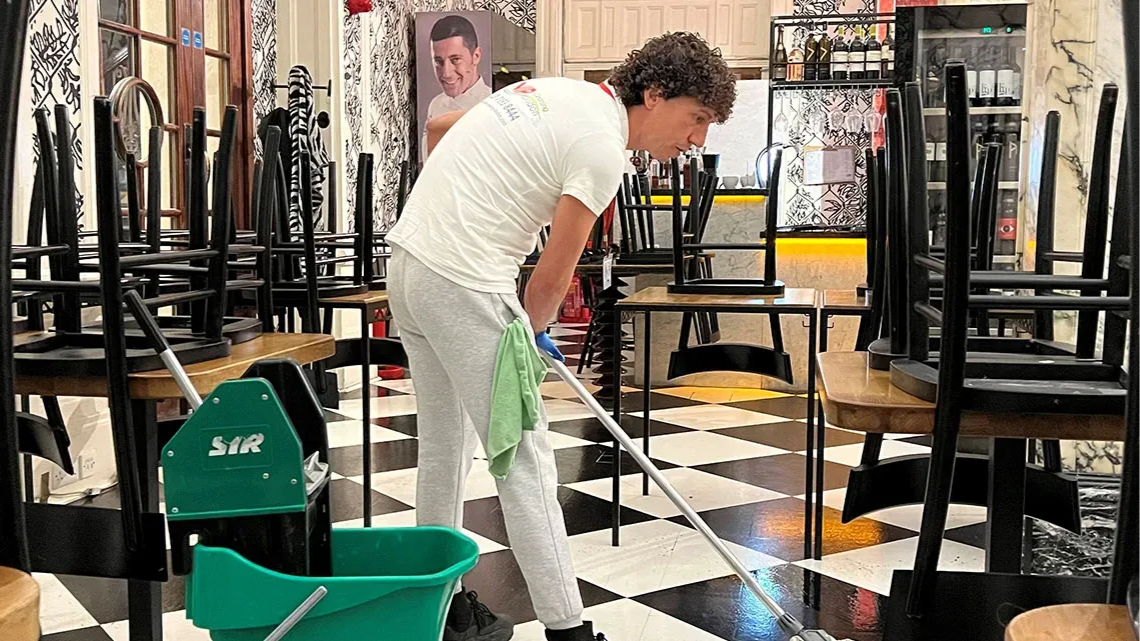
閉店後、スタッフは清掃のために床を片付けるため、テーブルを素早く引きずって移動させることがよくあります。これにより数秒の時間を節約できるかもしれませんが、それは双方に長期的なダメージをもたらします。 レストラン家具 そして床材。.
よくある問題としては、次のようなものがあります:
- 傷んだテーブルの脚
- ネジの緩みやフレームのぐらつき
- タイルや木製の床に傷がついた
- 損傷した足裏の保護パッド
特に重たいレストランのテーブルは、この問題の影響を受けやすい。.
正しい方法
ドラッグする代わりに:
- リフトテーブルを移動させる際は、可能な限り持ち上げて移動させてください
- テーブルの脚の下に、滑り止め・耐摩耗性のフットパッドを取り付ける
- 傷んだパッドは定期的に交換してください
- テーブルを頻繁に移動させる必要がある場合は、清掃エリアに保護用カーペットやゴムマットを敷いてください
こうしたちょっとした工夫で摩擦を減らし、家具とレストランの床の両方を保護することができます。.
間違いその3:ブース席を収納スペースとして使う
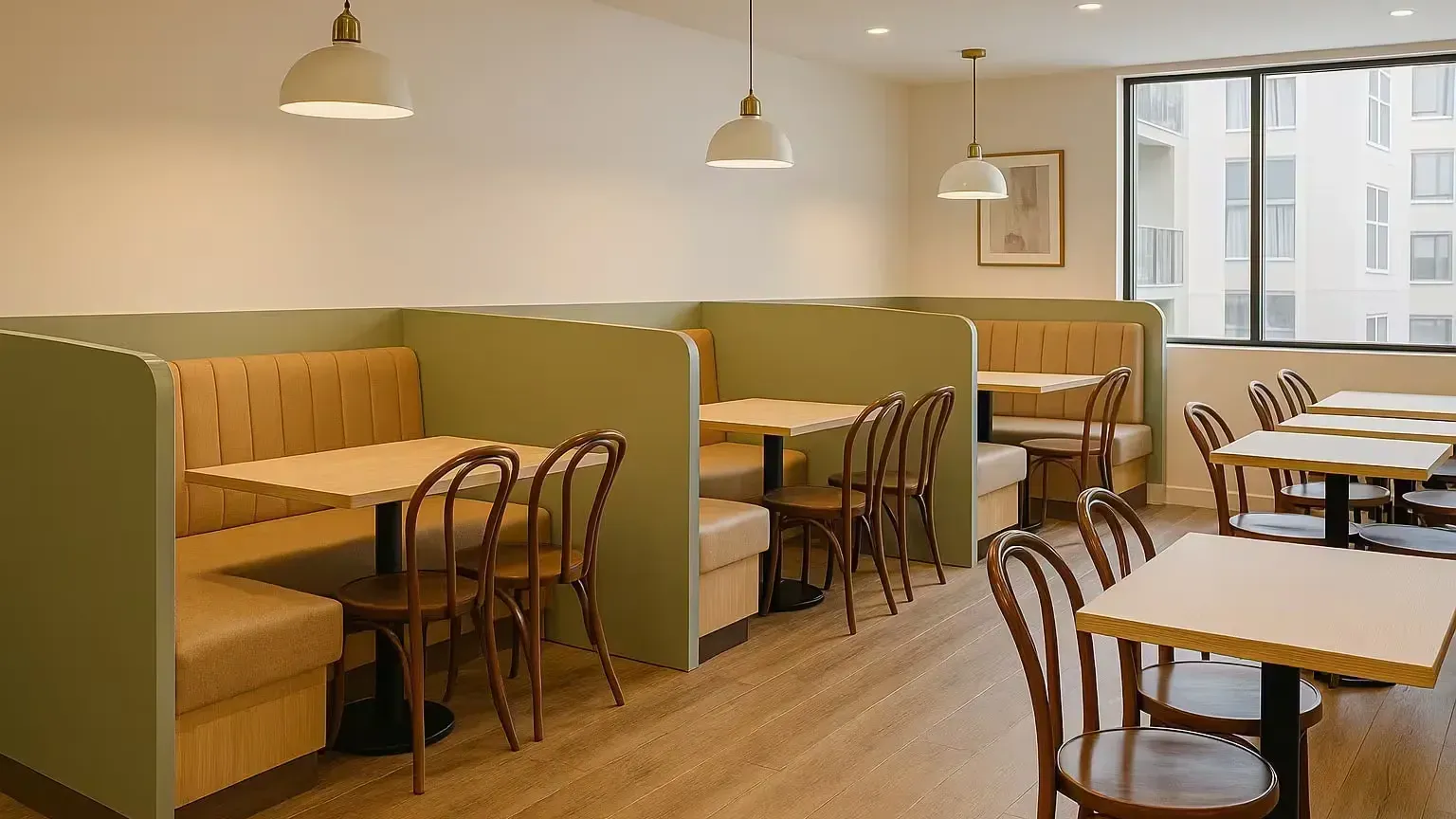
多くのレストランでは、営業終了後、ブース席が一時的な物置場として使われます。掃除用具や段ボール箱、バケツ、備品などが、クッションの上にそのまま積み上げられていることがよくあります。.
長期にわたるストレスは、次のような結果をもたらす可能性があります:
- 変形したシートフォーム
- 生地の摩耗や汚れ
- 内部支持構造の破損
- クッションにできた消えないへこみ
正しい方法
ブースの座席を物置として使用してはなりません。.
代わりに:
- 清掃用具や備品は、指定された保管場所に保管してください
- 可能な限り、棚や多目的ラックを活用してください
- スペースが限られている場合は、座席の上に保護カバーをかけてから、その上に軽めの物を一時的に置いてください
布張りの座席を保護することは特に重要です。なぜなら、ブースのクッションを交換するには、多くの場合、費用と時間がかかるからです。.
閉店後のレストラン用家具の正しい保管方法
簡単な夜のお手入れ習慣を身につけるだけで、その寿命を劇的に延ばすことができます。 レストラン家具.
ステップ1:掃除の前に家具を整理する
床の清掃を始める前に:
- 椅子を正しく、かつ安全に積み重ねてください
- 積み上げ高さは1.5メートル以下にしてください
- 積み重ねられない椅子は、壁に沿って5~10cmの間隔をあけて整然と並べてください
- テーブルを指定された清掃エリアまで慎重に移動してください
- 濡れていたり滑りやすい床の上で、家具を引きずらないようにしてください
これにより、清掃中の不慮の衝突を減らすことができます。.
ステップ2:掃除中の家具の保護
家具の劣化の主な原因は、洗浄用化学薬品や湿気です。.
推奨される実践方法
- 床を拭く前に、乾いた布で金属製の椅子やテーブルの脚を拭いてください
- 無垢材の家具には、中性洗剤を使用してください
- 木製の表面には、強アルカリ性の化学薬品を使用しないでください
- スチームモップの蒸気を、木製のテーブルトップや椅子の表面に直接吹き付けないでください
- 金属の接合部やネジの周囲で、過度な水濡れを防ぐ
常に湿気にさらされると、時間の経過とともに錆や膨れ、あるいは接合部の強度が低下する原因となる可能性があります。.
ステップ3:家具を丁寧に元の場所に戻す
洗浄後:
- テーブルや椅子を返却する前に、床が完全に乾いていることを確認してください
- 濡れた路面で足の裏が滑るのを防ぐ
- 椅子を投げたり落としたりして配置するのではなく、そっと置いてください
- 体位変更の際は、定期的に椅子の安定性を確認してください
毎日繰り返されるわずかな衝撃が、レストランの椅子が早期に緩んでしまう主な原因となることがよくあります。.
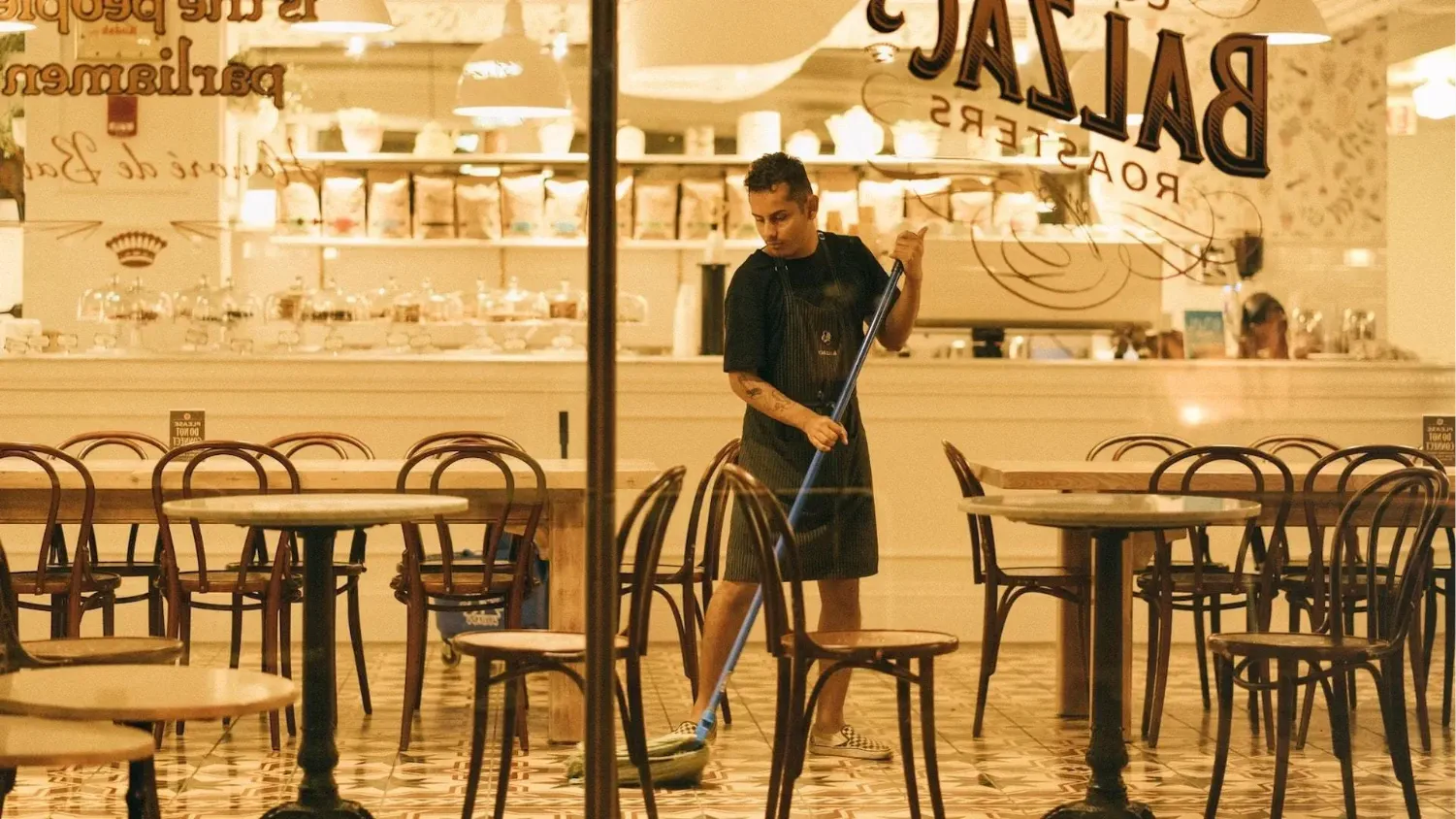
家具を適切に保管することが重要な理由
レストラン家具 は、毎日激しい使用にさらされ続けています。しかし、営業時間外に生じた損傷は見過ごされがちです。.
不適切な保管方法は、次のような問題を引き起こす可能性があります:
- より高い再調達原価
- 維持費の増加
- レストランの見た目が悪い
- 座席の安定性に関する顧客からの苦情
- 家具の入れ替えに伴う業務の支障
一方、夜間の適切な保管は耐久性を高め、投資を保護し、レストランを長期間にわたってプロフェッショナルな外観に保つことができます。.
まとめ
レストランの家具の耐用年数の半分は製造品質に左右され、残りの半分は日々の手入れや保管方法にかかっています。.
毎晩10分ほど余分に時間を割いて、椅子をきちんと積み重ね、テーブルを丁寧に移動させ、ブース席を保護しておけば、長年にわたって数千ドルもの交換費用を節約することができます。.
さらに重要なことに、これにより、お客様にとってより清潔で、より安全で、よりプロフェッショナルな食事環境を維持することができます。.