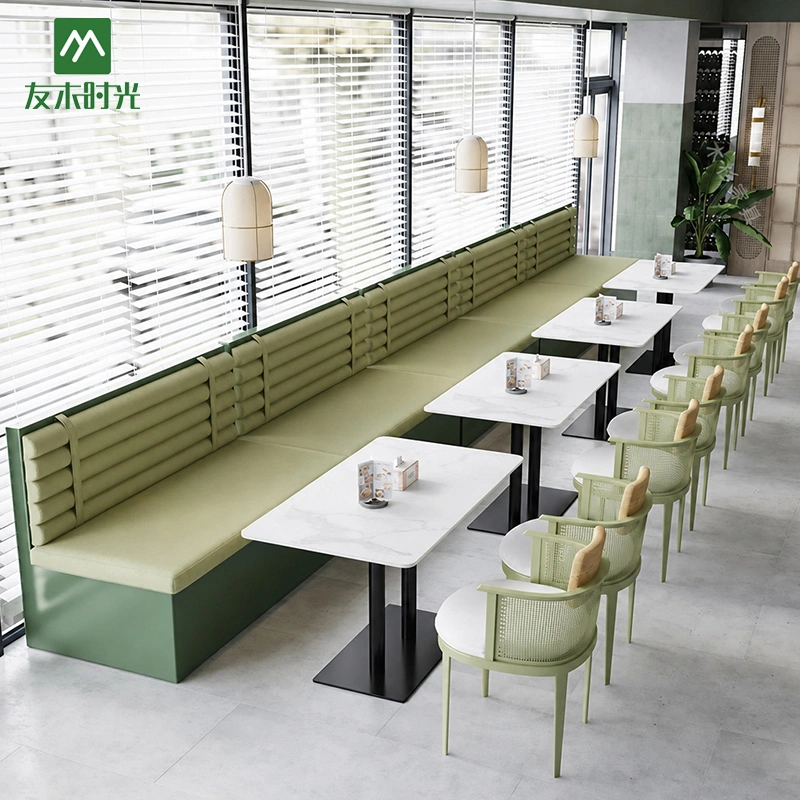
In high-turnover restaurants, restaurant seating solutions are not merely functional—they directly influence revenue, operational efficiency, and customer satisfaction. Operators face the recurring dilemma: should they invest in fixed booth seating for consistency and space optimization, or opt for mobile restaurant seating that offers flexibility and adaptability?
Youmu Shiguang Furniture explores the structural, operational, and financial trade-offs of both approaches. As a one-stop commercial furniture manufacturer, we have analyzed their impact on seat turnover, staff efficiency, maintenance, and long-term ROI, providing actionable insights for restaurant owners, procurement managers, and hospitality furniture distributors.
Why Seating Configuration Matters in High-Turnover Restaurants
The Economics of Seat Turnover
Seat turnover directly affects revenue per seat, especially during peak hours. Restaurants with commercial restaurant seating designed for efficient circulation can serve more customers without increasing footprint. Average dining duration, influenced by seating comfort and layout, impacts overall throughput.
How Furniture Affects Operational Efficiency
Fixed booth seating provides predictable layouts that streamline staff movement and cleaning schedules. Mobile seating allows rapid reconfiguration, reducing congestion during events or peak periods. Both options affect labor efficiency, table reset time, and overall service speed.
Typical High-Traffic Restaurant Formats
High-turnover environments include:
- Quick-service restaurants (QSR)
- Fast-casual dining
- Food courts
- Cafetarias
- High-volume franchise locations
Understanding the format is critical for choosing between booth seating advantages and the flexibility of movable restaurant chairs.
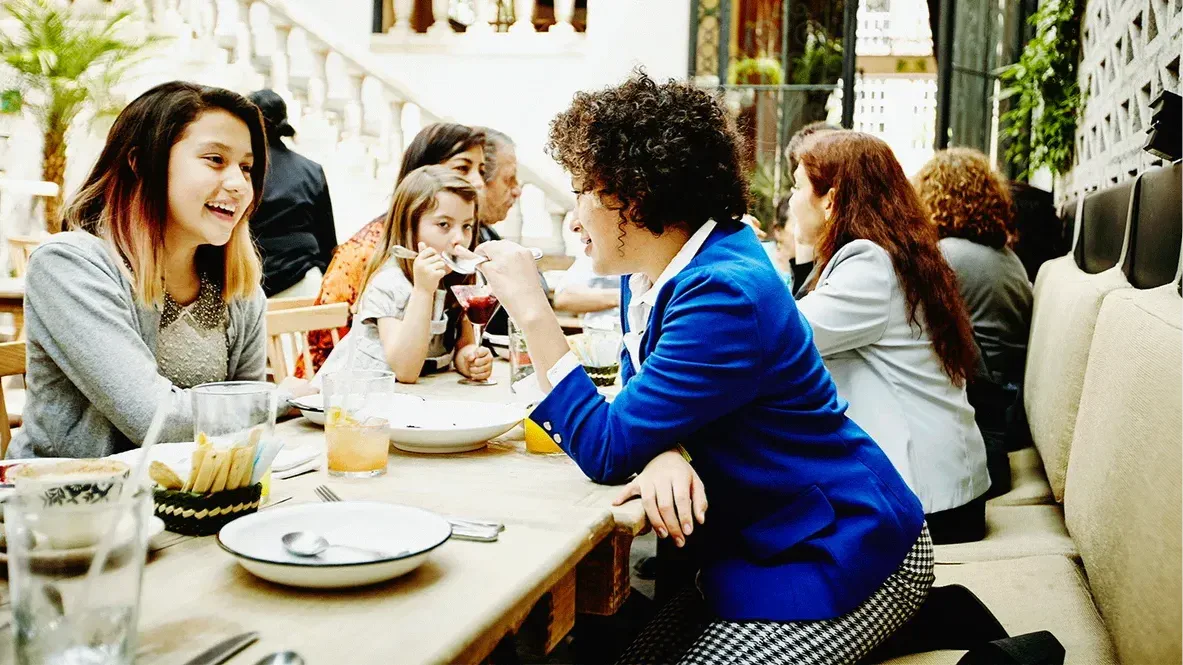
Understanding Fixed Booth Seating
What Defines Fixed Booth Seating?
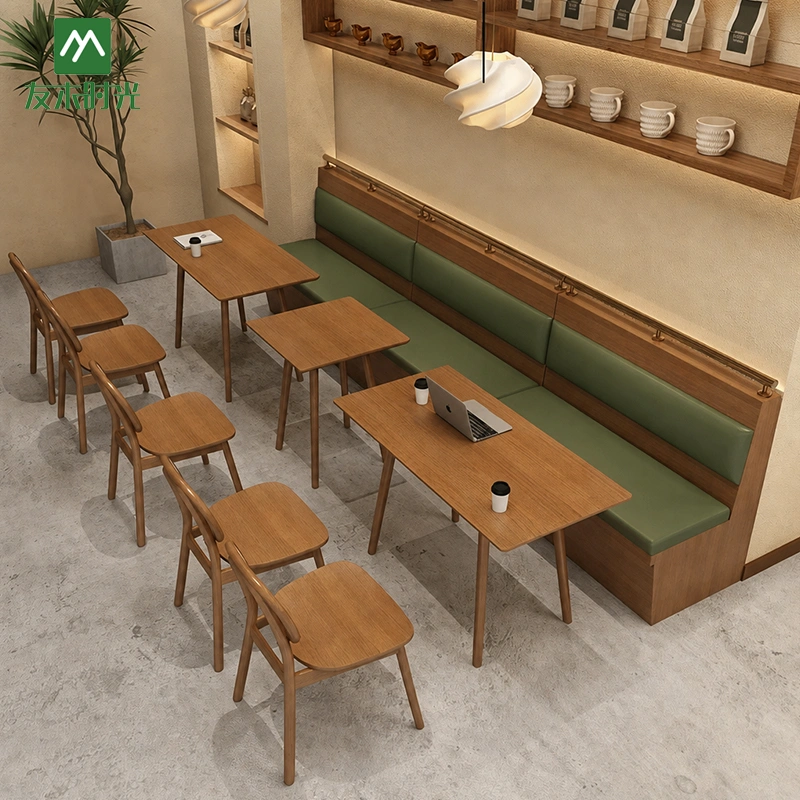
Fixed booths are integrated seating systems, either wall-mounted or floor-mounted, offering structured layouts. This form of restaurant booth vs table seating is common in family-style restaurants, fast-casual chains, and brand-conscious venues.
Structural Advantages of Fixed Booths
- Consistent layout control enhances operational predictability
- Improved space utilization along walls or corners
- Enhanced customer privacy encourages repeat visits
- Strong brand presentation through consistent design
Structural Limitations of Fixed Booths
- Limited adaptability to changing layouts
- Complex installation requirements
- Higher renovation costs
- Long-term commitment to specific floor plans
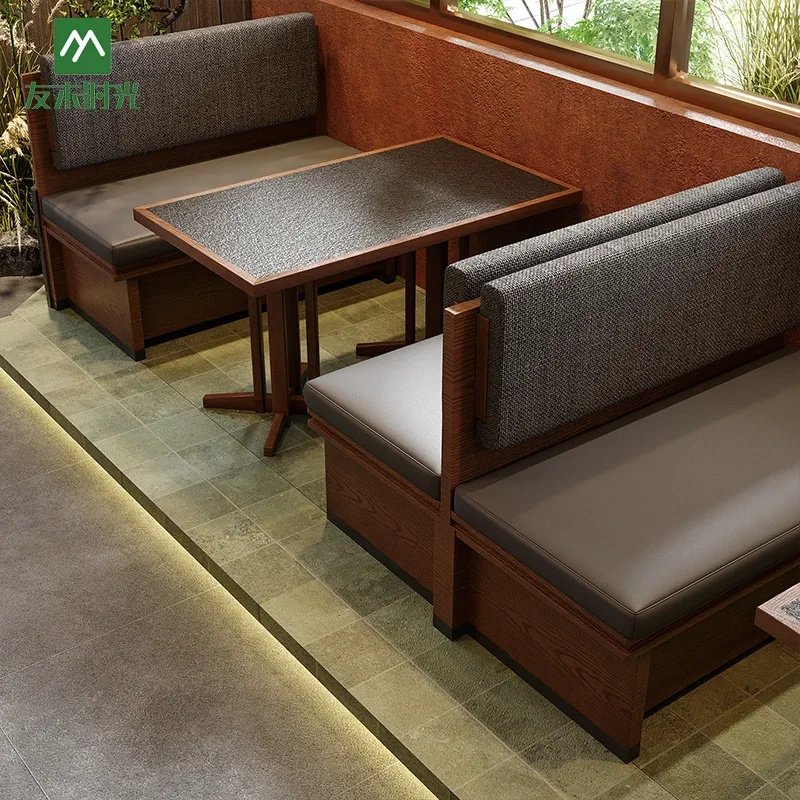
Understanding Mobile Seating Systems
What Is Mobile Seating?
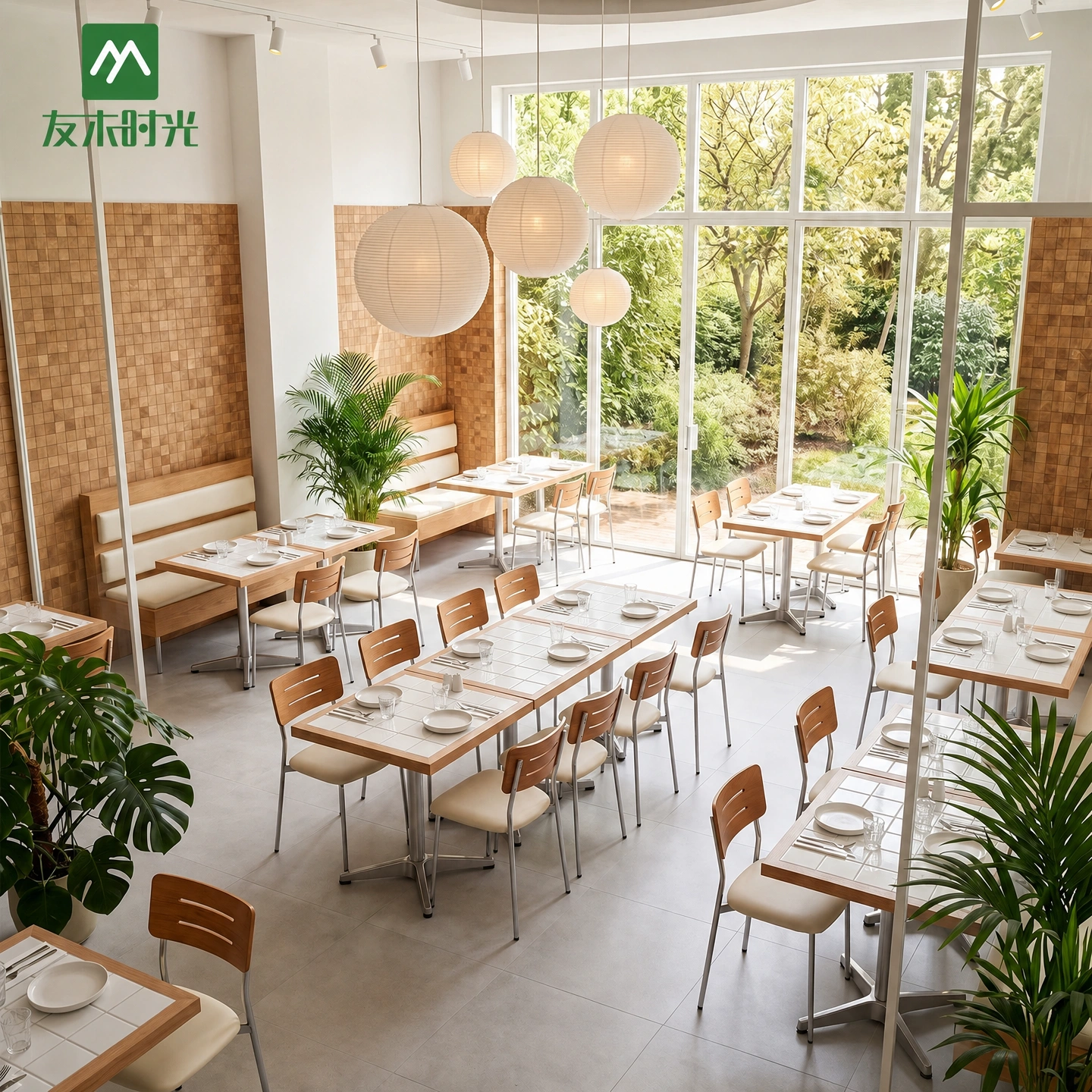
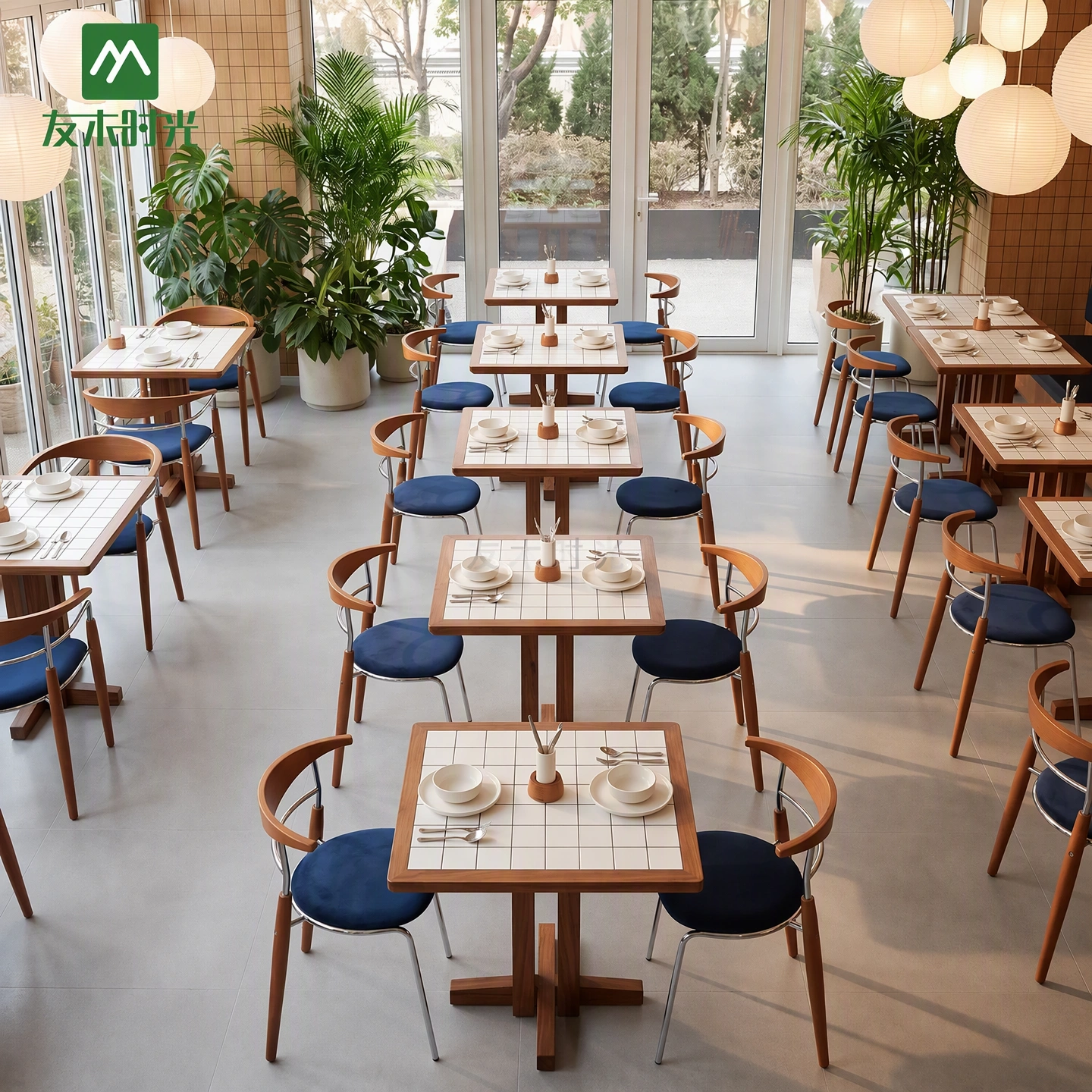
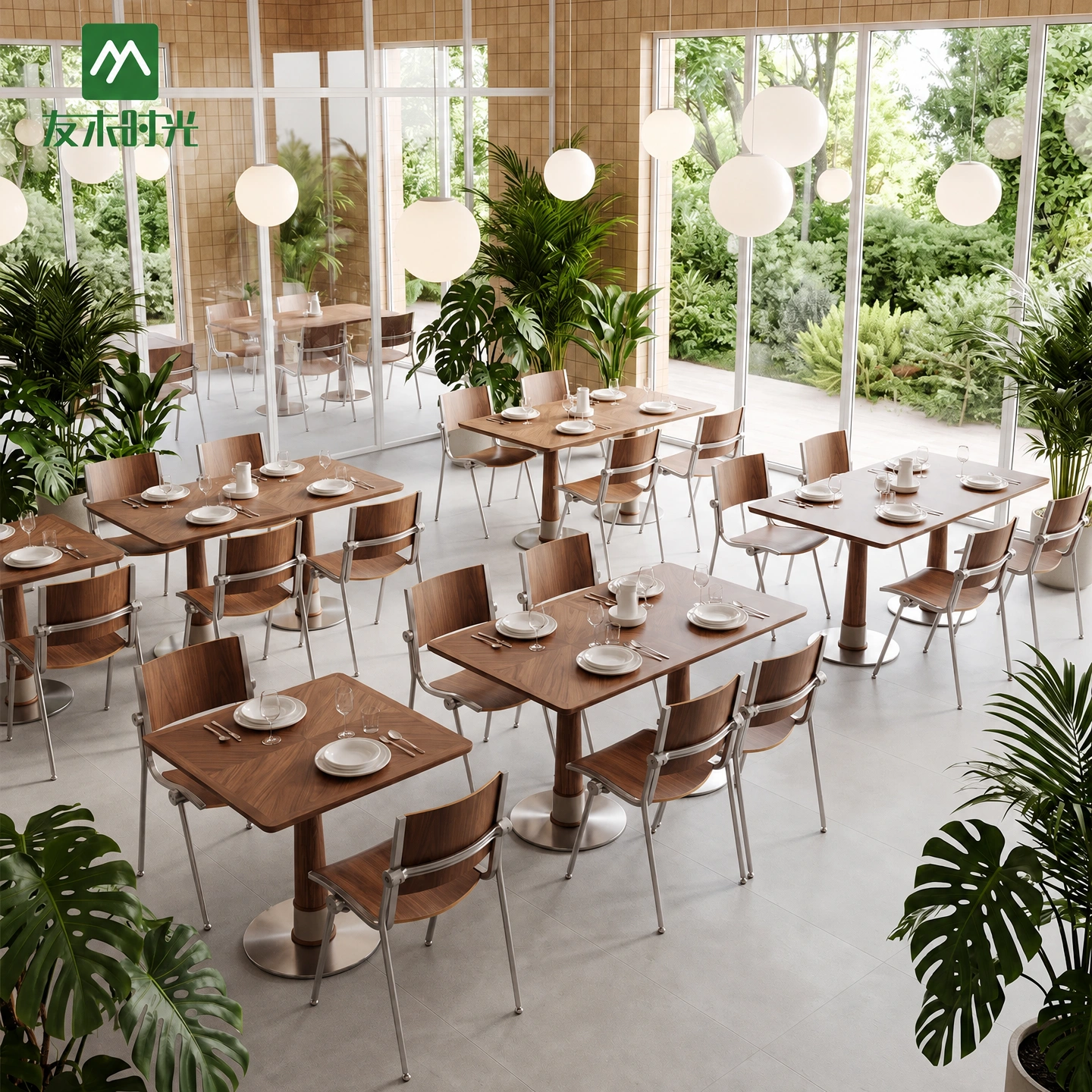
Mobile restaurant seating consists of freestanding tables, stackable chairs, and modular configurations. It enables rapid adjustments to accommodate events, seasonal changes, or varying group sizes.
Operational Advantages of Mobile Seating
- Flexible floor plans for high-traffic adjustments
- Simplified layout reconfiguration for events
- Easier maintenance and replacement
- Quick adaptation to fluctuating customer volumes
Limitations of Mobile Seating
- Inconsistent layouts can affect customer experience
- Greater wear from frequent movement
- Potential traffic congestion
- Possible reduction in seating density compared to fixed booths
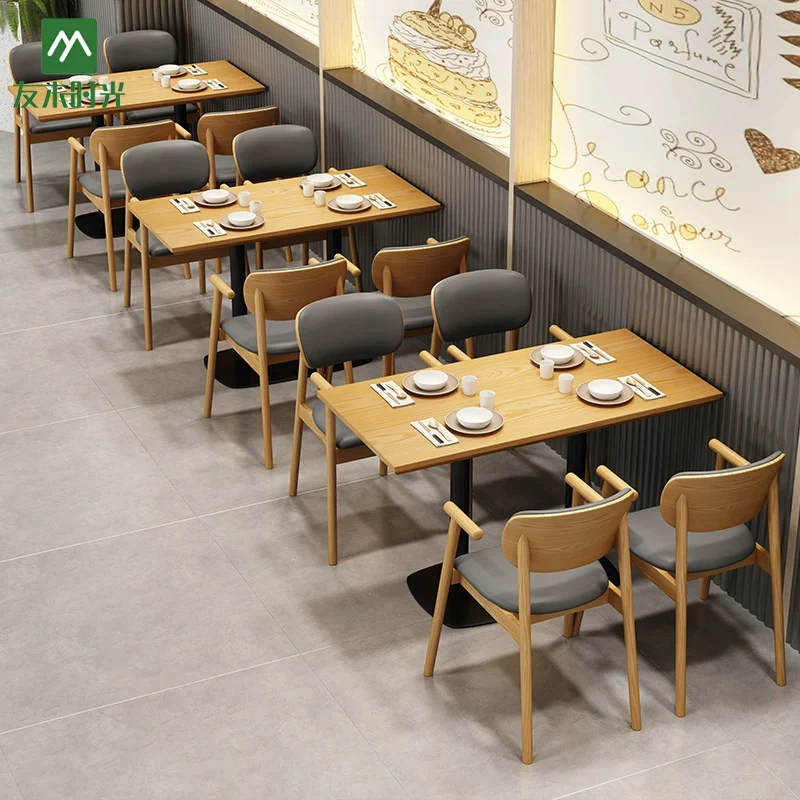
Fixed Booths vs Mobile Seating: A Structural Comparison
Space Efficiency
Fixed booth seating often maximizes perimeter space, while mobile restaurant seating provides adaptive capacity but may reduce density in peak hours.
Customer Throughput
- Booths enable efficient seat assignment but may encourage longer stays
- Mobile seating allows flexible customer placement, improving waitlist management, but can slow service if the layout is disorganized
Durability and Lifecycle
- Fixed booths typically offer stronger structural stability
- Mobile chairs experience higher wear from movement
- Both require routine maintenance, but booths may need less frequent replacement
Cleaning and Maintenance
Booths may create access challenges, increasing labor time, whereas mobile seating allows easier cleaning and rearrangement.
Safety and Traffic Flow
Both options must accommodate emergency egress, ADA compliance, and traffic flow optimization to ensure customer safety.
| Consideration | Fixed Booth Seating | Mobile Restaurant Seating |
|---|---|---|
| Space Efficiency | Elevado | Moderado |
| Customer Throughput | Predictable | Flexible |
| Durability & Lifecycle | Durable | Wear-prone |
| Cleaning & Maintenance | Difficult | Easy |
| Safety & Traffic Flow | Consistent | Adaptable |
Cost Analysis Beyond Initial Purchase Price
Installation Costs
Fixed booths demand construction and permanent installation, increasing upfront investment. Mobile seating costs are primarily in procurement and setup.
Long-Term Ownership Costs
Booths require occasional repair but generally last longer. Mobile seating may have a higher replacement frequency due to wear and tear.
Renovation and Expansion Considerations
Booths limit flexibility during renovations, while mobile seating supports rapid layout changes and store redesigns.
Which Option Delivers Better ROI?
- High-volume QSRs may benefit from mobile seating for flexibility
- Casual dining can leverage booth consistency for comfort and branding
- Premium concepts must balance customer experience with operational efficiency
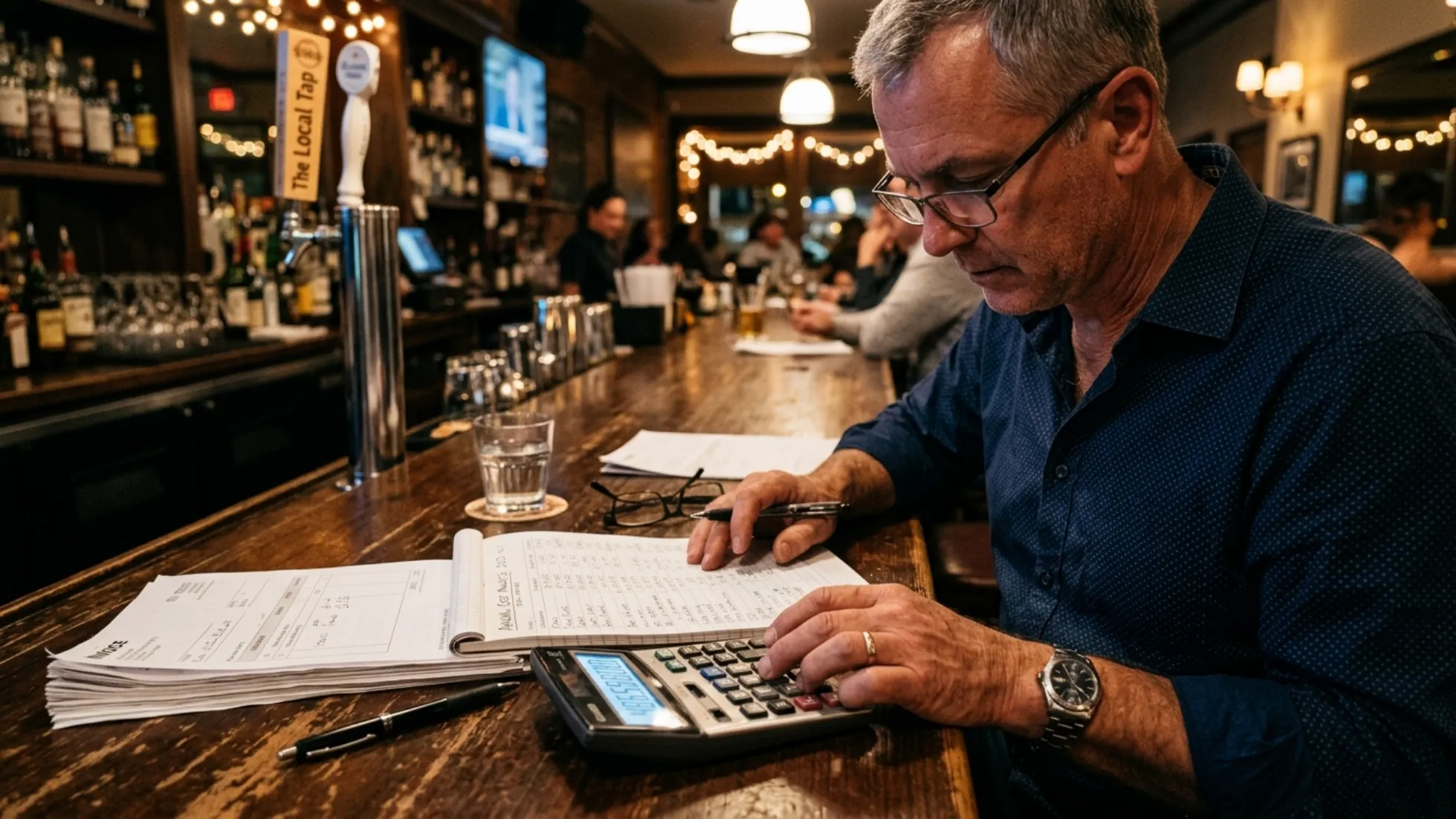
Which Restaurant Types Benefit Most from Fixed Booths?
Fast-Casual Chains Seeking Seating Density
Booths maximize available space while maintaining a predictable layout for staff.
Family Restaurants Prioritizing Comfort
Enclosed booths provide privacy, encourage longer visits, and improve overall satisfaction.
Brand-Focused Concepts Requiring Consistent Interior Design
Fixed booths reinforce design identity across multiple locations.
Multi-Location Franchises Standardizing Customer Experience
Booths ensure uniformity and reduce variability in customer experience.
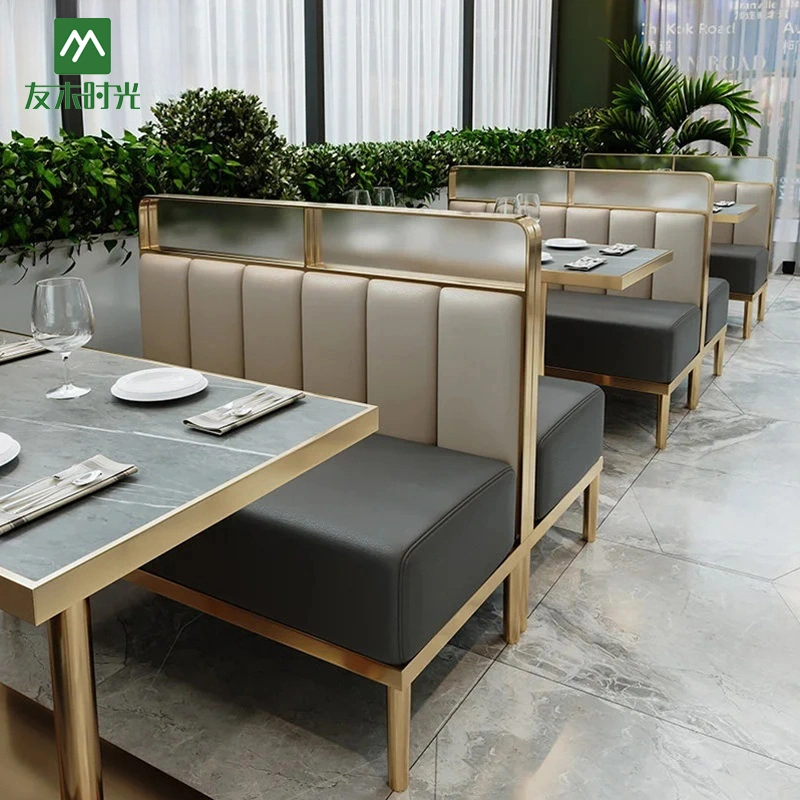
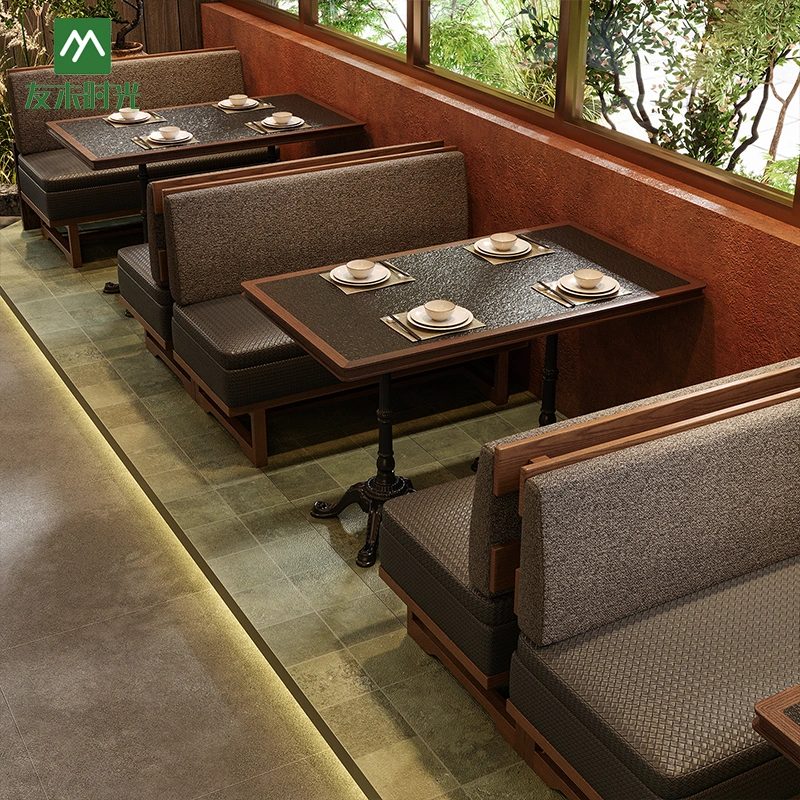
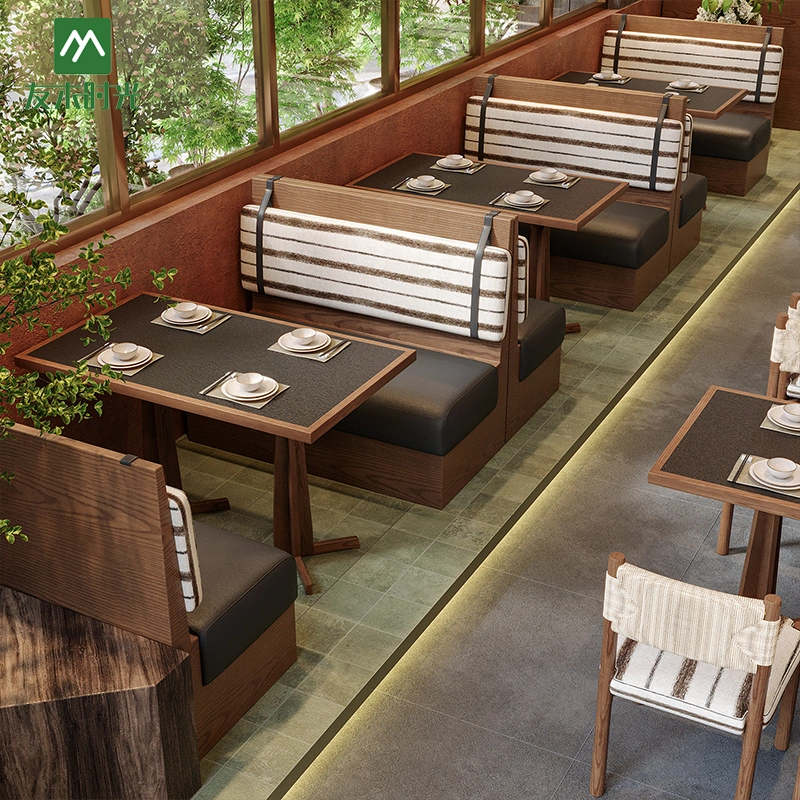
Which Restaurant Types Benefit Most from Mobile Seating?
Restaurants with Frequently Changing Layouts
Event-driven or seasonal operations benefit from flexible seating arrangements.
Event-Friendly Dining Spaces
Modular furniture allows rapid conversion between dining and event layouts.
Seasonal Operations
Temporary expansions or pop-ups can rely on movable restaurant chairs without permanent construction.
Multi-Purpose Hospitality Venues
Mobile seating supports mixed-use environments like cafes with coworking or community events.
What Buyers Should Evaluate When Sourcing Commercial Seating
Material Selection
- Steel frames for durability
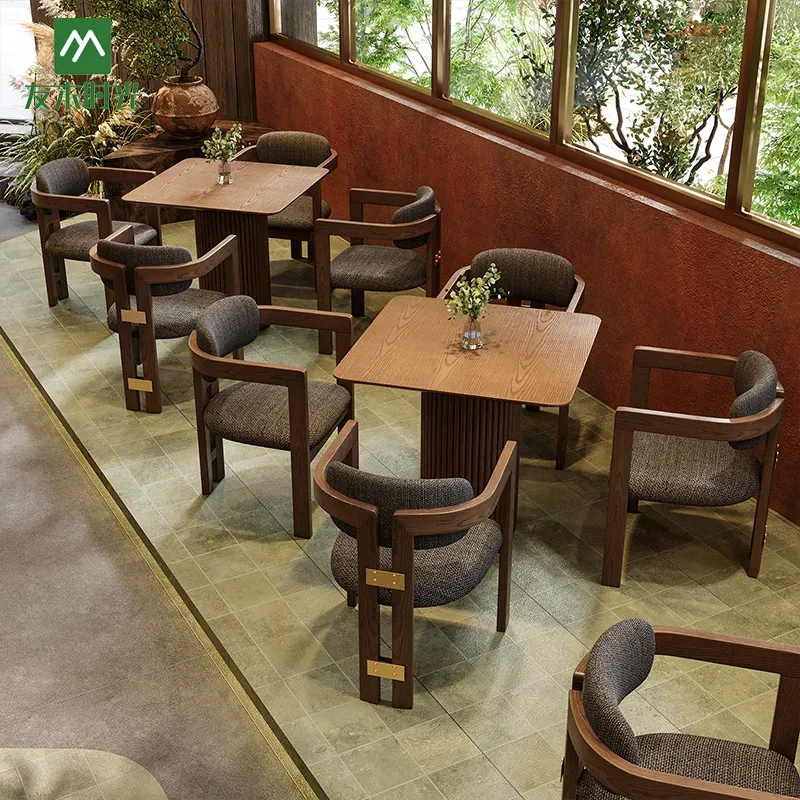
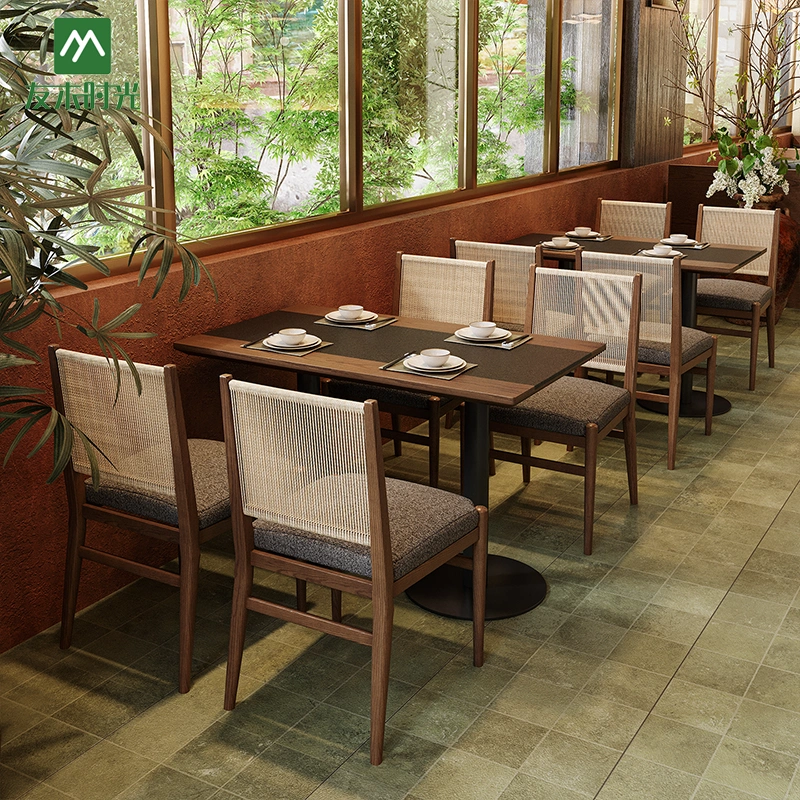
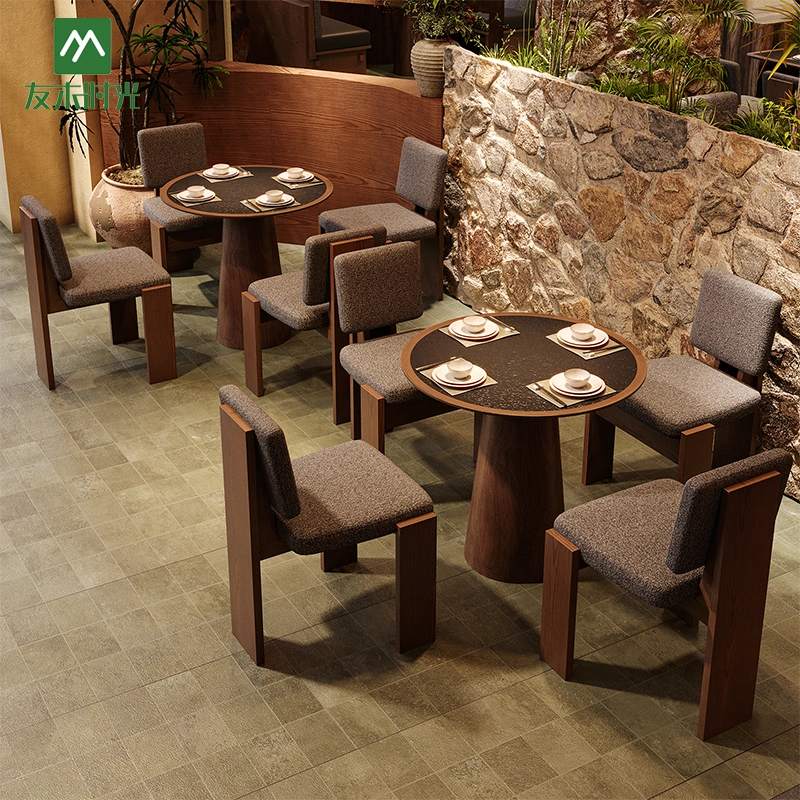
- Wood structures for aesthetics
- Upholstery for comfort and longevity
- High-wear surfaces for frequent use
Manufacturing Quality Standards
- Load-bearing performance
- Joinery strength
- Surface finishing consistency
Customization Requirements
- Dimensions tailored to floor plans
- Branding through upholstery or design
- Layout integration for specific restaurant concepts
Choosing the Right Manufacturing Partner
- OEM/ODM capabilities for custom restaurant booth manufacturer solutions
- Rigorous quality control
- Global logistics for bulk orders
- Experience in high-volume commercial restaurant seating production
Can Fixed Booths and Mobile Seating Be Combined?
The Hybrid Seating Strategy
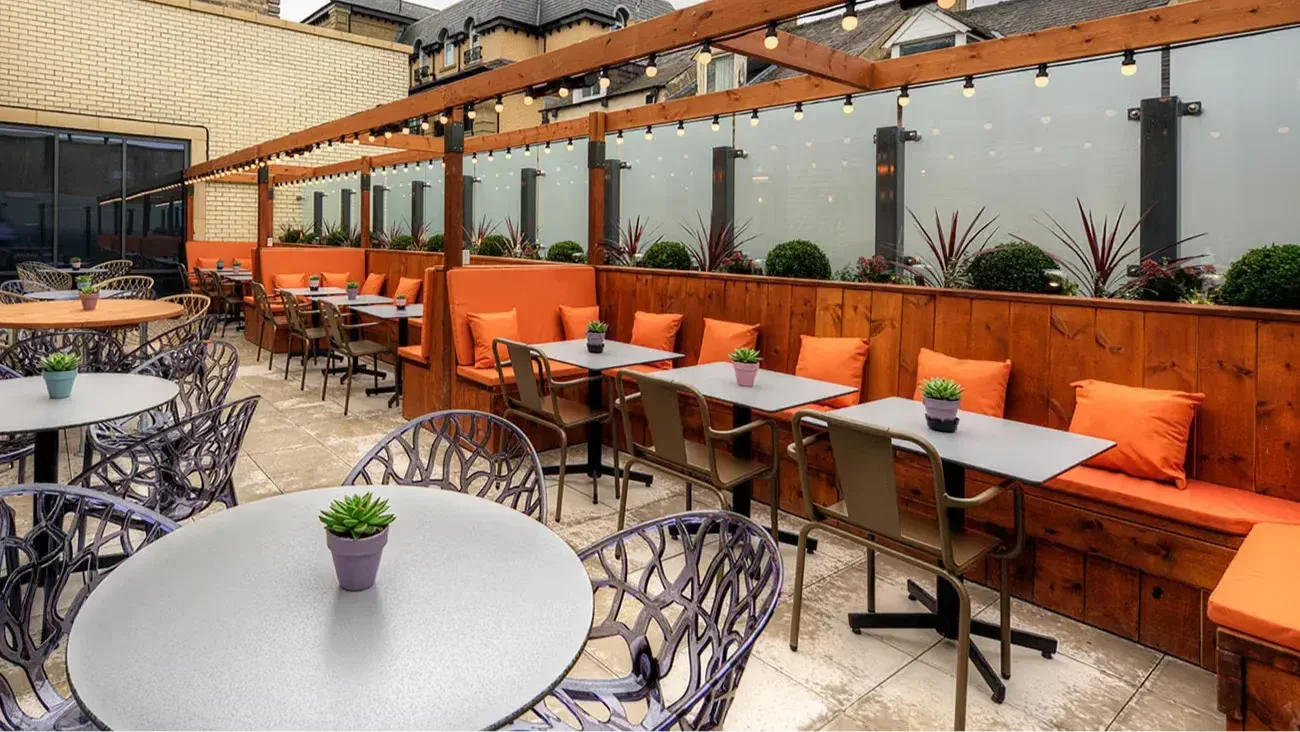
Combining booths and mobile chairs creates a balance between density, flexibility, and operational efficiency.
Common Hybrid Layout Designs
- Booths along walls with mobile tables in the center
- Event areas with stackable chairs surrounding permanent booths
Why Many Modern Restaurants Choose Mixed Configurations
Hybrid setups allow simultaneous brand consistency and adaptability to changing customer volumes.
Balancing Efficiency, Flexibility, and Customer Experience
Strategically deploying both fixed booth seating and mobile restaurant seating maximizes both operational and financial performance.
Conclusão
No single solution fits all high-turnover restaurants. Fixed booths excel in density, consistency, and branding, while mobile seating excels in flexibility and adaptability. Operators must assess turnover goals, space constraints, maintenance requirements, and growth plans. Partnering with an experienced fornecedor de mobiliário para restaurantes ensures access to standardized and custom restaurant booth manufacturer solutions capable of delivering long-term operational and financial benefits.
Sobre a Youmu Shiguang Furniture
Youmu Shiguang is an experienced fabricante de mobiliário comercial specializing in one-stop restaurant, pub, bar, café, and hospitality furniture solutions for global B2B customers. With large-scale production capacity, advanced manufacturing facilities, and factory-direct supply, we deliver stable quality, reliable lead times, and competitive pricing. Our team is committed to customer success, providing professional support from design consultation and sample development to production and global delivery.
We offer flexible OEM and ODM commercial furniture customization services, including booth seating, dining chairs, bar stools, tables, banquettes, and complete furniture collections tailored to specific project requirements. Trusted by distributors, wholesalers, contractors, and hospitality brands, Youmu Shiguang helps create durable, functional, and visually appealing commercial spaces with dependable products and long-term partnership support.
FAQ Section
Are booths more space-efficient than tables and chairs?
Yes, fixed booth seating often increases seating density by utilizing perimeter space, though floor plan design affects effectiveness.
Do fixed booths increase customer turnover?
Not necessarily; while they improve layout consistency, they may encourage longer stays in certain restaurant types.
Are mobile chairs better for quick-service restaurants?
Yes, mobile restaurant seating provides adaptability and faster reconfiguration.
How long do commercial restaurant booths typically last?
High-quality booths can last 7–15 years depending on materials, usage, and maintenance.
Should restaurants use both booths and mobile seating?
Hybrid layouts balance capacity, flexibility, customer comfort, and operational efficiency, commonly adopted in high-volume restaurants.