Introduction: The Real Cost of Opening a Cafe
Opening a cafe is one of the most popular small business dreams worldwide. But before you buy that espresso machine or pick out your first batch of coffee beans, you need a clear understanding of the total investment required. The cost of opening a cafe varies dramatically depending on location, size, concept, equipment choices, and interior design. On average, a small cafe may require $50,000–$150,000, while a larger specialty coffee shop or premium cafe can cost $200,000–$500,000 or more.
Beyond the overall budget, two questions come up again and again: How much will it cost in my specific region? and Where do I buy durable, stylish furniture without overspending? This guide answers both. We break down every major expense—from rent to coffee machines to marketing—and then compare costs across Europe, the United States, Southeast Asia, and the Middle East. Finally, we share smart sourcing strategies to help you furnish your cafe with confidence and stay within budget.
1. Location and Rent – The Biggest Recurring Cost
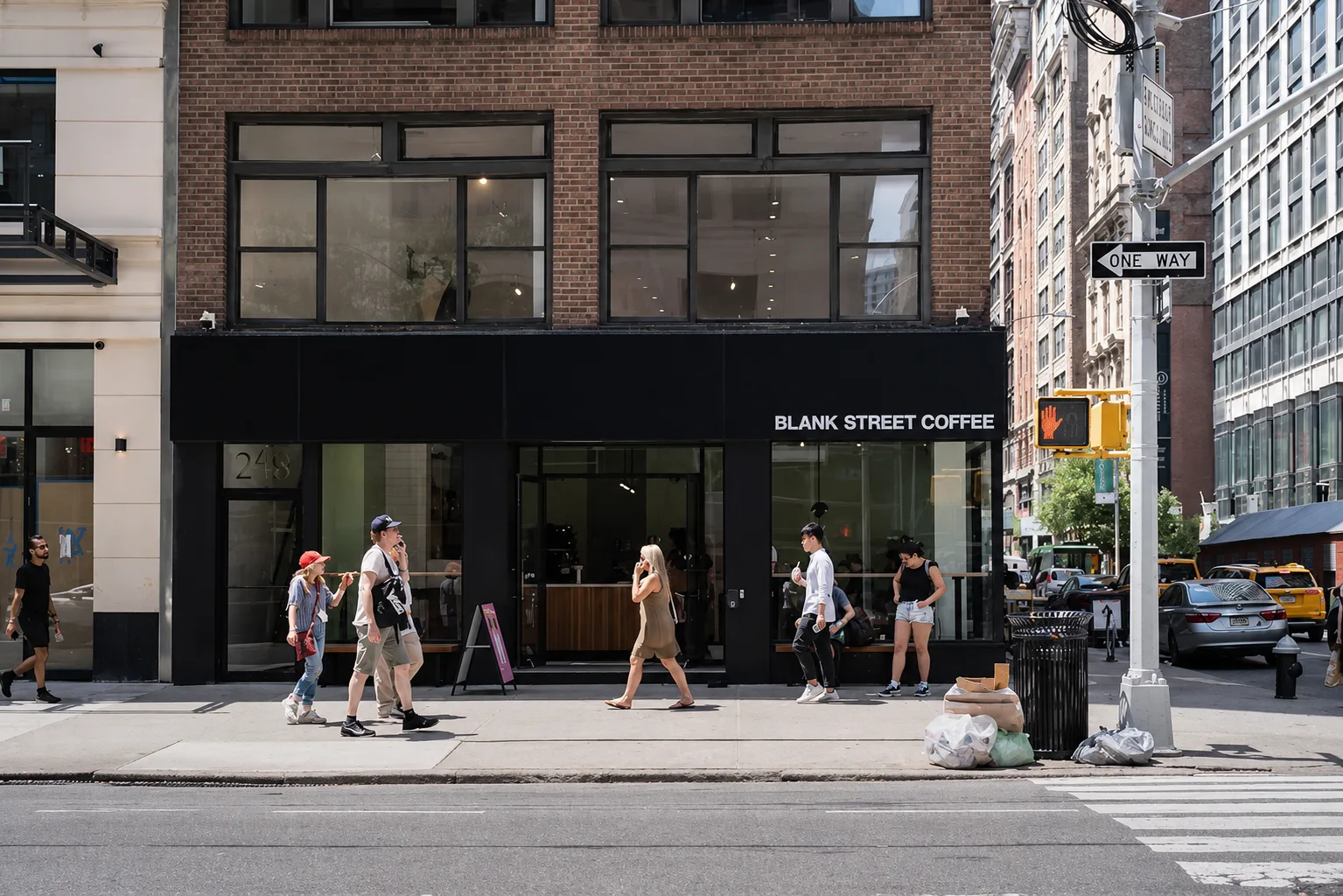
The location of your cafe directly affects both startup costs and long-term revenue. A prime spot in a downtown area, shopping mall, or tourist zone commands higher rent but brings more foot traffic. Monthly rent typically ranges from $2,000 to over $20,000, depending on the city and neighborhood. Beyond monthly rent, landlords often require a security deposit (2–3 months) and advance payments.
When choosing a location, evaluate foot traffic, parking availability, nearby competitors, customer demographics, and visibility from the street. A cheaper location with low visibility may save rent but cost you in marketing and slower customer acquisition.
2. Renovation and Interior Design – Building the Atmosphere
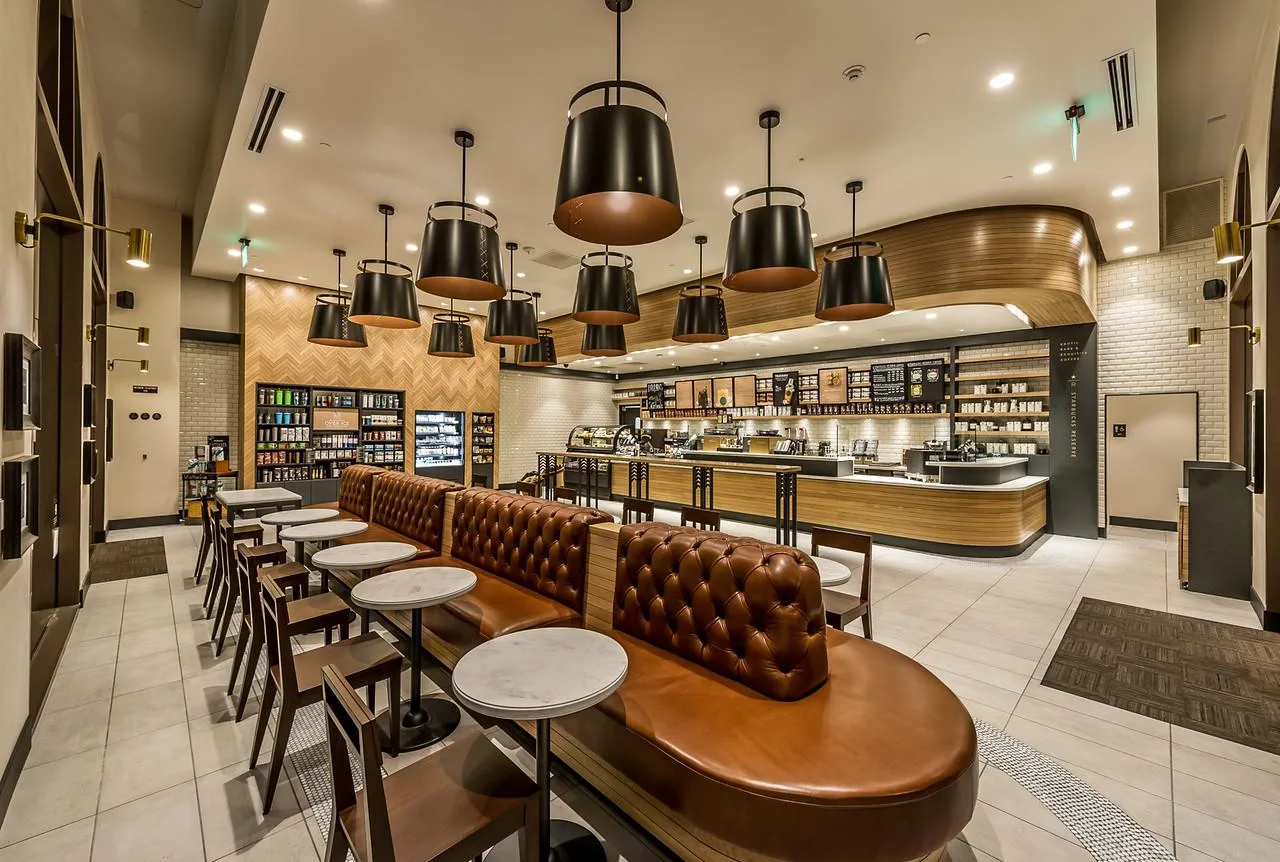
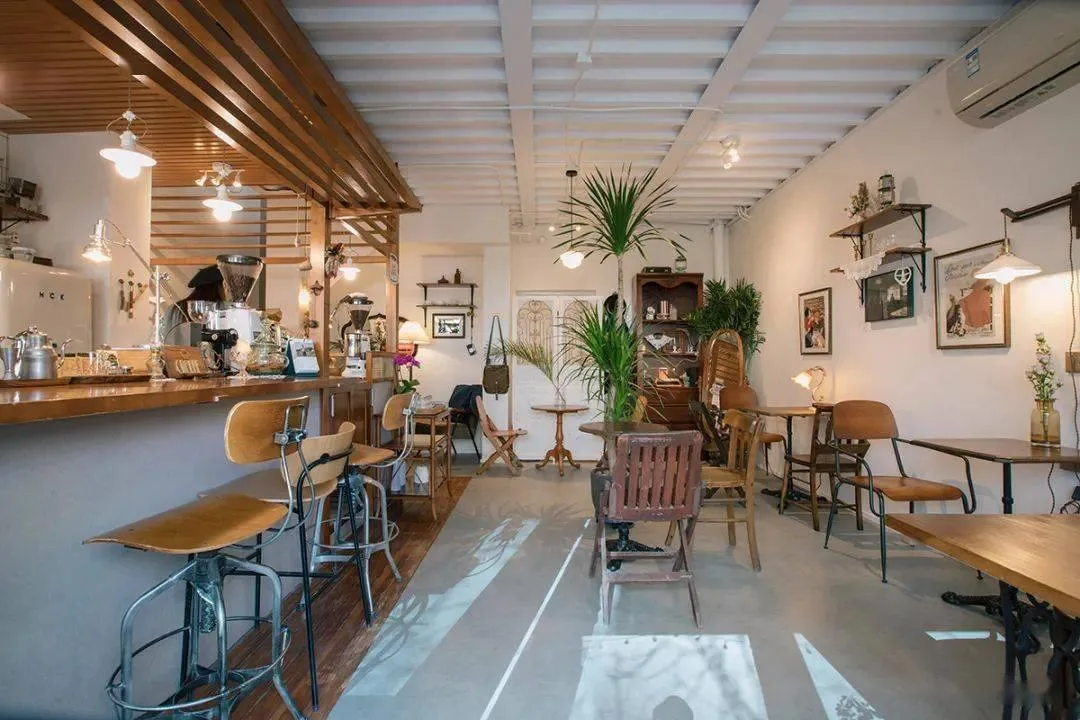
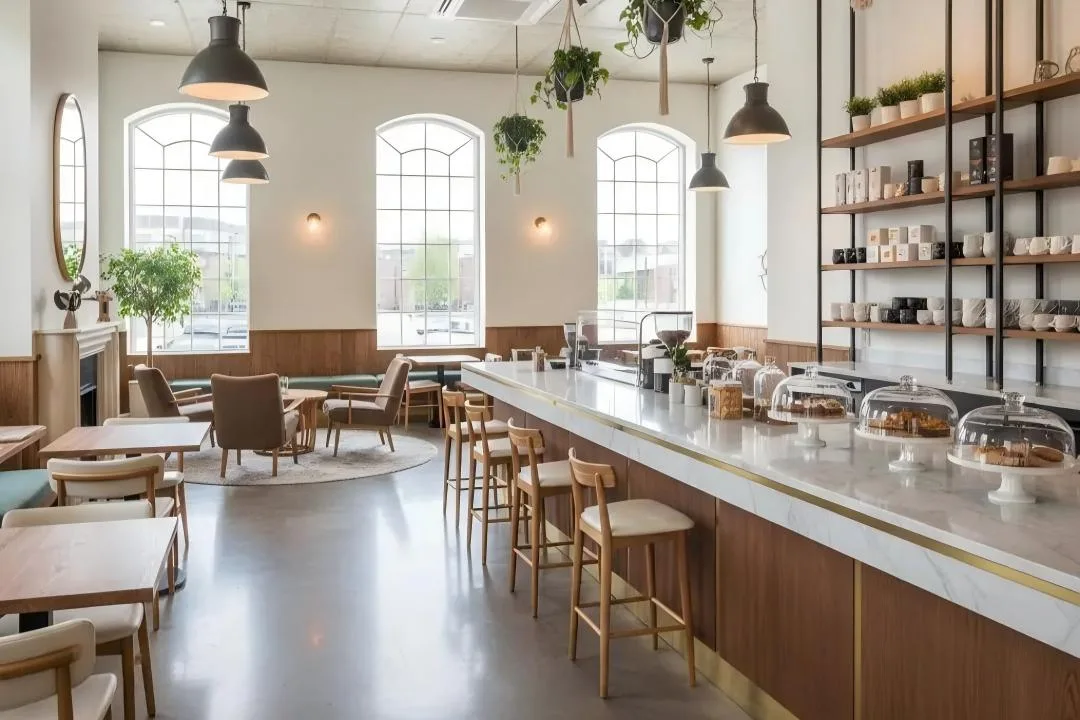
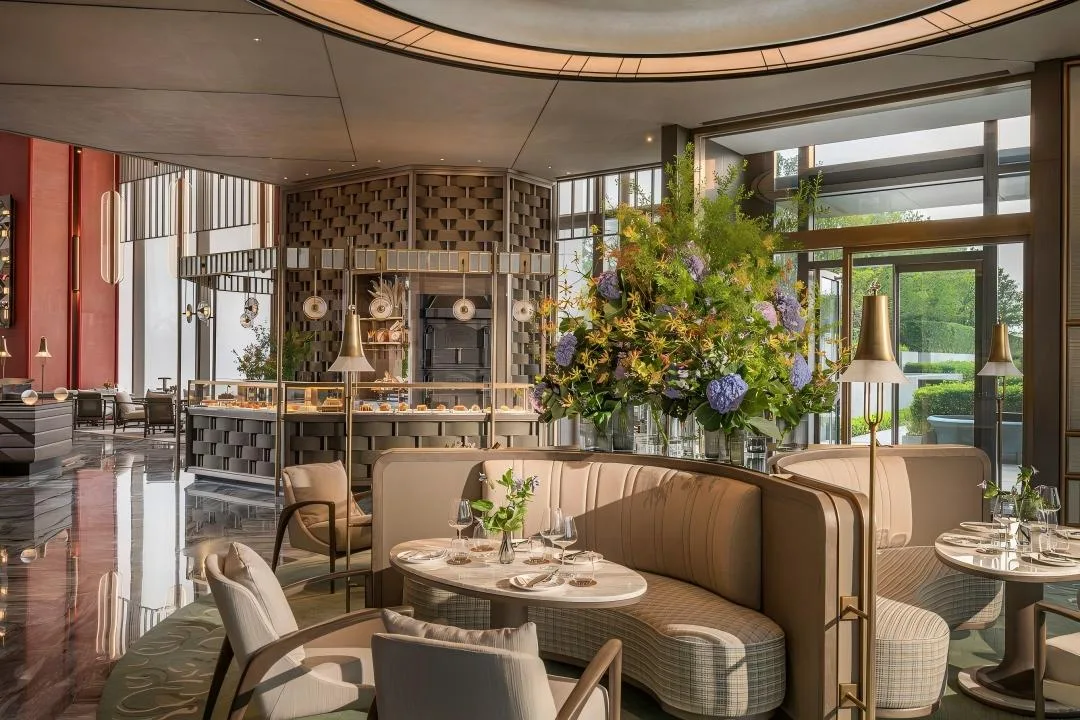
Customers don’t just come for coffee—they come for the experience. Renovation costs include flooring, walls, lighting, plumbing, electrical work, counter construction, and decorative elements. Depending on design complexity and material choices, renovation typically costs $20,000–$200,000.
A well-planned layout balances customer comfort with workflow efficiency. Seating arrangement, lighting temperature, acoustic treatment, and color palette all influence how long guests stay and whether they return. Investing in good design upfront pays off in higher average ticket and repeat visits.
3. Coffee Equipment and Kitchen Machinery – The Heart of Your Cafe
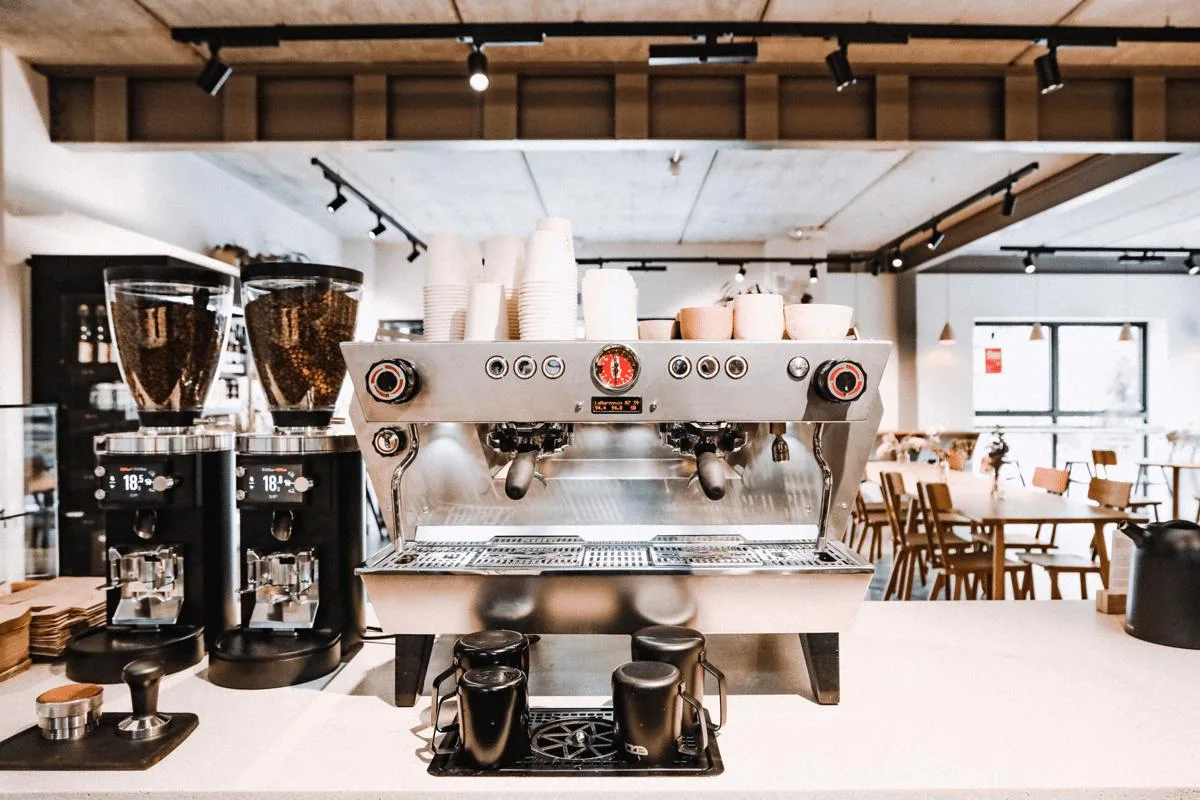
Quality equipment ensures consistent drinks and efficient service. The main equipment items include:
– Espresso machine: $5,000–$20,000 (or more for multi-group commercial models)
– Coffee grinders: $500–$3,000 each (you may need 2–3 for different beans)
– Refrigerators & freezers: $1,000–$10,000
– Ice machines: $1,000–$5,000
– Ovens, toasters, and cooking equipment: $2,000–$20,000
– POS system: $500–$5,000
– Water filtration system: $500–$2,000
Specialty coffee shops focusing on single-origin beans or light roasts may require even higher-end grinders and machines. Always factor in maintenance contracts and spare parts when budgeting.
4. Cafe Furniture – Comfort, Style, and Durability
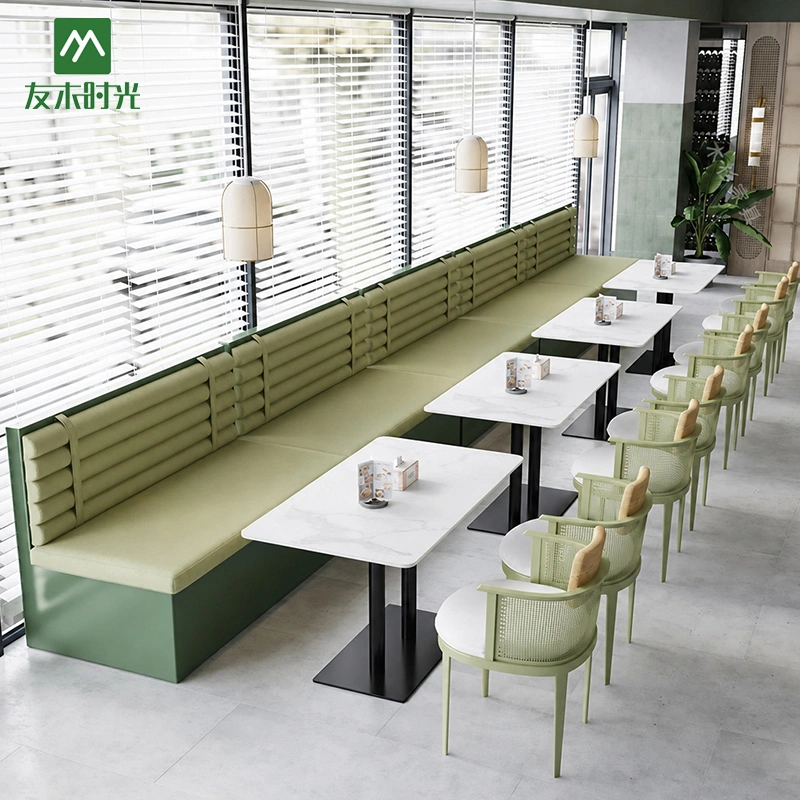
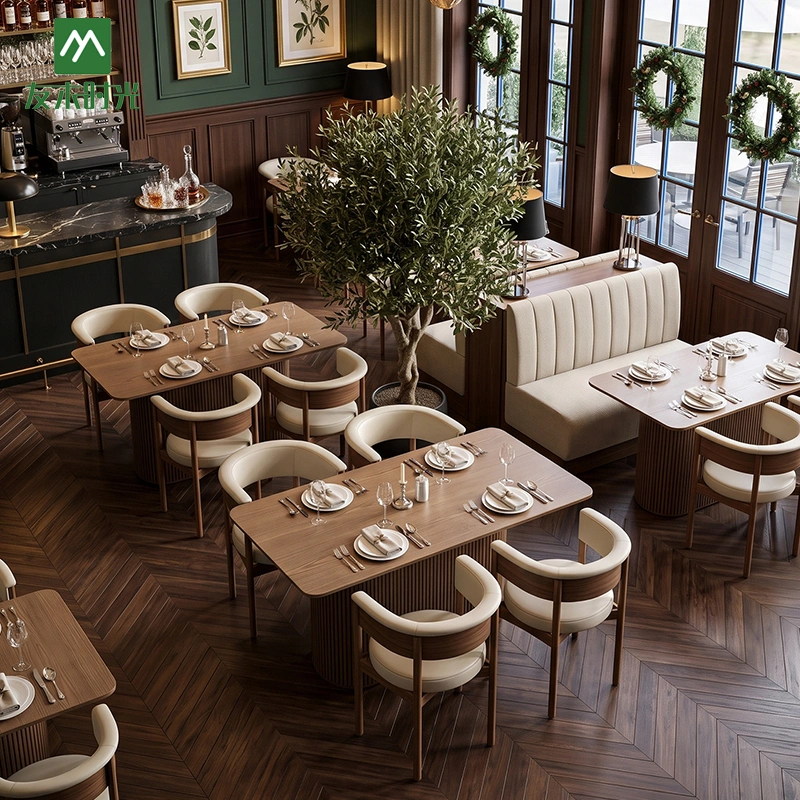
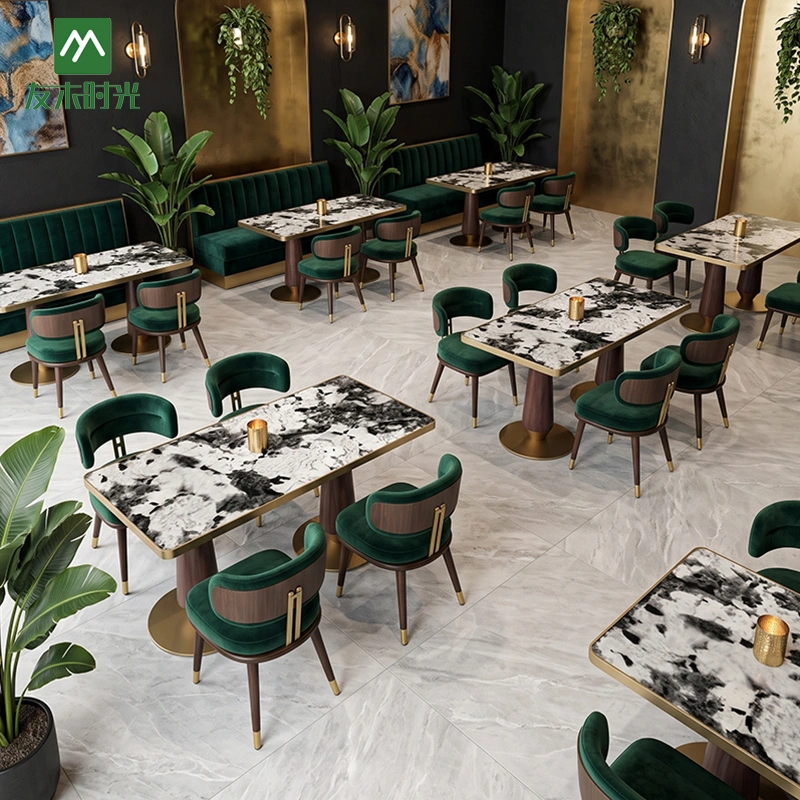
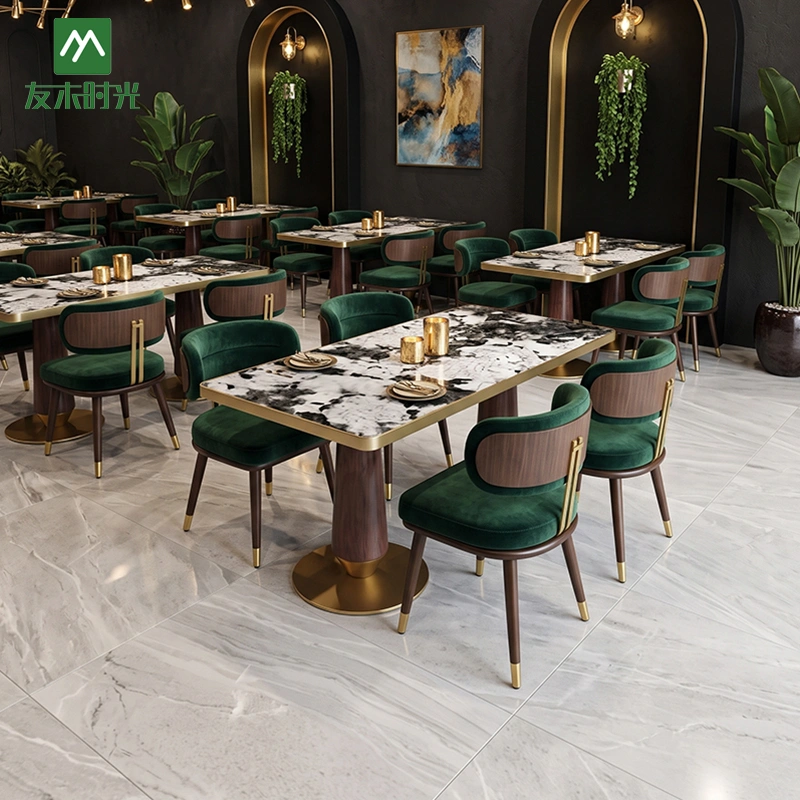
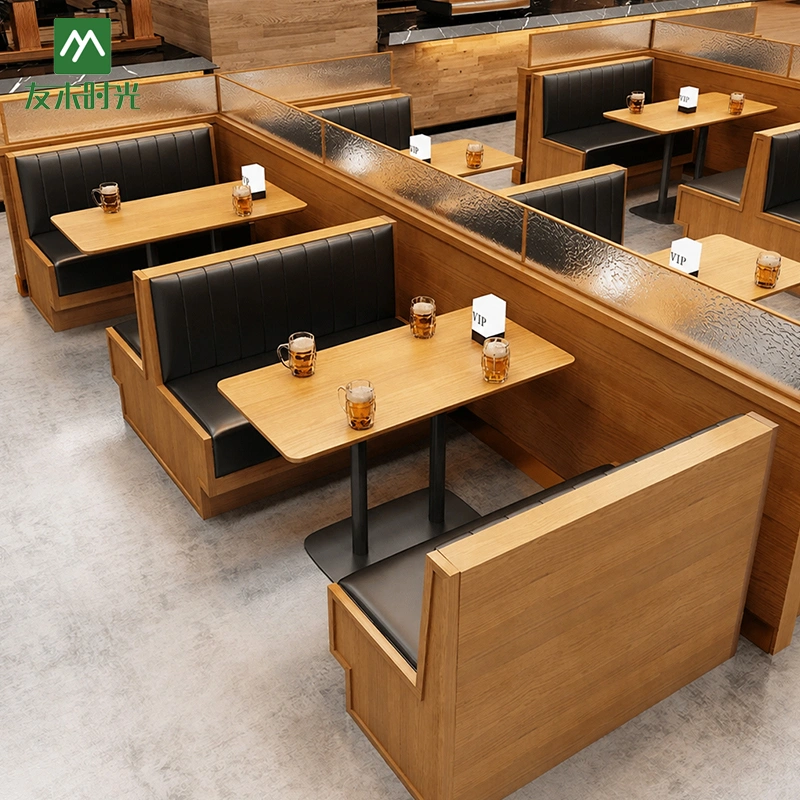
Furniture is one of the most visible investments in your cafe. Tables, chairs, bar stools, sofas, and booths must match your brand aesthetic while withstanding heavy daily use, spills, and constant cleaning. Depending on the size and design level, furniture costs range from $5,000 to $50,000 or more.
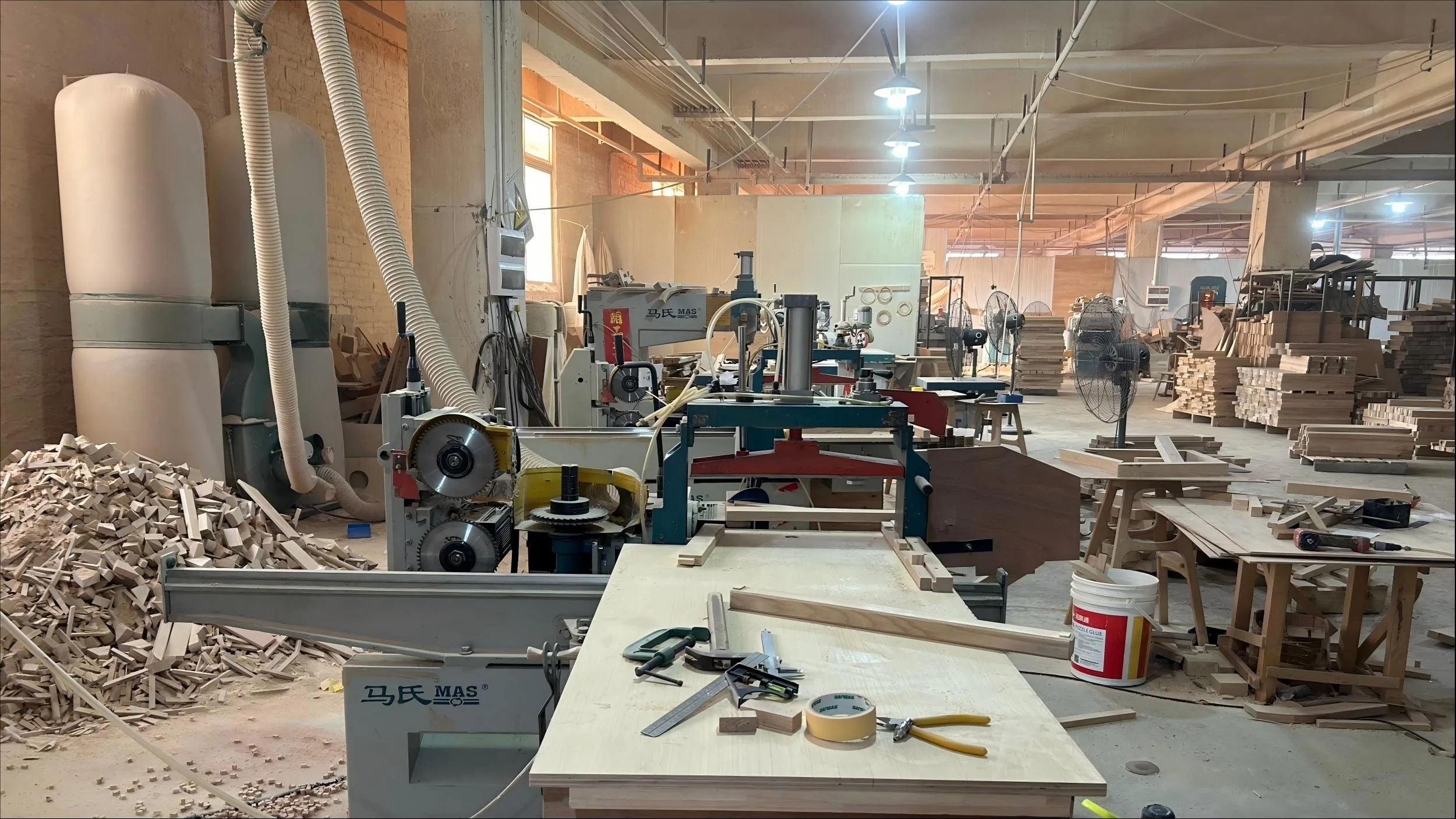
Many cafe owners choose to work with professional suppliers who provide wholesale restaurant furniture because bulk purchasing reduces per-unit costs and ensures style consistency across the entire space. Working with an experienced restaurant furniture manufacturer also allows you to customize seating solutions—including booth dimensions, table heights, material finishes, and color matching—based on your specific floor plan.
When sourcing furniture, always order samples first, request a video factory tour, and clarify lead times before signing a contract. For small orders or urgent needs, local dealers can deliver within days, but prices are significantly higher. For full cafe fit-outs, comparing overseas wholesale prices with local quotes often reveals substantial savings.
5. Licenses, Permits, and Legal Fees – The Paperwork
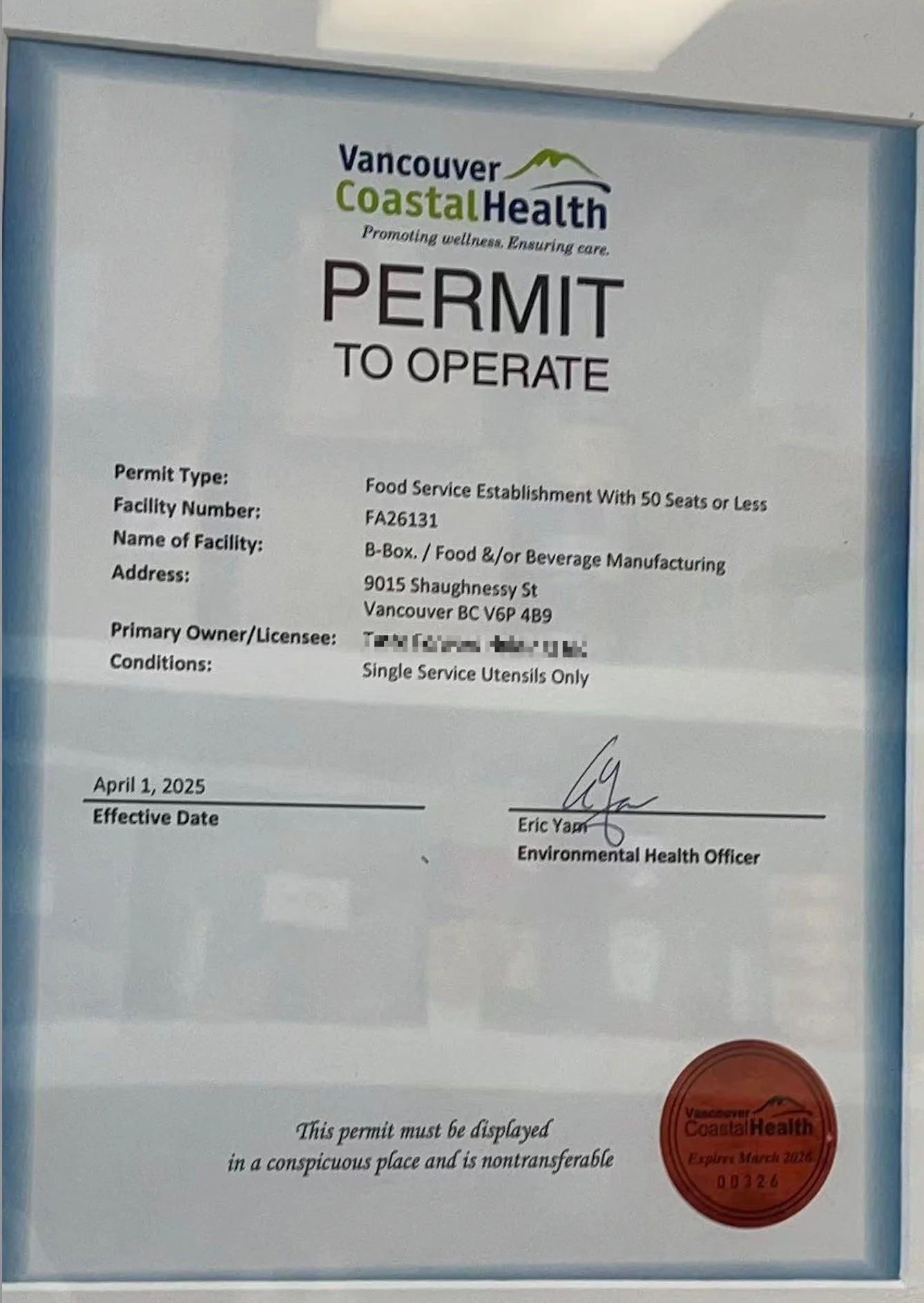
Before opening, you must obtain various licenses and permits. Requirements vary by country and city, but typically include:
– Business registration / company formation
– Food service license
– Health department inspection approval
– Fire safety certificate
– Alcohol license (if you plan to serve beer, wine, or cocktails)
– Liability insurance and worker’s compensation
The total for licenses and legal procedures generally falls between $1,000 and $10,000 or more. Start this process early—delays in permits are one of the most common reasons cafes miss their opening dates.
6. Initial Inventory and Operating Supplies – Stocking Up
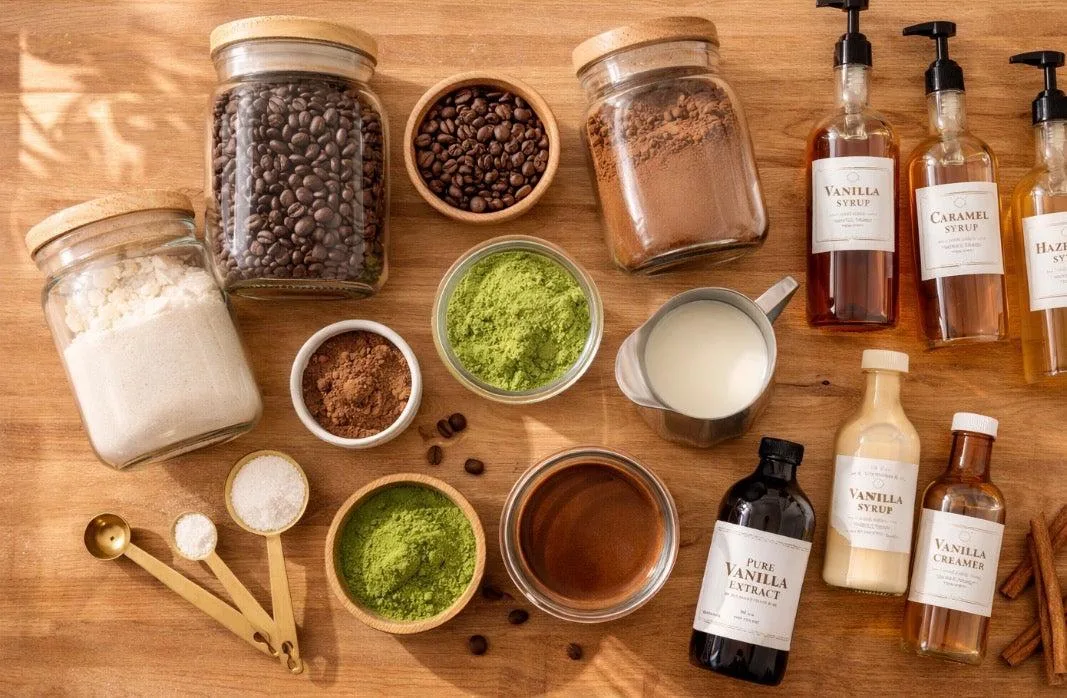
Initial inventory includes coffee beans, milk, alternative milks, syrups, tea, pastries, sandwiches, packaging materials (cups, lids, sleeves, bags), cleaning supplies, and napkins. A typical starting inventory budget is $3,000–$15,000, depending on menu complexity and expected daily volume.
Building relationships with reliable suppliers early helps maintain product quality and control long-term costs. Consider joining a local coffee roaster’s wholesale program to get better bean pricing and freshness.
7. Staffing and Training – Your Team Matters
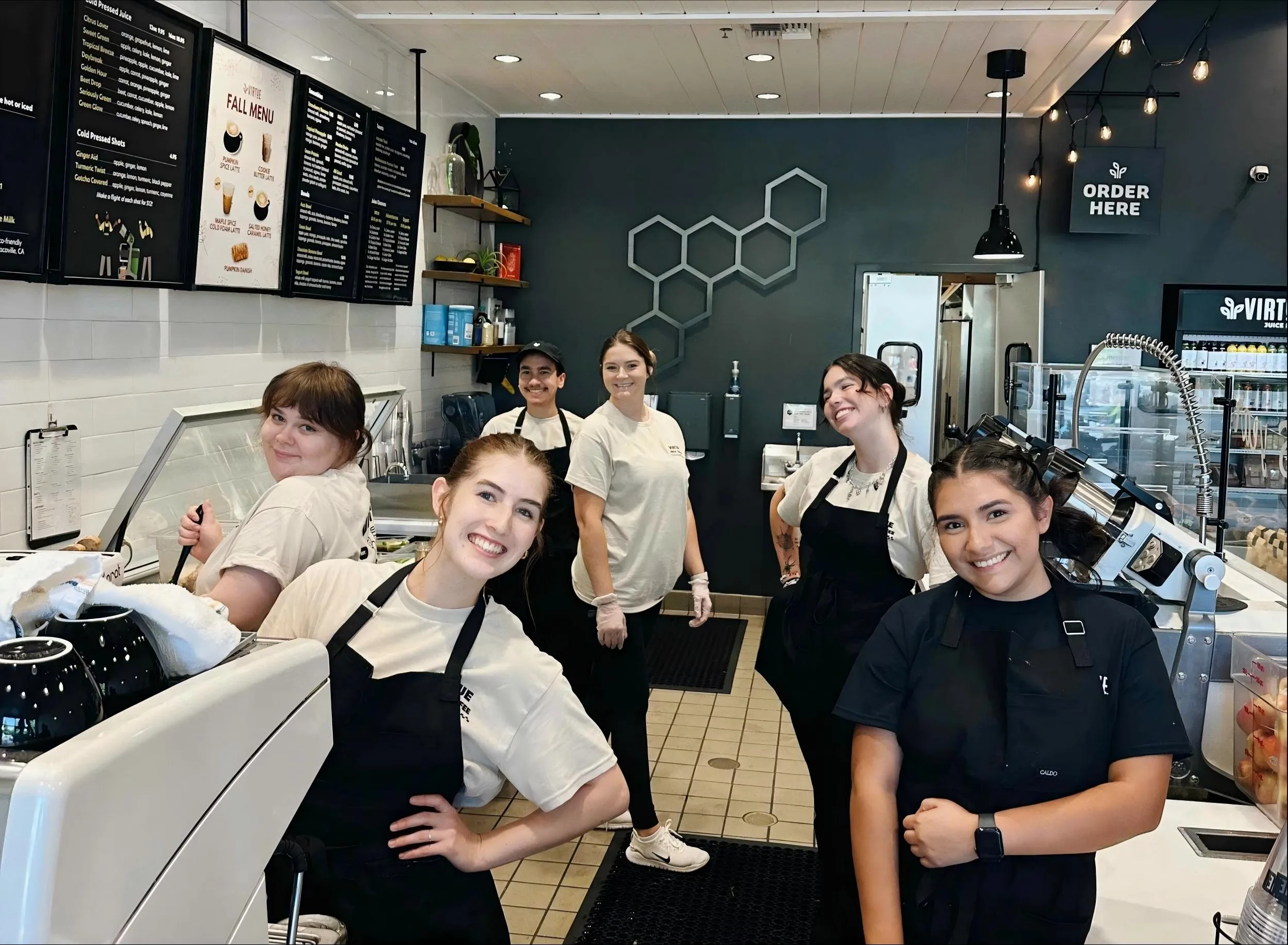
Labor is one of the largest ongoing expenses. Depending on hours of operation and cafe size, you may need baristas, kitchen staff, cashiers, shift managers, and cleaners. Initial staffing costs include:
– Recruitment and job postings
– Pre-opening training (usually 2–4 weeks)
– First 1–2 months of salaries before revenue stabilizes
– Employee benefits and payroll taxes
Many financial advisors recommend setting aside 3–6 months of operating expenses (including payroll) as a cash reserve before opening.
8. Marketing and Branding – Getting the Word Out
A strong marketing plan helps attract customers from day one. Common pre-opening and launch marketing expenses include:
– Logo design and brand identity package
– Website and online ordering platform
– Social media content creation (photos, reels, videos)
– Professional photography of your space and products
– Grand opening event and promotions
– Local advertising (Google, Instagram, Facebook)
A reasonable initial marketing budget is $2,000–$20,000. In today’s competitive cafe market, investing in branding and digital presence is not optional—it is essential.
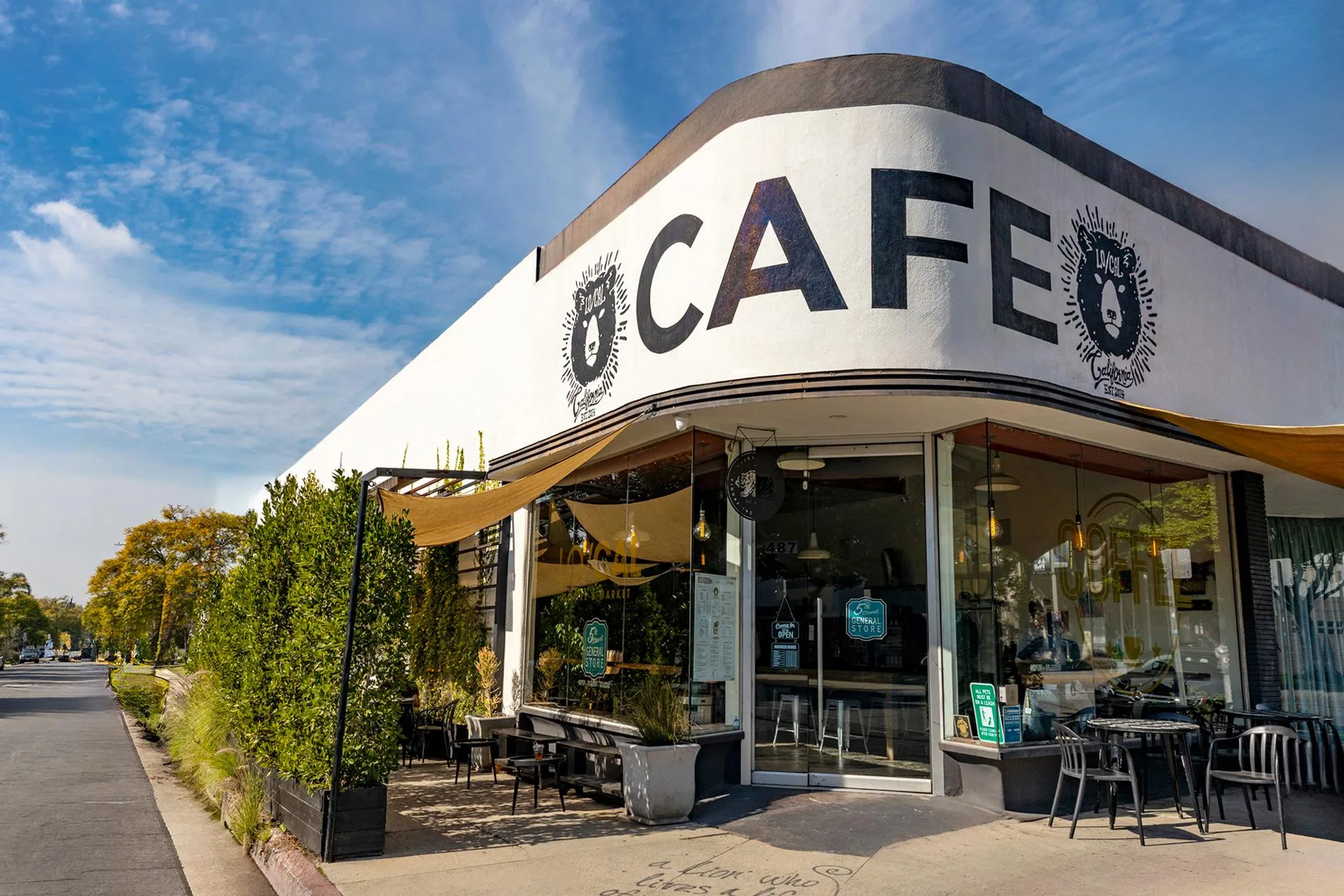
9. Regional Cost Comparison: Europe, USA, Southeast Asia, and Middle East
The same cafe concept can cost dramatically different amounts depending on where you open. Below is a region-by-region breakdown to help you benchmark your budget.
Europe (Western Europe – UK, France, Germany, Netherlands)
Europe offers a mature coffee culture with high customer spending power, but operating costs are among the highest globally.
– Rent: $4,000–$15,000+/month for a 50–80 sqm space in a good city-center location.
– Renovation: $30,000–$150,000 – strict building codes and heritage regulations can increase costs.
– Equipment: Prices are similar to the US, but import duties on non-EU machinery add 5–15%.
– Furniture: Local commercial furniture is expensive; many owners source wholesale restaurant furniture from Asian manufacturers to save 30–50%.
– Licenses: $2,000–$8,000 – health and safety inspections are rigorous.
– Staff: $18–$30/hour for baristas (plus social security and holiday pay).
– Total estimated startup: $120,000–$350,000 for a standard neighborhood cafe.

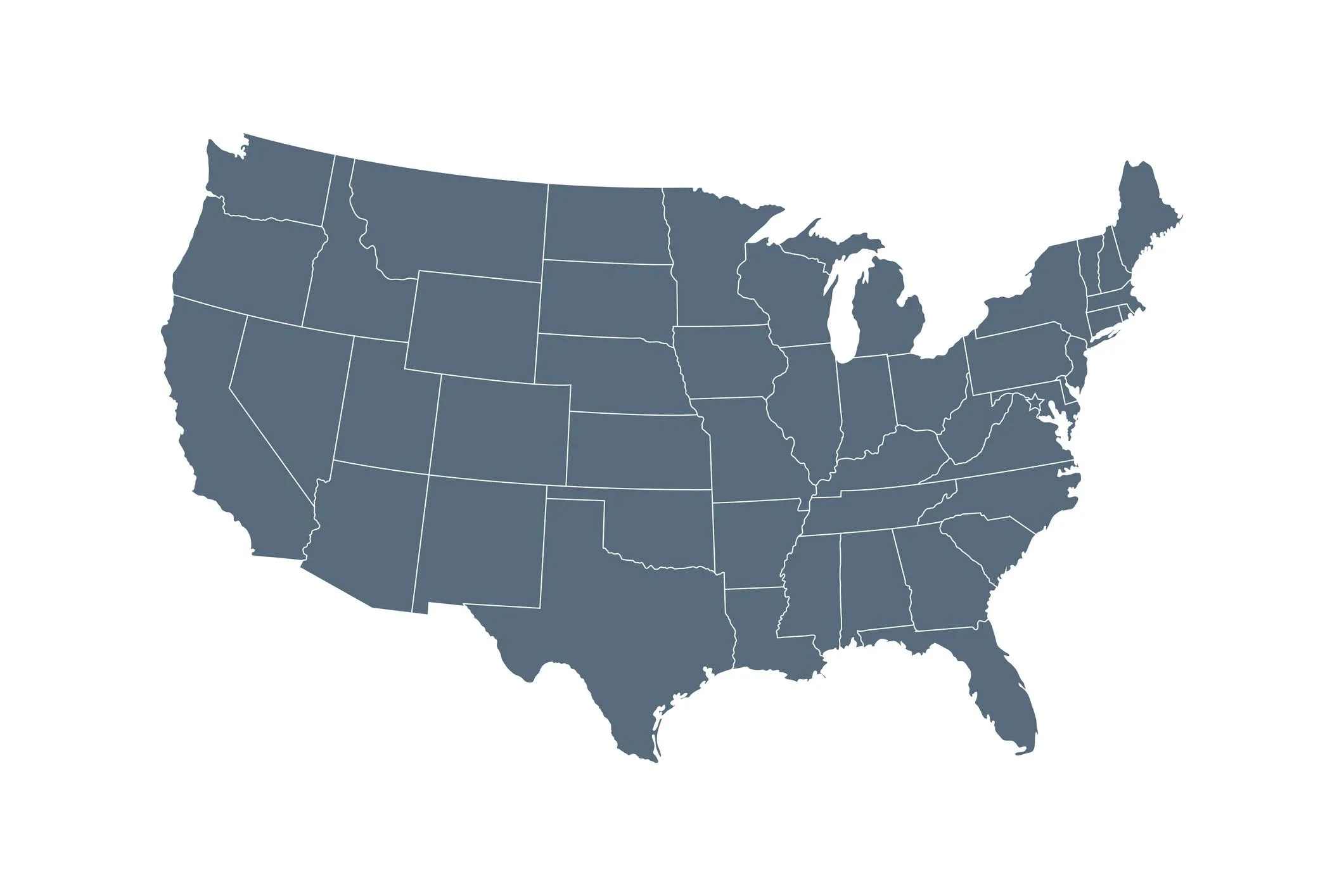
United States (Major Cities – NYC, LA, Chicago, Austin)
The US has the largest specialty coffee market in the world, with high competition and high reward potential.
– Rent: $3,000–$20,000+/month depending on city and neighborhood (NYC Manhattan can exceed $25,000).
– Renovation: $25,000–$180,000 – ADA compliance and fire codes add significant cost.
– Equipment: Espresso machines and grinders are priced similarly to Europe, but servicing is widely available.
– Furniture: Domestic commercial furniture is mid-to-high range. Many buyers work directly with a restaurant furniture manufacturer in Asia for custom designs at factory prices.
– Licenses: $1,500–$10,000 – varies by state and city; alcohol permits are expensive in some areas.
– Staff: $15–$25/hour plus tips, health insurance, and payroll taxes.
– Total estimated startup: $100,000–$400,000 for a 20–40 seat cafe.
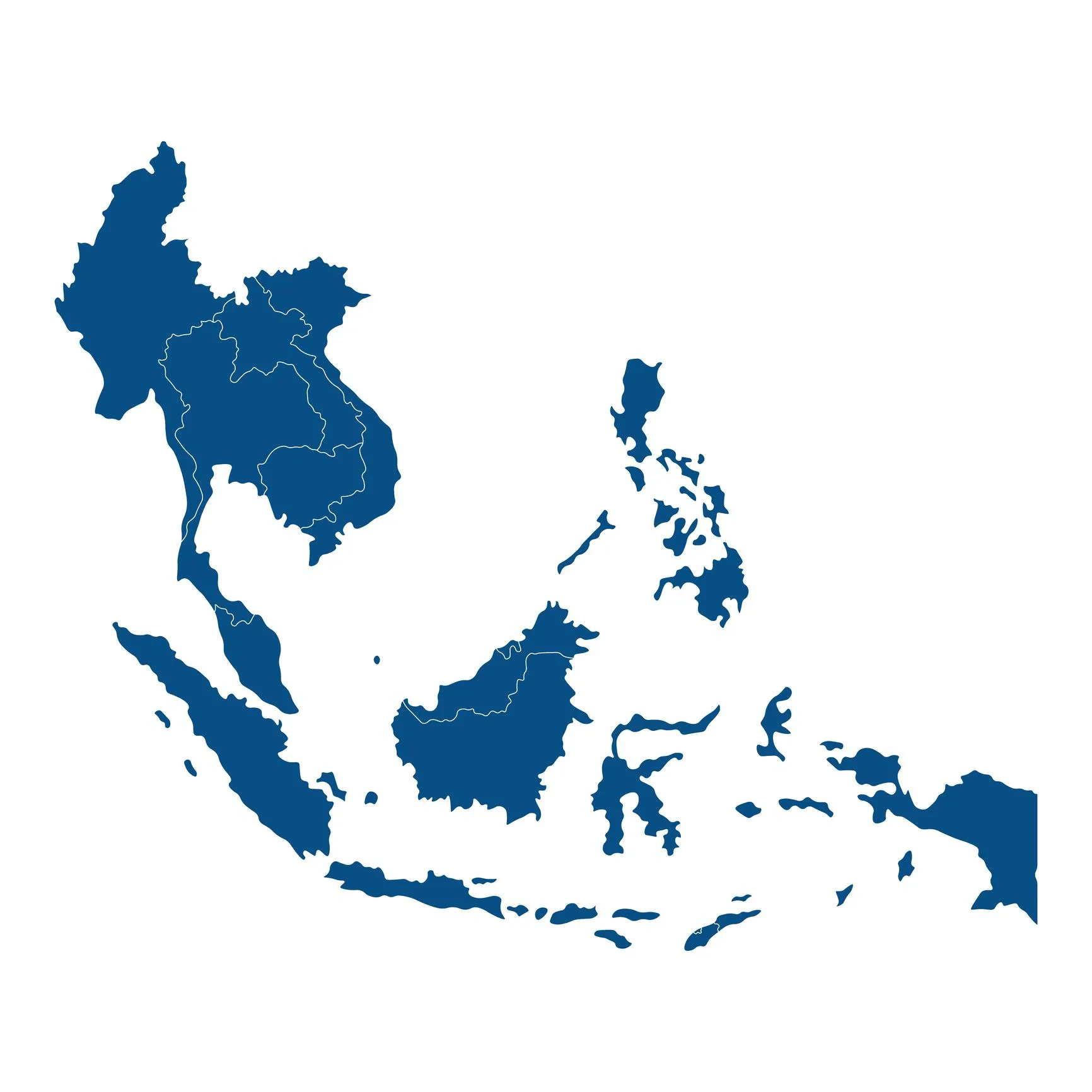
Southeast Asia (Thailand, Vietnam, Indonesia, Malaysia, Philippines)
Southeast Asia is a booming cafe market with low labor costs but rising real estate prices in major cities.
– Rent: $500–$5,000/month – much lower than the West, but prime locations in Bangkok, Jakarta, or Ho Chi Minh City are climbing fast.
– Renovation: $10,000–$60,000 – labor and materials are affordable, but imported design elements add cost.
– Equipment: Imported Italian or German machines face 10–20% duties; many cafes opt for mid-range Chinese or local brands.
– Furniture: Local production is abundant. However, for premium or custom designs, many still import from specialized restaurant furniture manufacturer factories in China at competitive rates.
– Licenses: $500–$3,000 – generally simpler and cheaper than Western countries.
– Staff: $3–$8/hour – labor is the biggest cost advantage in this region.
– Total estimated startup: $30,000–$120,000 – making Southeast Asia one of the most affordable regions to open a quality cafe.
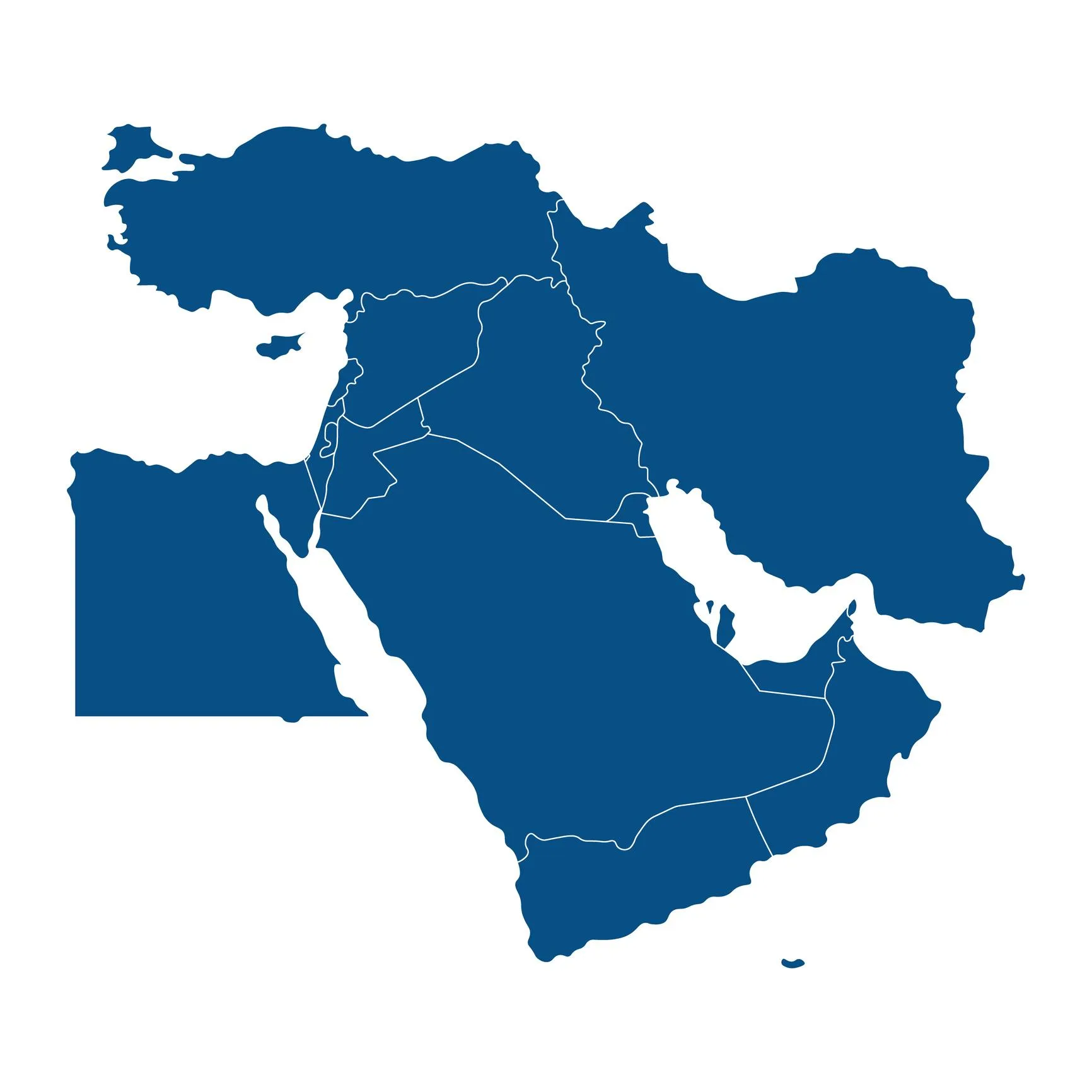
Middle East (UAE – Dubai, Abu Dhabi; Saudi Arabia – Riyadh; Qatar – Doha)
The Middle East is a high-growth luxury cafe market, with premium fit-outs and international brand presence.
– Rent: $5,000–$25,000+/month – malls and high-street locations in Dubai or Riyadh command premium rates.
– Renovation: $50,000–$250,000 – luxury finishes, custom joinery, and high-end materials are the norm for competitive spaces.
– Equipment: Top-tier Italian machines are popular; import duties are moderate (5–10%) but shipping costs are higher.
– Furniture: Many projects demand premium European or custom-made pieces. However, cost-conscious buyers increasingly source wholesale restaurant furniture from Chinese manufacturers who can replicate high-end designs in commercial-grade materials at half the cost.
– Licenses: $5,000–$20,000 – commercial licensing in UAE free zones or Saudi Arabia can be costly but streamlined.
– Staff: $10–$20/hour – plus accommodation and transport allowances, which are legally required in many Gulf countries.
– Total estimated startup: $150,000–$500,000+ – positioning the Middle East as the highest-cost region for premium cafe concepts.
Regional Comparison Summary Table
| Region | Estimated Startup Cost (Standard Cafe) | Key Cost Drivers |
| Western Europe | $120,000–$350,000 | High rent, strict regulations, expensive local furniture |
| United States | $100,000–$400,000 | High rent in major cities, labor costs, compliance |
| Southeast Asia | $30,000–$120,000 | Low labor, affordable renovation, growing rents in prime areas |
| Middle East | $150,000–$500,000+ | Luxury finishes, high rent, premium equipment, staff accommodation |
Smart Cost-Saving Strategies Across All Regions
Regardless of where you open, these strategies help control your budget:
1. Choose a smaller but high-traffic space – A compact layout reduces rent and renovation while still attracting good footfall.
2. Buy commercial-grade but not luxury-brand furniture – Durability matters more than names. Work with a restaurant furniture manufacturer to get quality at factory prices, even if shipping from overseas.
3. Start with a focused menu – Fewer SKUs mean less equipment, less inventory, and simpler training.
4. Negotiate with suppliers – Volume discounts, early payment terms, and annual contracts can lower costs significantly.
5. Consider gently used equipment – Refurbished espresso machines and refrigerators can save 30–50%, but always buy from reputable dealers with warranties.
6. Bundle furniture orders – Consolidate all tables, chairs, and booths with one supplier to save on shipping and negotiate better per-unit pricing.
7. Factor in shipping and import duties – When importing from Asia, get clear CIF (Cost, Insurance, Freight) quotes and check your country’s tariff schedules before budgeting.
Why China Remains a Top Sourcing Destination for Cafe Furniture
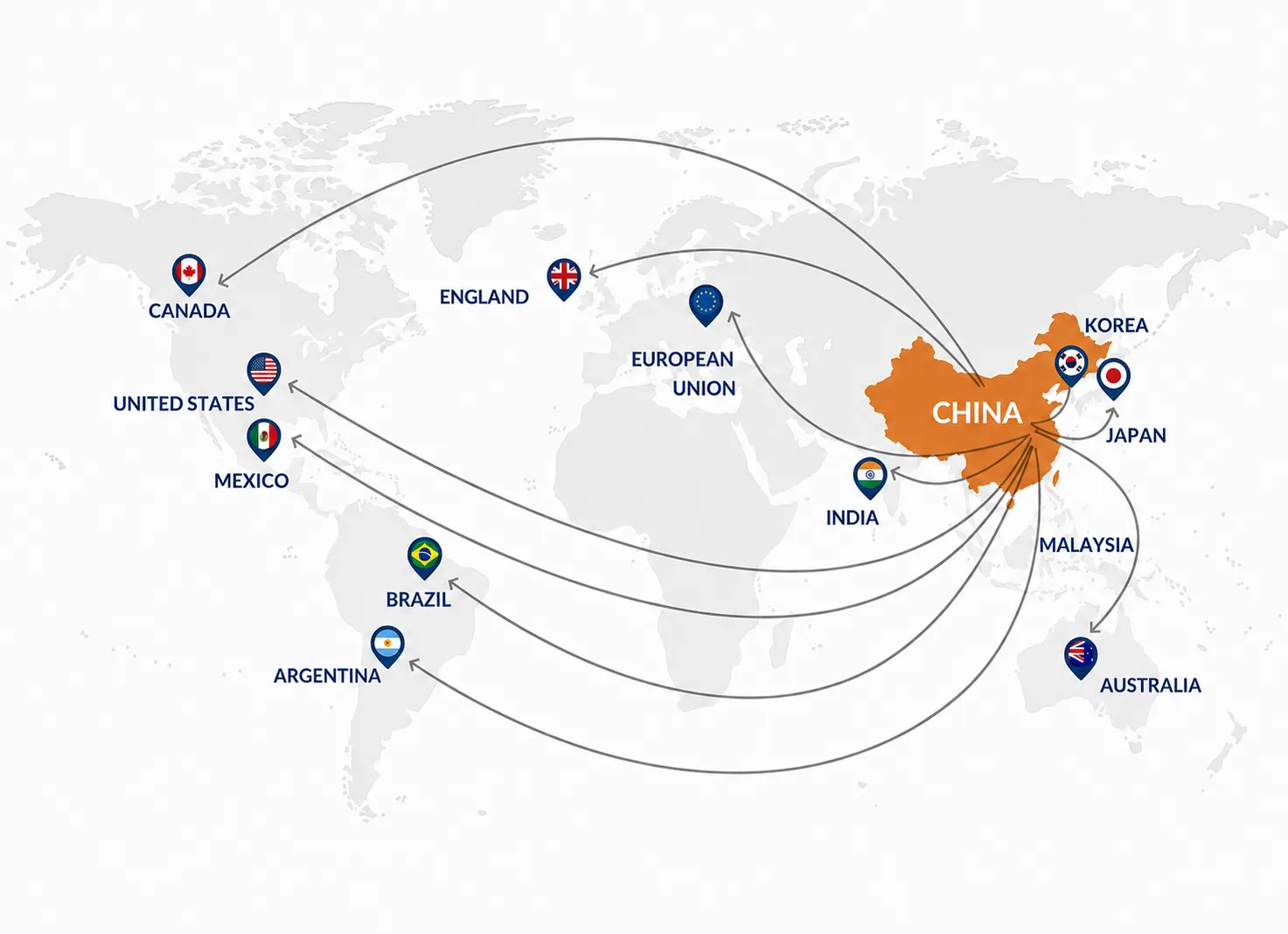
China’s furniture manufacturing ecosystem is unmatched in scale, variety, and cost-efficiency. With mature supply chains, skilled craftsmanship, and advanced production lines, Chinese factories produce cafe furniture in every style—industrial, minimalist, mid-century, luxury, and rustic. They also excel in OEM/ODM projects, meaning you can bring your own design sketches to life at competitive prices.
Most established manufacturers have dedicated export teams that handle shipping, customs documentation, and quality inspections, making international transactions smoother than ever. Whether you are in Europe, the US, Southeast Asia, or the Middle East, a reliable restaurant furniture manufacturer can deliver high-quality products with consistent finishes and reliable lead times.
Final Conclusion: Plan Regionally, Source Globally
Opening a cafe requires significant capital—typically between $30,000 and $500,000+ depending on your concept and location. A high price tag doesn’t guarantee success; smart budgeting and strategic sourcing do. By understanding every cost category—rent, renovation, equipment, furniture, licenses, inventory, staff, and marketing—and by comparing regional benchmarks, you can avoid unpleasant surprises and allocate funds where they matter most.
Regional differences are real: Southeast Asia offers the lowest entry point, the US and Europe require mid-to-high six-figure budgets, and the Middle East demands premium investment for luxury fit-outs. But no matter where you open, furniture remains a significant line item. Resist the urge to buy cheap residential pieces that will fall apart in months. Instead, invest in commercial-grade products from a reliable restaurant furniture manufacturer.
With a clear plan, a well-designed space, the right supply partners, and a realistic regional budget, your cafe can become not just a place to drink coffee, but a destination that keeps customers coming back.
As an experienced restaurant furniture manufacturer, Youmu Shiguang provides customized commercial furniture solutions—including dining tables, chairs, booth seating, and bar furniture—for cafes, restaurants, and hotels worldwide. With strong production capabilities and rich project experience, we help you create comfortable, functional, and visually appealing dining spaces.