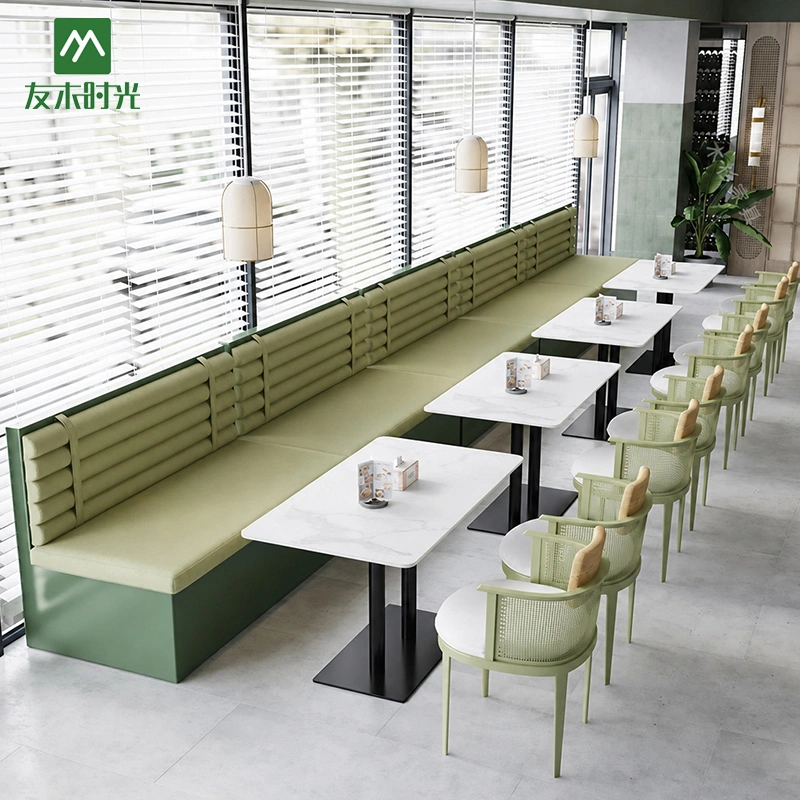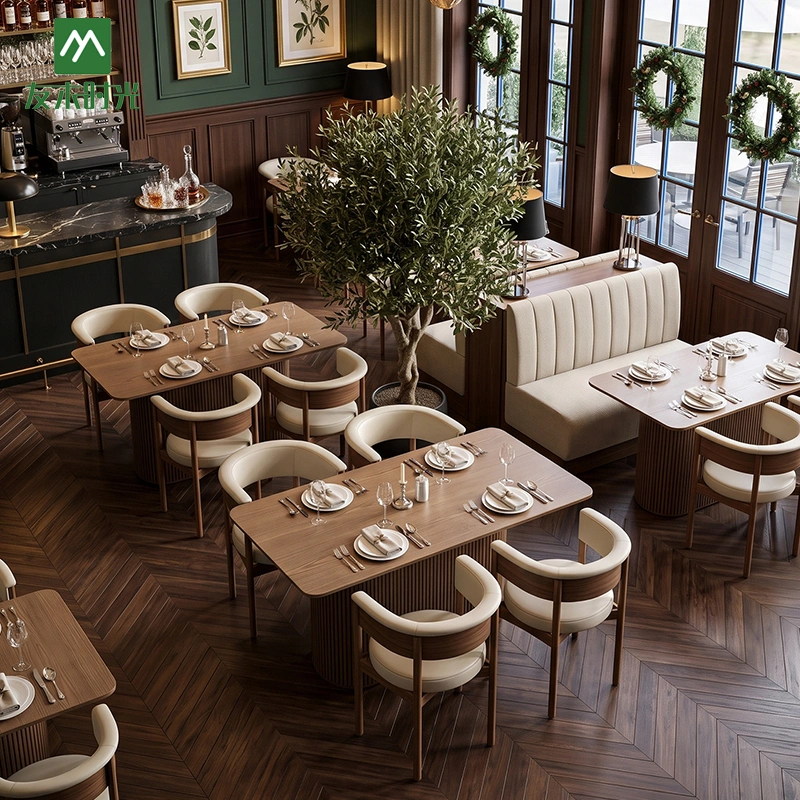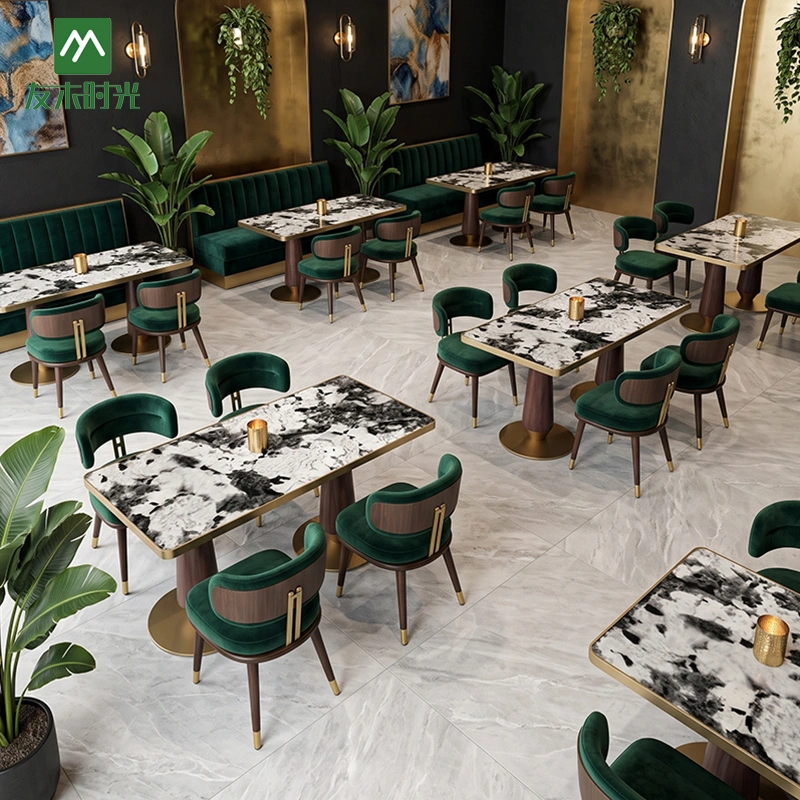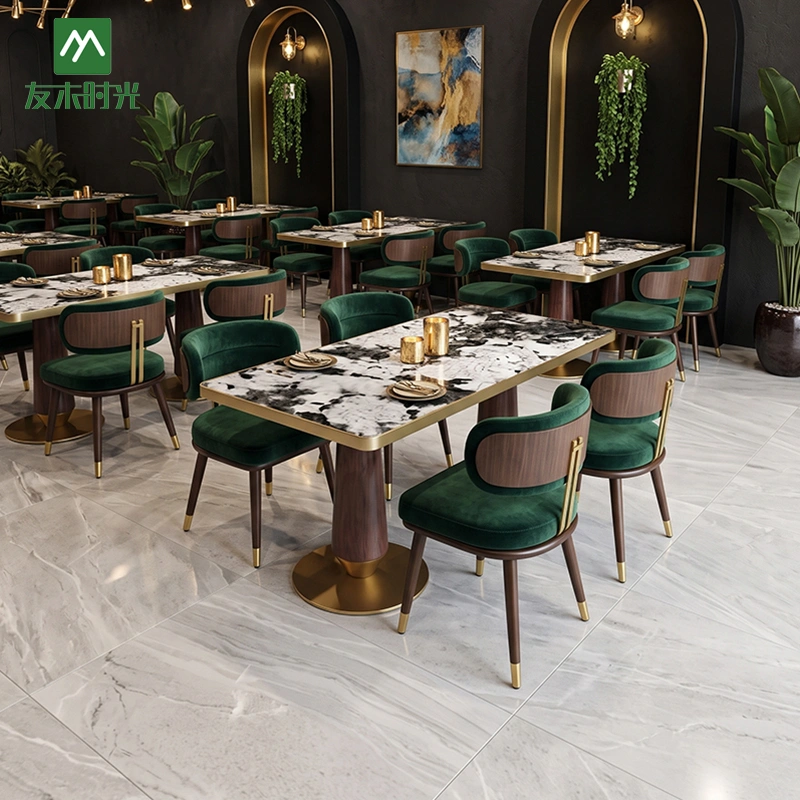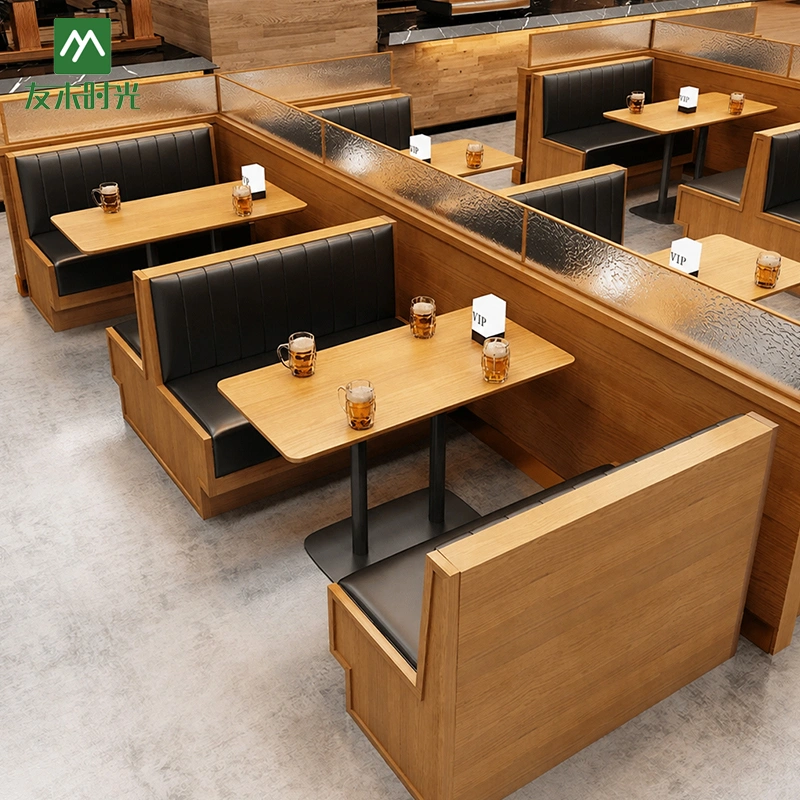
Booth seating is one of the most popular layouts in restaurants, cafés, hot pot chains, and fast-casual dining spaces. It saves space, improves privacy, and creates a more premium dining atmosphere.
However, many restaurant owners focus only on the booth itself and overlook the chair placed opposite the booth. In reality, if the heights do not match or the softness difference is too extreme, guests will immediately feel uncomfortable — even if they cannot explain why. Poor seating ergonomics can directly affect dining comfort, customer satisfaction, and even table turnover rates.
The good news is that there are proven ergonomic reference standards you can follow. When the booth and opposite chair are properly matched, guests naturally sit more comfortably, dine longer without fatigue, and move in and out of the seating area more easily.
Matching the Correct Seat Height
The most important factor is seat height consistency.
A standard restaurant booth typically has a seat height of around 45 cm (17.7 inches) from the floor to the top of the cushion. The chair opposite the booth should ideally match this height, or stay within a very small height difference.
Recommended Seat Height Range
| Booth Seat Height | Recommended Opposite Chair Height |
|---|---|
| 45 cm standard booth | 43–46 cm |
| Booth with thick soft cushion (8 cm+) | 44–45 cm |
| Booth with thin cushion or hard seat | 45–46 cm |
The height difference between the two sides should generally not exceed 2 cm.
Why Height Matching Matters
When guests sit face-to-face, uneven seating heights create several problems:
- Eye levels become inconsistent, forcing guests to raise or lower their heads during conversation
- Arm positioning on the tabletop feels awkward
- Dining posture becomes unbalanced
- Bowl and utensil handling feel unnatural
- Long meals become tiring
Even though the table surface is level, different seating heights create completely different body angles. Guests may not consciously identify the issue, but they will feel less comfortable overall.
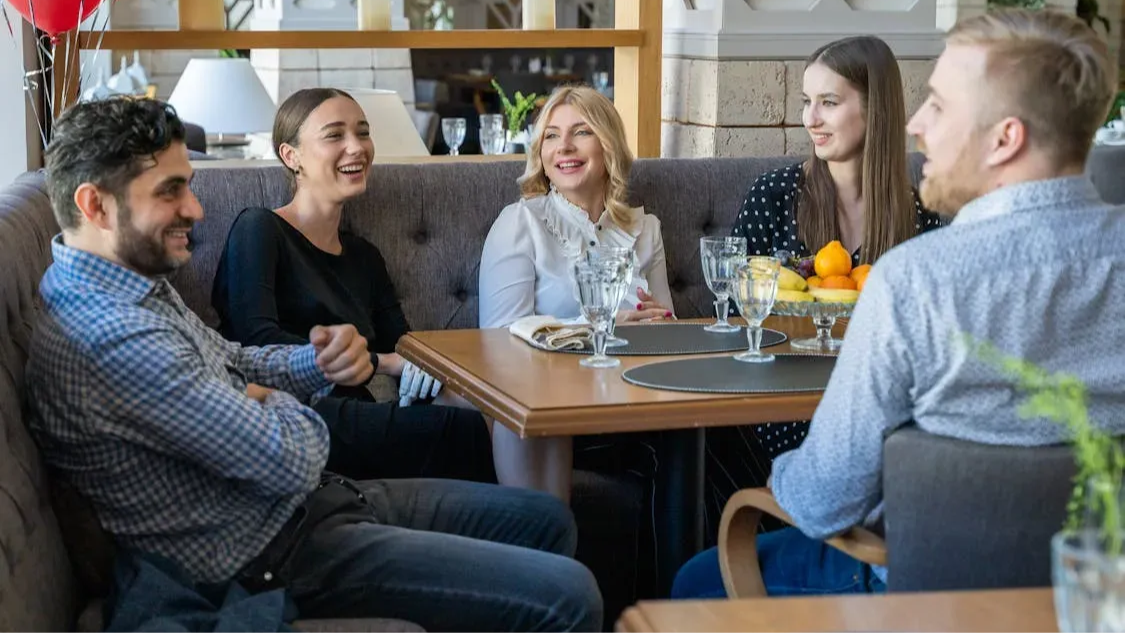
Avoid Armrests on Opposite Chairs
This detail is often overlooked in restaurant furniture planning.
Since booths are typically fixed against the wall, guests usually enter and exit from the chair side. If the opposite chair includes bulky armrests, movement becomes restricted — especially in narrow dining layouts.
Not Recommended:
- Armchairs for tables narrower than 70 cm
- Thick side arms that block sideways movement
- Oversized lounge-style restaurant chairs
Recomendado:
- Armless dining chairs
- Slim-frame chairs
- Open-side chair designs for easier access
This improves both guest comfort and operational efficiency.
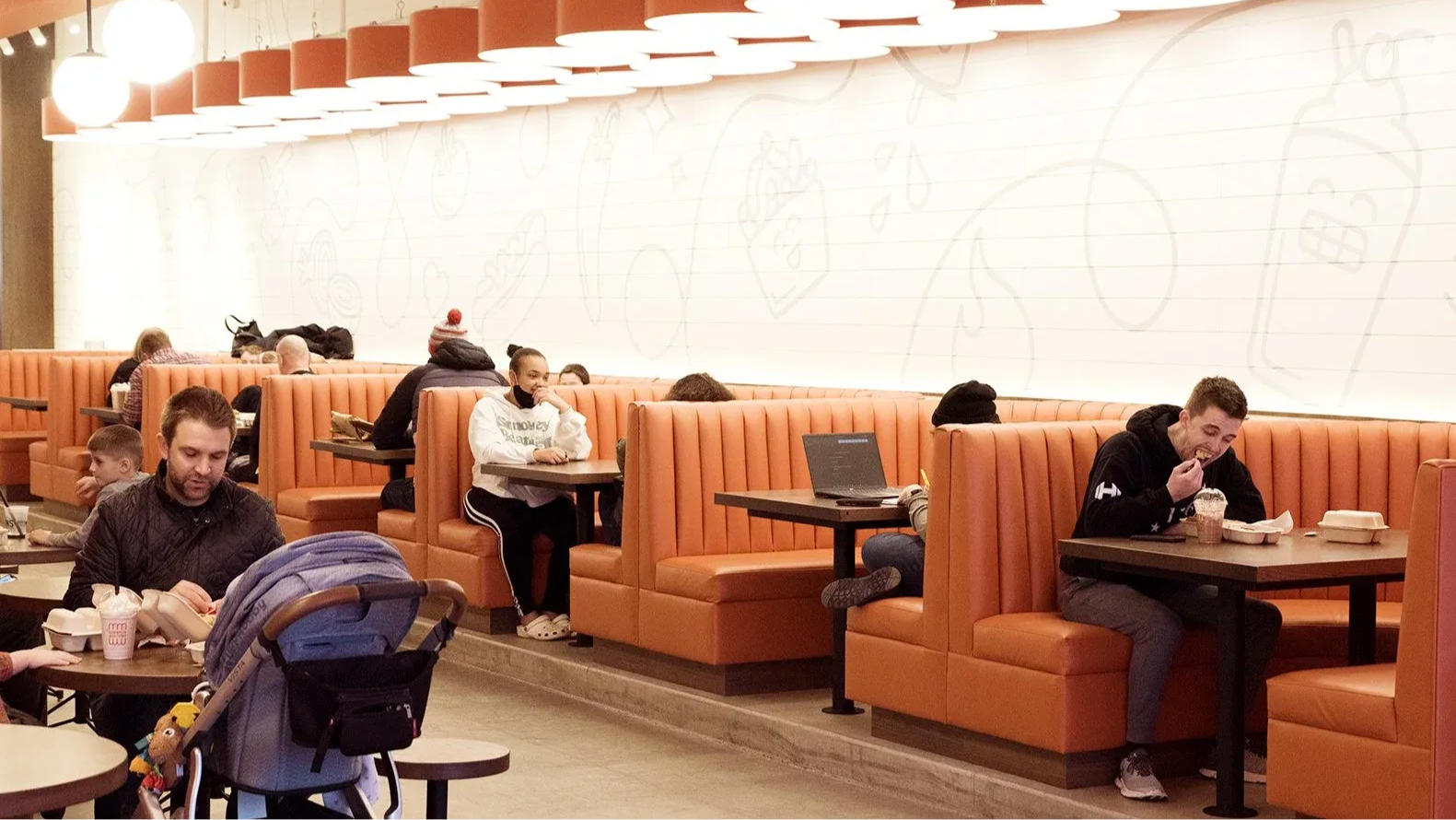
How to Match Soft and Hard Cushions
Most restaurant booths use soft upholstery with thicker foam padding to create a cozy seating experience.
If the opposite chair is also extremely soft, guests may “sink” into the seat, making it difficult to stand up comfortably. On the other hand, if the chair is excessively hard compared to the booth, the contrast becomes unpleasant, and guests may perceive the seating as low quality.
The goal is balance rather than exact matching.
Cushion Firmness Matching Principles
Recommended Pairing
- Soft booth → medium-firm chair
- Medium-firm booth → medium or slightly soft chair
This creates ergonomic support while still maintaining comfort.
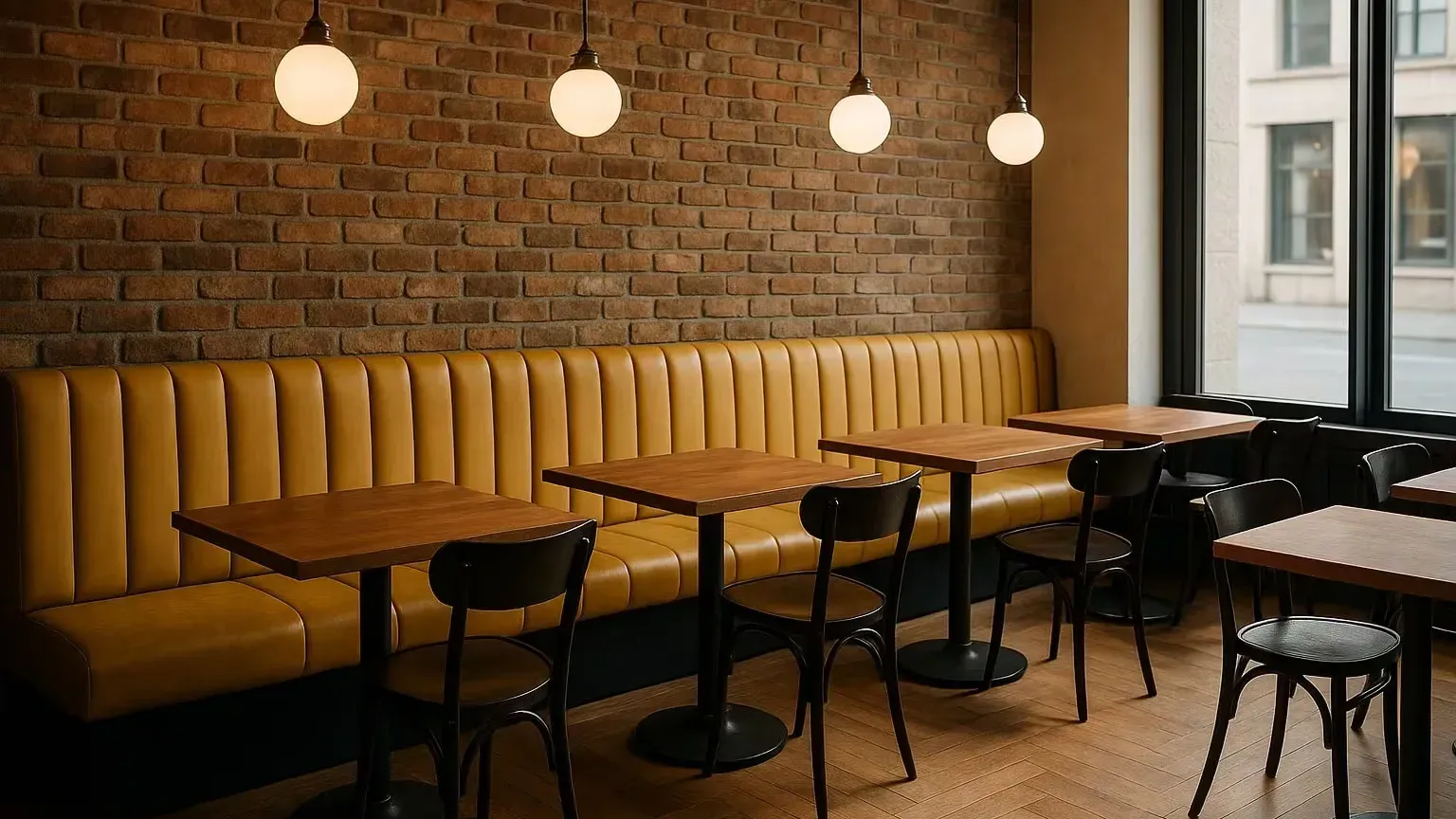
Recommended Foam Density Reference
Booth Cushion
- High-density foam: 35–40 kg/m³
- Cushion thickness: 8–12 cm
- Seating feel: soft, supportive, elastic
Opposite Chair Cushion
- High-density foam: 30–35 kg/m³
- Cushion thickness: 5–7 cm
- Seating feel: firmer with stable support
This combination allows the booth to feel comfortable and welcoming while ensuring the chair remains practical for dining posture and frequent use.
Configurations to Avoid
Foam Density Below 25 kg/m³
Low-density foam loses support quickly and may collapse within a few months of commercial use.
Chair Cushions Thicker Than 10 cm
Overly thick cushions raise knee height and reduce legroom under the table, especially in compact restaurant layouts.
Identical Softness on Both Sides
When both the booth and chair are equally soft, the seating loses ergonomic contrast and can feel unstable or overly relaxed for dining.
Additional Ergonomic Details That Matter
Many restaurant seating problems come from small, overlooked details rather than major design mistakes.
Chair Seat Depth
Booths generally have deeper seating because guests can lean against the wall-supported backrest.
Recommended Dimensions
- Booth seat depth: 50–55 cm
- Opposite chair seat depth: 48–50 cm
A slightly shallower chair allows guests to sit down and stand up more naturally without feeling trapped.
Backrest Angle
Backrest ergonomics significantly affect comfort during longer meals.
Recommended Backrest Tilt
- Booth backrest: 100°–105°
- Opposite chair backrest: 100°–105°
This angle supports the lower back while maintaining a proper dining posture.
Chair Leg Clearance
Restaurant cleaning efficiency and guest legroom should both be considered.
Recomendado:
- Chair legs at least 15 cm above the ground
- Open-bottom chair structure
- Easy-to-clean floor access
This allows guests to stretch their legs more comfortably while also helping restaurant staff clean underneath the furniture more efficiently.
Final Ergonomic Reference Summary
For the chair opposite a restaurant booth, the most balanced ergonomic configuration is:
| Item | Recommended Specification |
|---|---|
| Seat height | 43–46 cm |
| Cushion density | 30–35 kg/m³ |
| Cushion thickness | 5–7 cm |
| Seat depth | 48–50 cm |
| Backrest angle | 100°–105° |
| Armrests | Not recommended |
| Leg clearance | Minimum 15 cm |
When these measurements are properly matched, guests sit more comfortably, conversations feel more natural, and dining movement becomes smoother. Most importantly, customers are less likely to feel physically “stuck” or fatigued during busy dining periods, which can positively influence overall dining experience and table turnover efficiency.
About Restaurant Furniture Manufacturer – Youmu Shiguang Furniture

Como um profissional fabricante de mobiliário de restaurante, we provide one-stop solutions for restaurant booth seating, dining chairs, custom tables, layout planning, and commercial furniture production.
We support OEM and ODM customization for global restaurant brands, cafés, hotels, and chain dining projects. From ergonomic design optimization to material selection and commercial durability, our team helps create comfortable and efficient dining environments tailored to your market needs.