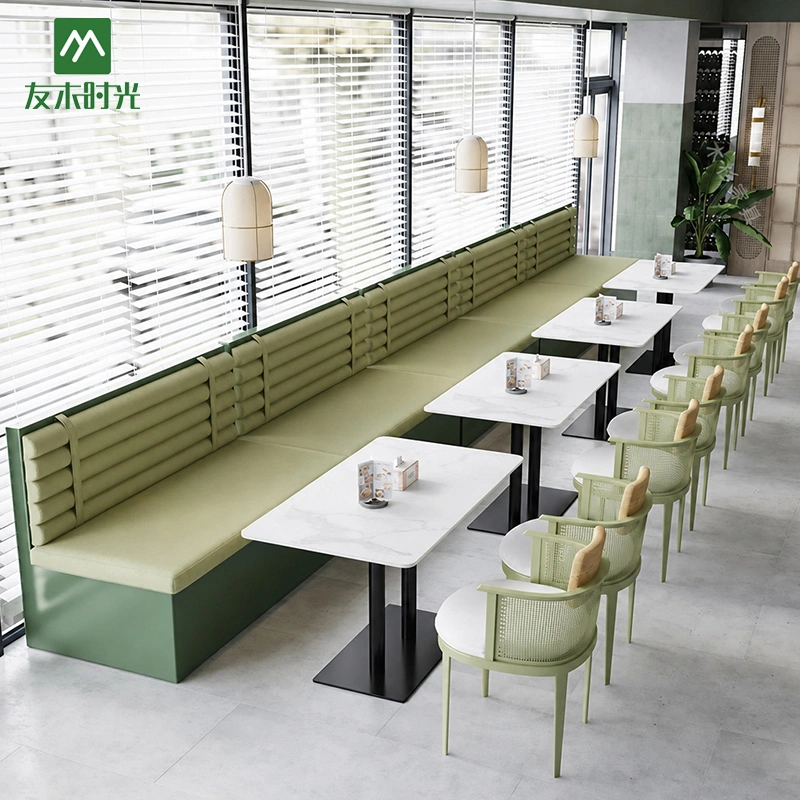
Restaurant furniture does far more than provide a place for guests to sit. It directly influences customer flow, dining comfort, operational efficiency, brand perception, and long-term profitability.
However, one of the most common mistakes restaurant owners and buyers make is applying the same furniture standards across different restaurant concepts. A furniture solution that performs exceptionally well in a high-volume quick-service restaurant (QSR) may fail to meet the expectations of a full-service restaurant (FSR), and vice versa.
Because customer behavior, dining duration, maintenance requirements, and brand positioning vary significantly between these formats, furniture specifications must be selected accordingly.
We’ll compare quick-service and full-service restaurant furniture, examining how their specifications differ in seating, materials, tables, layout planning, and customer experience.
What are the Operational Differences Between Quick-Service Restaurants and Full-Service Restaurants
What Is a Quick-Service Restaurant (QSR)?
Quick-service restaurants prioritize speed and efficiency. Examples include:
- Fast-food chains
- Cafés
- Grab-and-go concepts
- Fast-casual outlets
Customers typically spend between 15 and 45 minutes in these establishments, resulting in high seat turnover and constant furniture usage throughout the day.
What Is a Full-Service Restaurant (FSR)?
Full-service restaurants focus on dining experiences rather than speed.
Examples include:
- Casual dining restaurants
- Family restaurants
- Upscale dining venues
- Fine dining establishments
Guests often remain seated for one to two hours or longer, making comfort and ambiance essential considerations.
Why Operations Influence Furniture Specifications
The operational model determines furniture requirements.
QSR operators prioritize:
- Durabilidade
- Ease of maintenance
- Space efficiency
- Fast customer turnover
FSR operators prioritize:
- Guest comfort
- Visual appeal
- Brand experience
- Premium materials
As a result, the same furniture specifications rarely work effectively for both environments.
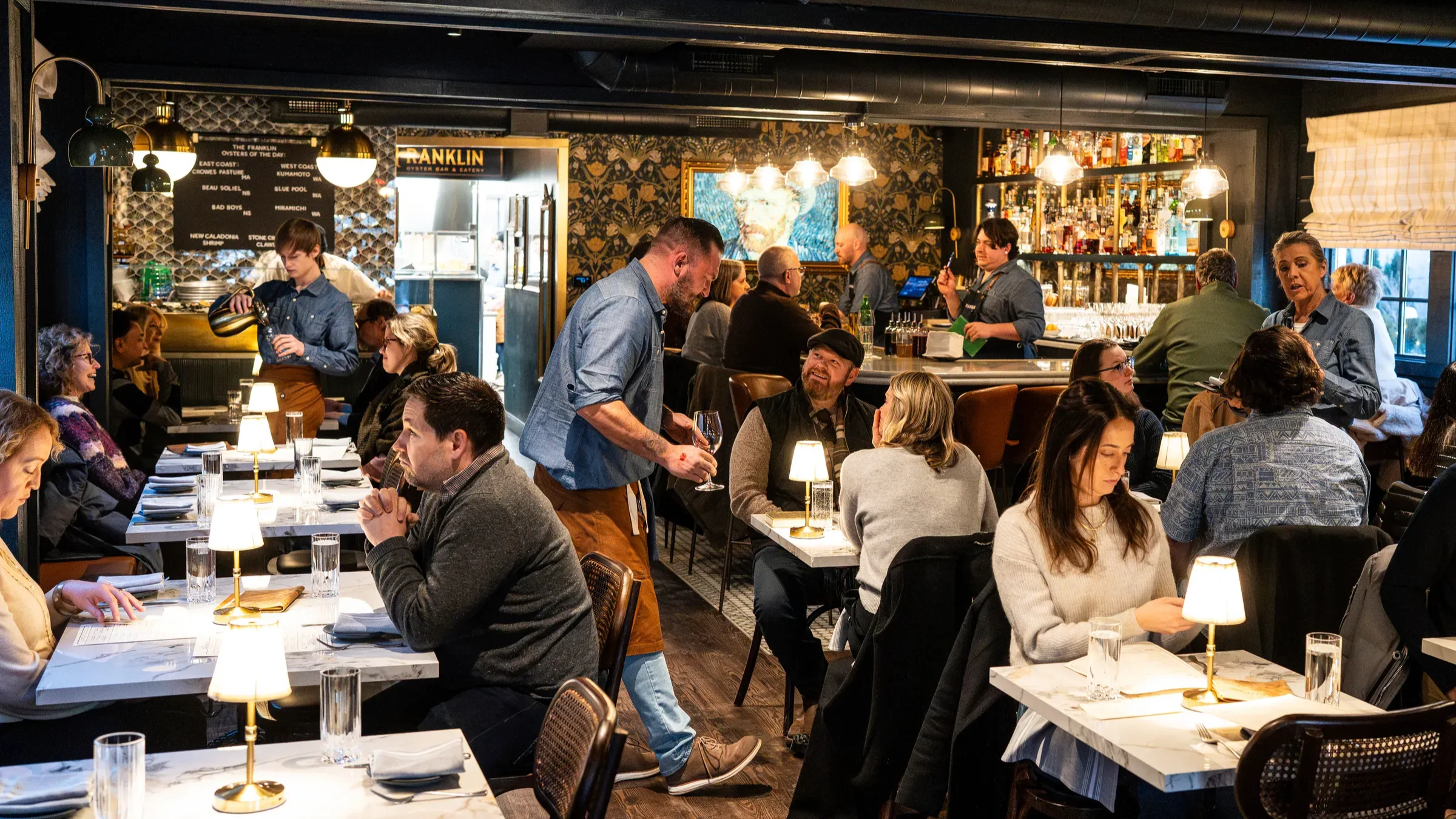
Seating Requirements: Efficiency vs Comfort
QSR Seating Priorities
For quick-service environments, seating must support rapid customer turnover.
Typical priorities include:
- Compact dimensions
- Lightweight construction
- Easy movement
- Simple cleaning
- High durability
Many QSRs choose stackable chairs or lightweight metal seating to maximize flexibility and simplify maintenance.
Full-Service Seating Priorities
In contrast, full-service restaurants encourage guests to relax and enjoy extended dining experiences.
Furniture often features:
- Wider seats
- Upholstered cushions
- Ergonomic back support
- Premium finishes
- Enhanced visual appeal
Comfort becomes a critical factor because it directly impacts guest satisfaction and repeat business.
Booths, Chairs, and Banquettes: Different Priorities
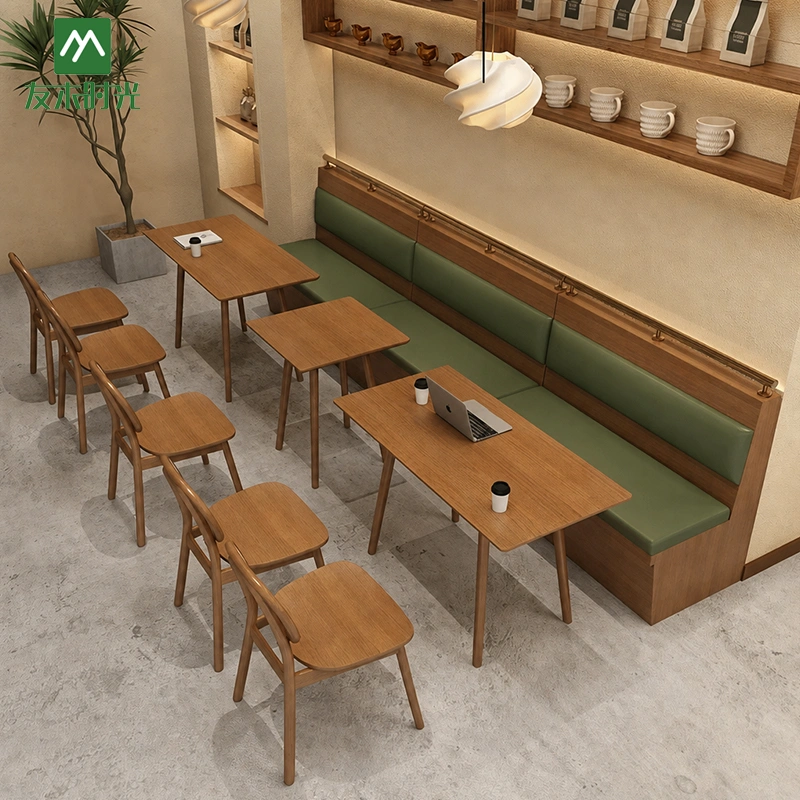
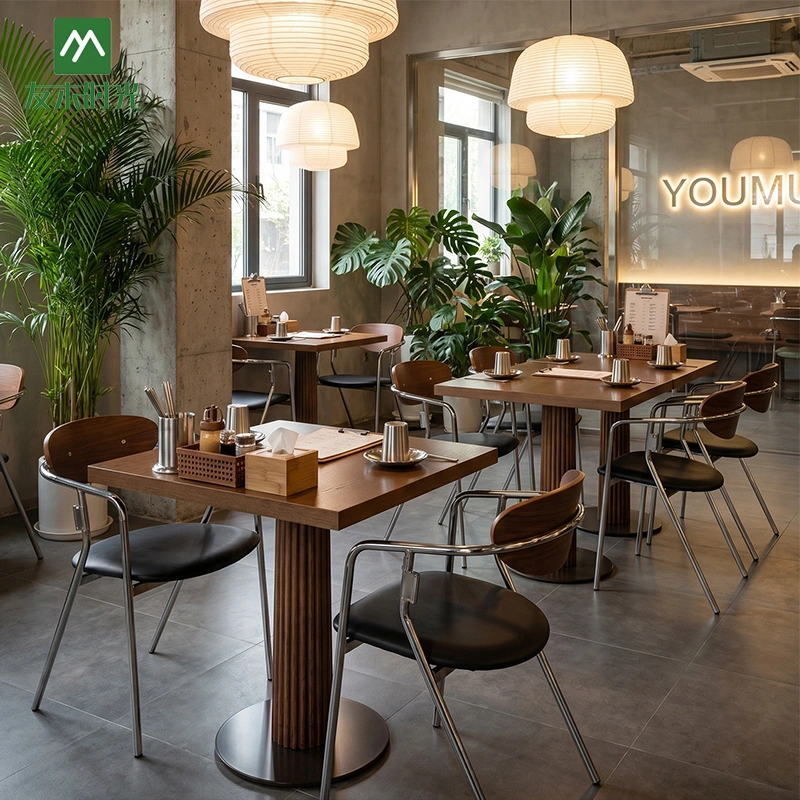
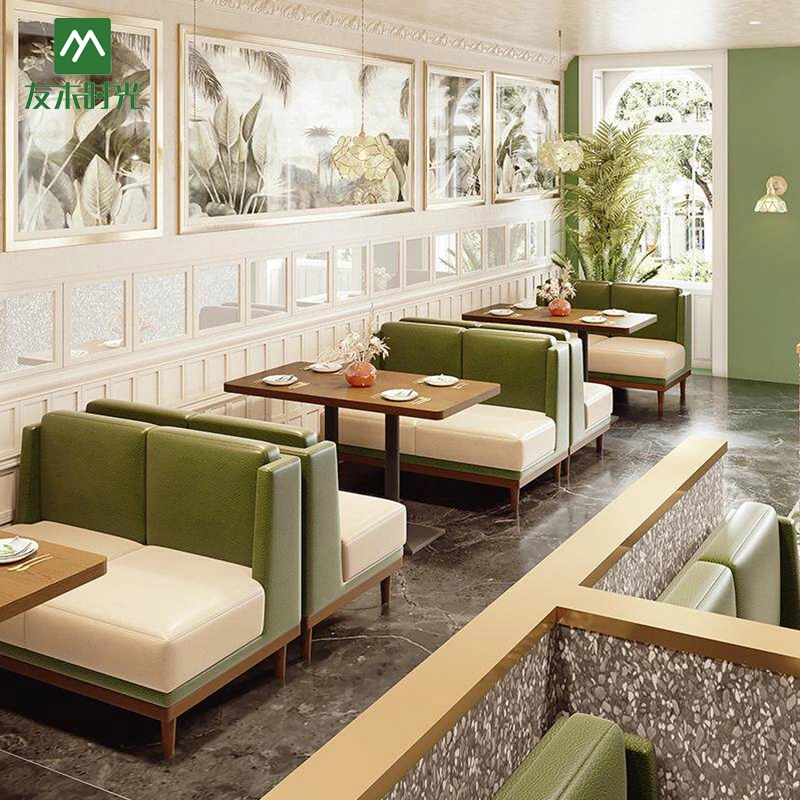
For QSRs, booth seating is typically designed to maximize capacity and withstand heavy use.
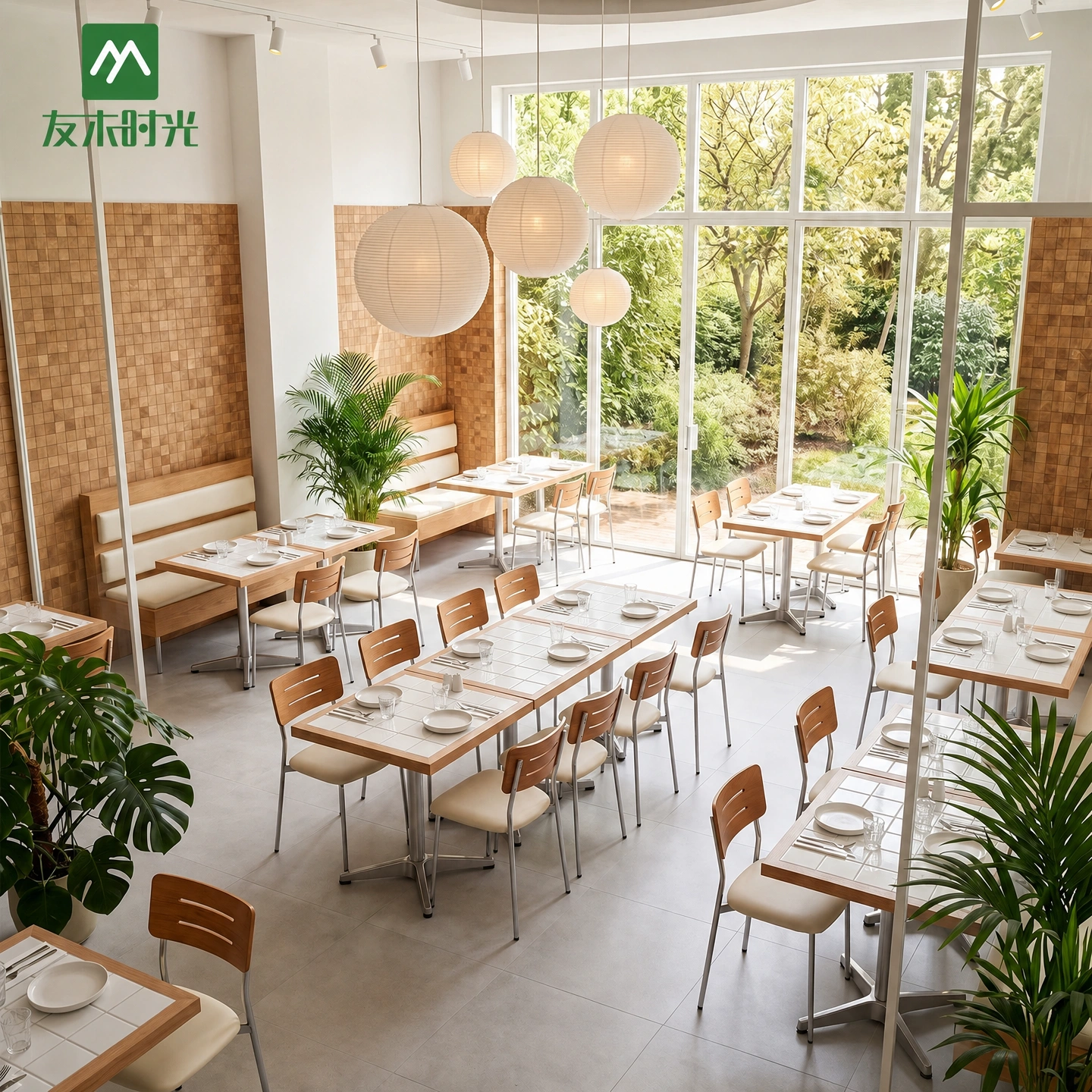
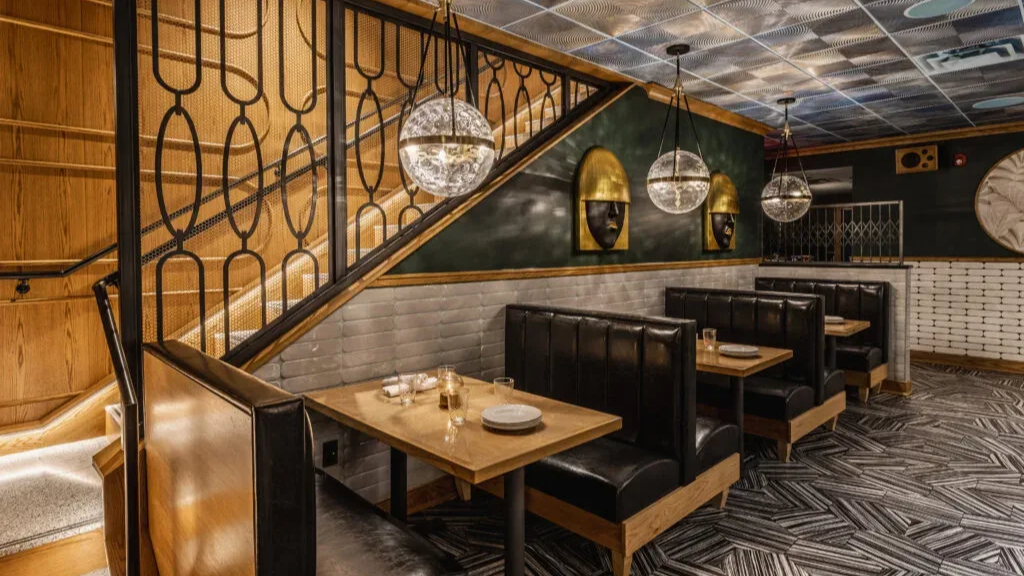
For FSRs, booths and banquettes emphasize comfort, privacy, and atmosphere.
Um profissional restaurante fabricante de móveis will often offer entirely different booth specifications for each restaurant category.
Material Selection Differences
Materials Commonly Used in QSR Furniture
QSR furniture must withstand constant traffic, frequent cleaning, and occasional abuse.
Common materials include:
- Powder-coated steel frames
- High-pressure laminate tabletops
- Molded plastic seating
- Compact laminate surfaces
- Commercial-grade polypropylene
These materials offer durability while minimizing maintenance costs.
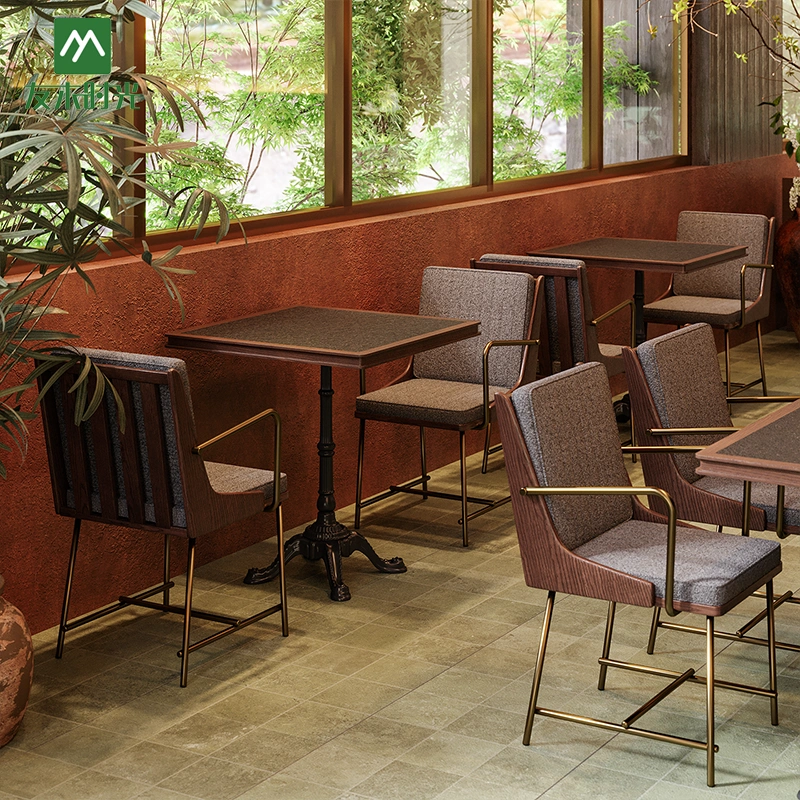
Materials Commonly Used in Full-Service Furniture
FSRs often prioritize aesthetics and customer perception.
Popular materials include:
- Solid wood
- Premium veneers
- Upholstered seating
- Decorative metal finishes
- Natural stone tabletops
These materials create a more upscale dining environment but often require greater care.
Balancing Durability and Aesthetics
The best commercial restaurant furniture balances durability with appearance.
A reputable restaurante fabricante de móveis can help buyers identify materials that meet operational demands without compromising brand image.
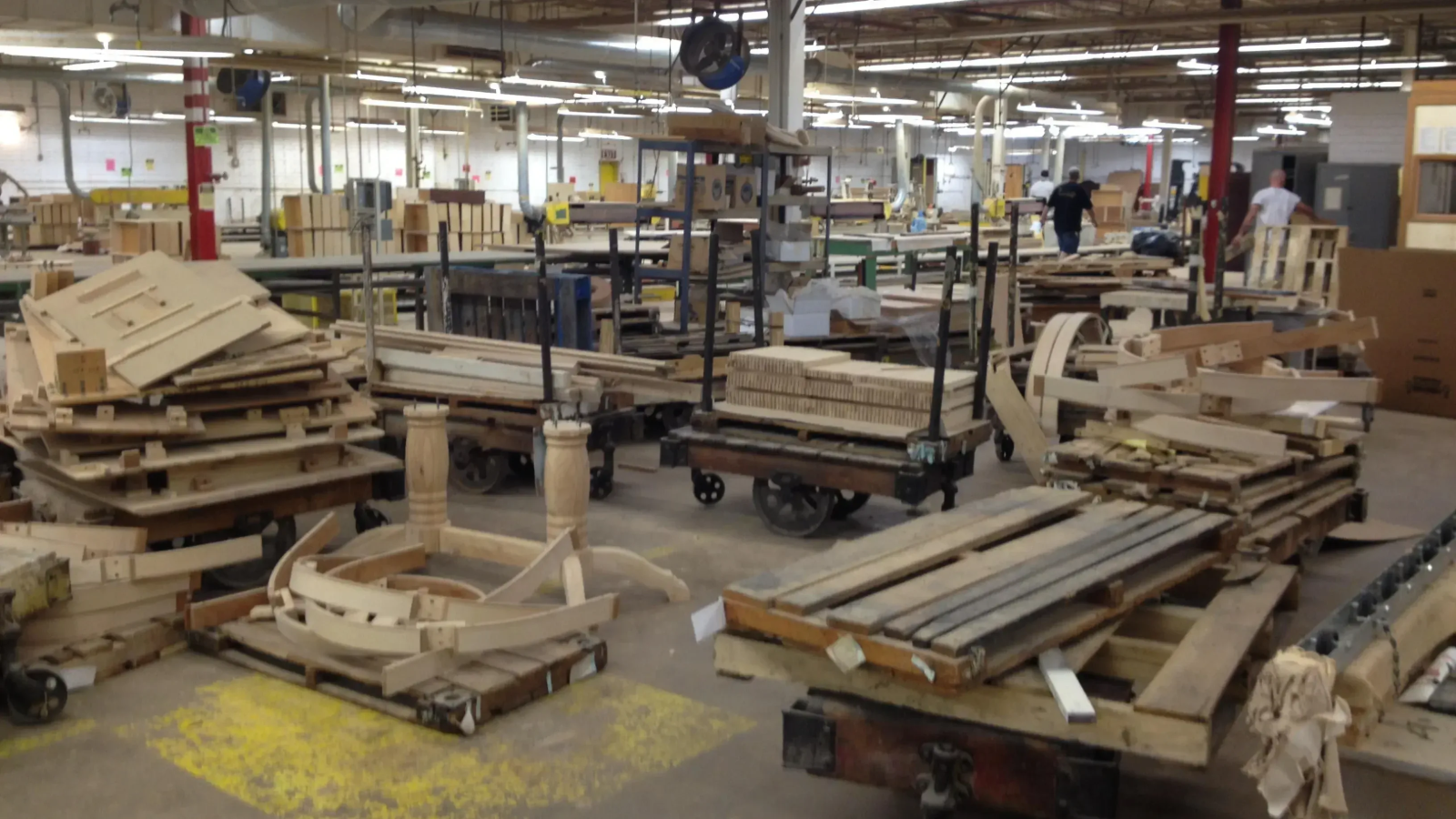
Table Specifications: Functional Differences
Typical QSR Table Requirements
QSR tables prioritize operational efficiency.
Common specifications include:
- Compact footprints
- Easy-to-clean surfaces
- Modular designs
- High-impact resistance
Tables are often designed to accommodate rapid customer turnover.
Typical Full-Service Table Requirements
FSR tables focus more on dining comfort.
Typical characteristics include:
- Larger tabletop surfaces
- Decorative finishes
- Premium materials
- Enhanced stability
Guests typically require more space for dining, beverages, and shared dishes.
Table Base and Structural Considerations
Table bases differ significantly between concepts.
QSRs often use durable steel pedestal bases for efficiency and maintenance.
FSRs may utilize decorative cast iron, wood, or custom-designed bases that enhance the restaurant’s visual identity.
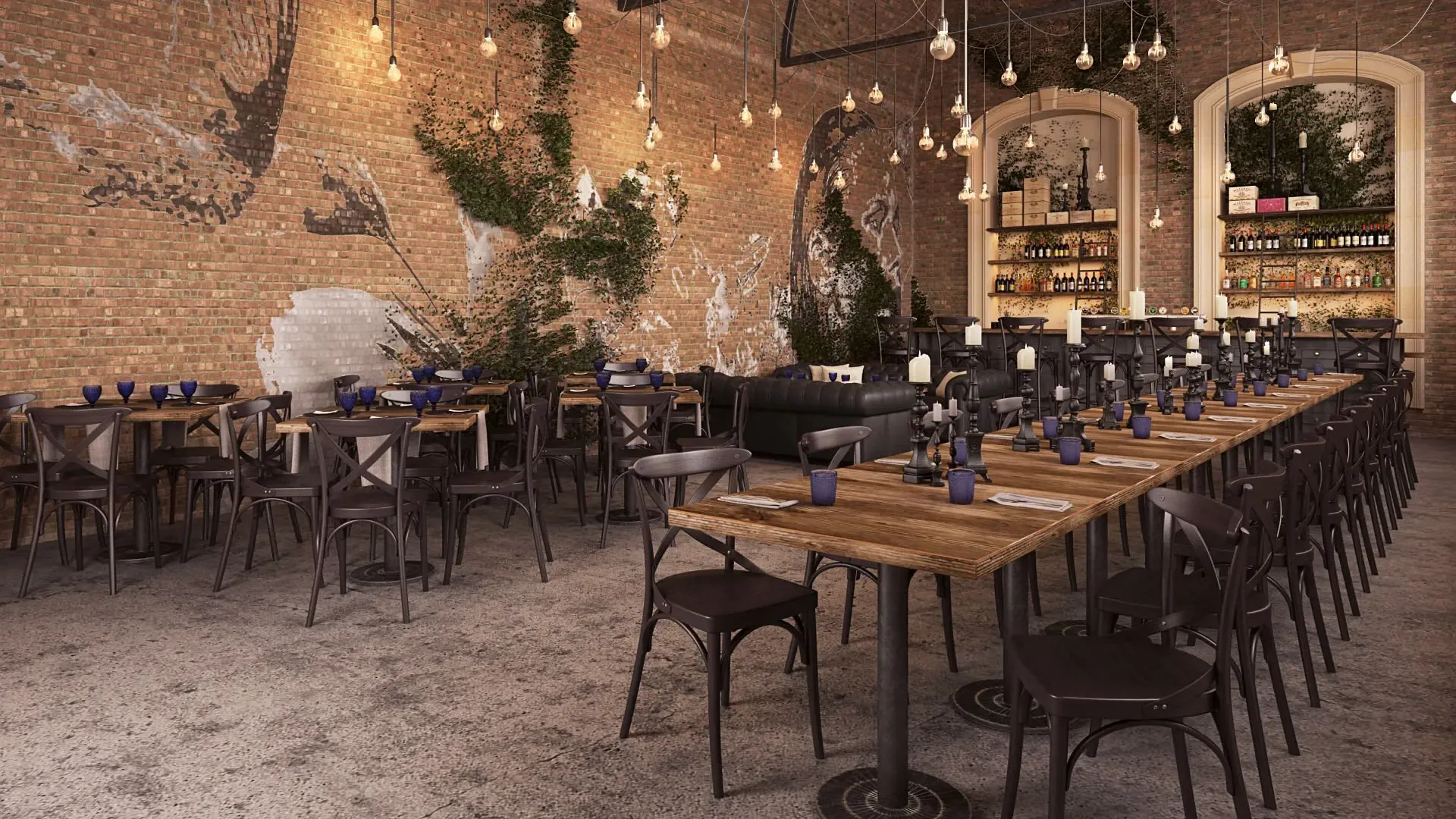
Restaurant Layout and Space Planning Considerations
QSR Layout Optimization
In quick-service environments, maximizing customer throughput is essential.
Key objectives include:
- Faster traffic flow
- Higher seating density
- Efficient queue management
- Simplified cleaning routes
Every square foot must contribute to operational efficiency.
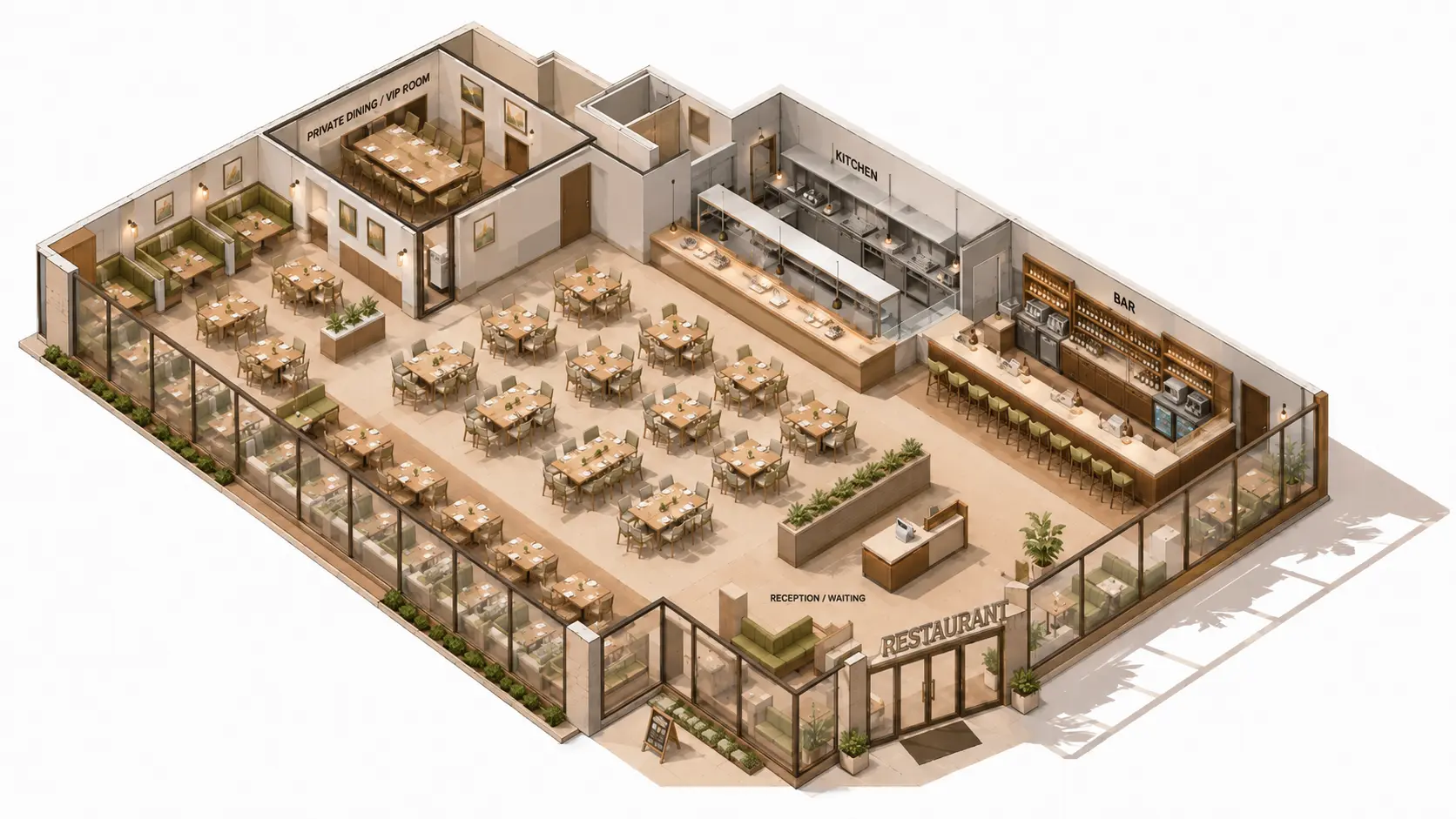
Full-Service Layout Optimization
Full-service restaurants emphasize experience over capacity.
Design priorities include:
- Guest privacy
- Comfortable spacing
- Visual appeal
- Ambiance creation
Layout decisions often prioritize atmosphere over maximum seating capacity.
Furniture’s Role in Revenue per Square Foot
Furniture directly affects revenue generation.
QSRs maximize revenue through higher seat turnover.
FSRs often generate revenue through larger average transaction values and premium customer experiences.
The optimal furniture strategy depends on the restaurant’s business model.
Branding and Customer Experience Requirements
How Furniture Supports QSR Brand Identity
For QSR chains, furniture reinforces consistency and operational efficiency.
Brand goals often include:
- Modern appearance
- Uniformity across locations
- Durabilidade
- Fast service perception
Standardized furniture simplifies franchise expansion and brand management.
How Furniture Enhances Full-Service Dining Experiences
In FSR environments, furniture becomes part of the overall guest experience.
It contributes to:
- Atmosphere
- Conforto
- Perceived value
- Brand storytelling
Premium furniture often helps justify higher menu pricing.
Custom Furniture as a Competitive Advantage
Many restaurant brands now work with a fabricante de mobiliário personalizado para restaurantes to create unique dining environments.
Custom solutions allow businesses to:
- Strengthen brand identity
- Differentiate from competitors
- Improve customer experiences
- Support long-term expansion plans
Quick-Service vs Full-Service Restaurant Furniture Comparison Table
| Specification | Quick-Service Restaurant | Full-Service Restaurant |
|---|---|---|
| Customer Stay Duration | Short | Long |
| Seating Comfort | Moderado | Elevado |
| Durability Priority | Very High | Elevado |
| Material Focus | Funcional | Premium |
| Cleaning Frequency | Intensive | Regular |
| Table Size | Compact | Larger |
| Layout Flexibility | Elevado | Moderado |
| Design Emphasis | Efficiency | Experiência |
| Furniture Lifespan | Heavy-Use Optimized | Appearance-Focused |
| Cost Priority | ROI-Driven | Experience-Driven |
What Buyers Should Look for When Choosing a Restaurant Furniture Manufacturer
Capacidade De Fabricação
A reliable restaurante fabricante de móveis should provide:
- Fabricação de peças metálicas
- Carpintaria
- Upholstery production
- Acabamento de superfícies
- Assembly capabilities
Integrated production improves quality control and lead-time management.
OEM and ODM Customization
Experienced manufacturers should support:
- Custom dimensions
- Seleção de materiais
- Branding requirements
- New product development
Customization is particularly important for franchise brands and hospitality groups.
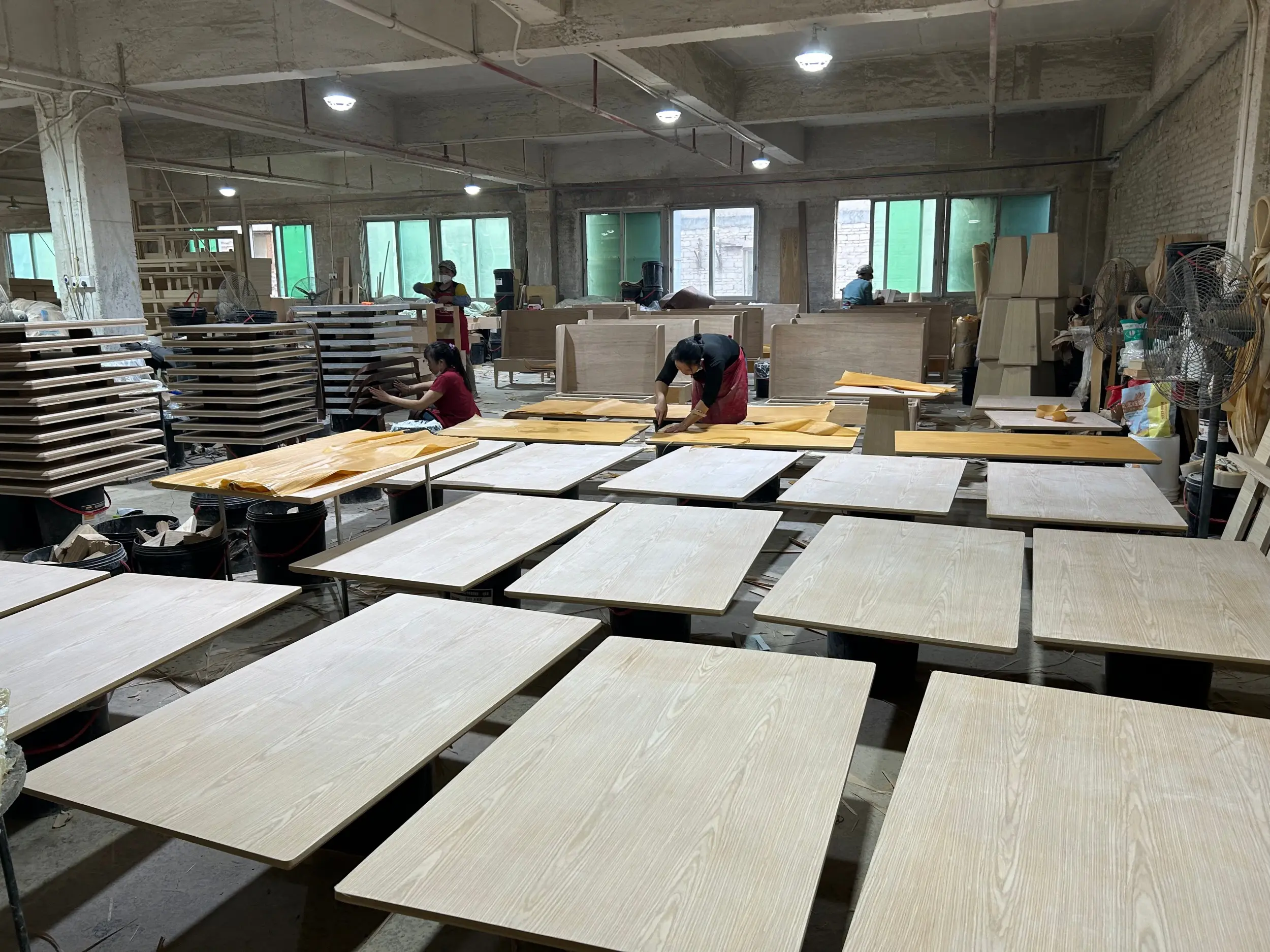
Quality Control Systems
Strong quality management includes:
- Incoming material inspection
- Monitorização da produção
- Testes de carga
- Final inspections
These systems help ensure product consistency across large orders.
Bulk Production Capacity
For distributors and restaurant chains, production scalability is critical.
A dependable fornecedor grossista de mobiliário para restaurantes should be capable of handling both ongoing procurement programs and large project orders.
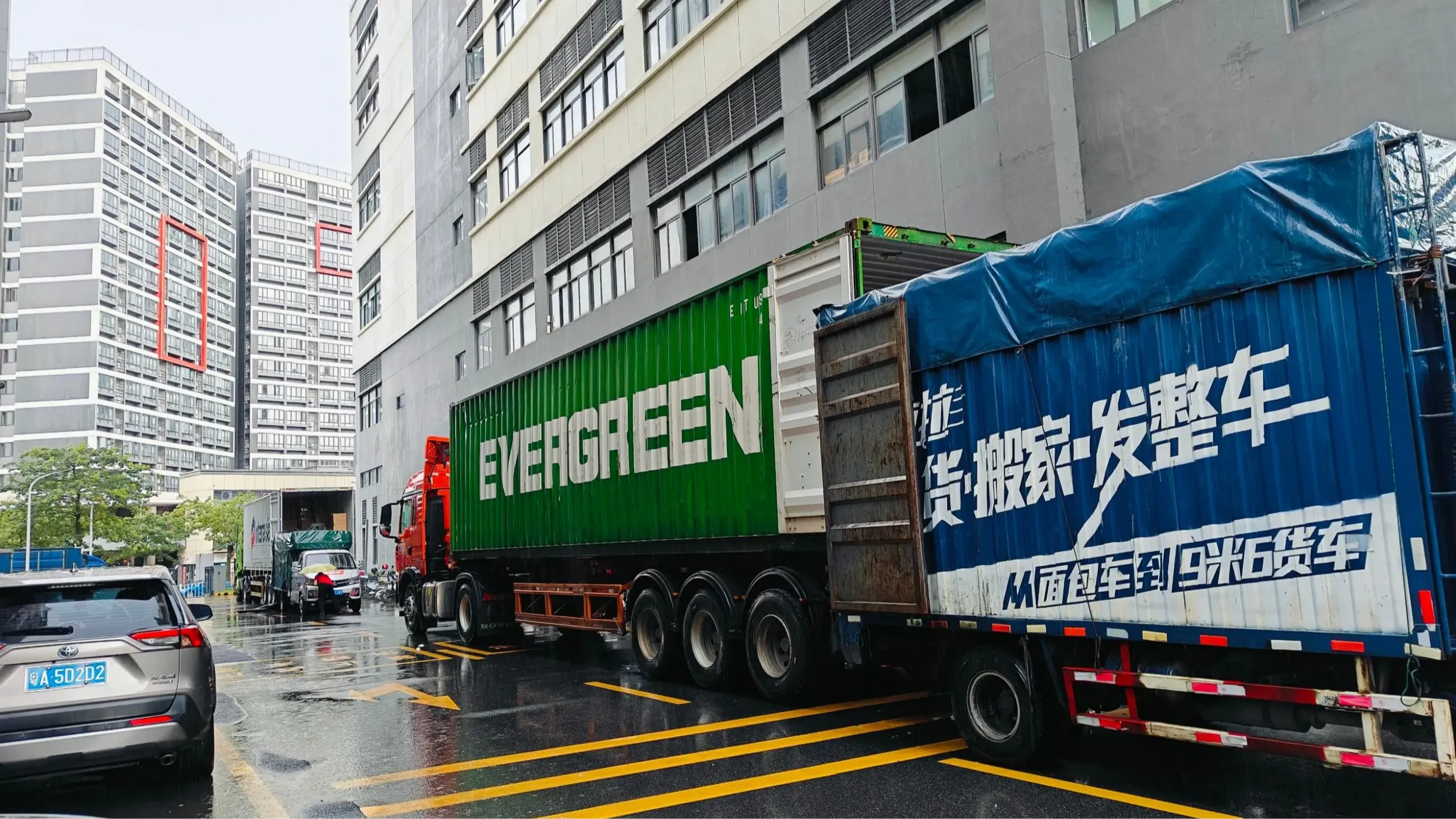
Global Export Experience
International buyers should prioritize manufacturers with proven experience in:
- Export packaging
- Container optimization
- International compliance
- Logistics coordination
Global sourcing success depends heavily on export expertise.
Choosing the Right Furniture Strategy for Your Restaurant Concept
Best Practices for QSR Operators
Focus on:
- Durabilidade
- Easy maintenance
- Operational efficiency
- Cost-effective lifecycle performance
Best Practices for Full-Service Restaurants
Prioritize:
- Guest comfort
- Premium aesthetics
- Coerência da marca
- Long-term visual appeal
Considerations for Franchise Expansion
Franchise operators should seek furniture solutions that balance:
- Brand standardization
- Production scalability
- Cost control
- Consistent quality
Future-Proofing Furniture Investments
Furniture should support future growth, renovations, and evolving customer expectations.
Partnering with an experienced fornecedor de mobiliário para restaurantes helps businesses make investments that remain effective for years.
Conclusão
Although both QSRs and full-service restaurants require durable commercial restaurant furniture, their specifications differ significantly.
Quick-service restaurants prioritize durability, efficiency, flexibility, and rapid customer turnover. Full-service restaurants focus on comfort, aesthetics, and creating memorable dining experiences.
Understanding these differences allows buyers to select furniture that aligns with operational goals, customer expectations, and long-term profitability.
Whether sourcing standard products or developing customized solutions, working with an experienced fabricante de mobiliário personalizado para restaurantes ensures the right balance of quality, functionality, and brand value.
Sobre a Youmu Shiguang Furniture
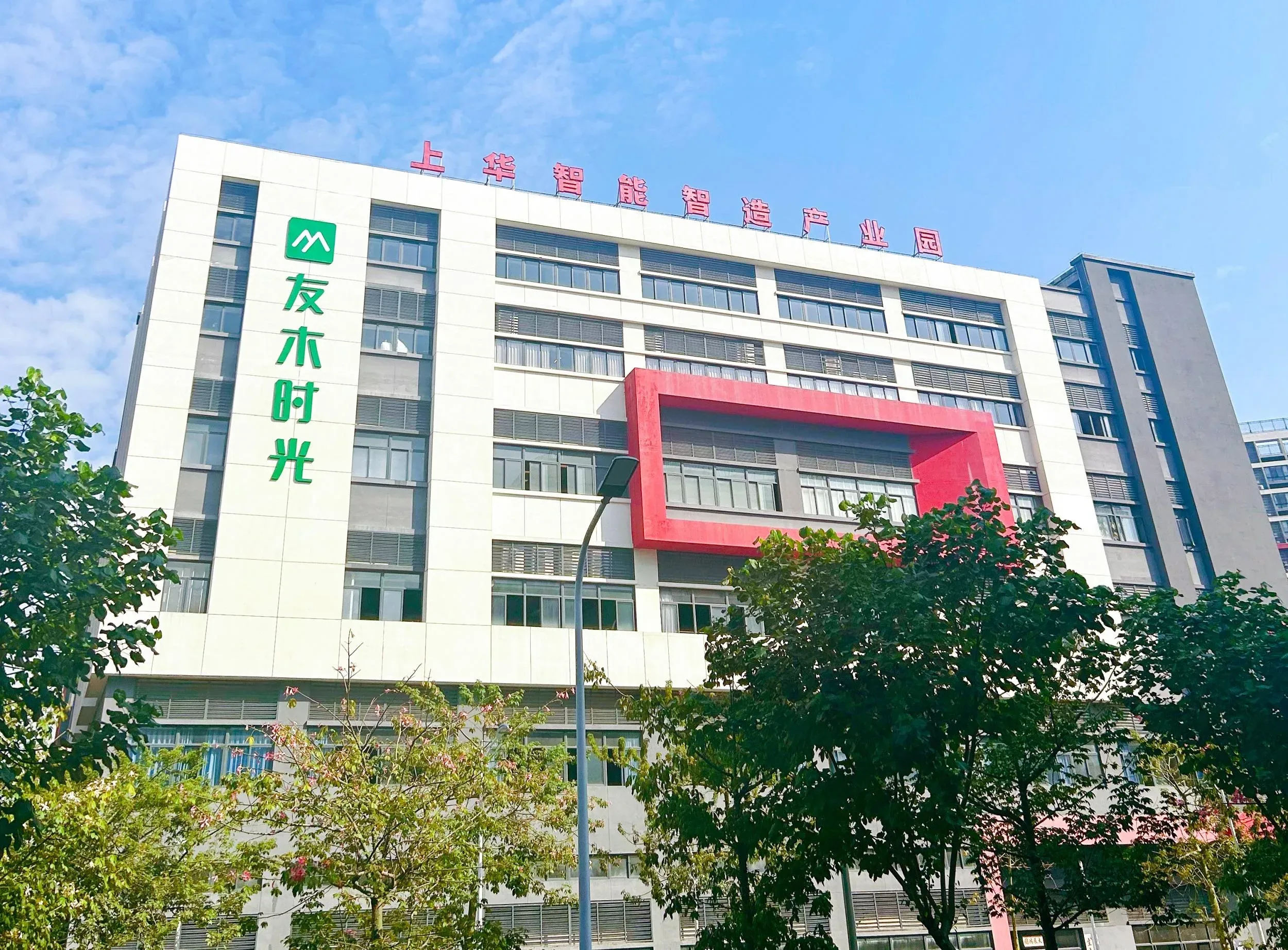
Youmu Shiguang is a fabricante profissional de mobiliário comercial specializing in commercial furniture solutions for restaurants, cafés, hotels, and hospitality projects worldwide. As a factory-direct furniture supplier, we provide high-quality restaurant chairs, dining tables, booths, banquettes, and custom restaurant furniture designed to meet the operational needs of both quick-service and full-service dining environments. With advanced manufacturing capabilities, strict quality control, and scalable production capacity, we help distributors, contractors, restaurant chains, and hospitality brands achieve consistent quality, cost efficiency, and reliable supply.
O nosso OEM and ODM restaurant furniture services include custom sizes, materials, finishes, upholstery, and branding solutions, allowing clients to create unique dining spaces that enhance customer experience and strengthen brand identity. From project consultation to bulk production and global export support, we deliver durable, stylish, and customized commercial restaurant furniture solutions for B2B customers.
Perguntas frequentes
What furniture is best for quick-service restaurants?
Furniture that offers durability, easy cleaning, space efficiency, and high turnover performance is generally best suited for QSR environments.
Why is furniture different in full-service restaurants?
Full-service restaurants focus more on comfort, ambiance, and guest experience, requiring higher-end materials and ergonomic designs.
What materials are most durable for commercial restaurant furniture?
Powder-coated steel, compact laminate, commercial-grade upholstery, hardwood, and high-pressure laminate are among the most durable options.
How long should restaurant furniture last?
Commercial restaurant furniture typically lasts between 5 and 15 years, depending on material quality, usage intensity, and maintenance practices.
Can restaurant furniture be customized?
Yes. Most professional manufacturers offer OEM and ODM customization services for dimensions, finishes, upholstery, branding, and structural design.
Should restaurant chains use the same furniture across all locations?
Standardized furniture helps maintain brand consistency, but specifications may be adjusted to accommodate local operational requirements and space constraints.