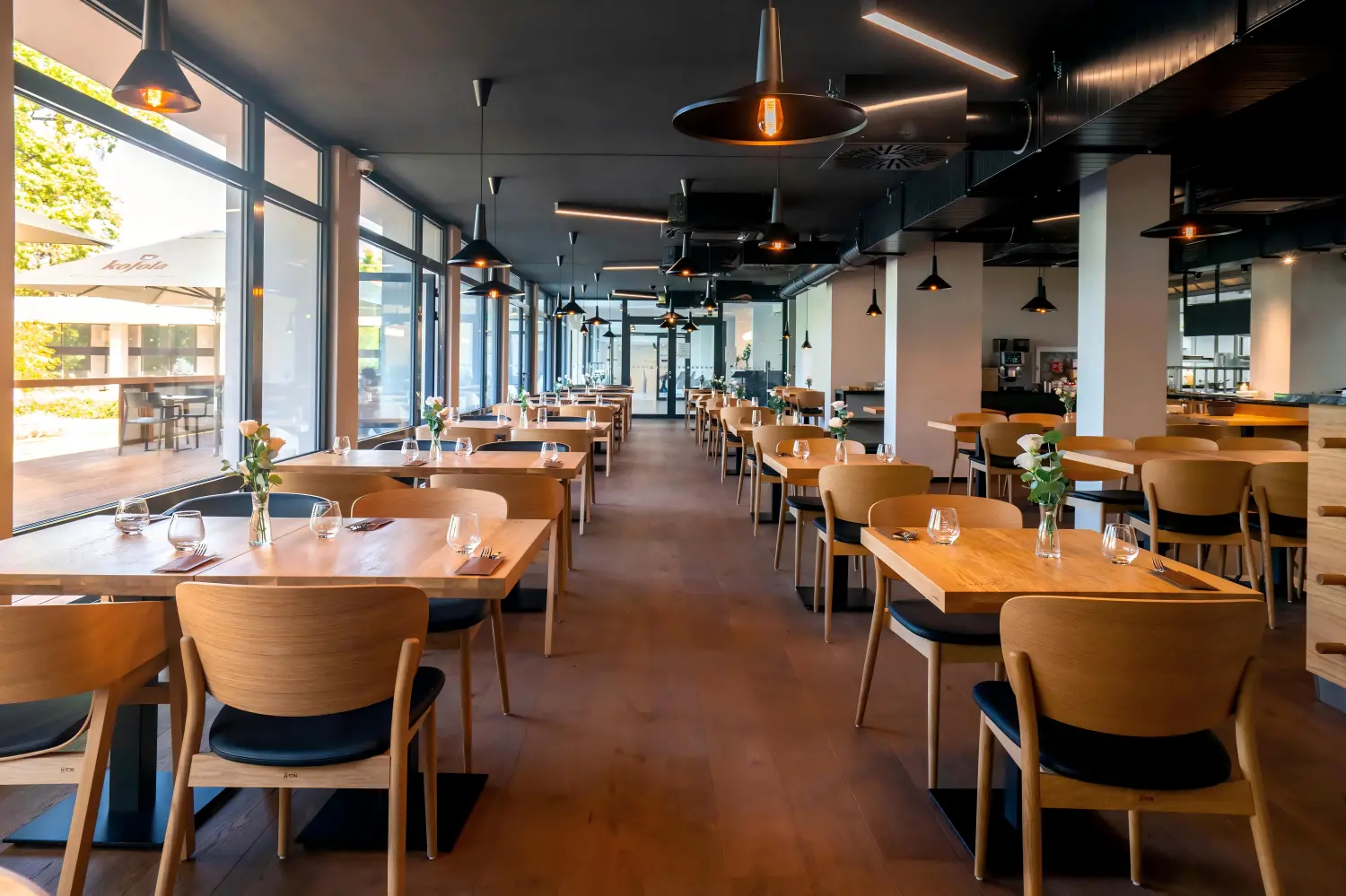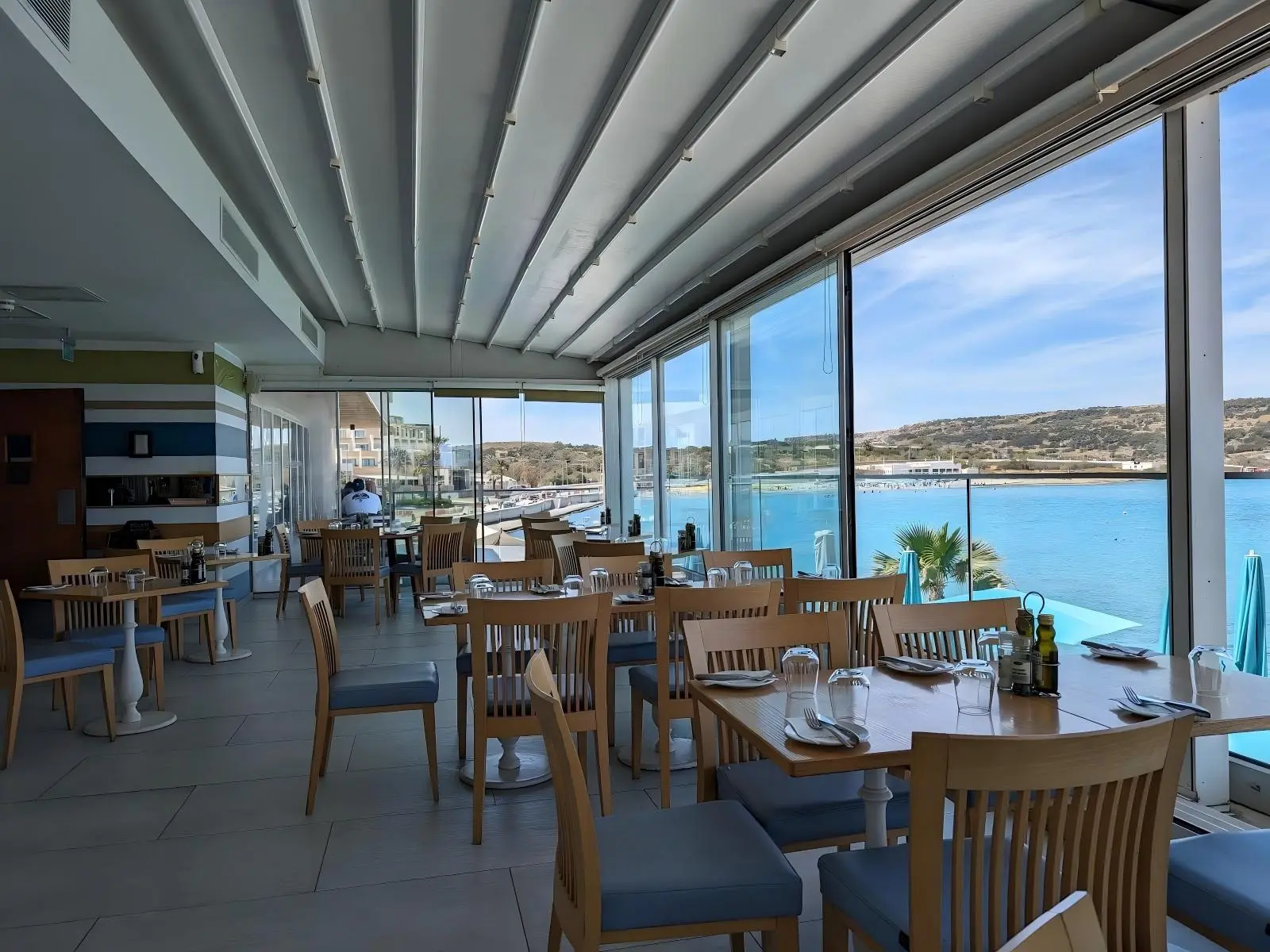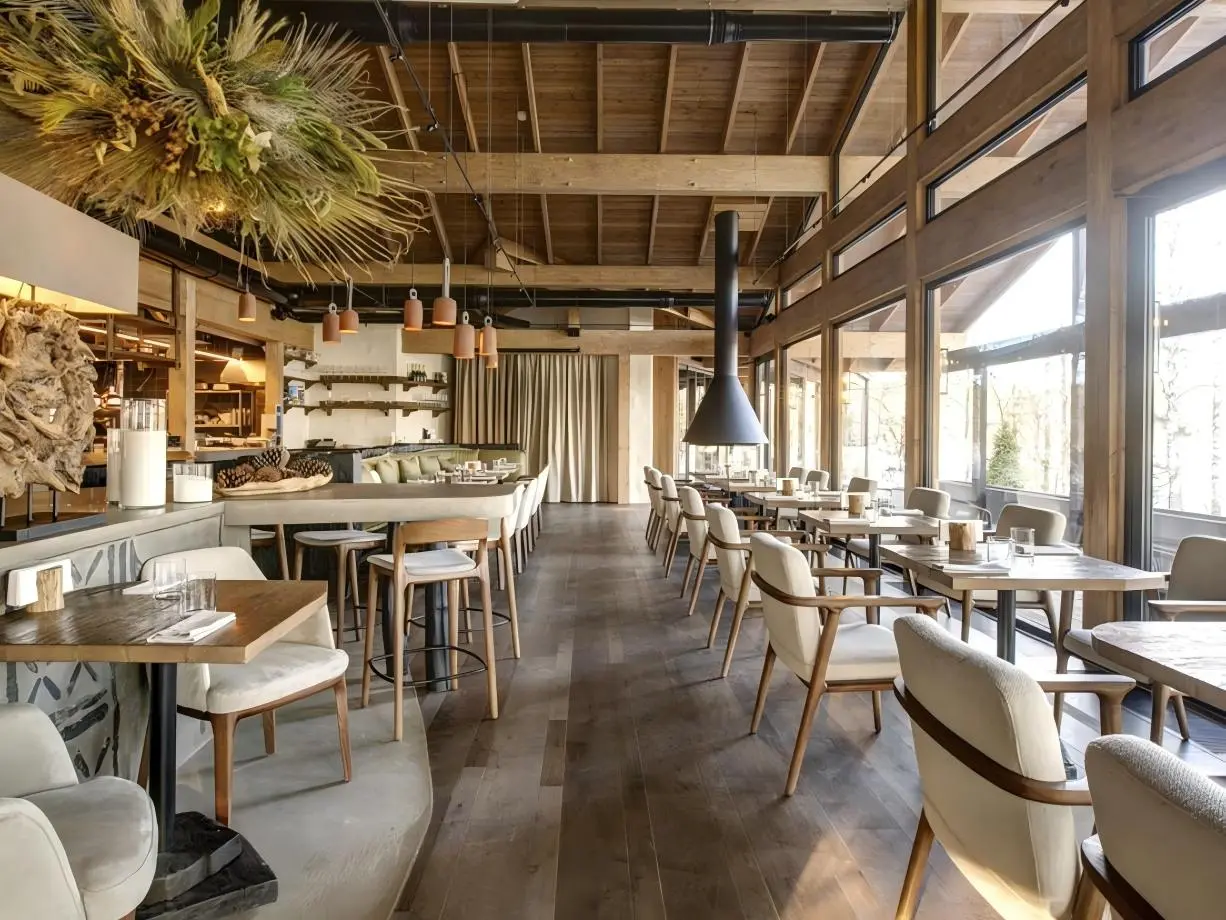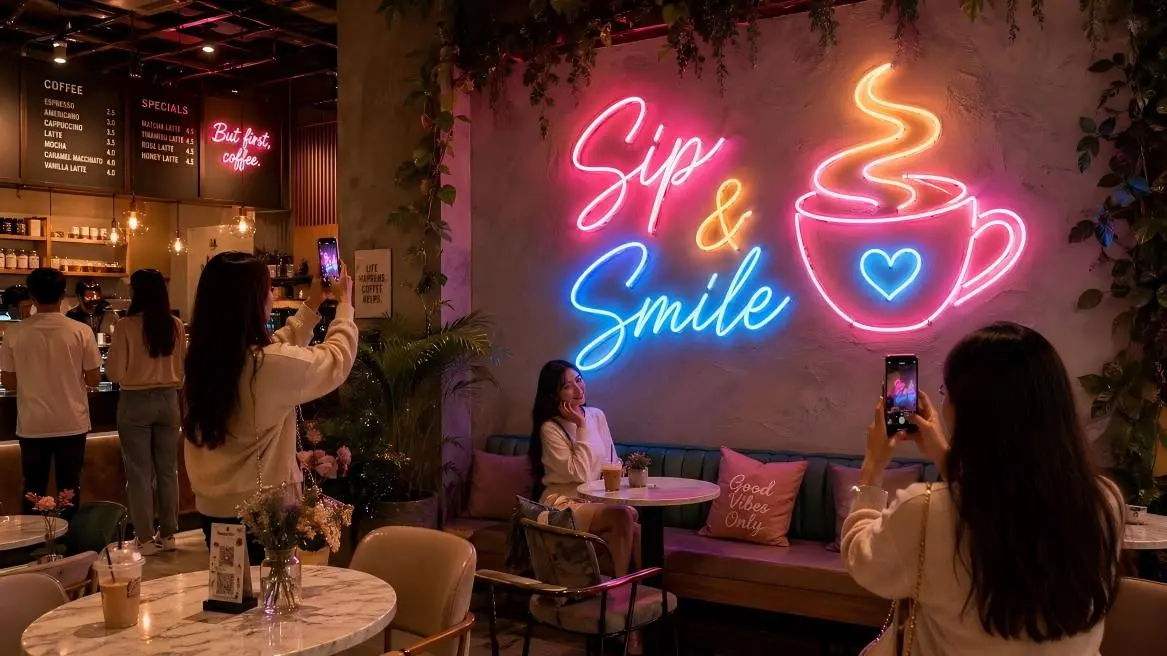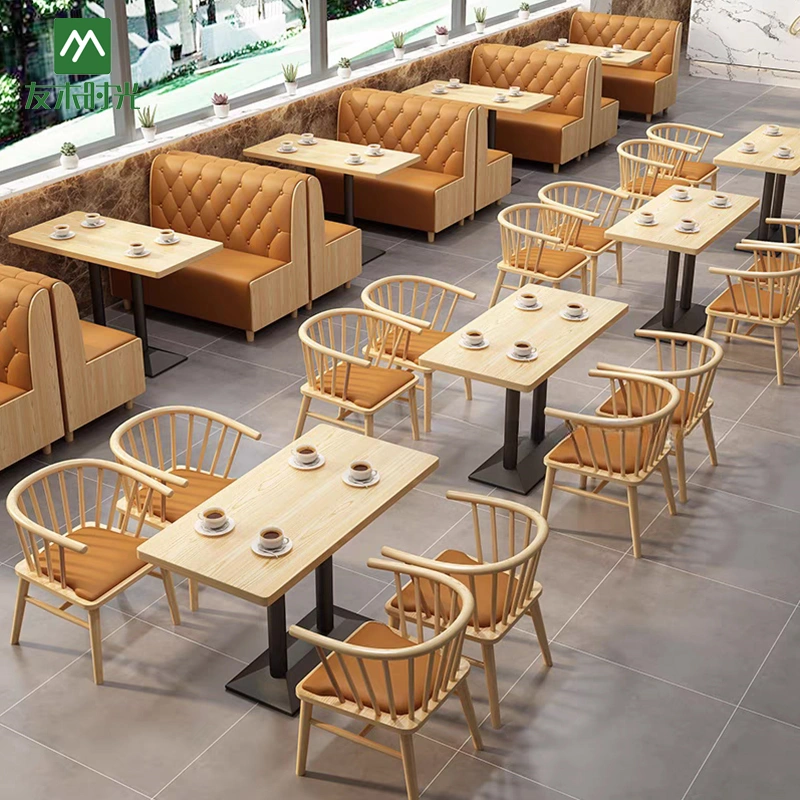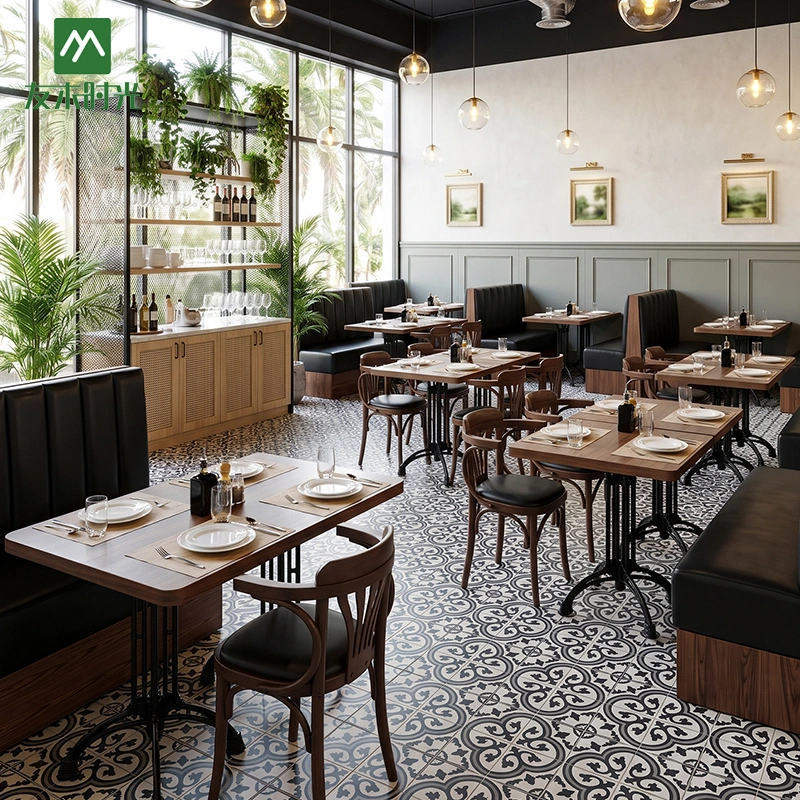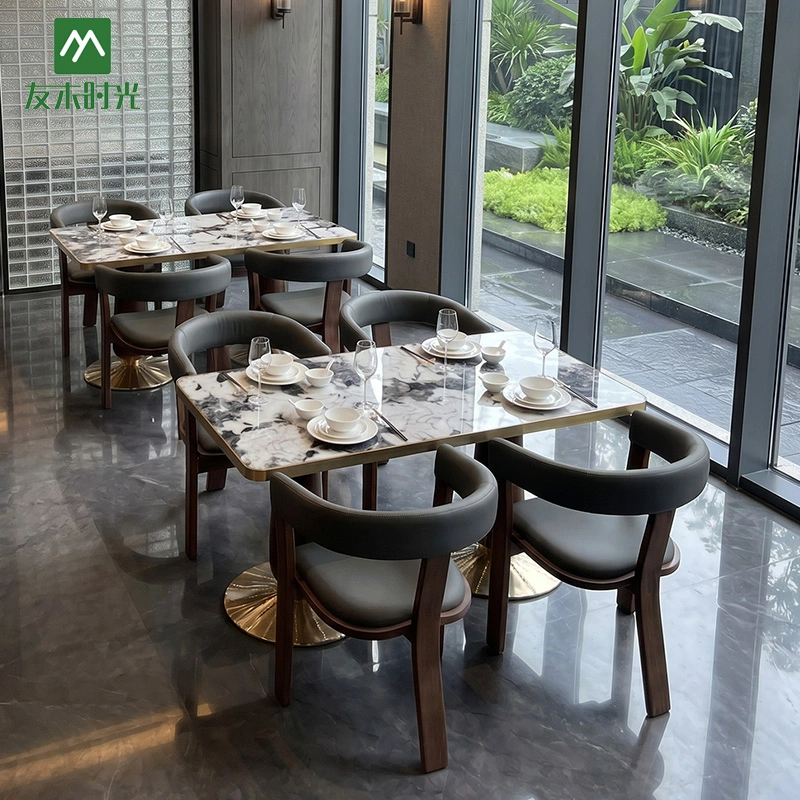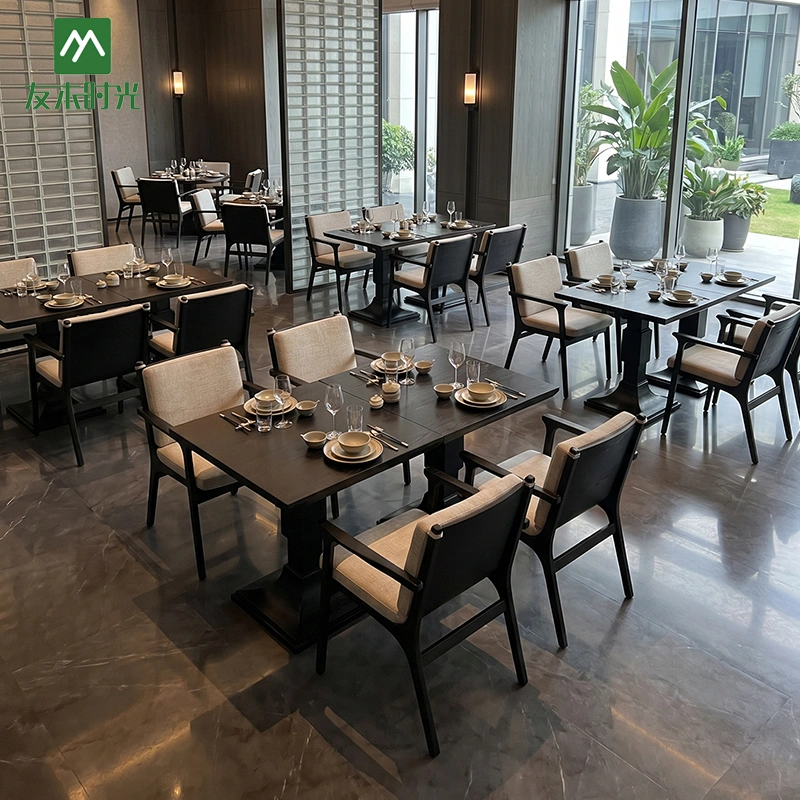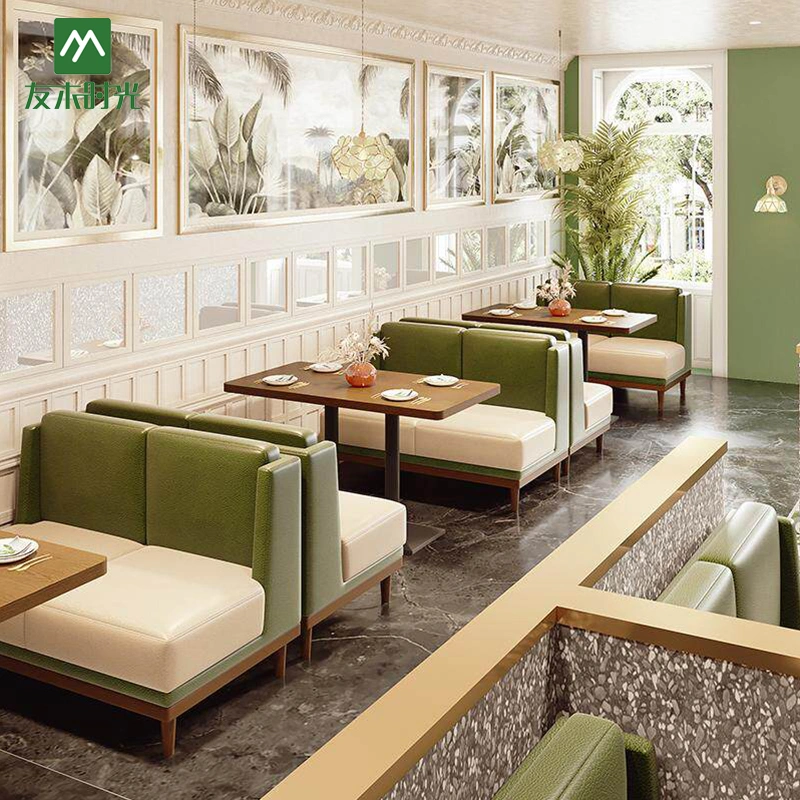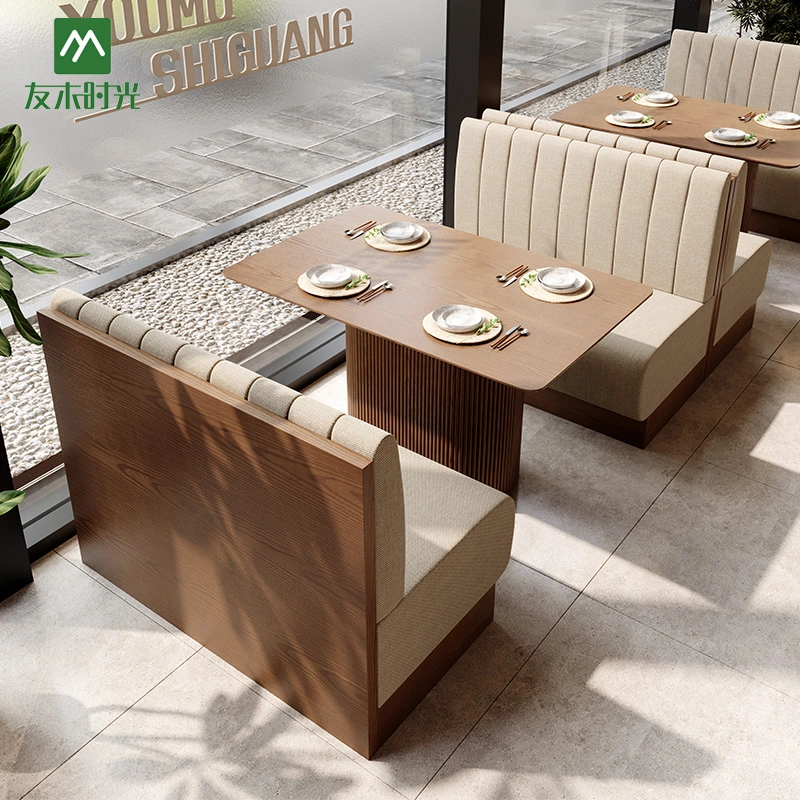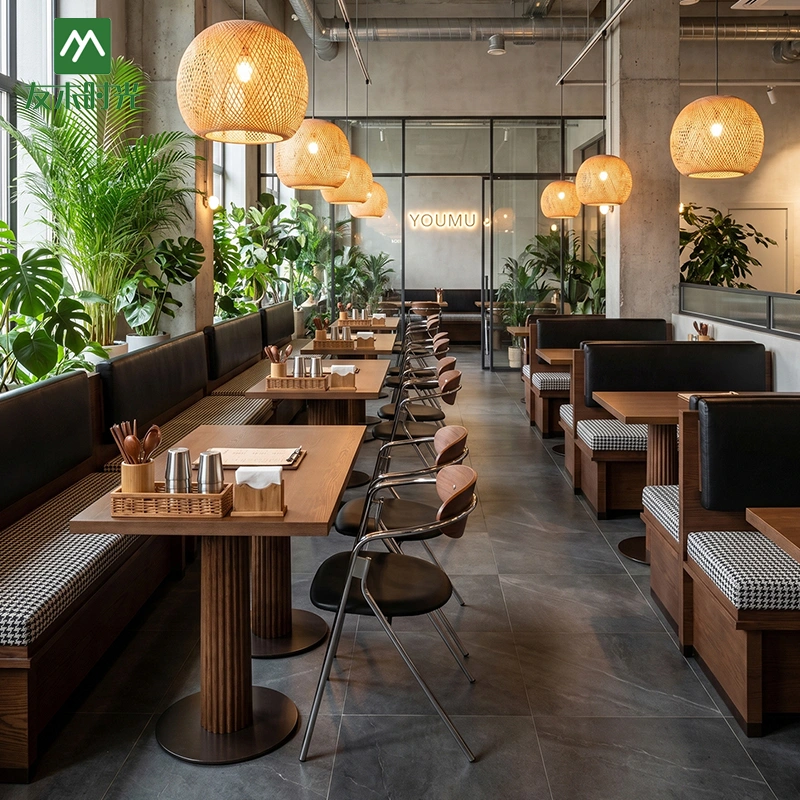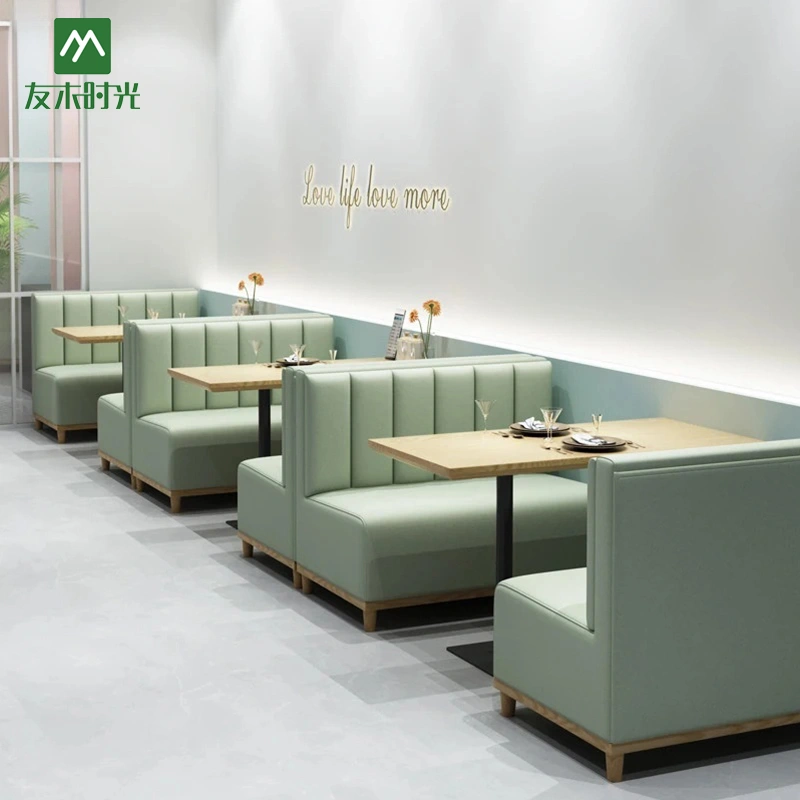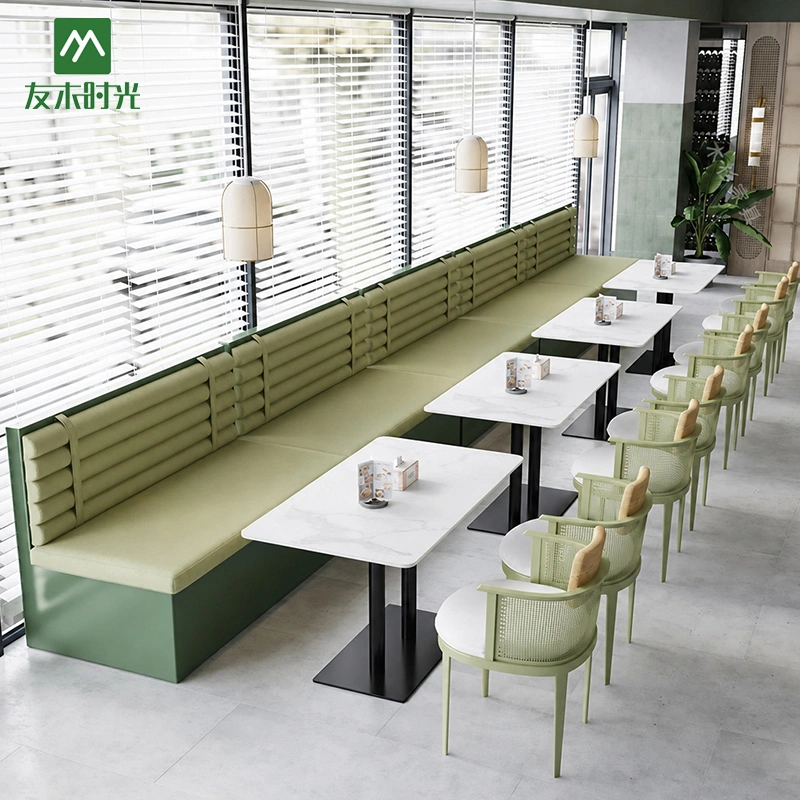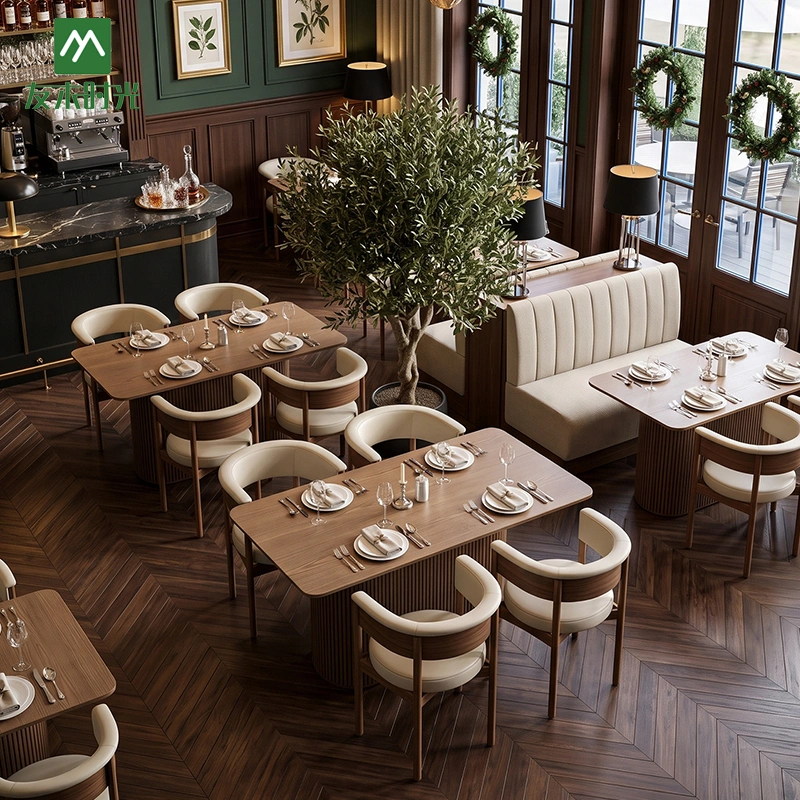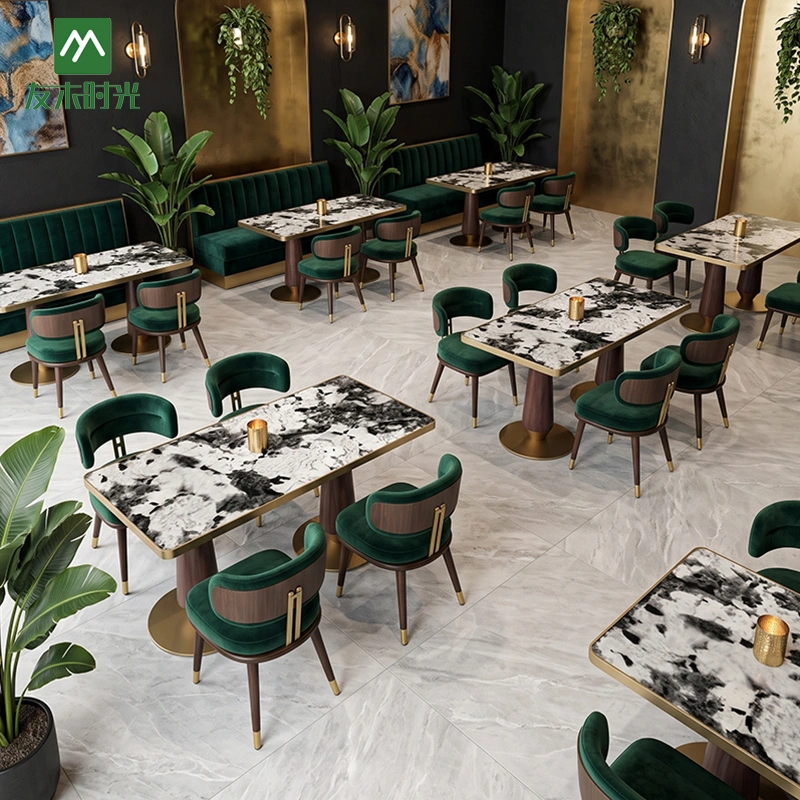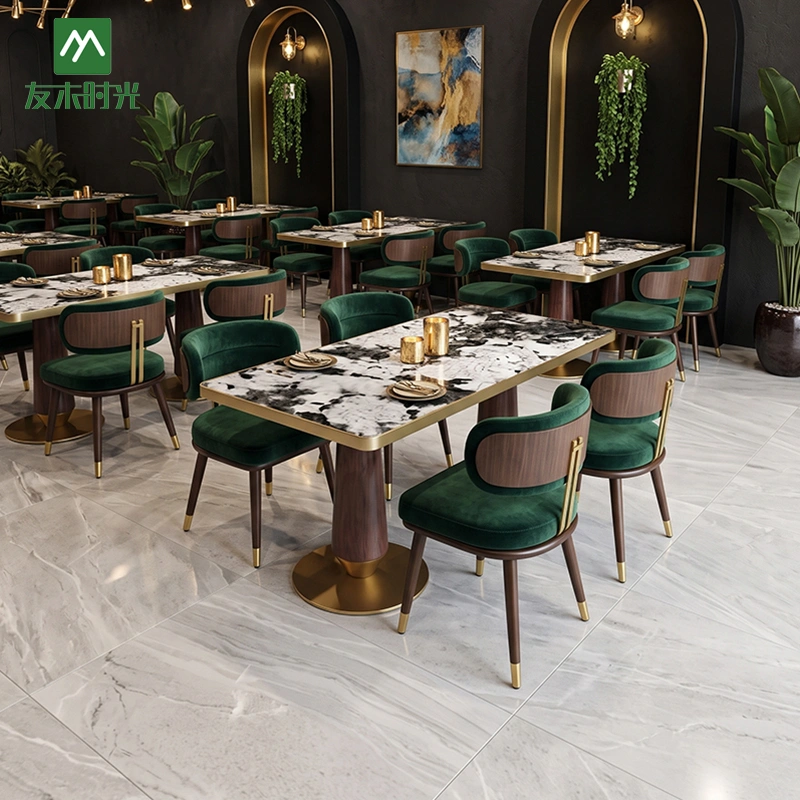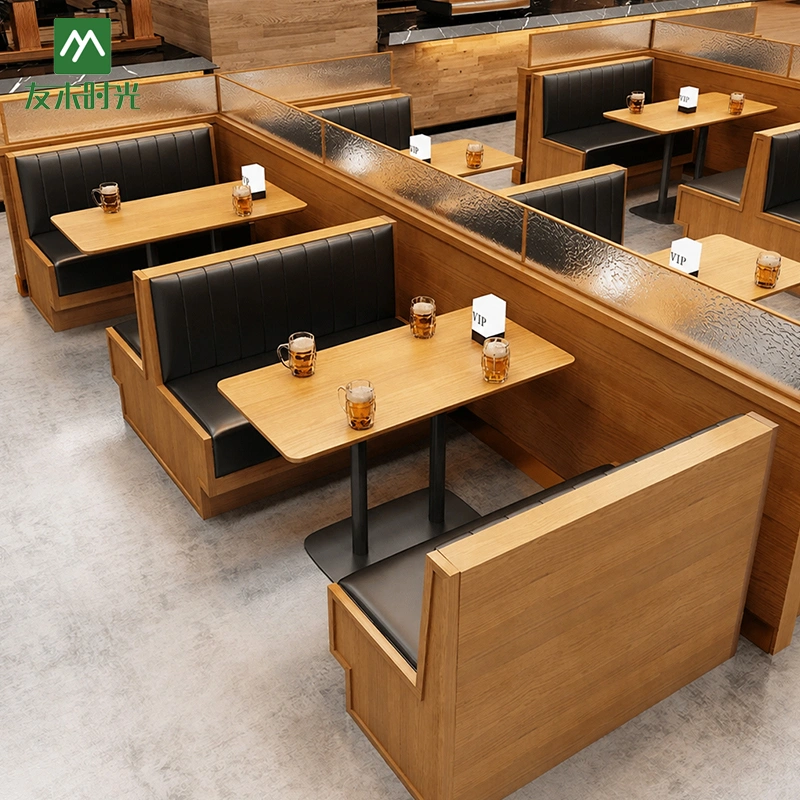
A well-designed restaurant can create a comfortable atmosphere that encourages customers to stay longer, order more food, and return in the future. On the other hand, poor planning can lead to crowded spaces, uncomfortable seating, slow service, and reduced customer satisfaction.

Understanding the Basics of Restaurant Design
Define Your Restaurant Concept and Brand Identity
Before planning the physical space, restaurant owners should first define the restaurant concept and brand identity. The concept determines almost every design decision, including the choice of furniture, colors, materials, lighting, and overall atmosphere.
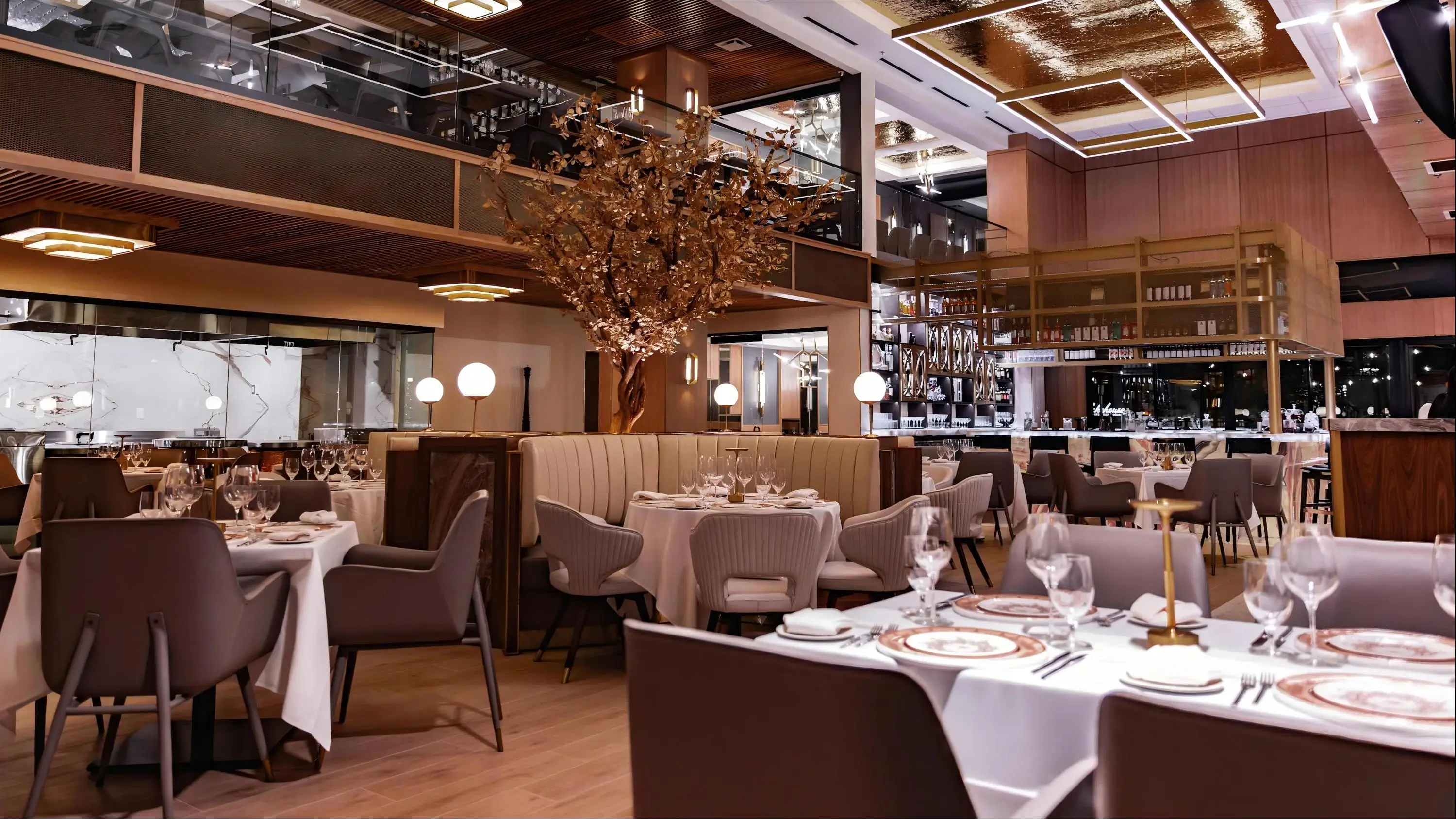
Different restaurant types require different design approaches. For example, a fine dining restaurant usually focuses on elegance, privacy, and premium experiences. The furniture may include comfortable upholstered chairs, spacious dining tables, and high-quality finishes that create a luxurious feeling.
A casual restaurant, however, may focus more on flexibility, durability, and efficient seating capacity. The furniture needs to handle frequent daily use while maintaining an attractive appearance. In this case, practical materials such as solid wood, metal frames, commercial-grade fabrics, and easy-clean surfaces are often preferred.

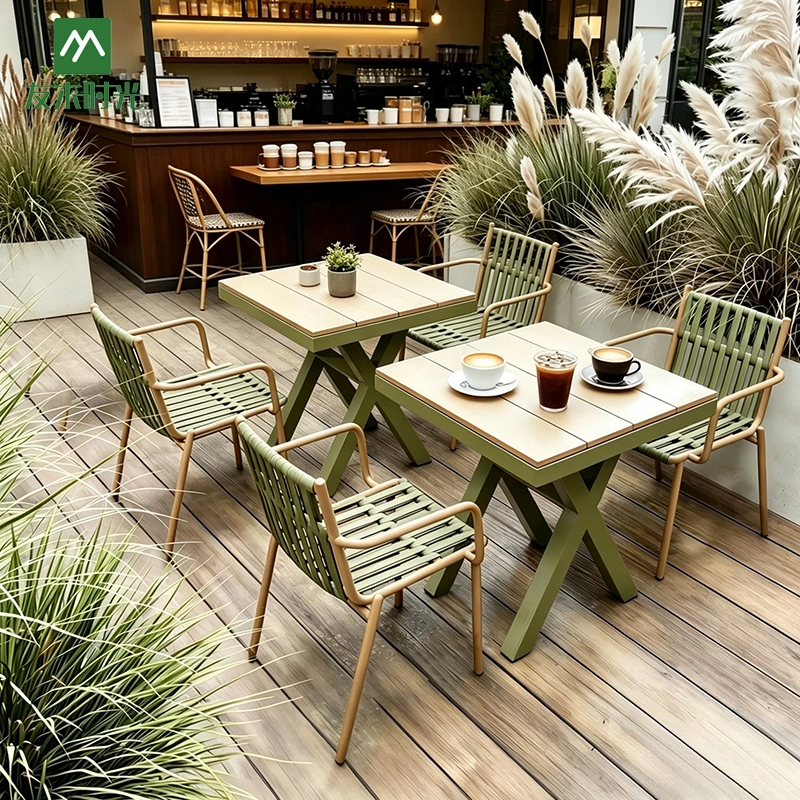
Coffee shops and bistros usually require a more relaxed and social atmosphere. Compact tables, stylish chairs, bar seating, and flexible furniture arrangements allow customers to work, socialize, or enjoy a quick meal.

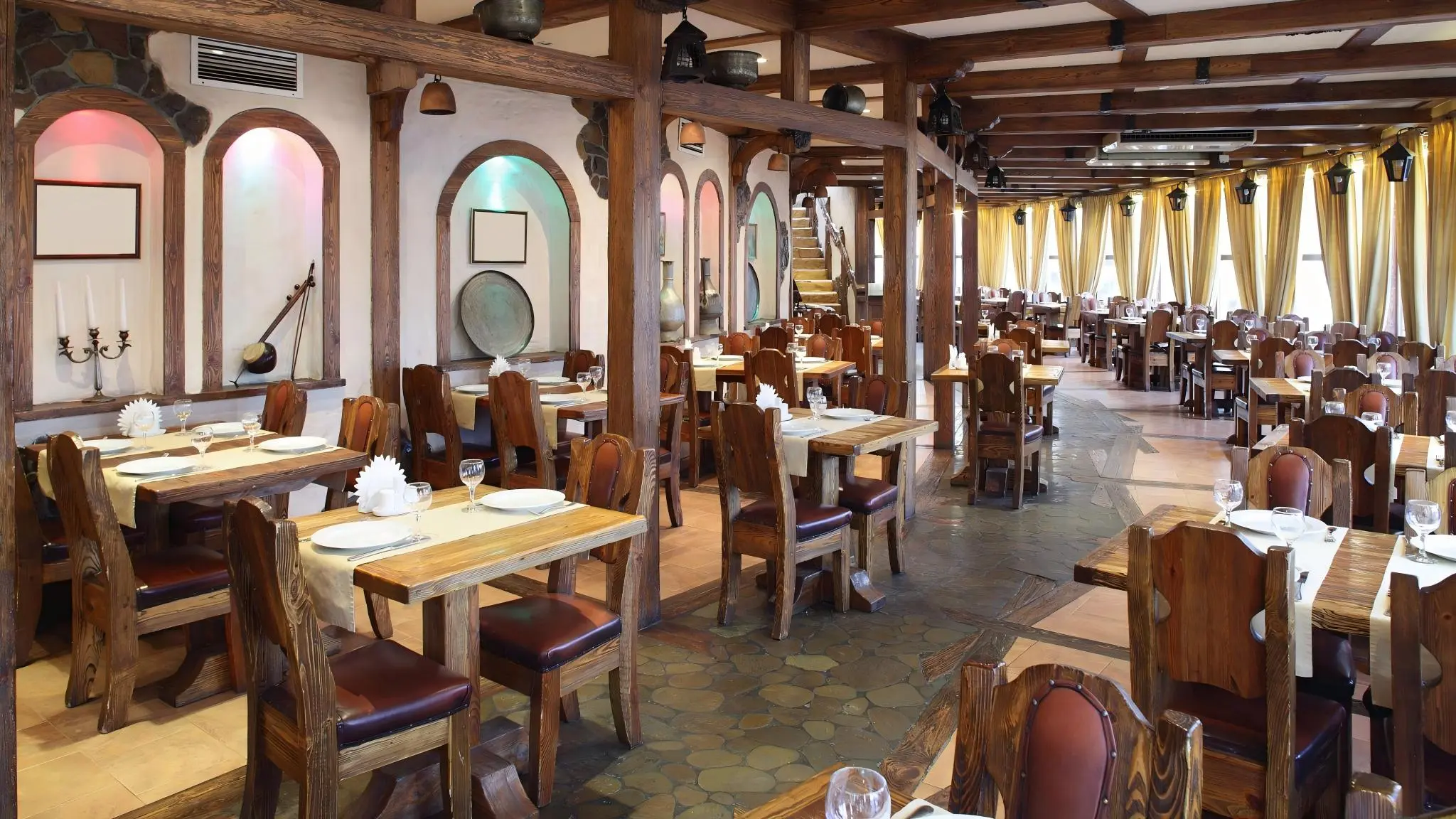
The restaurant concept should always guide furniture decisions. Choosing furniture that matches the brand identity helps create a consistent customer experience. For example, a natural-style restaurant may choose wooden furniture with warm tones, while an industrial-style restaurant may combine metal frames with modern designs.
专业人员 餐厅家具制造商 can provide different furniture styles, materials, and customization options based on the restaurant concept, helping businesses create a unique and recognizable dining environment.
If you are planning to open a new restaurant, renovate an existing dining space, or develop a unique restaurant concept, feel free to share your ideas and vision with us. Our professional team can provide expert recommendations on the most suitable furniture styles, seating solutions, and restaurant layouts based on your brand positioning, space requirements, and operational needs.
Understand Your Target Customers Before Designing the Space
A restaurant should always be designed around its target customers. Different customer groups have different expectations for atmosphere, furniture style, seating arrangements, and overall space planning. Understanding your target audience helps create a restaurant environment that matches their lifestyle and improves the dining experience.
Restaurants Targeting Young Customers:
Restaurants and cafes targeting younger generations often focus on modern aesthetics, social interaction, and unique visual experiences. These customers are usually attracted to stylish interiors, creative furniture designs, flexible seating options, and spaces that are suitable for taking photos and sharing on social media.

Restaurants Targeting Families:
Family-oriented restaurants require a different approach to design. Comfort, durability, and convenience are key considerations. These restaurants need furniture that can handle frequent daily use while providing a comfortable environment for parents, children, and larger groups.
Spacious table arrangements, durable restaurant chairs, and booth seating are popular choices because they provide more privacy and better accommodate families.

Restaurants Targeting Business Customers:
Business-focused restaurants, cafes, and casual dining spaces often need to combine dining functions with working environments. Many customers may expect comfortable seating, quiet areas, suitable table heights, and enough space for laptops or business discussions.
Furniture selection plays an important role in creating a professional atmosphere. Comfortable upholstered chairs, larger tables, and well-planned seating areas can make the restaurant suitable for business meetings, casual discussions, and longer stays.

Restaurants Targeting Premium Dining Customers
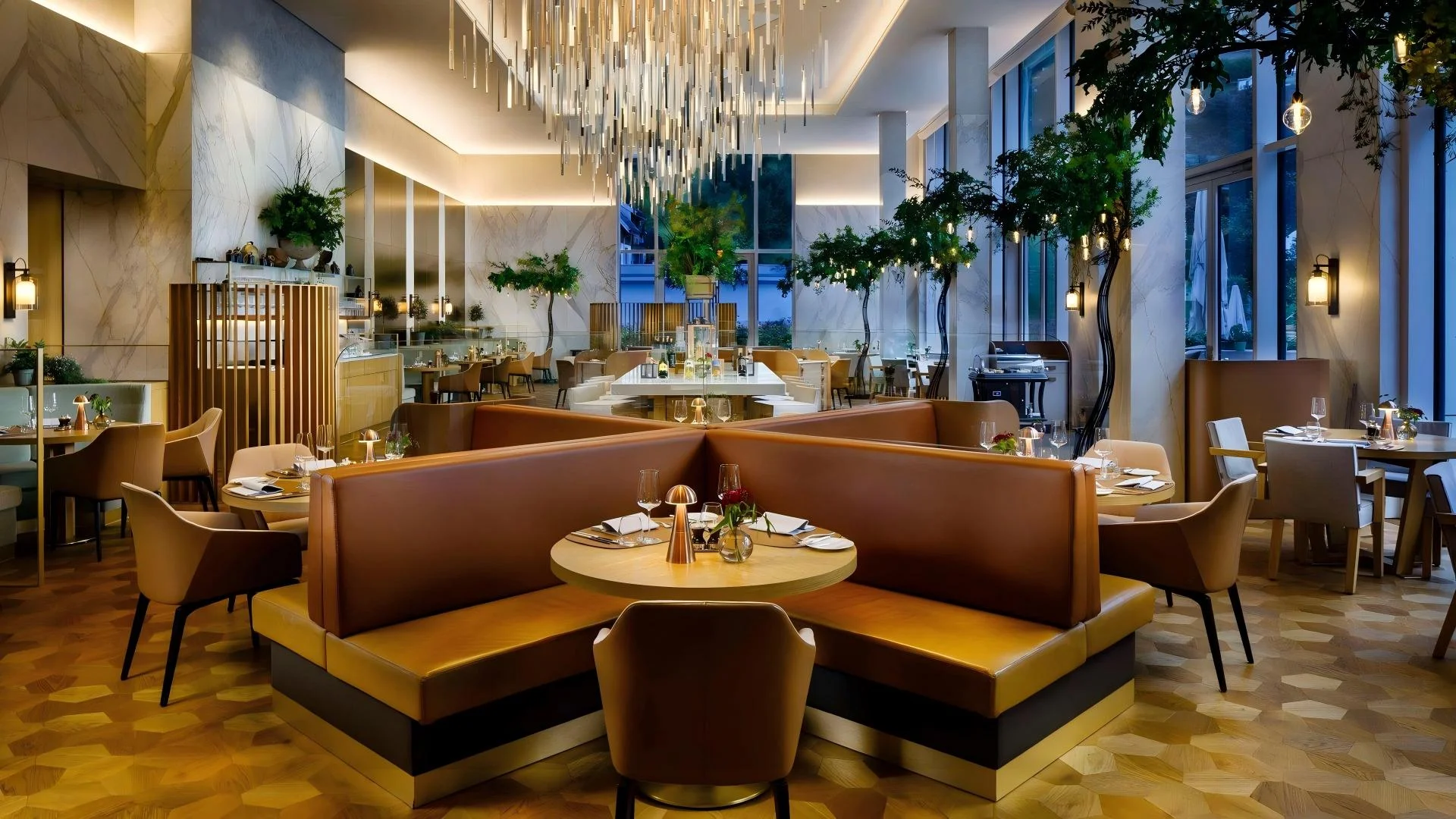
Fine dining restaurants and luxury hospitality projects usually focus on creating an exclusive and memorable experience. Customers expect elegant interiors, high-quality materials, comfortable seating, and carefully designed private spaces.
Premium restaurants often choose customized furniture, including upholstered chairs, sophisticated tables, and unique booth designs, to enhance the brand image and create a distinctive dining atmosphere.

Planning an Effective Restaurant Layout
The Importance of a Functional Restaurant Layout
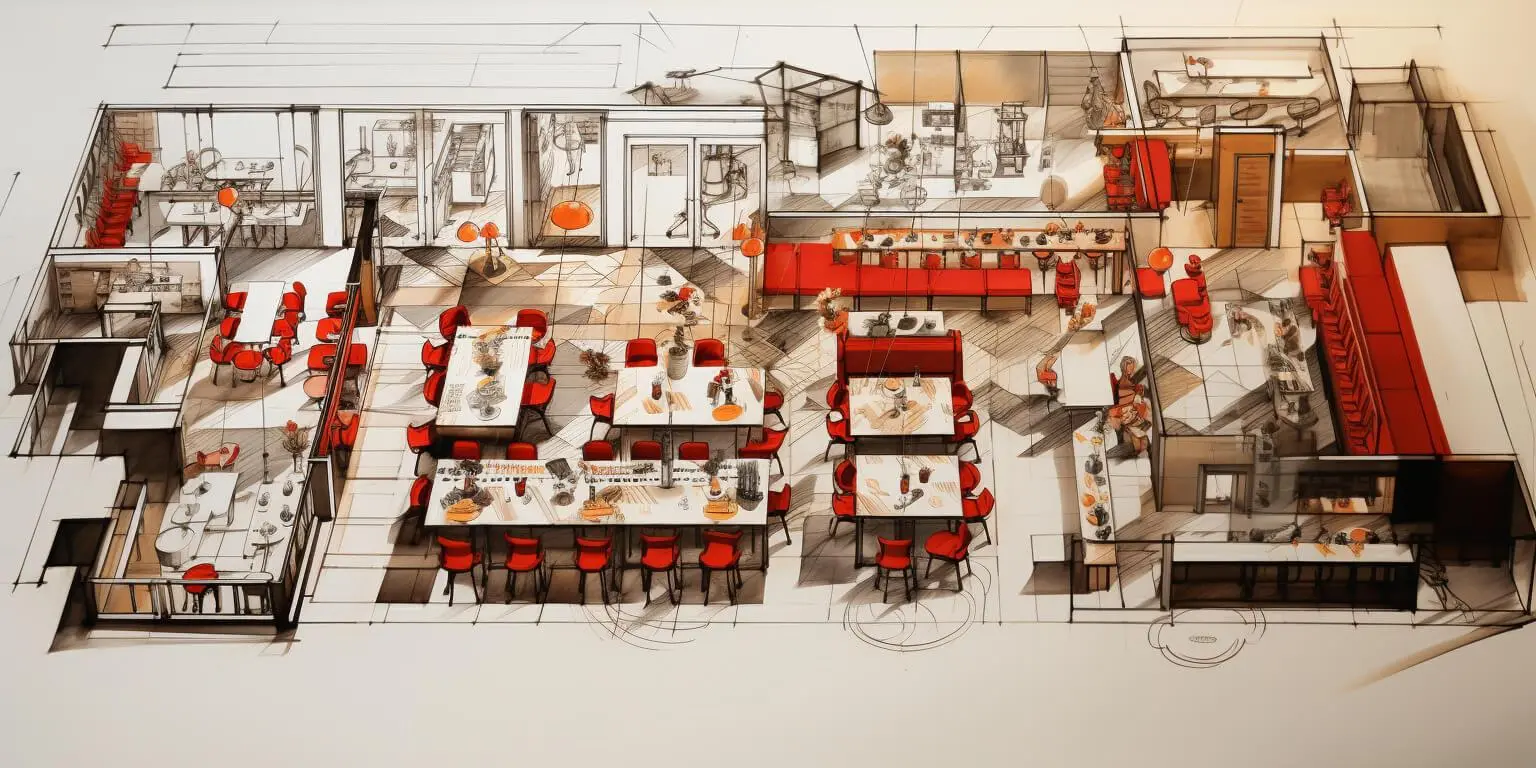
A restaurant layout is the foundation of efficient restaurant operations. It determines how different areas connect with each other, including the dining area, kitchen, entrance, waiting zone, bar, storage room, and service stations.
A poorly planned layout can create many operational problems. Customers may experience difficulty finding seats, employees may need to walk longer distances, and service speed may decrease. Over time, these problems can increase labor costs and negatively affect customer satisfaction.
Customer experience: Customers should be able to enter, find their seats, order food, dine, and leave comfortably without feeling crowded.
Employee efficiency: Servers should have clear pathways between the kitchen and dining area. Shorter service routes help improve speed and reduce unnecessary movement.
Space utilization: Every square meter should be used effectively while maintaining comfort and safety.
The best restaurant layouts are not necessarily the ones with the most tables. Instead, they are designs that maximize business performance by creating smooth movement, comfortable seating, and an enjoyable dining atmosphere.

Understanding Different Types of Restaurant Layout Designs
Different restaurants may require completely different space planning strategies. A luxury restaurant may prioritize privacy and spacious seating areas, while a fast-casual restaurant may focus on customer turnover and efficient movement. Cafes and bistros may need flexible arrangements that support both short visits and longer stays.
Understanding different layout styles allows restaurant owners and designers to create spaces that maximize functionality while maintaining an attractive appearance.
Open Restaurant Layout
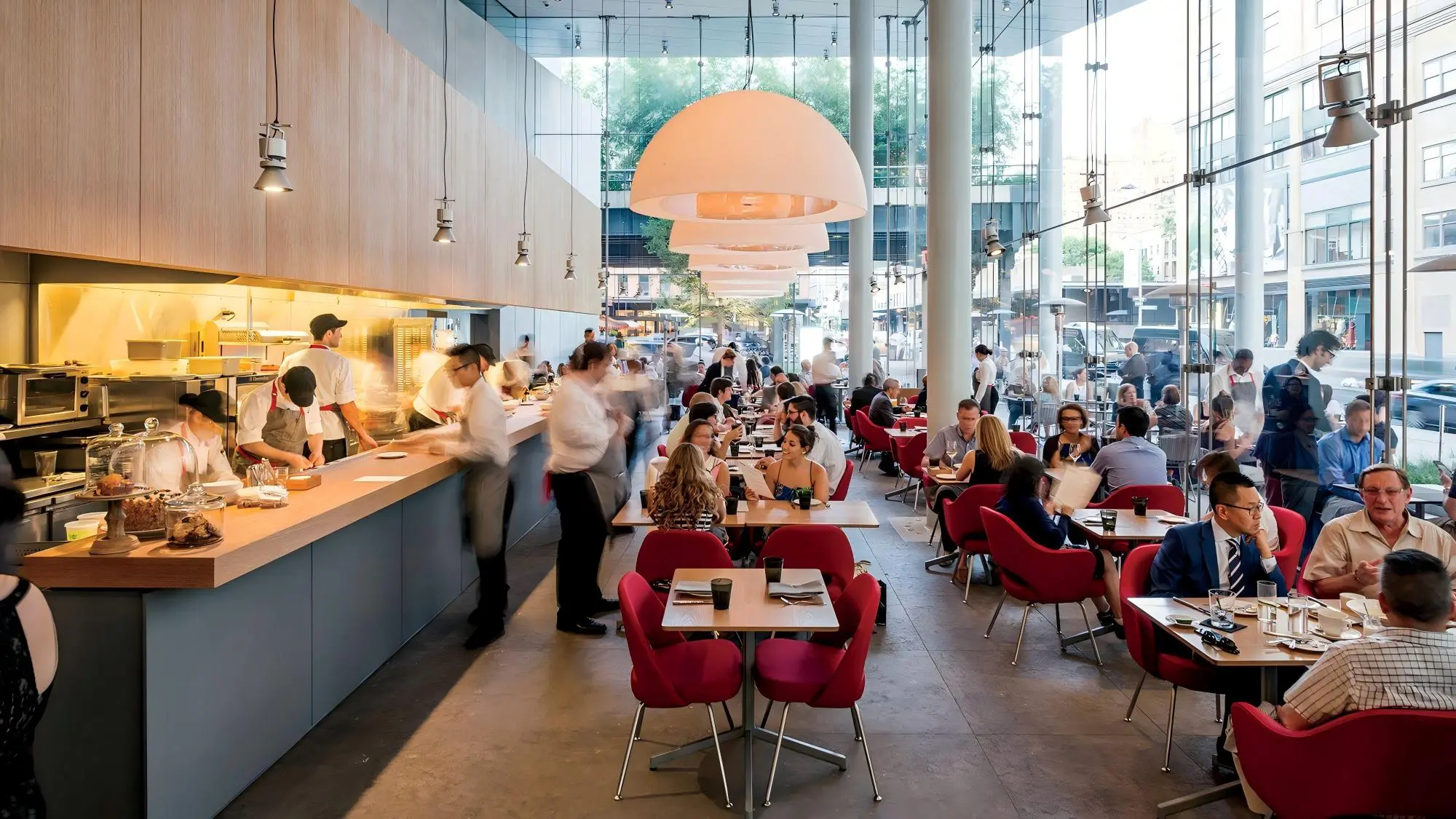
An open restaurant layout is a popular choice for modern restaurants, cafes, and casual dining spaces. This design removes unnecessary barriers and creates a spacious visual experience. Customers can easily see the entire dining area, which creates a more welcoming and social atmosphere.
One major advantage of an open layout is flexibility. Tables and chairs can often be rearranged for different customer groups, private events, or seasonal changes. This makes the space easier to adapt to different business needs.
However, open layouts require careful planning. Without proper zoning, the restaurant may feel noisy or lack privacy. The placement of furniture, lighting, plants, partitions, and decorative elements can help create different functional areas while maintaining an open feeling.

Traditional Dining Layout
Traditional dining layouts remain one of the most common designs for restaurants around the world. This layout typically includes individual tables and chairs arranged in organized rows or sections.
This design works well for family restaurants, casual dining restaurants, and many commercial dining spaces because it provides clear organization and easy management.
The main advantage of a traditional dining layout is operational efficiency. Staff members can easily identify tables, serve customers, and manage reservations. Customers also enjoy a familiar dining experience because the seating arrangement feels comfortable and predictable.
When designing this type of layout, restaurants should pay attention to table spacing. Customers need enough personal space to enjoy meals comfortably, while employees need sufficient room to move between tables.

Booth Seating Layout
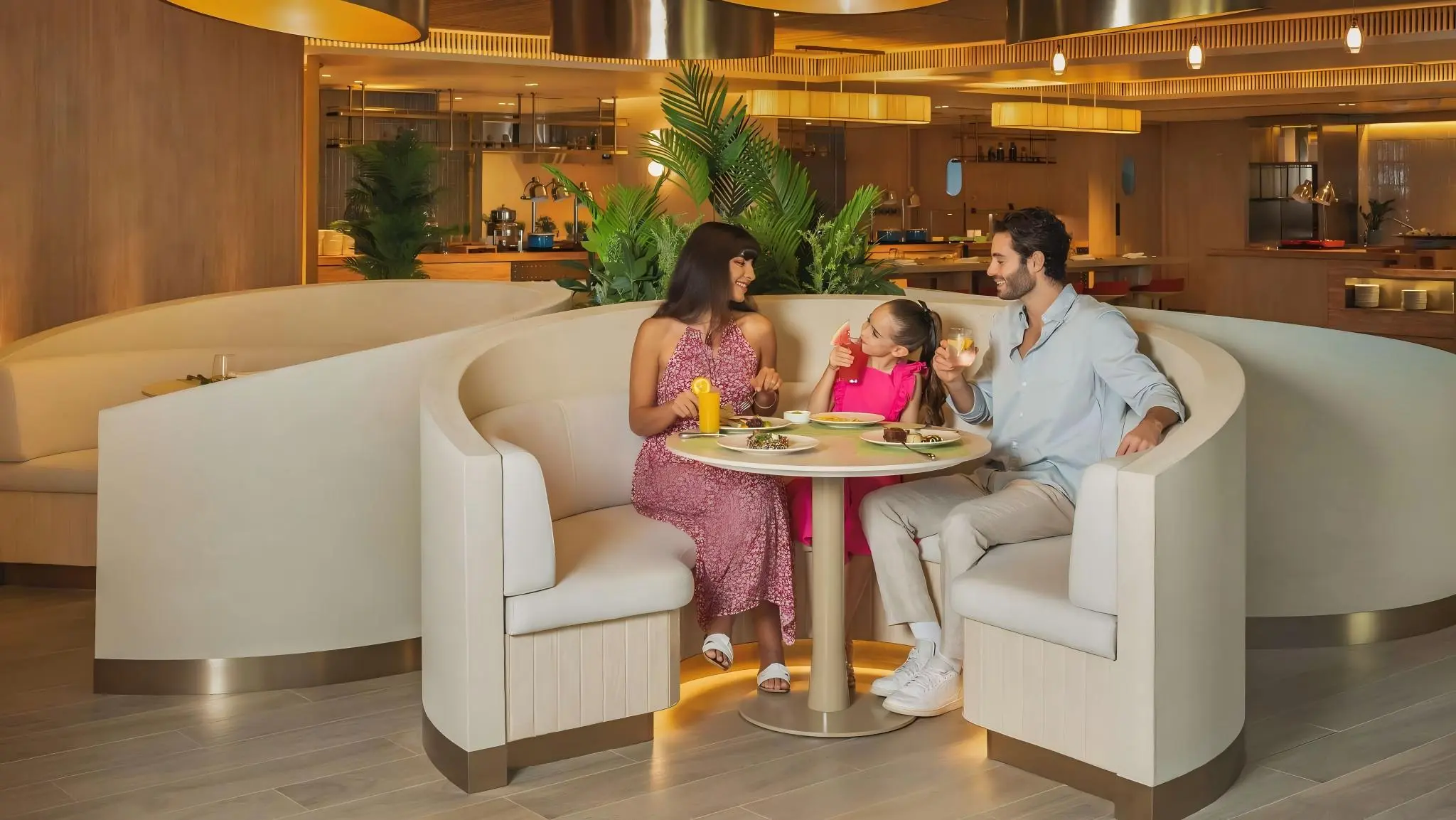
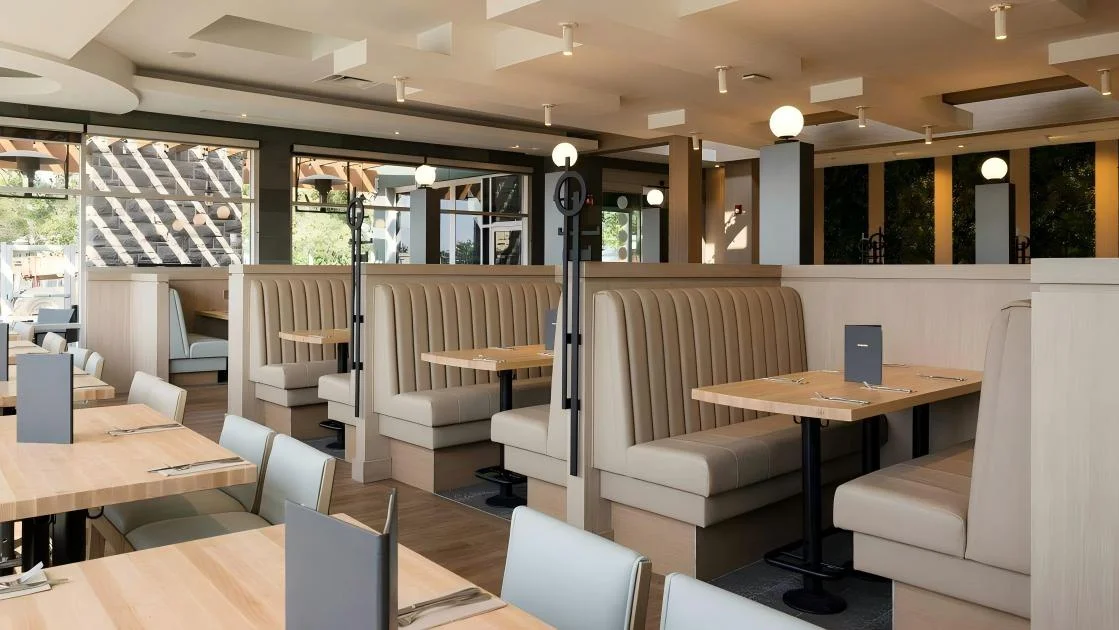
Booth seating has become increasingly popular in restaurants because it provides comfort, privacy, and efficient space utilization. Booths are commonly found in diners, cafes, family restaurants, hotels, and modern casual dining spaces.
Compared with traditional chairs, booth seating creates a more private dining experience. Customers often feel more comfortable because they have a defined personal area. This makes booths especially attractive for customers who prefer longer meals, conversations, or group dining.
There are several common booth designs:
- Single Booth: A single booth is placed against a wall and paired with a table. It is ideal for maximizing wall space.
- Double Booth: A double booth places seating on both sides of a table and is commonly used in restaurants with higher seating capacity requirements.
- Corner Booth: Corner booths utilize difficult spaces efficiently and can create cozy dining areas.
- Custom Booth Seating: Restaurants with unique concepts may choose customized booth designs with specific materials, colors, and dimensions.
When considering seating in a restaurant, booth seating is often an excellent solution because it combines customer comfort with practical space management.

Space Allocation in Restaurant Layout Planning
One of the biggest challenges in restaurant design is deciding how much space should be allocated to each functional area. A restaurant must balance customer seating capacity with kitchen efficiency, employee movement, storage needs, and customer comfort.
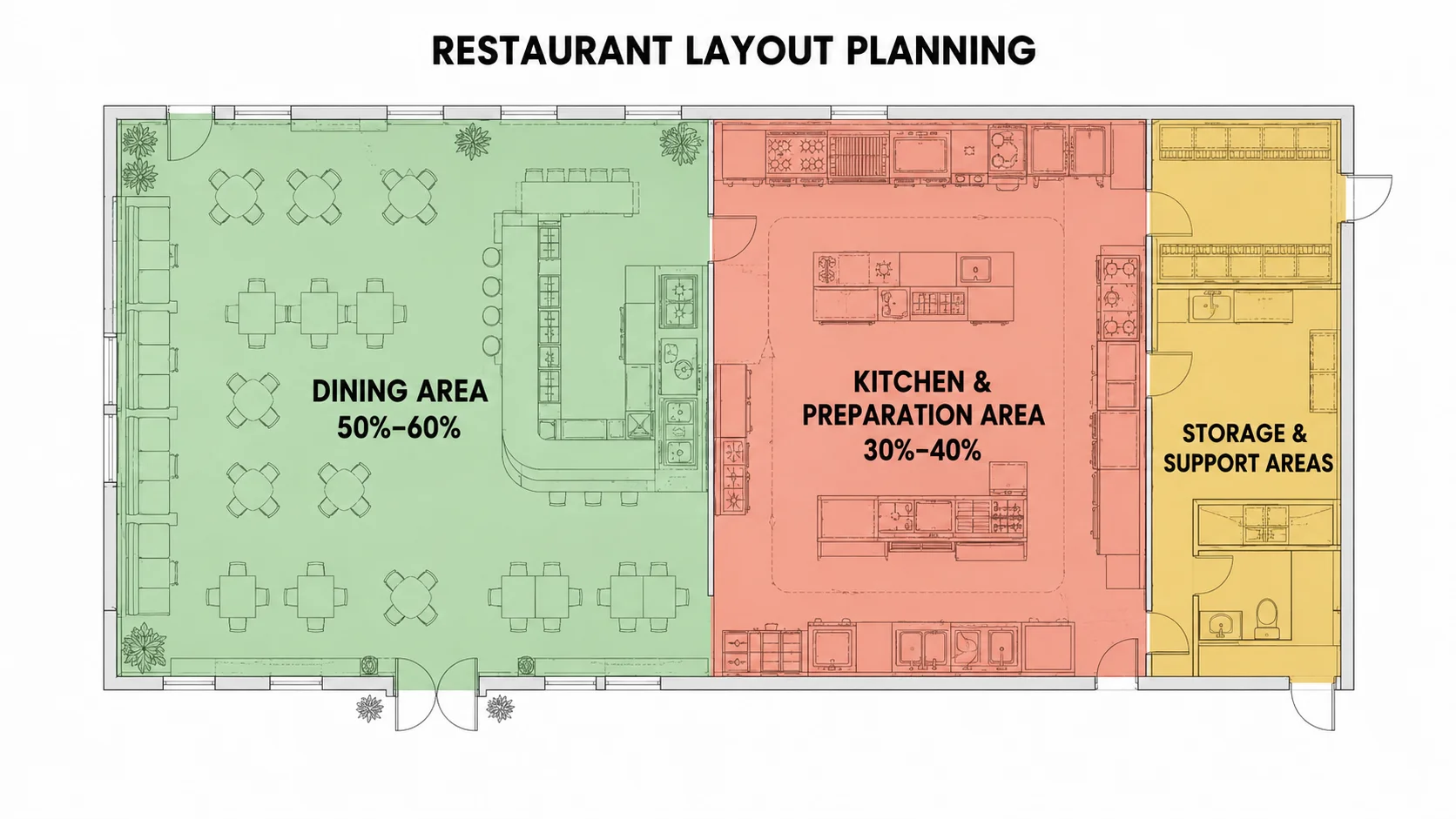
Although exact proportions depend on the restaurant type, many commercial restaurants follow general space allocation principles:
Dining Area: Approximately 50%–60%
The dining area is usually the largest part of the restaurant because it directly generates revenue. However, maximizing the number of seats should not be the only goal. Customers need comfortable spacing between tables.
A crowded dining area may increase short-term capacity but can create negative experiences. Comfortable seating encourages customers to stay longer and improves overall satisfaction.
Kitchen and Preparation Area: Approximately 30%–40%
The kitchen requires enough space for food preparation, cooking equipment, storage, and employee movement. An inefficient kitchen layout can slow down service and affect customer experience.
Storage and Support Areas
Storage rooms, employee areas, cleaning stations, and service zones are also important. Although these areas do not directly generate sales, they support smooth restaurant operations.

How to Choose the Right Seating in a Restaurant
Choosing the right seating is one of the most important decisions in restaurant design. Customers spend most of their dining experience sitting, which means seating directly affects comfort, satisfaction, and their overall impression of the restaurant.
When planning seating in a restaurant, business owners should consider more than simply the number of available seats. A successful seating strategy should balance capacity, comfort, customer behavior, and operational efficiency.
A restaurant with too few seats may lose potential revenue during busy hours, while a restaurant with too many seats may create an uncomfortable environment where customers feel crowded. The ideal seating arrangement provides enough capacity while maintaining appropriate space between tables.
Different customer groups also have different seating expectations. Couples may prefer private and comfortable seating, families may need larger tables or booths, business customers may look for quiet areas, and casual visitors may prefer flexible seating options.
The best restaurant seating design combines different seating styles to meet various customer needs. By carefully selecting chairs, booths, stools, and tables, restaurants can create a more attractive and functional dining environment.

Restaurant Chairs: The Foundation of Comfortable Dining
Restaurant chairs are one of the most common seating solutions and are suitable for almost every type of dining establishment. From cafes and casual restaurants to hotels and fine dining venues, chairs provide flexibility and allow restaurants to adjust their seating arrangements easily.
When selecting restaurant chairs, several factors should be considered:
舒适
Customer comfort is the first priority. The chair height, seat depth, back support, and cushion design all influence the dining experience. A visually attractive chair that is uncomfortable may negatively affect customer satisfaction.
耐用性
Commercial restaurant chairs must withstand frequent daily use. Unlike residential furniture, restaurant furniture is used continuously for many hours every day. Strong structures, high-quality materials, and reliable construction are essential.
Maintenance
Restaurant chairs should be easy to clean and maintain. Materials such as commercial fabrics, treated wood, metal, and durable finishes are often preferred because they can handle heavy usage.
Style Compatibility
The chair design should match the restaurant concept. Wooden chairs create a warm and natural atmosphere, metal chairs suit industrial-style spaces, and upholstered chairs provide a more premium appearance.
专业人员 餐厅家具制造商 can provide different chair styles and customization options to match specific restaurant themes and project requirements.
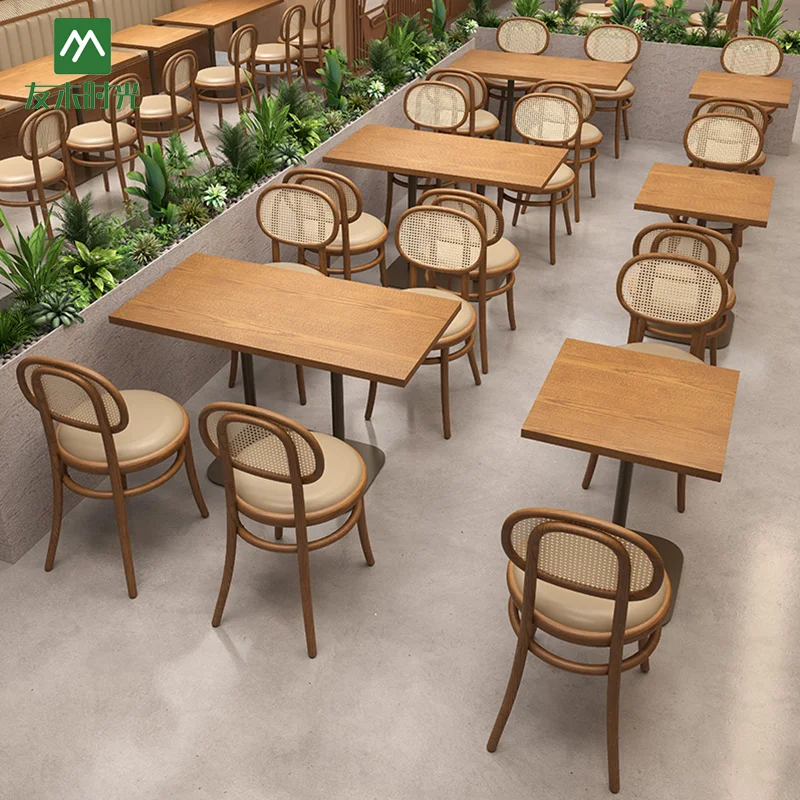
Different Styles of Restaurant Chairs:
Restaurant Booth Seating: Maximizing Comfort and Space Efficiency
Restaurant booth seating has become a popular choice for many commercial dining spaces because it provides both comfort and efficient use of space.
Unlike traditional chairs, booths create a semi-private dining area. Customers often feel more relaxed because booths provide a sense of separation from surrounding tables. This makes them especially suitable for restaurants where customers spend more time dining and socializing.
Booth seating offers several advantages:
Better Customer Comfort
Booths usually include padded seats and backrests, providing better support compared with standard chairs. This encourages customers to stay longer and enjoy a more comfortable dining experience.
Improved Space Utilization
Corner booths and wall booths can make use of areas that might otherwise be difficult to utilize. This allows restaurants to increase seating capacity without making the dining area feel crowded.
Enhanced Restaurant Appearance
Well-designed booths can become a key visual feature. Different upholstery materials, colors, and shapes can help strengthen the restaurant’s interior style.
Common booth materials include:
- Genuine leather
- Artificial leather
- Fabric upholstery
- Wood panels
- Metal frames
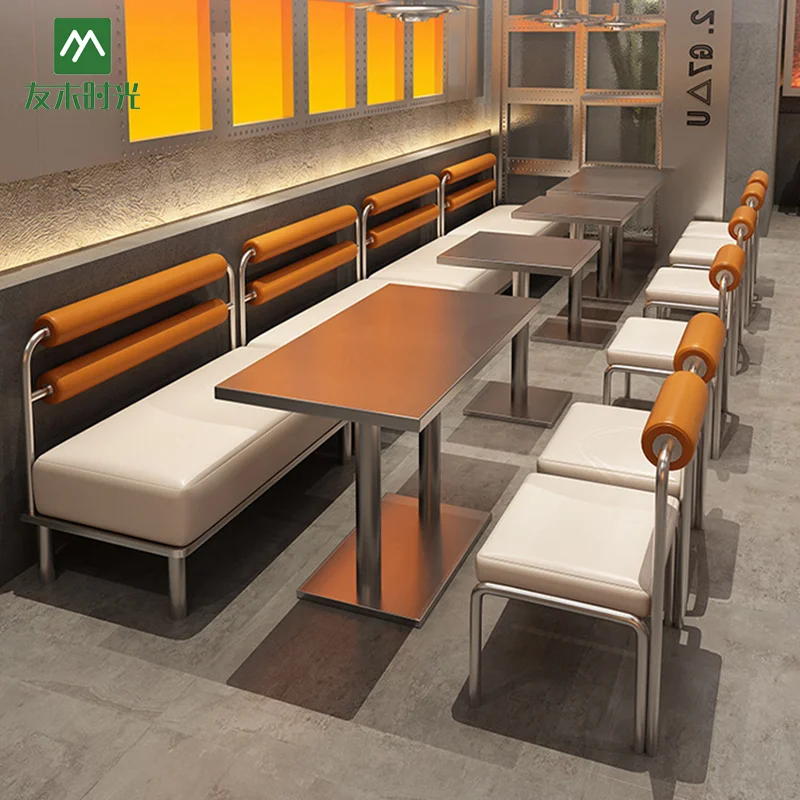
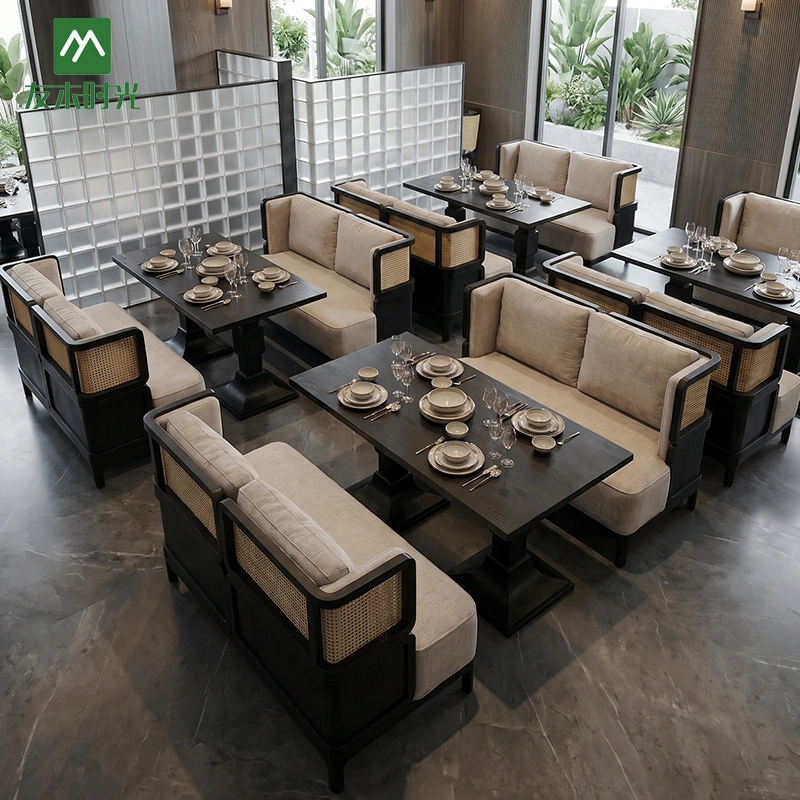
Different Styles of Restaurant Booths:
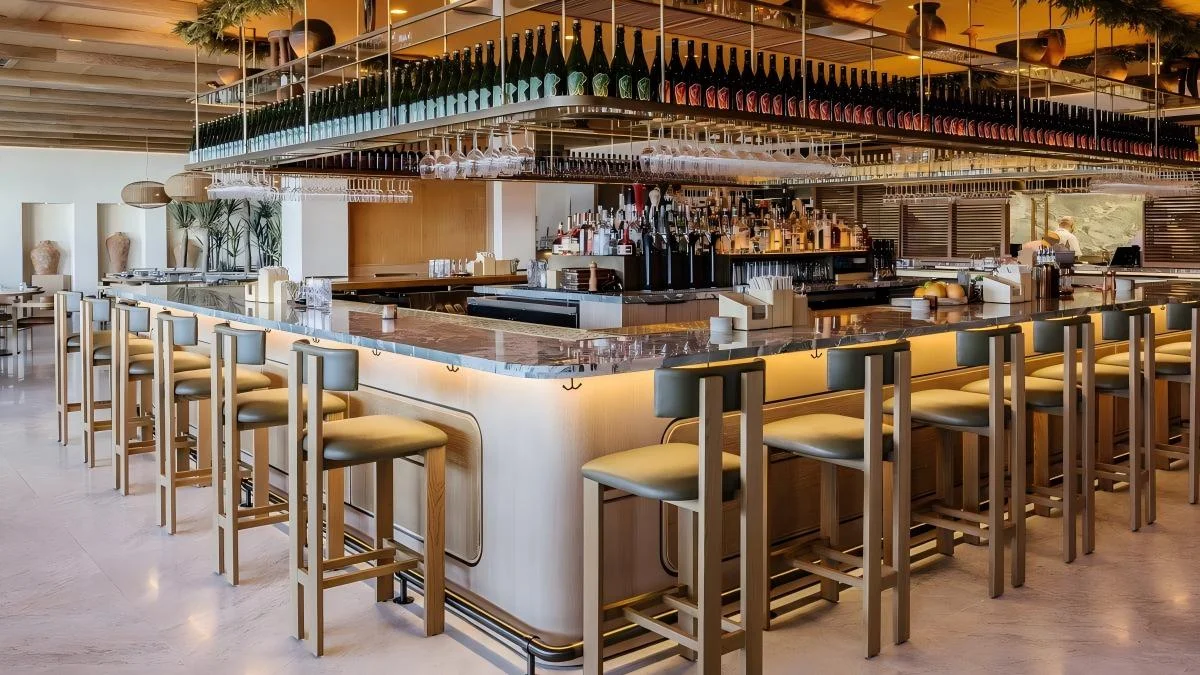
Bar Stools and Counter Seating
Bar stools and counter seating are commonly used in cafes, bars, restaurants, and modern dining spaces. They create a more casual atmosphere and allow restaurants to utilize vertical space effectively.
When choosing bar stools, restaurants should consider:
Correct Height
The height difference between the counter and stool is important. Customers should be able to sit comfortably without feeling too high or too low.
Stability
Commercial bar stools need strong structures because they are frequently used. A stable base and durable materials are essential for safety.
舒适
Although bar seating is often designed for shorter visits, comfortable footrests, supportive seats, and ergonomic designs can improve customer experience.
Bar stools are especially useful for:
- Coffee shops
- Cocktail bars
- Hotel lounges
- Breakfast restaurants
- Open kitchen concepts
They can also increase seating variety by providing customers with different dining options.

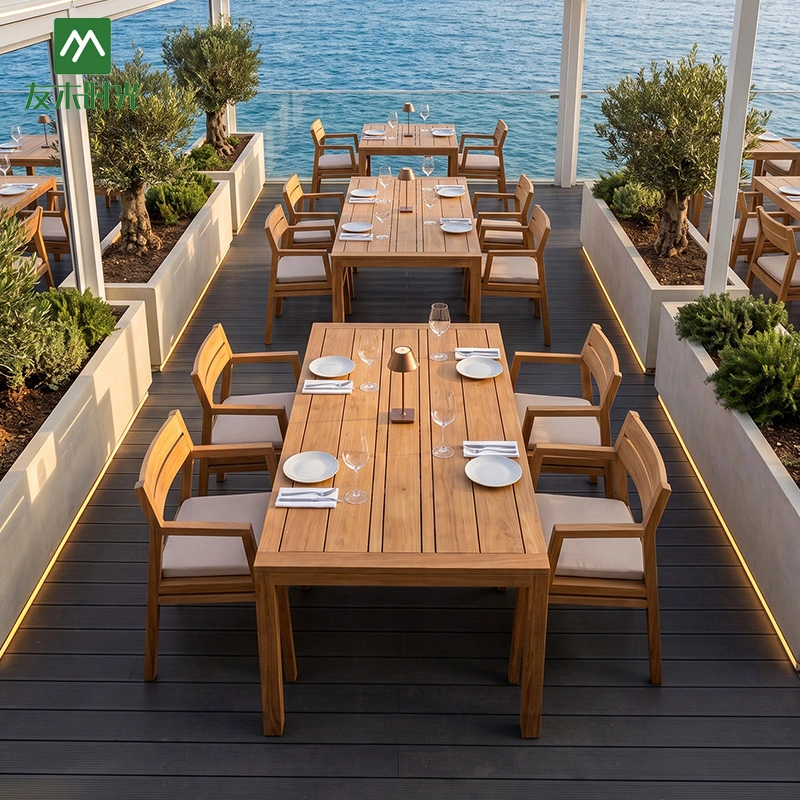
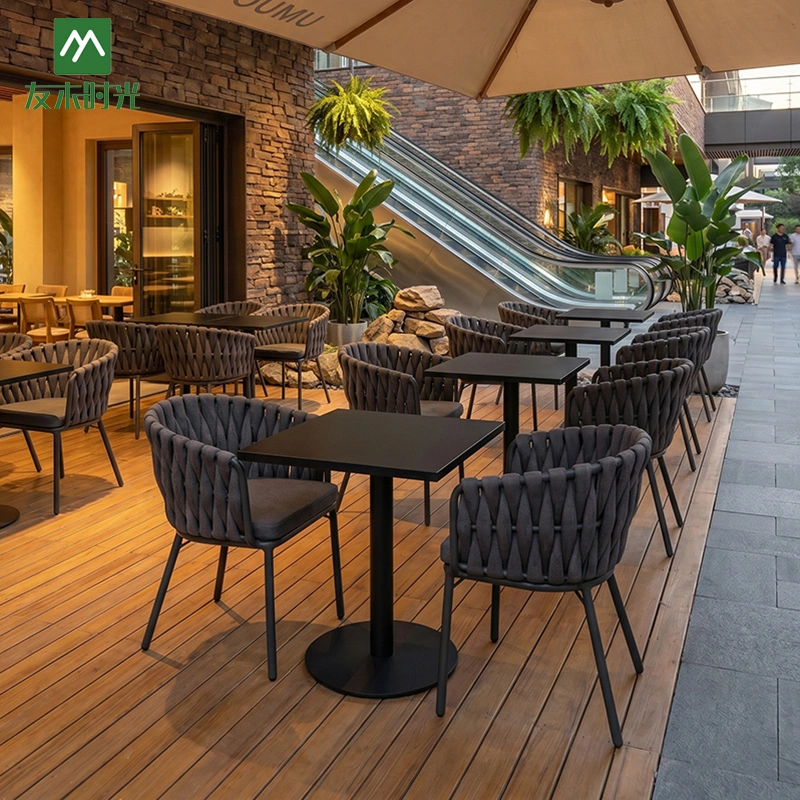
Outdoor Restaurant Seating
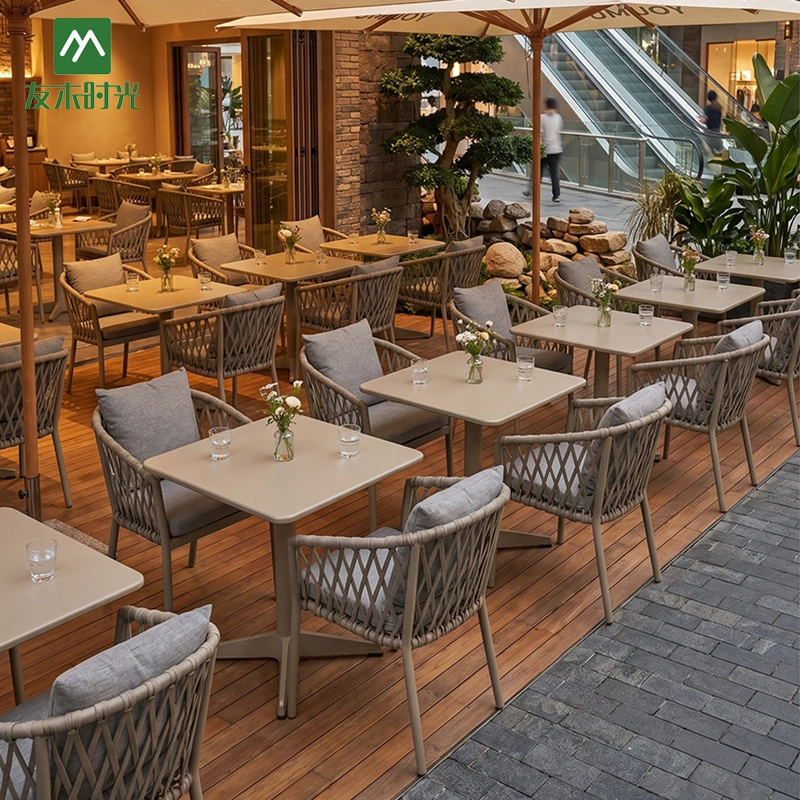
Outdoor dining has become increasingly popular as customers look for open-air experiences. Restaurants with patios, terraces, gardens, or rooftop areas need furniture that can withstand changing weather conditions while maintaining an attractive appearance.
Outdoor restaurant seating requires different considerations compared with indoor furniture.
Important factors include:
- Teak wood
- 铝质
- Stainless steel
- Synthetic wicker
- Weather-resistant fabrics
Easy Maintenance
Outdoor furniture should be easy to clean because it is exposed to dust, rain, and other environmental factors.
Design Consistency
Outdoor furniture should match the indoor restaurant style. A consistent design helps create a complete brand experience.
Choosing suitable outdoor seating allows restaurants to expand their capacity and create additional revenue opportunities.
Different Styles ofOutdoor Restaurant Furniture:
Restaurant Furniture Materials: How to Choose the Best Option
The material of restaurant furniture affects durability, appearance, maintenance, and customer perception. Different materials create different atmospheres and provide different levels of performance.
Restaurant owners should choose materials based on usage frequency, interior style, budget, and maintenance requirements.
Wood Restaurant Furniture
Wood is one of the most popular materials for restaurant furniture because it creates a warm and natural atmosphere.
Wood furniture is commonly used in:
- Bistro restaurants
- Cafes
- Family restaurants
- Traditional dining spaces
Advantages include:
- Natural appearance
- Strong visual appeal
- Various finishing options
Different wood finishes can create different styles, from rustic designs to modern minimalist interiors.
However, commercial wood furniture should receive proper treatment to improve durability and resistance to daily use.

Metal Restaurant Furniture
Metal furniture is widely used in commercial restaurants because of its strength and durability.
Common applications include:
- Industrial-style restaurants
- Outdoor dining areas
- Cafes
- Bars
Advantages:
- Strong structure
- Long service life
- Easy maintenance
Metal frames can also be combined with wood, leather, or fabric materials to create modern mixed-material designs.

Upholstered Restaurant Furniture
Upholstered furniture is often associated with premium dining experiences. Soft seats and backrests improve comfort and create a more luxurious atmosphere.
It is commonly used in:
- Fine dining restaurants
- Hotel restaurants
- Premium cafes
- Lounge areas
Advantages:
- High comfort level
- Elegant appearance
- Customizable colors and fabrics
Because upholstered furniture requires more maintenance, restaurants should select commercial-grade materials that are easy to clean and durable.

Matching Restaurant Furniture With Different Restaurant Styles
Furniture selection should always match the restaurant’s overall design style. The right furniture helps strengthen brand identity and creates a consistent customer experience.
Modern Restaurant Style
Modern restaurants usually focus on simplicity, functionality, and clean visual design.
Recommended furniture:
- Minimalist chairs
- Metal frame tables
- Neutral colors
- Simple booth designs
The goal is to create an elegant but practical environment.
Bistro and Cafe Style
Bistros and cafes often require compact, stylish, and flexible furniture.
Popular choices include:
- Bistro tables
- Small dining chairs
- 酒吧凳
- Outdoor seating
The furniture should create a relaxed atmosphere while allowing efficient use of limited space.
Conclusion: Creating a Successful Restaurant Through Smart Design
A successful restaurant is built on the combination of thoughtful planning, comfortable seating, efficient layout, and suitable furniture selection.
The right restaurant layout improves customer flow, increases operational efficiency, and creates a better dining experience. Comfortable seating in a restaurant encourages customers to stay longer and enjoy their meals. High-quality furniture strengthens the restaurant’s visual identity and supports long-term business growth.
For restaurant owners and hospitality projects, furniture should not be considered only as decoration. It is an investment that influences customer satisfaction, brand image, and daily operation.
By working with an experienced 餐厅家具批发制造商, businesses can create customized furniture solutions that match their concepts, budgets, and commercial requirements.
Whether designing a small cafe, a modern bistro, or a large restaurant project, careful planning and professional furniture selection are the keys to building a successful dining environment.