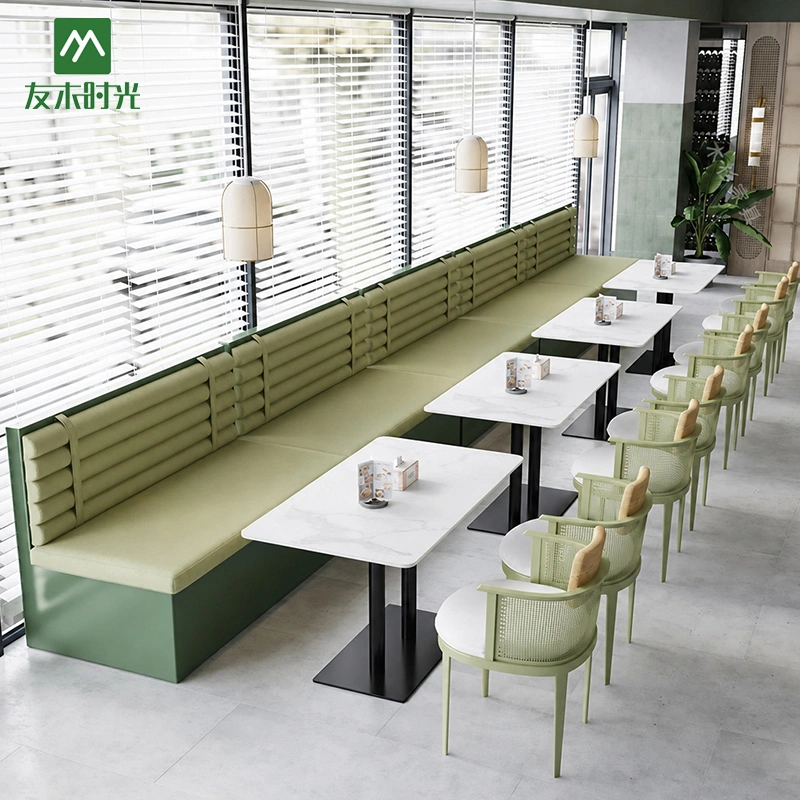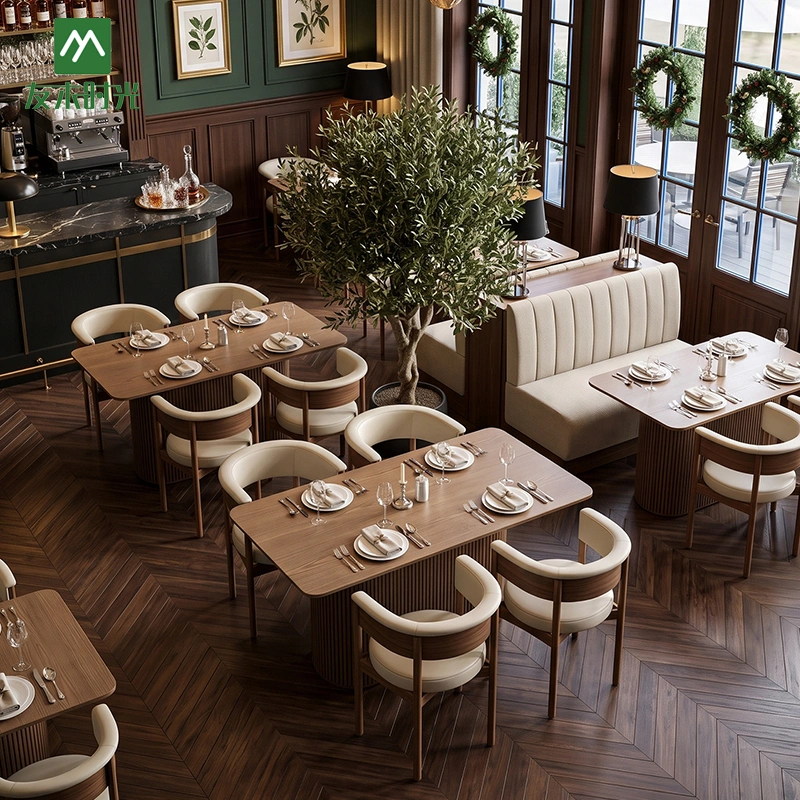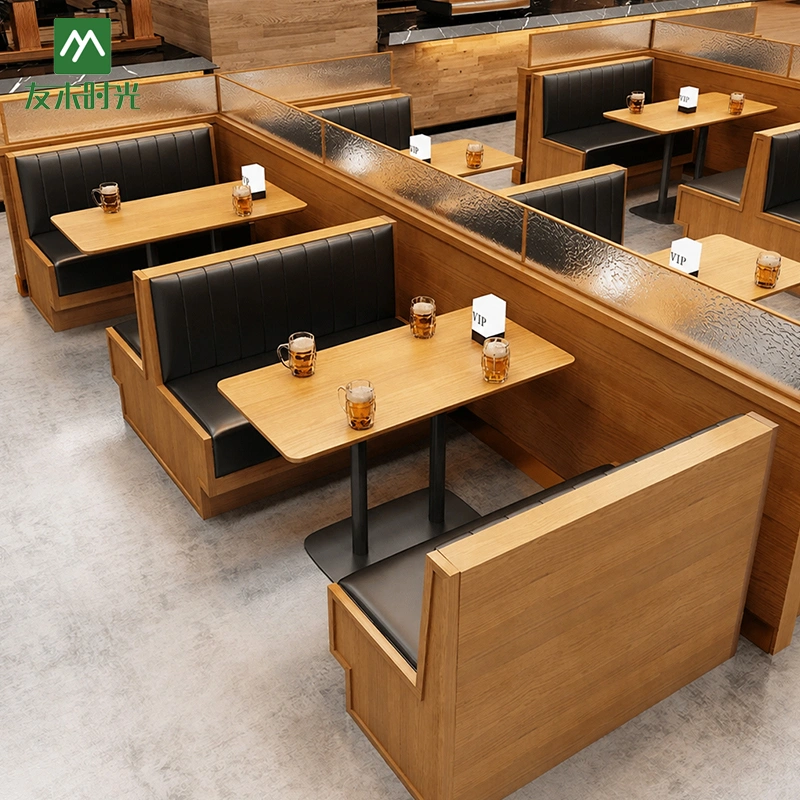
Choosing the right outdoor restaurant furniture is essential for creating a comfortable, attractive, and durable dining environment.
When comparing teak vs. metal outdoor restaurant furniture, both materials offer advantages for commercial dining spaces. Teak is valued for its natural appearance and weather resistance, while metal provides versatile designs, structural strength, and practical maintenance options.
As a professional outdoor furniture supplier, I will compare different options in terms of performance, cost, and application scenarios to help restaurant owners and commercial buyers make more informed purchasing decisions.
What Are Teak and Metal Outdoor Restaurant Furniture?
Teak and metal are widely used materials for commercial outdoor furniture, but they differ in appearance, construction, maintenance requirements, and suitability for different restaurant environments.
Teak Outdoor Restaurant Furniture
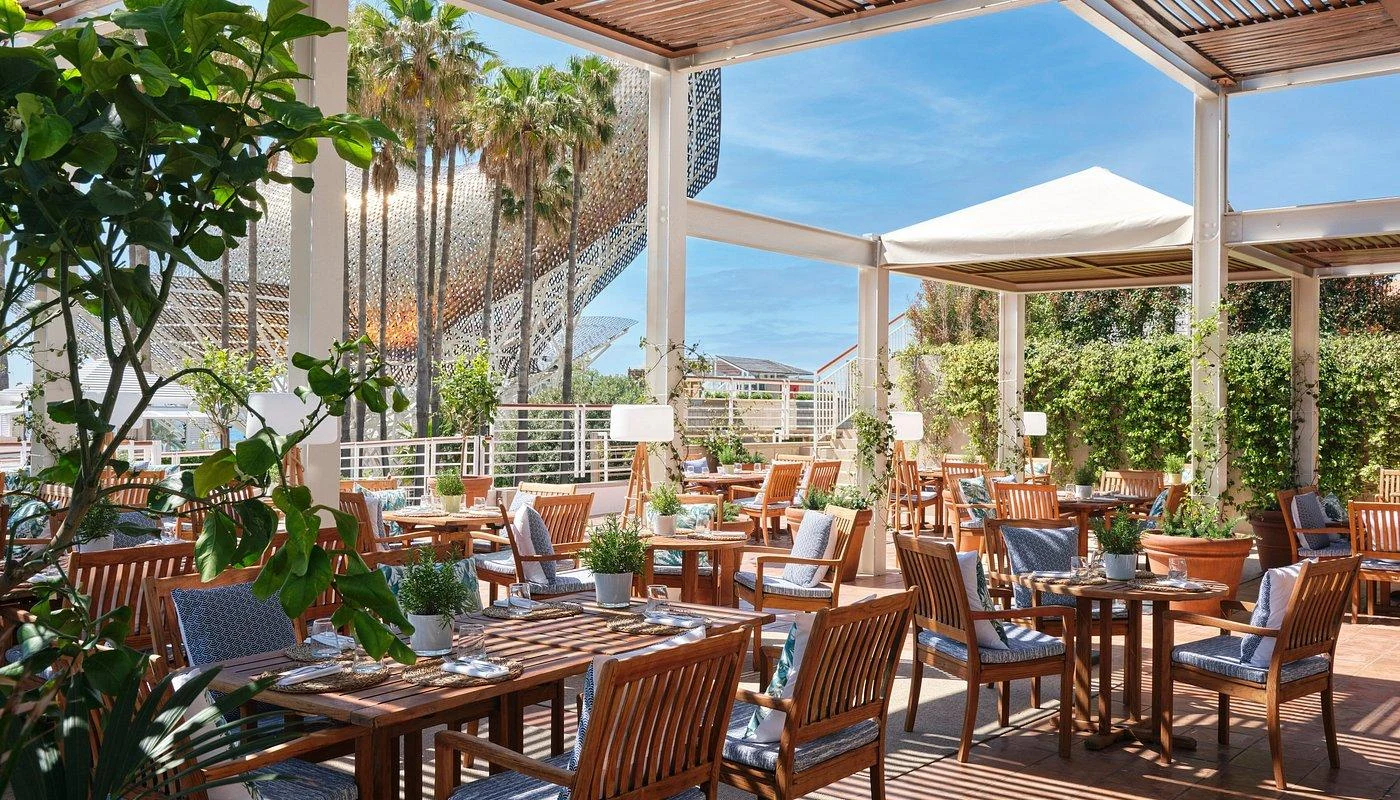
Teak outdoor furniture is made from a dense hardwood containing natural oils that help resist moisture, decay, and outdoor weather conditions. Its warm golden-brown color and distinctive wood grain make it particularly suitable for luxury hotels, garden restaurants, and resort dining areas.
Teak is commonly used for outdoor dining tables, chairs, benches, and lounge furniture. Over time, untreated teak develops a silver-gray patina without necessarily losing its structural durability.
For restaurants seeking a warmer appearance, oiled teak outdoor furniture can help maintain a richer wood tone, although additional maintenance may be required.
Metal Outdoor Restaurant Furniture
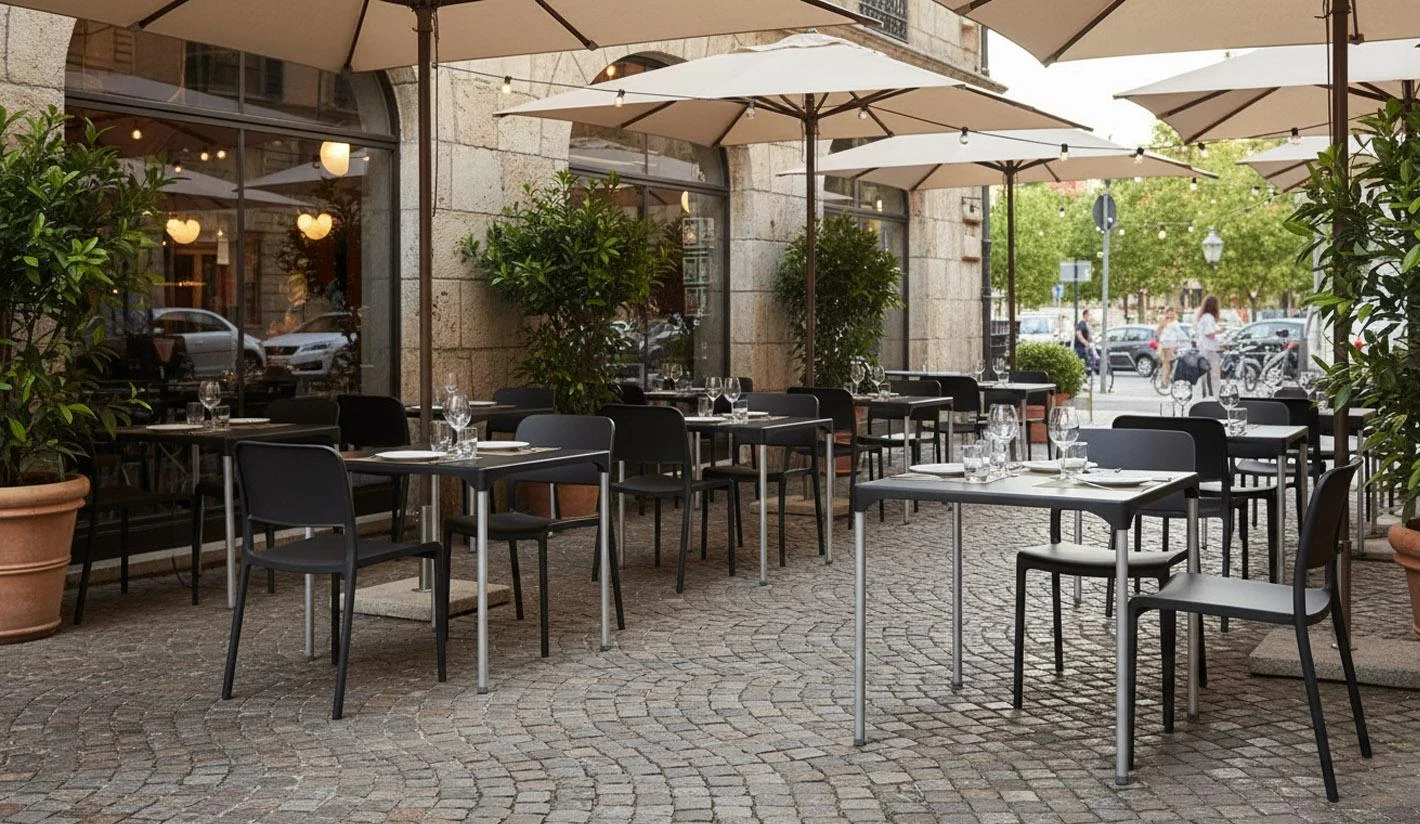
Metal outdoor furniture is commonly manufactured using aluminum, steel, or stainless steel. Each material offers different characteristics in terms of weight, corrosion resistance, and structural performance.
Aluminum is lightweight and naturally corrosion-resistant, making it suitable for restaurant patios that require flexible seating arrangements. Steel provides strength and stability but requires appropriate protective finishes, while stainless steel offers good corrosion resistance depending on the grade and environment.
With various frame designs, powder-coated finishes, and color options, metal furniture is a practical choice for contemporary restaurants, outdoor cafés, and commercial dining spaces.
Teak vs. Metal Outdoor Restaurant Furniture: Key Differences
The main differences between teak and metal furniture involve appearance, weather resistance, durability, maintenance, comfort, and purchasing cost.
| Comparison | Teak Outdoor Furniture | Metal Outdoor Furniture |
|---|---|---|
| Appearance | Natural, warm wood grain | Modern, versatile designs |
| Weather Resistance | Naturally resistant to moisture and decay | Depends on metal grade and protective finish |
| 耐用性 | Long-lasting with quality construction | Strong and durable with suitable materials |
| 维护 | Regular cleaning; optional oil treatment | Cleaning and occasional coating inspection |
| Weight | Generally relatively heavy | Lightweight aluminum or heavier steel |
| 舒适 | Natural surface feel | Can become hot in direct sunlight |
| Initial Cost | Usually higher | Wide range of price options |
| 定制的 | Wood finishes, dimensions, and structures | Flexible colors, shapes, and frame designs |
| Suitable Applications | Resorts, garden restaurants, and luxury hotels | Outdoor cafés, rooftop restaurants, and modern commercial spaces |
Neither material is universally superior. The performance of outdoor restaurant tables and chairs also depends on material quality, manufacturing techniques, surface treatments, and the conditions in which the furniture will be used.
Which Material Performs Better in Different Outdoor Conditions?
Weather conditions are among the most important considerations when selecting restaurant patio furniture. Sunlight, rain, humidity, and coastal salt exposure can affect materials differently.
Hot and Sunny Environments
Teak performs well in sunny outdoor areas due to its natural weather resistance. Its wooden surface may also feel more comfortable to the touch than exposed metal under certain conditions.
Metal furniture, particularly dark-colored designs, can become hot after prolonged exposure to direct sunlight. Restaurants can improve comfort through shaded seating areas, suitable surface finishes, and outdoor cushions.
Rainy and Humid Environments
Teak contains natural oils that help protect the wood against moisture, making it suitable for humid climates and outdoor dining areas exposed to occasional rain.
Metal furniture can also perform well in wet environments when the correct materials and coatings are used. Powder-coated aluminum is a popular option because it offers corrosion resistance and is relatively easy to maintain.
For both materials, proper drainage, durable connections, and regular cleaning are essential for maintaining long-term performance.
Coastal Restaurant Environments
Coastal restaurants face additional challenges due to salt-laden air and high humidity. Teak is frequently selected for seaside resorts and beachfront dining areas because of its natural resistance to outdoor exposure.
For metal furniture, buyers should consider marine-suitable aluminum finishes, corrosion-resistant stainless steel components, and high-quality protective treatments. Poorly protected steel may deteriorate more quickly in coastal conditions.
When sourcing commercial outdoor furniture for coastal projects, material specifications and corrosion resistance should be evaluated before placing bulk orders.
How Do Maintenance Requirements and Long-Term Costs Compare?
The cost of outdoor restaurant furniture extends beyond the initial purchase price. Commercial buyers should also consider routine cleaning, maintenance, repairs, and eventual replacement.
Initial Purchase Cost
Teak furniture generally requires a higher initial investment because of its material cost, woodworking requirements, and premium market positioning.
Metal furniture offers a broader price range. Aluminum is often selected for commercial projects that require a balance of cost, appearance, and practical performance, while stainless steel and more complex metal constructions may involve higher manufacturing costs.
Cleaning and Maintenance
Teak furniture requires regular cleaning to remove dirt, food residue, and environmental buildup. Outdoor exposure gradually changes its original golden-brown color to silver-gray.
Restaurants that prefer the original warm appearance may choose oiled teak outdoor furniture. Applying a suitable teak oil or manufacturer-recommended treatment can help maintain the desired color, but treatments may need to be reapplied periodically.
Metal furniture usually requires routine cleaning and occasional inspection of its protective coating. Scratches, exposed steel, or damaged connections should be addressed promptly to reduce corrosion risks.
Long-Term Ownership Cost
For commercial restaurant projects, the total cost of ownership provides a more useful purchasing reference than the initial unit price.
Total Ownership Cost = Purchase Cost + Maintenance Cost + Repair Cost + Replacement Cost
For example, premium teak furniture may require a higher upfront investment but offer long-term value when properly maintained. Metal furniture may reduce routine appearance-maintenance work, particularly when suitable aluminum frames and protective finishes are selected.
Which Material Is Best for Different Types of Restaurants?
Different restaurant concepts have different requirements for appearance, seating arrangements, customer comfort, and maintenance. Selecting the right outdoor restaurant tables and chairs should begin with the practical needs of the dining space.
| Restaurant Type | Recommended Material | Key Consideration |
|---|---|---|
| Luxury Hotel Restaurants | Teak | Premium appearance and natural texture |
| Beachfront Restaurants | Teak or corrosion-resistant metal | Moisture and salt exposure |
| Rooftop Restaurants | 铝质 | Lightweight construction and modern design |
| Outdoor Cafés | Aluminum or teak | Flexible seating and visual appeal |
| High-Traffic Restaurant Patios | Commercial-grade metal or teak | Structural durability and easy maintenance |
| Garden Restaurants | Teak | Natural appearance and landscape integration |
Luxury Hotels and Resort Restaurants
Teak is particularly suitable for high-end outdoor dining environments where natural materials and visual quality are important. Its wood grain creates a warm atmosphere that complements landscaping, stone finishes, and resort architecture.
Modern Cafés and Rooftop Restaurants
Metal furniture, particularly powder-coated aluminum, is often preferred for modern commercial spaces. Its lightweight construction makes it easier for restaurant staff to rearrange seating, while a wide selection of colors and frame designs supports different interior and exterior concepts.
High-Traffic Outdoor Dining Areas
Restaurants with frequent customer turnover should prioritize stable structures, durable finishes, easy cleaning, and practical furniture arrangements.
For large hospitality projects, combining teak tables with metal chairs or incorporating mixed-material furniture can also provide a balance between natural appearance and functional performance.
Conclusion: Teak or Metal — Which Is Better for Your Restaurant?
When comparing teak vs. metal outdoor restaurant furniture, the best choice depends on the restaurant’s design concept, operating environment, maintenance expectations, and purchasing budget. Teak offers natural beauty and long-term outdoor performance, making it attractive for luxury hotels and resort dining spaces. Metal furniture provides versatile designs, practical maintenance options, and flexibility for modern commercial environments.
Looking for outdoor furniture for your restaurant or hospitality project? Contact our team to explore teak and metal furniture options, discuss your customization requirements, and request a quotation for your bulk order.