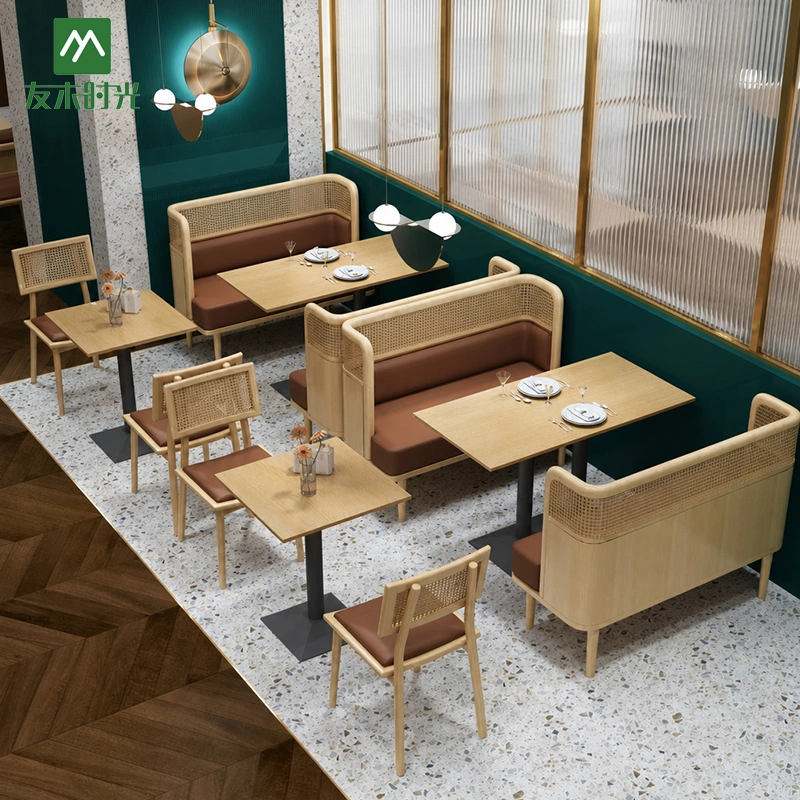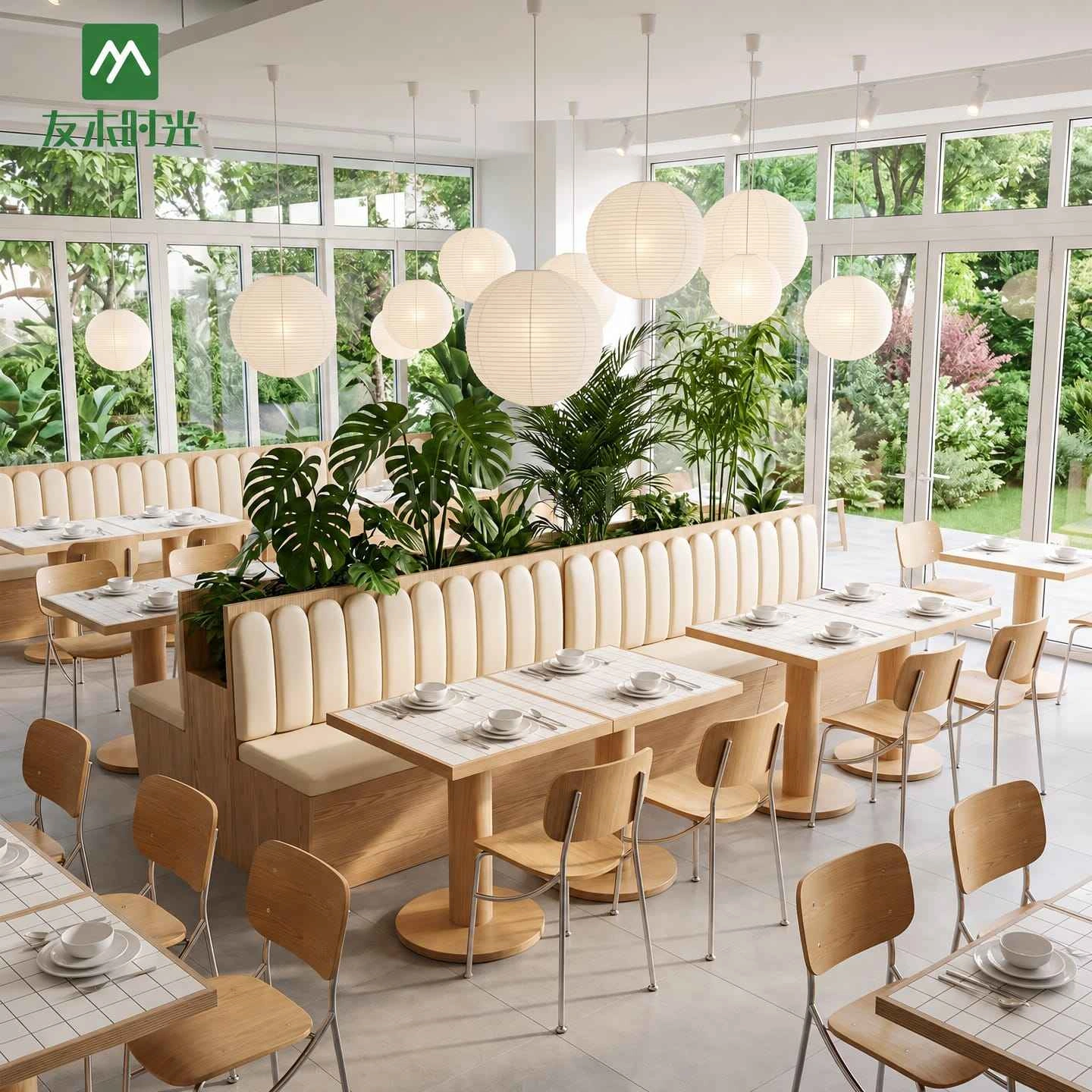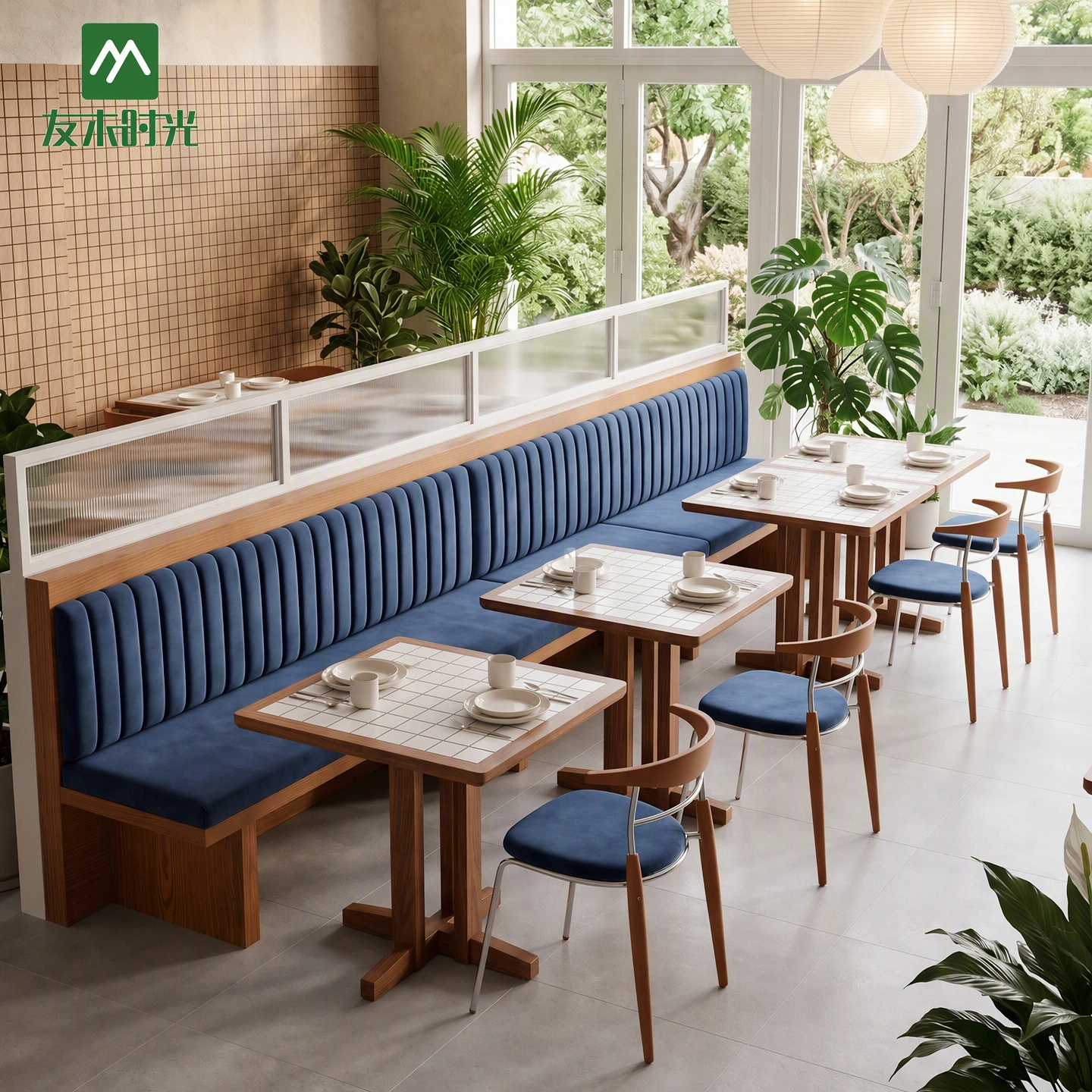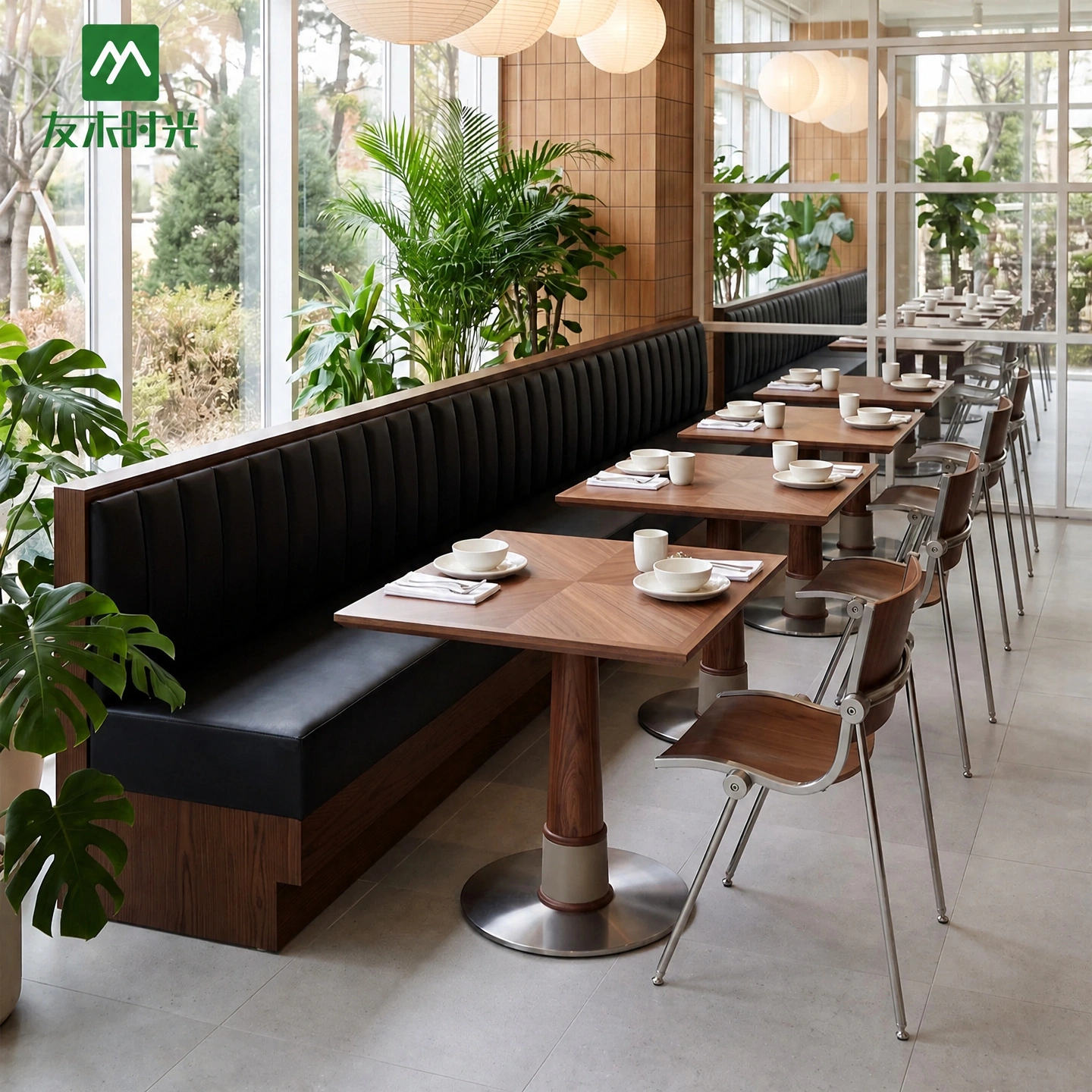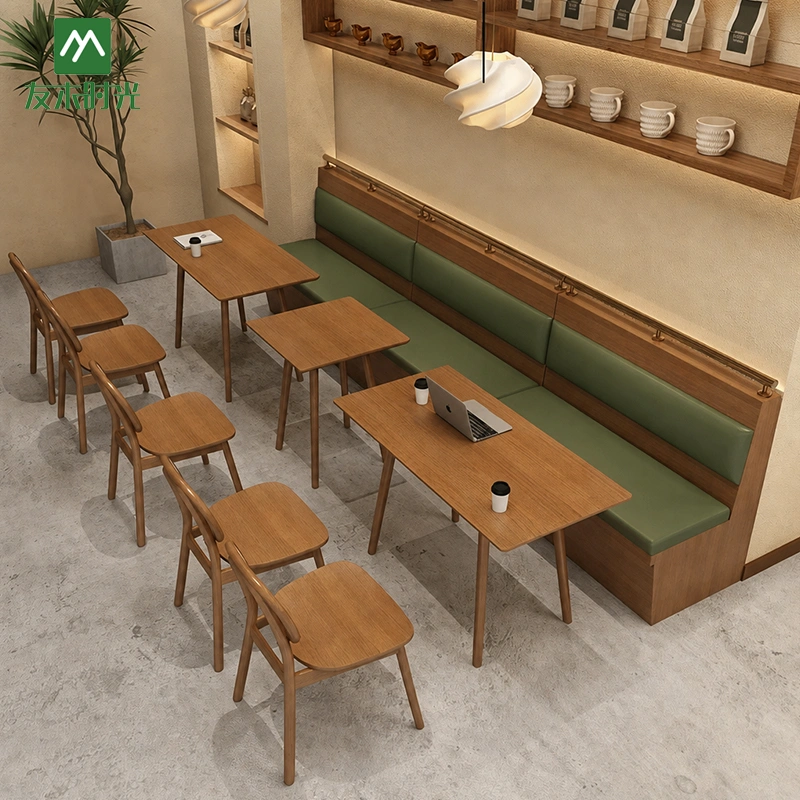
Restaurants come in many different formats, each designed around a specific dining experience, service model, menu style, and target customer. From coffee shops and fast food restaurants to hot pot restaurants, hotel restaurants, themed restaurants, and modern dining spaces, every restaurant type has its own characteristics and operational needs.
Understanding the different types of restaurants can help restaurant owners, investors, designers, and hospitality professionals better define a restaurant concept before planning the menu, interior layout, service process, and overall customer experience.
In this guide, we will introduce some of the most common types of restaurants, explain their main characteristics, and explore the furniture commonly used in each type of dining space.
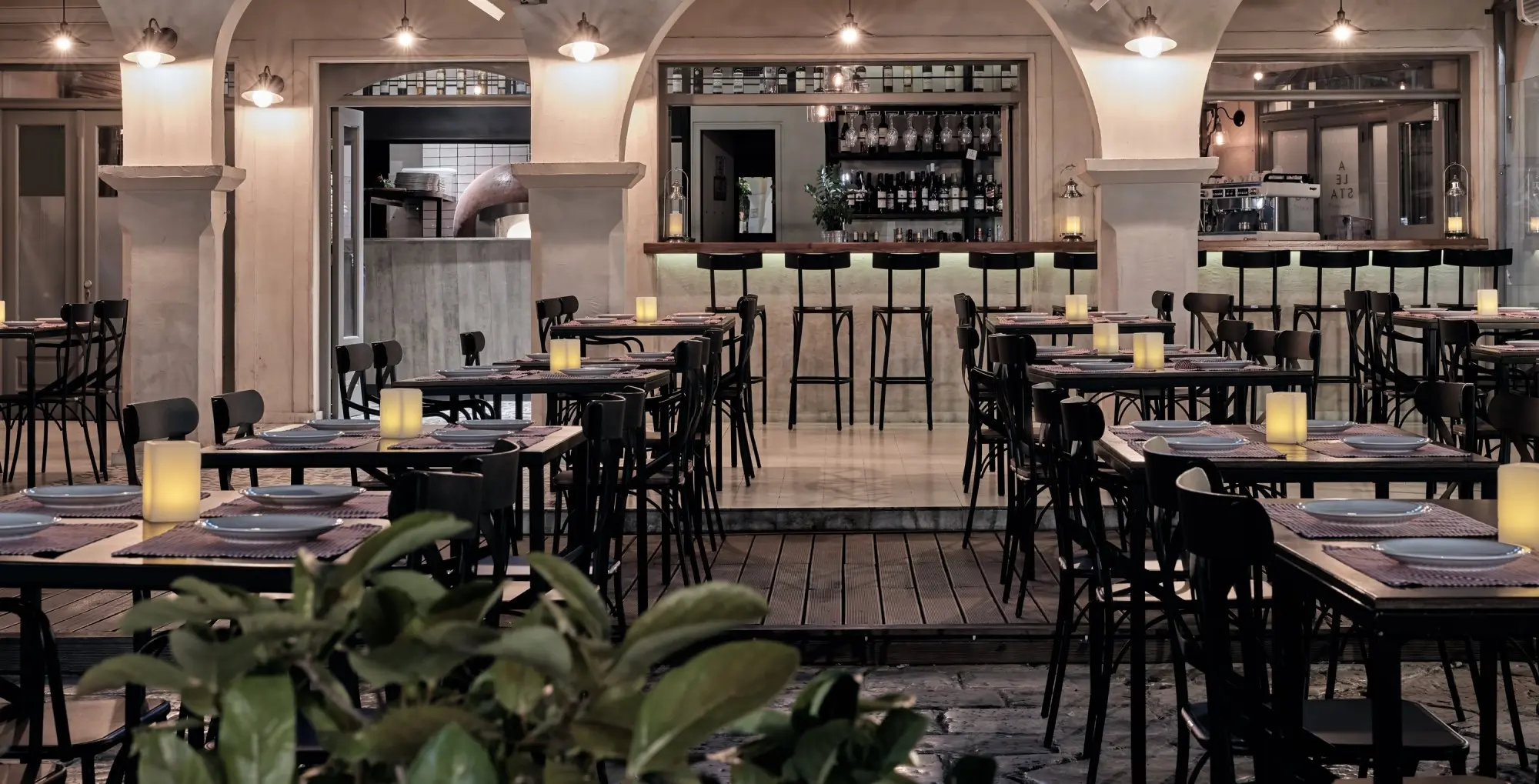
Coffee Shop Restaurants
Coffee shops are among the most flexible restaurant concepts. They may serve coffee, tea, pastries, sandwiches, desserts, light meals, and takeaway products. Unlike traditional restaurants where customers mainly visit for a full meal, coffee shop guests may stay for anything from ten minutes to several hours.
Some customers come alone to work on laptops, while others meet friends, hold informal meetings, or simply relax. Because of these different customer behaviors, coffee shop furniture needs to provide both comfort and flexibility.
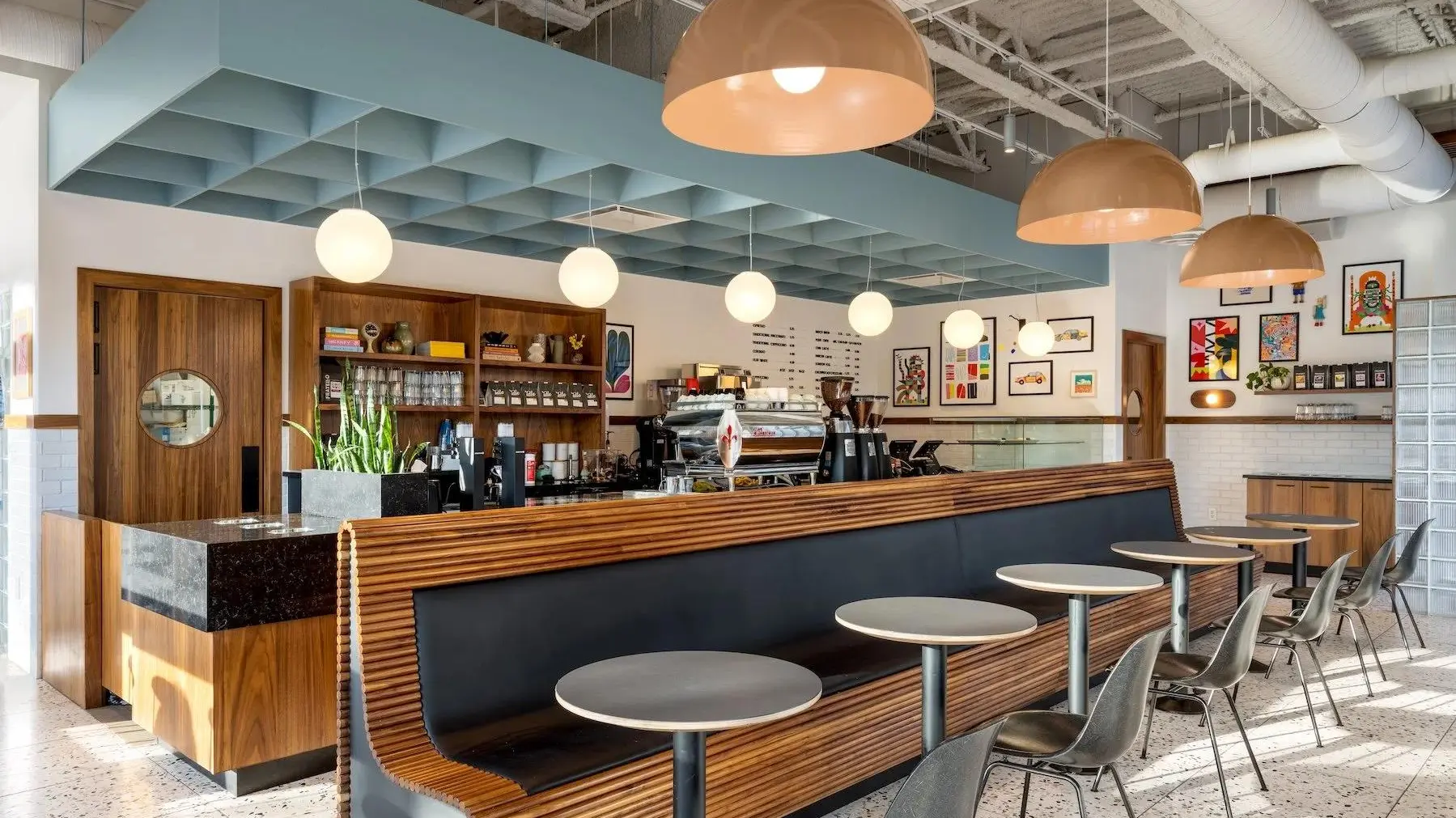
Recommended Furniture for Coffee Shops
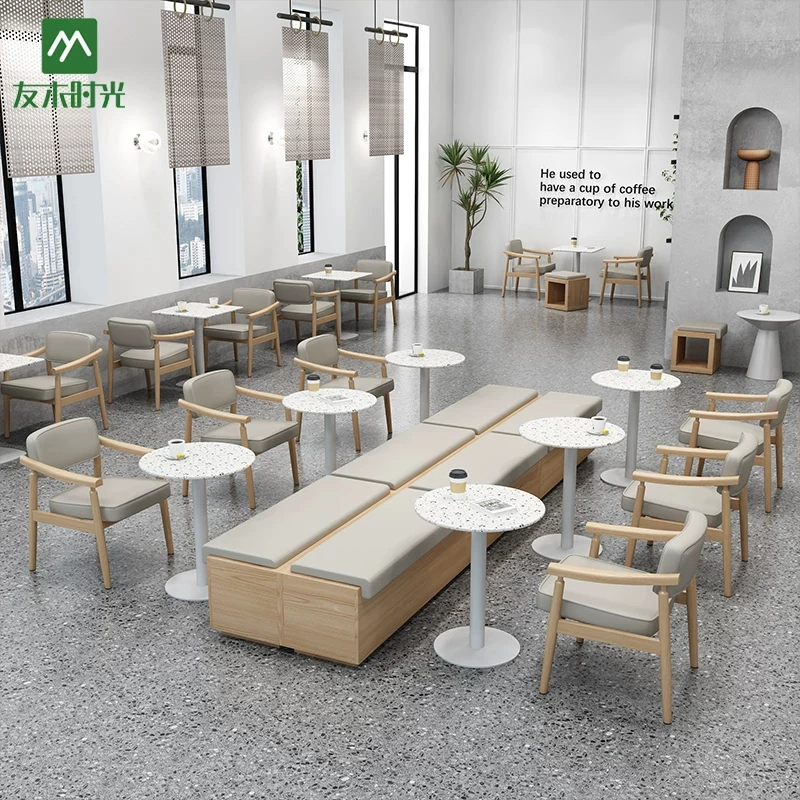
A well-designed coffee shop usually combines several types of seating instead of using one furniture style throughout the entire space.
Small Coffee Tables
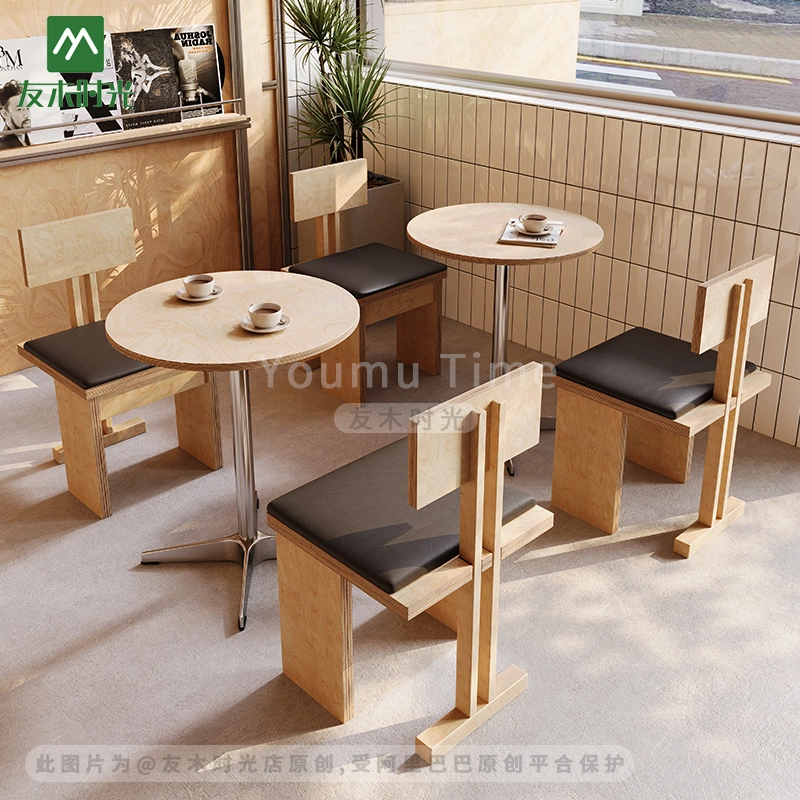
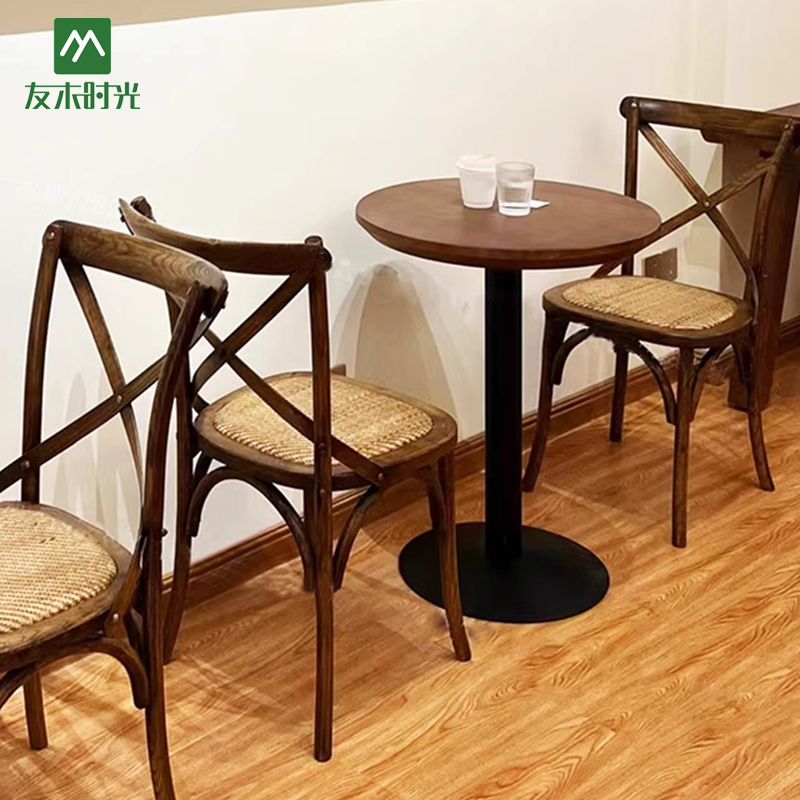
Round and square tables for two people are particularly useful because they allow cafés to use limited floor space efficiently. Two small tables can also be pushed together when larger groups arrive.
Cafe Chairs
Wooden chairs, metal chairs, upholstered chairs, or wood-and-metal combinations are popular choices. Commercial café chairs should be lightweight enough for daily rearrangement while remaining strong enough for frequent use.
Bench and Booth Seating
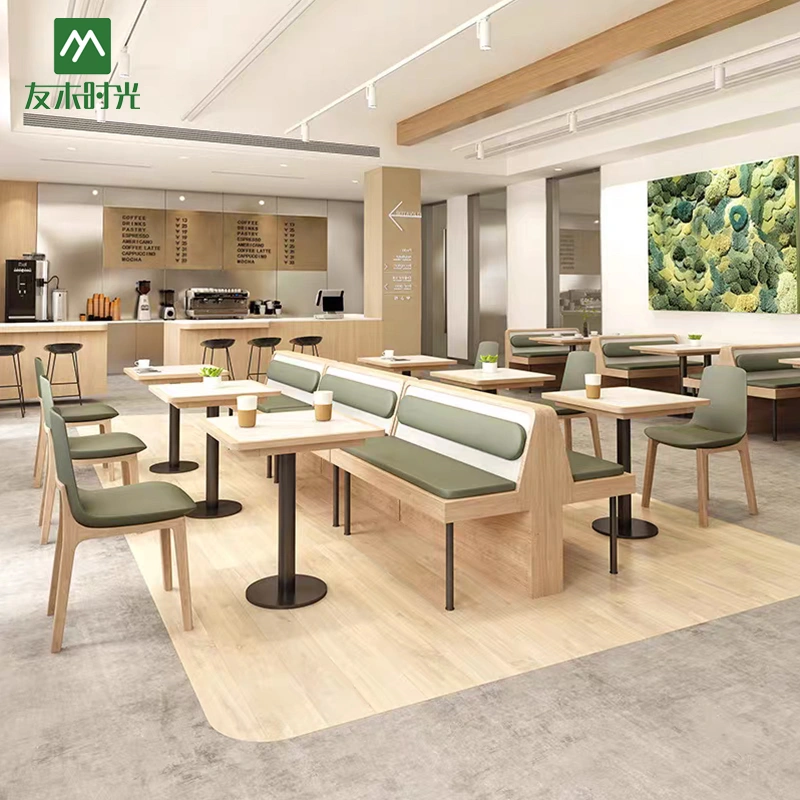
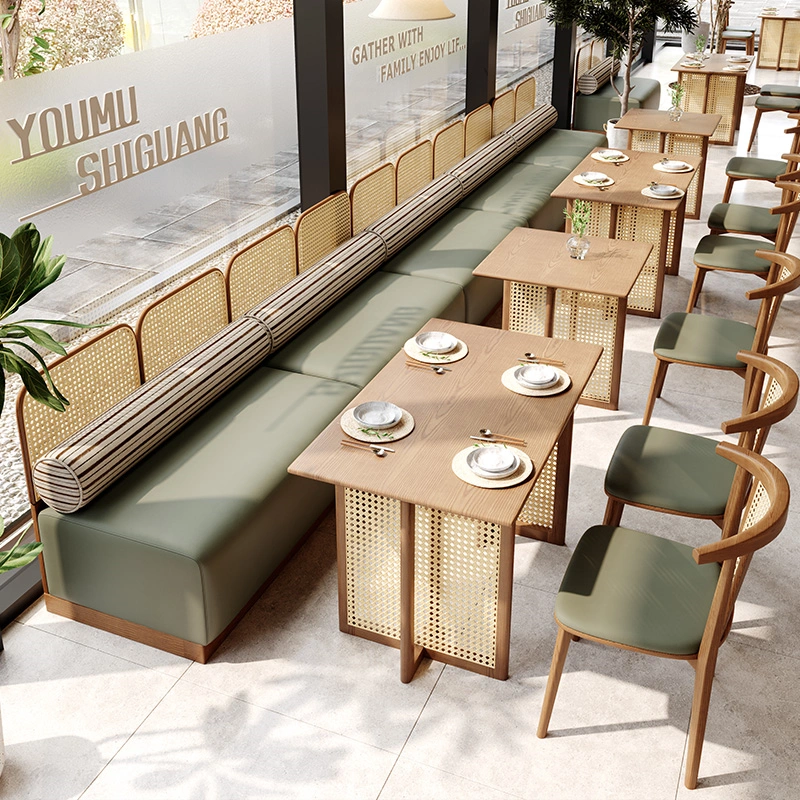
Wall-mounted bench seating is an excellent way to increase capacity without making the café feel crowded. Pairing a continuous upholstered bench with small tables and loose chairs provides flexible seating for couples and groups.
Bar Tables and Bar Stools
High tables positioned near windows or walls work particularly well for individual customers and short stays.
Lounge Chairs and Sofas
For cafés that want customers to stay longer, sofas and lounge chairs can create a comfortable social area.
When choosing coffee shop tables and chairs, operators should consider table size, seat comfort, power outlet locations, cleaning requirements, and traffic flow. For compact cafés, a mixture of two-person tables, wall benches, and counter seating usually provides the best balance between comfort and capacity.
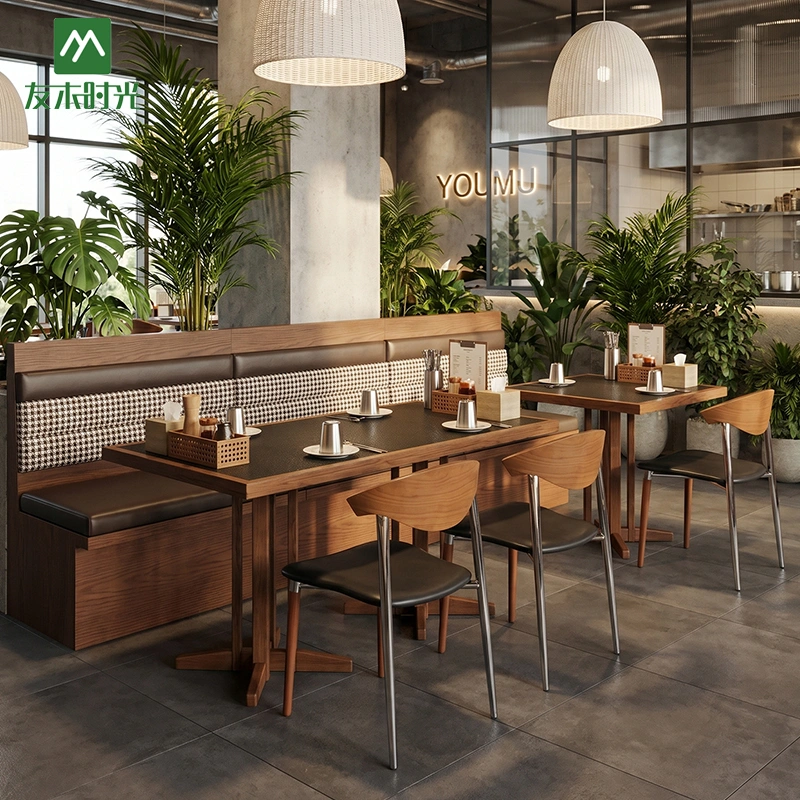
Hot Pot Restaurants
A hot pot restaurant is a dining concept in which customers cook ingredients directly at the dining table using a pot of heated broth. It is especially popular in China and across many Asian markets, and has also become increasingly common in international cities.
Unlike many traditional restaurant types, hot pot dining is highly interactive. Customers are actively involved in cooking meat, seafood, vegetables, noodles, and other ingredients throughout the meal. This makes hot pot both a dining activity and a social experience.
Hot pot restaurants are particularly suitable for families, groups of friends, business gatherings, and group celebrations. Meals often last longer than in fast food or casual dining restaurants because customers cook and eat gradually.
Another defining characteristic of this type of restaurant is the high dependence on specialized infrastructure. Tables need to work together with induction cookers or heating systems, while the overall restaurant may require ventilation, electrical wiring, gas systems, and other technical installations.
Hot pot restaurants also need to consider heat, steam, oil, and food splashes during daily operations. As a result, interior materials and restaurant furniture usually need to be more resistant to moisture, heat, stains, and frequent cleaning.
Recommended Furniture for Hot Pot Restaurants
火锅桌
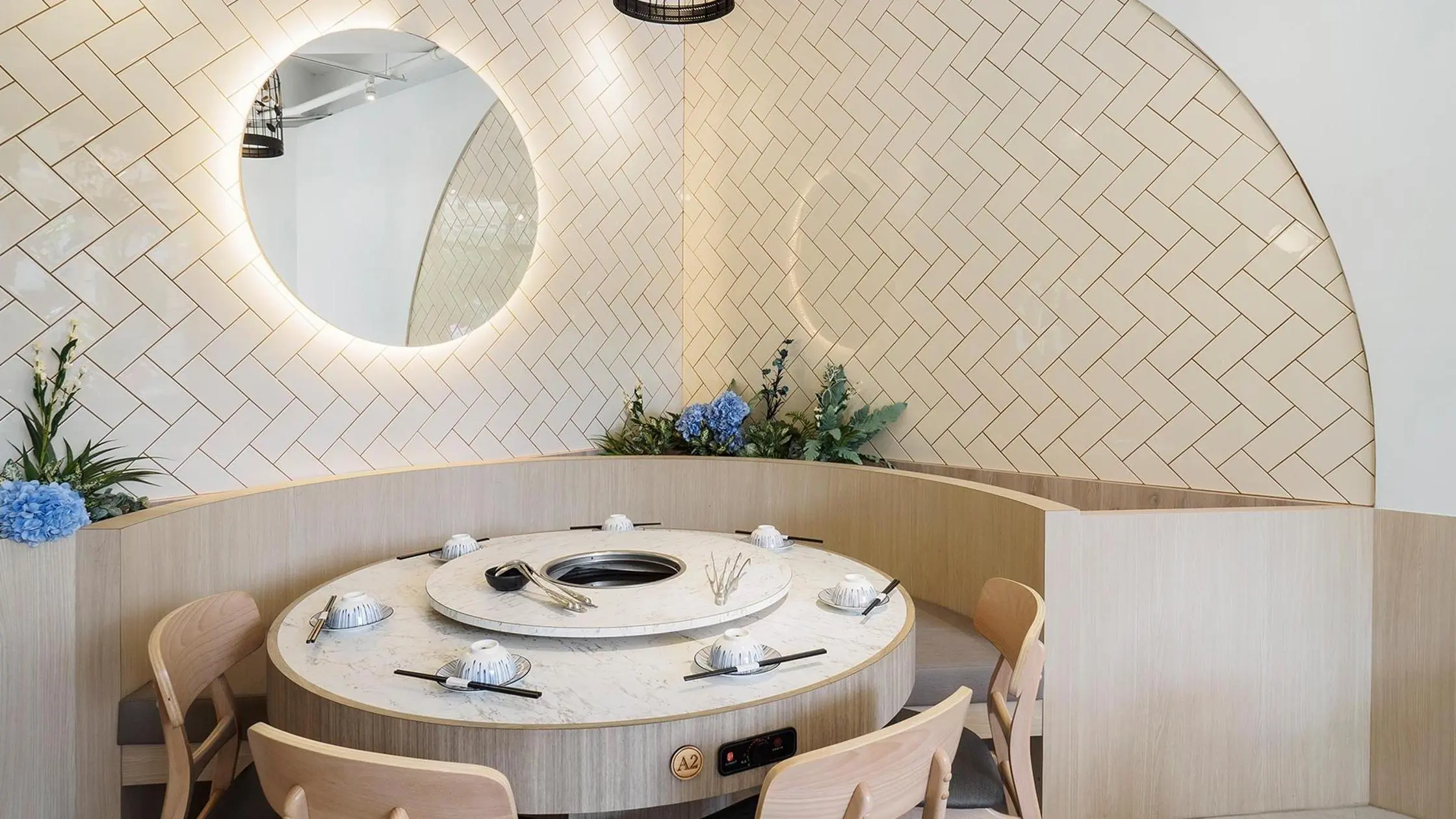
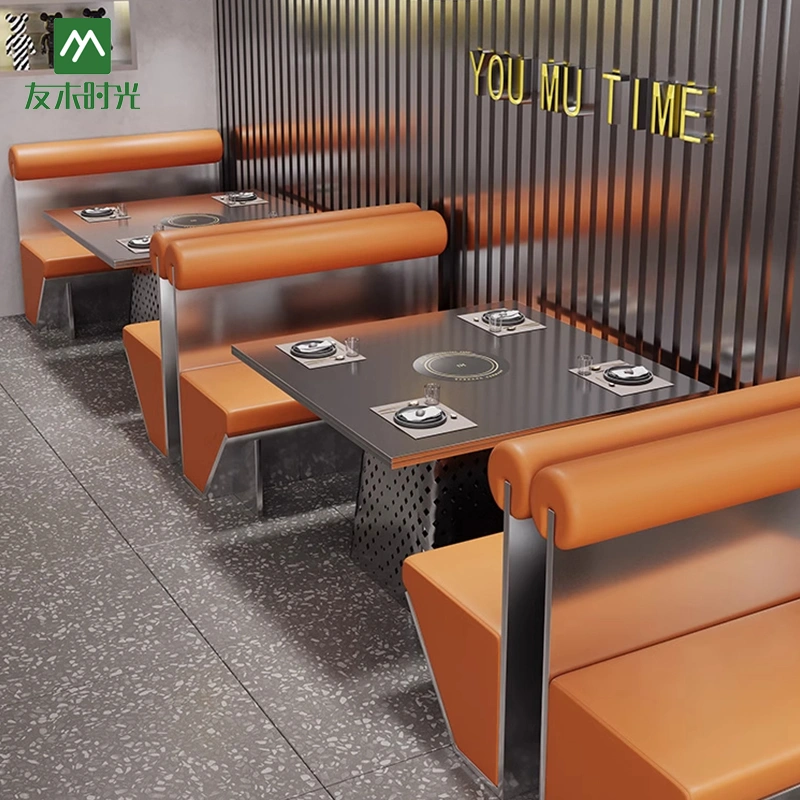
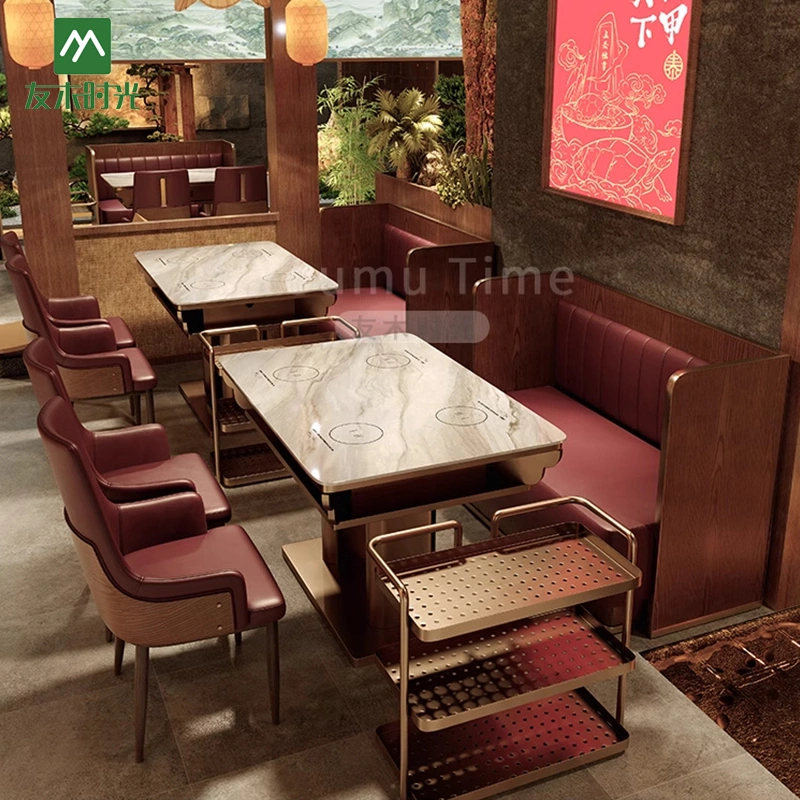
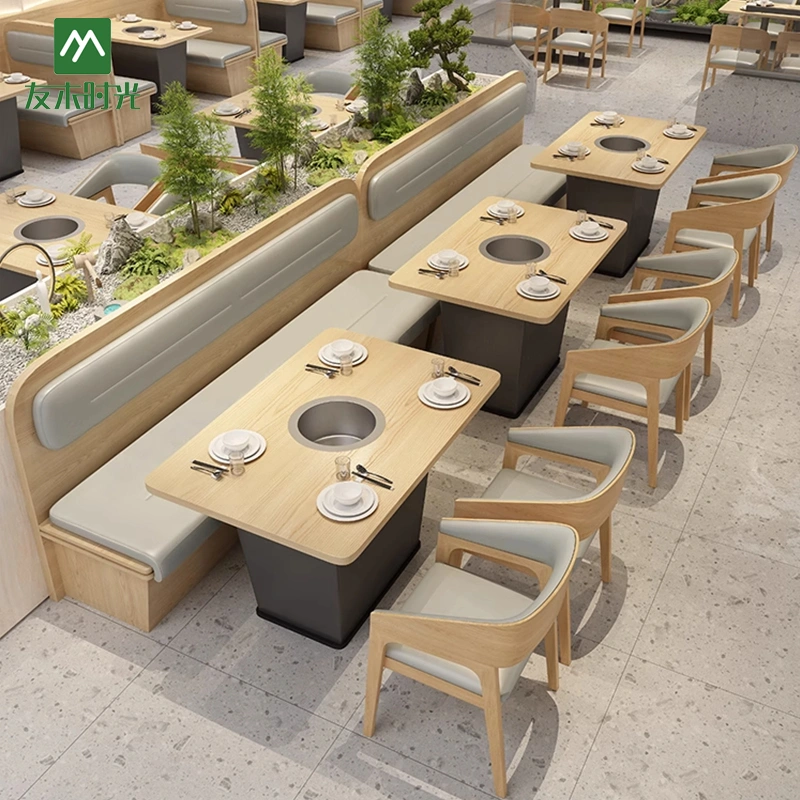
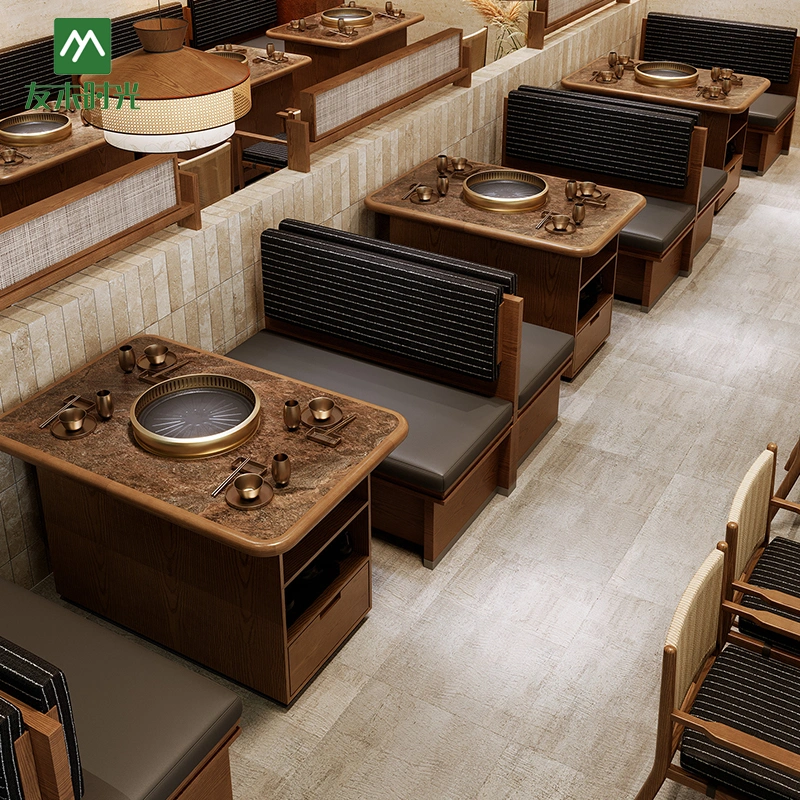
该 hot pot table is the most important piece of furniture in this type of restaurant. Tables may integrate induction cookers, gas stoves, electric heating systems, or recessed cooking equipment.
Round tables are suitable for group dining, while rectangular tables work well for four to six customers. Individual hot pot concepts may use smaller tables with separate cooking zones.
Restaurant Booths
High-back booth seating is especially useful in hot pot restaurants because it provides comfort and helps divide large dining spaces into smaller zones.
Durable Dining Chairs
Metal, wood, or upholstered chairs can be used, but the materials should be easy to clean and resistant to oil and moisture.
Private Dining Room Furniture
Large round dining tables, comfortable upholstered chairs, serving tables, and side cabinets are suitable for private rooms in hot pot restaurants.
Waiting Area Seating
Popular hot pot restaurants often have long waiting times, so comfortable benches, sofas, or modular seating can improve the customer experience before dining.
Fast Food Restaurants
A 快餐店 is designed around speed, convenience, standardized service, and high customer turnover. These restaurants typically offer a limited or standardized menu that can be prepared and served quickly.
Fast food restaurants commonly serve customers who want an affordable and efficient meal. Customers may include office workers during lunch breaks, students, travelers, families, and people looking for quick takeaway or dine-in options.
One of the main characteristics of fast food restaurants is shorter customer stay time. Unlike cafés or fine dining restaurants, customers are usually not expected to remain for long periods after finishing their meals.
High traffic is another major feature. Popular fast food restaurants may serve hundreds or even thousands of customers per day, meaning that tables, chairs, booths, floors, and other interior elements are exposed to extremely frequent use.
Efficiency is therefore critical throughout the restaurant. Seating arrangements should be easy to understand, aisles should remain clear, and furniture should support rapid cleaning and table turnover.
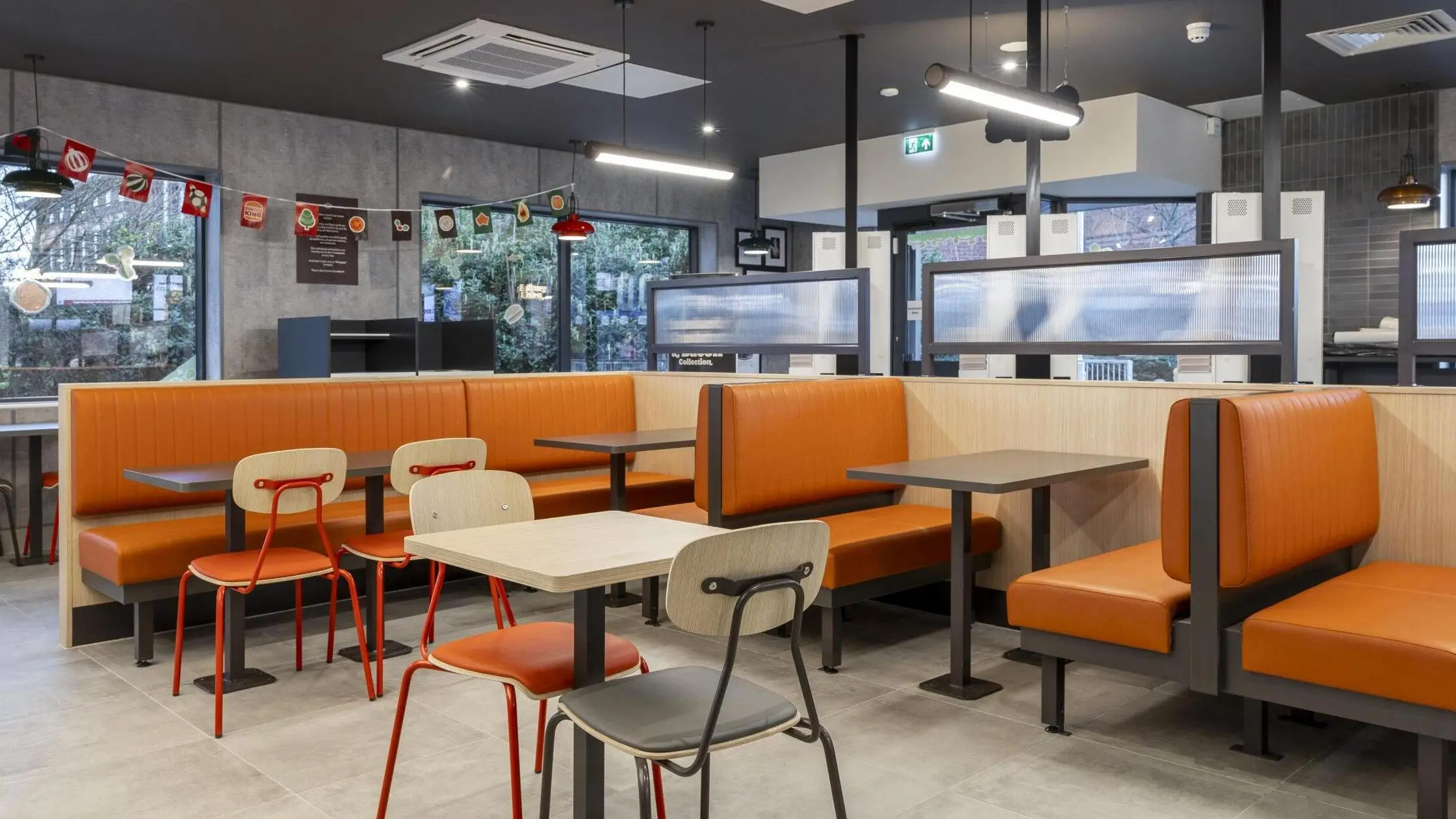
Recommended Furniture for Fast Food Restaurants
Fixed Restaurant Booths
Booth seating is one of the most practical furniture options for fast food restaurants. It keeps seating organized and can help increase seating capacity.
Single booths, double booths, back-to-back booths, wall benches and L-shaped booths can all be used depending on the layout.
Compact Restaurant Tables
Small square and rectangular tables are ideal because they are easy to arrange, combine, and clean.
Metal and Wooden Chairs
Durable metal-frame or wooden chairs are suitable for high-frequency use. Seats should be easy to wipe clean and resistant to daily wear.
Floor-Mounted Furniture
High-traffic restaurants may use floor-mounted tables and seating to maintain an organized layout and reduce furniture movement.
For fast food restaurants, commercial furniture should prioritize durability, easy cleaning, space efficiency, and high customer turnover.
Hotel Restaurants
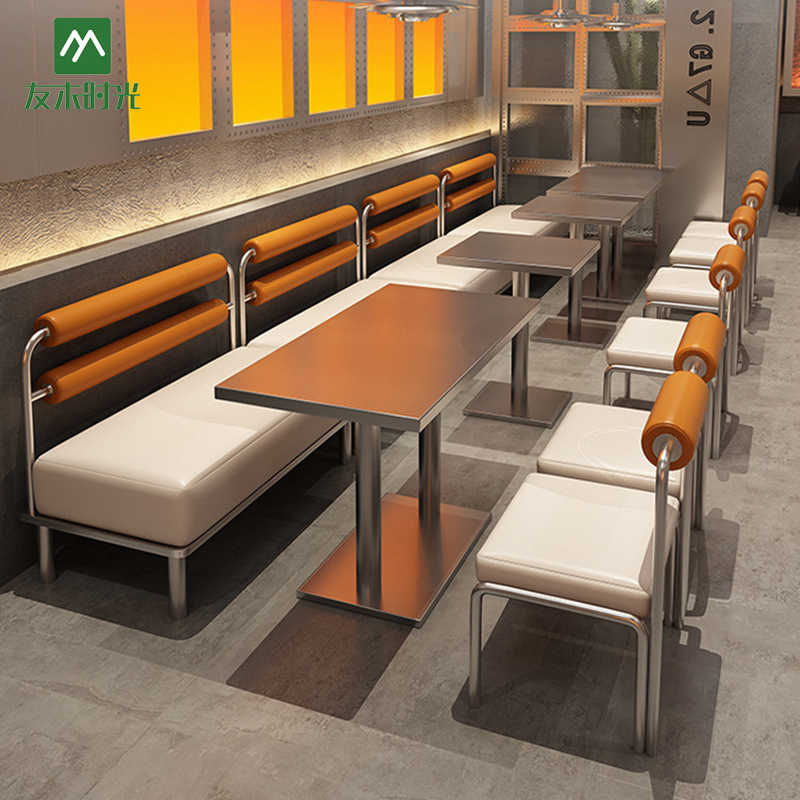
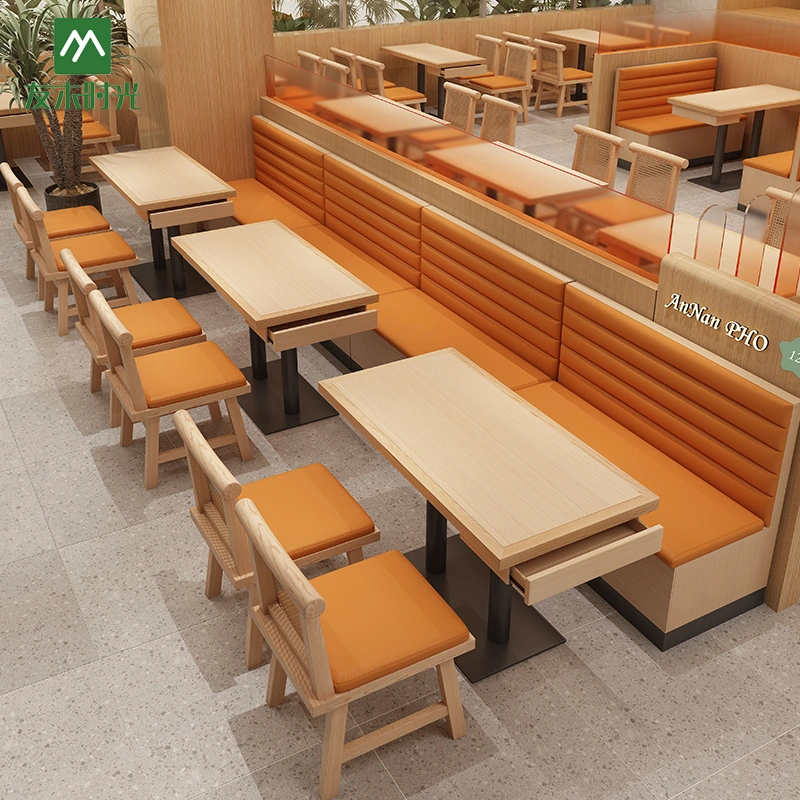
A hotel restaurant is a food and beverage establishment located within a hotel or resort. Unlike independent restaurants, hotel restaurants often serve both hotel guests and outside customers.
One of the most important characteristics of this type of restaurant is its wide range of dining occasions. The same restaurant may serve breakfast in the morning, business lunches during the day, formal dinners in the evening, and special events or private gatherings at other times.
Hotel restaurants may include all-day dining restaurants, buffet restaurants, fine dining restaurants, rooftop restaurants, lobby cafés, poolside dining areas, and specialty restaurants.
Customer expectations are generally higher in hotels, especially in four-star, five-star, luxury, and resort properties. Guests often expect comfortable seating, professional service, attractive interiors, and a consistent connection between the restaurant environment and the hotel’s overall positioning.
Flexibility is another defining feature. Hotel restaurants may need to quickly change table layouts according to guest numbers, events, breakfast service, or group bookings.
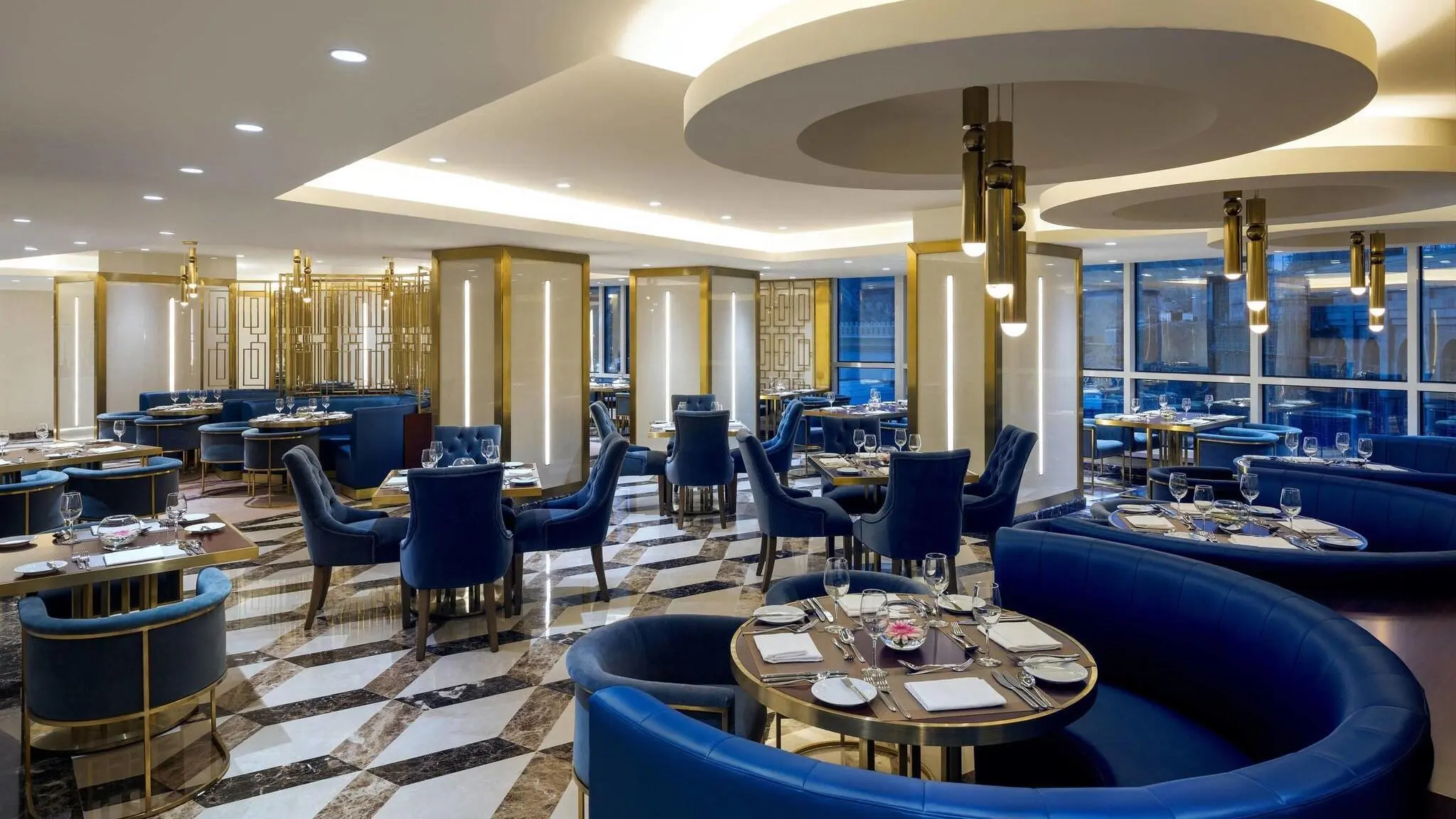
Recommended Furniture for Hotel Restaurants
Upholstered Dining Chairs
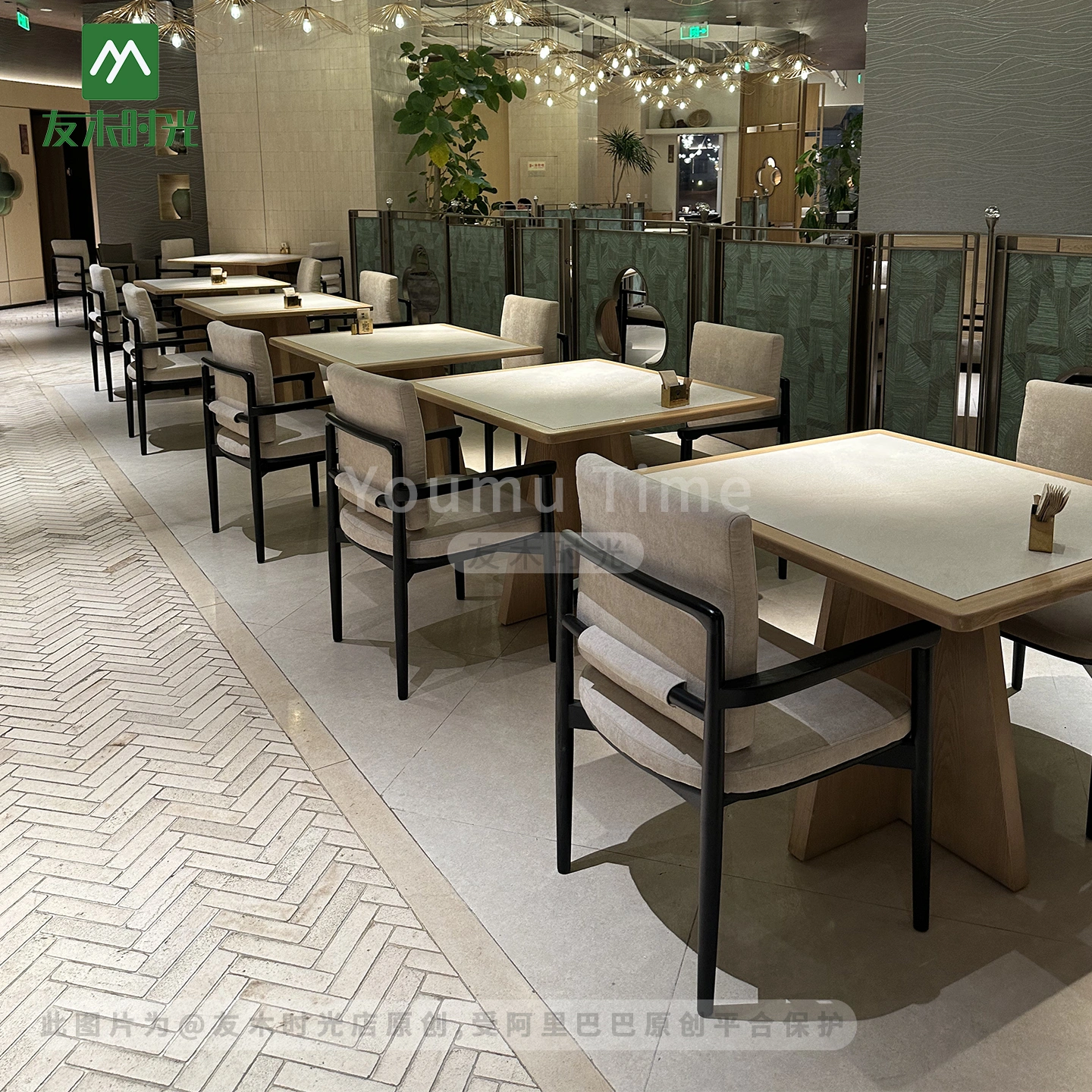
Comfortable upholstered dining chairs are suitable for longer meals and premium hotel environments.
Modular Dining Tables
Two-person tables, four-person tables, large round tables, banquet tables, and connectable tables allow hotels to quickly adapt layouts.
餐厅包厢座位
Custom booths can create premium dining areas along windows, walls, or architectural features.
Banquette Seating
Custom banquettes are ideal for integrating seating directly into architectural spaces and maximizing usable floor area.
户外家具
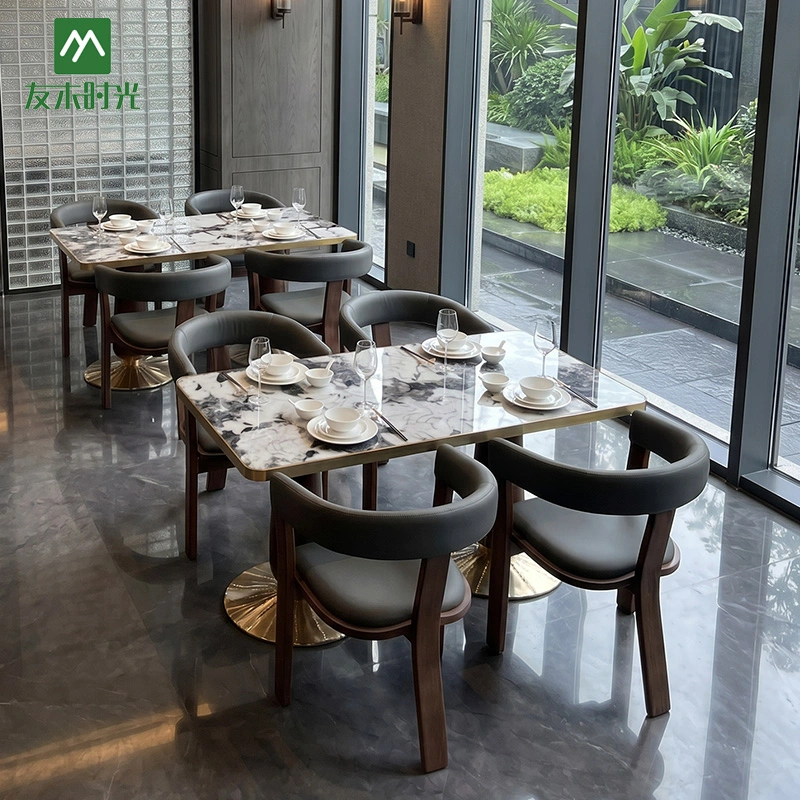
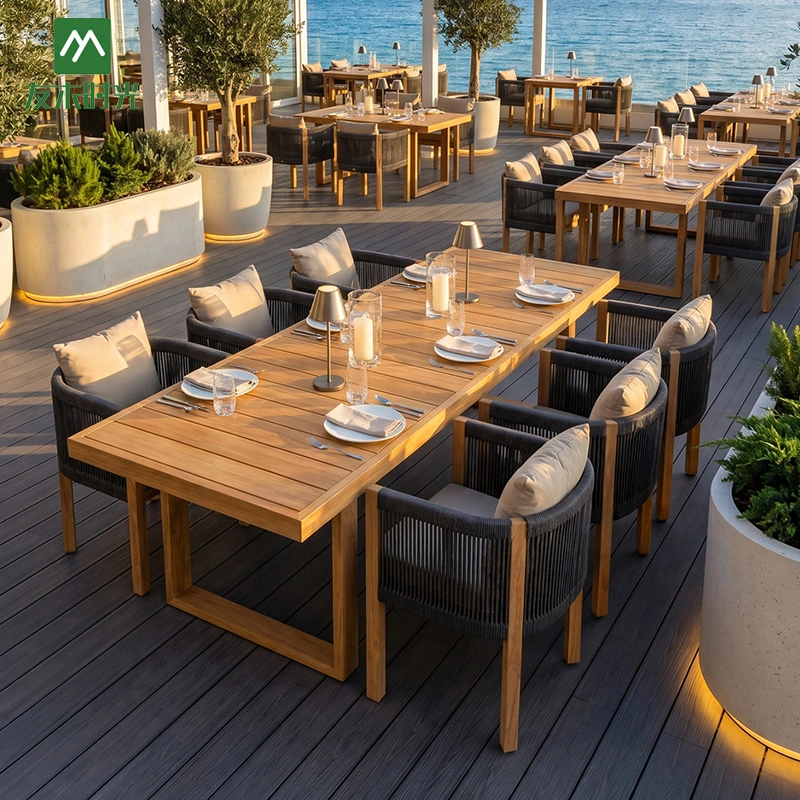
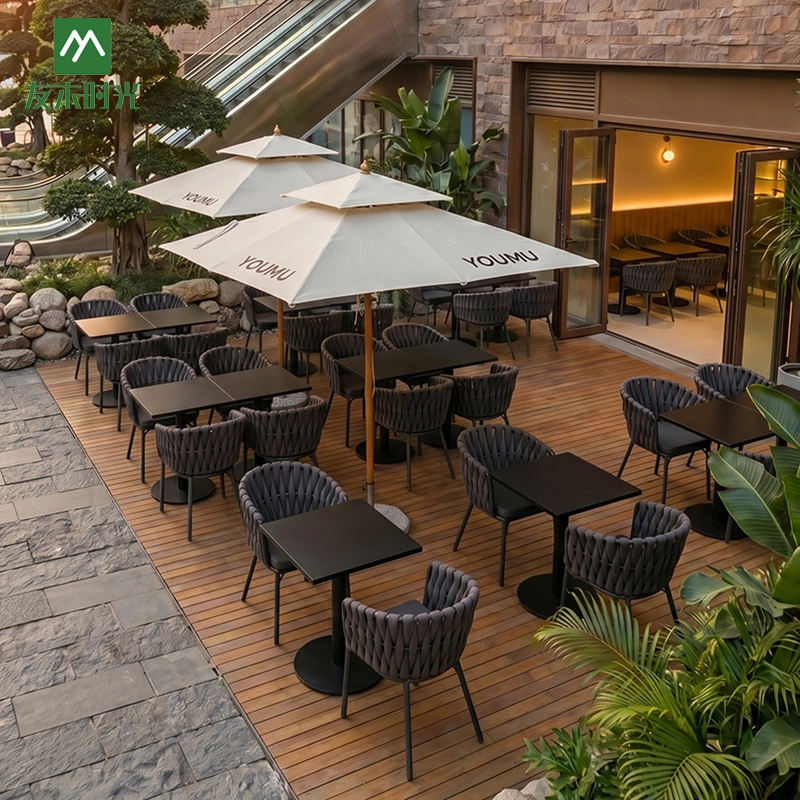
Hotels and resorts with terraces, rooftops, gardens, or poolside dining areas may require weather-resistant outdoor restaurant furniture.
Western Restaurants
A Western restaurant generally refers to a restaurant that serves European, American, or other Western-style cuisine. This category is very broad and may include Italian restaurants, French restaurants, steakhouses, bistros, American diners, Mediterranean restaurants, and fine dining establishments.
One of the main characteristics of Western restaurants is the diversity of concepts. A casual American restaurant can look completely different from a luxury French restaurant, even though both belong to the broader category of Western dining.
Western restaurants usually place significant emphasis on the dining atmosphere. Lighting, table spacing, tableware, décor, music, furniture, and service style work together to create the overall experience.
Many Western dining concepts also involve longer meal durations than fast food restaurants. Customers may order starters, main courses, desserts, wine, and coffee, meaning they remain seated for a longer period.
Depending on the restaurant positioning, the atmosphere can range from casual and family-friendly to intimate, elegant, luxurious, or highly formal.
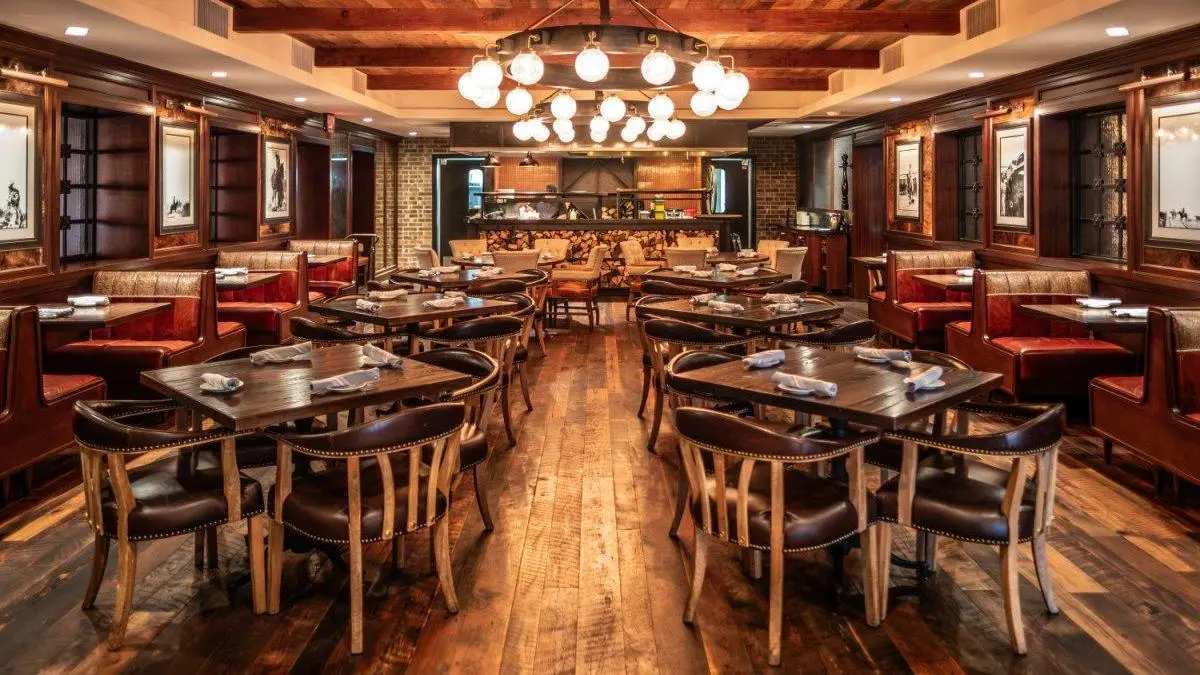
Recommended Furniture for Western Restaurants
Solid Wood Restaurant Tables
Wooden tables create a warm and natural atmosphere and are suitable for steakhouses, Italian restaurants, bistros, and casual Western dining.
Upholstered Dining Chairs
Comfortable upholstered chairs are ideal for longer dining periods and premium restaurant concepts.
Restaurant Booths
Leather, faux leather, fabric, or velvet booth seating can create different atmospheres, from casual American dining to luxury steakhouse interiors.
Round and Square Dining Tables
Two-person tables provide flexibility, while larger round or rectangular tables can serve families and groups.
酒吧的家具
Bar counters, bar stools, high-top tables, and counter seating are suitable for restaurants that offer wine, cocktails, or casual bar service.
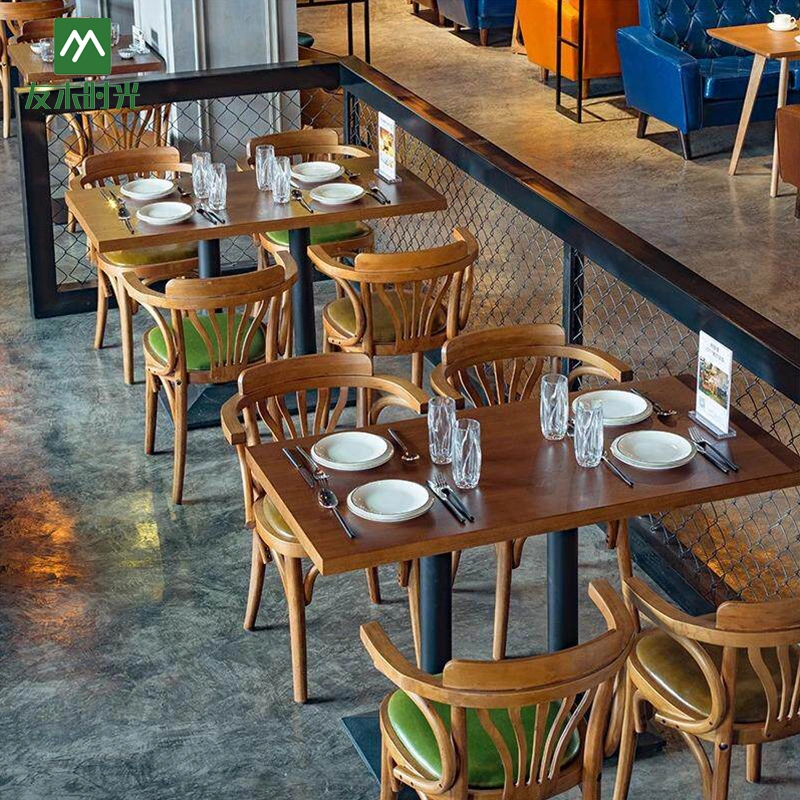
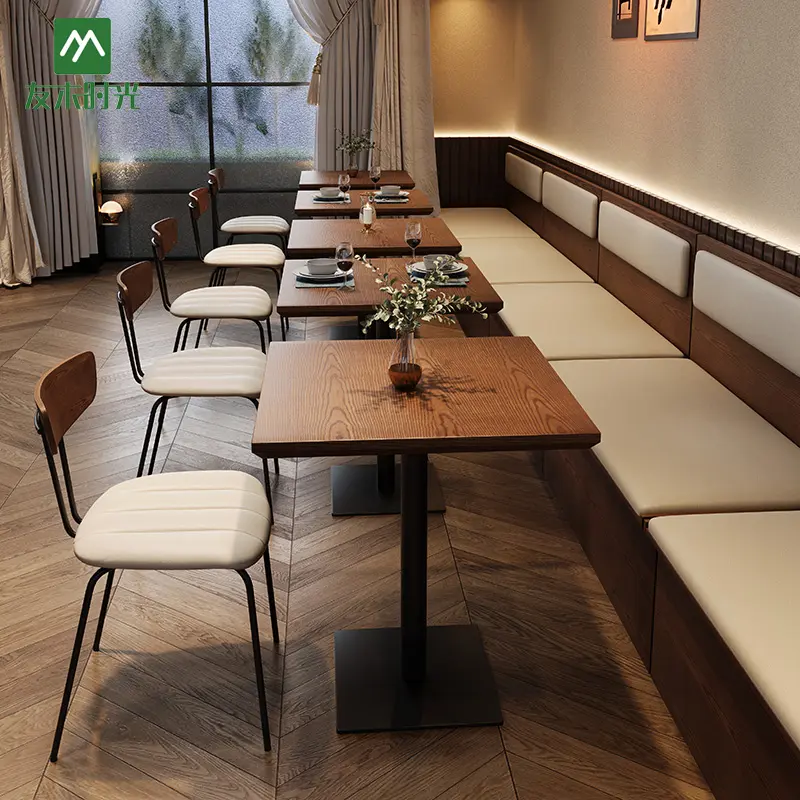
Themed Restaurants
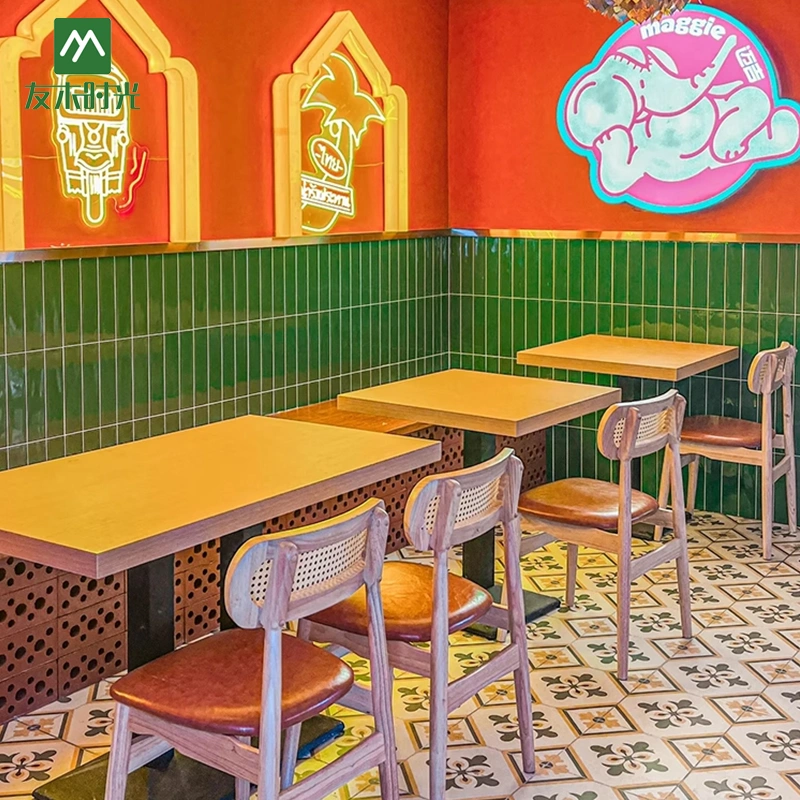
A themed restaurant is a restaurant built around a specific idea, visual concept, story, culture, entertainment format, or brand identity. In these restaurants, the environment is often just as important as the food itself.
Common examples include retro diners, sports restaurants, jungle-themed restaurants, movie-themed restaurants, anime cafés, cultural restaurants, children’s restaurants, and immersive dining spaces.
One of the most distinctive characteristics of themed restaurants is their strong visual identity. Colors, furniture, walls, lighting, decorative objects, uniforms, menus, and even tableware may all be designed around the same concept.
Themed restaurants often aim to encourage customers to take photos, share content on social media, and remember the dining experience. As a result, distinctive seating areas and recognizable design elements can become an important part of marketing.
Compared with conventional restaurants, themed restaurants often require more customization because standard commercial furniture may not fully match the desired visual concept.
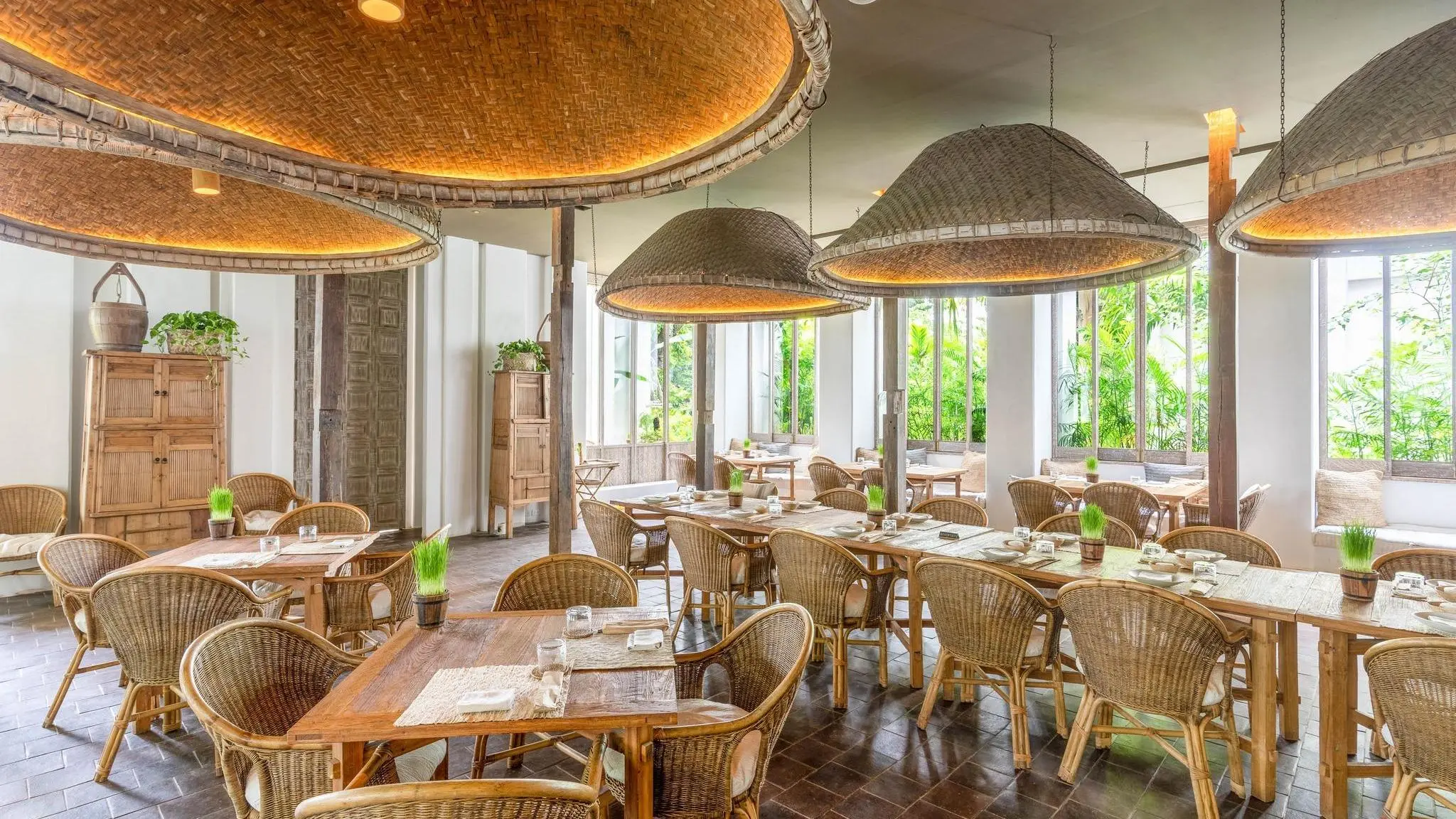
Recommended Furniture for Themed Restaurants
Custom Restaurant Booths
Booth seating can be customized in terms of shape, color, upholstery, stitching, height, logo, and decorative details.
Curved Booth Seating
Circular, semicircular, and curved booths can create visually distinctive seating areas that become focal points within the restaurant.
Custom Restaurant Tables
Tables can be customized with special colors, printed graphics, unusual materials, logos, or unique shapes to match the restaurant theme.
Specialty Dining Chairs
Wood, metal, rattan, bentwood, upholstered, or mixed-material chairs can be selected according to the specific visual concept.
Feature Seating
Large communal tables, lounge sofas, decorative benches, or unusual seating forms can become part of the restaurant’s visual identity.
Dessert Shops
A dessert shop is a casual food establishment that focuses primarily on desserts, cakes, ice cream, pastries, bubble tea, fruit drinks, and other sweet products.
Compared with traditional restaurants, dessert shops usually have a lighter menu and a more relaxed service model. Many customers visit specifically for snacks, drinks, socializing, or a short break rather than a complete meal.
The target customer base is often relatively young and may include students, couples, families, tourists, and social media users. As a result, visual design can have a particularly strong influence on customer attraction.
Dessert shops are also commonly located in shopping malls, commercial streets, tourist districts, and urban retail areas. Many operate in relatively small spaces where efficient seating arrangement is important.
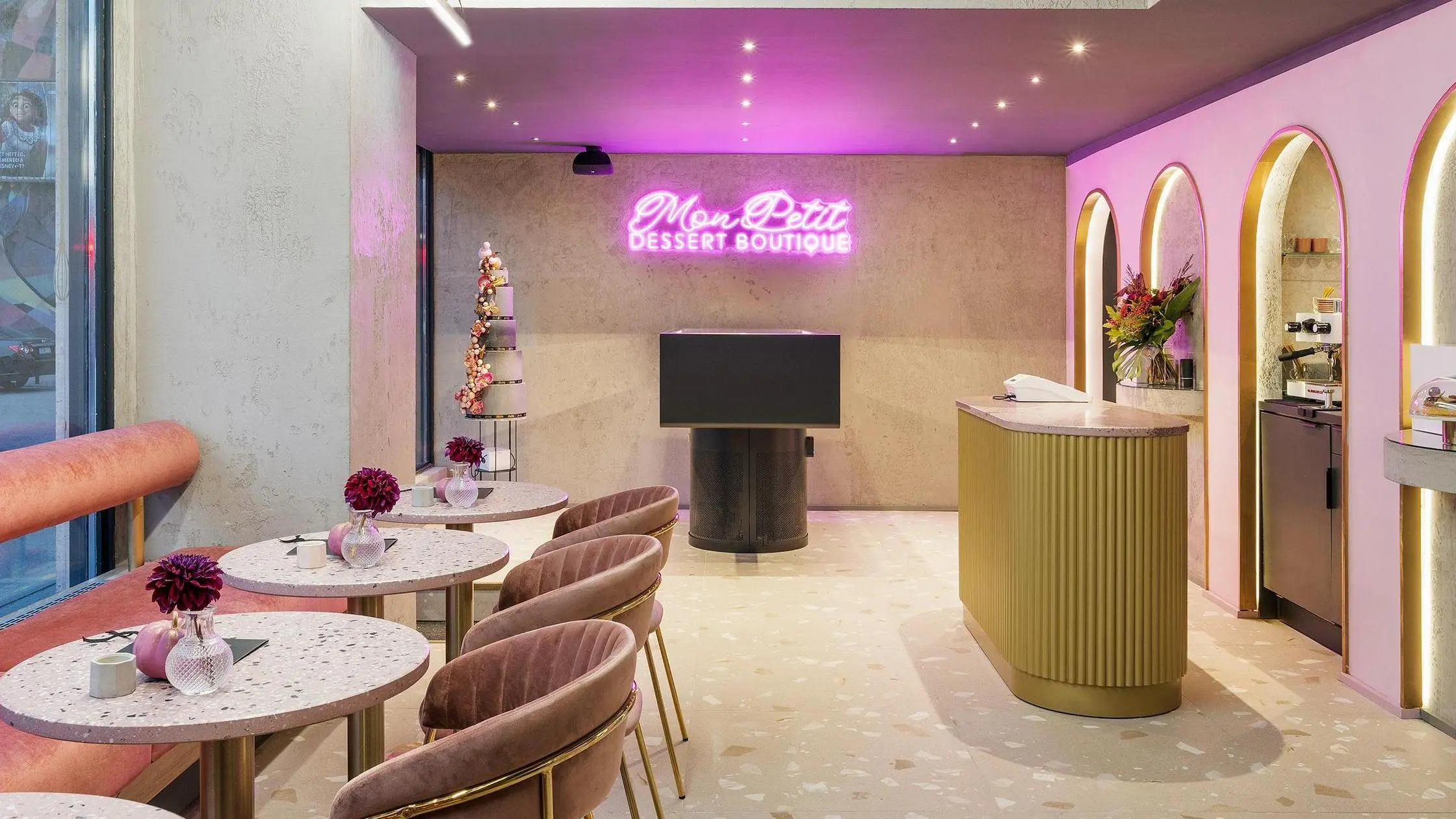
Another characteristic is the importance of visual appeal. Bright colors, attractive lighting, decorative walls, unusual seating, and photogenic interiors can help the shop stand out in competitive retail environments.
Recommended Furniture for Dessert Shops
Small Cafe Tables
Compact round or square tables are ideal because desserts and drinks generally require less tabletop space than full meals.
Colorful Dining Chairs
Dining chairs in soft, bright, or brand-specific colors can strengthen the shop’s visual identity.
Upholstered Benches
Wall-mounted upholstered benches increase seating capacity while maintaining a clean and organized layout.
Curved Booth Seating
Curved or semicircular booths are especially suitable for premium dessert shops and social-media-friendly interiors.
Bar Tables and Window Seating
High tables near windows are ideal for individual customers and short visits.
Modern Restaurants
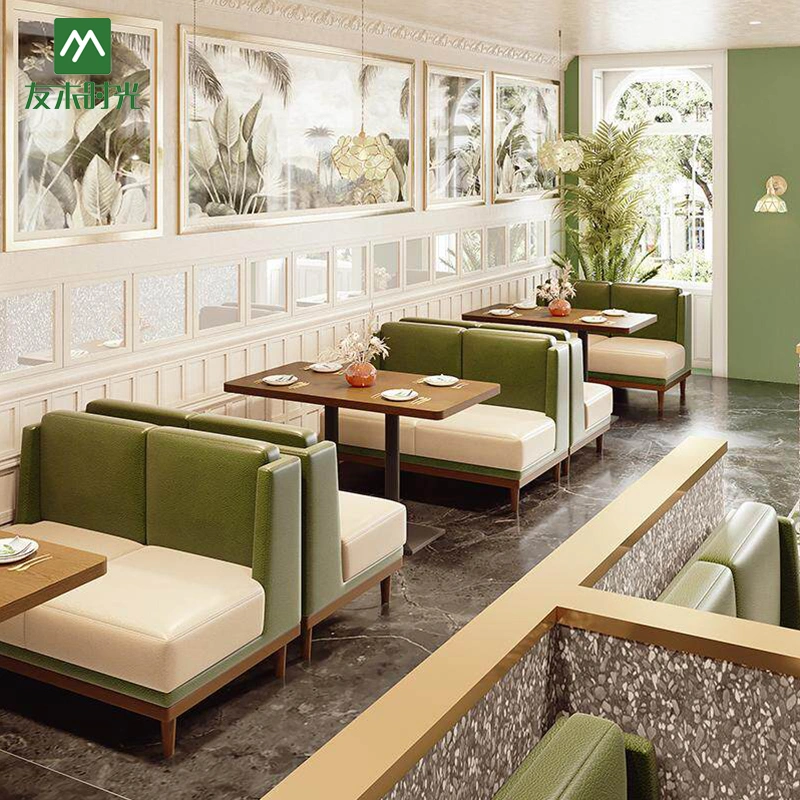
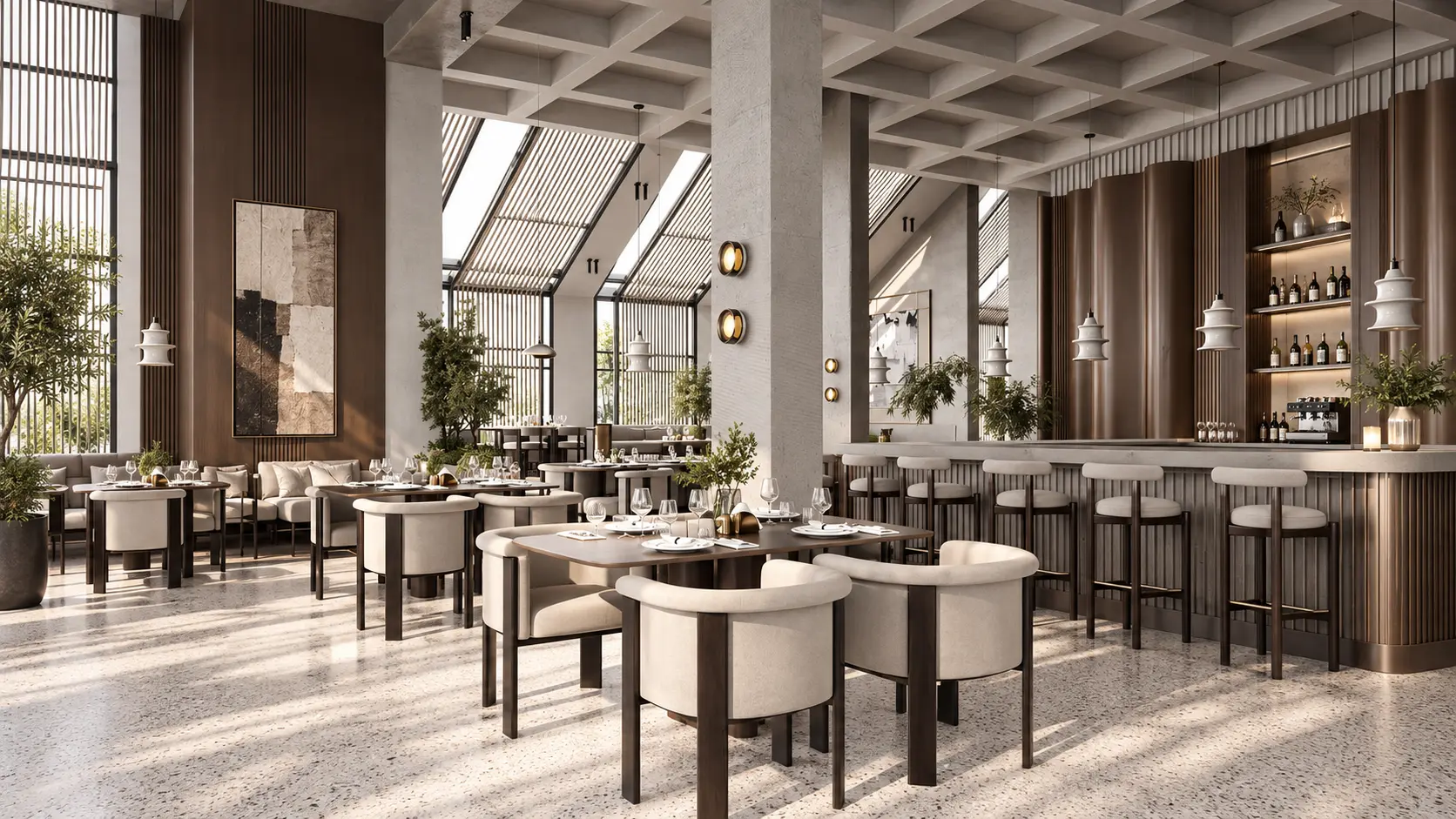
A modern restaurant is generally defined by contemporary architecture, clean visual lines, updated materials, simple forms, and a carefully coordinated interior design.
Unlike traditional restaurant categories that are defined mainly by cuisine, a modern restaurant is often identified by its design concept. It may serve Western, Asian, fusion, or international cuisine while maintaining a contemporary interior style.
Modern restaurants often prioritize simplicity and visual balance. Instead of excessive decoration, designers may use a limited number of materials, neutral colors, carefully selected lighting, and distinctive furniture shapes.
Open layouts are also common. Modern restaurant interiors may use open kitchens, large windows, flexible seating areas, natural light, and visually connected dining zones.
This type of restaurant is especially common among new hospitality brands seeking a clean, premium, and internationally recognizable image.
Recommended Furniture for Modern Restaurants
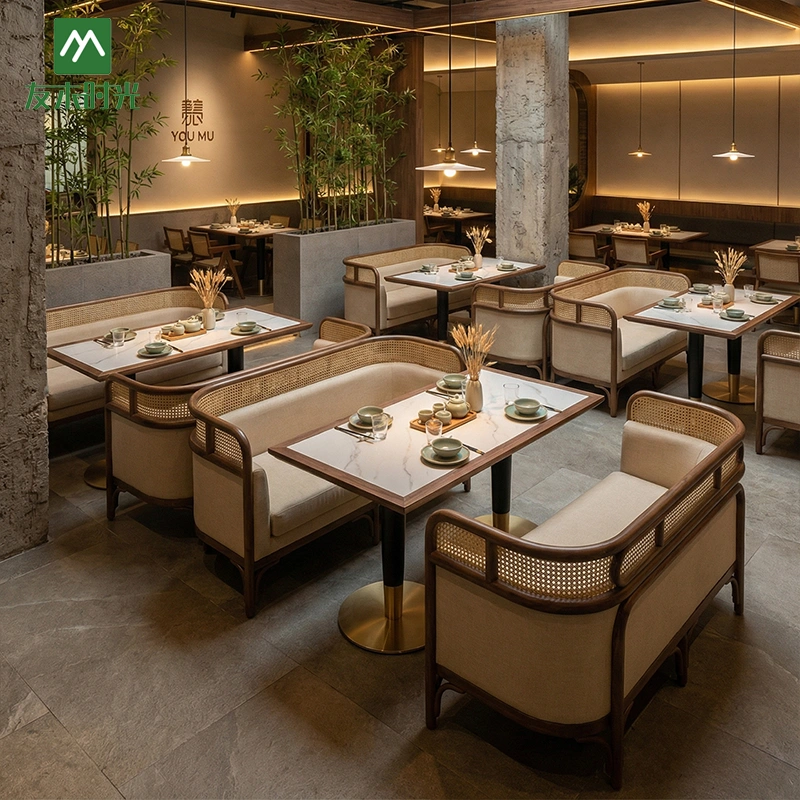
Stone-Look Restaurant Tables
Sintered stone, marble-look, compact laminate, and other contemporary tabletops are popular in modern restaurant interiors.
Custom Booth Seating
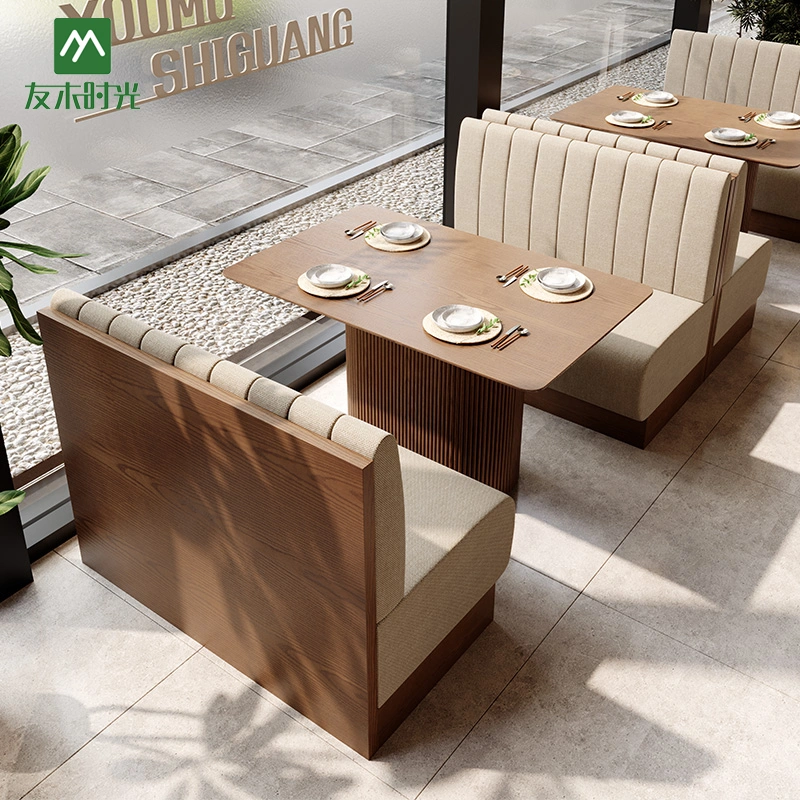
Simple booth seating with vertical stitching, curved backs, smooth upholstery, or geometric forms can complement contemporary spaces.
Metal Table Bases
Black powder-coated steel, brushed stainless steel, and other refined metal finishes work well with contemporary tabletops.
Curved Seating
Curved booths, rounded sofas, and oval tables can soften the overall space and create a more contemporary hospitality atmosphere.
Industrial Style Restaurants
An industrial style restaurant is a restaurant whose interior design takes inspiration from factories, warehouses, workshops, and urban loft spaces.
The style became popular as former industrial buildings were converted into restaurants, cafés, breweries, and entertainment spaces. Today, even newly built restaurants frequently reproduce this industrial aesthetic.
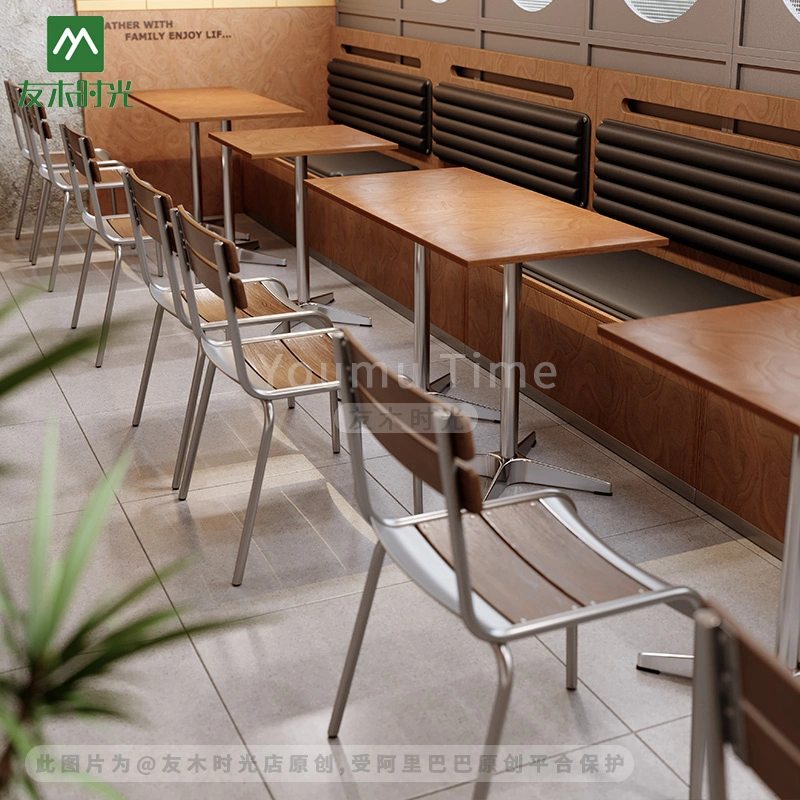
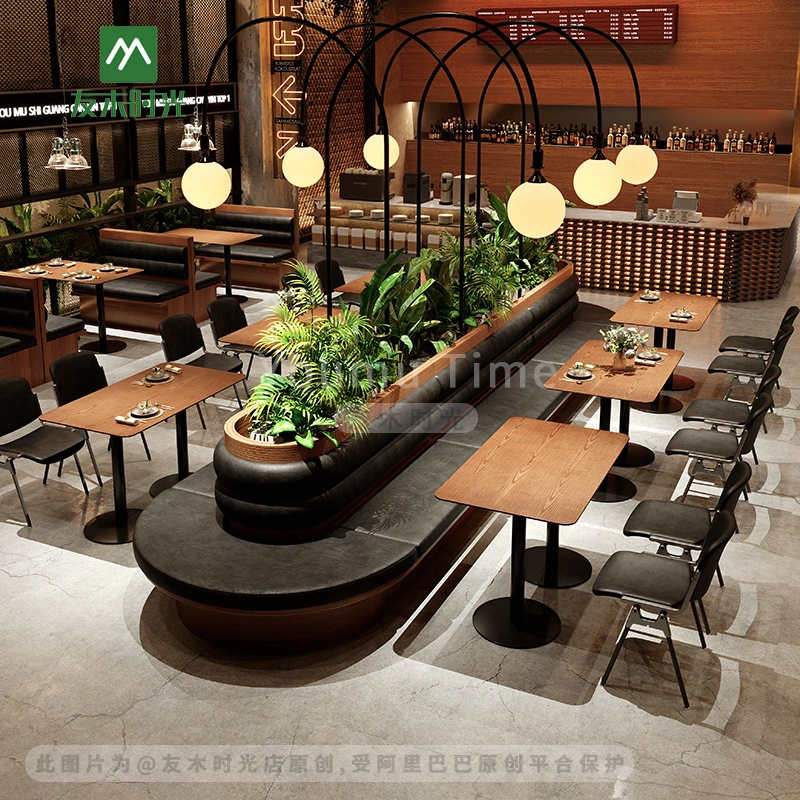
Typical design features include exposed brick walls, concrete surfaces, visible pipes, steel structures, open ceilings, black metal frames, reclaimed wood, and large open spaces.
Industrial restaurants often create a casual, urban, and slightly rugged atmosphere. They are particularly common among burger restaurants, barbecue restaurants, breweries, cafés, steakhouses, and casual Western restaurants.
Although industrial interiors often look simple, careful design is still required to balance hard materials such as steel and concrete with warmer elements such as wood, leather, lighting, and upholstery.
Recommended Furniture for Industrial Style Restaurants
Solid Wood and Metal Tables
Thick wood or wood-look tabletops paired with black steel bases are among the most common choices for industrial restaurant furniture.
Metal Restaurant Chairs
Powder-coated steel chairs are durable and visually suitable for industrial interiors. Wooden or upholstered seats can improve comfort.
Industrial Bar Stools
Metal-frame bar stools work well with wood, brick, concrete, or steel bar counters.
Leather Booth Seating
Dark brown, black, tan, or distressed-look leather booths can add warmth and comfort to an industrial interior.
Communal Tables
Large communal tables are especially suitable for breweries, barbecue restaurants, cafés, and casual dining environments.
Chinese Restaurants
A Chinese restaurant is a broad restaurant category serving Chinese cuisine, but the format can vary significantly according to region, menu, restaurant size, target customers, and service model.
Chinese restaurants can range from small noodle shops and dumpling restaurants to family restaurants, Cantonese seafood restaurants, Sichuan restaurants, hot pot restaurants, banquet halls, and premium private dining establishments.
One major characteristic of Chinese dining is the importance of group meals and shared dishes. In many traditional Chinese restaurants, several dishes are placed in the center of the table and shared among all diners.
Family gatherings, business dinners, celebrations, weddings, and social events are important sources of demand for many Chinese restaurants. Therefore, restaurants often need to accommodate larger groups than cafés or fast food establishments.
Private dining rooms are another common feature, particularly in mid-range and high-end Chinese restaurants. These rooms provide greater privacy for family gatherings, business discussions, and formal entertaining.
Restaurant size can also vary greatly. Some Chinese restaurants focus on efficient casual dining, while others operate as large banquet venues with hundreds of seats.
Recommended Furniture for Chinese Restaurants
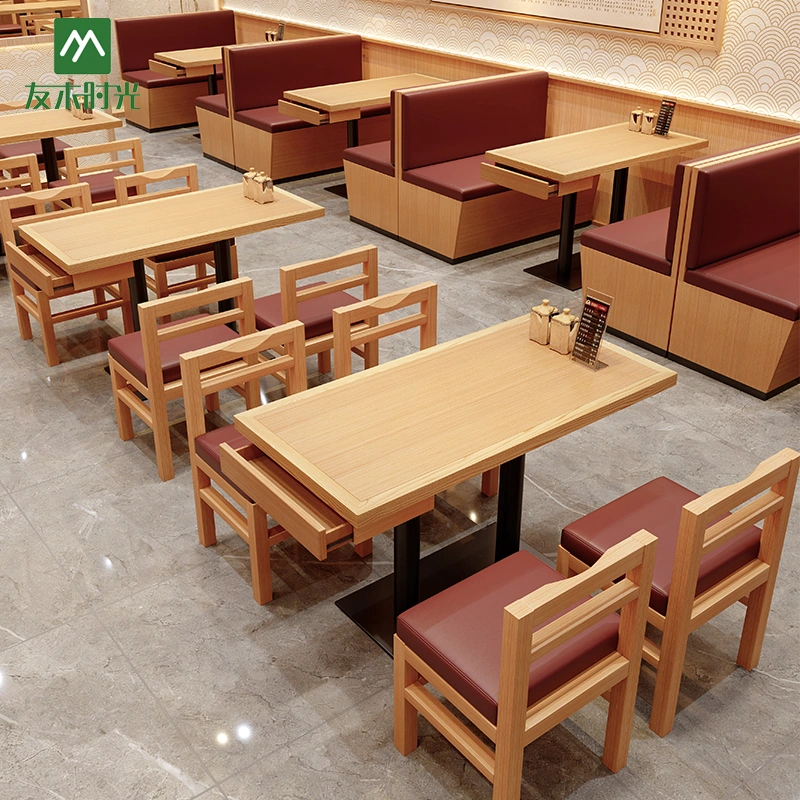
Round Dining Tables
Large round tables are one of the most common furniture choices in Chinese restaurants because they support shared dining and group meals.
Tables can also include rotating Lazy Susan tops to make dishes easier to reach.
Upholstered Dining Chairs
Comfortable upholstered chairs are especially suitable for family dining, business dinners, banquets, and longer meals.
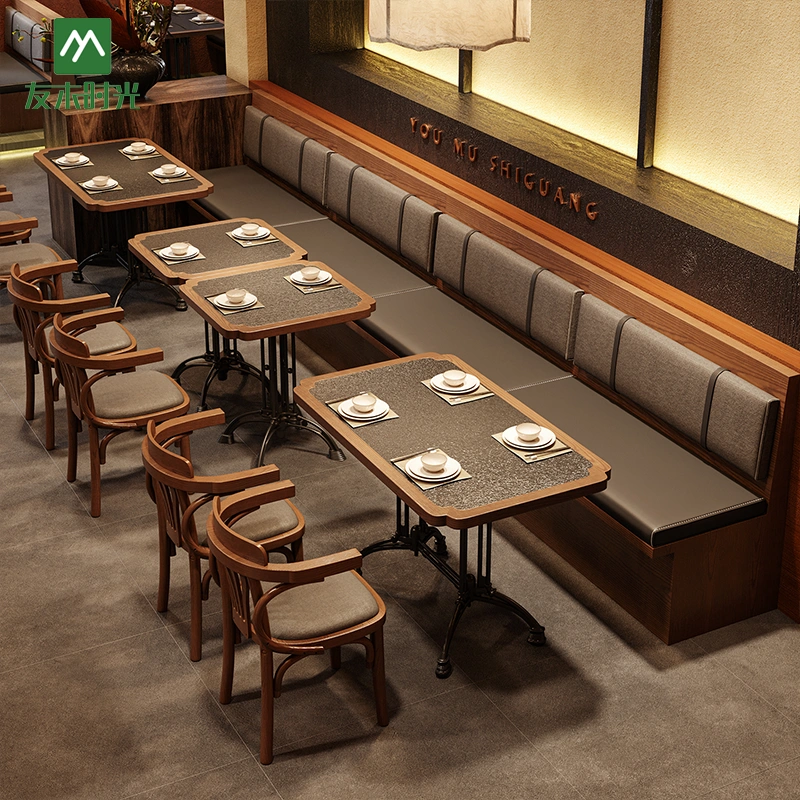
Restaurant Booths
Modern Chinese restaurants increasingly use booth seating for smaller groups and semi-private dining areas.
Private Dining Room Furniture
Private rooms may include large round tables, premium dining chairs, side cabinets, serving tables, and decorative consoles.
Banquet Furniture
Chinese restaurants that host weddings, celebrations, and large events may require movable round tables and stackable dining chairs.
How Furniture Requirements Change Between Different Types of Restaurants
Different restaurant concepts require different furniture because customer behavior, meal duration, service style, group size, and space planning all vary.
Restaurant Size
Small restaurants usually benefit from compact tables, wall benches, lightweight chairs, and flexible seating arrangements.
Larger restaurants can use curved booths, large communal tables, private dining furniture, and more complex seating layouts.
Customer Turnover
Fast food restaurants require furniture that can withstand frequent use and rapid cleaning, while coffee shops and hotel restaurants usually place more emphasis on long-term comfort.
Average Group Size
Coffee shops commonly serve individuals and couples, while hot pot and Chinese restaurants often need to accommodate larger families and groups.
Restaurant Positioning
Luxury restaurants may require premium upholstery, custom finishes, sophisticated booth seating, and specially designed furniture, while casual restaurants usually prioritize durability and cost efficiency.
Cleaning and Maintenance
Restaurant furniture should be selected according to the operating environment. Hot pot restaurants require heat- and stain-resistant materials, while dessert shops and cafés may focus more on easy cleaning and attractive finishes.
Space Efficiency
Furniture layout directly affects the number of seats a restaurant can provide. Booths, wall benches, and modular tables can help increase seating capacity without making the space feel overly crowded.
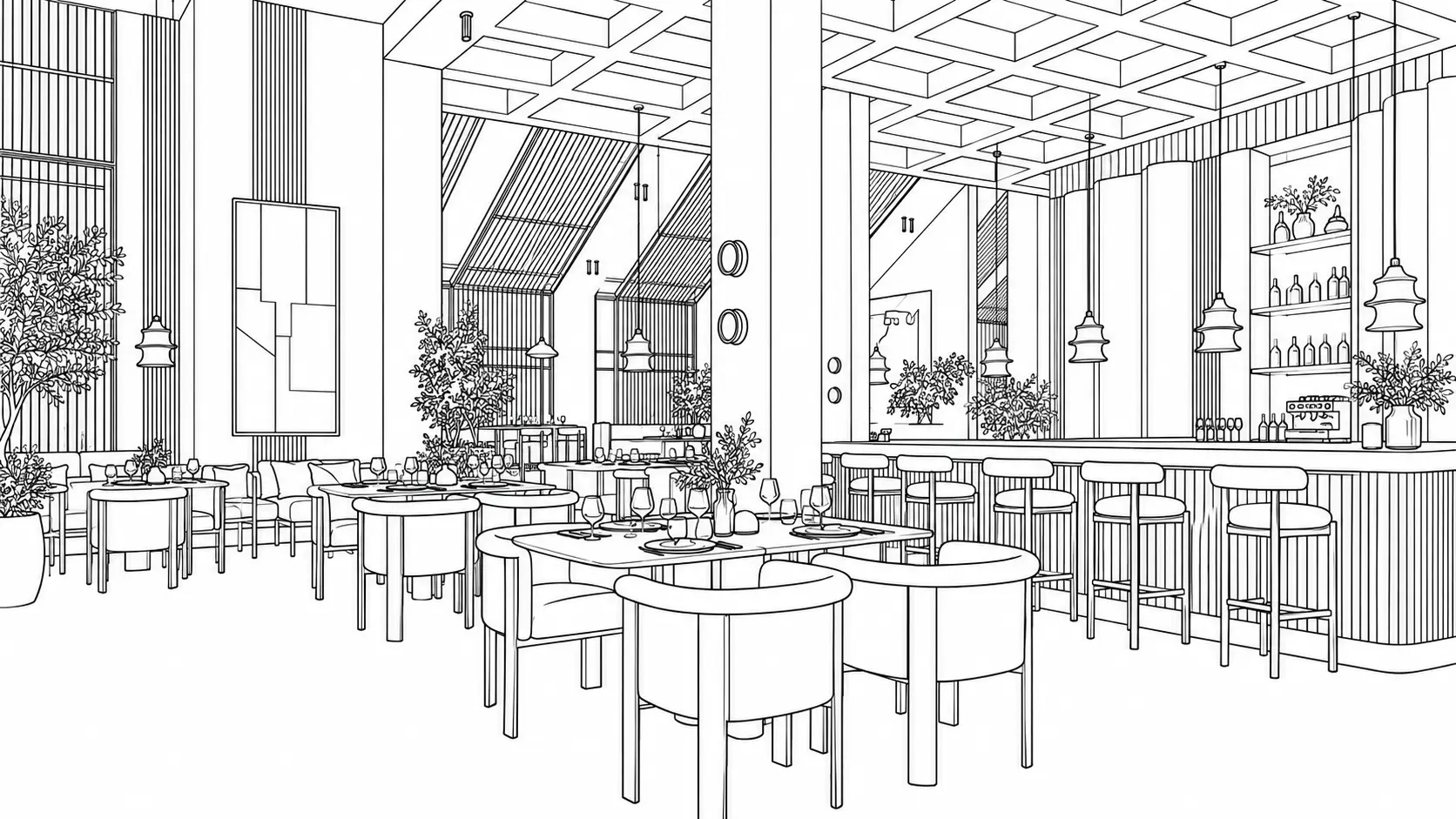
What Furniture Does a Restaurant Usually Need?
Although each restaurant concept is different, most commercial restaurant projects require several common furniture categories.
Typical 餐厅家具 includes:
- Restaurant tables
- 餐厅椅子
- Restaurant booths
- Banquette seating
- 酒吧凳
- Bar tables
- Counter seating
- Waiting area furniture
- Outdoor restaurant furniture
- Service stations
- Custom built-in seating
For larger restaurant projects, purchasing tables, chairs, booths, and other products as a complete furniture package can simplify design coordination, manufacturing, quality control, and installation.
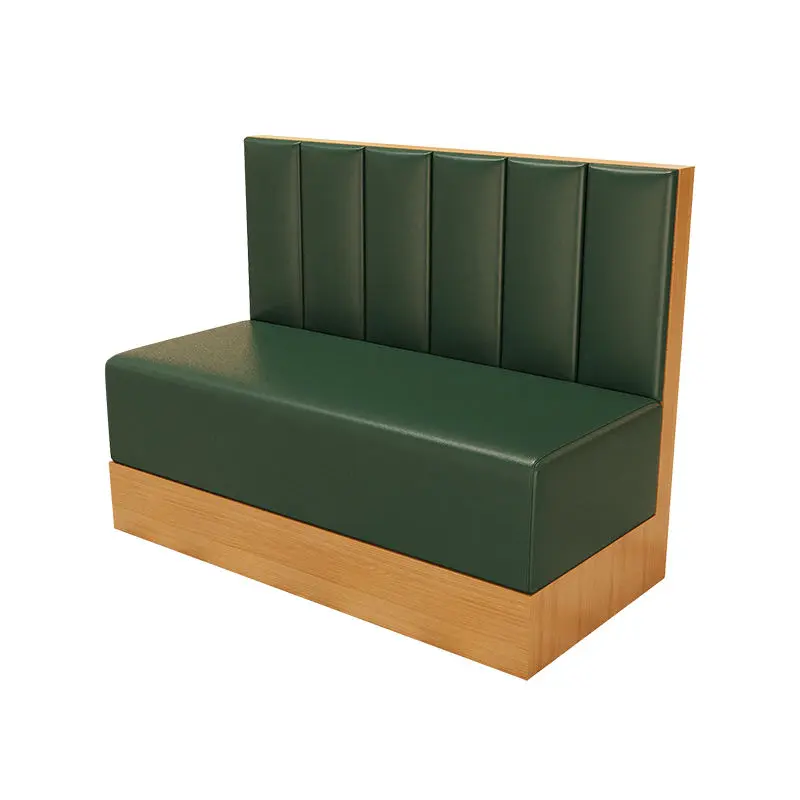
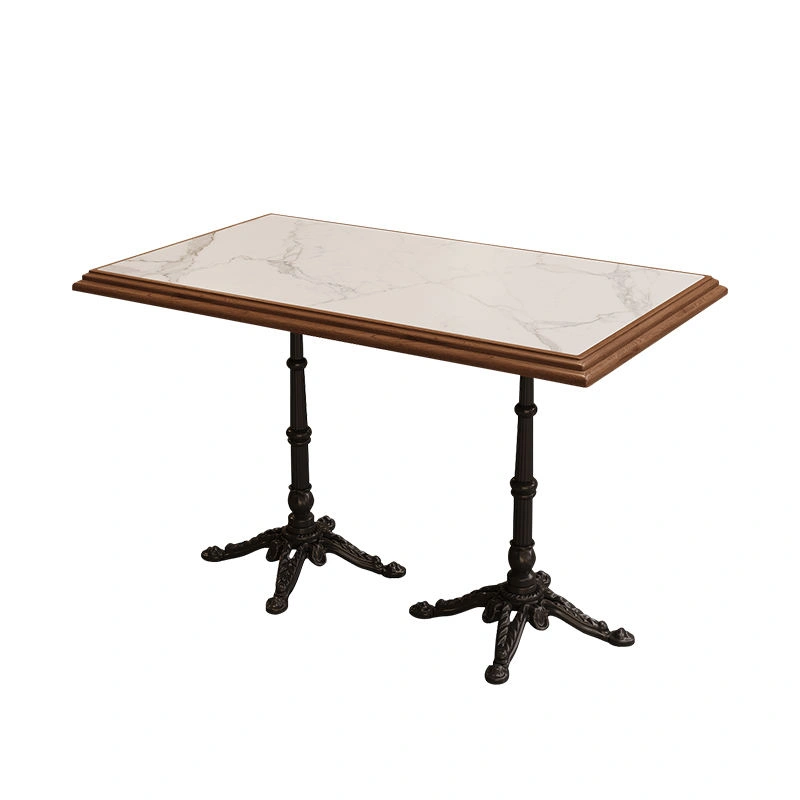
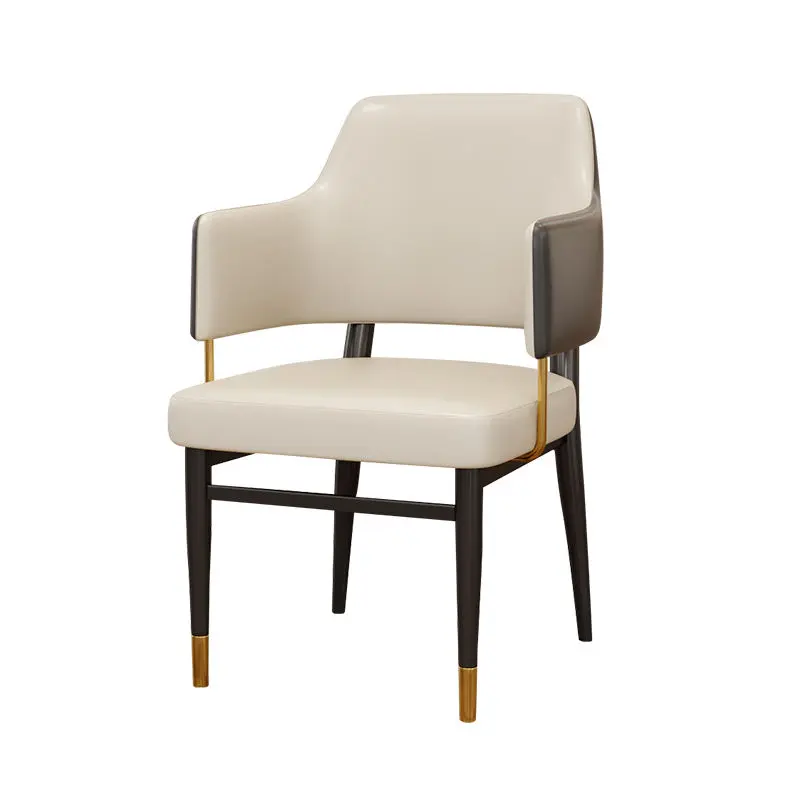
Standard Furniture vs. Custom Restaurant Furniture
Standard furniture is suitable for restaurants that need a faster and more economical solution. Standard table sizes, dining chairs, and basic booths can reduce both production time and cost.
However, 定制餐厅家具 offers greater flexibility for restaurants with specific architectural, design, branding, or functional requirements.
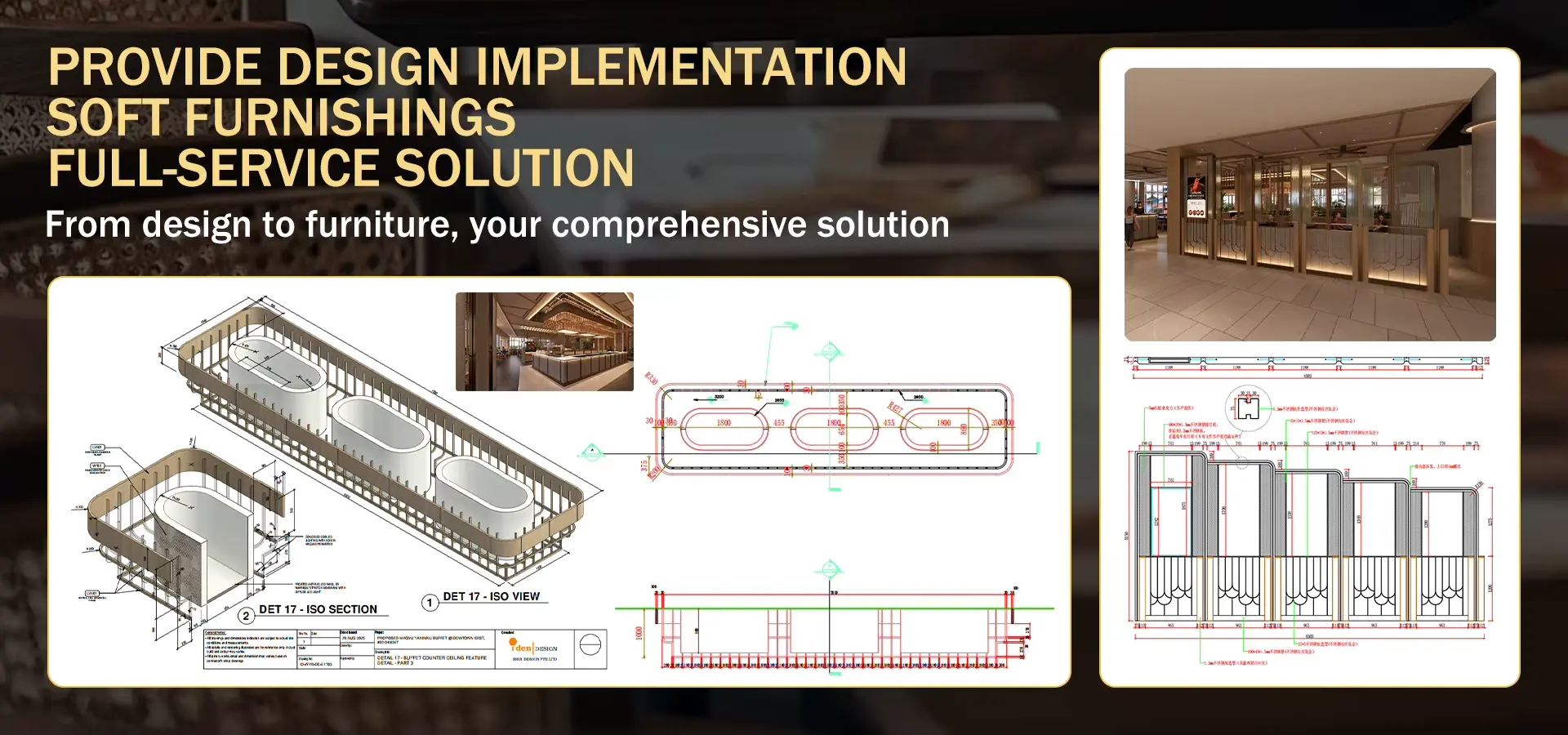
Custom furniture can be developed according to restaurant floor plans, seating capacity, booth dimensions, upholstery colors, wood finishes, metal finishes, tabletop materials, branding requirements, and special functions.
For restaurant chains, custom furniture is particularly useful because it helps maintain a consistent appearance across multiple locations.
Choosing Restaurant Furniture for Different Restaurant Concepts
There is no single furniture solution that works for every type of restaurant.
A coffee shop may need small tables, flexible chairs, and comfortable wall benches. A hot pot restaurant requires specialized dining tables. A fast food restaurant needs durable, easy-to-clean furniture, while a hotel restaurant may require flexible furniture suitable for breakfast, lunch, dinner, and events.
Before purchasing restaurant furniture, project buyers should evaluate:
- Restaurant type
- Menu and dining style
- Target customers
- Average group size
- Customer stay time
- Available floor space
- Seating capacity
- Interior design style
- Budget
- Maintenance requirements
These factors should determine the final furniture selection rather than appearance alone.
Working With a Restaurant Furniture Manufacturer
For restaurant chains, wholesalers, distributors, hospitality designers, contractors, and restaurant project buyers, working directly with a 餐厅家具制造商 can simplify the furniture sourcing process.
A restaurant furniture manufacturer can usually provide coordinated solutions for restaurant tables, dining chairs, booths, banquettes, bar stools, and other commercial furniture.
This approach is especially useful when a project requires:
- Custom dimensions
- Custom colors and finishes
- Matching tables, chairs, and booths
- Custom booth seating
- OEM or ODM production
- Bulk restaurant furniture
- Furniture for restaurant chains
- Project-based production
- International shipping
Sourcing restaurant furniture from one experienced supplier can also make it easier to maintain consistent quality, materials, finishes, and overall design throughout the project.
结论
There are many different types of restaurants, and each one is shaped by its own dining concept, service style, target customers, menu structure, atmosphere, and operating model.
Understanding the different types of restaurants can help restaurant owners, investors, designers, and hospitality professionals make clearer decisions about restaurant positioning, customer experience, layout planning, service processes, and long-term business development.
Ultimately, the best restaurant concept is the one that matches the target market, customer expectations, menu, location, budget, and brand identity. Once the restaurant type is clearly defined, other decisions—from interior design and seating layout to furniture selection—can be planned around that core concept.