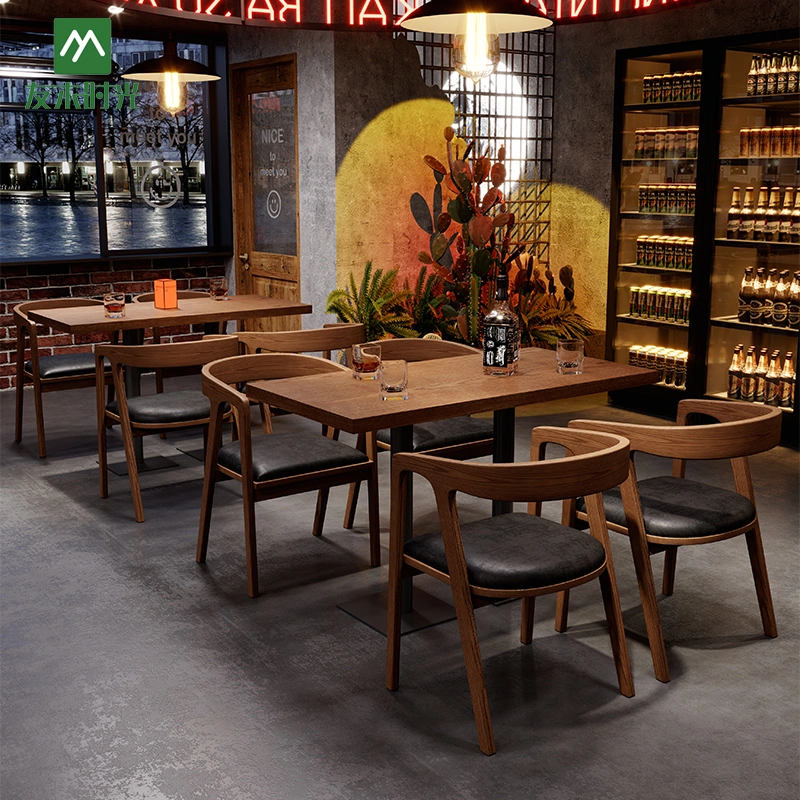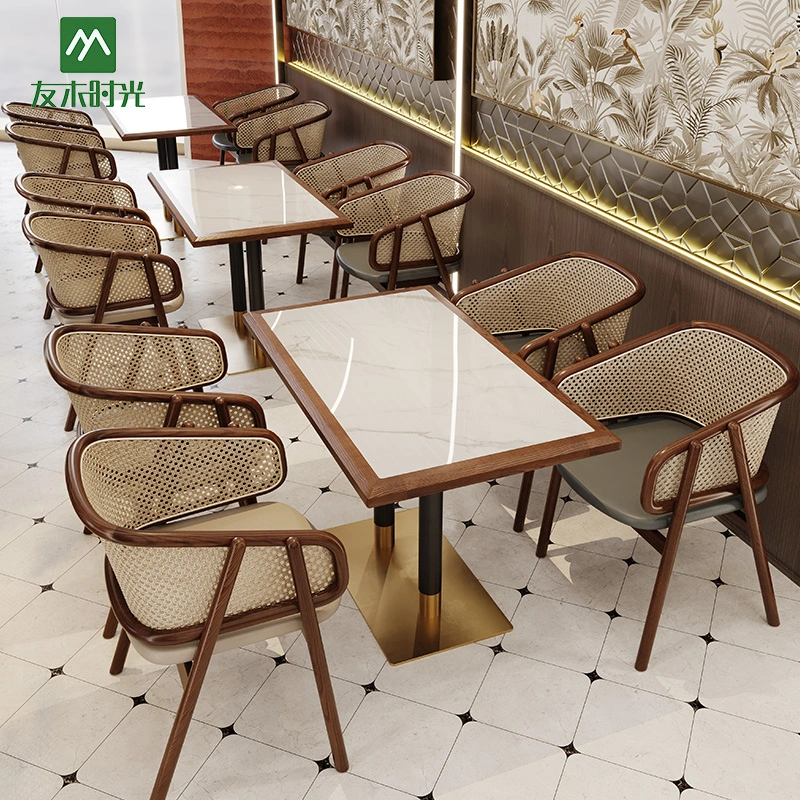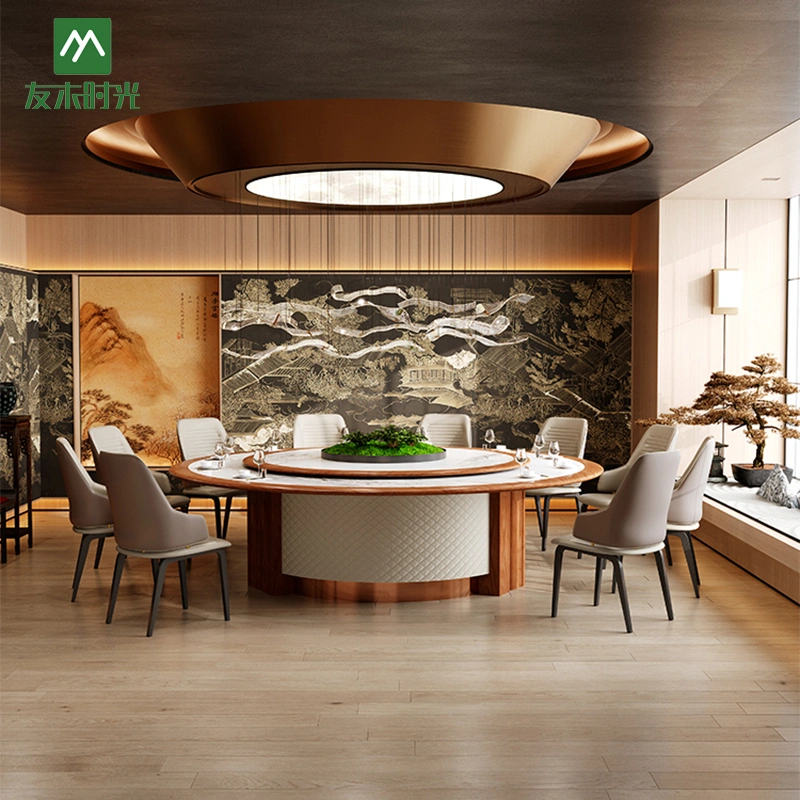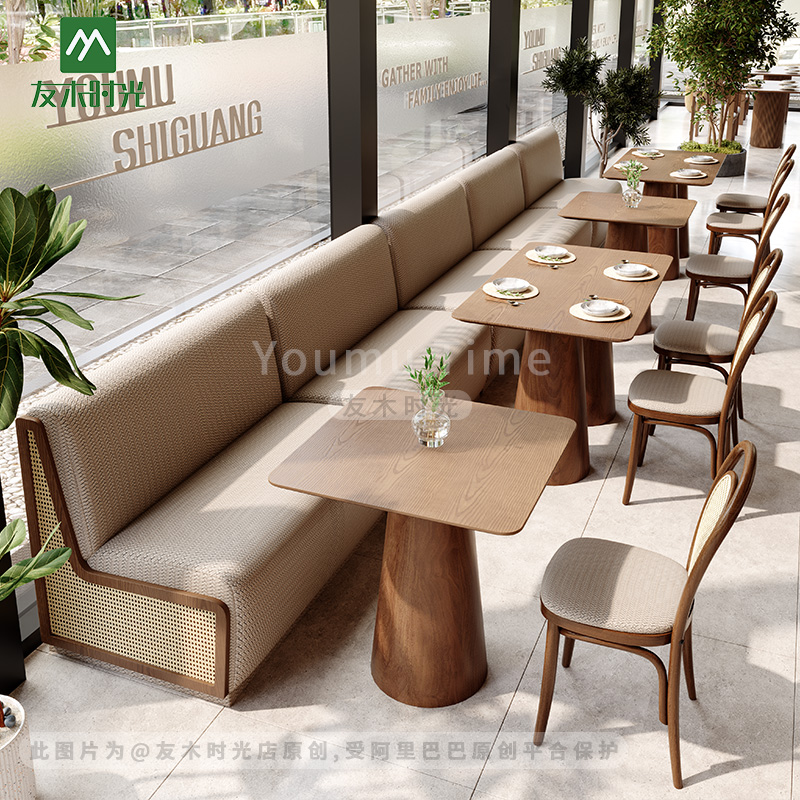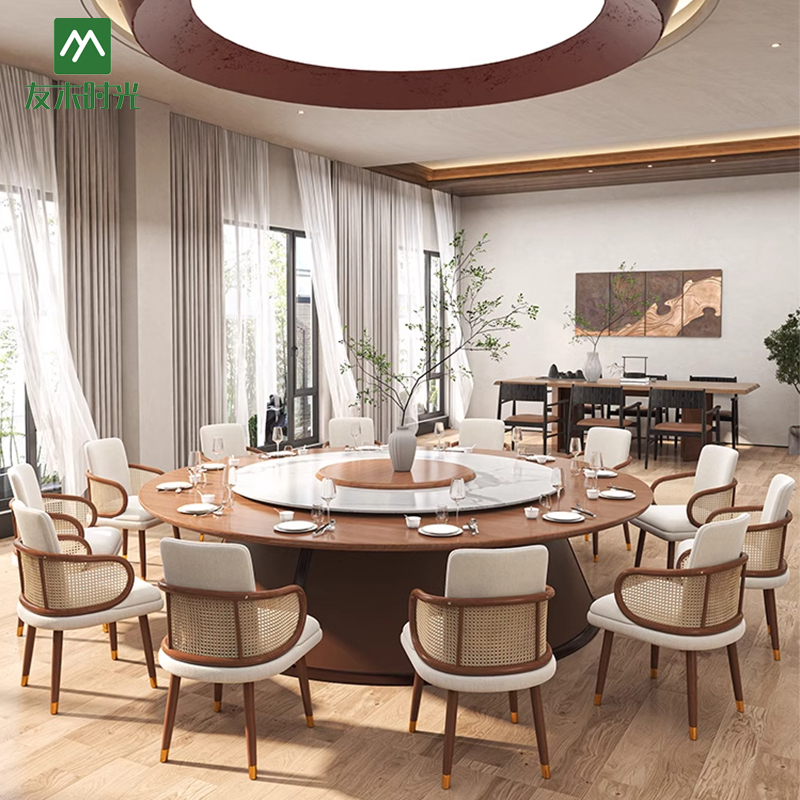
Have you ever experienced this: you’ve invested heavily in developing new dishes, hired renowned chefs, and spent millions on renovations, but customers leave quickly after their meal, never lingering; table turnover is low, and you see no customer photos on social media.
You might think: Is the food not good enough? Is the service not warm enough?
Actually, from the perspective of a 餐厅家具制造商, we can conclude that the problem might lie in a detail you’ve overlooked—the restaurant tables and chairs.
The Secret Weapon of First Impressions
The moment a customer enters your restaurant, they’ve already “experienced” it physically. That experience comes from your 餐厅家具.
Hard wooden benches make people uncomfortable; sofas that are too low make dining awkward; tables too close together allow you to hear whispers from neighboring tables… These small details often determine whether a customer will return.
Comfort is what makes a restaurant memorable. When customers say they “like this place,” they often can’t articulate the specific reasons, but their bodies remember the relaxing feeling.
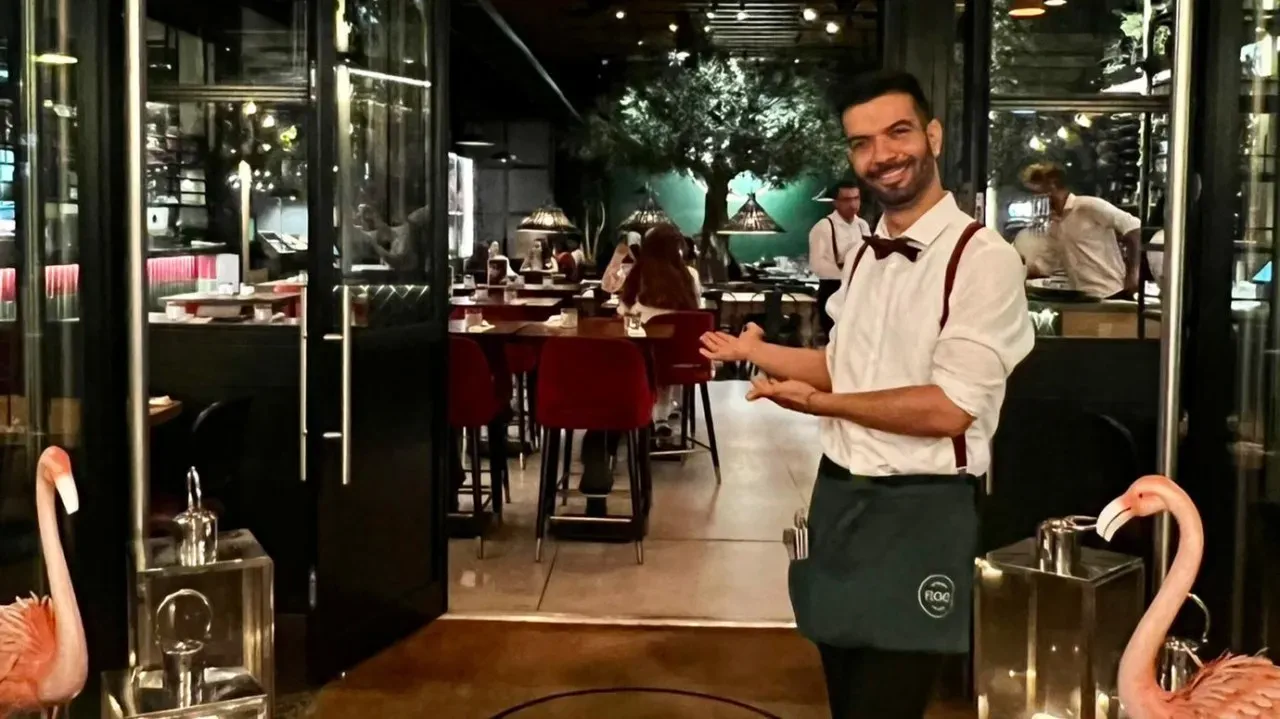
Table Turnover Rate vs. Dwell Time: The Hidden Manipulation of Restaurant Tables and Chairs
Different types of restaurants have completely different needs for restaurant tables and chairs:
Fast food restaurants need “not-so-comfortable” chairs—just the right firmness and angle to allow customers to leave naturally after their meal, increasing table turnover.
Fine restaurants need “just the right” support—allowing customers to enjoy the full dining experience without wanting to leave immediately after a large meal.
Cafés need “sinkable” sofas—moderately firm with armrests, encouraging customers to order a second and third drink.
Many restaurant owners make the mistake of choosing hard seats suitable only for table turnover just to “look good,” even though they want to focus on fine dining, or placing high stools unsuitable for prolonged sitting in a neighborhood café. Find out: How to increase your table turnover rate.
The Hidden Power of Social Media
Customers might reluctantly sit in chairs that are “good-looking but uncomfortable”; customers will never take photos in restaurant tables and chairs that are “comfortable but not good-looking.”
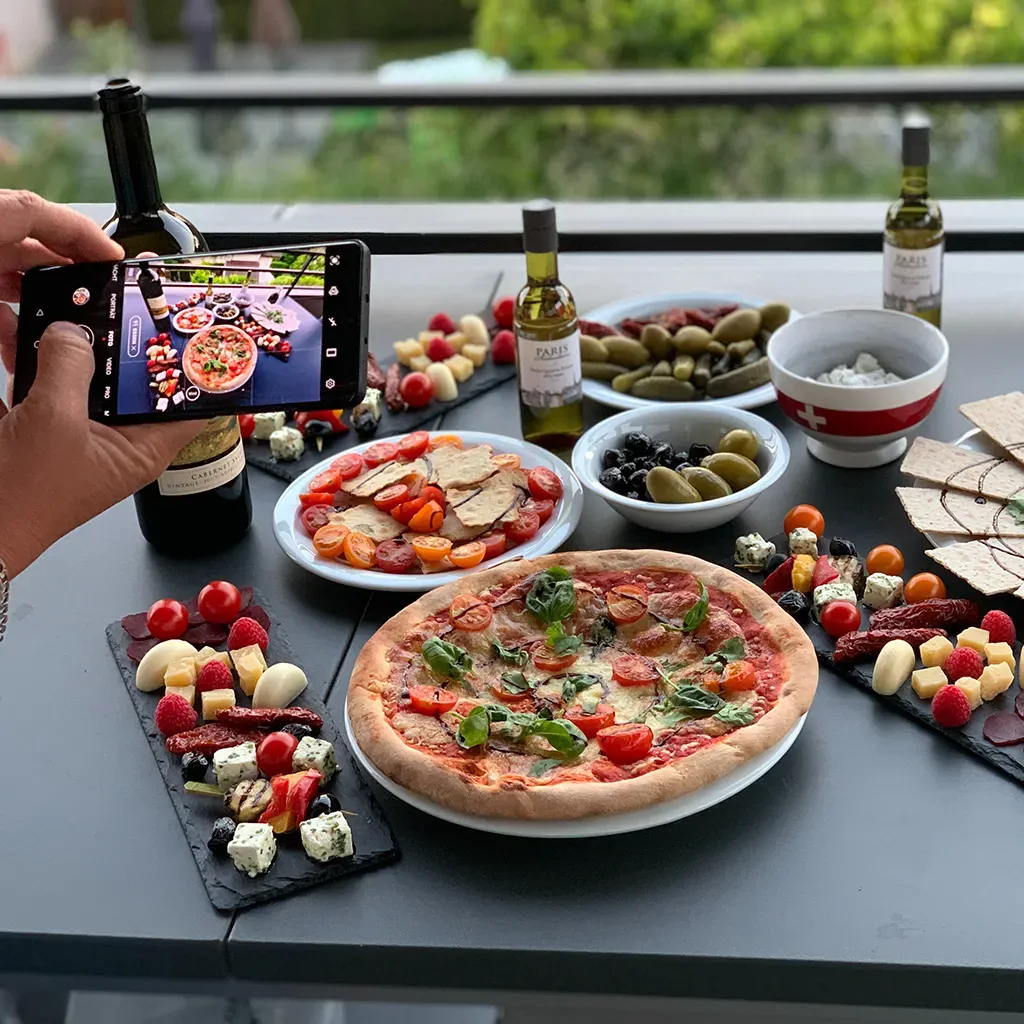
Today’s customers must “feed their phones” before eating. A unique set of restaurant tables and chairs or a carefully arranged booth might be the reason a customer posts on social media or recommends the restaurant.
But note: aesthetics shouldn’t come at the expense of comfort. Otherwise, you’ll end up with a customer taking photos for five minutes, then rushing through their meal and leaving because they’re uncomfortable.
The Psychology Behind Materials
Different materials of restaurant tables and chairs evoke completely different psychological messages:
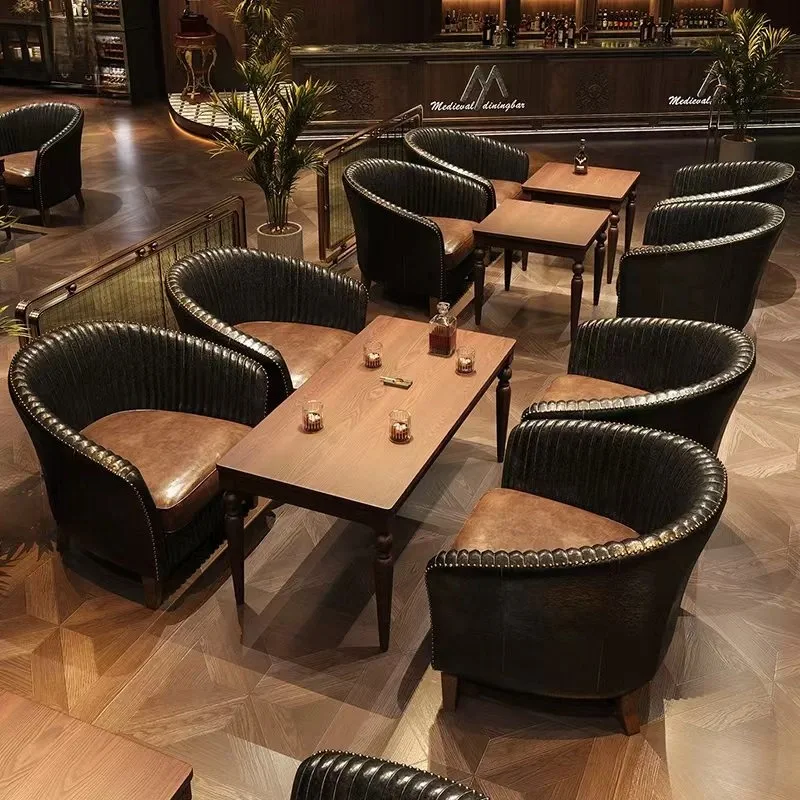
Wood conveys warmth, nature, and health; metal brings an industrial feel, calmness, and efficiency; fabric makes people relax and want to linger; leather suggests quality and value.
The materials of your tables and chairs silently tell customers: what kind of dining pace is suitable here.
How to Use Restaurant Tables and Chairs to Keep Customers Engaged?
Step 1: Define Your “Ideal Customer Profile”
What kind of customers do you want? Office workers who want to eat quickly and leave? Or couples or friends who want to savor the meal at a leisurely pace? Different goals dictate different table and chair strategies.
Step 2: Create a “Seating Ecosystem”
Good restaurants have different types of seating: bar seats by the window are suitable for solo diners; comfortable booths are suitable for couples; long tables are suitable for gatherings. Allow customers with different needs to find their “comfort zone.”
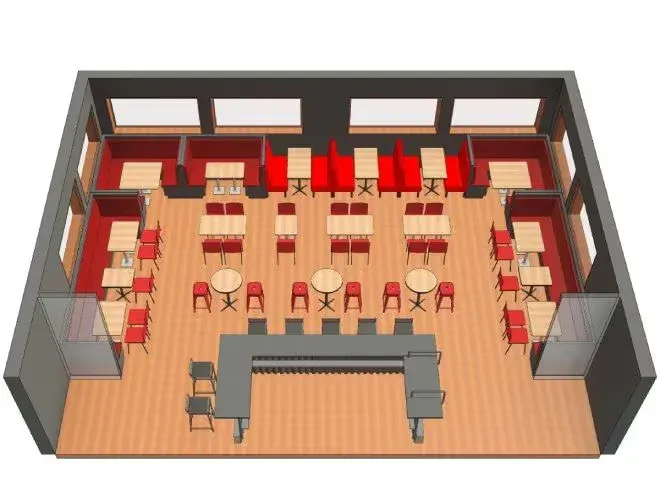
Step 3: Emphasize “Sitting Comfort Testing”
Before purchasing, have people of different body types sit in the chairs for at least 20 minutes. A good-looking chair and a comfortable chair are often two different things.
Step 4: Focus on the Golden Ratio of Table Height to Chair Height
A table height of 75cm and a chair height of 45cm is the standard combination; bar tables require high stools; booths should be at least 50cm deep for comfort. These details determine the comfort of the dining experience.
Step 5: Regularly Observe and Adjust
What is the customer’s first reaction after being seated? Does anyone frequently change seats? Which seats are chosen first during peak hours? These observations will tell you whether the table and chair setup is reasonable.
Small Changes, Big Differences
I once saw a wildly popular coffee shop where the owner inadvertently discovered that customers sitting on the most comfortable sofas spent an average of 1.8 times more than those sitting in regular chairs.
Restaurant tables and chairs are never just tables and chairs. They are the most direct point of contact between customers and the restaurant, the invisible force determining how long customers linger, and the silent expression of brand identity.
Next time you’re thinking about how to improve restaurant performance, try sitting in the shop first and experiencing it for yourself: Is this place really comfortable?
You might discover that the secret to retaining customers lies in those restaurant tables and chairs you pass by every day without ever truly paying attention.
结论
If you want customers to stay longer, try starting by adjusting one or two chairs. Small changes might bring surprises. But remember, always to make a shift based on your ideal or current customer profile. Otherwise, it would be a complete waste of money and energy.
关于幽木曙光家具
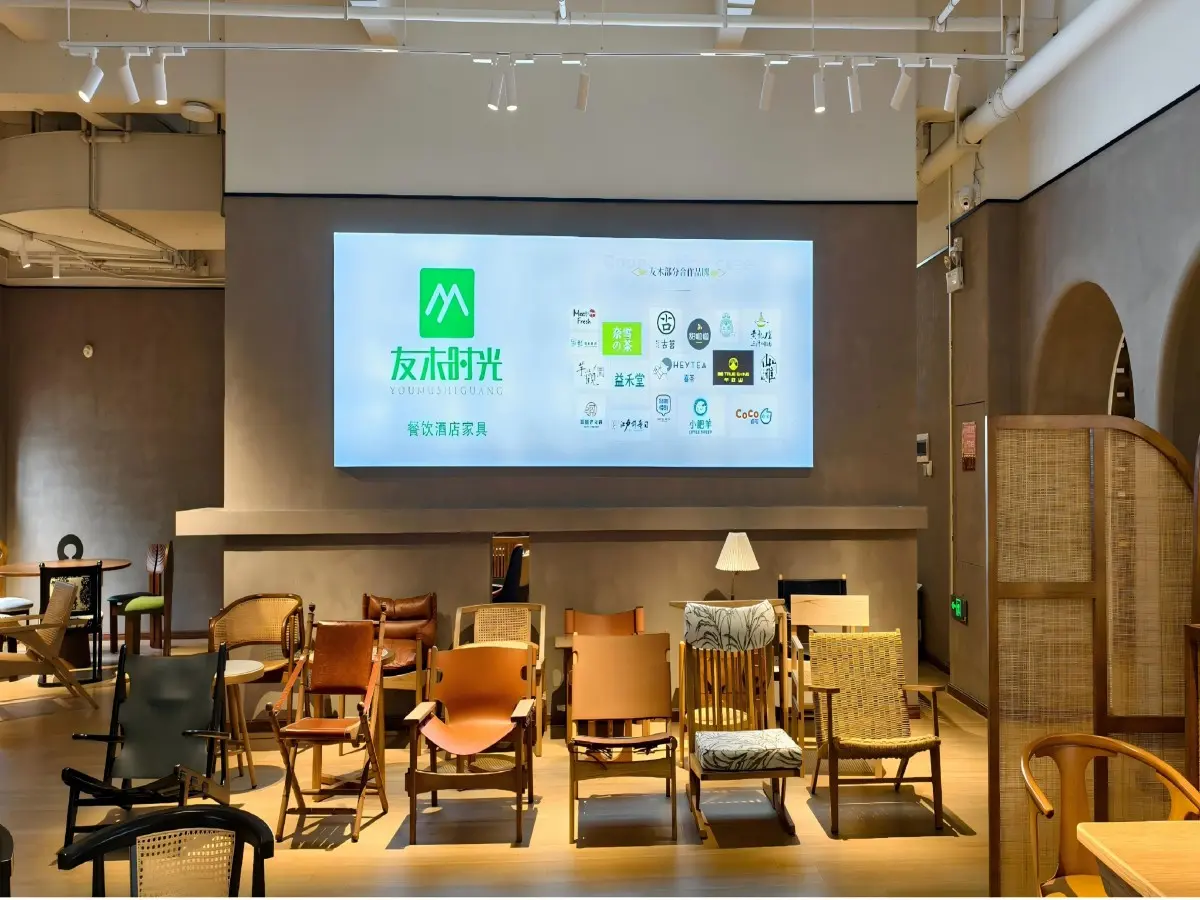
作为 餐厅家具制造商, Youmu Shiguang Furniture delivers restaurant tables and chairs wholesale service, engineered for restaurant performance. We control raw material selection, structural testing, and batch production standards to ensure consistent dimensions, load capacity, and finish quality across orders.
Beyond our standard models, Youmu Shiguang develops custom restaurant tables and chairs solutions—custom sizes, upholstery, frame materials, branding details, and layout-based configurations—aligned with specific dining concepts and turnover goals.
With scalable production and reliable lead times, we are capable of supporting B2B clients seeking stable supply and concept-driven furniture systems rather than off-the-shelf pieces.